gamified financial world
Original title: "Gamification of Finance"
Original author: Joseph Politano
Original translation: Block unicorn
Due to increased social media usage and increased visitation to the financial world, investing and trading communities have sprung up on various social media networks : Fintwit (financial twitter), content creators on YouTube and now famous Reddit communities like WallStreetBets stock retail community. People share investment ideas, discuss recent market moves, and post their incredible gains or devastating losses. The rise of the encrypted economy has also increased the speculative enthusiasm of the entire digital community, and corporate giants like Elon Musk have become social media stars. The pandemic has caused extreme changes in the market, while leaving many people feeling bored, lonely and with too much time on their hands, which has only accelerated the growth of the online financial community.
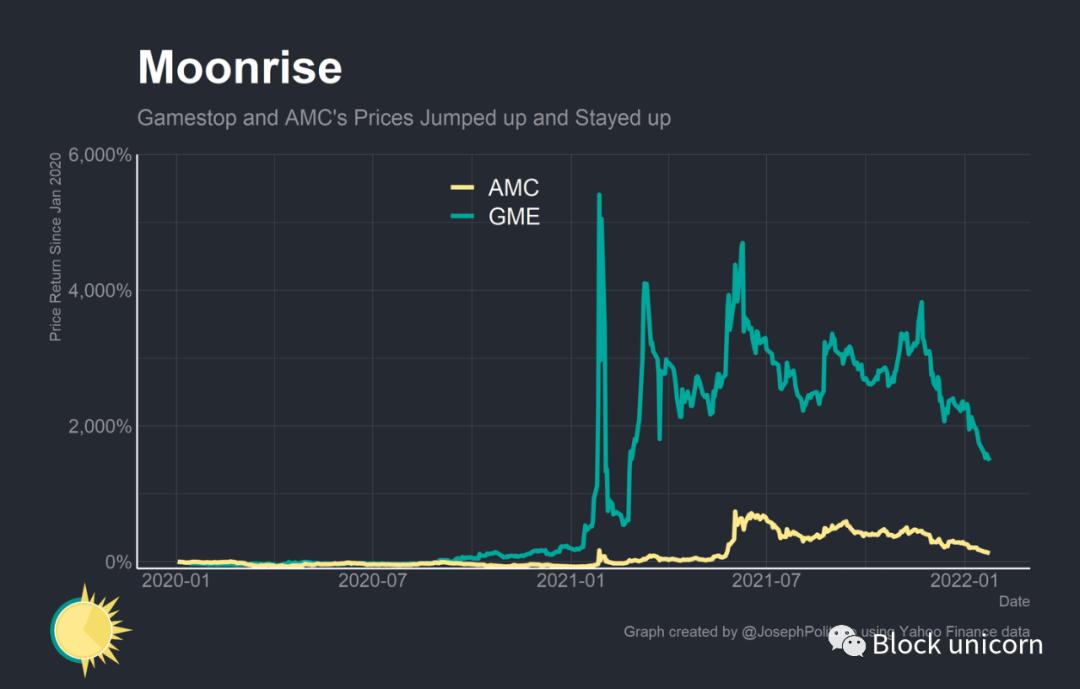
All of this came to a head in January 2021, when struggling video game retailer GameStop came into the financial spotlight. The story goes that the hedge fund shorted the stock -- borrowing the stock and selling it immediately, betting that GameStop's stock price would go down. Users of WallStreetBets see the extremely high level of short interest (the number of shares sold short over existing shares) as an opportunity. If they can push the price of GameStop stock higher, short sellers will have to buy at a higher price to cover their positions at significant losses. So they bought GameStop in bulk, sending its price soaring, and Wall Street hedge funds betting on the company. After GameStop shares rallied from $20 before the squeeze to nearly $500, after its success, traders turned to other stocks with a lot of short interest (such as struggling movie theater company AMC). Until Robinhood and other brokerages completely suspended trading in GameStop, AMC, and several other "meme stocks" -- effectively cutting off the momentum of the meme mania.
But it's just a story - to tell the story of this story, we have to start from scratch.
Democratization of Finance
“Due to the influence of attention on buying and selling behavior, investors can The technological advantages combined by an easy-to-use application seem to make profitable day trading more difficult, not easier."
For the vast majority of people In general, trading is a money-losing proposition. Decades of academic research has shown that retail investors who try to pick their own stocks lag behind risk-appropriate benchmarks, and those who trade regularly fare worse. This should come as no surprise—professional fund managers have consistently underperformed the index, so why are ordinary folks able to outperform? The essence of the efficient market hypothesis is that, because asset prices reflect all relevant available information, investors cannot achieve reliable alpha (alpha refers to achieving super high rates of return). Real world markets are unlikely to be perfectly efficient, but they are close enough that alpha is often difficult to obtain. Those who outperform the major indexes often do so because they took extra risk (like Warren Buffett's value investing), mined new information (like Renaissance Technologies' famed Medallion fund), or simply got lucky.
Robinhood comes at a time when low-cost passive index funds are taking the financial world by storm. The relative underperformance of costly actively managed funds and the rise of low-cost index fund providers such as Vanguard has led to trillions of dollars of everyday retirement savings being poured into index funds. Robinhood is on a mission to break down the last barriers to the financial world for ordinary people: high transaction costs and opening a brokerage account. Traditional brokerage firms have no interest in managing millions of accounts at $500 each, and thus only focus on a small group of high net worth individuals. Many brokerages are unwieldy and charge high fees per trade, making them inaccessible to young, tech-savvy and low-net-worth users.
“A big part of the appeal is not that ‘finance is fun’, but that trading stocks or cryptocurrencies seems like an easy way to make money. Obviously, I don't think this is true. "Srivatsan Prakash (host, Market Champions podcast)
However, the introduction of brokerage to smartphones has More likely to buy riskier, popular and lottery-like assets. They are also more likely to chase past returns, succumbing to well-known behavioral biases that hinder investor performance. The effects may not be temporary, either — investors who start trading over the phone start exhibiting similar behavior on other platforms. Robinhood currently has 18.9 million monthly active users out of 22.4 million total funded accounts, which means most users check their accounts frequently -- which also reduces long-term returns. For many, active trading is starting to become less and less Attractive - they can get rich quick this way too.
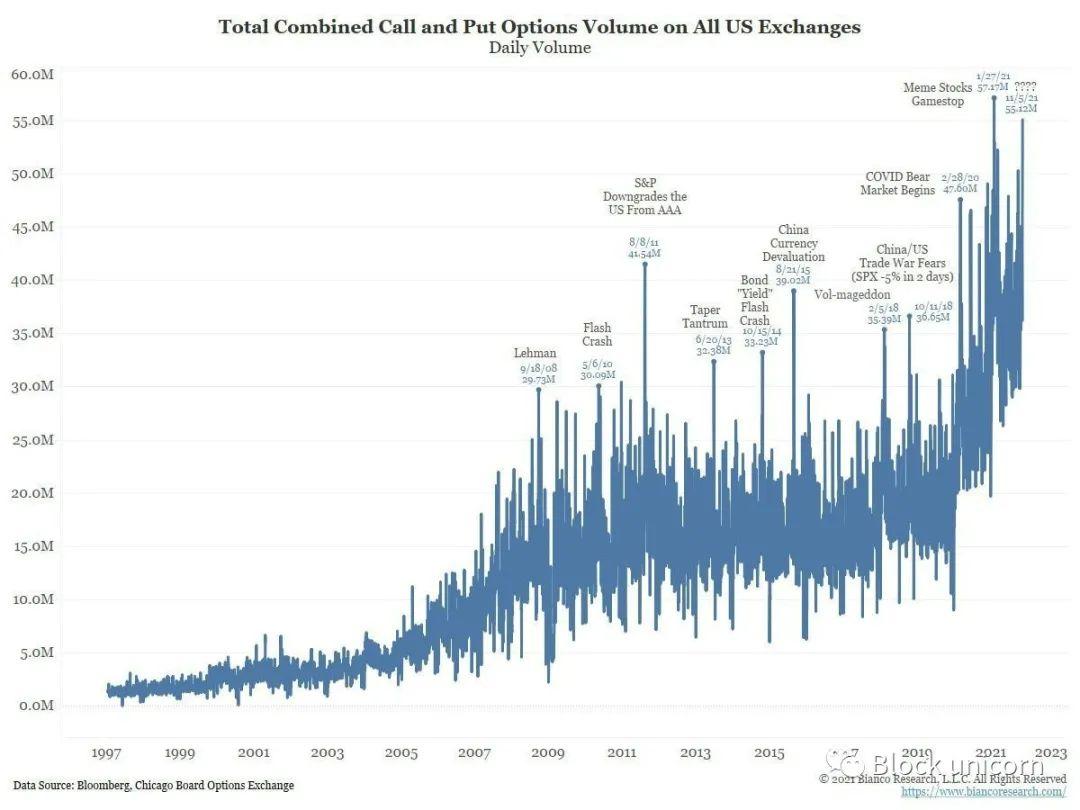
Over time, users of zero-cost brokers began to switch to riskier and more volatile financial products. Puts and calls are risky financial derivatives often used for hedging and are increasingly used by retail traders to make leveraged bets on the direction of different stocks. The explosion of memecoins has come alongside an already volatile cryptocurrency market. Crucially, Robinhood earns some of its money through payment for order flow (PFOF), where market makers compensate brokers based on how they direct trades. The process is legal, improves on the high transaction fees of bygone eras, and may be cheaper for users than other options, but it still gives Robinhood an incentive to get users to trade as often as possible, and trade market making Riskier, less liquid assets that traders are willing to pay more to trade. Last quarter (Q4 2021), $164 million of Robinhood's transaction-based revenue came from options, another $51 million from cryptocurrencies, and $50 million from common stocks.
Memes of Finance
“Society has always been a meme war, but in This has been fought with sticks and stones before. However, the internet has engaged in an arms race, trench warfare against meme-driven brains in many domains. They have not captured all areas of thought yet, but I fear the meme trench will only Expand."
CGP Gray, meme commentary answer. CGP Gray is an educational blogger with over 5.2 million YouTube followers.
With the rise of retail investing and the popularity of social media, corporate executives and prominent investors became social media stars (and to a lesser extent, vice versa ). Elon Musk, Tesla's Technoking (Techno is a genre of electronic music, that's his official title), is without a doubt the biggest star in the world of financial social media, with a staggering 71 million Twitter followers.
“The way finance works now is that things are worth not based on their cash flow, but on how close they are to Elon Musk.”< /p>
Matt Levine (Valuation Analyst) Elon Musk's Market Hypothesis
Elon's His social media status has made him a market mover throughout the world of traditional and crypto finance, and his tweets about GameStop, Dogecoin, Bitcoin, and his own company, Tesla, have elicited huge, immediate reactions from financial markets. Many crypto projects were created with the explicit intentions of Elon’s Twitter feed, and CEOs of other public companies tried to associate themselves as much as possible with Elon’s social media fame.
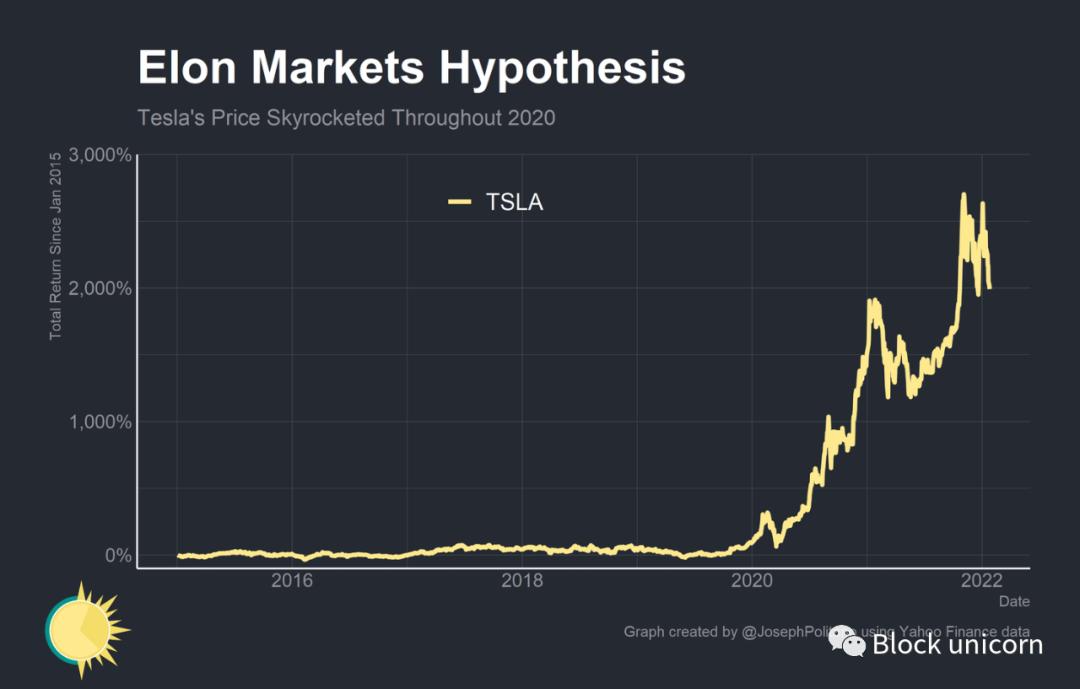
Elon Musk used his fame on social media to attract a group of highly loyal retail investors and use these loyal retail investors to achieve business in a virtuous circle success. Tesla is a nearly $1 trillion company today, yet it trades at a very high price-to-earnings ratio of about 270. By comparison, Apple trades at a paltry 28 times earnings at the time of writing, making Tesla an extremely competitive company. A company that is valuable relative to profitability. This partly reflects high growth expectations, but partly reflects Elon's unique ability to attract capital from retail investors at sky-high prices. Tesla’s share price rose after a December 2020 additional offering, the third time the company raised capital at a higher valuation than today. Elon was able to use this cheap money to quickly scale up actual production and use his social media fame to boost Tesla's brand image and popularity.
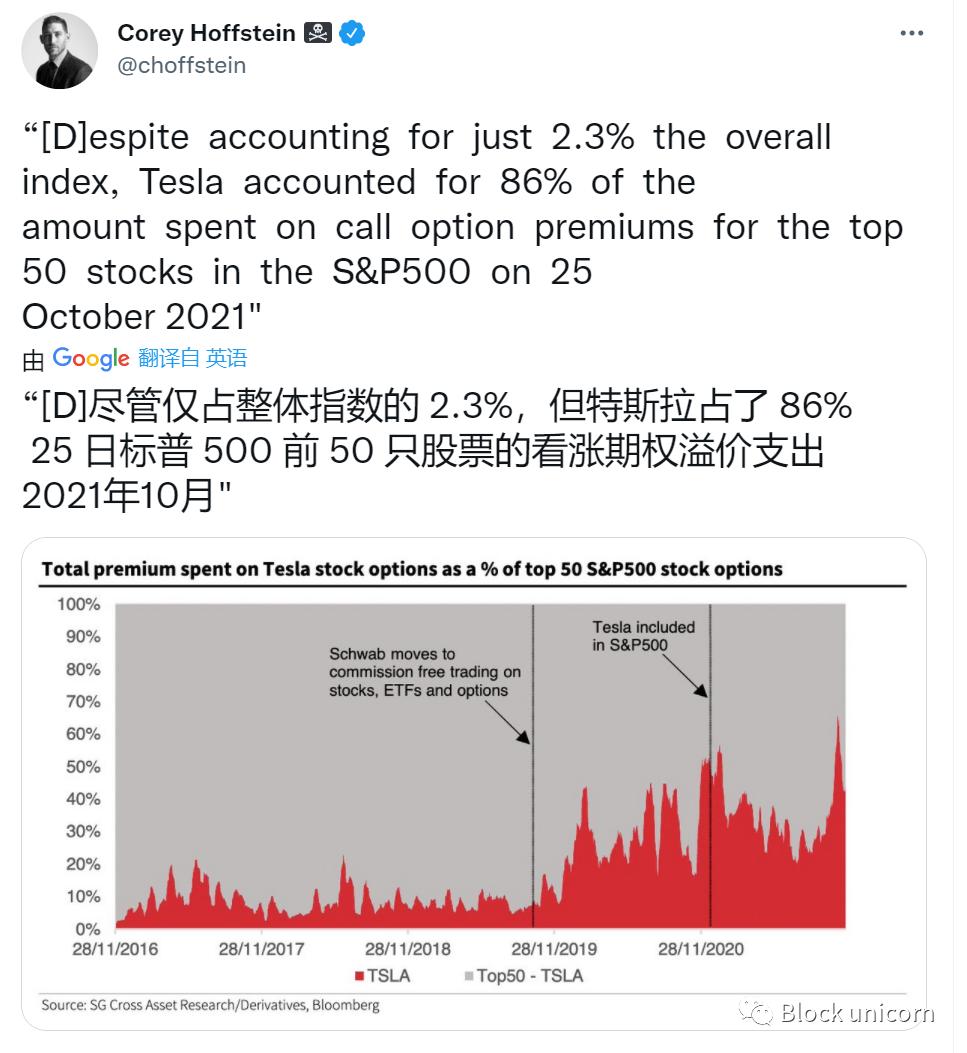
Retail traders are emotionally attached to Tesla's success thanks to their one-sided relationship with Elon Musk's quasi-society (i.e., media users and media persona participation) ) connection. Their emotional connection makes them stickier investors and willing to buy Tesla stock at a premium valuation. Seeing this, other corporate executives and fund managers started building their social media followings on social media. Michael Saylor of Microstrategy Inc built a following based on his company buying Bitcoin, Cathie Wood built a following based on her "disruptive" investment fund, and Chamath Palihapitiya (SocialCapital CEO) built a following by using special Special Purpose Acquisition Companies take private technology companies public to build a following (SPAC).
“As young adults, part of our reaction to memes is everything, so I wouldn’t be surprised if this does become an investing style.” Kyla Scanlon ;(Twitter KOL)
The beauty and curse of social media lies in its ability to create narrative communities and parasocial relationships. Humans are narrative, social, and tribal creatures; we form communities based on ingroups and outgroups, and learn from the stories our ingroup members tell us. Memes are not just funny pictures, but short expressions of any complex idea that is sharable, imitable, and adaptable—they are the lifeblood of narrative communication on the Internet. An effective meme defines an ingroup and outgroup simply by who gets the joke (and therefore who the social media content delivery algorithm will show the joke to) and communicates complex ideas through familiar templates (think how many people Use the famous "distracted boyfriend meme" to comment on various situations). Consider the recent crypto memes of WAGMI (we'll all make it) and NGMI (it won't). They clearly define an ingroup ("we" who invest in cryptocurrencies or specific coins/projects), an outgroup ("you" who don't invest), and tell narrative stories about both groups (are you Will "realize it financially or socially depending on their relationship to the coin/project (implying a substantial increase in future value).

The social media narrative is what SPACs have used over the past few years The basis for explosive growth. In SPAC, shell companies are listed on the stock exchange in order to provide funds for mergers or acquisitions of privately held companies. characteristics and purposes of financial products, and optimize the characteristics of each financial product to complete the purpose of corporate listing and financing.) Launched without a real subsidiary company, and must find acquisition targets, so they rely on investors for SPAC founders in the age of social media, those with large and loyal digital followings (such as Chamath Palihapitiya) can leverage the quasi-social relationships they have with their fans to secure substantial funding for SPACs based solely on ideas and narratives.
Online communities are formed through constant exposure to memes that convey similar narratives. Eventually they start to self-catalyze. The growing popularity of memes prompts previously uninterested People get involved in the community. These people are so convinced of the core principles of the community’s defining beliefs that they start creating and sharing more memes. These memes convince more people who were previously uninterested to participate, and the cycle starts again. This Back to GameStop and WallStreetBets.
Gamification of Finance
Unprecedented stock market volatility due to COVID while Stranded high earners with time and money to spare, WallStreetBets expanded dramatically in the early days of the pandemic. It should not be forgotten that the subreddit also attracted many desperate people looking for ways to improve their financial situation, as well as many who lost social interaction during the pandemic and sought The community-minded, subreddit is notorious for traders who bet everything on risky trades and either win a lot of money or (more likely) lose it all.
“Our brains are still adapting to this online space, and the way they deal with loneliness is by saying, ‘Man, all I do is talk to people on Zoom all day long. Chat" function. "Cool Scanlon
In late 2020 and early 2021, a section of Reddit's WallStreetBets community became interested in GameStop. The company appears to be making some important changes to its organization and strategy in response to years of declining profits, and WallStreetBets users see record short interest in the company as an opportunity. They started pumping money into the company's stock in an attempt to squeeze short sellers out, and the rest is history.
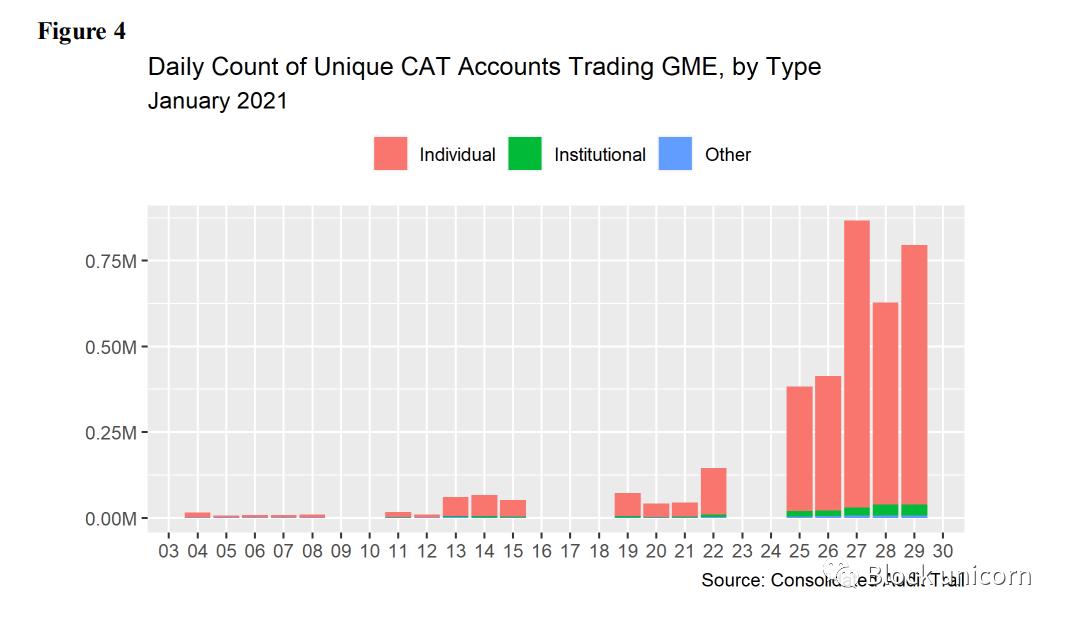
At the height of the mania, more than 750,000 individual accounts were trading GameStop, and the narrative (meme) of them sticking it to a hedge fund by buying shares drew in. If retail traders just push prices high enough, they can destroy Wall Street suits in one fell swoop while making themselves rich. The meme started on WallStreetBets, but spread quickly: first to the rest of Reddit, then to Twitter and other social media platforms, then to television and mainstream media, then to millions of American dining tables, and finally To the halls of Congress and the White House. Social media influencers like Elon Musk spread the meme further, amplifying its influence by attaching their influence to the frenzy, and the meme spread to other companies' stocks - AMC, BlackBerry and others had plenty Struggling retailer with short interest.
"Whether driven by a desire to squeeze short sellers to profit from rising prices, or by belief in GameStop's fundamentals, long-term It's positive sentiment that's driving prices up for weeks, not buying to cover GameStop stock appreciation." SEC Staff Report on State of Equity and Options Market Structure in Early 2021
The beauty of social media is its ability to create narrative communities and parasocial relationships. The curse of social media is that these narratives don’t have to be grounded in fact, and these communities can be led astray by groupthink in-group and out-group dynamics. The GameStop saga identified a definite insider group—the online community of forgotten ordinary Americans—and a definite outgroup—who hollowed out the country's Wall Street suit. It established a clear narrative: by buying GameStop stock, you're sticking it to the hedge fund outgroup and enriching the online ingroup, a meme that caused GameStop's price to squeeze a lot of shorts.
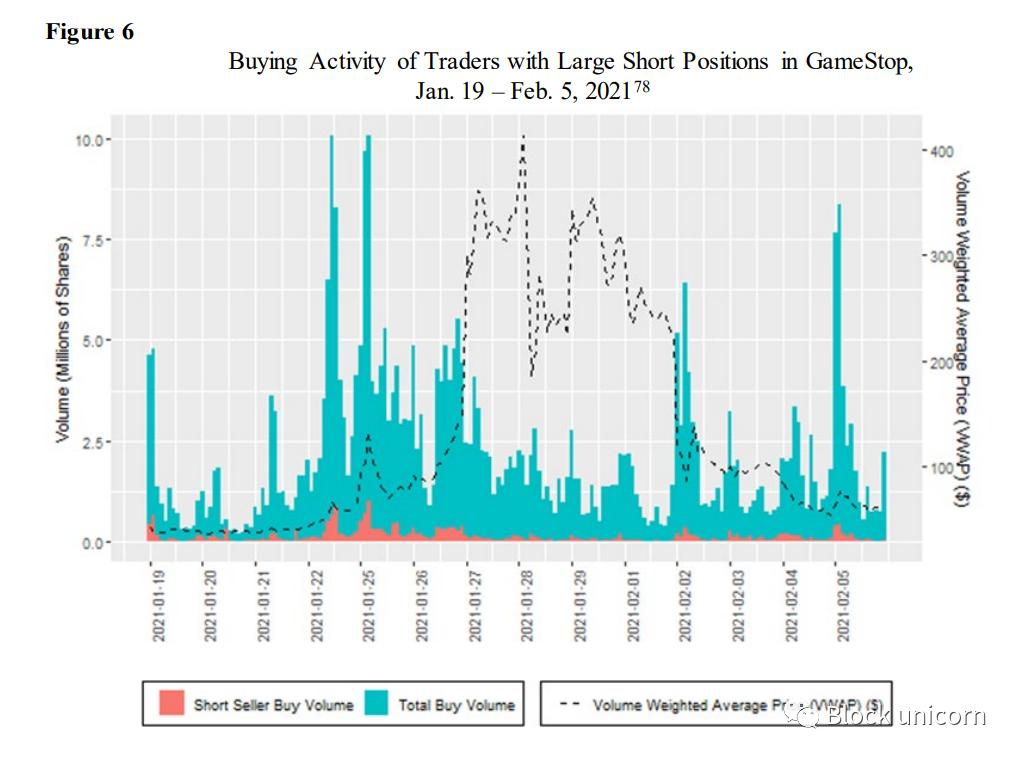
In fact, the Securities and Exchange Commission (SEC) report released after the GameStop incident showed that short sellers accounted for a small percentage of total buying, and most Short sellers capitulated long before GameStop reached its peak price, and retail (individual) buying, with some additional impetus from institutions, pushed GameStop stock to an all-time high. The short squeeze wasn't the driving force behind GameStop's price rise, but a flood of money from retail investors that pushed up the stock price. Crucially, continued interest from retail traders has kept GameStop shares so high -- as of this writing, the company is trading at four times its pre-mania level and nearly twenty times its pre-pandemic level. .
“One of the main drivers of the GameStop squeeze was massive call option buying, which led market makers to hedge their call holdings by buying the underlying stock, thus pushing up the stock price. While staff did see a significant increase in GME options volume for individual clients, from $58.5 million on Jan. 21 to $563.4 million on Jan. 22, before peaking at $2.4 billion on Jan. 27 USD, but the increase in options volume was largely driven by the purchase of puts, not calls. Furthermore, the data showed that market makers were buying rather than selling calls, observations in themselves inconsistent with the GameStop squeeze.” SEC The staff report on the state of the stock and options market structure in early 2021
Just to dispel other myths, GameStop compression is not what caused the GameStop mania. A GameStop squeeze is slightly more complicated than a short squeeze, but essentially involves traders buying call options (betting on an increase in the price of the underlying asset) from a market maker, thus forcing the market maker to buy the underlying asset to hedge the call options they wrote . When buying the underlying asset, market makers drive the price up, so retail traders buying enough call options can drive the price higher. This will force short sellers to buy the underlying asset to hedge their positions, pushing prices higher. However, retail traders are net buyers of puts, while market makers are net buyers of calls - a situation that is inconsistent with the GameStop squeeze.
Finally, there is no conspiracy by hedge funds or other financial institutions to sabotage the GameStop saga. When Robinhood and other brokers halted trading in meme (meme in this case GameStop) stock, it wasn't to protect the bottom line of financial institutions suffering from the squeeze. Instead, the extreme volatility forced the clearinghouse to request substantial deposits from Robinhood to cover the settlement period for meme stock trades. The deposit amount was ten times Robinhood's normal level, and the company simply couldn't pay it out right away.
“When a naked short sale occurs, the seller fails to deliver the security to the buyer, the staff did observe a spike in GME’s non-delivery. However, the short or Missed deliveries can occur on both long sales, making it an imperfect measure of naked short sales. Additionally, GME did not experience persistent missed deliveries at the individual clearing member level, based on a staff review of available data. Specifically For the time being, staff observed that most clearing members were able to clear any glitches relatively quickly, within a few days, and most did not experience multi-day glitches." SEC staff on early 2021 stock and options market structure The status report
nor is there a conspiracy around non-delivery, which occurs when a party to a transaction contract fails to meet its obligations, but around The GameStop conspiracy was that short sellers failed to deliver when they closed their positions, partially ruining the short squeeze. But the vast majority of non-deliveries were quickly resolved, with delivery failures falling sharply after the initial market turmoil.
This seems to be a lot of ink spewed to debunk some false theories surrounding the GameStop mania, but in order to dispel a common narrative that is fundamentally misleading about the whole situation, this necessary. The GameStop saga isn't about short selling or sticking it to Wall Street -- it's about millions of people convinced by a meme on the internet to gamble their meager funds on the stock of a dying video game retailer. Wall Street has won because while a handful of hedge funds have suffered huge losses, brokerages, market makers, asset managers and other large financial institutions have reaped handsome profits from the uptick in trading volume. Retail investors lost money as volume increased -- lowering returns -- and were lured into risky assets by the buzz on social media.
In the end, what matters is what people think, not actual facts. As long as people think it's "retail vs. institutional," they won't give much thought to the facts.
Srivatsan Prakash
Crucially, the GameStop story is cleared from the public in early 2021 It doesn't end when it's out of sight. WallStreetBets had just under 2 million subscribers as of January 2021 and has since grown to nearly 12 million subscribers. Subscribers for GameStop and AMC subreddits "Superstonk" and "AMCstock" rose to 730,000 and 450,000, respectively. Their front pages often contain posts predicting a full-blown financial market meltdown, the mother of all short squeezes (MOASS - another meme), and GameStop/AMC's meteoric rise. They often promote conspiracy theories about financial firms, the Federal Reserve, and media organizations. It's this highly focused niche internet community and the memes it believes in that keeps GameStop's stock price high. Crucially, they’re a community for lonely people — there are discussion threads, and this winter, Superstonk even donated more than $100,000 to the charity Toys for Tots together.
When WallStreetBets grew from 2 million to 9 million subscribers almost overnight, most of the new subscribers didn't realize what was right, What is wrong. They're just from Twitter or Instagram, often inspired by meme pages or their friends. These are the people I worry about.
Taylor Shiroff
Fundamentally, these people are self-catalyzing, isolated internet Victims of communities where users encourage each other to gamble money against themselves on highly speculative investments.
Conclusion
“Markets are no longer driven by fundamentals, but by memes .is no longer a metaphor, but a living structure—the market.” Kyla Scanlon
Many believe that a single event—such as a market crash , the recession, or the end of the pandemic — that would bring the meme deal frenzy to an end, I basically don’t see it that way. The main drivers of meme trading are the sociological forces brought about by the age of social media and increased access to financial markets. These processes were accelerated by the economic forces of the pandemic era, but began before the pandemic emerged. Corporate social media stars, online trading communities, and increased access to financial services will become increasingly important as the digital age evolves. The meme-trading frenzy isn't going away, it's just moving from asset to asset, and platform to platform, looking for another narrative to grab hold of. Even the memes themselves are dedicated to keeping traders in the frenzy. “HODL” and “Diamond Hands” are both very popular memes for holding financial assets despite their wildly fluctuating values. Exiting can be very difficult when people with whom you have quasi-social relationships, as well as online communities you frequent, are constantly encouraging you to trade.

I also don't think the meme stock mania is fundamentally disrupting the normal functioning of the entire financial market, although there is evidence that Robinhood day traders would cause additional volatility in the tickers they care about, but retail traders account for only a small fraction of the total trading volume. While margin debt is at an all-time high, it is still a normal percentage of overall market value. The main victims of the retail trading boom are the traders themselves, who may suffer lower returns due to their trading behavior.
“Consider whether game-like features and celebratory animations that may be designed to generate positive Streaming payments and the incentives they create may drive broker-dealers to find new ways to increase client trading, including through the use of digital engagement practices.” SEC Staff Report on the State of Stock and Options Market Structure in Early 2021
< p>There are two main beneficiaries of this retail trading boom, the first is that financial institutions are deploying behavioral nudges and gamification to encourage their user base to trade more. Retail investors have more money in their pockets with each transaction, and the riskier the transaction, the more money they make.
The second beneficiary is that people who shape social media narratives — for lack of a better term — create memes. Their ability to channel retail investor money will become an increasingly important part of corporate and fund strategies going forward. The quasi-social relationships they develop with their audiences give them a unique ability to leverage cheap capital to influence outcomes in the real economy — while enriching themselves.
In the age of social media, it is important to remember that you are not immune to publicity. Propaganda in this context means not just political campaigns, but any message that promotes a particular narrative. The narrative formed on Twitter or Facebook may not be a top-down strategy for shaping public opinion, but the flow of information from content delivery algorithms is still shaped and shaped by the opinions of its users — whether those opinions are true or not. Some memes are harmless, but others are deadly — and in a competitive attention economy, it's increasingly difficult to tell the two apart. The natural tribalism of the human mind means that propaganda in the age of social media is created in an extremely decentralized manner. There are millions of small communities with their own ingroups and outgroups competing to control the narrative. All social media influencers — and yes, that includes me — have biases, flaws, and incentives that make them not entirely trustworthy institutions. The only way to stay safe in the modern age is to confront your own biases and sensitivities while constantly challenging your sources of information.
The information provided herein is for general guidance and informational purposes only. The content of this article should not be considered investment, business, legal or tax advice under any circumstances. We accept no responsibility for individual decisions made based on this article and we strongly recommend that you do your own research before taking any action. While every effort has been made to ensure that all information presented here is accurate and up to date, omissions or errors may occur.
Original link
Welcome to join the official BlockBeats community:
Telegram Subscription Group: https://t.me/theblockbeats
Telegram Discussion Group: https://t.me/BlockBeats_App
Official Twitter Account: https://twitter.com/BlockBeatsAsia

 Related Articles