African Cryptocurrency News: Favoring Stablecoins and Aspiring for Success in China.
Original Title: "Observations on the African Cryptocurrency Market: A Love for Stablecoins and a Desire for Success Amidst Scarcity"
Original Author: PATRICK MCCORRY
Translated by: Deep Tide TechFlow

I participated in a trip organized by Borderless Africa and formed a small team with Yoseph Ayele, Songyi Lee, Jeff Coleman, Ye Zhang, Kartik Talwar, and Jacob Willemsma.
This trip took place between Kenya and Nigeria and lasted about 9 days.
In each country, we have conducted the following activities:
Question and answer sessions and symposiums;
Local people's small circle discussion;
Developer Education Seminar.
除了这些活动,我们还有机会与创始人和知名贡献者见面。
Translation:In addition to these activities, we also have the opportunity to meet with founders and well-known contributors.
This article represents my personal views and insights gained from these conversations. The key points include:
USDT and Binance P2P are widely popular.
Desire to earn money based on ability rather than geographical location.
What will the future be like?
Disclaimer: Each event invites locals to learn about Ethereum and Layer 2 protocols. The audience who participates in these events is likely to have a strong interest in cryptocurrency. Although it may not represent the general population today, as the adoption of cryptocurrency continues to expand, it may become mainstream in the future.
USDT and Binance P2P are widely popular
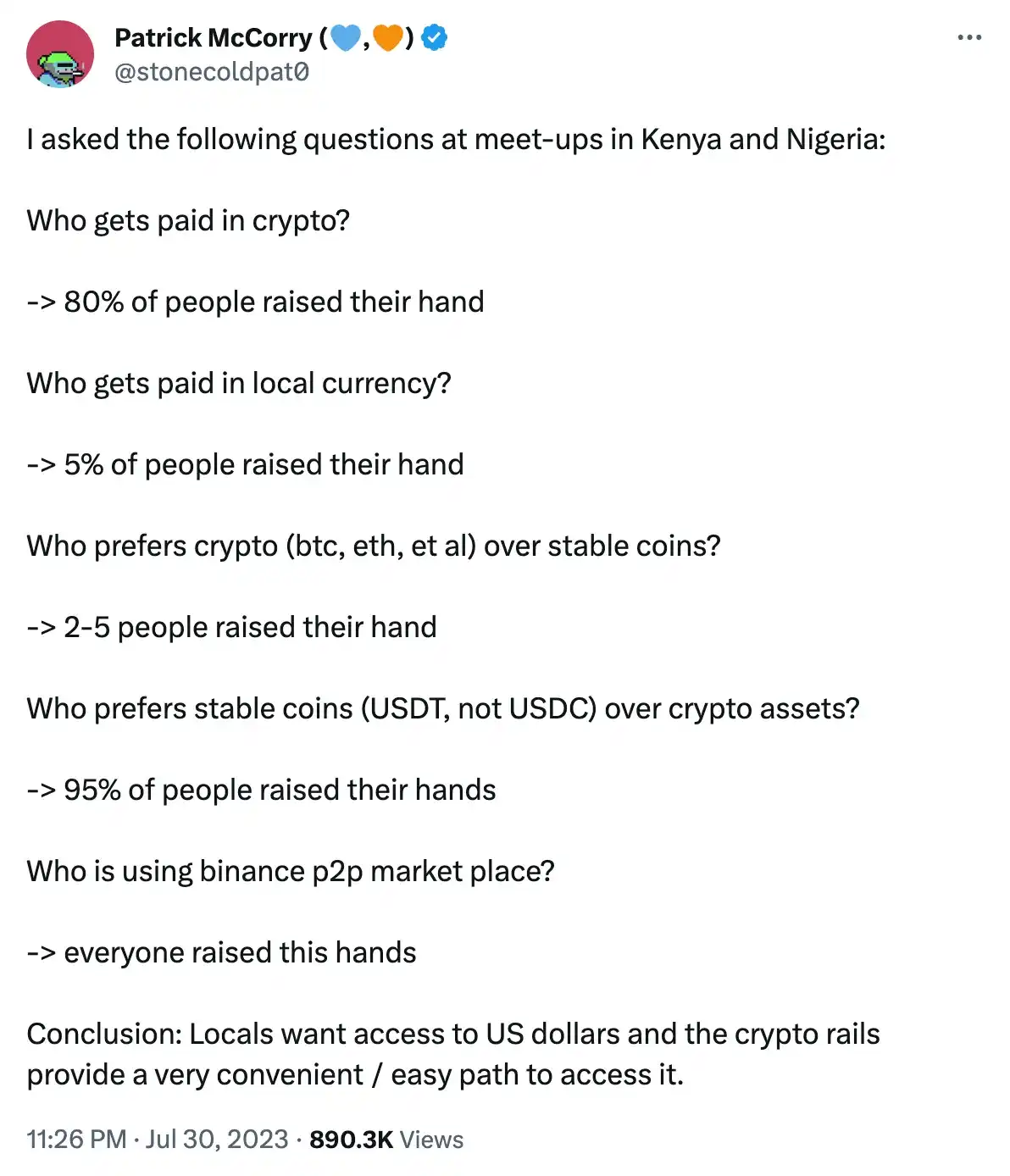
I asked the same set of questions in every event:
Who uses cryptocurrency to pay salaries?
Who pays salaries in local currency?
Who prefers to pay in the form of Bitcoin/Ethereum?
Who prefers stablecoins more?
Who is actively using Binance's P2P market?
Among all the activities, the answers from almost all participants are quite consistent:
They have received their salaries through cryptocurrency before.
They prefer to pay in the form of stablecoins, especially USDT.
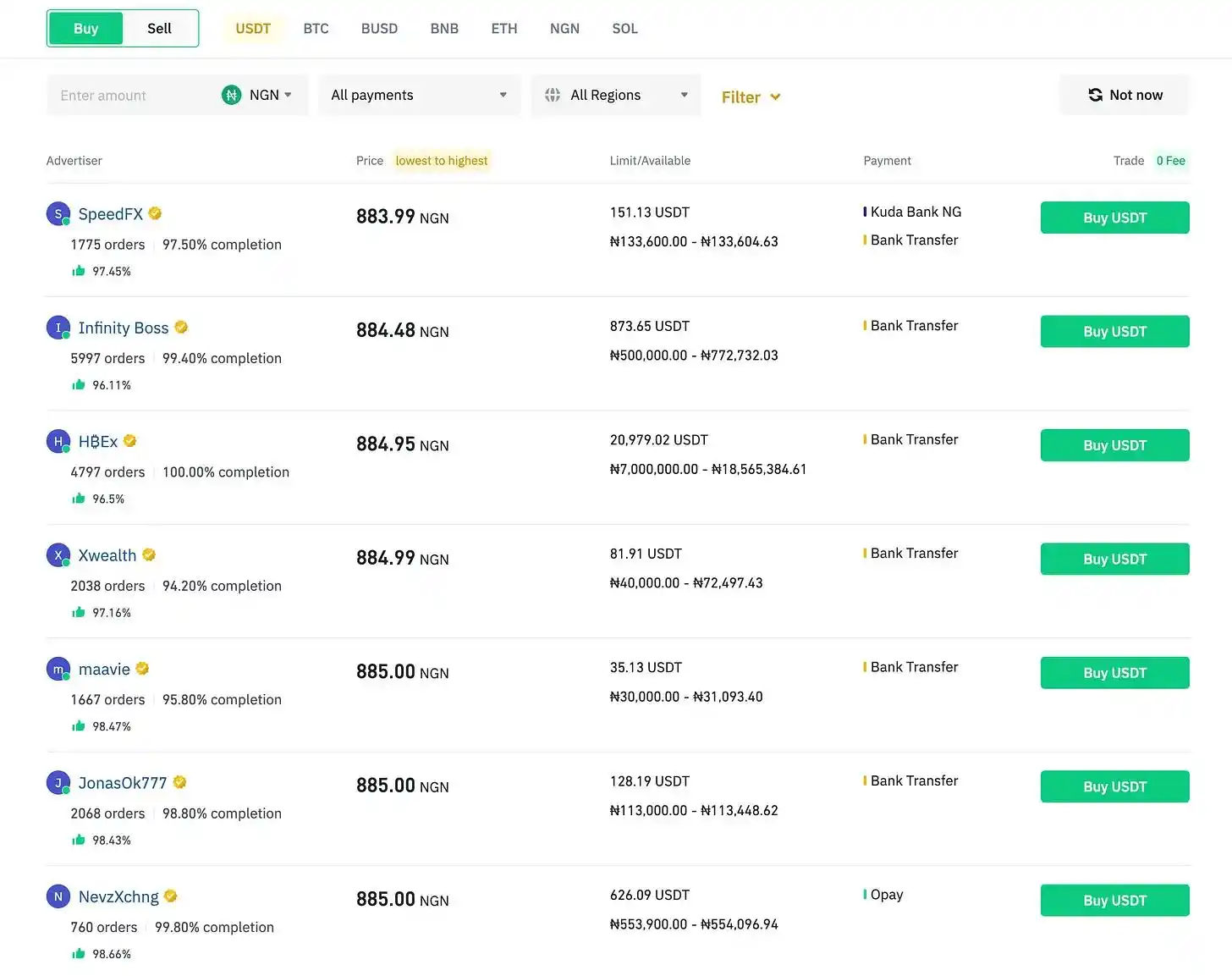
They use Binance's P2P market to exchange stablecoins for local currency (and vice versa).
There is not much interest among holders of local encrypted assets such as Bitcoin or Ethereum. In addition, participants prefer to trade on networks like Tron or Binance Smart Chain.
The reason is: there is almost no cost, and the confirmation time is "fast".
Binance is very popular
Although competitors like onboard are emerging, almost all participants still rely on Binance as their preferred trading platform.
Someone explained to me that Binance entered Africa around 2018 and established Binance Labs. At that time, there was potential interest, but no intention to expand. Over time, Binance realized that Africans wanted to access stablecoins, so Africa became an important market for the company. I have seen some locals wearing Binance clothing, but they have never worked for the company.
To me, the rise of USDT seems coincidental. In 2018, there were no competitors in the stablecoin market, and Africa seemed to follow the broader market trend at the time, with USDT surpassing Bitcoin to become the most liquid and traded asset. I wish I had asked more questions at the time about why I preferred USDT over USDC.
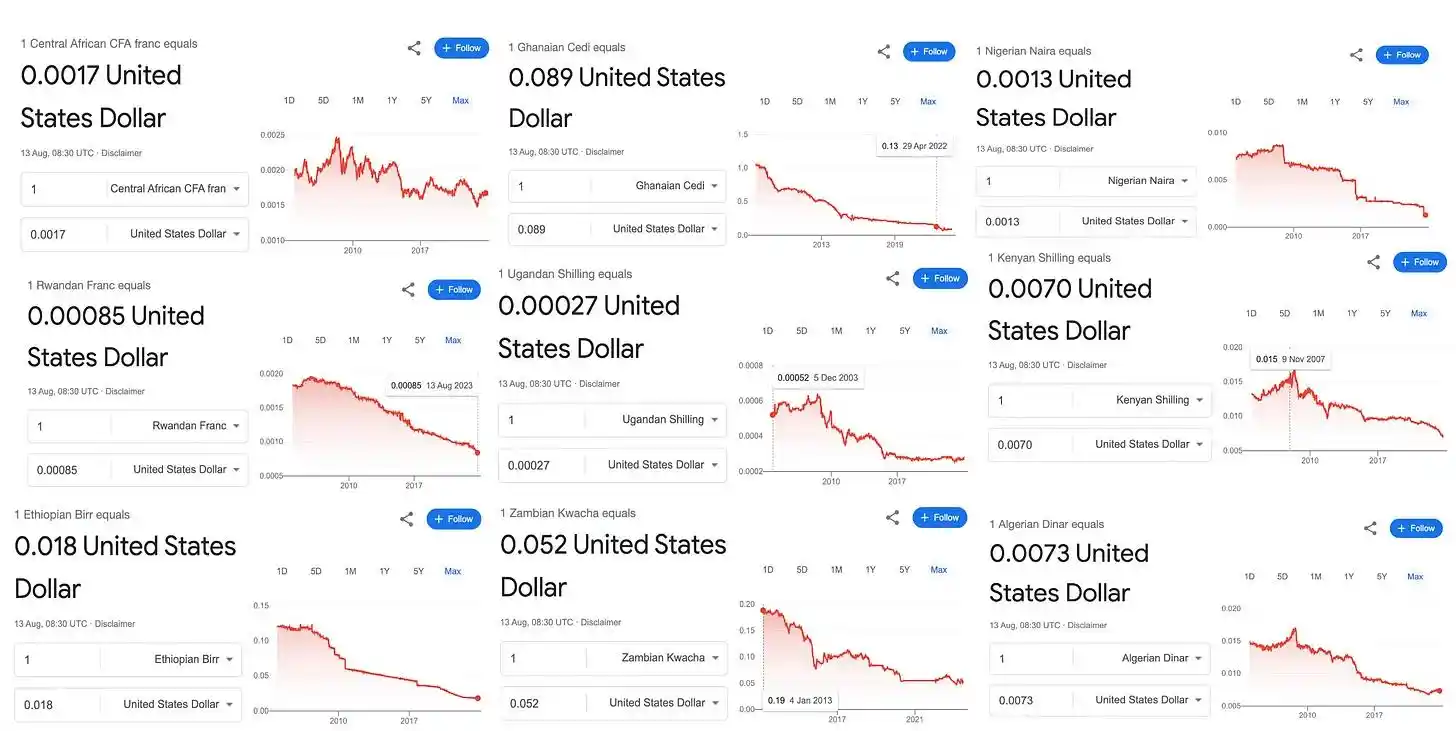
For many people, it may come as a surprise, but the local currencies of African countries depreciate very quickly relative to the US dollar. Some currencies, such as Zimbabwe's currency, have failed due to hyperinflation.
For example, since 2008:
The devaluation of the Kenyan shilling is very significant, as the country's gross domestic product has doubled from 2008 to 2023. Despite the economic growth, the currency continues to depreciate. People's confidence in the economy has increased, but not in the local currency.

Undoubtedly, there are large populations still living in absolute poverty in Kenya and Nigeria.
For Westerners, especially the British, the concept of poverty refers to living in apartments where social security (welfare) payments are made. Families do struggle to make ends meet, but they have a roof over their heads and access to healthcare. When considering homeless people, there are approximately 271,000 in the UK, which is 0.4% of the total population (approximately 67 million people).
It is estimated that 60% of Nairobi's population lives in slums. Additionally, the World Bank estimates that approximately 50% of the populations in Nigeria and Kenya live in slums.
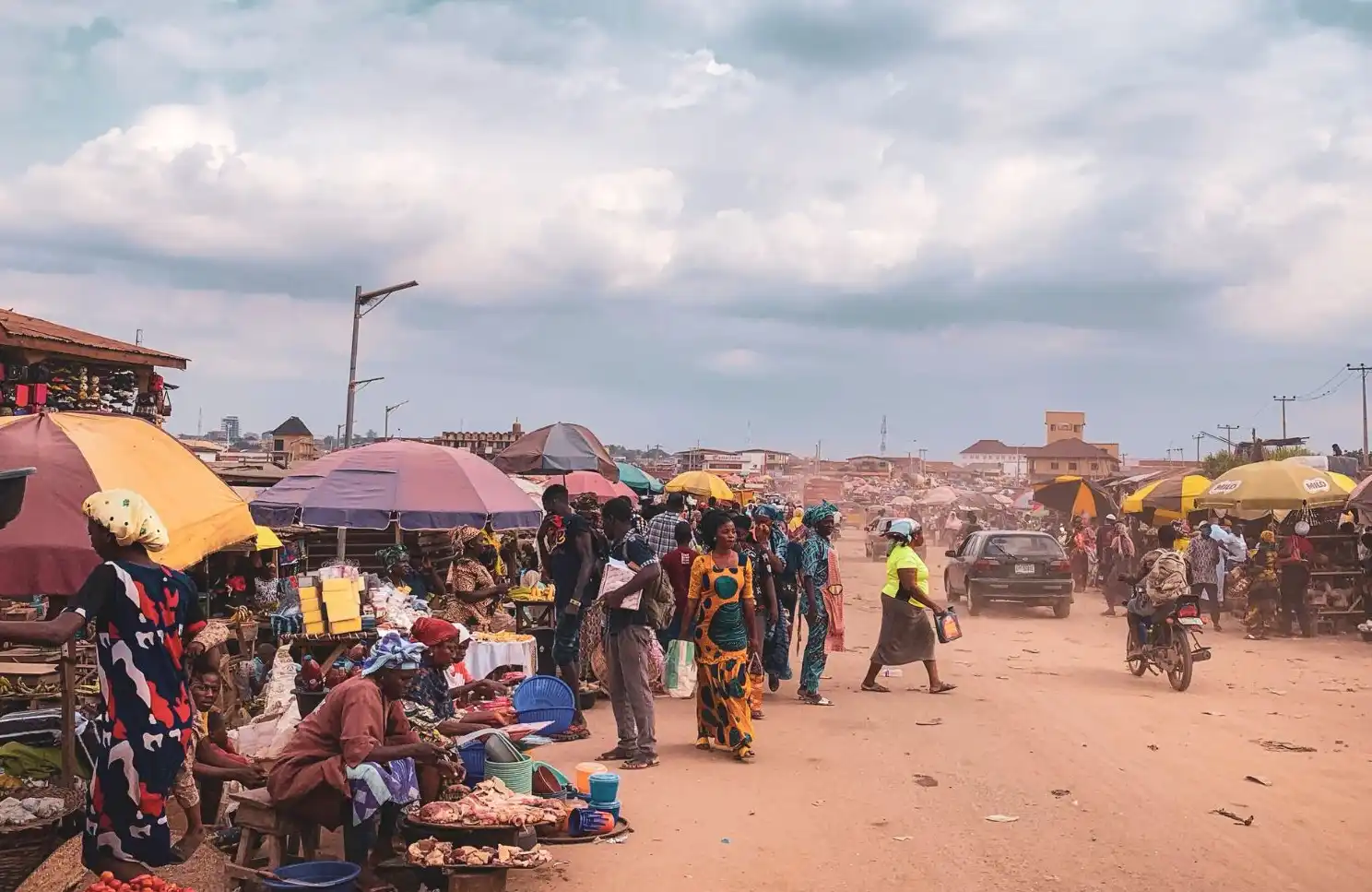
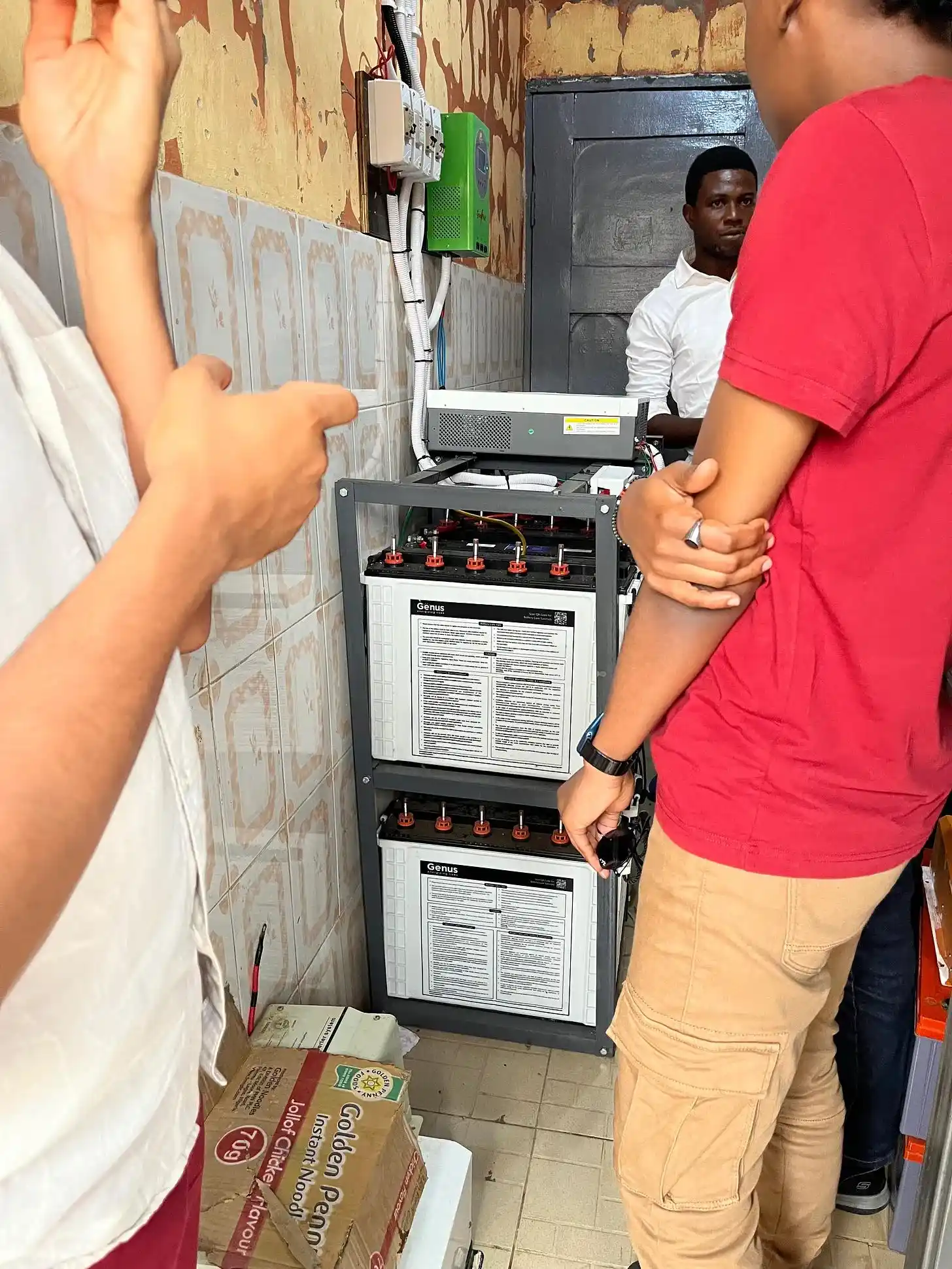
In the slums, an entire family may live in one room ("studio"). Outside their door is a narrow corridor that connects them to the main road. As we have experienced, sewage flows through these narrow corridors like an obstacle course. Many people live on less than $1 a day and have little to no social welfare.
This is why the following statement is out of touch with reality for Africans, especially those living in slums.
"The real victory lies in helping people understand why Bitcoin is the best long-term savings asset."
I don't like to criticize the above comments, but they are disconnected from the real-world situation and the realities faced by local people.
I believe that local people are very willing to have long-term savings goals, but they urgently need to address their current expenses. For example, if they are unable to pay their bills for any reason, the landlord may pay $10 to a group of young people to threaten tenants to pay rent.
Surprisingly, there are still landlords in the slums.
I don't believe stablecoins can help people living in slums. The solution is to create better market conditions for locals, so they can accumulate wealth, build better infrastructure, and get out of poverty. I understand that individuals may seek online work and receive payment through cryptocurrency systems, but for many people living in these conditions, this is not a ready-made solution.
In other words, the cryptocurrency system is irrelevant to approximately 50% of the population in Nigeria or Kenya, except in exceptional circumstances.
The Africans who use stablecoins do not live in slums. I imagine they have achieved some form of financial stability and are able to pay for their recent expenses.
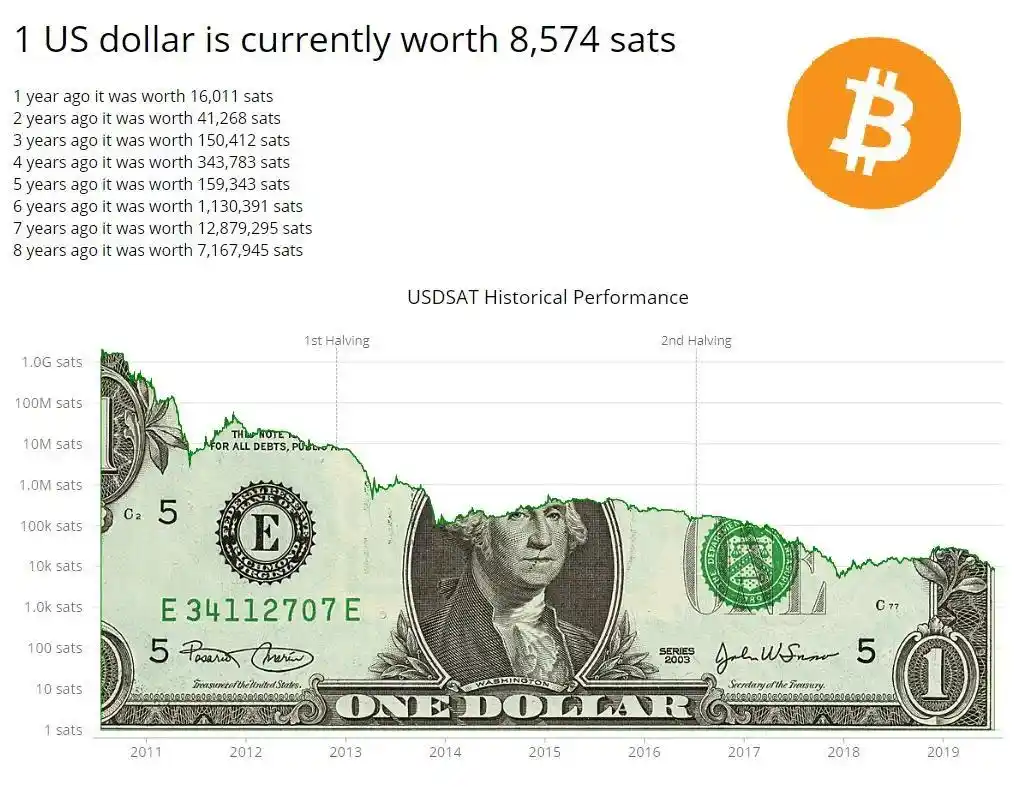
With the passage of time, the US dollar is losing its purchasing power. We should keep all our savings in native cryptographic assets. This cryptographic currency Meme does not mean much to them because it is a foreign concept.
The situation in Africa is quite the opposite. The purchasing power of the US dollar only rises relative to their own local currency. Compared to holding domestic cryptocurrency assets, holding US dollars is a safer choice.
For African people, the US dollar is very stable, which is why stablecoins have found product market fit among them.
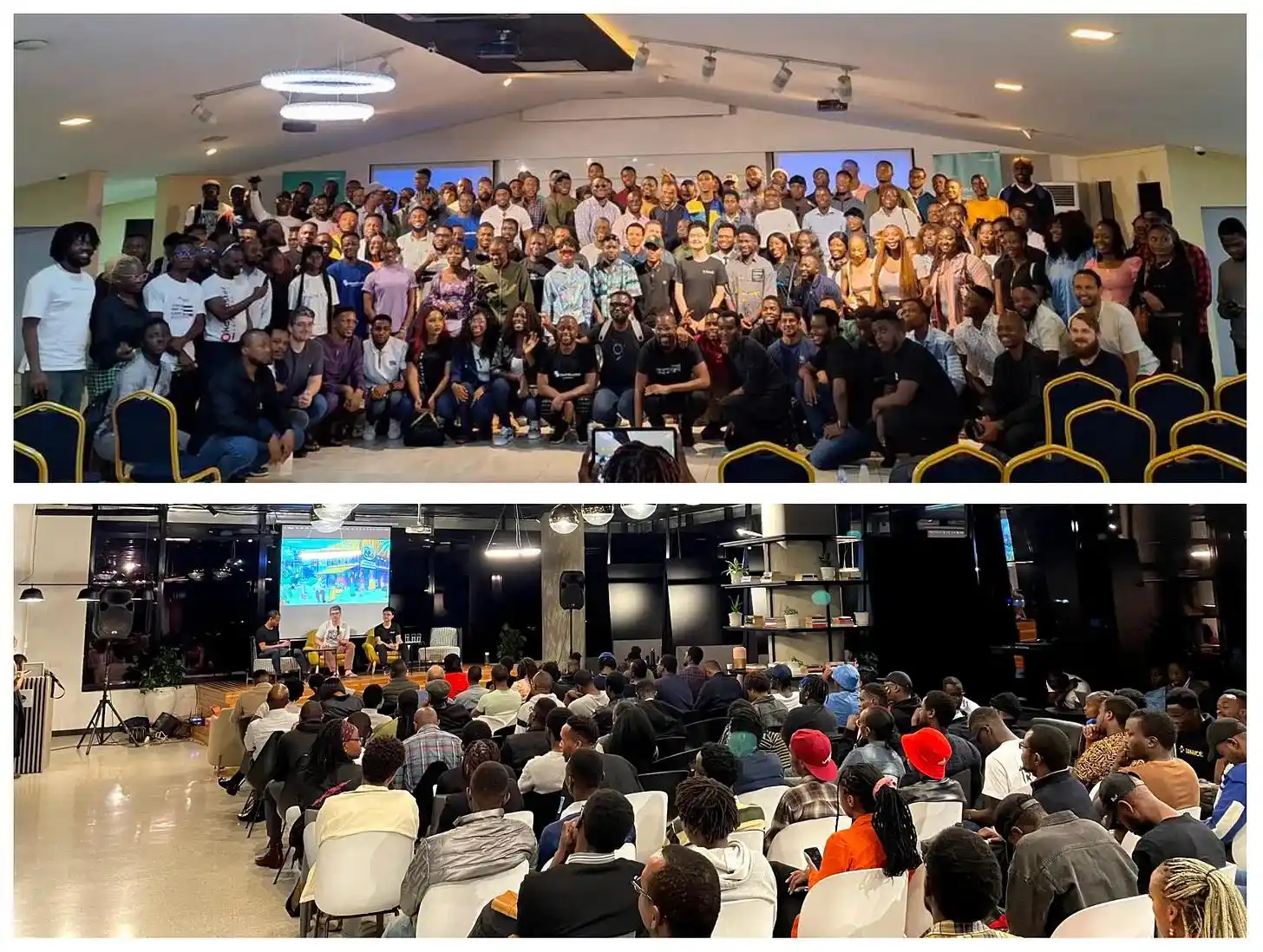
The demographic statistics of conference attendees include:
Community leader,
Software developers,
Founder of a startup company.
Desire for success in the context of discrimination and distrust

The following questions and answers are from a gathering in Nigeria.
Who has questions about online payment providers like PayPal?
Every person in the audience raised their hand and laughed at each other.
In Africa (especially Nigeria), IP addresses are often locked out of online services due to suspicion by service providers. Some of us have also been locked out of our own accounts.
The ultimate result is that African people are excluded from the services provided by global financial technology companies, which we take for granted in the West.
Who has questions about KYC?
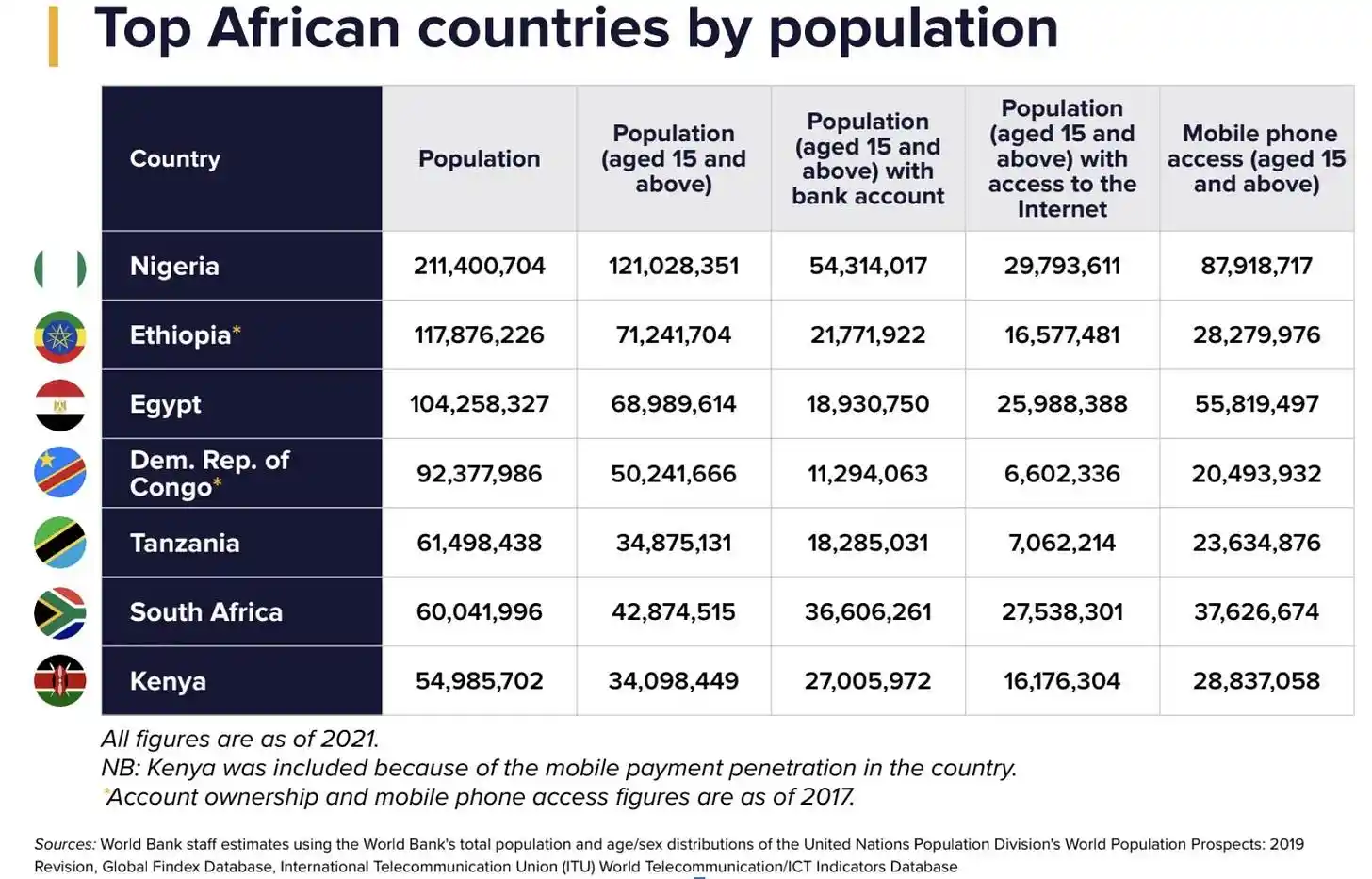
The Nigerian government has developed a scheme called the National Identification Number (NIN) for identity verification and KYC purposes, but it has been embroiled in issues and delays.
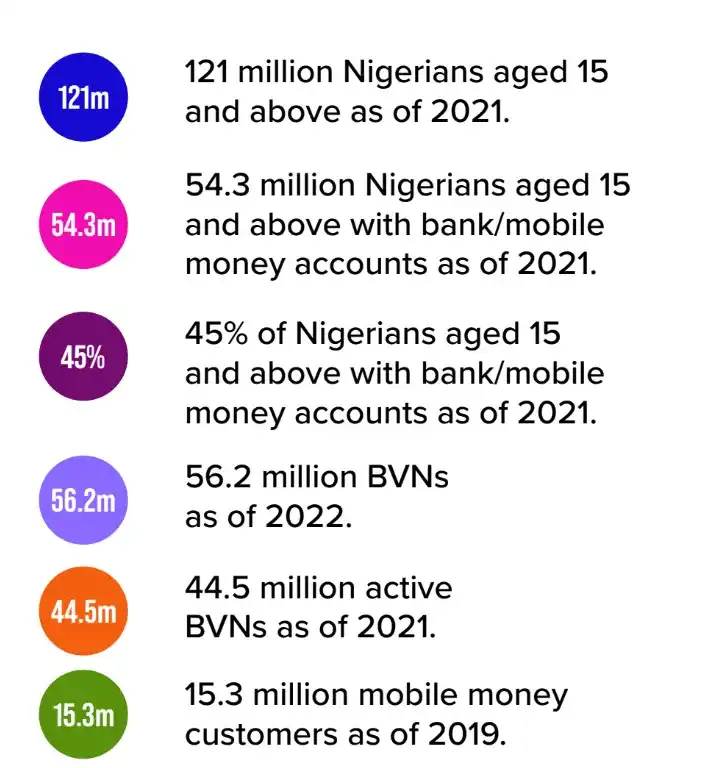
On the other hand, the Central Bank of Nigeria operates an independent identity verification process called Bank Verification Number (BVN). It serves as the unique identifier for users in all banking services. Only 25% (57 million people) of Nigeria's population have registered for this number.
In Nigeria, identity remains a challenge. This will affect the ability of companies to meet compliance requirements before sending funds to Nigerians. Whether it is cryptocurrency or other means, this identity issue needs to be resolved within the framework of regulation.
Who has missed an opportunity because of distrust towards you?
If readers can only get one point, I believe this is why blockchain technology, especially Rollup as a technology stack, is so important to our colleagues in Africa. It reduces the power dynamics between users and operators, allowing those who want to transact but do not trust each other to transact securely.
In other words, it allows users to lock funds in the service of the operator, interact with the service, and ultimately extract funds from the service without trusting the service operator.
I hope that one day our technology stack can bring scalable benefits to our colleagues.
Let's trade on their platform, pay for their services, and most importantly, not worry about who they are or where they live.
What is one thing we should tell Westerners about Nigerians?
Nigerians are particularly eager for opportunities. They are motivated by drive. By designing the right incentive plan, Nigerians will join. Nigerians learn everything they know from the internet. Give them a Nokia 3310 phone, and they will use it as a tool to go somewhere.
They want to escape the local environment, work online, and join the global workforce. They see blockchain as a great equalizer, allowing them to be rewarded based on their abilities rather than their location.
In Africa, less funding is needed for project success. For every 1 dollar spent in the US/Europe, you get 1 point, but in Africa you get 1000 points.
and: "If there are Nigerians in the project, there is money to be made. If there are no Nigerians, be careful." - Local Kenyan. I smiled, but it did show their desire for success.
Web3 Bridge
Please take a moment to imagine:
I hope to have an opportunity to change my life.
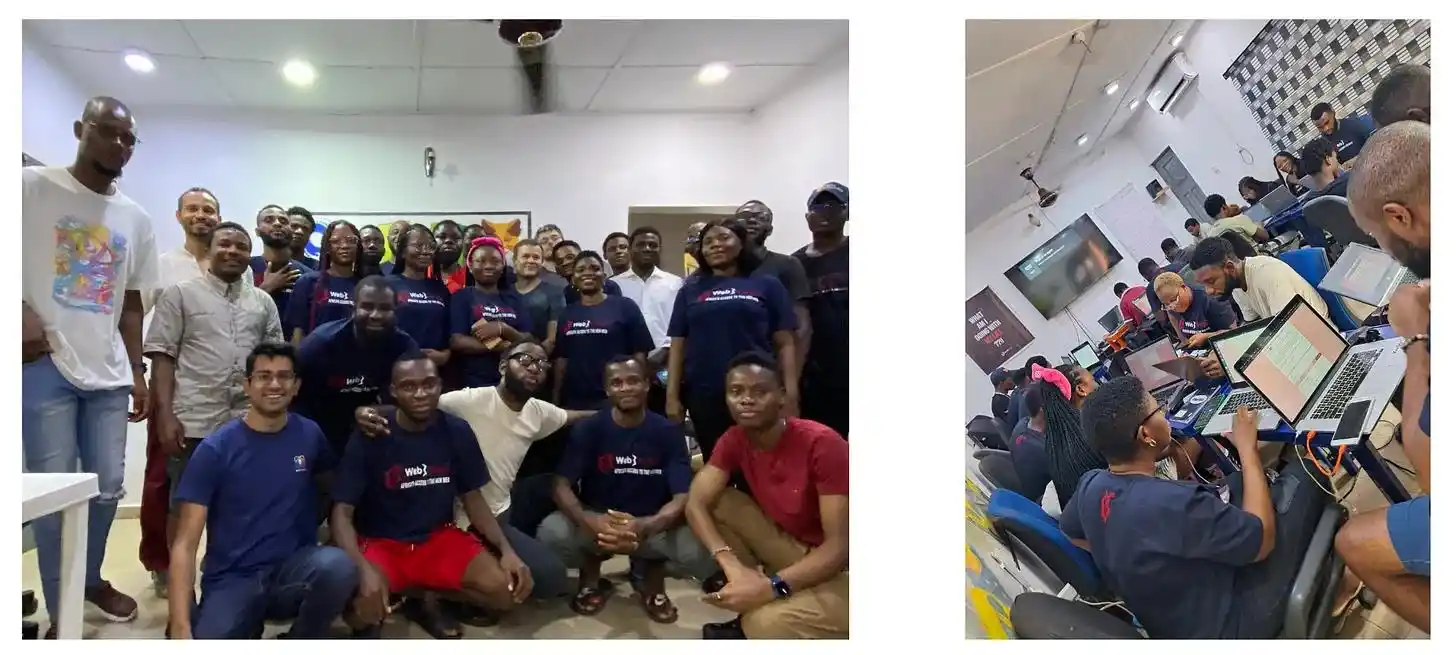
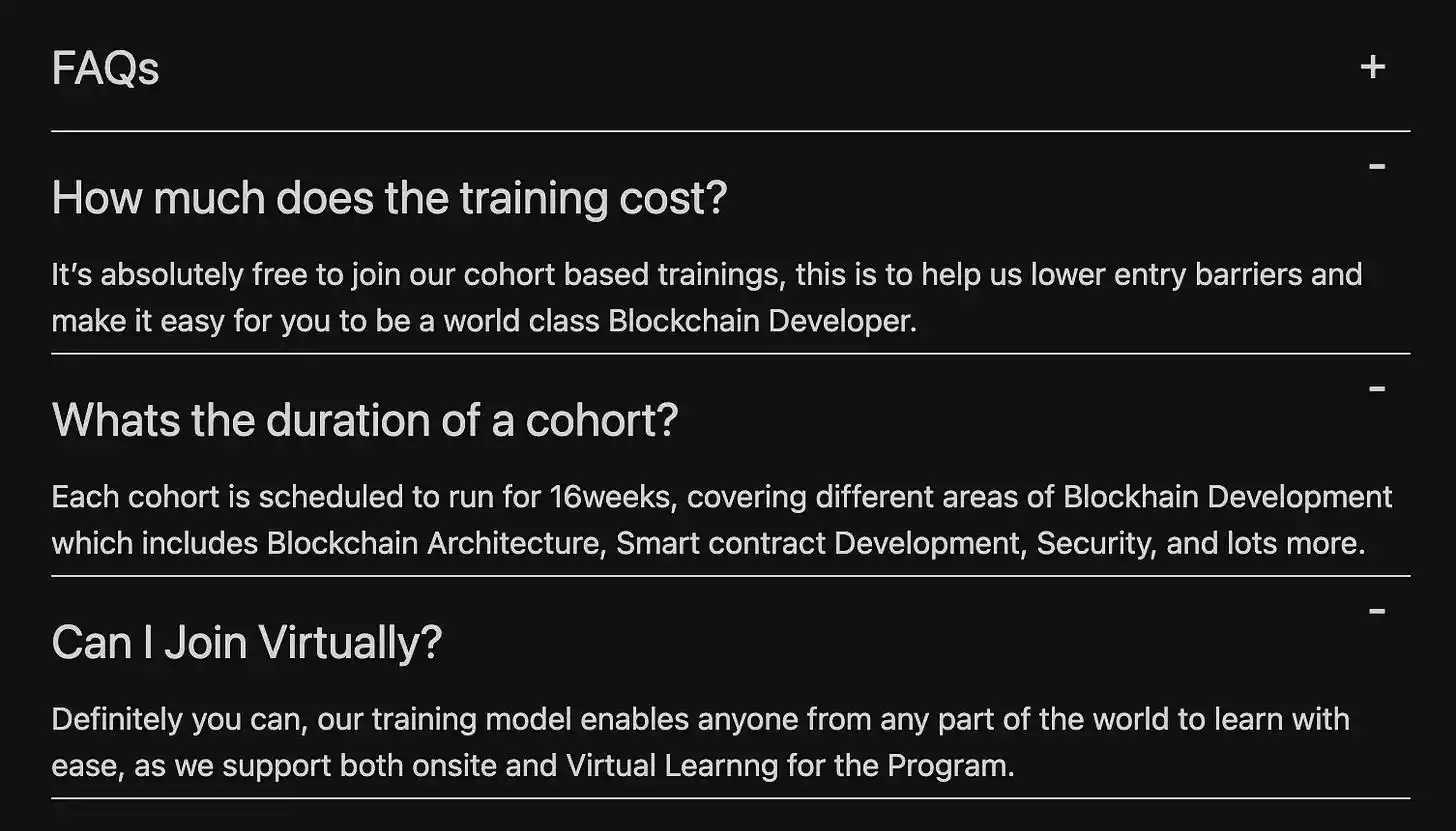
This project has attracted Web2 developers and those who aspire to become programmers, who hope to learn how to enter the Web3 industry.
Once again, it is emphasized that the entire project is free to participate in, whether in person or online. We understand that the continued existence of Web3Bridge depends on the founder's funding and personal investment (time and money).
Currently, the physical facilities consist of several buildings, but founder Ayo has told us about his dream. He wants to purchase nearby land and open a larger campus. With more physical space, he can increase the number of students and teach hundreds of developers at once.
I sincerely hope that his vision can be realized, and the encryption community should consider how to support Web3Bridge.
未来会怎样?
translates to
What will the future be like?
During my nine-day visit to Kenya and Nigeria, I gained some valuable insights that led me to some important conclusions about their workforce, the potential role of cryptocurrency, and whether we (the West) can support their growth.
非洲在取得成功方面具有独特的优势
Africa has unique advantages in achieving success
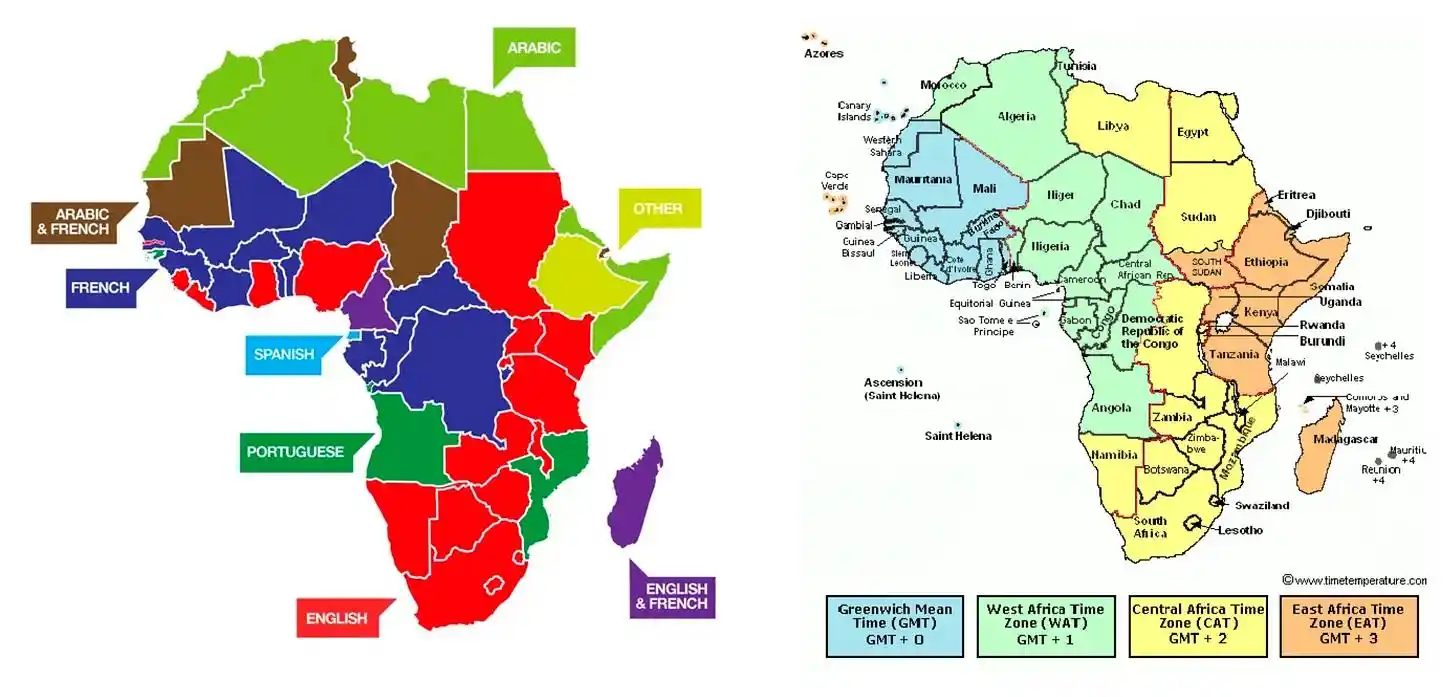
In my opinion:
The Africans and Europeans share the same time zone.
They can speak European languages fluently, especially English and French.
They have a strong desire for success and crave to create wealth.
Africans have an advantageous position in online competition.
In the digital field, it may not be important whether a worker is in Europe or Africa if a worker with a specific time zone is needed and they can communicate in the same language.
For me, the overall goal of helping Africans succeed is:
Provide better cryptocurrency infrastructure, offering reliable ways for hiring and paying Africans.
Reduce the key differences between African and European people in online communities.
Enable African developers to utilize cryptocurrency as a software stack and eliminate the role of trusted service operators.
Long-term perspective: The two communities of Africans and Europeans should become indistinguishable in the digital field.
Only in this way can Africans rely mainly on their own abilities rather than geographical location to earn income.
Non-Africans Understanding Cryptocurrency

I participated in the ETHGlobal hackathon and won a prize.
Understanding Optimism's retrospective funding,
Africans do not need us Western countries to visit them and promote why they should care about Ethereum or the broader cryptocurrency ecosystem.
They have a large NFT community.
When it comes to understanding how to use cryptocurrency, Africans don't need our help. If anything, we need their help to showcase use cases.
As outlined in this article, how Africans can conveniently use cryptocurrency to obtain US dollars helps validate all the technology we are building. This provides indisputable evidence that cryptocurrency has product market fit and many people rely on it.
On the other hand, we need to better understand the challenges that African people face before participating in the online economy and launching their own cryptocurrency projects. Some of these challenges include:
Lack of government support.
The desire for success makes Africans very focused on building the next product. They don't have leisure time to simply tinker with technology for fun, which may affect their ability to come up with innovative new ideas.
Global perspective.
Repeatedly proposed solutions require a funding plan that focuses on Africa. Regarding the funding plan, I would like to offer some feedback that is relevant to any plan (not just those focused on Africa):
Funding can reduce the risk of the first seed stage for venture capital firms.
Only when there is clear and unambiguous proof of work from the recipient of the funding should the funding be disbursed.
Funding alone cannot solve local problems, especially in Africa. Funds are limited and can easily be depleted. Caution should be exercised in the use of funds. Funding should be reserved for the most promising groups and individuals to drive their projects forward. This is "free" money, but it should not be widely available.
For me, Uniswap is one of the most successful cases. Founder Hayden received a $50,000 grant from the Ethereum Foundation to pay for audit fees. This was enough to cover the audit fees, drive progress, and create the current technology giant Uniswap.
Pushing progress doesn't require a lot of capital. Less is more.
Finally, there are two issues that are hindering the success of any funding plan.
A local venture capital network is needed to provide funding for any successful cases in the future.
These two issues are both structural and infrastructure problems, beyond the scope of cryptocurrency. Especially in the venture capital network, you need to be willing to invest and help the new generation of founders establish large sustainable companies as a former founder.
On-site Education
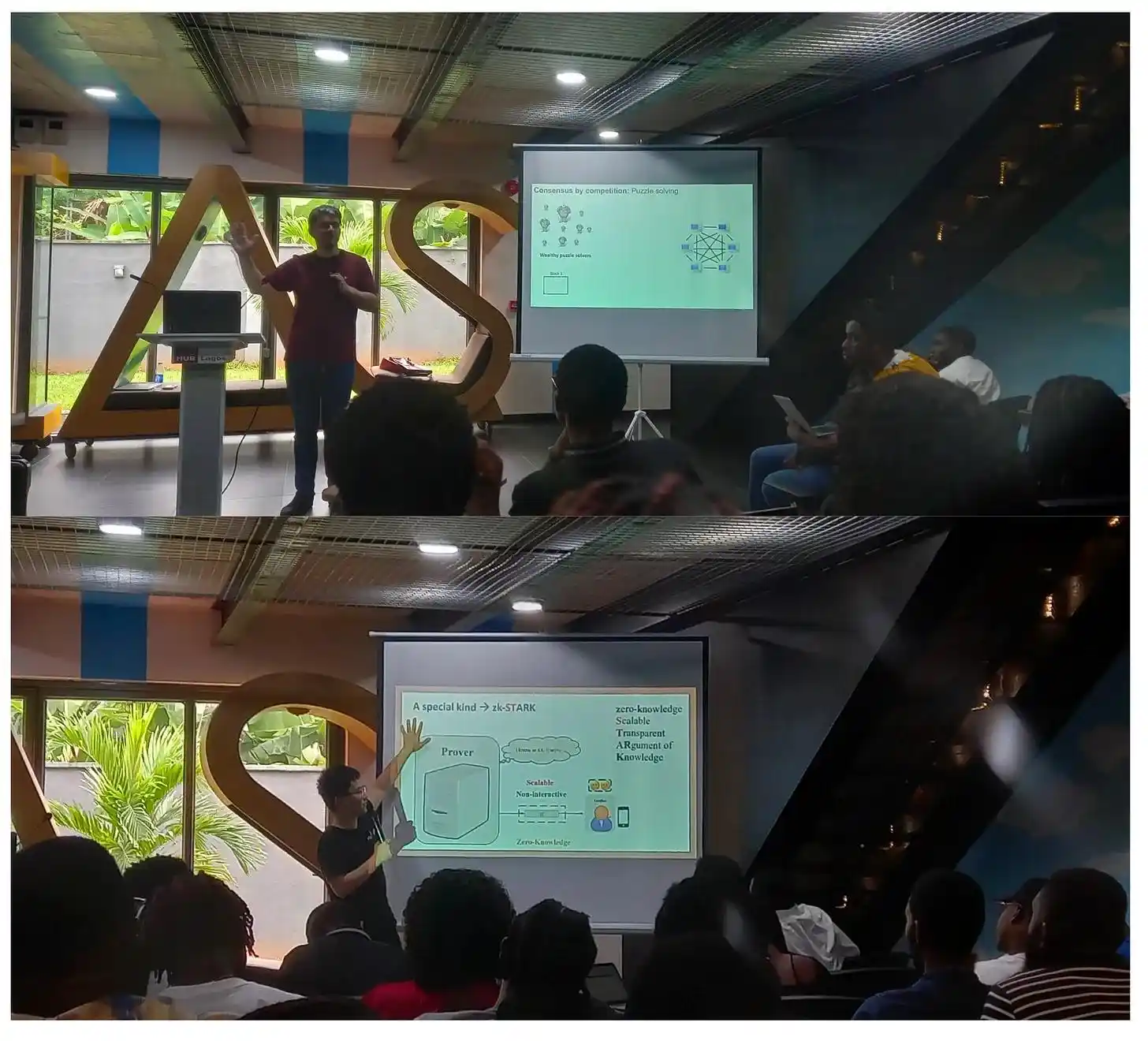
One thing that Africa lacks but is abundant in the West is on-site education.
In the West, there are numerous seminars, summer and winter schools where one can participate and learn about the core technologies driving cryptocurrencies. What's more, many educational activities are free of charge.
Unfortunately, many Africans face restrictions when participating in activities related to cryptocurrency.
Many Africans lack passports, and even if they have passports, the demand for visas and the potential burden of travel costs pose significant challenges.
They are unable to come to us in person.
As an experiment, Ye Zhang and I held developer workshops in both Kenya and Nigeria.
We were surprised to see that many software developers attended, and the number of attendees was also unexpected. They raised many good technical questions. There are many technically skilled developers in Africa who want to learn about Ethereum's core infrastructure, as well as novel topics like zero-knowledge proofs.
So far, they have relied entirely on the Internet for learning, but face-to-face communication with world experts is the best. This is not only from a learning perspective, but also for gaining inspiration in pursuing a topic, as experts often have a passion for their subject matter, which is infectious.
This makes me think of the next step: we don't really need a conference to promote and market new Web3 projects to people in Africa. People are eager to share knowledge and learn.
Our greatest contribution to Africans is organizing and conducting an on-site education project. It's like a summer school - inviting experts to teach technical topics.
Final Conclusion

The above article has several key points:
Cryptocurrency payment has become a convenient method for obtaining US dollars.
Due to early expansion and promotion of peer-to-peer markets, Binance is very popular in Africa.
African people hope to earn income based on their abilities rather than their geographical location, and they have the perseverance to pursue it.
The long-term goal should be to reduce the gap between Europeans and Africans in the digital field.
African people face many challenges, including a lack of regulatory support, inability to travel, difficulty in complying with KYC/AML regulations, almost no risk investment network, and no time to try new ideas.
More importantly, almost all Nigerians raise their hands to admit that they have missed opportunities because people do not trust them.
Web3Bridge's education program is doing important work, and the next step is for Western countries to personally assist in the summer school.
One of the impacts of our visit is to help establish connections within the community. Many participants do not know each other, especially developers. It sounds like some local community leaders will try to continue organizing more activities. With our increasing visits, we hope to help local leaders build a larger community.
There are two final topics I would like to discuss.
As a programmer, it's easy to focus on the broader system and try to evaluate how to fix it for the benefit of everyone. However, we must never forget that the core of this system is people. Taking the time to understand their customs, humor, and fully appreciating everything they give up in order to be able to enter the same room as the rest of us is always worth it.
What is Africa?
In West Africa, there is a Schengen-like agreement that allows visa-free travel between several countries. However, traveling from East Africa to West Africa (and vice versa) is not common and can be difficult. This requires visas, high economic costs, and time. For example, the flight time from Lagos to Nairobi is about 5 hours and round-trip tickets can cost over $600.
I noticed that mutual recognition of African identity between East and West Africa is an important part. On the other hand, they do not consider South Africa or North Africa to belong to "Africa" under the same standards. South Africa is considered to have more European style, while North Africa has more Islamic style.
This emotion is reflected in the fact that none of the people I have asked have been to Algeria, nor have they expressed any desire to go there. This is interesting because my stepfather grew up in Algeria and considers himself very much African. I don't have a good insight into this. I imagine it has to do with cultural differences and Africa's colonial history.
Welcome to join the official BlockBeats community:
Telegram Subscription Group: https://t.me/theblockbeats
Telegram Discussion Group: https://t.me/BlockBeats_App
Official Twitter Account: https://twitter.com/BlockBeatsAsia

 Related Articles