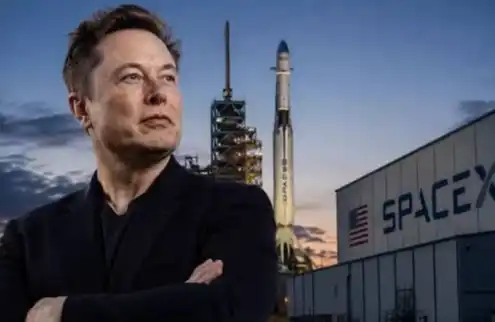
Every year, another share of SpaceX is given to every child in the US—what is Musk planning?

TL;DR
· On November 26, Musk stated on social media that he will gift one additional share of SpaceX stock to every American child each year; just a day earlier, SpaceX announced a donation of 1 newly issued share to every active children's investment account, with Musk personally matching 1 share.
· Based on the November 25 closing price of $127.44 and an estimated cap of nearly 70 million accounts, the first round of 2 shares is worth approximately $18 billion; the move causes limited dilution to the company and barely affects Musk's control, directly targeting the public opinion battle over orbital computing expansion and the dispute over the route of AI dividend distribution.
· Related tickers: SpaceX (SPCX), Anthropic (ANT)
On November 26, SpaceX CEO Musk announced in a social media reply to a user that he will gift one additional share of SpaceX stock to every American child each year. Just the day before, he and the company had jointly introduced a plan to gift two shares to every American child.
According to SpaceX's official announcement on November 25, the company will donate 1 newly issued Class A common share to each currently active Trump account (a U.S. tax-advantaged investment account for minors), with Musk personally matching 1 share, estimated at a total value of nearly $18 billion based on a cap of nearly 70 million accounts.
Escalating the share gift from "two shares" to "one additional share each year" over two consecutive days appears on the surface to be high-profile Thanksgiving charity, but in the context of SpaceX's valuation and regulatory situation after the xAI merger, it is behind the scenes a shrewd calculation of capital and public opinion.
No cash outlay, no loss of control—how cost-effective is this tens-of-billions calculation?
First, let's clarify the real cost of this calculation. There are approximately 72 million to 73 million children under 18 in the United States. The White House said in October that nearly 70 million Trump accounts had been opened. Based on SpaceX's November 25 closing price of $127.44, the upper-limit market value of each share gifted is approximately $9 billion.
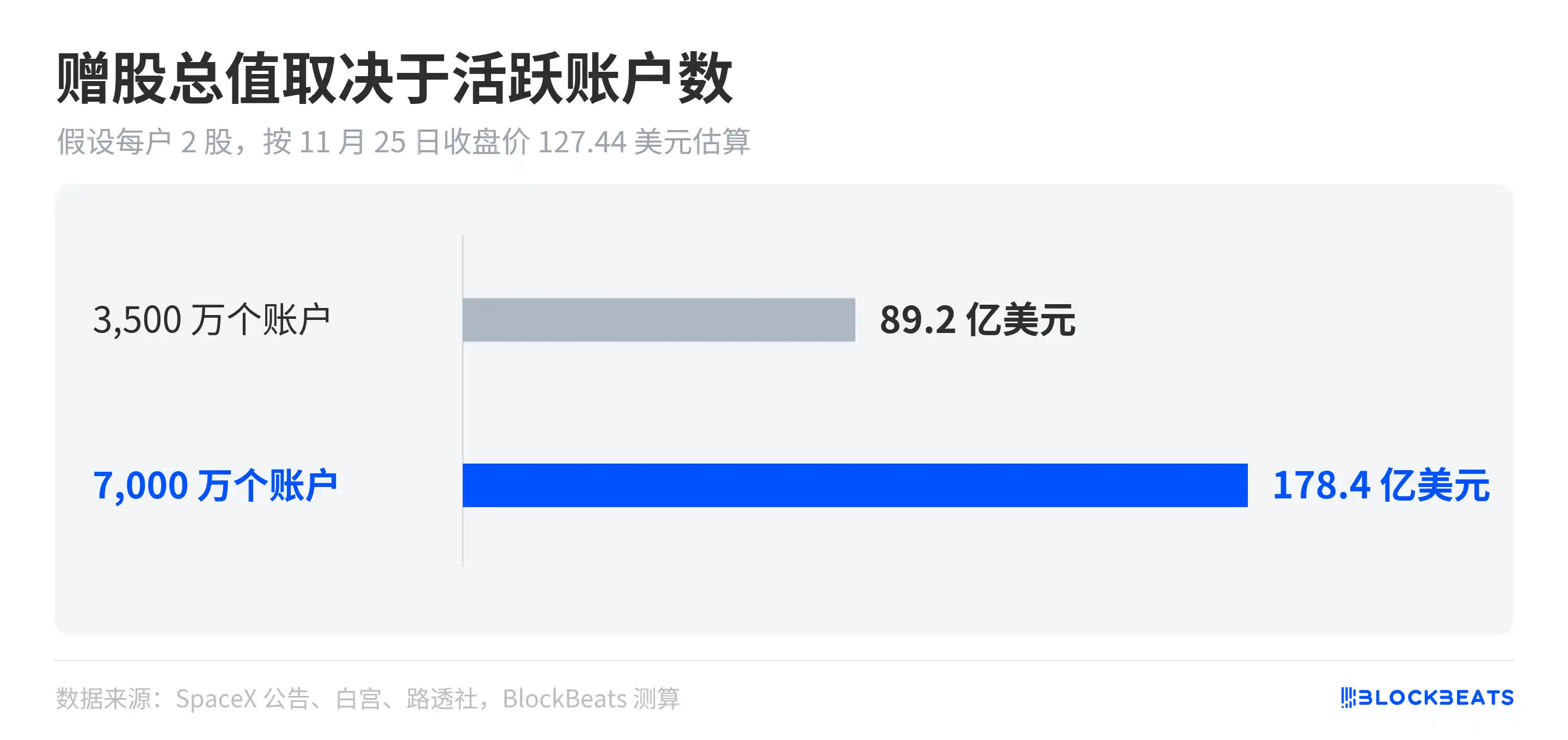
For secondary-market shareholders, the first-round impact is actually limited. SpaceX's current total market value is approximately $1.73 trillion, and the company's newly issued approximately 70 million shares correspond to direct dilution of only about 0.5%; however, whether the future "1 share per year" will be funded personally by Musk or issued by the company is the watershed that determines long-term dilution.
For Musk personally, this is even more of a deal that consumes almost no cash flow. What he donates are unrealized Class A common shares, so there is no need to sell in the secondary market and trigger a selloff; moreover, he holds approximately 6.42 billion shares and more than 80% of voting rights, so gifting about 1.1% of common shares each year does no harm at all to control.
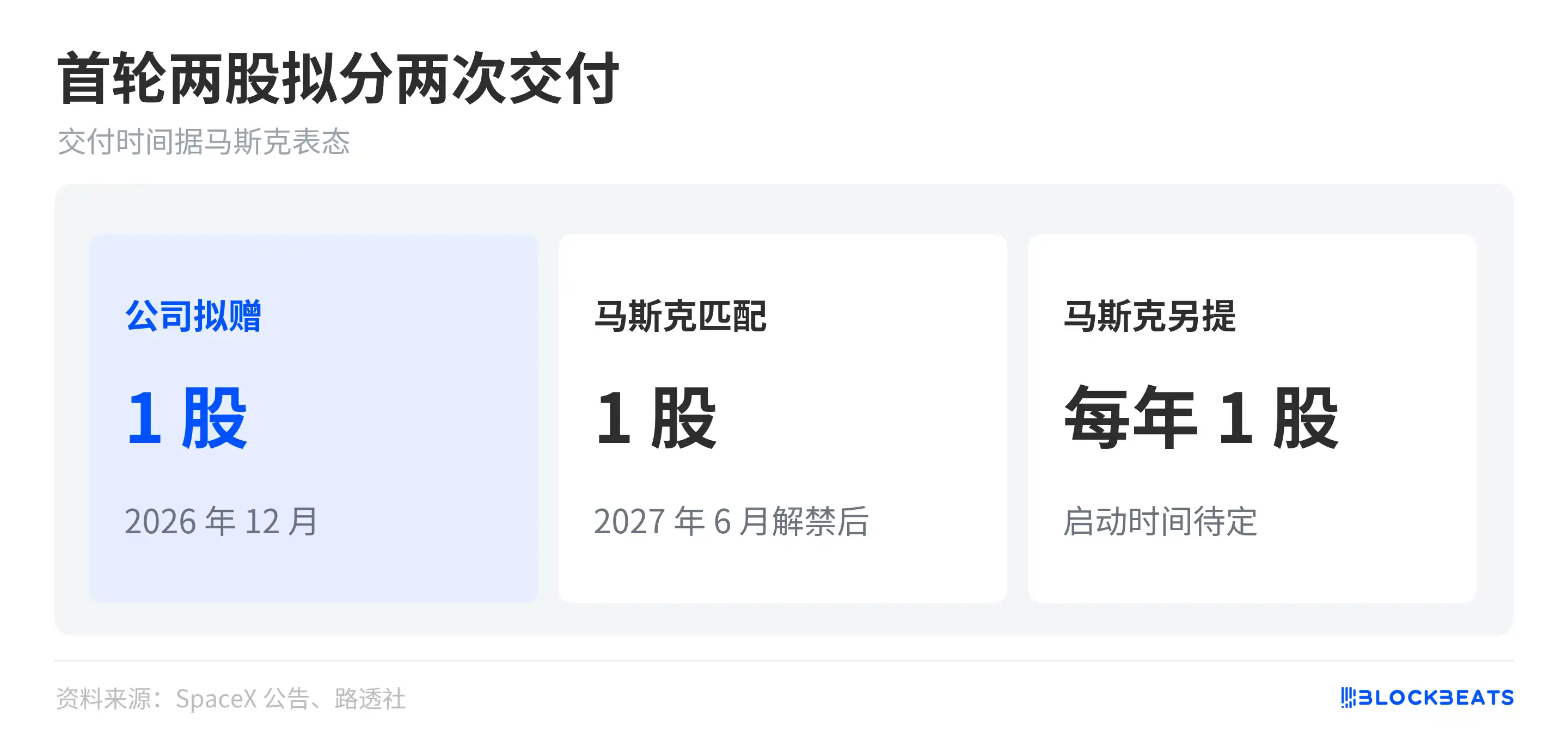
According to the timeline disclosed by Musk, 1 share donated by the company will be transferred in December this year, and the 1 share he personally matches will not be delivered until the IPO lock-up period ends in June 2027; as for "another 1 share every year," it currently remains only at the stage of his personal verbal statement.
Paving the way for a million-satellite data center, turning every American household into a shareholder
Compared with the book cost, Musk values more the public opinion buffer gained by turning tens of millions of American households directly into SpaceX shareholders. As SpaceX acquired xAI this year and stepped up space computing power, its expansion is running into increasingly obvious public opinion and political resistance.
The U.S. Federal Communications Commission recently just approved SpaceX to deploy up to 1 million satellites for orbital data centers, which immediately drew strong opposition from institutions such as the American Astronomical Society; and in this month's U.S. midterm elections, candidates opposing data center expansion also performed strongly in the Democratic camp.
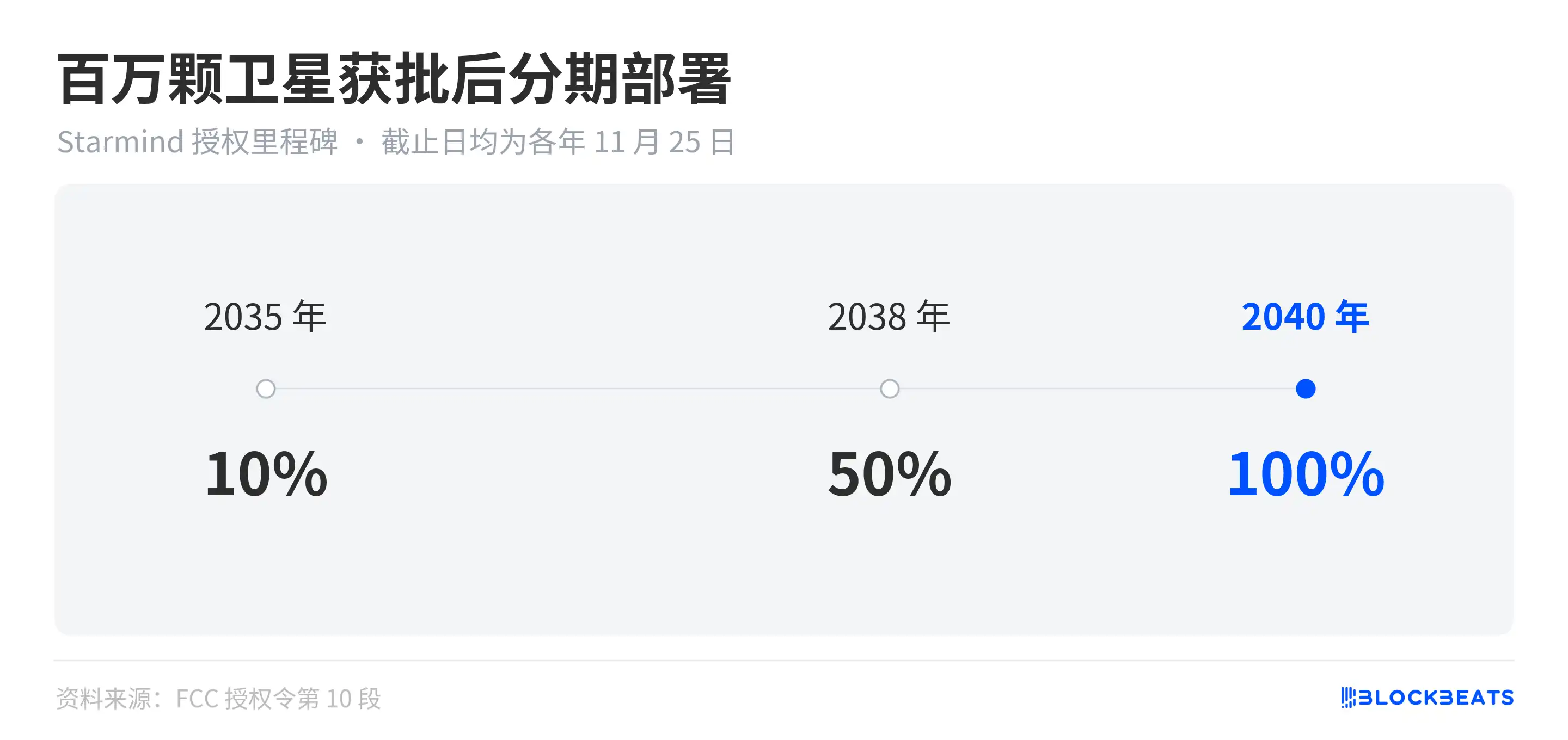
When infrastructure expansion faces environmental protection, astronomical observation and community resistance, letting children across the United States directly hold company stock is equivalent to binding the space computing power vision into the long-term asset sheets of ordinary households, objectively reducing future policy approval and public opinion friction.
At the same time, since SpaceX listed in June this year at an issue price of $135, its stock price has recently still hovered in the below-issue range of $127.44. Musk's public call for recipients to hold shares for the long term and not sell also objectively strengthens the narrative of retail investors and the public holding shares.
Confrontation with Anthropic's route, how should the dividends of the AI era be distributed?
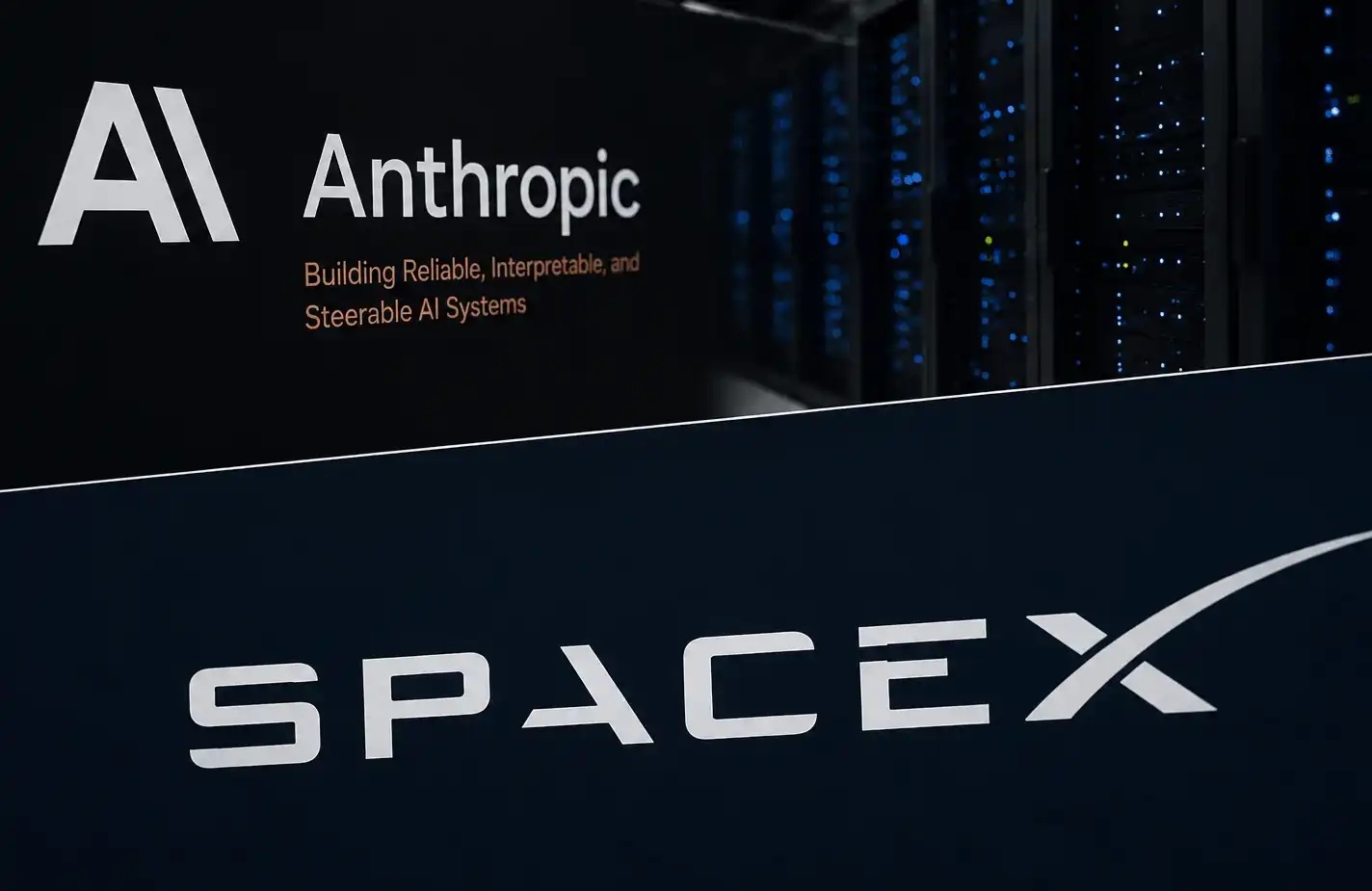
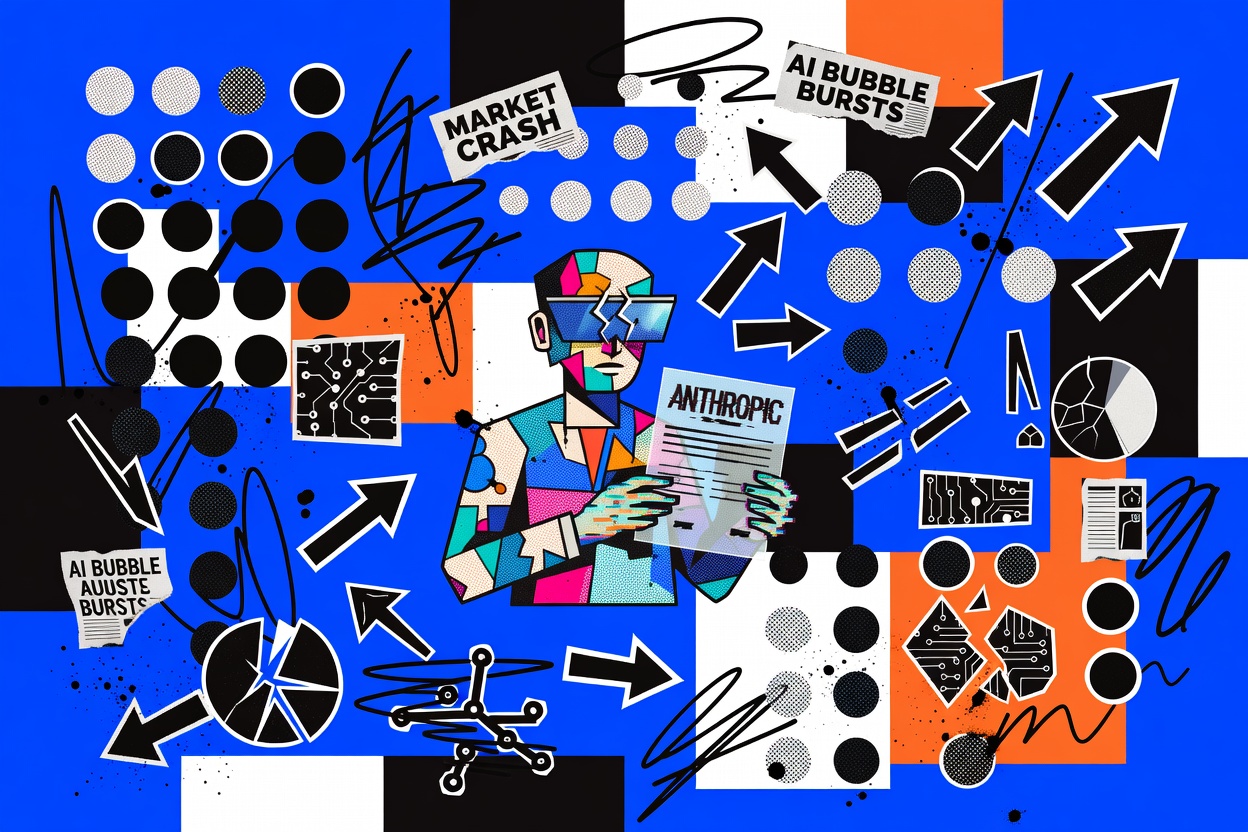
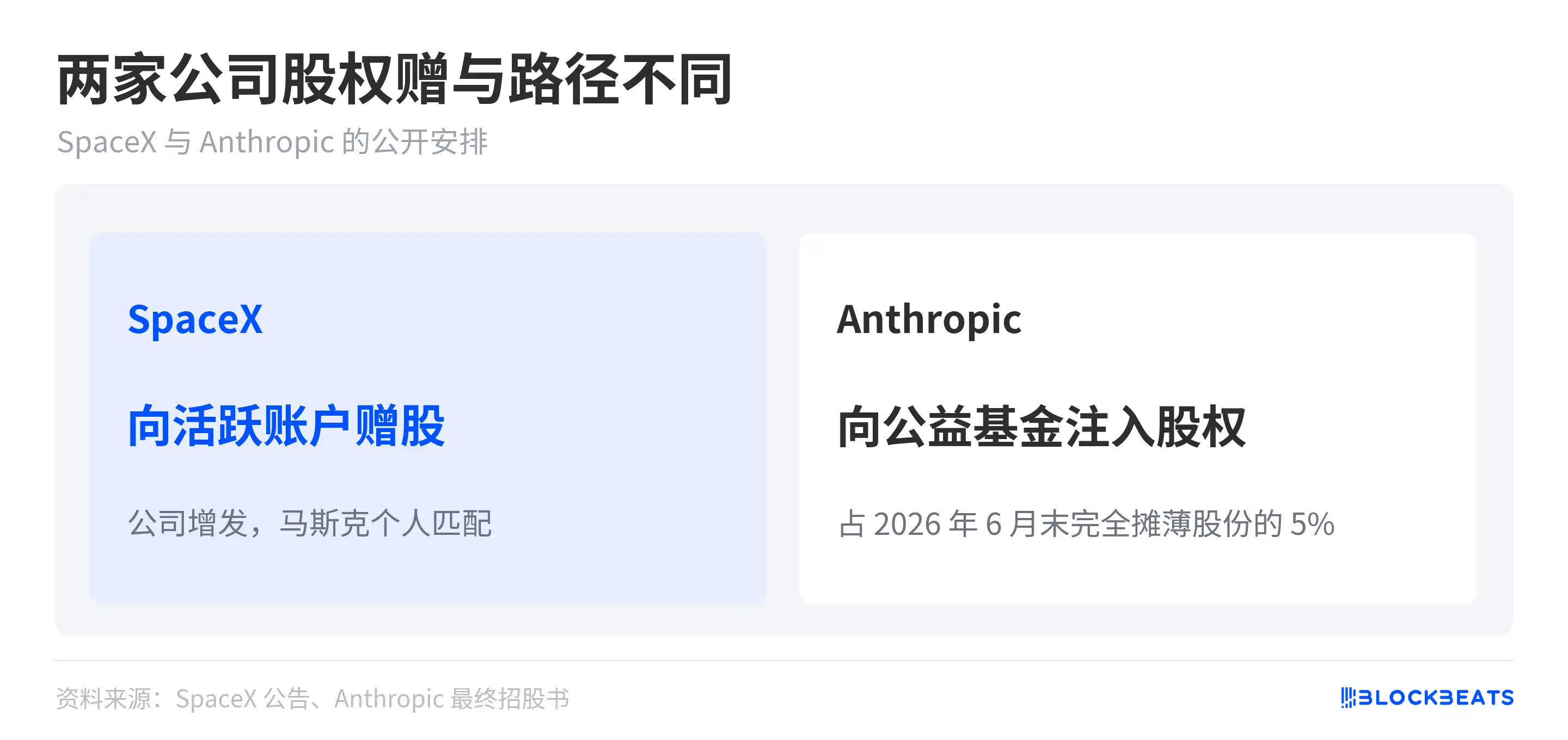
Expanding the view to the entire AI industry, this high-profile move is also a head-on collision between two routes for distributing AI dividends. As SpaceX integrates xAI, it and Anthropic, which just landed on Nasdaq on November 19, have become direct rivals in the computing power and model tracks.
Facing social anxiety over AI's impact on employment, Silicon Valley previously discussed more the cash-distribution style universal basic income, while Anthropic announced as early as October that it would donate 5% of shares (valued at more than $50 billion at current prices) to establish a public interest fund, taking the professional foundation route.
Wall Street buy-side institutions see this very clearly. Mark Tinker, chief investment officer in Hong Kong at Toscafund, said bluntly that Musk's choice to make a high-profile share donation on Thanksgiving is both to build momentum for the Trump account and to directly hedge against Anthropic's public welfare voice.
By calling for "directly distributing future economic equity to the next generation," Musk not only has greater communication impact than traditional foundations, but also tries to seize the moral and public opinion high ground for SpaceX and xAI in this new narrative of "direct shareholding by all citizens."
Active Account Threshold and Cash-Out Details Determine Whether the Commitment Holds Up
Despite the staggering figures, several real-world hurdles remain between a verbal pledge and funds actually arriving. Musk said the commitment is for "all American children," but SpaceX's official announcement explicitly limits it to "currently active Trump Accounts," meaning the number of people actually eligible could be notably fewer than the 70 million cap.
Post-delivery lockup and tax rules also remain unresolved. Although Trump Accounts restrict cash withdrawals before age 18, SpaceX has not clarified whether the single share donated personally by Musk will likewise go through such an account or be subject to a separate lockup period; the company's announcement also notes that the gifted shares remain subject to third-party and government approvals before they can be delivered.
As for the latest pledge on November 26 to "gift another share every year," although Musk used the first person and pointed to a personal donation, no formal document has locked in a start date or funding method. Whether the first batch of transfers can be completed in December, and the details of cashing out after the lockup is lifted next June, are the true yardsticks for testing whether the commitment holds up.
Welcome to join the official BlockBeats community:
Telegram Subscription Group: https://t.me/theblockbeats
Telegram Discussion Group: https://t.me/BlockBeats_App
Official Twitter Account: https://twitter.com/BlockBeatsAsia

 Related Articles