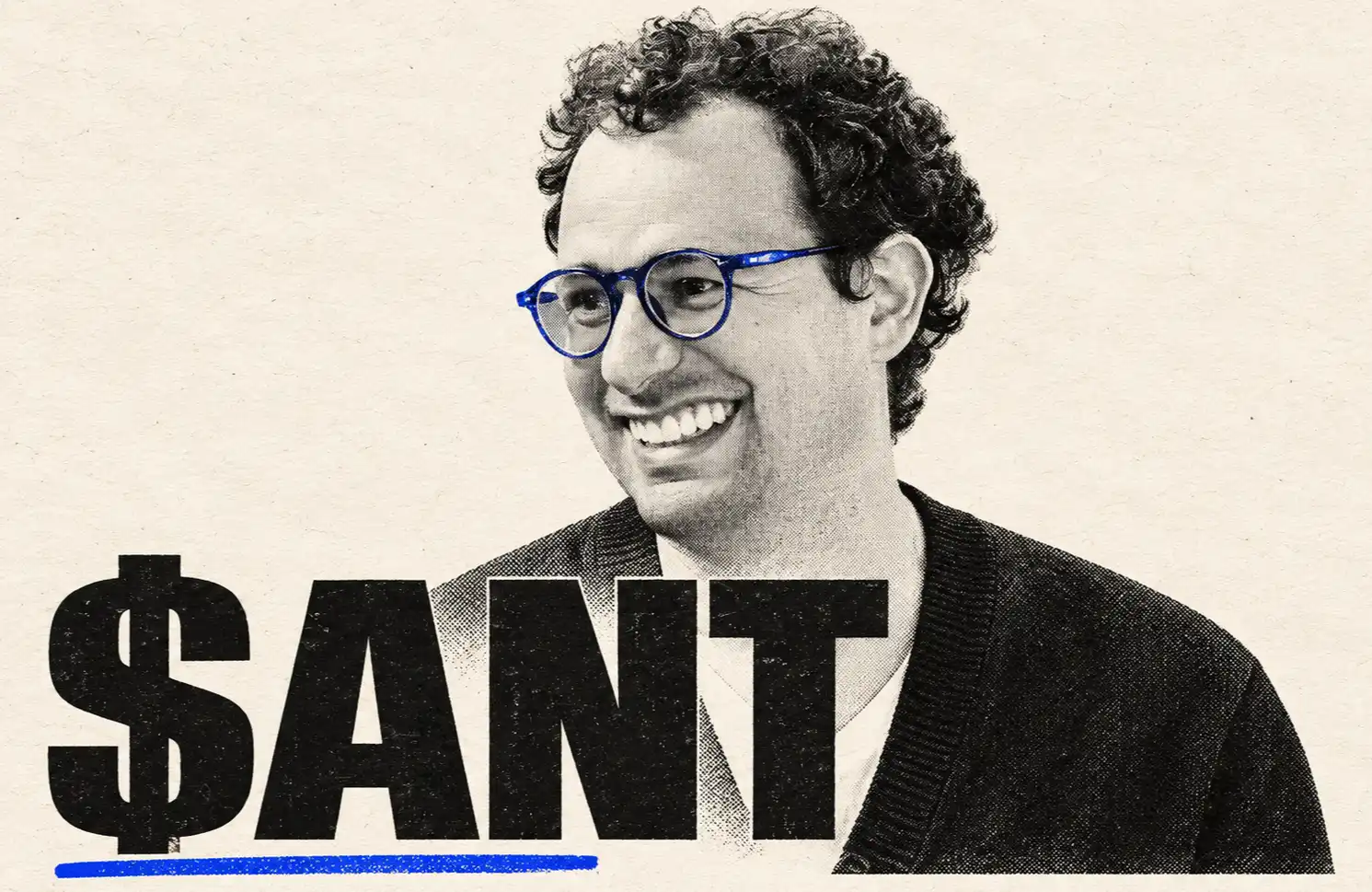
After a stunning 65% loss in a single quarter, the AI stock guru still has Anthropic shares in reserve.

TL;DR
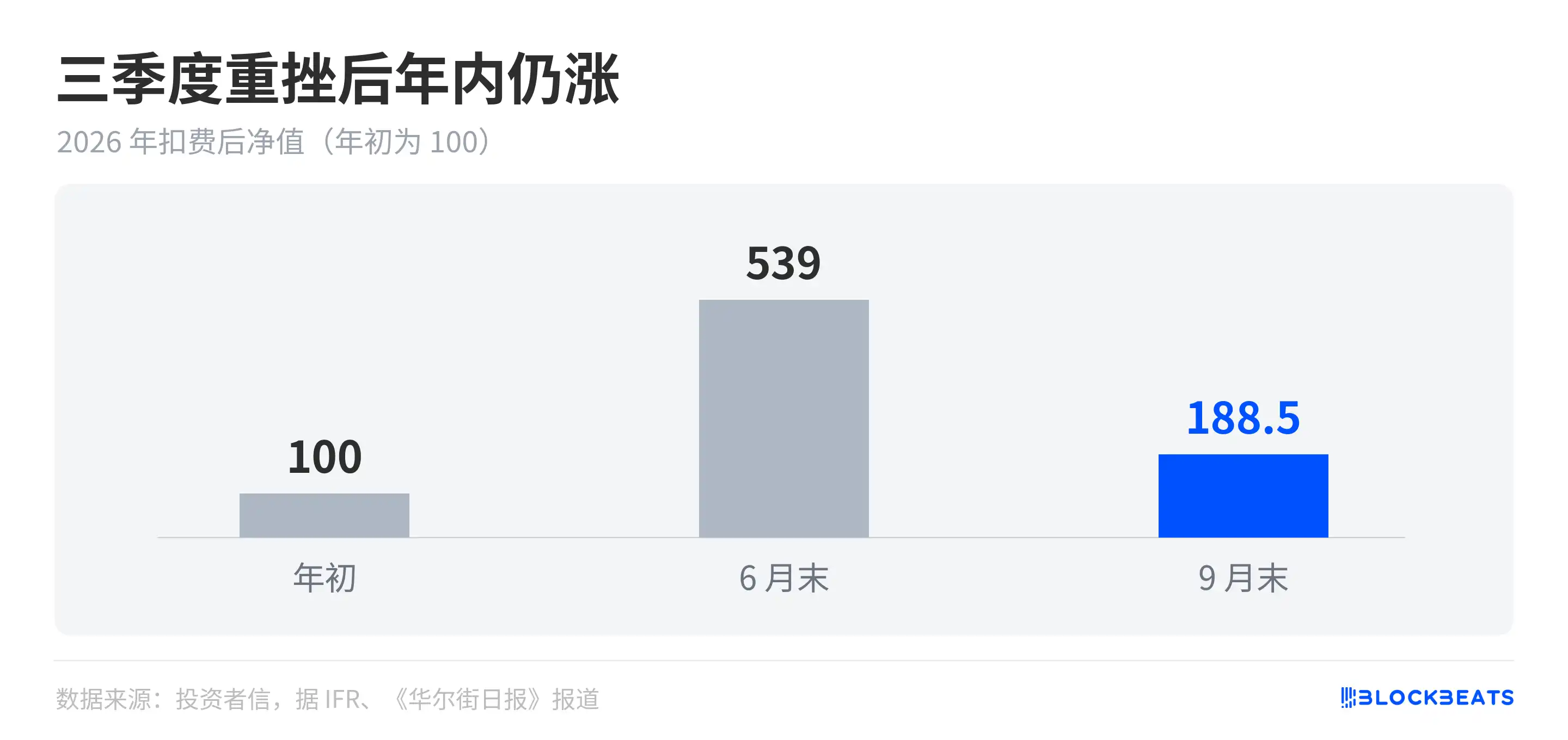
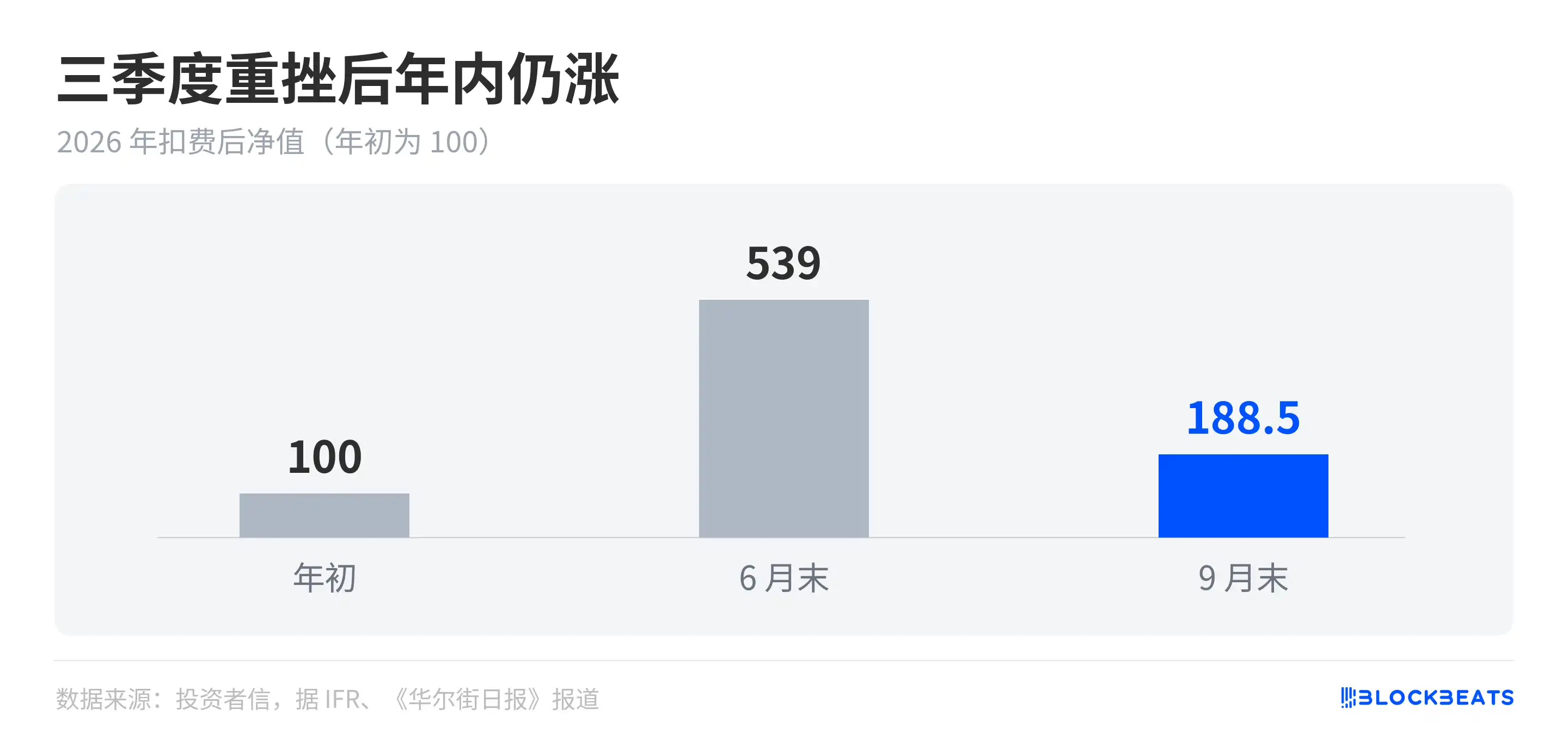
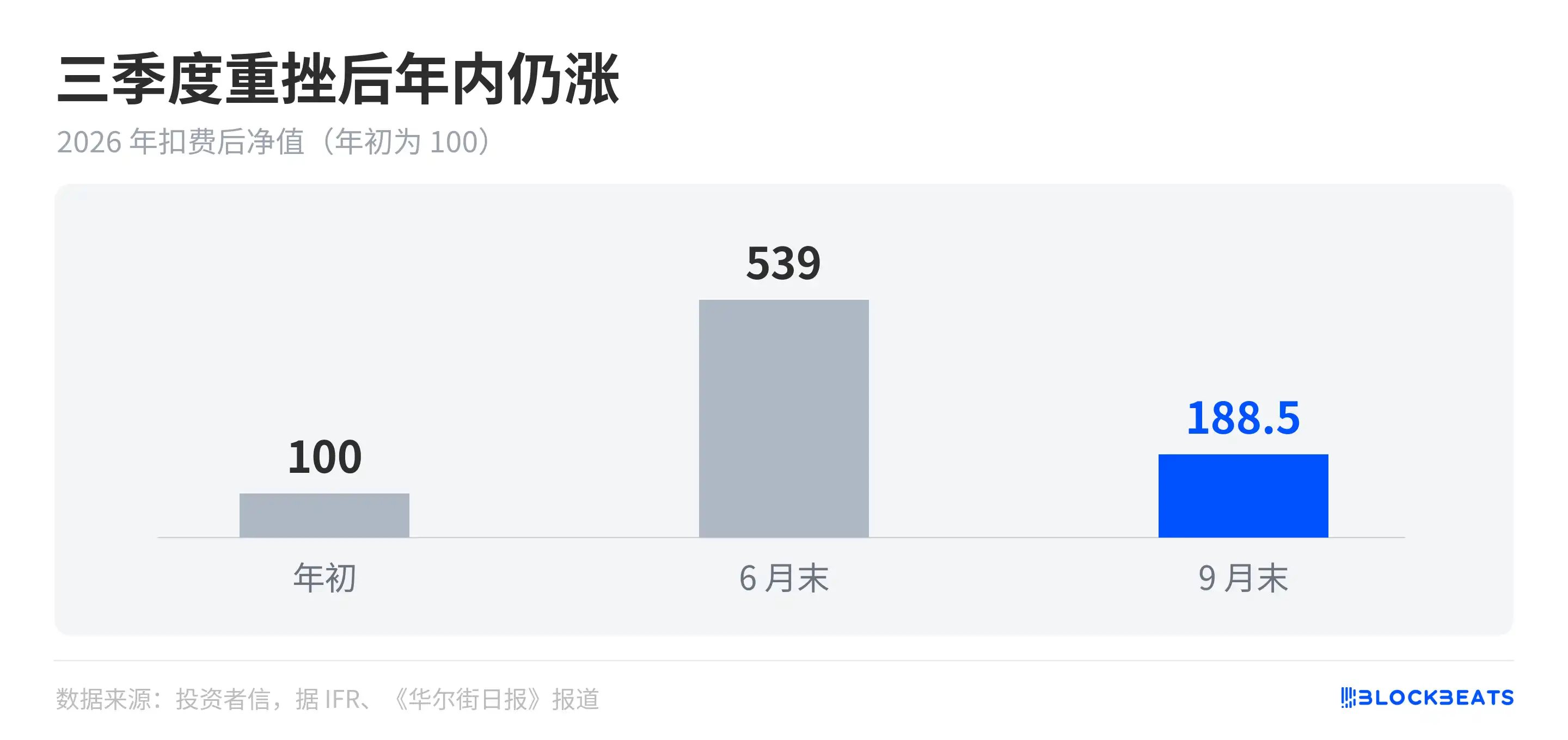
· Former OpenAI researcher Leopold's fund Situational Awareness LP disclosed in an investor letter that it lost 65% after fees in the third quarter, but was still up 88.5% year-to-date through the end of September.
· After being forced to sell public stocks to Citadel at a discount in July, the fund entity continued to operate, and the notional value of its public U.S. equity holdings shrank 92% in the third quarter to $1.58 billion, of which 66.3% by notional value was converted into call options on AI compute, power and storage.
· Related tickers: Anthropic (ANT), SharonAI (SHAZ), Bloom Energy (BE), Nebius (NBIS)
Former OpenAI researcher Leopold Aschenbrenner's fund Situational Awareness LP disclosed in its latest investor letter that it lost 65% after fees in the third quarter, and acknowledged that it is working hard to learn from past mistakes.
The contrast is that even with the single-quarter blowup, the fund was still up 88.5% after fees year-to-date through the end of September. He also told clients in the letter that the current moment represents the highest potential return opportunity since the fund's inception, and that it has continued to invest in recent months but is not accepting new capital for now.
Putting this investor letter together with the quarterly holdings report just disclosed on November 17, a more realistic picture emerges: this 25-year-old "AI stock god" did replace the financing leverage that nearly killed him, but his faith in heavily betting on AI infrastructure has not wavered.
From a 439% gain to selling at a loss in July, why is it still up 88.5% year-to-date?
To understand why a 65% loss in the third quarter still leaves it up 88.5% year-to-date, one must first look at how wild the first half was. In late summer 2024, Leopold founded the fund on the back of a 165-page long article, with the core logic of betting on an AI compute explosion and heavily weighting power, data centers and memory chips.
In the tailwind period, high concentration combined with up to 4x leverage created a legend. In the first half of 2026, the fund gained 439% after fees, and its total assets including leverage briefly surged to about $45 billion in early July, while its public U.S. equity holdings expanded from an initial $225 million to $20.24 billion.
But in July, global chip and AI sectors plunged sharply, compounded by a short squeeze in software stocks, triggering a cascade of margin calls, and the fund plunged about 67% in a single month. To avoid collapse, he was forced to sell about $16 billion of its public equity book to Citadel at a discount, but the fund entity was not shut down.
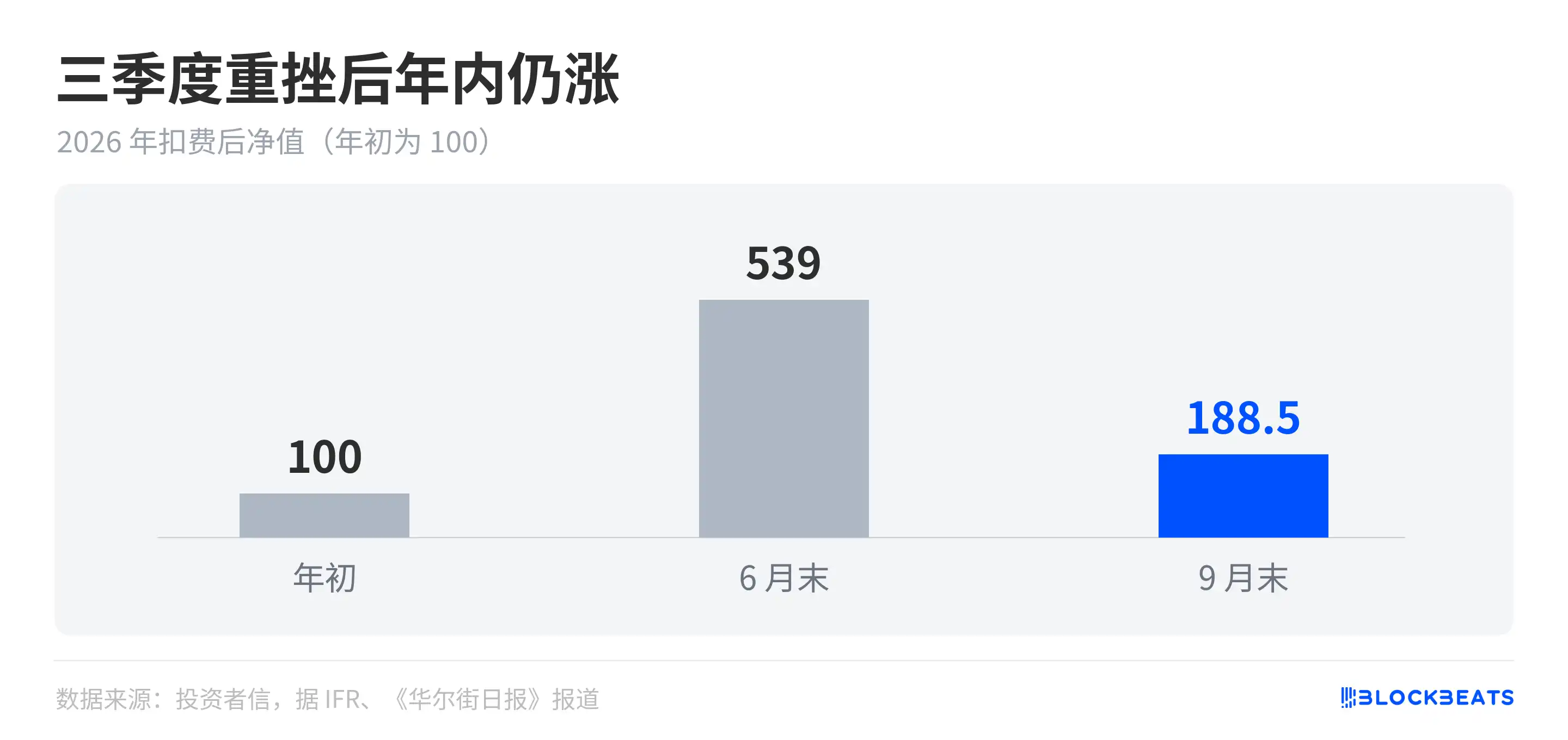
After restructuring positions in August and September, performance stabilized slightly, with third-quarter losses narrowing to 65%. On a compounded basis, 100 yuan at the start of the year rose to 539 yuan by the end of June, and after a 65% drawdown still left about 188.5 yuan, meaning it is still up 88.5% year-to-date, but investors who entered at the peak have taken a real beating.
Public holdings shrink 92%, switches to options to avoid forced liquidation risk
After writing to clients to apologize at the end of July, Leopold completely changed tools in the third quarter. The 13F report disclosed on November 17 (the quarterly disclosure of long U.S. equity holdings by U.S. institutions) shows that the notional value of his public holdings plunged 92.2%, from $20.24 billion to $1.58 billion.
He liquidated core common stock positions such as SanDisk, Micron and TSMC, leaving only about $533 million in common stock, of which the largest public holding is computing power service provider SharonAI, accounting for 27.9%. By 13F notional value, the remaining 66.3% of public positions were entirely switched into call options.
These options remain highly concentrated in familiar sectors, including fuel cell maker Bloom Energy (24.7%), computing cloud Nebius (21.1%), SanDisk and storage ETFs, with the top three public holdings together accounting for more than 70%.
This switch directly targets the July lesson: margin-financed common stock gets forcibly liquidated in a sharp decline, while the maximum loss on purchased call options is locked at the premium, with no margin call risk. Moreover, 13F combines common stock market value with option notional value in its statistics, and the actual cash principal occupied by the options is far below $1.05 billion.
The tens of billions hidden outside 13F, and why he remains optimistic
Seeing public holdings shrink 92%, outsiders may easily mistake the fund for being tapped out. But 13F only counts long positions in the U.S. secondary stock market and does not include unlisted equity, cash or shorts, so it is far from the entire asset base of Situational Awareness LP.
According to disclosures by media including the Financial Times in mid-November, the fund's total assets under management still exceed $10 billion, and its most core hidden card is an Anthropic stake valued at about $5 billion, which was kept intact within the fund when it was forced to sell public stocks in July.
However, this chip is difficult to liquidate in the short term. Although Anthropic listed on Nasdaq on November 19, the prospectus sets a tiered lock-up period of up to one year with 23 nodes for pre-IPO shareholders, compounded by its closing below the $83 issue price for two consecutive days after listing, liquidity remains constrained.
Even so, Leopold still claims the potential return is the highest since inception, citing the sharp sell-off widening the odds and the unresolved compute and power gaps. Despite facing SEC inquiries into partner banks and rumors of a "2.0" restart, he still chooses to stay at the table.
The post-October AI sell-off is testing a new options playbook
Switching from margin-financed stock to call options avoids the forced liquidation trap but introduces another hard constraint—time decay. Once the underlying stock remains depressed before the contract expires, call options no longer face floating losses to wait out, but rather expiry to zero.
It should be noted that the 13F report and the 88.5% return are both as of September 30, and do not disclose option strike prices, expiration dates, or post-October position adjustments. Over the past month or so, several AI names he heavily held at the end of the third quarter have seen significant drawdowns.
For Leopold, surviving July was only the first half. Whether the fourth-quarter holdings report to be disclosed in February next year can prove these call options weathered the autumn-winter pullback, and how Anthropic's valuation performs around the lock-up expiry, will ultimately determine whether this "AI stock god" restart can hold up.
Welcome to join the official BlockBeats community:
Telegram Subscription Group: https://t.me/theblockbeats
Telegram Discussion Group: https://t.me/BlockBeats_App
Official Twitter Account: https://twitter.com/BlockBeatsAsia

 Related Articles