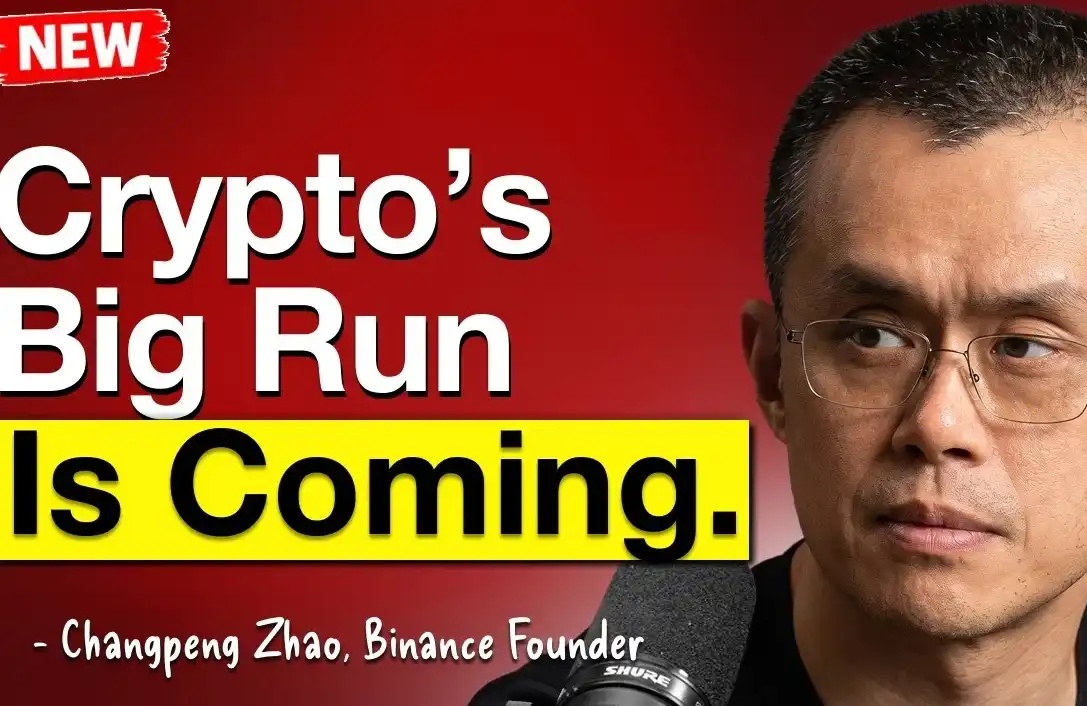
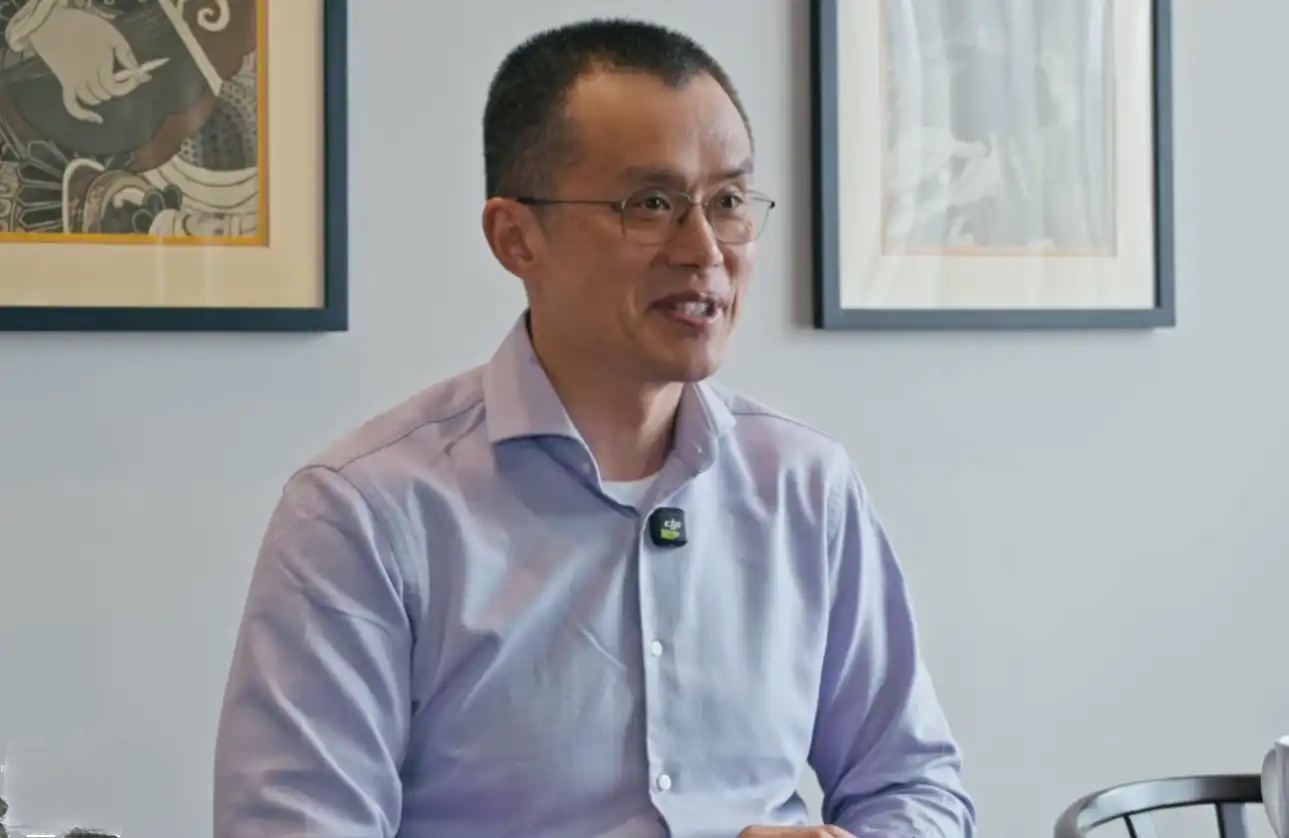
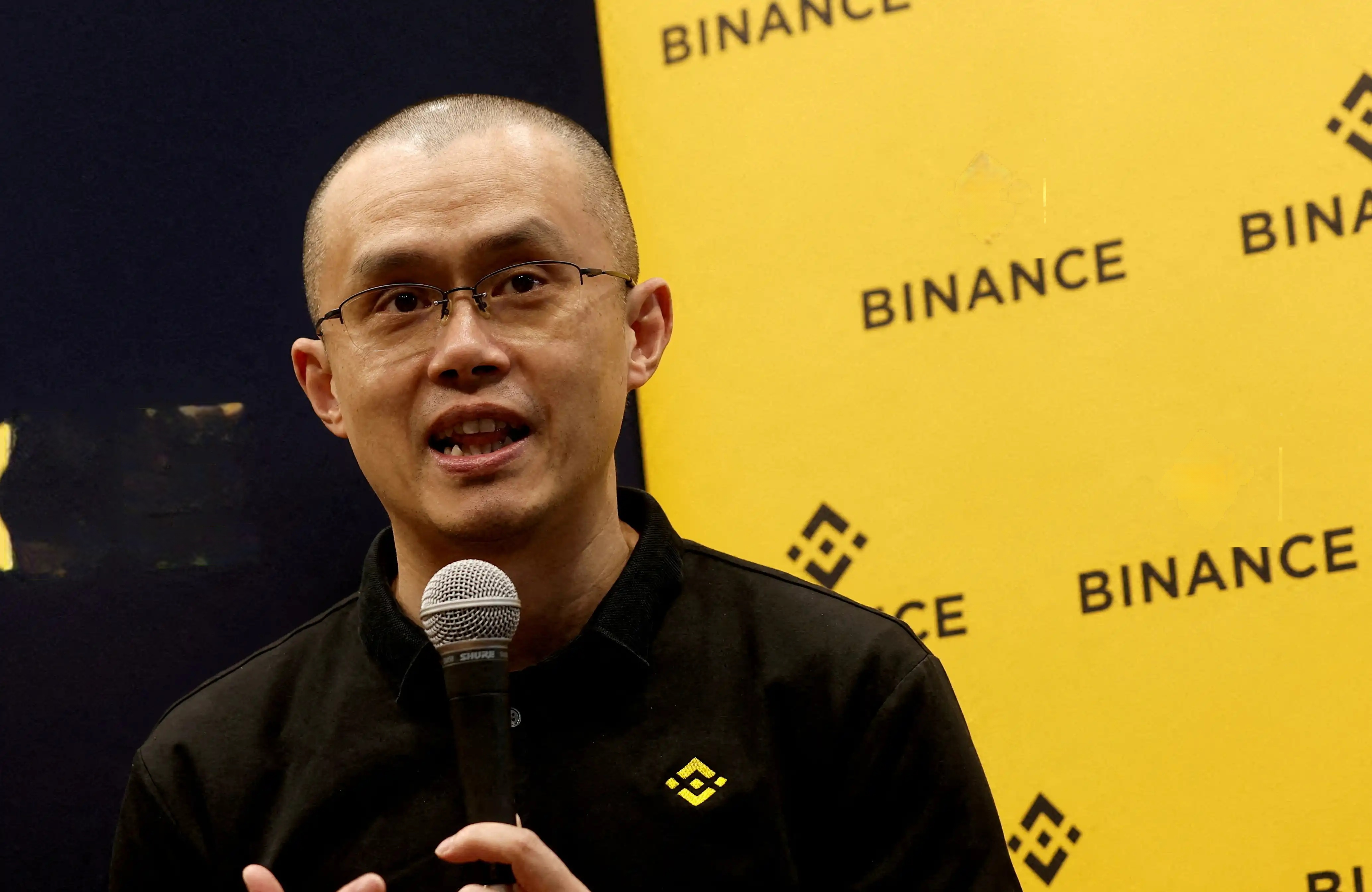
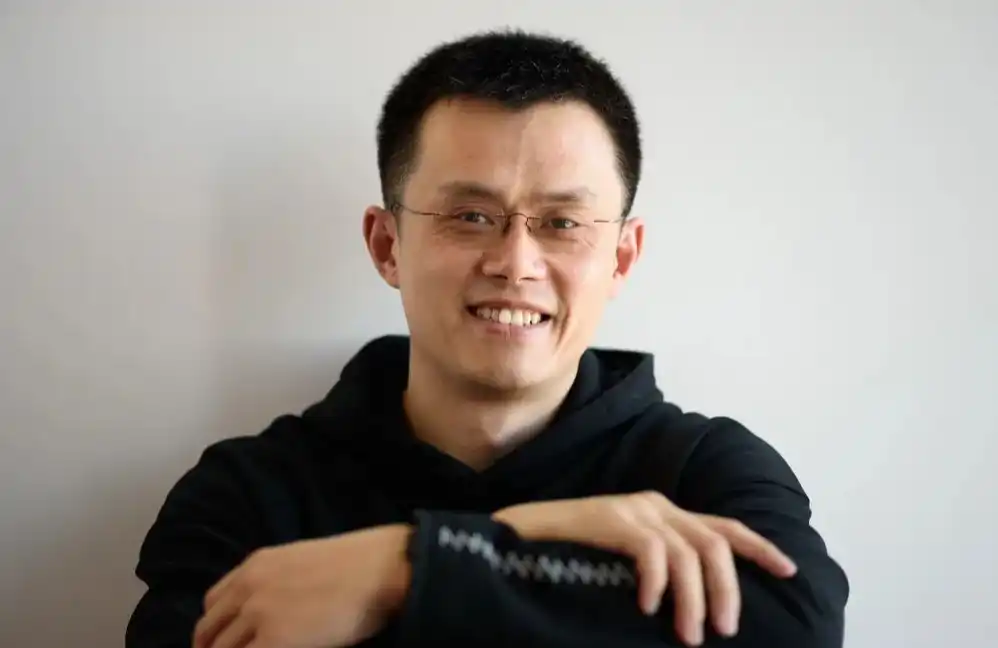
CZ's new interview: The world is not fair; now is the best era for entrepreneurship.

Binance founder Changpeng Zhao, who recently showcased his Middle East life in The New York Times, gave an interview to renowned Japanese business and financial media PIVOT, discussing his current focus and views on Japan's industry development.
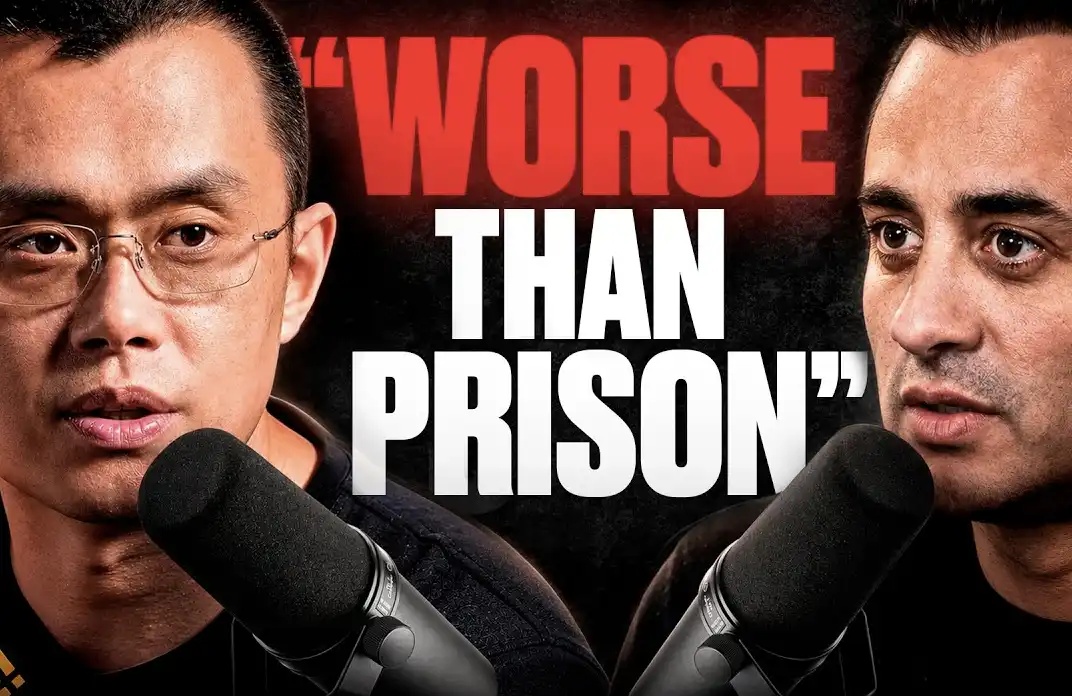
Interestingly, Bank of America was just fined $1.2 billion for money laundering-related violations, but no individuals were prosecuted, while Binance was fined $4.3 billion and he served 4 months in prison. Zhao also addressed this, saying the real world is never absolutely fair, but he has moved on.
TL;DR
In U.S. history, to this day, no one has ever been sentenced to prison solely for violating a single provision of the Bank Secrecy Act, and that is my situation. But the world is never absolutely fair; what happened happened, and we must turn the page.
I was forced to step down as CEO. But looking back now, I am 49, still with abundant energy, plenty of time, and sufficient resources to do things. Now I finally have the leisure and space to do these things, and I can say I am in a very fortunate position.
In the software world, the marginal cost of teaching 1 million or 2 million children is almost the same as teaching 2 billion children. I believe that for humans, being able to help others brings happiness, so this is a joyful project for me.
AI Agents will not use credit cards, nor will they open bank accounts. The ideal way for them is to use digital-native currency, namely cryptocurrency; AI will increase the transaction turnover speed of the entire society by a thousand to a million times.
Today is the best era in history to start a business, better than any period in history. Japan used to be accustomed to working at one company for a lifetime as a 'salaryman.' Unfortunately, I strongly do not recommend this path, and I strongly suggest more people take the entrepreneurial path.
Japan's Connection to Early Career and Binance's Underlying Technology
Japan occupies a very large proportion of my life. My first job after university graduation was in Japan, where I developed software systems for the Tokyo Stock Exchange (TSE) platform for a company in Tokyo. It was there that I first systematically learned about trading matching systems, order execution systems, and the underlying architecture of trading platforms. It can be said that experience was a key turning point in my life journey. Over the years, I have lived in Japan on and off for about six to seven years, and every winter, whenever I have time, I go skiing in Niseko, Hokkaido.
The software written in Tokyo back then undoubtedly laid the foundational groundwork for what later became Binance. Of course, the system underwent multiple iterations and upgrades. For those who understand technology, the earliest version was written in C++, and you had to manually clean up pointers and handle memory allocation; these early low-level designs evolved step by step into the high-performance trading system that supports Binance's global operations today.
Binance Faces Ban Six Weeks After Founding and Relocates to Tokyo
We founded Binance in Shanghai in July 2017, but just six weeks later, the cryptocurrency ban was introduced. Almost simultaneously, in September and October 2017, Japan began implementing a licensing and registration system for crypto trading platforms, issuing 16 licenses in the first batch; as early as April 2017, Japan had even recognized Bitcoin as a legal means of payment. In our view, Japan was very advanced in crypto regulation, being one of the earliest countries globally to embrace cryptocurrencies in a standardized manner.
At the time, our entire team consisted of only 30 people. Although we had been live for just six weeks, we had already validated clear PMF (product-market fit)—the platform was growing organically, with users and trading volume rising rapidly. At that time, the Chinese market accounted for only 20% to 30% of our total trading volume, while overseas markets accounted for 70% to 80%. Tokyo is a highly international metropolis, so I decided to relocate the entire team to Meguro in Tokyo, rent and renovate an office, hoping to continue serving global users from there.
But then a problem arose: Binance was a platform supporting trading in hundreds of altcoins, while Japan's licensing system at the time only allowed trading in 10 to 20 mainstream top-tier coins. This regulatory framework was incompatible with our business model, so we did not stay in Japan for long. However, four years later, we returned to Japan, and today Binance Japan has obtained a fully compliant license in Japan and has established joint ventures and partnerships with SoftBank and PayPay.
Topping Global Rankings in Five Months and Paying $6 million Out of Pocket for Full User Compensation
Just five months after launch (December 17, 2017), Binance became the cryptocurrency trading platform with the largest global trading volume. Many find it incredible, but behind this, I had already been deeply involved in this industry for 17 years, accumulating 17 years of experience in building trading platform systems; at the same time, we had a very lean core team of 30 people.
The external environment also gave us a push. 2017 was the year of the ICO explosion, with a large number of new tokens emerging in the market, and Binance was precisely a platform focused on new token trading. At the time, five of the world's top ten trading platforms were Japanese domestic ones, but due to licensing policy restrictions they could only list 10 to 20 tokens, severely weakening their market competitiveness, and Binance rode this wave of opportunity.
More importantly was the protection of users and the establishment of trust. In 2017, most trading platforms in the industry had extremely poor technical services — Bitcoin withdrawals frequently got stuck, and emails to customer service might go unanswered for two months. Binance completely reshaped this experience. When forced to relocate to Japan, in the face of user losses caused by policy changes, Binance did something it didn't originally need to do: we dug into our own pockets and put up $6 million — roughly 40% of Binance's entire treasury funds at the time — to fully compensate those users harmed by the policy changes. These concrete measures to protect users won us enormous reputation and growth momentum.
The $1 million flood donation after leaving Japan and the outlook for Japan's crypto tax reform
In early 2018, after being questioned by Japan's Financial Services Agency, Binance withdrew from Japan. But a few months later, in July, western Japan was hit by catastrophic torrential rain and flooding, causing 81 deaths, including many of my old friends and former colleagues in the disaster area. At the time, on behalf of Binance, I donated $1 million for disaster relief.
For me, business and personal emotion are completely independent. The fact that we couldn't run a trading platform business in Japan absolutely does not mean I wouldn't lend a hand when disaster strikes. This was not only the first charitable donation of such a magnitude in the history of the crypto industry, but also became the starting point of what later became the "Binance Charity Foundation" (Binance Charity). To this day, my team and I are still proud of that decision.
Regarding Japan reducing the cryptocurrency tax rate from a maximum of 55% to 20% (comparable to the stock capital gains tax), this is a very positive and reasonable move. Compared to other countries around the world, a 20% tax rate is quite fair, and it will inevitably bring a large amount of capital and trading volume back to Japan.
Japan has always been characterized by extremely cautious decision-making that requires lengthy planning, but once it enters the execution phase, the speed and explosive power are astonishing. I hope Japan will continue to push forward on two things in the future: first, stablecoins — currently 99% of stablecoins globally are USD-backed, and the yen, as a major global currency, should more actively promote a yen stablecoin; second, asset tokenization — whether stocks, government bonds, ETFs, or real estate and even rare resources. Tokenization can enable global capital to flow seamlessly into domestic assets and greatly enhance liquidity, and Japan should seize this opportunity.
Plea Deal with the U.S., 4-Month Sentence, and Relief After Being Forced Out as CEO
Regarding that case in the U.S., the objective facts are: during 2017 to early 2019, there were indeed U.S. users on the Binance platform, and we were not registered as a financial services company in the U.S. at the time, thus violating the U.S. Bank Secrecy Act (BSA). In 2022-2023, the U.S. government launched an investigation, and I acknowledged this fact and reached a plea agreement.
I was in the UAE at the time, and there is no extradition treaty between the UAE and the U.S., so I could have chosen to stay there. But I didn't want to live the rest of my life as a fugitive; I preferred to face the problem and solve it, so I voluntarily flew to the U.S. to resolve the situation. It was indeed not a pleasant experience, a profound lesson, and I never want to go through it again, but that chapter is over.
I want to clarify specifically: this was purely a financial registration compliance violation, with no fraud or deception involved, and no user assets were harmed. In the entire history of the U.S., no one has ever been sentenced to prison solely for violating the Bank Secrecy Act as a single charge; not long ago, Bank of America was fined $1.2 billion, and the nature of its violations was far more serious than mine, yet no individual was prosecuted. But the real world is never absolutely fair; what's done is done, and there's no need to dwell on it.
Being forced out as CEO actually gave me a sense of relief to some extent. If I had to step down voluntarily, it would have been hard for me to make that decision, and outsiders might question whether I had lost my drive. Now I am 49 years old, not young but certainly not old, still full of energy, and with ample time, energy, and resources to do what I want, fully opening the next chapter of my life.
The Original Intent Behind Founding the Completely Free Education Platform Giggle Academy and Its Business Sustainability
After leaving Binance, I have been thinking about what I can do to bring the greatest positive value to the world. Ultimately, I chose education.
Global education today faces two huge pain points: first, there are 700 million illiterate adults worldwide, two-thirds of whom are women; at the same time, 500 million school-age children are out of school and simply cannot afford the cost of education. Second, the existing school system often trains people toward mediocrity—if you are good at Japanese but not at math, the school will force you to spend less time on Japanese and more on math, ultimately grinding you down to an average level; moreover, teacher pay is low, and except for a very few highly passionate individuals, the smartest talents often do not choose to become teachers.
Combining AI, gamification mechanics, and the mobile internet, we have developed a completely free educational app called Giggle Academy. We set the starting point for learning at age two—children can clearly pronounce words and build cognition from the age of two, and the content currently covers up to age six.
Over the past two years, this project has achieved explosive growth, with the number of learning children on the platform growing from zero to 2 million. At the beginning of this year, that number was only 100,000—a 20-fold increase within a year.
This project is completely free, with no in-app purchases and no premium paid features. It is currently entirely funded by me personally, costing approximately $5 million per year, with a team of only 50 people. In the world of software, the marginal maintenance cost of teaching 2 million children versus teaching 2 billion children is almost indistinguishable. Even if scaled up in the future, the annual cost is unlikely to exceed $20 million to $50 million.
Regarding a sustainable model for the future: if a child learns on our platform for free for 18 years and grows up to land a decent, good job, we might suggest—entirely voluntarily—that they donate 5% to 10% of their income back to the platform in their first few years of working. As long as a small portion of students are willing to give back, the entire ecosystem can fully sustain itself and operate virtuously forever.
Deep Integration of AI and Cryptocurrency: AI Agent Native Currency and the Microtransaction Revolution
In the 30 years I have experienced as an adult, three massive technological waves have emerged: the internet, blockchain, and AI, each roughly 15 years apart.
AI will bring an immeasurable boost to social productivity, and I am currently making substantial investments in this field. But everyone must realize: AI needs networks and money. In the near future, behind every person there will be thousands of AI Agents operating silently—for example, after finishing an interview, dedicated Agents will handle editing, publishing, marketing, and collecting fees from viewers.
These high-frequency operating AI Agents will absolutely never use credit cards or traditional bank accounts. Their only native payment tool in the digital world is cryptocurrency.
AI will increase the velocity of transactions across society by a thousandfold to a millionfold, bringing an explosive wave of "microtransactions." In the future, you will no longer need to spend money on a bulky monthly subscription—you watch a short video, and AI automatically pays 1 yen for you; you watch another, and pay a few mills. At the same time, AI also relies heavily on blockchain for digital authentication, authenticity verification, and on-chain identity confirmation. The combination of AI and blockchain will bring a qualitative leap in the economic turnover efficiency of the entire society.
This transformation won't take a decade—it's expected to arrive in full within five years or even sooner. Technology is now advancing at an exponential pace, and the real obstacle isn't the technology itself, but rather the adoption cycle of human society and the speed at which governments around the world open up at the legal level.
Advice for Young People in Japan: Abandon the Lifetime Employment System—Now Is the Best Time to Start a Business
If I could sit down and talk with my younger self or with young people in Japan today, I would tell them clearly: today is the best time in history to start a business—better than any other day in human history.
The big direction is already crystal clear—AI, blockchain, and deep internet technologies. As long as you find something in these tracks that people truly need and that you are capable of building, the probability of achieving tremendous success and financial returns is extremely high. You just need to sit down and build it.
Traditional Japanese society has a deeply ingrained notion of spending one's entire life as a "Salaryman" at a single company. Although advocating this in Japan may spark controversy, I strongly advise everyone not to take that path, but instead to choose entrepreneurship. Starting a business certainly comes with enormous uncertainty and pain, but the positive social value, personal fulfillment, and financial returns it brings are incomparable—especially now that AI tools have lowered the technical barriers to entrepreneurship to an unprecedented low.
Welcome to join the official BlockBeats community:
Telegram Subscription Group: https://t.me/theblockbeats
Telegram Discussion Group: https://t.me/BlockBeats_App
Official Twitter Account: https://twitter.com/BlockBeatsAsia
 Related Articles