Home Meta: The First Social Parallel Chain NFT Airdrop is Coming
Article Source: Home Meta
HOME (Home Meta) is a groundbreaking blockchain project aimed at building the world's first parallel social chain. It combines MEME culture and Network State theory, striving to create a decentralized social ecosystem that provides users with a new digital identity and social experience.
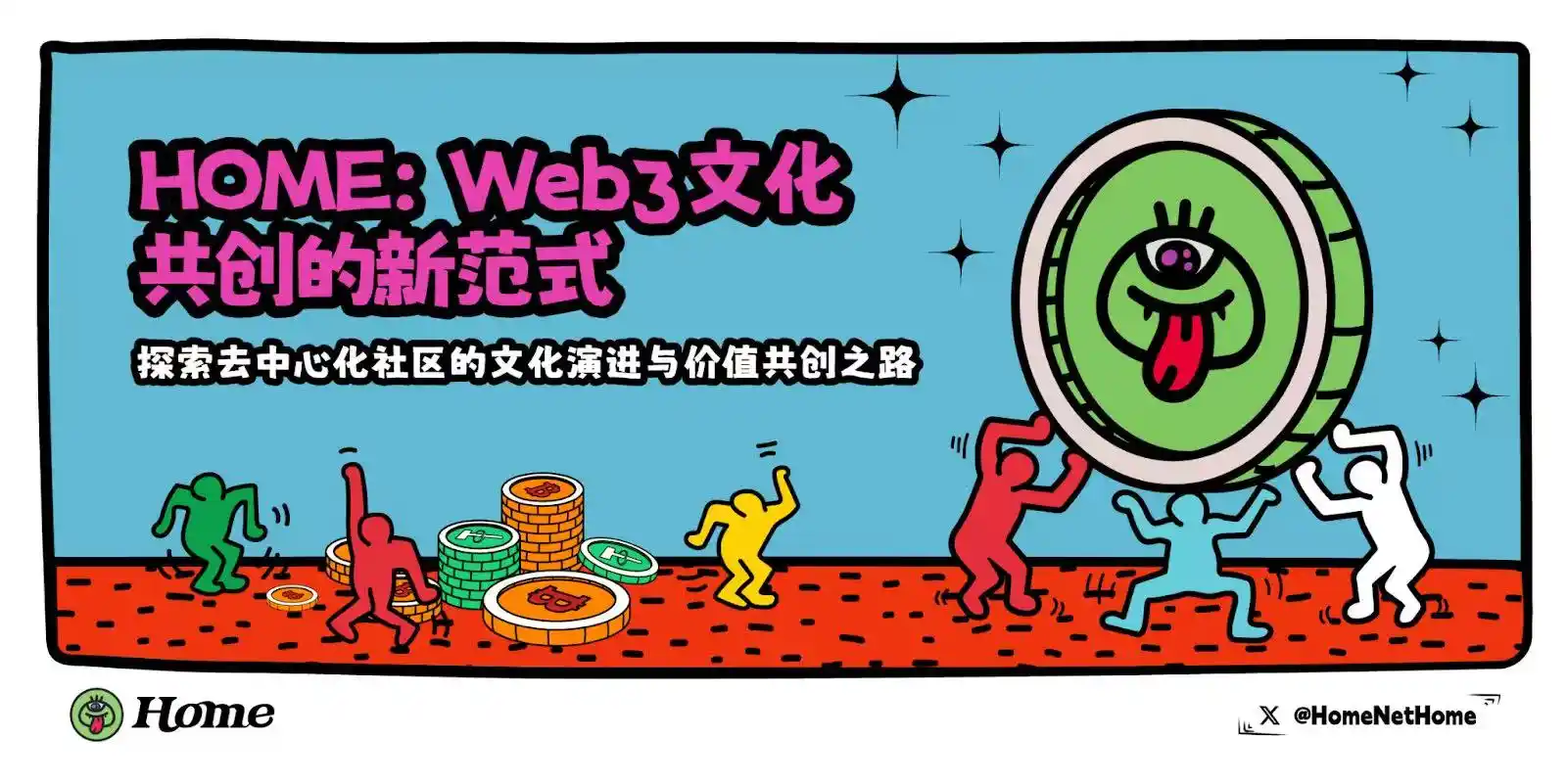
The Origin of HOME
The origin of HOME can be traced back to former Coinbase CTO Balaji Srinivasan's in-depth exploration of the "Network State" concept. In his work "The Network State: How to Start Your Own Country," Srinivasan elaborated on how to build a new virtual nation through digital technology and decentralization.
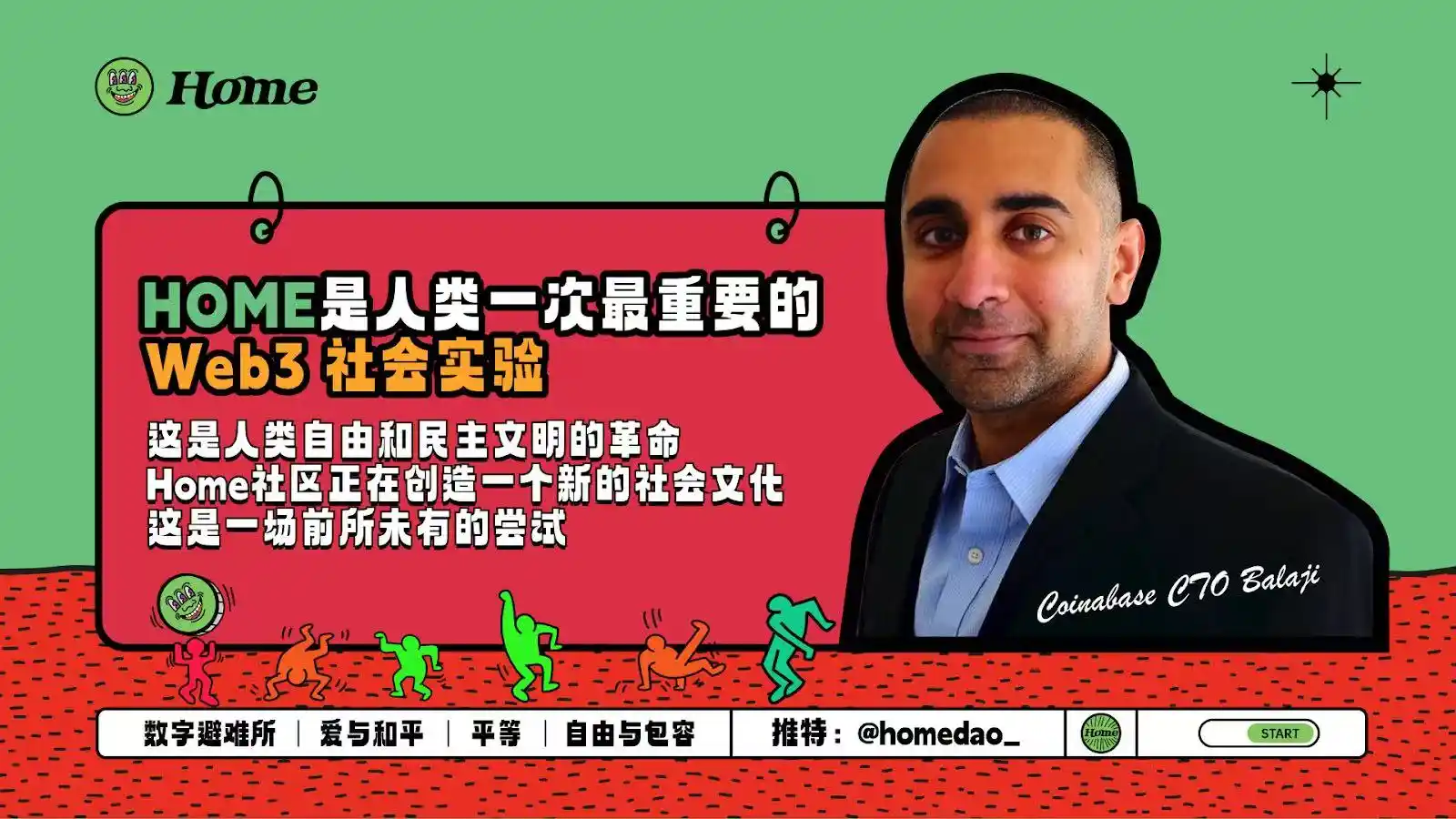
HOME was born out of this very concept, dedicated to turning the vision of a Network State into reality.
The idea of HOME META, on the other hand, stems from a profound understanding of the limitations of current social platforms. Traditional centralized social platforms face many issues related to data privacy, content censorship, and user rights. In response, HOME META has proposed a novel solution aimed at reshaping the social ecosystem through decentralized technology, giving users more control and a greater sense of participation.

In today's Web3 ecosystem, the market faces the following two major pain points:
1. Web3 projects lack real-world business support, leading to inflated valuations
Many Web3 projects have received inflated valuations due to a lack of real-world business use cases. Venture capital firms often enter at very low valuations, while retail investors entering the secondary market do so at valuations tens to hundreds of times higher. This imbalance has turned many Web3 projects into tools for venture capitalists to arbitrage, ultimately resulting in the projects losing value due to the lack of real-world business support.
2. Risks of MEME Project's Fair Launch Mechanism
While the MEME project's fair launch mechanism provides users with a fair and undervalued participation opportunity, due to this permissionless launch approach, the project is susceptible to exploitation by malicious actors, turning it into a cash grab scheme similar to conspiracy projects like Libra and Trump.
In fact, MEME's undervalued fair launch mechanism, combined with a great vision and community with practical applications, is what Web3 originally looked like and is a prerequisite for every great project. HOME Meta is committed to showing the world in 2025 that we will reshape the current state of Web3 and bring the value of building back to Web3.
HOME's Roadmap
The development plan for HOME META is divided into three key stages:
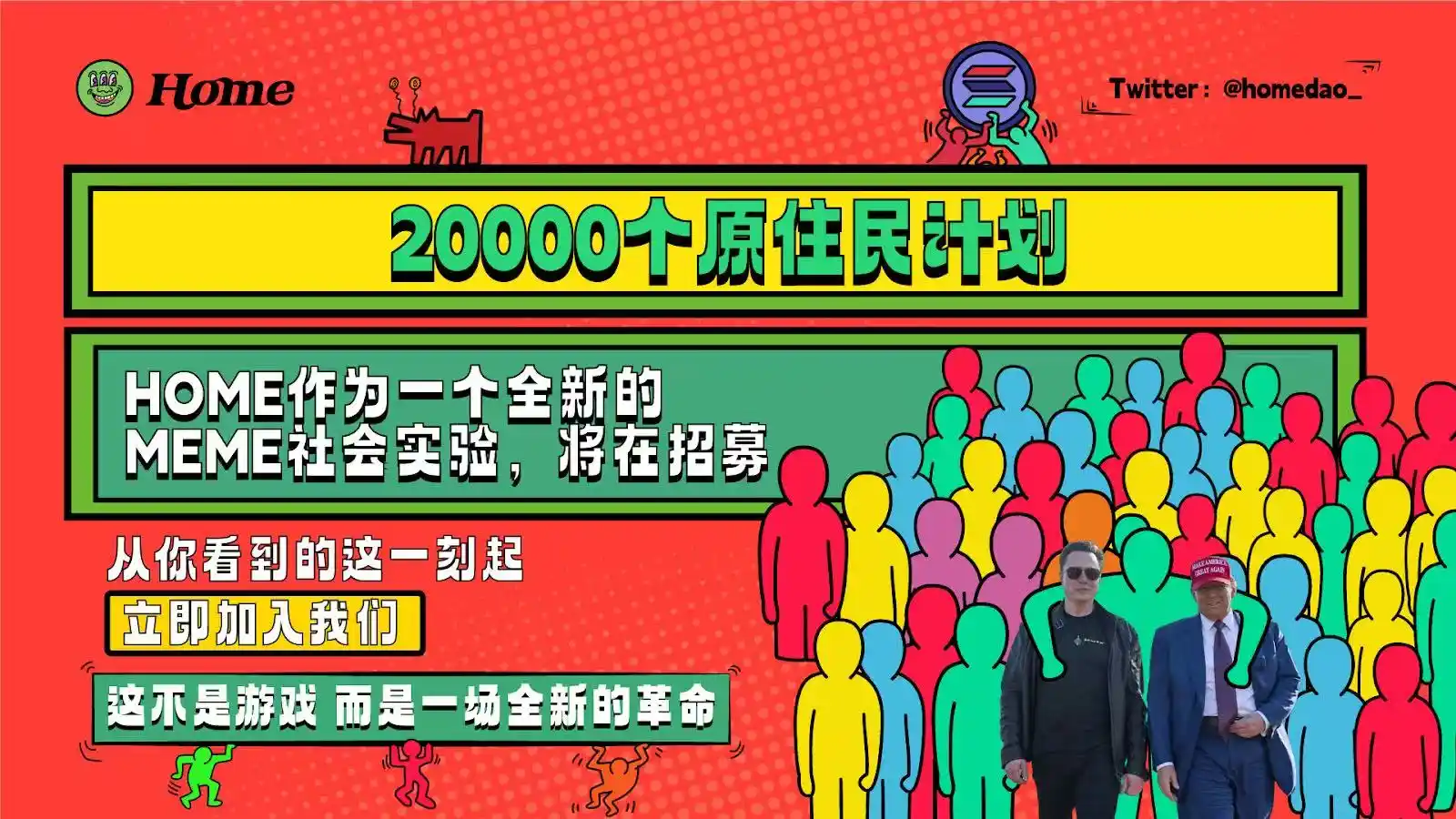
MEME Stage: In the initial stage, HOME META, starting from the MEME culture, plans to recruit 20,000 indigenous users. Users can obtain indigenous identity by subscribing to HOME DID (decentralized identity) and participate in community development and early ecosystem layout.
Decentralized Social Gateway: In the second stage, HOME META will be developed into a social gateway for Web3. Through a decentralized technical architecture, users can securely and freely interact socially, ensuring data privacy and content autonomy.
Launch of a Parallel Social Chain: Ultimately, HOME META will launch the world's first parallel social chain, building a decentralized global social platform. This stage will achieve an efficient, secure social network that supports large-scale user concurrency and rich social application scenarios.
Ecosystem Value and Technological Features
In HOME META's roadmap, each stage embodies significant ecosystem value:
Value of Social Gateway
In the traditional Web2 era, social platforms are controlled by centralized institutions, and user data and content are stored on the servers of these platforms. The platform has absolute control over the use and distribution of data. This model brings issues such as privacy breaches, data misuse, and platform monopolies.
HOME, as the social gateway of the Web3 era, is committed to building a decentralized social platform that empowers users with control over their own data and content. Its core values are reflected in the following aspects:
Data Sovereignty: On a decentralized social platform, user data is controlled by the users themselves, avoiding the misuse of data by centralized platforms.
Privacy Protection: Through blockchain technology, user identities and data are encrypted, and only the users themselves or authorized parties can access it, ensuring privacy and security.
Freedom of Content Creation: A decentralized platform avoids content censorship and algorithmic bias of centralized platforms, encouraging diverse expression and creation.
Censorship Resistance: Due to the absence of a single controlling entity, decentralized social platforms are more difficult to censor or shut down, safeguarding freedom of speech.
The Value of Decentralized Identity (DID)
DID is an identity authentication method based on blockchain technology, aiming to give users full control over their identity information, avoiding the security and privacy issues associated with traditional centralized identity verification. Its value is mainly manifested in:
Self-Sovereignty: Users can create, manage, and control their own identities without relying on centralized institutions.
Privacy Protection: Users can selectively disclose identity information, ensuring privacy needs in different scenarios.
Interoperability: DID can be used in different decentralized applications (dApps), providing a seamless user experience.
Security: Due to the immutability of the blockchain, DID's identity information is more difficult to forge or tamper with.
The Synergy Between Social Gateway and DID in HOME
In the HOME ecosystem, the social gateway and DID complement each other, enhancing the user experience and platform value.
Enhanced Trust: Through DID, users can verify each other's identity authenticity, reduce fake accounts and fraudulent activities, and establish a trustworthy social environment.
Personalized Service: Based on the user's DID information, the platform can provide customized services and content recommendations, enhancing user engagement.
Cross-Platform Interoperability: A user's DID can be used across different decentralized platforms, enabling identity and data to flow seamlessly across platforms, enriching the user's digital life.
Incentive Mechanism: By recording a user's contributions and behaviors on the DID, the platform can design more reasonable incentive mechanisms to encourage active participation and high-quality content creation.
In conclusion, HOME aims to reshape the landscape of digital social interaction and empower users with sovereignty over their identity and data by building a decentralized social gateway and introducing DID, creating a secure, free, and diverse social ecosystem.
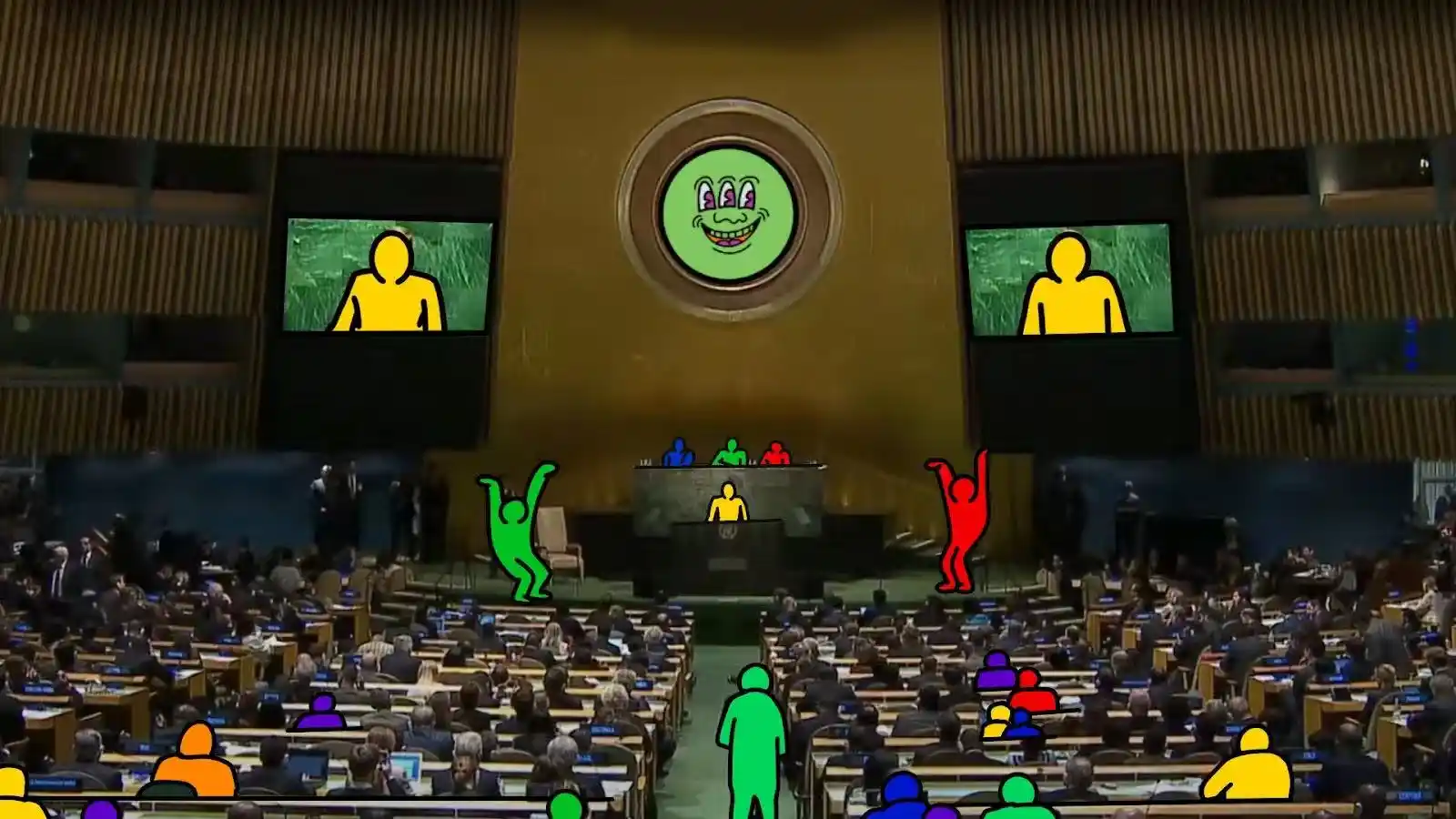
A parallel social blockchain represents a novel blockchain architecture design aimed at addressing the scalability and performance limitations of traditional blockchains, particularly in high-frequency, low-latency social application scenarios.
Value and Technological Breakthrough of Parallel Public Blockchains
Increased Transaction Throughput: Traditional blockchains use a linear block generation approach, limiting transaction processing speed. Parallel public blockchains introduce parallel processing technology, allowing multiple blocks or transactions to be processed simultaneously, significantly increasing transaction throughput to meet the needs of large-scale social applications.
Reduced Transaction Latency: In social platforms, users expect real-time interactive experiences. Parallel public blockchains optimize consensus mechanisms and network architecture to reduce transaction confirmation time, providing near-real-time transaction confirmation and enhancing user experience.
Enhanced Scalability: The parallel design allows the public chain to dynamically scale according to demand, accommodating the growth in the number of users and transaction volume to ensure network stability and efficiency.
Improved Resource Utilization: Through parallel processing, the public chain can better utilize network resources, avoid resource wastage, and enhance overall network performance.
Advantages of Decentralized Social Networking
User Data Sovereignty: In decentralized social networking platforms, users have full control over their own data, avoiding the misuse and leakage risks associated with centralized platforms.
Content Review Transparency: Under a decentralized architecture, content publishing and moderation are collectively carried out by the community, reducing opaque content review and safeguarding freedom of speech.
Strong Anti-Censorship: Due to the absence of a single controlling entity, decentralized social platforms are more resistant to external censorship or shutdown, ensuring the free flow of information.
Diverse Incentive Mechanisms: Through a tokenomics model, platforms can provide direct economic incentives to content creators and active users, promoting the creation and dissemination of high-quality content.
In conclusion, the technical breakthrough of a parallel social chain has provided a solid foundation for decentralized social platforms, addressing the performance and scalability bottlenecks of traditional blockchains, empowering the widespread application of decentralized social interactions.
NFT Airdrop Plan
To reward early supporters, HOME META will launch an NFT airdrop plan. Specifically, users holding 10 DID tokens will receive a limited edition NFT. These NFTs come with the following benefits:
Permanent Limited Edition: Each NFT is unique and rare, with collectible value.
Ecosystem Dividends: Holders will receive dividends from the HOME META ecosystem, directly participating in the platform's growth dividends.
Whitelist and Airdrop Benefits: Holders will have priority access to future whitelist events and receive additional airdrop rewards.
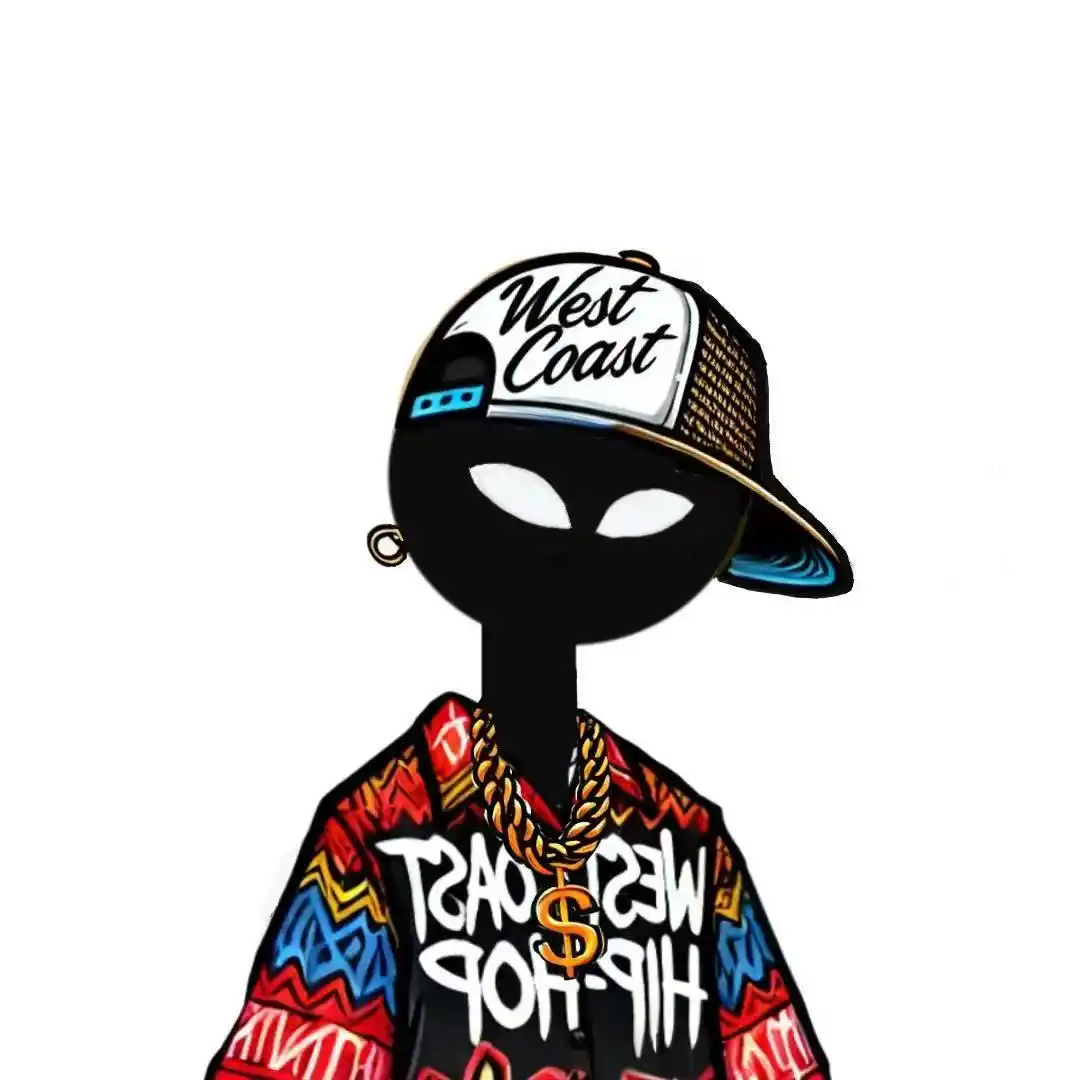

Through this airdrop plan, HOME META aims to share the platform's development achievements with community members, establishing a close ecosystem relationship.
Conclusion
HOME META is innovatively leading the development of the Web3 social domain. Through a clear roadmap and unique ecosystem values, HOME META is dedicated to creating a secure, free, and decentralized social platform for users. The upcoming NFT airdrop plan is a sincere gesture of gratitude to early supporters. We look forward to witnessing this social revolution alongside global users.
This article is a contributed piece and does not represent the views of BlockBeats.
Welcome to join the official BlockBeats community:
Telegram Subscription Group: https://t.me/theblockbeats
Telegram Discussion Group: https://t.me/BlockBeats_App
Official Twitter Account: https://twitter.com/BlockBeatsAsia
 Related Articles