New York Times: Tether Co-Founder and His Shattered Crypto Dream

Original Title: The Unraveling of a Crypto Dream
Original Authors: David Yaffe-Bellany, Laura N. Pérez Sánchez, The New York Times
Original Translation: Luffy, Foresight News
On a sunny day in 2022, cryptocurrency entrepreneur Brock Pierce liked to take his friends on boat trips to Vieques Island, about 75 miles from his home in Puerto Rico. Pierce wanted to show off to his friends a property he described as his "favorite in the world": a once-glamorous seaside resort that he bought for over $15 million.
During its heyday, this resort was a W Hotel with a 6,000-square-foot spa, a restaurant run by a Michelin-starred chef, and unobstructed ocean views, serving as a pillar of Vieques Island's tourism industry. In 2017, however, the hotel was struck by Hurricane Maria and forced to close. Pierce reopened it, using his cryptocurrency earnings to revive the hotel and the local economy.
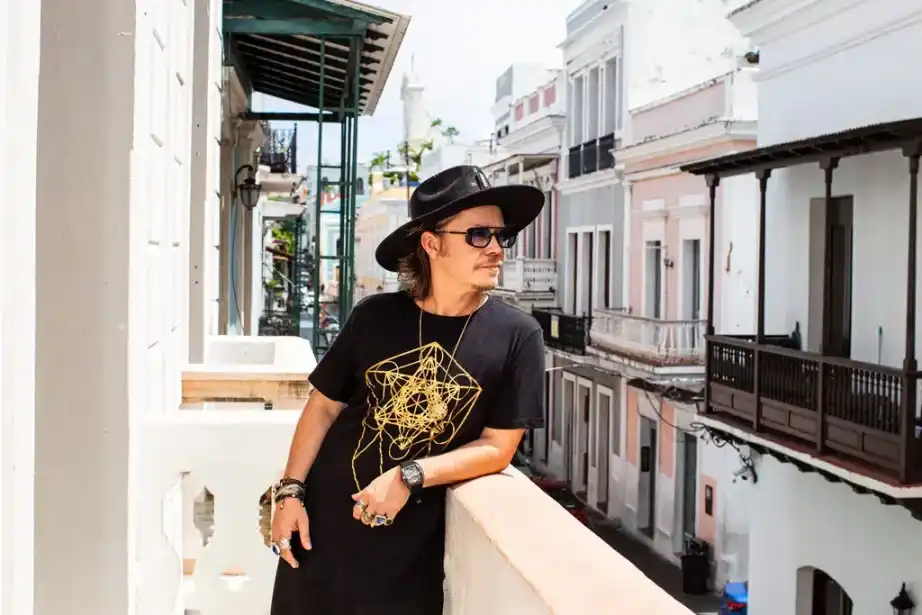
Brock Pierce moved to Puerto Rico in 2017
Pierce was a former child star with a knack for acting. During the journey to Vieques Island, he would dock his Italian-made yacht at a local marina and lead guests along a beach where wild horses roamed to the entrance of the now-closed W Hotel.
"This is a big personal bet for me," Pierce said, "and it's where my heart is."
But Pierce's lavish display was just an illusion. Like many other grand projects he launched in Puerto Rico, this hotel is now mired in debt and legal disputes. Last fall, Pierce lost the W Hotel in a dispute with another investor. Today, the hotel remains closed, with smashed windows, floors covered in mold and horse manure. A $17,000 lounge chair designed by a renowned Spanish architect sits dusty in the empty courtyard.
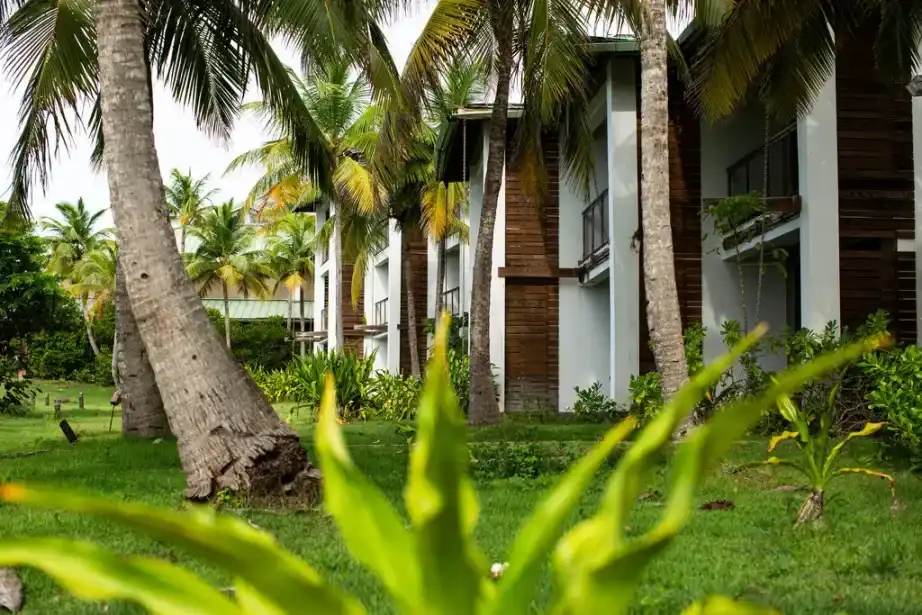
Pierce's dream of reopening the Vieques Island W Hotel has not materialized
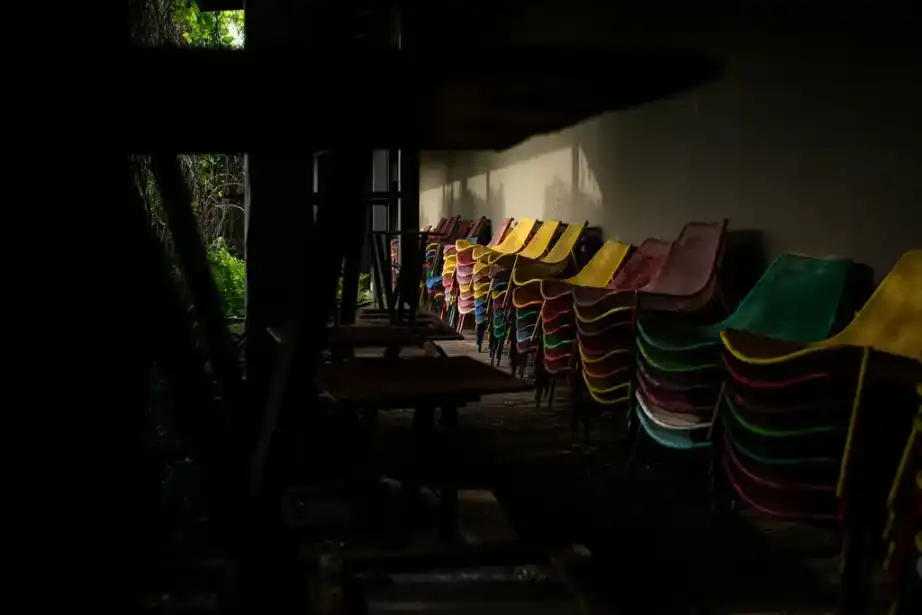
Chairs of various colors are stacked in the cool lobby of the W Hotel
In 2017, when Pierce moved to Puerto Rico, he invested in a series of experimental cryptocurrency projects. With the help of a think tank, he made a stunning commitment to revitalize the local economy. Pierce is known for his involvement in creating USDT, one of the world's most popular digital currencies. He led a wave of industry immigrants to Puerto Rico, many of whom began buying land and promoting their project called Puertopia, aiming to transform this U.S. territory into a hub for cryptocurrency investors and tech startups.
In 2019, Pierce stated, "If you're an American and you're in the cryptocurrency space, you should at least visit Puerto Rico once."
Puerto Rico is a cryptocurrency haven. In 2012, the local government passed legislation turning the island into a tax haven for wealthy immigrants. Under what is now known as Act 60, individuals who move there can apply for a benefit that exempts them from paying capital gains tax. The measure is intended to increase investment in the Puerto Rican economy, which has been striving to recover from a two-decade financial crisis.
However, according to hundreds of pages of court records and interviews with over two dozen people familiar with his efforts in Puerto Rico, Pierce's vision of using cryptocurrency to drive economic recovery has not materialized. His business partners betrayed him, some colleagues say he is running out of money. There is no clear evidence that Pierce's arrival has significantly helped the local economy. Instead, Act 60 has become a symbol of a new era of exploitation.
Many locals see Pierce as the latest evidence of centuries of global elites treating Puerto Rico as their private playground. After the U.S. invasion at the end of the 19th century, American businessmen occupied hundreds of acres of local land, built sugarcane plantations, and then funneled the profits back to the U.S. Decades later, the U.S. Navy conducted military exercises on Vieques Island, including ecosystem destruction and bomb tests causing long-term health issues.
With the arrival of Pierce and other wealthy immigrants, Puerto Ricans have seen new rifts, soaring house prices, especially in coastal towns, forcing local families into homelessness. On a wall outside the W Hotel, a group of local artists painted a mural depicting Pierce wearing a deep red corseted coat, holding a symbol of the Bitcoin logo, with the title: "Colonialism".
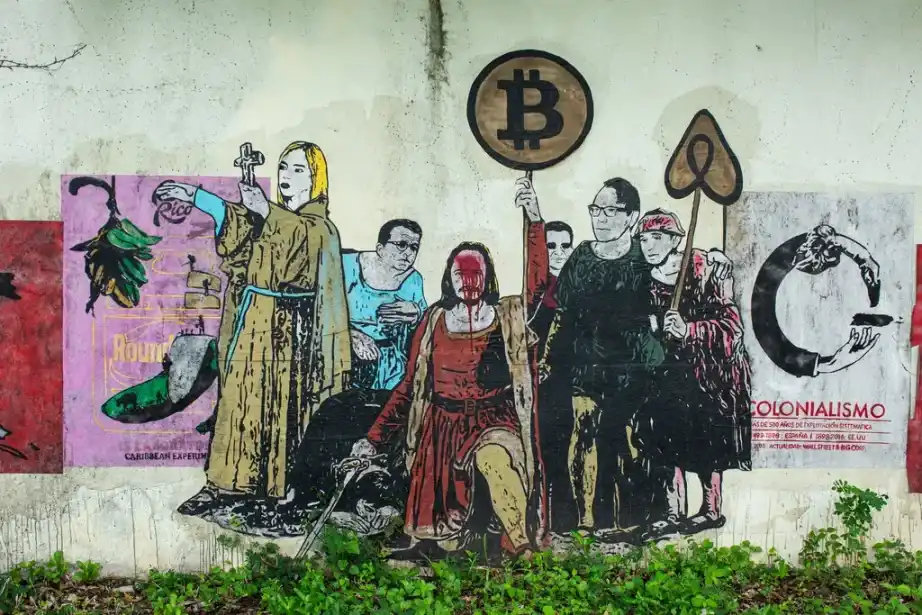
Chameleon Instinct
One recent Friday night, 43-year-old Pierce sat down for coffee at the Monastery Hotel in Old San Juan. The Monastery Hotel was a former Masonic lodge turned hotel, serving as an unofficial hub for Puerto Rico's crypto expat community. He wore a wide-brimmed orange hat and an oversized white T-shirt emblazoned with the words "Scars Never Break." With an exaggerated gesture, he pointed outside to a bustling cobblestone street named Cristo Street, one of the oldest in the city.
"This was the first wave of colonial infrastructure built by the Spanish conquistadors," he explained. "It's the first brick-laid road in the entire Western Hemisphere."
Now, this vista belonged to Pierce: he had purchased the monastery in 2018 for $4.8 million.
When Pierce arrived in Puerto Rico, he brought with him a unique résumé: the son of a Minnesota homebuilder and church official, former child actor who had a brief stint in the movie "Flying Mighty Duck" and co-starred with comedian Sinbad in a film called "The First Kid." As an adult, he became an early investor in several prominent cryptocurrency projects, eventually amassing a fortune estimated at $700 million to $1 billion.
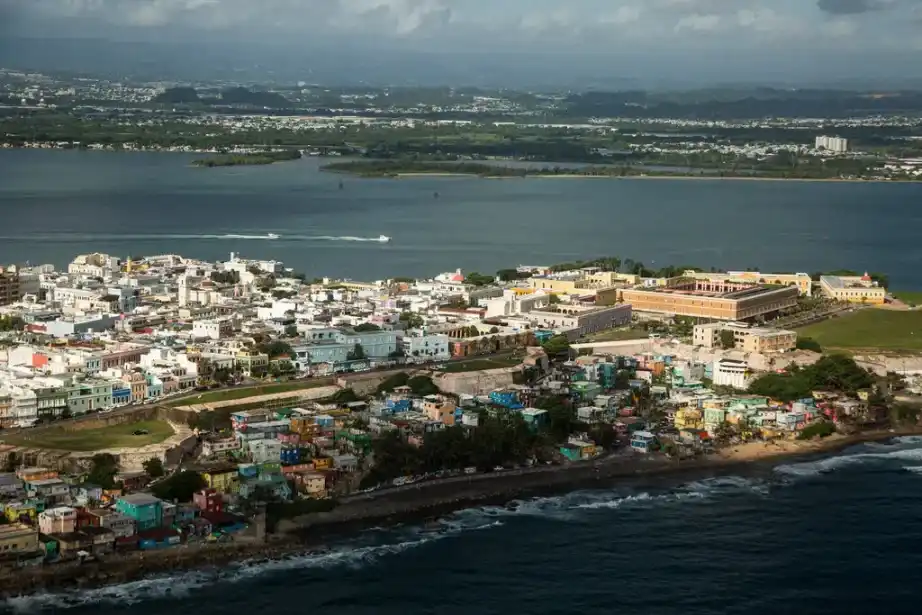
Aerial view of Old San Juan, Puerto Rico. Pierce led a group of investors to Puerto Rico with the goal of turning this U.S. territory into a hub for cryptocurrency investors and tech startups.
After the passage of Act 60, visitors from the U.S. became a common sight in restaurants and nightclubs across Puerto Rico. Pierce was a regular at Burning Man events and one of the most recognizable faces among the visitors. He could often be seen walking the streets of Old San Juan: short in stature, high in energy, wearing T-shirts and leather vests with a necklace around his neck.
Pierce bought two houses in a gated community in Dorado, an enclave for the wealthy, where he lived with his partner, entrepreneur Crystal Rose, and his mother, Lynette Calabro. According to two people who attended parties there, Pierce socialized extensively with local politicians, hosted lavish gatherings, and guests sometimes indulged in drugs like cocaine and ketamine.
For a time, Pierce successfully charmed some locals with his openness and curiosity. Like a skilled actor, he possessed a chameleon-like instinct, adjusting his behavior to suit the preferences of his audience. "If the person is serious, he'll act serious," said Hugo de la Uz, a local maritime expert who helped manage Pierce's yacht, "but if they're a madman, he'll act crazy."
Pierce showed interest in almost every world religion, displaying a hippie spirit. Once, while traveling with some fellow Act 60 migrants, he nestled in the arms of a kapok tree, a species revered by some Puerto Ricans. "I feel some kind of connection with him because he has spiritual depth," said Puerto Rican pianist Carli Muñoz, who had dealings with Pierce in San Juan.
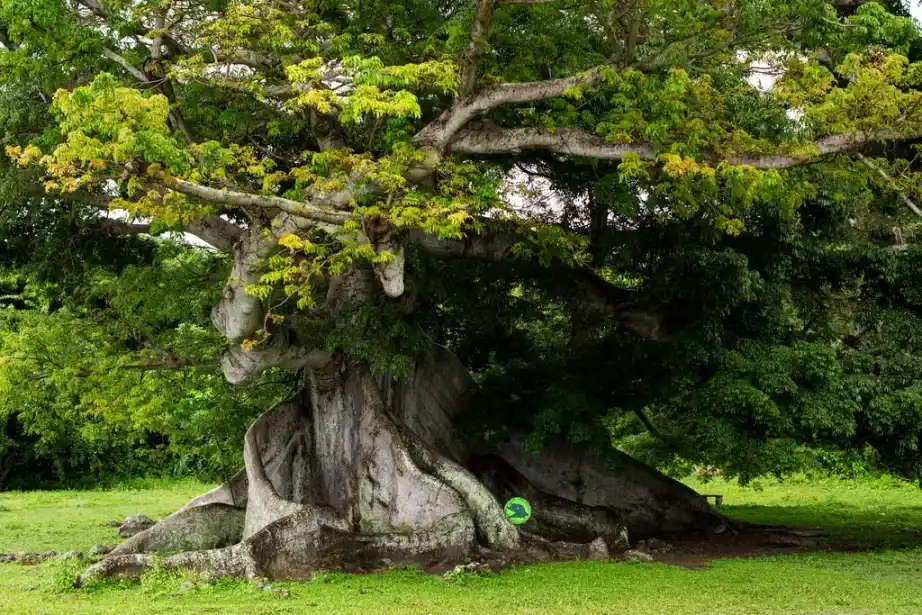
The Kapok Tree Park is a tourist attraction and protected area on Vieques Island, with the park centerpiece being one of Puerto Rico's oldest kapok trees.
But this fondness only went so far. "I have made up my mind not to do business with him anymore," Muñoz said.
Real estate records show that since moving to Puerto Rico, Muñoz has purchased at least 14 properties. Some of these properties, such as a convent, are already operational businesses. However, Muñoz also announced plans to transform most of his investment portfolio into new projects, including an art gallery and a community center. These projects have not materialized. A hospital he bought in Humacao last year is struggling, and the gallery is recently listed for sale. In 2019, Pierce took over a three-story building in Old San Juan, which used to be a children's museum. For a while, he told local media he was using it as "a place to meet with friends and discuss ideas." Today, the building sits empty, with paint peeling off the walls.

Abandoned space in the former Children's Museum in Old San Juan, Pierce said he bought it to be "a place for gatherings and discussions of great ideas."
"It's too sad," said Puerto Rican businessman Robert Cimino, who owned the building for 19 years and later sold it to Pierce for $2 million, "I wanted to sell it to someone who could maintain it."
Time and time again, Pierce found local Puerto Ricans to help him with development projects, but many of these former collaborators later said they were exploited, claiming they did not receive proper compensation. Meanwhile, he is also in a legal dispute with fellow Act 60 migrant Joseph Lipsey III, who last year took control of the W Hotel, alleging Pierce owed a loan.
Pierce denies having deceived anyone. But at least three lawsuits against him are pending in local courts. While sipping coffee in a monastery, he admitted that his poor judgment and naive disruption had derailed his plans in Puerto Rico. "I trust others," he said, "and that's one of the reasons that got me into trouble."
Whispers in a Beauty Pageant
Pierce enjoys portraying himself as a geopolitical advocate. In 2020, he ran for U.S. President as an independent candidate and received nearly 50,000 votes. He boasted about having "dates" in El Salvador and Panama, and one evening in June, his assistant announced that Pierce would participate in a Zoom call with the President of Palau, a small island nation in the Western Pacific.
"I've spent a lot of time with almost all the world's religious leaders," Pierce said at the monastery, "as well as leaders of many nation-states around the world."
However, Pierce's primary focus is Puerto Rico, where he has become the main spokesperson for Bill 60. After moving, he told Rolling Stone magazine that he would "rebuild the economy with the money we've saved from the IRS in a Robin Hood manner." This publicity has helped Puerto Rico become a popular destination for cryptocurrency enthusiasts: according to government data, around 2,600 individuals currently benefit from the tax exemptions under Bill 60.
Upon Pierce's arrival, locals expressed strong opposition. Someone wrote in red paint on the wall of a children's museum, "Foreigners, go home." But behind the scenes, Brock Pierce was expanding his real estate empire. He hired local hotel developer Gonzalo Gracia to help him find buildings in Puerto Rico that could be restored and transformed into tourist attractions.

Pierce assisted in hosting the 2021 Miss World beauty pageant in San Juan. When introduced as one of the judges, the entire audience booed
Soon, Pierce's business ventures began to sour, frequently leading to legal disputes with local partners. In 2021, he helped organize the Miss World beauty pageant at a concert venue in San Juan. By then, Pierce was already seen as a Puerto Rican speculator: when introduced as one of the judges, the crowd booed at him. Later, he sued executives of the Puerto Rican beauty pageant, including former Miss World Stephanie del Valle, claiming she owed him $1.2 million. Ms. Del Valle countered the lawsuit, accusing Pierce of defamation and demanding $31 million in damages. (This dispute is currently under litigation in local courts. Pierce stated that he is "committed to resolving the matter fairly.")
Del Valle was one of the first Puerto Ricans to clash with Pierce, accusing him of deceit and manipulation. During a beauty pageant, Pierce purchased an 80% stake in the W Hotel. This transaction was one of his largest investments in Puerto Rico and paved the way for him to seek over $30 million in tax breaks from the local government.
Gracia facilitated this acquisition. Court records show that he represented Pierce in meetings with local officials in Bexos and found an architect to plan the hotel's reopening.
However, this partnership was short-lived: In a lawsuit in 2022, Gracia claimed that after the transaction was completed, Pierce excluded him from the project and refused to pay him a $790,000 commission.
Another project on Bexos Island saw a similar pattern. In 2021, Pierce enlisted a local naval engineer to help him set up a hotel and museum on a ship docked off the island's northern coast. The engineer, who requested anonymity to avoid business repercussions, arranged meetings with local administrators and discussed the project with the mayor, but Pierce abruptly abandoned the plan. In an interview, he said Pierce still owed him $17,000 in engineering fees. (Pierce claimed he had no such debt.)
Signs emerged last year that Pierce was facing financial difficulties. He had asked De la Uz to fix the Aurora, the yacht he used to shuttle friends to and from the West Coast. De la Uz recalled that most guests were "Americans he tried to convince to give him money," portraying himself as Puerto Rico's savior.
In a 2023 lawsuit, De la Uz claimed co-ownership of the yacht with Pierce and alleged that Pierce owed maintenance costs. De la Uz said that while guests partied on deck, the yacht was taking on water and slowly sinking into the Caribbean.
Pierce declined to comment on these allegations, stating, "We are actively resolving these issues through the courts to reach a fair resolution."
"I Didn't Do Any Due Diligence"
When Pierce took the Aurora out, he would sometimes bring along a newcomer to the 60th Act community—62-year-old logistics tycoon Lipsey. For a while, Pierce only knew Lipsey by the nickname Jopepi. Pierce found him unsociable but quite likable. "I believe he is a very kind person," Pierce said.
Pierce only knew Lipsey in broad strokes when he arrived in Puerto Rico. In 2017, Lipsey made a significant amount of money from post-Hurricane Maria relief efforts through a contract with the U.S. government. However, two years later, a legal scandal revealed his high-society lifestyle in Aspen, Colorado. A wild New Year's party hosted by the Lipsey family triggered a police investigation, and he and his wife ultimately admitted to providing alcohol to minors, receiving a one-year probation.
The Lipsey family sold their Aspen house and eventually moved to Puerto Rico, settling near Pierce. Soon, the two families became close. Lipsey's wife and Pierce's mother became friends. Pierce recalled that Lipsey told him he had promised to always be there for her family after Mrs. Calabro passed away from a heart attack in 2022.
Pierce and Lipsey collaborated on various business projects, but their most significant deal was related to the W Hotel. Last October, Lipsey agreed to lend Pierce $10 million, with $4 million for purchasing the remaining 20% stake in the hotel and $6 million for investing in a bankrupt chain of hospitals. These terms were very risky for Pierce: he had to complete the hotel transaction within two weeks. As collateral, he had to put up all his shares in the W Hotel. Pierce said he was uncomfortable with these demands but agreed anyway. "I didn't do any due diligence," he recalled.
One month after the agreement was signed, Lipsey accused Pierce of breaching the agreement and took control of the hotel. Lipsey later claimed in legal documents that Pierce did not use the borrowed funds as planned but instead spent the money on a private jet and hosted a 72-hour birthday party spanning San Juan, Miami, and Los Angeles.
As the dispute escalated, Pierce invited Lipsey to a meeting at the Hacienda Tamarindo Hotel. This small hotel located in Vieques was purchased by Pierce for $3.2 million. Lipsey later told Puerto Rico authorities that this meeting amounted to kidnapping. At the time, Pierce took his phone, locked the door, and had an armed guard patrolling nearby.
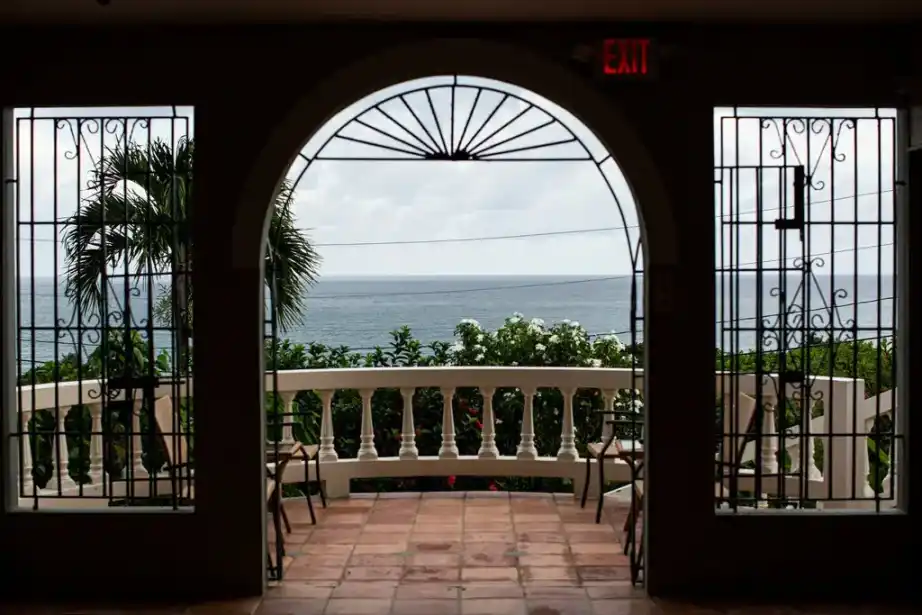
In 2021, Pierce acquired the boutique Hacienda Tamarindo Hotel for $3.2 million
In court, Pierce denies embezzling borrowed money or kidnapping Lipsey. But one of his advisors, Cassandra Wesselman, recently moved to Puerto Rico and said that when the W Hotel dispute began, his mindset wasn't good. Ms. Wesselman said it was her suggestion to bring armed guards to the Tamarindo Estate to protect Pierce from harm by a couple staying in another room. She explained that the couple belonged to a cult.
A month after this contentious meeting, Pierce sued Lipsey, attempting to regain control of the W Hotel and accusing him of fraud and theft.
The judge rejected Pierce's injunction request, which sought to restore his ownership of the W Hotel during the case. Pierce and Lipsey have remained in contact, discussing possible settlement options. But their friendship has ended.
It wasn't until July that Lipsey openly discussed the dispute, when he spoke with a New York Times reporter for two hours over WhatsApp. Lipsey, with a cigarette in his mouth, virtually toured his house in Tennessee, where he spends part of each year, showing his unusual art collection on camera. On one wall hung a canvas with two red paint stains. Lipsey explained it was his son's girlfriend's work.
Lipsey called Pierce "not a good person" and a terrible businessman. "Everything about him moving to Puerto Rico and everything he promised, he didn't do."
He said the same thing to Pierce's face. In an intense conversation, Lipsey said he told Pierce, "You've really disappointed your mom."
Carefree Confidence
One morning in June, Pierce strolled through Old San Juan, pointing out his favorite spots along the narrow sidewalks. Despite the heat, he wore all-black attire, his daily uniform, eliminating the need to worry about time-consuming outfit choices. "Mark Zuckerberg and Steve Jobs, these people wear the same clothes every day," Pierce explained.
He stopped outside Carly's Bar, a high-end jazz bar run by Puerto Rican pianist Muñoz. Pierce said Muñoz had composed a song specifically for him and Ms. Rose. Thinking about it made him smile. "The song is called 'Superhero,'" Pierce said. (The actual name of the song is "Superpower.")
Despite facing all setbacks, Pierce remains confident in his ability to be a driving force for progress in Puerto Rico. But his confidence masks the ongoing turbulence in his business affairs. The conflict between Pierce and Lipsey has sparked intense speculation among his circle of friends. Robert Anderson, a cryptocurrency enthusiast living in Puerto Rico, who is friendly with both Lipsey and Pierce, described their behavior as "childish."
Pierce's friends and colleagues say he seems to be running out of money. Lipsey's lawyer argued in court that Pierce lacked the "funds or resources" to develop the W Hotel. Documents reviewed by The New York Times show that this summer, a representative of the Puerto Rican basketball team Mets de Guaynabo emailed Pierce, complaining about his failure to pay over $25,000 in sponsorship fees owed to the team.
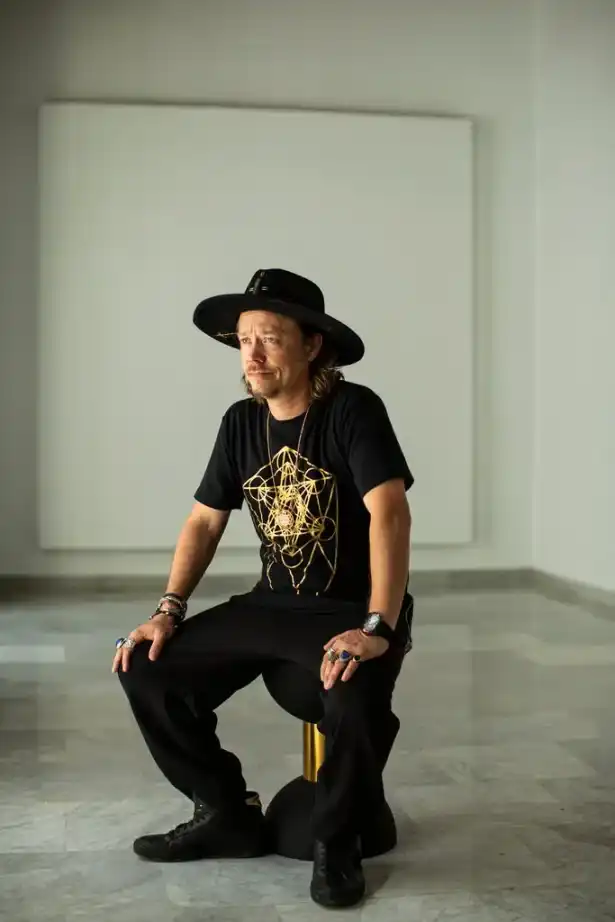
Pierce was dressed entirely in black, wearing a black hat, sitting on a chair in a white room.
Pierce also expressed concerns about his personal safety in Puerto Rico. According to two people close to Pierce, he privately discussed a plan to build an arsenal in Vieques. He said the arsenal would provide some level of protection if locals turned against him.
In a 17-page statement, Pierce denied proposing the arsenal and claimed he remained wealthy, refuting suggestions of financial strain. He stated that the Mets de Guaynabo complaint was a "misunderstanding" stemming from misconceptions about the sponsorship terms, and he had now agreed to pay the fees.
However, just as The New York Times was completing its reporting, a public relations person for Pierce mistakenly sent a message to a group chat, including New York Times reporters and Pierce's advisor, Ms. Wesselman: "We still haven't been paid." "I guess you don't have the money to pay us, or you would have done it by now." Wesselman shrugged off the message, calling the public relations person "just playing with us." Upon learning a reporter had seen the message, the public relations person stated that Pierce "always pays on time."
Pierce defended his work in Puerto Rico, stating he had made charitable donations, including a six-figure donation to support Covid relief efforts in the area. "Transformational projects take time," Pierce said, "and while some initiatives face challenges, others have seen significant success."
Among his many accomplishments, Pierce mentioned the purchase of a hospital in Humacao at the end of 2023 — an investment he pitched to Lipsey. He said he worked with Puerto Rican radiologist Josué Vázquez Delgado to rescue the hospital from bankruptcy, leaving more than 90% of the staff in place.
However, in an interview, a doctor at the hospital who requested anonymity claimed that Pierce owed him tens of thousands of dollars in wages. The doctor stated that the hospital had been behind on payments to suppliers, and some surgical specialists lacked proper equipment. (Pierce claimed his team had addressed these issues and had "dramatically improved the hospital's operations.")
Last month, while strolling in San Juan, Pierce attempted to visually showcase his success in Puerto Rico. He led two New York Times journalists to a building he bought in 2019, which was modestly furnished with a prominently displayed television screen. He claimed the building housed the world's first NFT art gallery. "You wouldn't think of Puerto Rico as the place that was going to be the first in the world to innovate in technology," he said. The displayed images included a fluorescent dinosaur perched in a vast saguaro forest, designed by Pierce's 5-year-old daughter using AI tools.
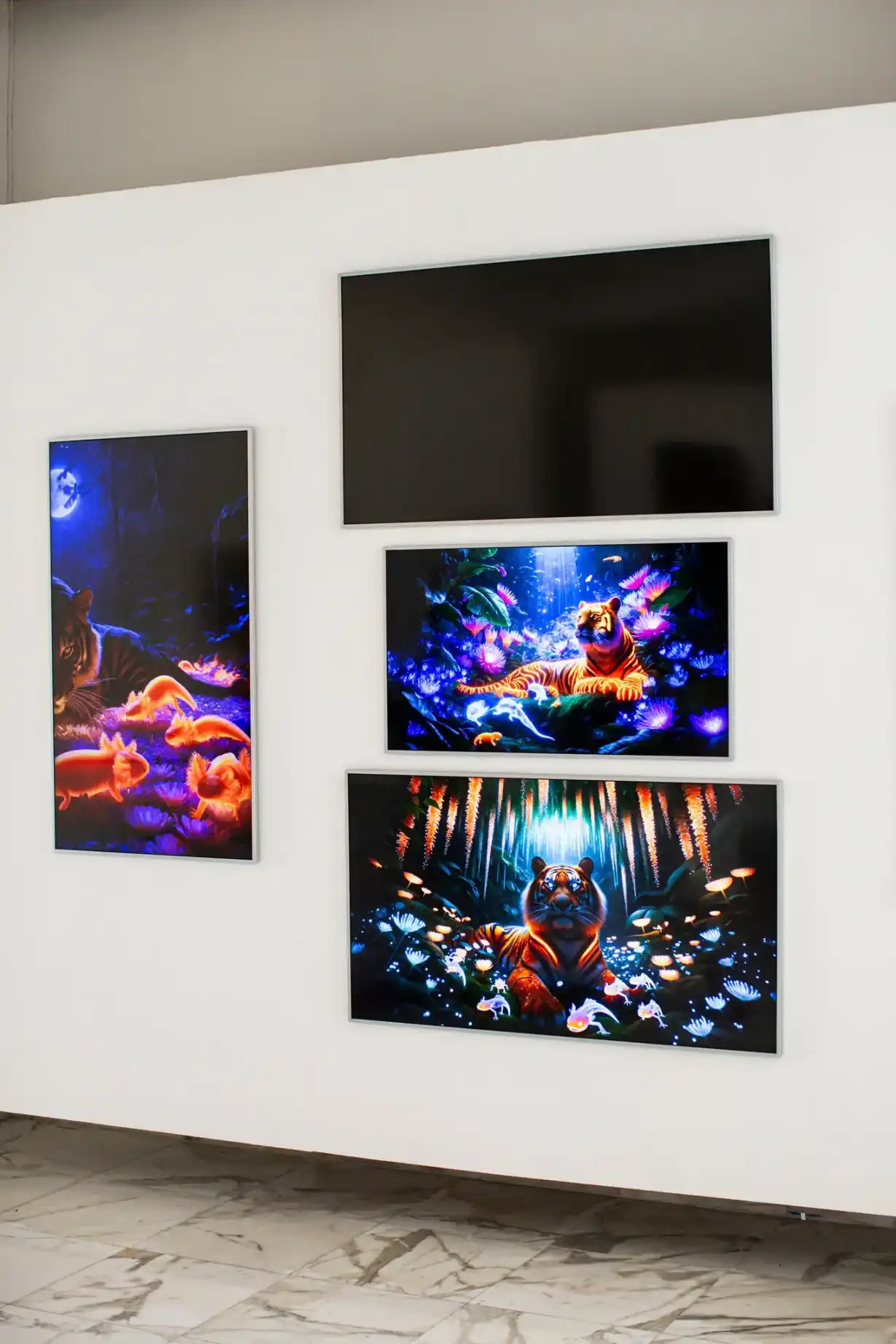
What he didn't mention, though, was that a luxury real estate company had already posted a notice to sell the building and held an open house. Confronted with this fact, Pierce admitted he had recently tried to sell the gallery. He explained that it had never fully opened and that he had been struggling to make money.
Original Article Link
Welcome to join the official BlockBeats community:
Telegram Subscription Group: https://t.me/theblockbeats
Telegram Discussion Group: https://t.me/BlockBeats_App
Official Twitter Account: https://twitter.com/BlockBeatsAsia