Rollup Summer Reflection: Narrative Deduction and Investment Opportunities.

Original Title: "Rollup Summer Reflection: Narrative Deduction and Investment Opportunities"
Original Author: Alex Xu, Mint Ventures
This article is the author's observation on the new trends in the Rollup market, future development, and possible opportunities. We will try to discuss the following topics:
·What is Rollup Summer?
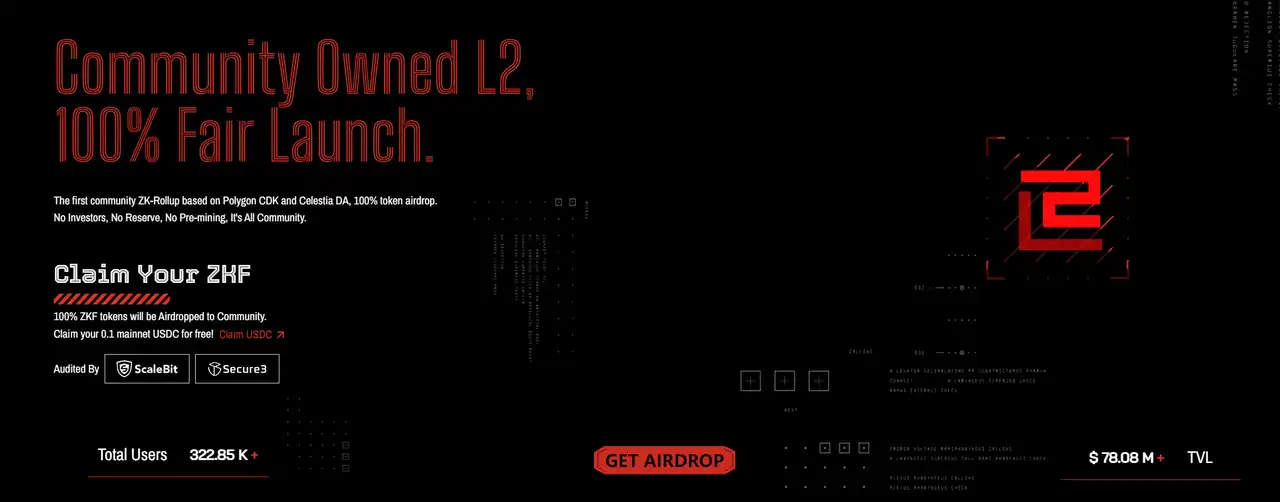
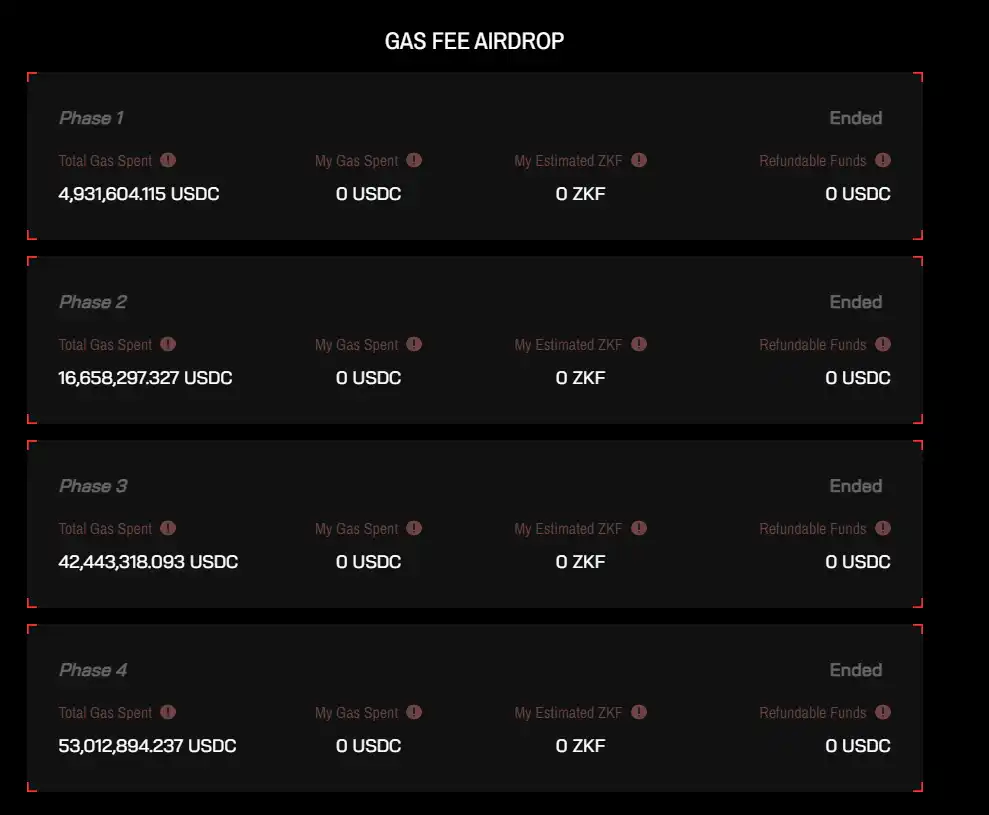
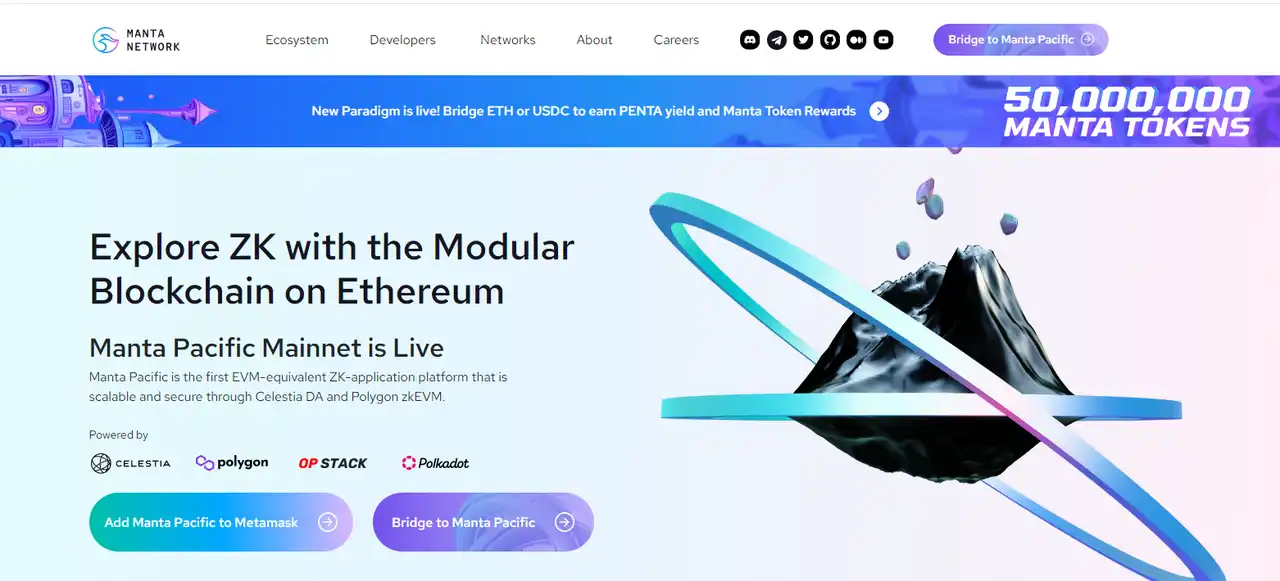
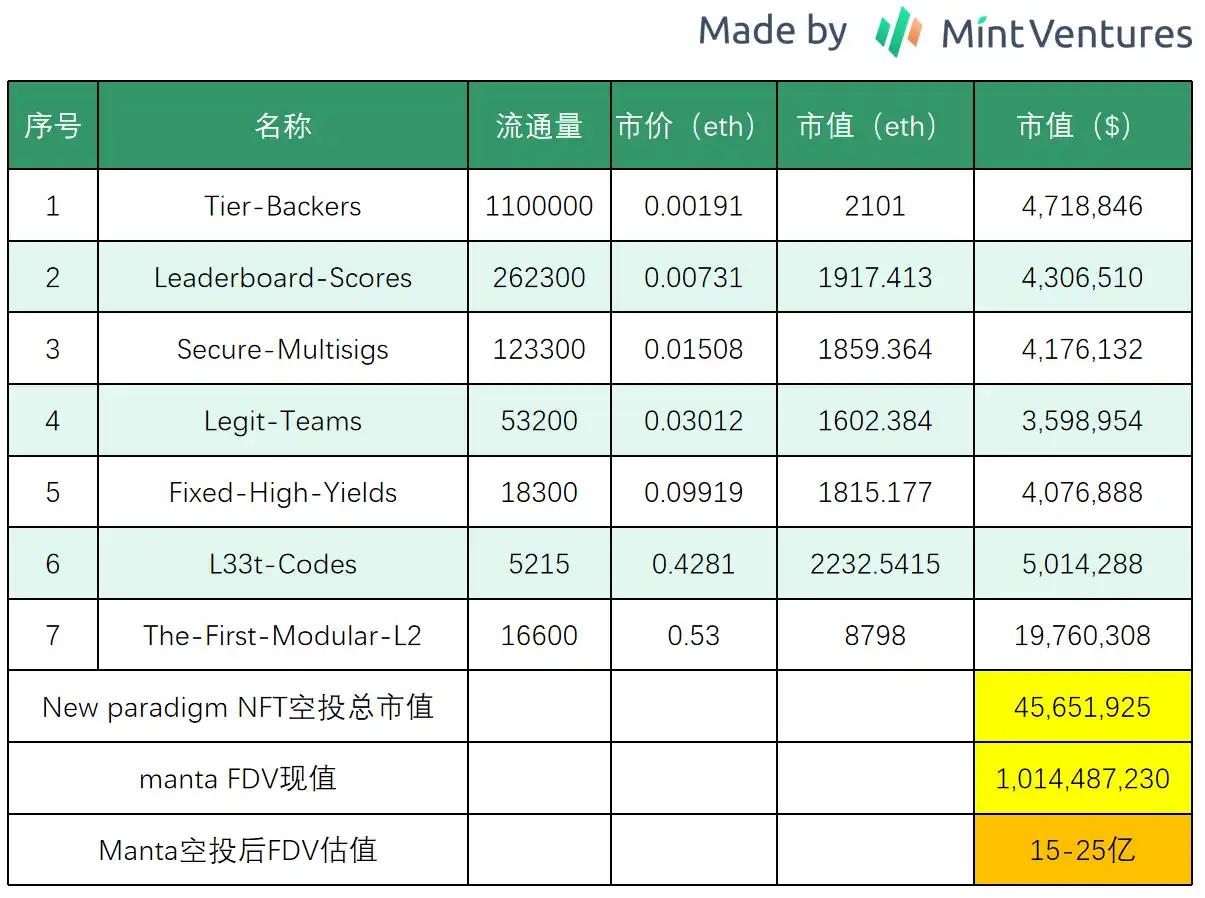
·New Rollup Case: ZKFair and Manta
·Rollup Summer Development Deduction
Opportunities in the secondary market: Rollup Summer narrative related targets.
The following article represents the author's current perspective at the time of publication, with more emphasis on business analysis rather than technical details of Rollup. This article may contain factual errors and biases, and is intended for discussion purposes only. The author also welcomes corrections from other professionals in the investment research industry.
One. What is Rollup Summer
Similar to the Defi Summer that started in 2020, the 23-year-old Inscription Summer, Rollup Summer is the author's definition of the potential explosion of new Rollup projects in terms of quantity, business volume (TVL, active users, ecological projects), and other dimensions. Currently, although it is just a conjecture and assumption, it has shown some initial signs.
Rollup Summer, which refers to a specific period of time, is not a term or concept that can be directly translated into English. Therefore, it is recommended to keep the original Chinese term.
·A large number of new Rollup or application chain projects have been initiated and launched on the mainnet.
·Users, funds, and developers are flowing into the Rollup ecosystem at a much faster pace than in the past year.
·The strengthening of business data and asset prices has led to the rapid expansion of the Rollup track and the total market value of related projects.
Rollup Summer may start in late 2023 and early 2024, and may become an important narrative throughout the year or even half a year.
The main factor behind the incubation of Rollup Summer is:
1. New Flywheel Effect of Rollup
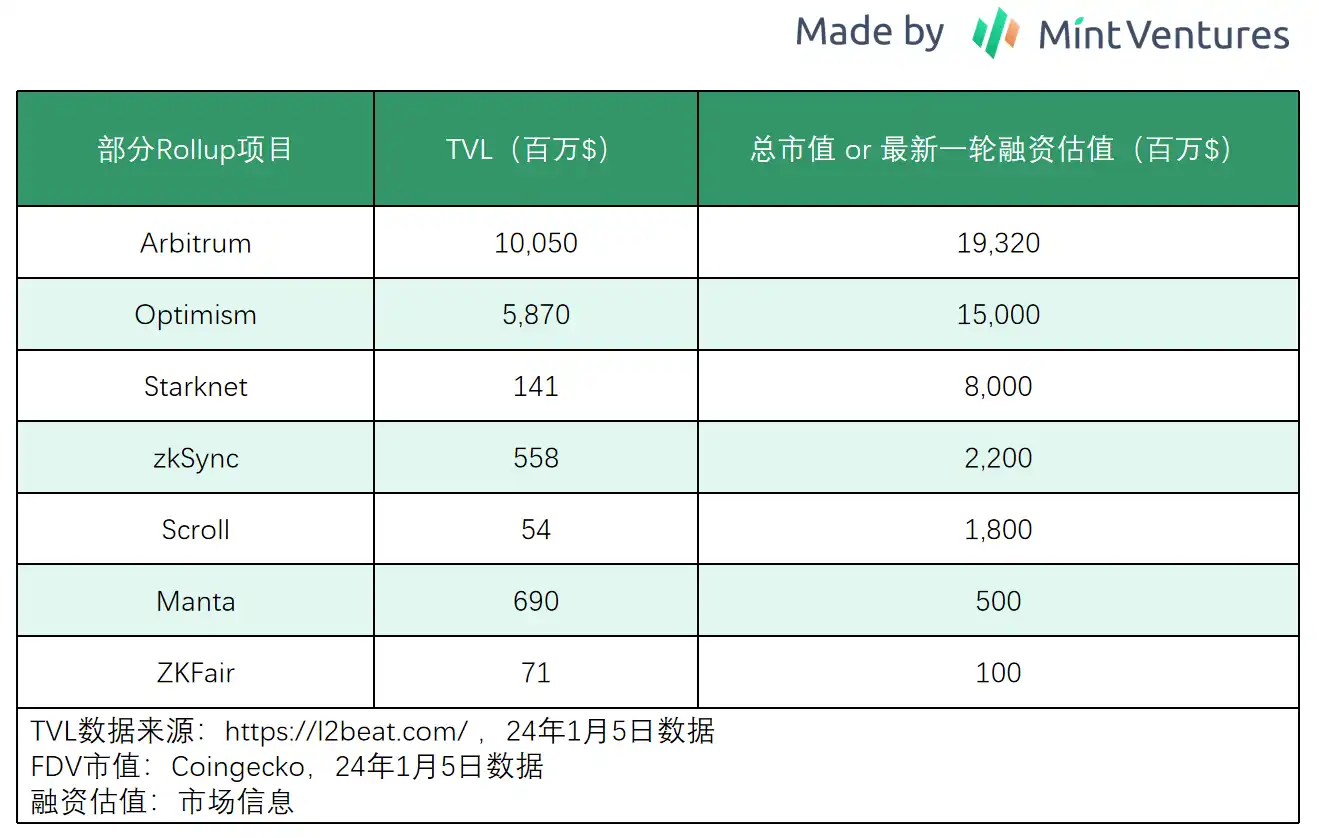
Rollup itself is not a new species. Rollup packages that have already been launched, including Arbitrum and Optimism, have already had huge market values and business volumes. Other ZKRollups such as Starknet and zkSync have also been running for some time.
However, the main focus of this Rollup Summer will be the new Rollup projects that have just emerged in this cycle, because:
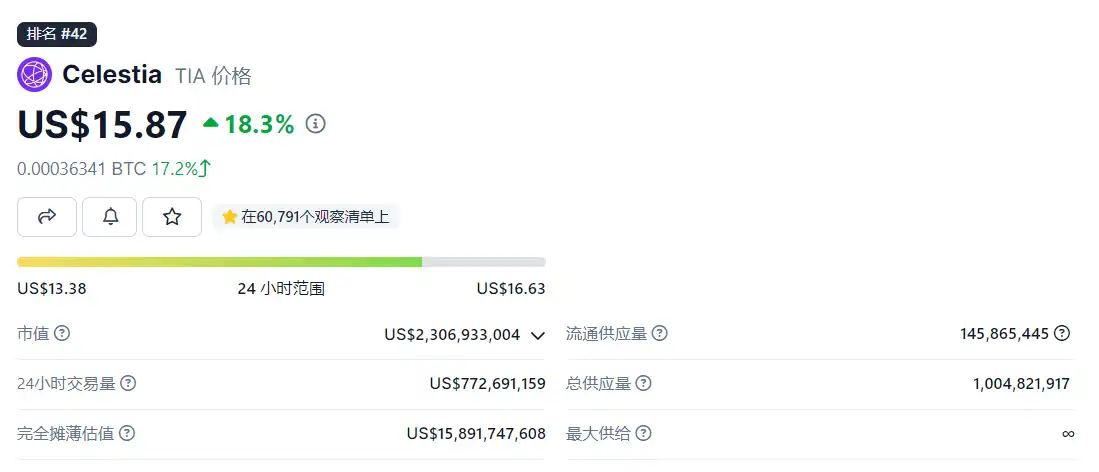
The concept of modular blockchain has become deeply rooted in people's minds. The infrastructure of various modules in Rollup is becoming more and more perfect, such as OP stack, Celestia in the DA layer, decentralized sorter, and various RaaS service providers. The threshold for developing and maintaining a Rollup with modular concepts is rapidly decreasing.
·New Rollup, new token, with sufficient budget for cold start and incentives. The token allocation and incentive mechanism are more aggressive, making it more attractive to users and funds.
· Starting market value is low, with great potential for growth.
·Bullish atmosphere, market optimism boost
In short, the characteristics of this new Rollup are: new project, tokenized, modularized, incentivized in a big way, making the flywheel of initial business and token price turn faster.
Rollup Summer's flywheel may come from: token airdrop plan -> introduction of user assets, core business data TVL increase -> project market value expansion.
The second stage may come from: token ecological airdrop plan -> directly subsidizing dapps in the ecology, indirectly subsidizing users -> further introducing user assets, improving core data TVL+active users+gas fees -> further increase the project's market value -> new Rollup flip, old Rollup voice appears -> further market sentiment Fomo.
2. Cancun Upgrade
Aside from the flywheel effect of emerging Rollups, another background factor is the expected Ethereum Cancun upgrade coming in February this year. The Cancun upgrade itself directly benefits Arbitrum and Optimism, as reflected in their rapidly decreasing L1 costs, creating greater Layer 2 profit margins. However, Cancun itself will also attract market attention to the Rollup track, bringing attention and funding to new types of Rollups.
二. New Rollup Cases: ZKFair and Manta
1.ZKFair
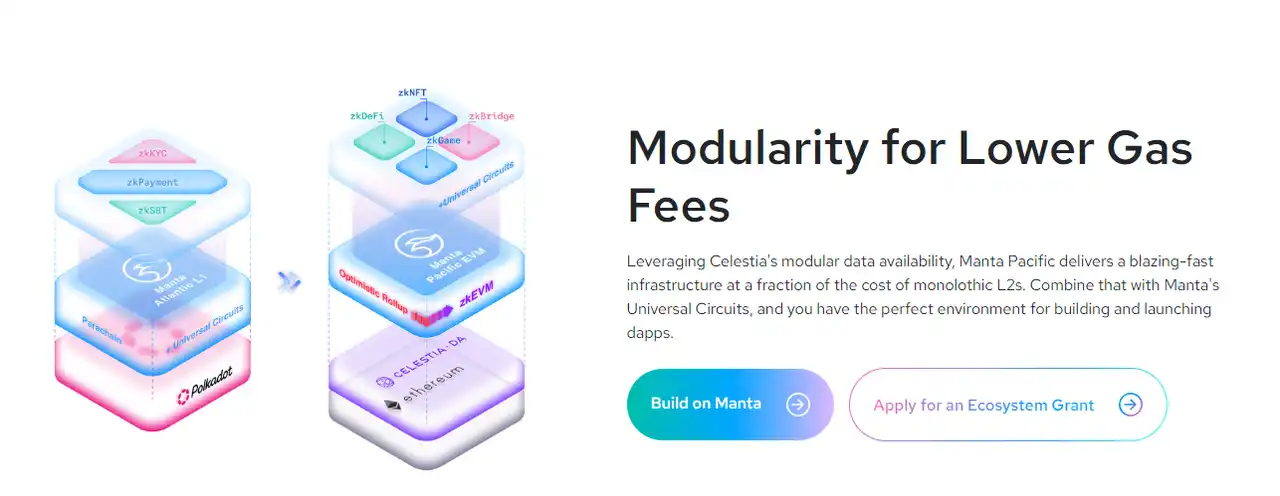
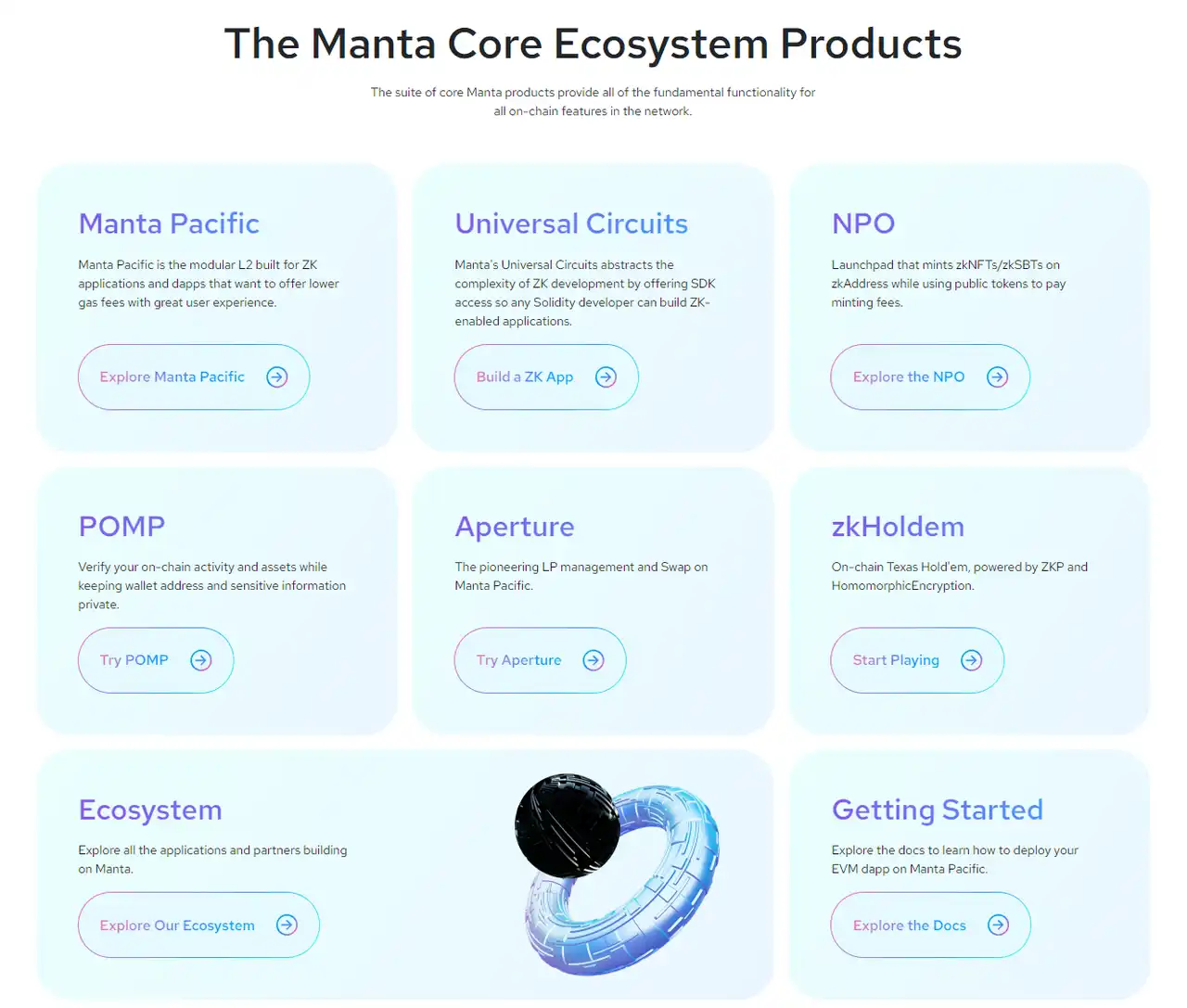
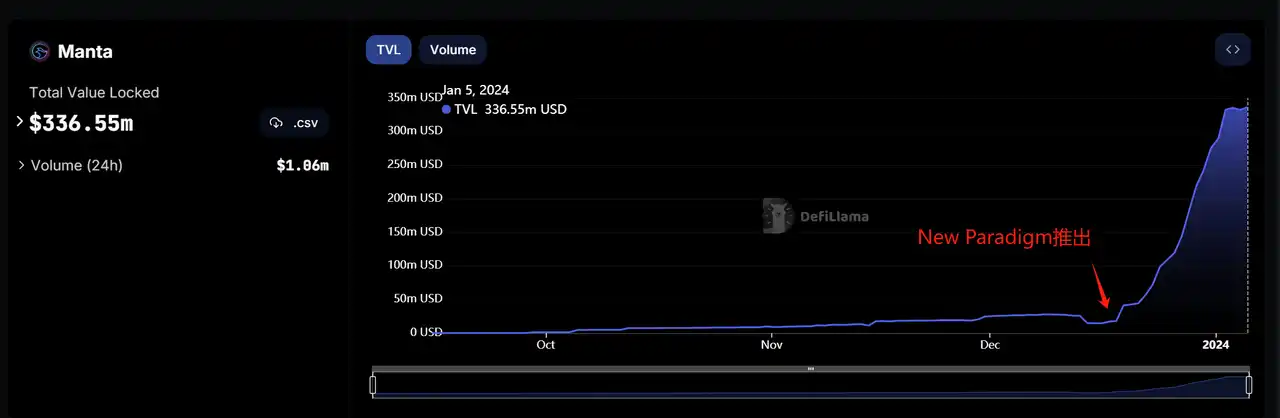
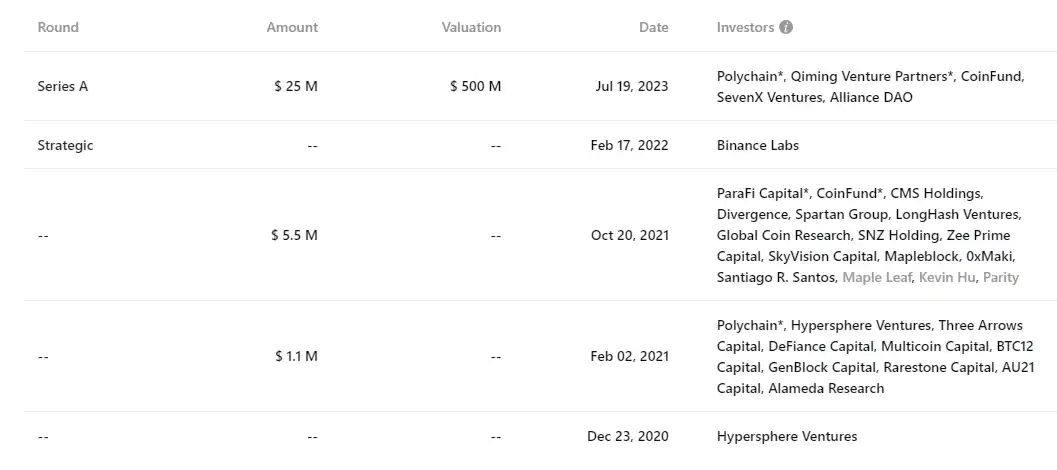
2.Manta

Sub-narrative speculation 2: Living assets become standard equipment
Interest-bearing assets, especially interest-bearing stablecoins such as sDAI, have been a slow replacement process for mainstream stablecoins. However, in the airdrop activities of Blast and Manta, interest-bearing assets and stablecoins on ETH have almost become the native assets of these new Rollups. If more Rollups follow this approach in the future, it will directly promote the expansion of the user base and the development of habits. This is a direct benefit for interest-bearing asset issuers who have the ability to obtain strong Rollup partnerships, such as Blast choosing Lido and MakerDao, and Manta choosing Stakestone and Mountain Protocol.
Sub-narrative speculation 3: Rollup devours L1 market share
In terms of user experience, there is no substantial difference between Rollup and L1. The previous cycle of L1 public chain boom may be reproduced in the form of sovereign Rollup in this cycle. While Rollup competes with each other, it will also directly compete with L1 for users and funds. At the same time, some native dapps on high-growth Rollups also have opportunities worth paying attention to, such as LayerBank, a lending project on Manta, whose total deposit scale has exceeded $300 million, approaching the data of Radiant, a top lending project on Arbitrum.
However, while we are optimistic about the rapid development of many Rollup solutions, we also need to consider the risk of narrative failure.
Rollup Summer Narrative Risks
The core challenge of the new Rollup is to smoothly transition from the start-up phase to the growth phase. Using token airdrops to incentivize capital inflows is relatively simple, but incentivizing users and capital to stay long-term will be more complex. In fact, various L1s in the previous cycle also had similar attempts, such as launching multi-billion-dollar public chain incentive funds to encourage the migration of top Defi on Ethereum, and the Defi then transferred the incentives they received to their own users to improve their business data. These measures achieved good results in the early stages, but as various public chains also launched similar policies, the effectiveness of incentives gradually declined in competition.
Even the current veteran Rollups such as Arbitrum and Optimism have been issuing their own token subsidies to ecological projects, and then delivering them to users through ecological projects, hoping to retain user activity and funds. The total incentive amount of Arbitrum's latest round exceeds 70 million ARB (currently worth over 140 million US dollars).
Therefore, as a nascent narrative, the future development of Rollup Summer remains to be observed with the next steps of the new Rollup.
Original article link
Welcome to join the official BlockBeats community:
Telegram Subscription Group: https://t.me/theblockbeats
Telegram Discussion Group: https://t.me/BlockBeats_App
Official Twitter Account: https://twitter.com/BlockBeatsAsia