Top-level wealth game: Exploring the new flywheel and governance models of web3 games.
Original Title: "The Top-Level Wealth Game - Exploration of the New Flywheel and Governance Model of Web3 Games"
Original Author: AIKO
With the recent market recovery, some interesting projects have emerged before our eyes. It also presents practical cases following the design theories of web3 games such as IAT (In-app Taxation) and BLOG.
Therefore, the purpose of this article is to accomplish two things:
1) Taking Gas Hero and Lumiterra as examples, elucidate the new flywheel of web3 games in the business model of IAT, namely the top-level game of wealth accumulation.
2) Taking Gas hero, Lumiterra, and Crypto Raiders as examples, analyze the governance models in web3 games.
If you are not familiar with the concepts of "IAT" and "BLOG", please read our previous research report (thanks to Jason and Kydo for their help in making these cutting-edge theories possible):
·IAT - Folius Ventures
·BLOG - Kydo & Aiko
IAT's Theory and Shortcomings
We are pleased to see that in-game taxation as a commercialization method is established. As we have described, the total value of in-game assets multiplied by the turnover rate of transactions is expected to greatly impact the value of the entire lifecycle of the game, bringing higher value to both ecosystem participants and game companies.
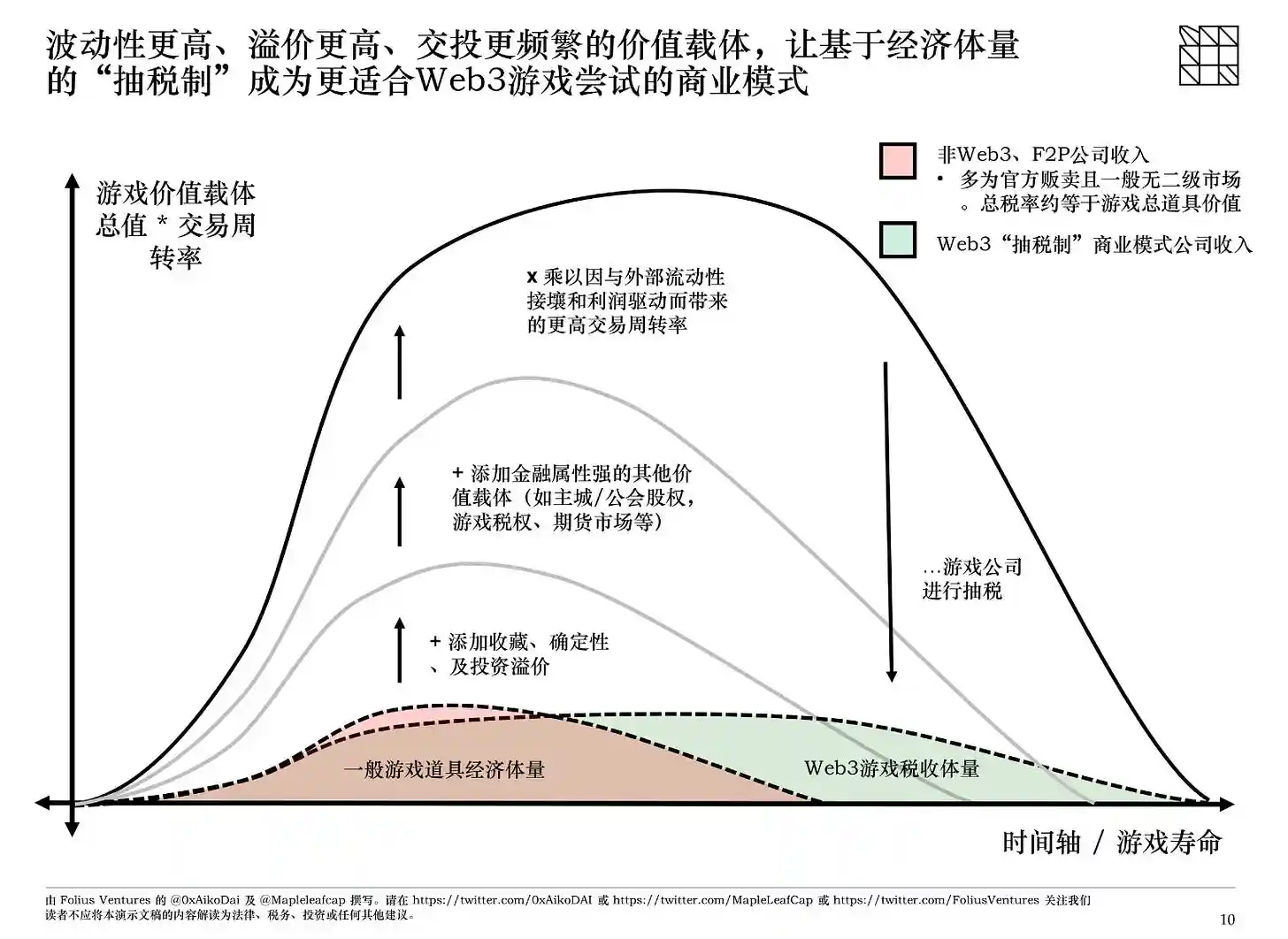
During the previous IAT research report writing process, we focused on describing how to transform traditional closed/semi-closed economic design thinking into a tax-based business model and matching gameplay, in order to increase transaction activity and tax revenue.
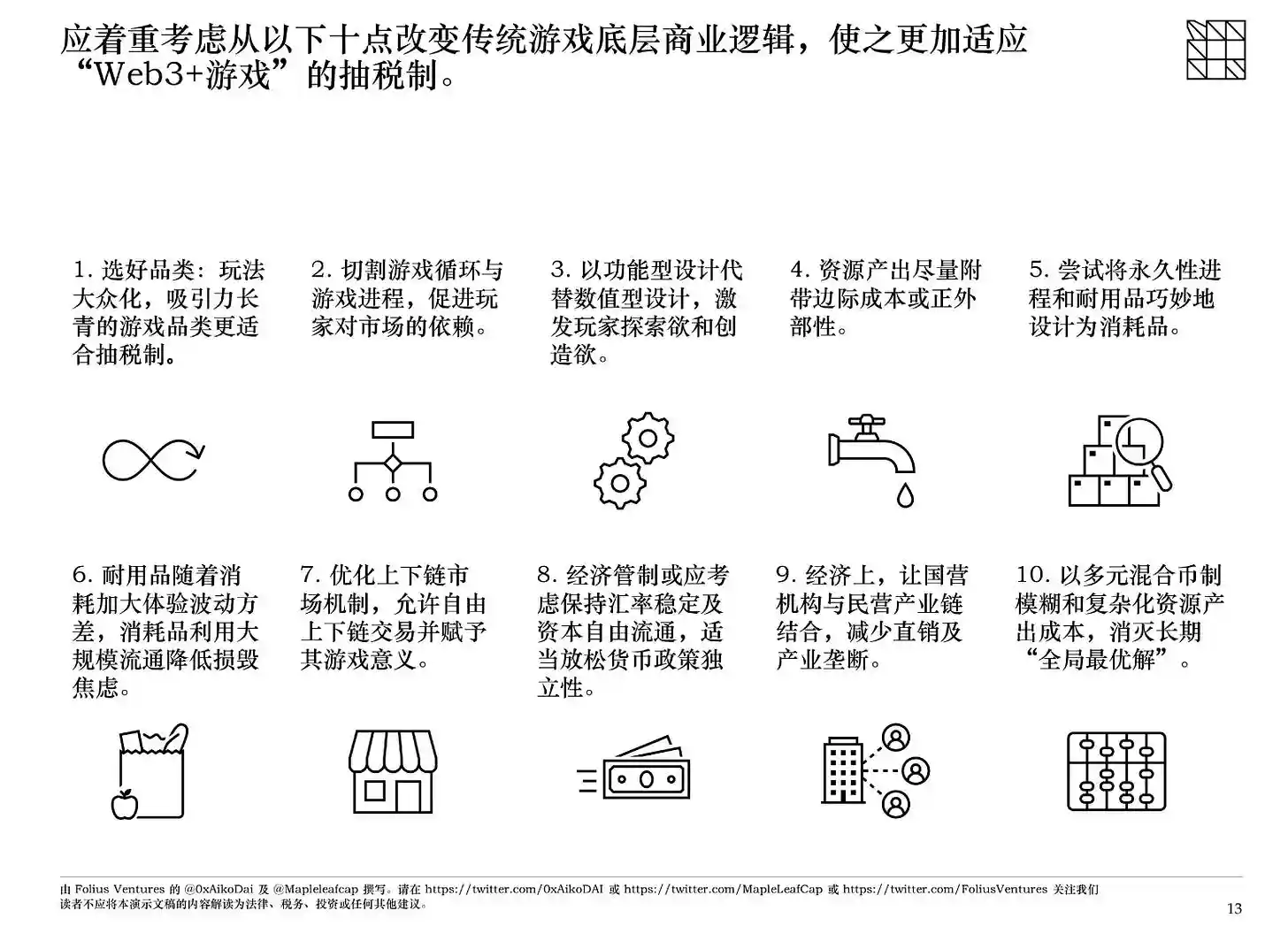
However, due to the limitations of web3 game practice and theory a year ago, we did not continue to describe which areas these "taxes" should be used for after "taxation", so as to form a closed loop and more reasonably support the long-term expansion of an ecosystem.
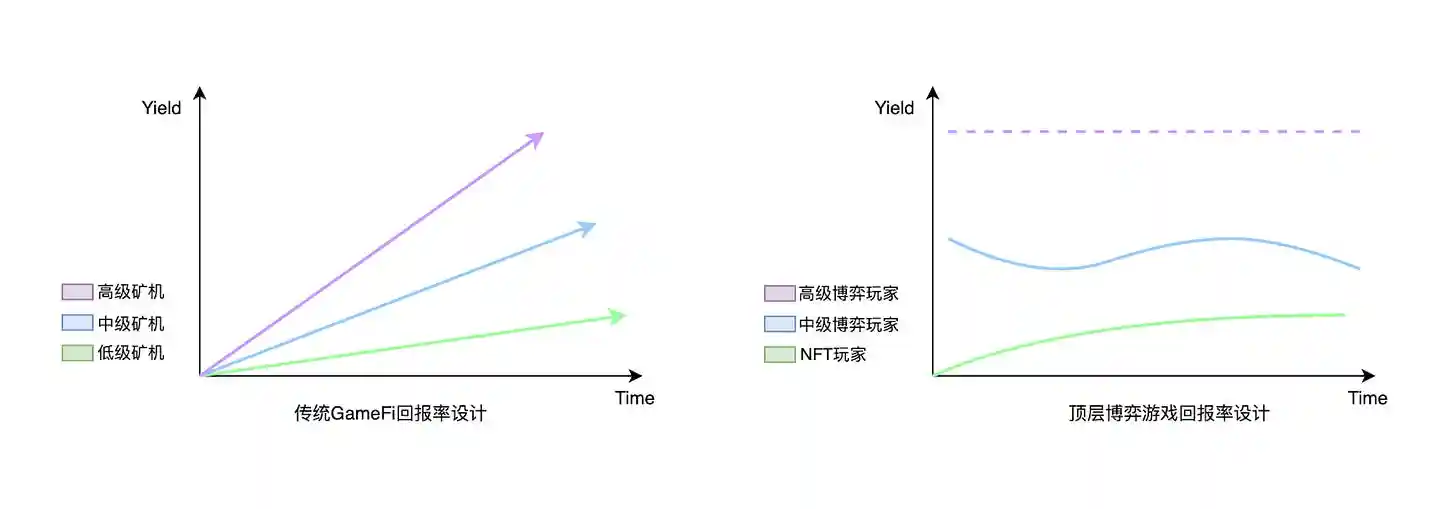
Our imagination about taxation used to be limited. We saw sufficient taxation and cash flow as the support for the team to develop the next project and build the entire ecosystem (look at Axie Infinity and STEPN now). However, we did not imagine or mention that taxation can actually exist as a powerful incentive layer within the game and form a larger flywheel.
Before we get into the main topic, we should first agree on a major premise - the goal of web3 games.
The Maslow's hierarchy of needs in web3 games is completely different from traditional games. Although the top level is still about gaining social recognition and admiration from others, in traditional games, social admiration may come from dealing 999 damage with a fancy winged mount, while in the world of crypto, admiration mostly comes from envy of the myth of getting rich quick.
Therefore, the correct way to stimulate the tax ecosystem flywheel is to allow top players to fulfill their desire for wealth through organic in-game trading behavior, and become the envy of all players.
Next, we will delve deeper into this topic through the games Gas Hero and Lumiterra.
Web3 Gaming's New Frontier
Gas Hero
Gas Hero is a placement-style combat SLG game with five Gameloops. When players play in different gameloops, they will drop various assets, which represent the most important combat power system for players besides heroes (weapons, pets, and various upgrade props). These assets can be combined into 1 unit of NFT in the secondary market when they reach 100. At the same time, the official provides auction houses in different regions to sell local goods in the first place, which may be scarce.
So, the first type of player - "brick-moving player" appeared, which is to use lower-level heroes to play various gameloops, and buy goods from the auction house to sell arbitrage in the P2P market. The large amount of transaction taxes (4% auction house tax and 2% P2P market tax) of these players became the source of funds for the IAT reward pool.
Continuing to pursue higher returns and power has two stages, gradually dividing players into "official players" and "PvP players".
For government officials in the game, in areas below the city level, they must use force to become a leader through intense PvP; while in areas at or above the city level, they must participate in elections and donate GMT to compete for a spot in the top 15 in the world rankings. Because the higher the donation amount, the greater the probability of successfully being elected (probability lottery), the game played by players is to donate more GMT to ensure they do not fall out of the top 15, while also increasing their chances of winning by donating more money, which may gradually increase the donation amount.
For PvP players: PvP is a major game point where players equip themselves, strategize, coordinate and position themselves to compete for the donation prize pool. They purchase and consume a large amount of heroes, pets, and equipment, which promotes the trading market and activity, and also provides a steady income (apy 30%~50%) for lower-level players who grind and farm.
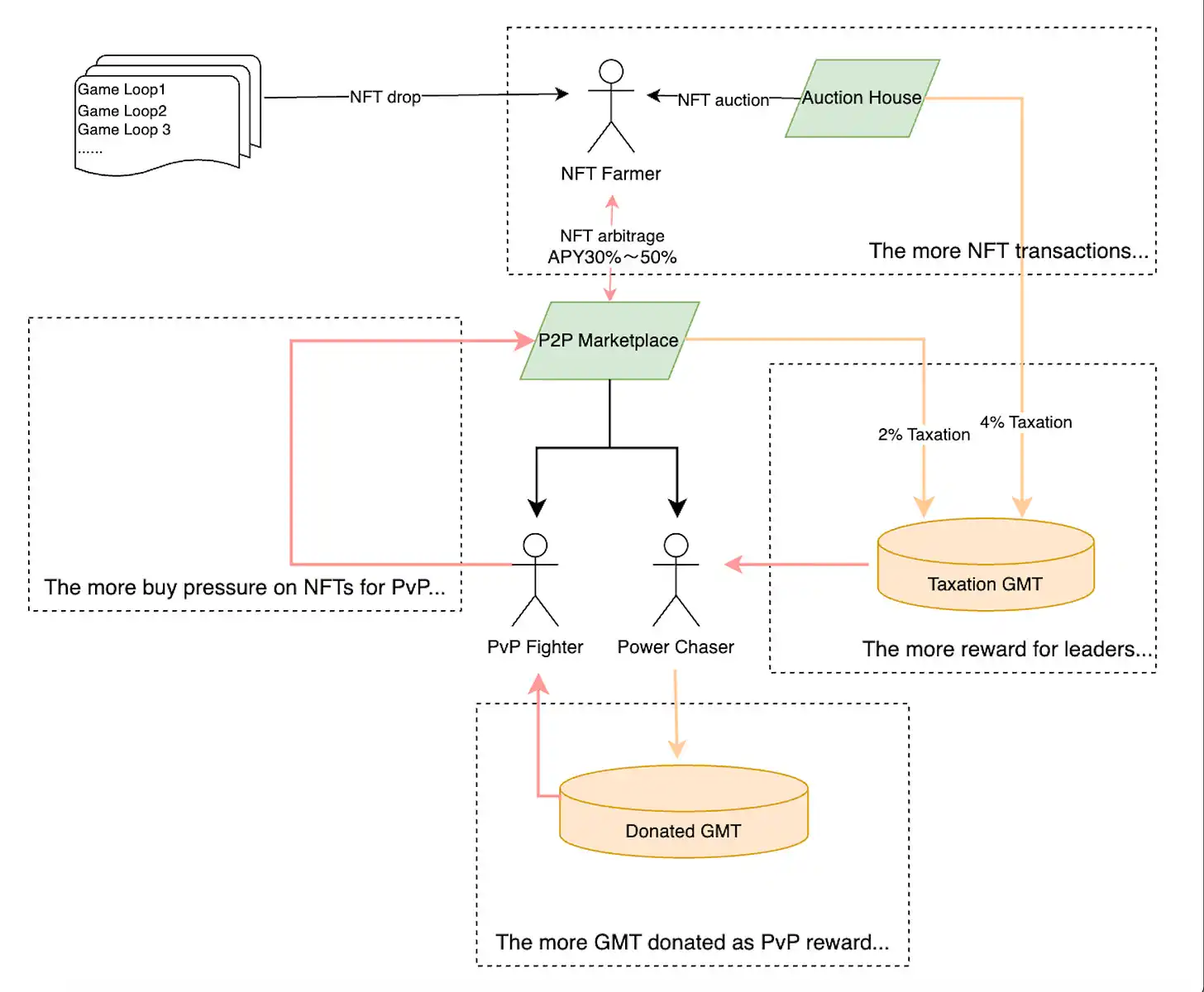
As shown in the figure, the entire flywheel generates abundant tax revenue through an increasing number of NFT transactions, pushing up the reward pool for official players and further stimulating players to donate more money in official elections (the higher the amount, the higher the probability of winning); and these gradually accumulated donations also serve as rewards for PvP, attracting players participating in PvP matches; PvP players, in order to upgrade themselves, will become the main buyers of NFTs, bringing a huge and solid buying market to the marketplace, further encouraging players to produce NFTs in the game and engage in buying and selling on the auction platform.
Finally, Gas Hero successfully motivates three types of players with precision using two bonus pools, a trading platform, and an auction platform, and continues to operate.
Lumiterra
The design of Lumiterra game body is actually very similar to the design presented in IAT: three gameloops correspond to three professions, but the growth of each profession must rely on the resources obtained by other professions in the corresponding gameloop, and this interdependent relationship is carried forward seamlessly, maximizing commodity trading. Lumiterra chooses a commodity economy society to present this interdependent relationship, which has a lower threshold for players to understand, and farming SIM games (such as Stardew Valley and Animal Crossing) are also the longest-lived category.
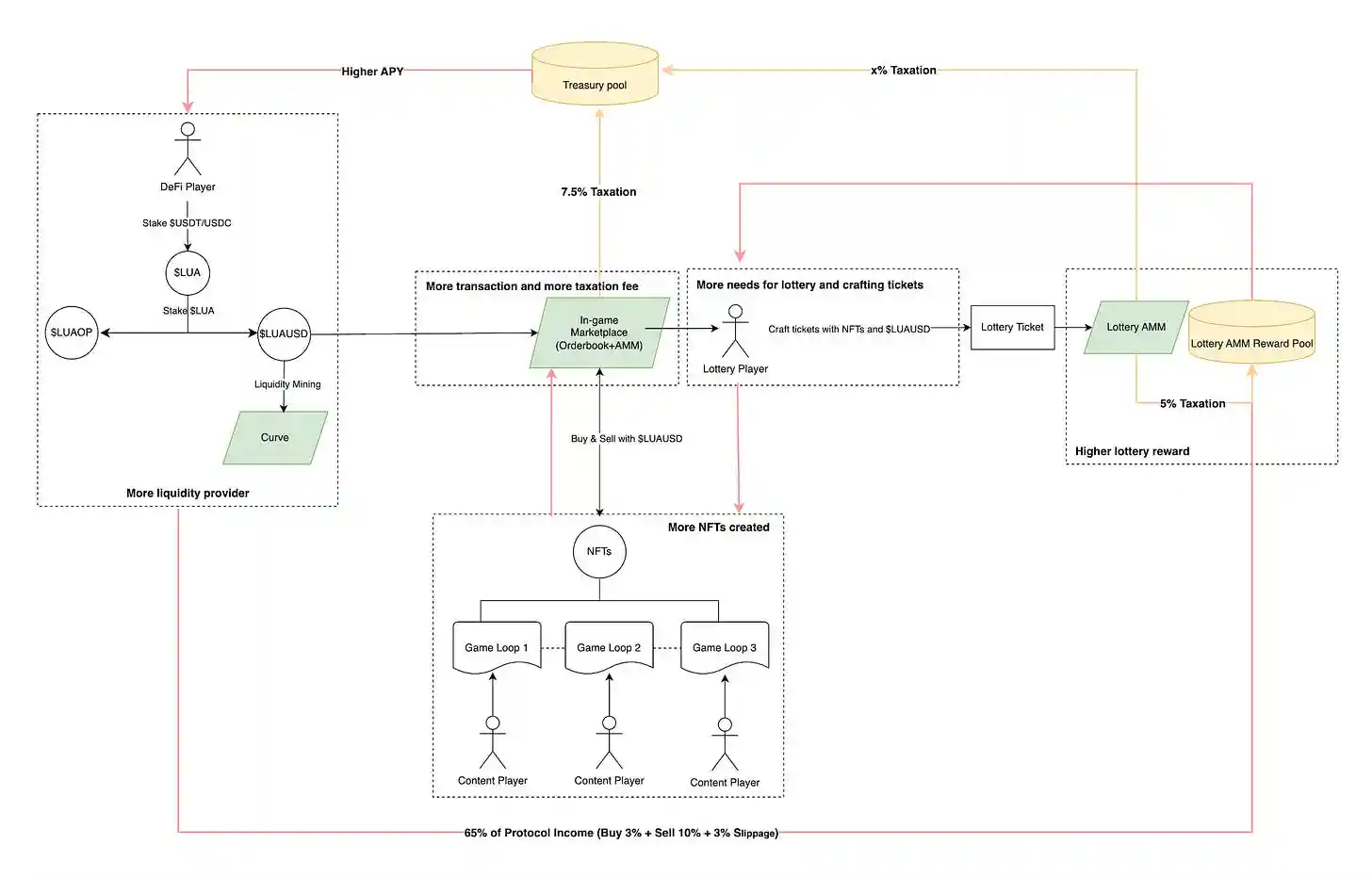
而游戏中的激励飞轮可以简单概括为:
"And the incentive loop in games can be simply summarized as:"1) In games, players naturally generate a large number of transactions, and the transaction taxes are paid as rewards to DeFi users who provide liquidity. The more players and transactions occur in the game, the more stable the APY returns for DeFi players who provide stablecoin and LUA liquidity outside the game.
2) And these DeFi users also need to interact with DeFi protocols. Protocols benefit from buying and selling friction and slippage, and use these profits to pay the basic bonuses of AMM lottery pools. The more DeFi users interact, the higher the AMM pool becomes.
3) The high amount of rewards will motivate players in the gaming industry to collect a large amount of designated materials, mint them into lottery tickets, and participate in the lottery, providing a large number of buy orders for players in the game.
4) Moreover, the participation of users in the lottery will be the biggest resource consumption point within the game, with approximately 60% of resources being permanently consumed in this process. Additionally, the 5% tax generated by the lottery AMM will also be added to the prize pool.
If we remove all intermediate links, essentially it is the game content players incentivizing DeFi users, and DeFi users incentivizing game players, who are the biggest buyers of NFTs and the largest consumers of in-game resources, thus incentivizing content players once again. The ecological cycle is complete.
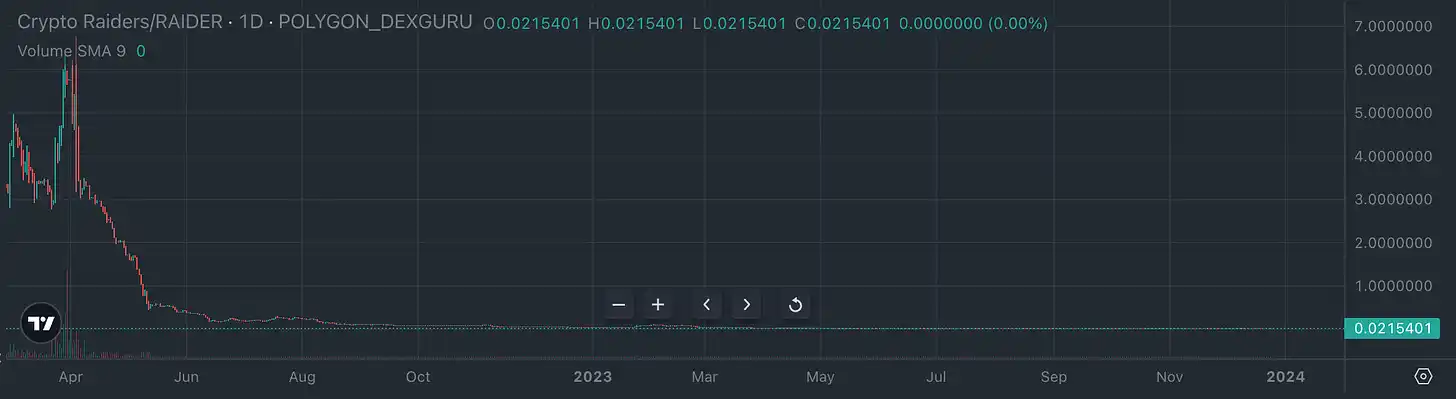
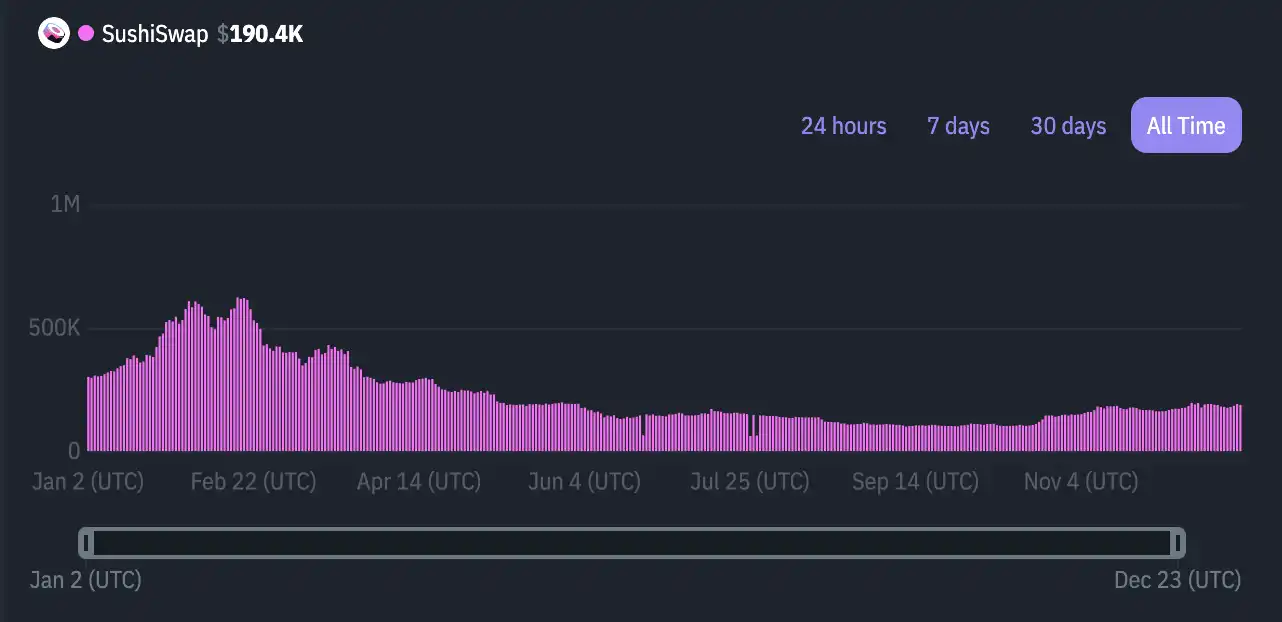
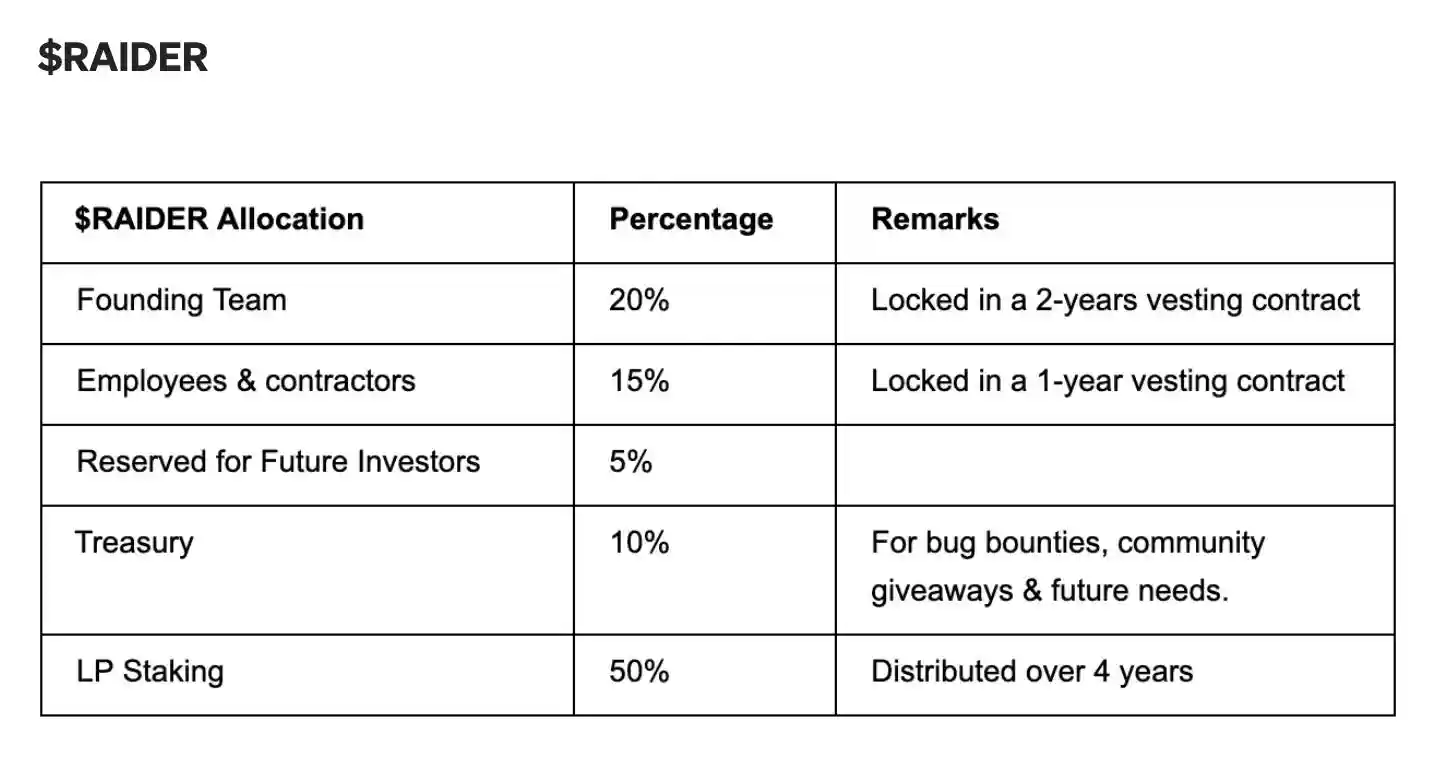
Crypto Raiders
Gas Hero & Lumiterra
Gas Hero's governance is more like the income distribution of government officials, and entering the government officials requires donating a large amount of GMT as a bonus pool for PVP, so the governance in the game can play a role in boosting the enthusiasm of the entire game. When regional officials want to encourage more players to actively participate in the game and trade, it will trigger more "meta-governance" / "meta-economic interaction" processes, such as unified management in private group chats (setting announcements and alarms to participate in auctions), and even behaviors such as sending red envelopes/monthly salaries in Rate Field, ultimately bringing better performance and rich returns to the guild and region.
The "governance" in Lumiterra is closer to the governance logic of DeFi. It is speculated that it will use ve tokens/lock-up time similar to locking up to determine voting weight, and the voting results are related to the return rate of all participating voters. This external governance relies more on the natural operation of the protocol rather than social and governance relationships between people, which may result in a lack of communication channels between upstream and downstream. For example, a player who provides liquidity may not understand the governance structure of guilds in the game, making it difficult to generate organic mutual promotion and boost economic enthusiasm. In addition, in the crv governance framework, the risk is that the ultimate beneficiaries may be different from the players in the game, and the benefits of governance cannot return to the hands of players at the bottom of society, but are still controlled by DeFi whales. Participants in each link lack effective communication and conflicts arise, which is similar to the external protocol governance of Crypto Raiders.
Although Gas Hero has just launched and Lumiterra is still in the testing phase, the above conclusions are based on speculation and all return rate values are estimates. The real practical effects still require long-term observation. However, we still need to pay attention to the subtle design differences that may also cause different ecological development and changes in the two games during the later operation process. Moreover, although games with internal economic flywheels are different from the Ponzi models that used to require continuous new user acquisition, they still have high requirements for user scale. The more players participate, the more stable the ecology can be. Both parties should try their best to expand the user base to support the continuous operation of the flywheel.
Epilogue
This article focuses on the design of top-level wealth games and ecological flywheel mechanisms represented by Gas Hero and Lumiterra, emphasizing the importance of aligning interests among all parties in web3 game design and expanding the ecosystem through flywheels.
However, this article also has shortcomings, due to various data missing (Dune data panel failure), research theory missing (currently only IAT and BLOG designs we previously wrote), absence of parties (crypto raider team has gone to do the third project, game player loss), it is difficult to write an article that comprehensively summarizes the theoretical and practical development of web3 game economic models with solid data. Therefore, this article only serves as a record and summary of the industry development process, hoping to help entrepreneurs who are still designing and exploring economic models to find new paradigms and quickly apply them, rather than a serious documentary research report.
Additionally, web3 games, aside from being a testing ground for new mechanisms, are essentially investment targets with playability/interactivity. Therefore, in addition to designing the mechanisms themselves, external traffic operations, community consensus building, brand endorsement, and asset management are also important. As we said in our previous research report, a versatile team is still needed. It will take the collective effort of all colleagues to ultimately develop web3 games with long lifecycles and high traffic-breaking effects.
Original article link
Welcome to join the official BlockBeats community:
Telegram Subscription Group: https://t.me/theblockbeats
Telegram Discussion Group: https://t.me/BlockBeats_App
Official Twitter Account: https://twitter.com/BlockBeatsAsia

 Related Articles