LBank: Comparing Ethereum 2.0 with Near and Polkadot, interpreting the future of modular blockchain.
Original Title: Co-exist Future of Smart Contract Platforms
Original Author: LBank Labs Research Team F.F
Translation: Sharon, BlockBeats
Editor's Note:
Modular blockchain has become one of the 2024 development trends recognized by the crypto community, including investment institutions such as a16z. At the same time, with the imminent upgrade of Ethereum's KanKun, there are various discussions within the community about modular blockchain and monolithic blockchain technology. LBank recently published an article expressing their views on this matter. After comparing and analyzing the underlying technology architecture of Ethereum 2.0 with Near and Polkadot, LBank believes that modular blockchain and monolithic blockchain should not be viewed as adversarial, but rather complementary. Modular chains can serve as middleware for monolithic chains, while monolithic chains can serve as specific layers for modular chains. They learn from each other's strengths and weaknesses and develop together. BlockBeats has translated the original article as follows:
TL; DR
This article is a sequel to our previous research, titled "Opportunities in Modular Narrative". In that article, we delved into the modular wave driven by Ethereum and Celestia, and identified various opportunities.
However, it is worth noting that modular storytelling should not limit our perspective. In recent years, blockchain technology has made significant progress, with the emergence of monolithic and modular blockchain architectures.
In this article, we will first analyze these two architectural approaches and compare Ethereum with other Ethereum competitors from the previous cycle. Surprisingly, there are more similarities between them than people imagine.
Next, we will explore the challenges and specific considerations related to these two architectural approaches, while looking forward to the future of coexistence of smart contract platforms. In the past, the blockchain ecosystem was mainly dominated by single-blockchain, with each new L1 blockchain operating independently, leading to fierce competition and limited cooperation in the market. However, we are now in a more advanced stage of connectivity and interoperability between chains than ever before. Therefore, we are more inclined towards open platforms, whether modular or single-piece.
All blockchain architectures will lead to expansion
This section provides a detailed comparison of the differences and similarities between Ethereum and other single-chip blockchains, highlighting their differences in architectural design. At the same time, the article discusses the differences between modular design and single-chip architecture, as well as the challenges involved in achieving true scalability.
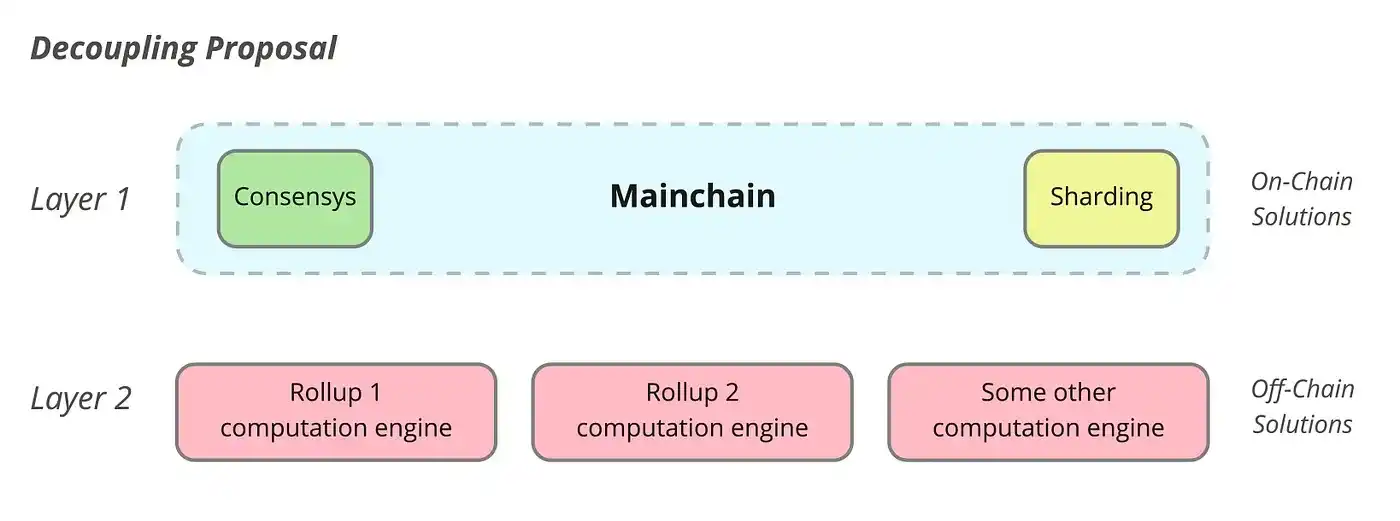
Although Ethereum itself adopts modular design, it also uses sharding as a means of achieving scalability. Sharding allows transactions and data to be processed in parallel across multiple shards, thereby increasing throughput and capacity.
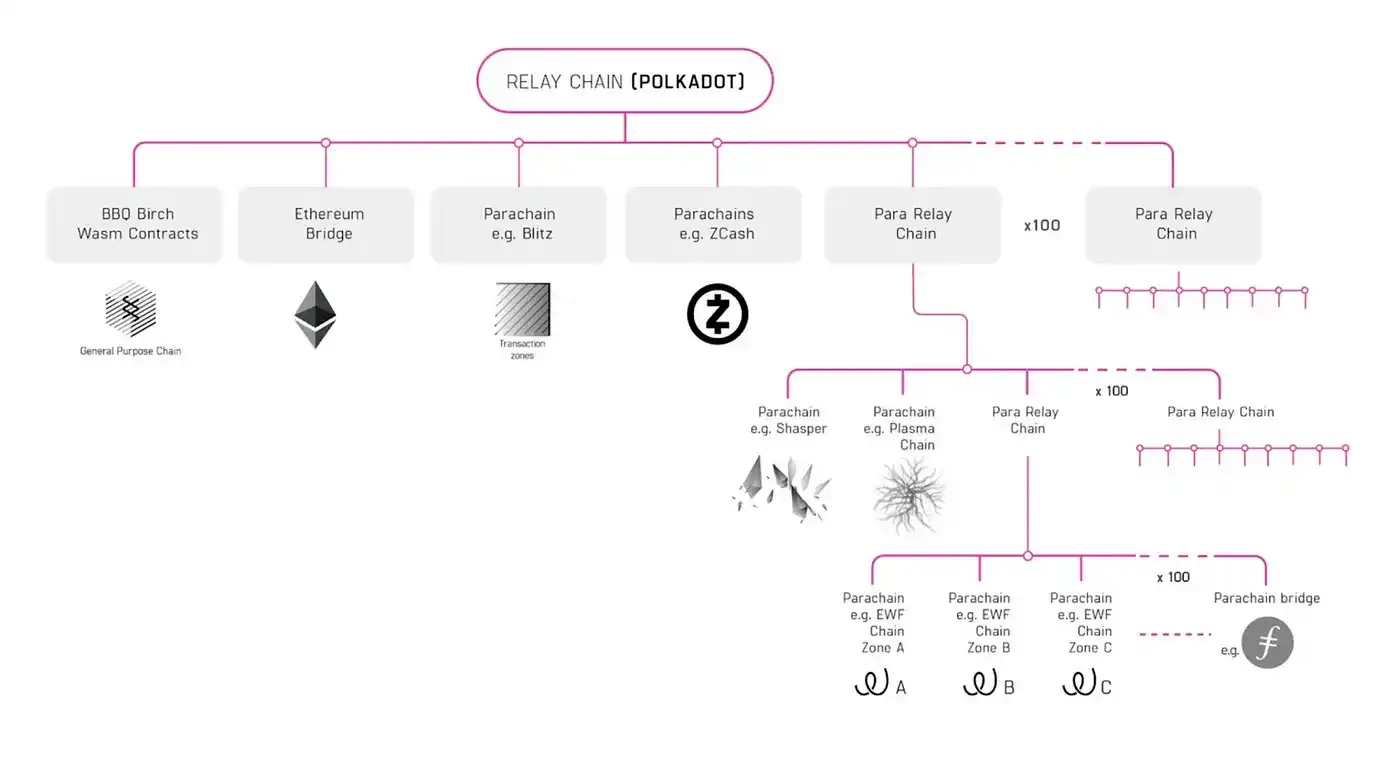
However, the implementation of sharding has also brought a series of challenges, such as ensuring data availability, transaction finality, and promoting cross-rollup transactions. Overcoming these challenges requires careful consideration and innovative solutions to successfully integrate sharding into a single-blockchain. Examples of sharding include Ethereum, Near, and Polkadot.
ETH 2.0 and Near
Nightshade's Past Design
The main focus of comparing Ethereum 2.0 (ETH2.0) and Near Protocol lies in their key differences in approach. Ethereum's approach involves Rollup-centric sharding, where the execution layer and data availability layer are decoupled. This leverages the underlying L1 to provide security and achieves scalability through Rollup.
Meanwhile, Near decided to build a sharded network from the beginning, fully considering the existence of data sharding and execution sharding in its built-in architecture. This is the first key difference. The central method design of Ethereum's Rollup is relatively simple, but still requires data availability sharding (Danksharding) to enable efficient operation of L2.
Below is a clear explanation of the second key difference. Compared to the common beacon chain and relayer chain, Near has chosen a different sharding solution. Near itself is divided into different shards, with each shard responsible for generating and storing blocks as part of the blockchain.
The so-called "Nightshade" design makes it possible to achieve seamless smart contract reading and writing between shards, although this poses higher barriers for developers. For users, they may not even be aware that they are interacting with shards.
In the modular narrative of the previous article, we discussed solutions to the issues of composability and interoperability. However, for Near, this is not a problem because its built-in sharding essentially allows for cross-shard transactions, similar to cross-rollup transactions in L2.
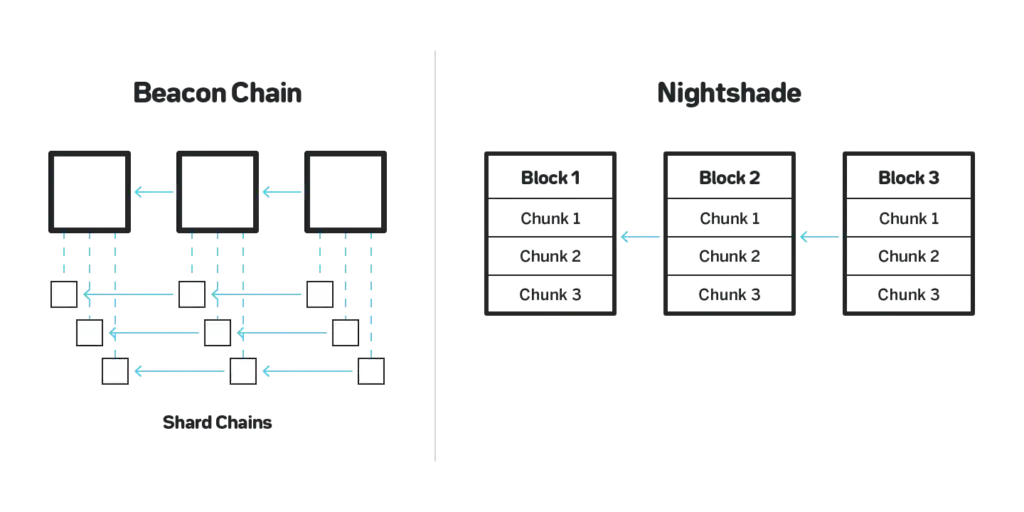
Nightshade's roadmap includes the following stages:
Stage 0: Simple Nightshade with only one shard;
Phase 1: Chunk-only Producer (Editor's note: Refers to the producer who is solely responsible for generating blocks in a shard (a partition on the network)).
Phase 2: Complete Nightshade without validators tracking all shards;
Stage 3: Adjust the number of shards dynamically based on the load.
Regarding progress, Near is currently between Phase 1 and Phase 2. The Chunk-only producer introduced last year can only track the status of one shard. However, there are still full node validators responsible for maintaining the global state.
Ongoing Starsight: Sharding with ZK as the Center
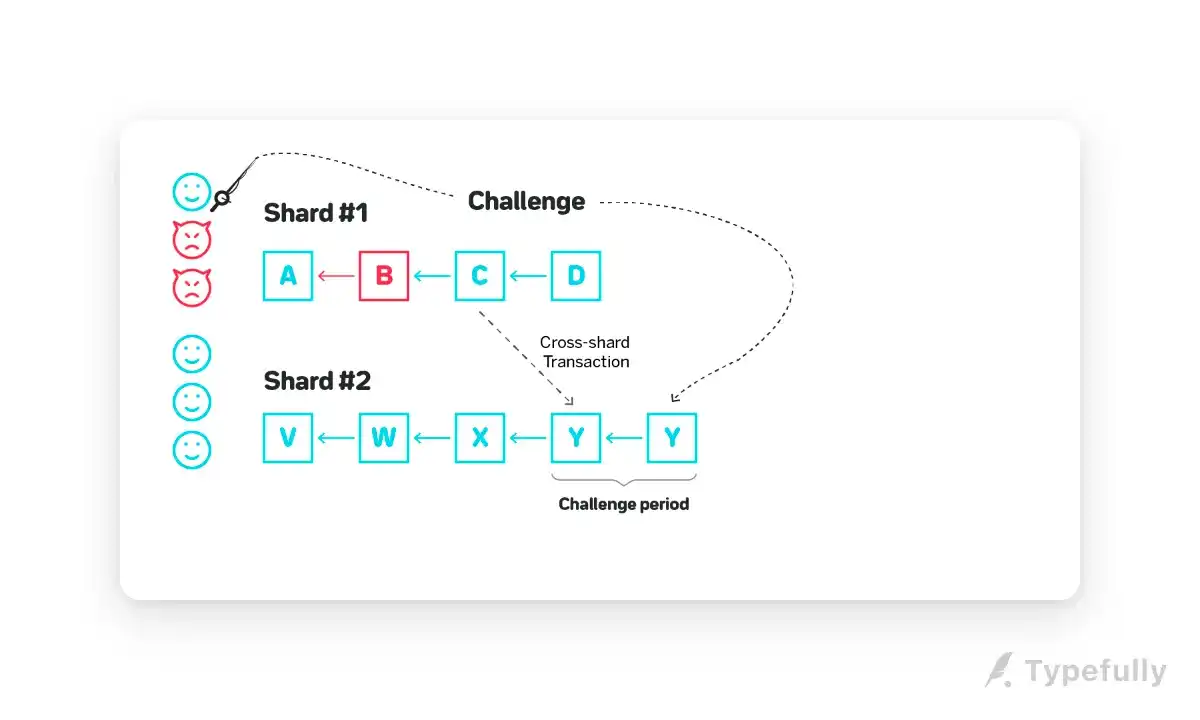
Although Near is leading in sharding design, it has also learned a lot from the revolution of Ethereum. In order to achieve the goal of phase 2, no validator should track all shards. Instead, "fishermen" act as security guards, monitoring the state and generating evidence of fraud in challenges. Its core design is very similar to Optimistic Rollup, but it is complex to fully implement it.
This is why many protocols are abandoning this solution. For example, Optimism has turned to zk solutions, and Arbitrum does not allow unlicensed fraud proofs to be submitted. Clearly, zkRollups are the future of Ethereum. We can also see the impact of zkRollups in Near's new shard design.
Stateless Authentication
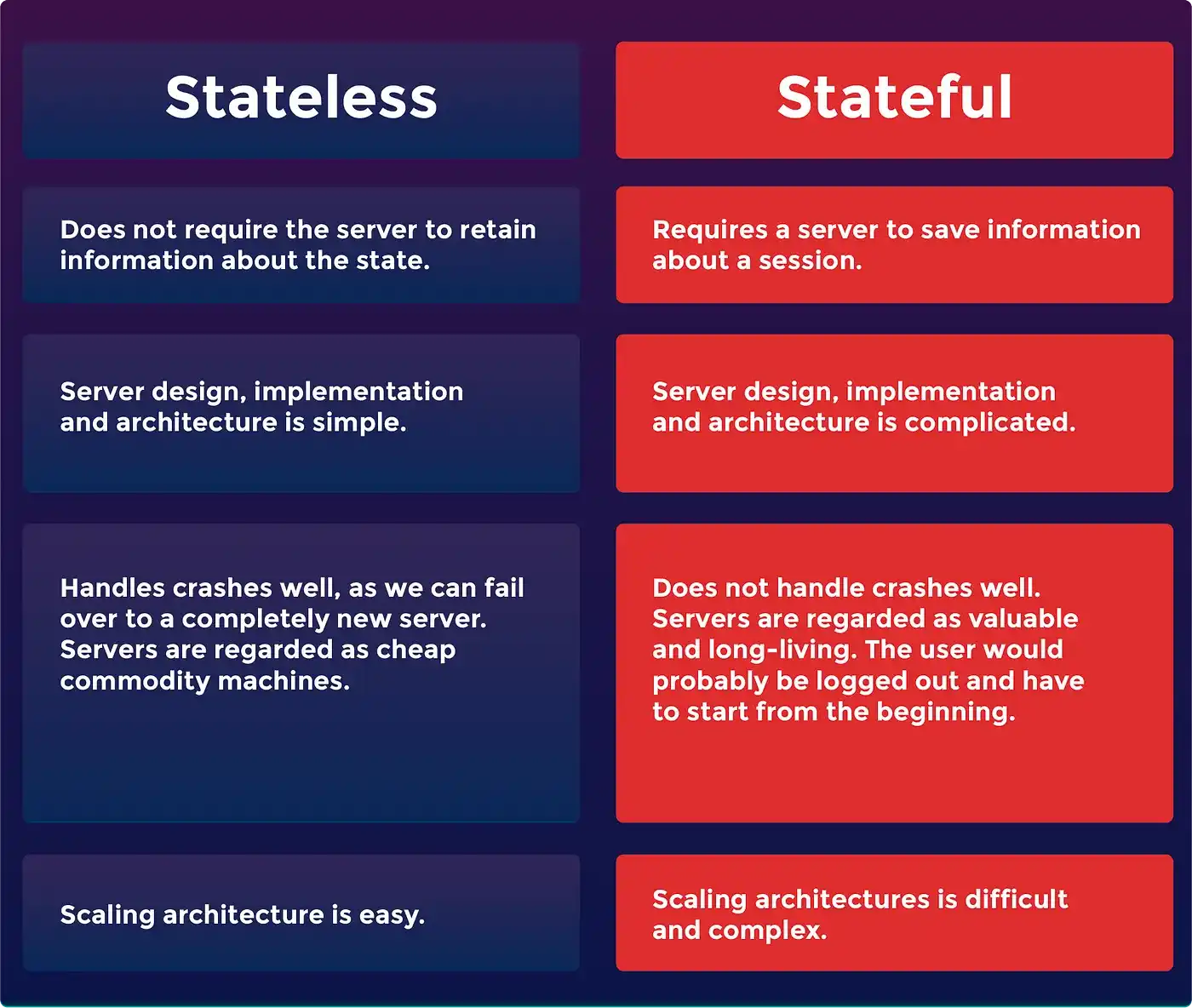
If there is a better solution to eliminate the challenges behind the game, what should we do? This is where Near introduces stateless validation. Stateless validation generates state validation without handing over the state to other shards. With state witnesses, there is no longer a need for "fishermen" or fraud proofs.
In the setting of stateless validation, there are two types of validators. The previous full node validator has now been changed to a stateless validator, while the block proposers remain unchanged. Block proposers are responsible for generating blocks and state witnesses, and they need to maintain the state of the shard locally.
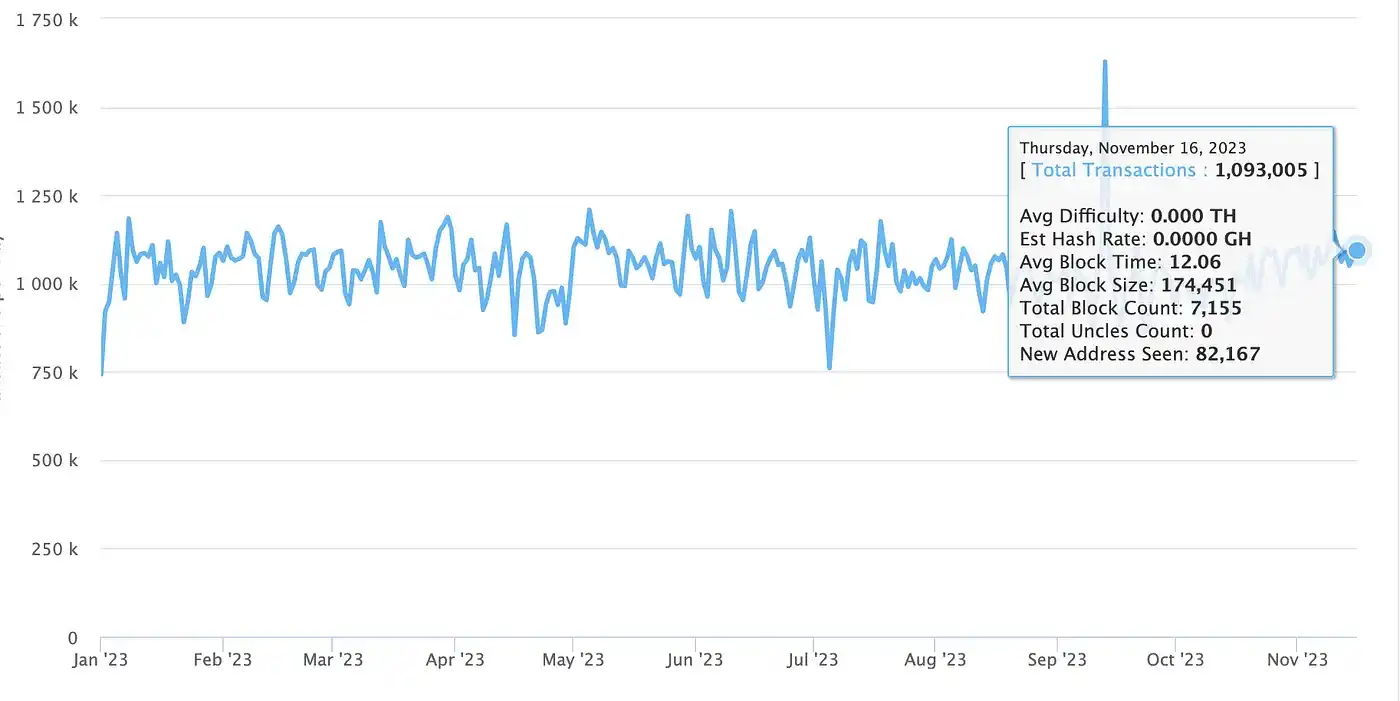

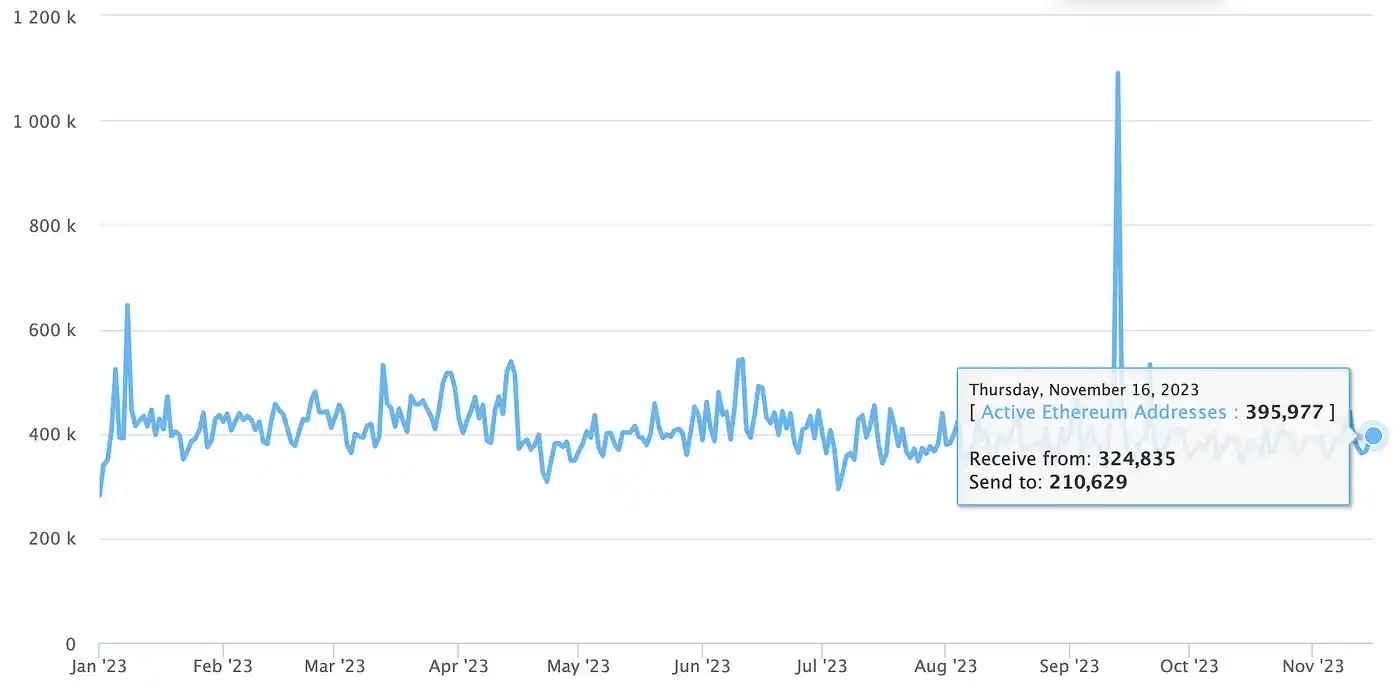
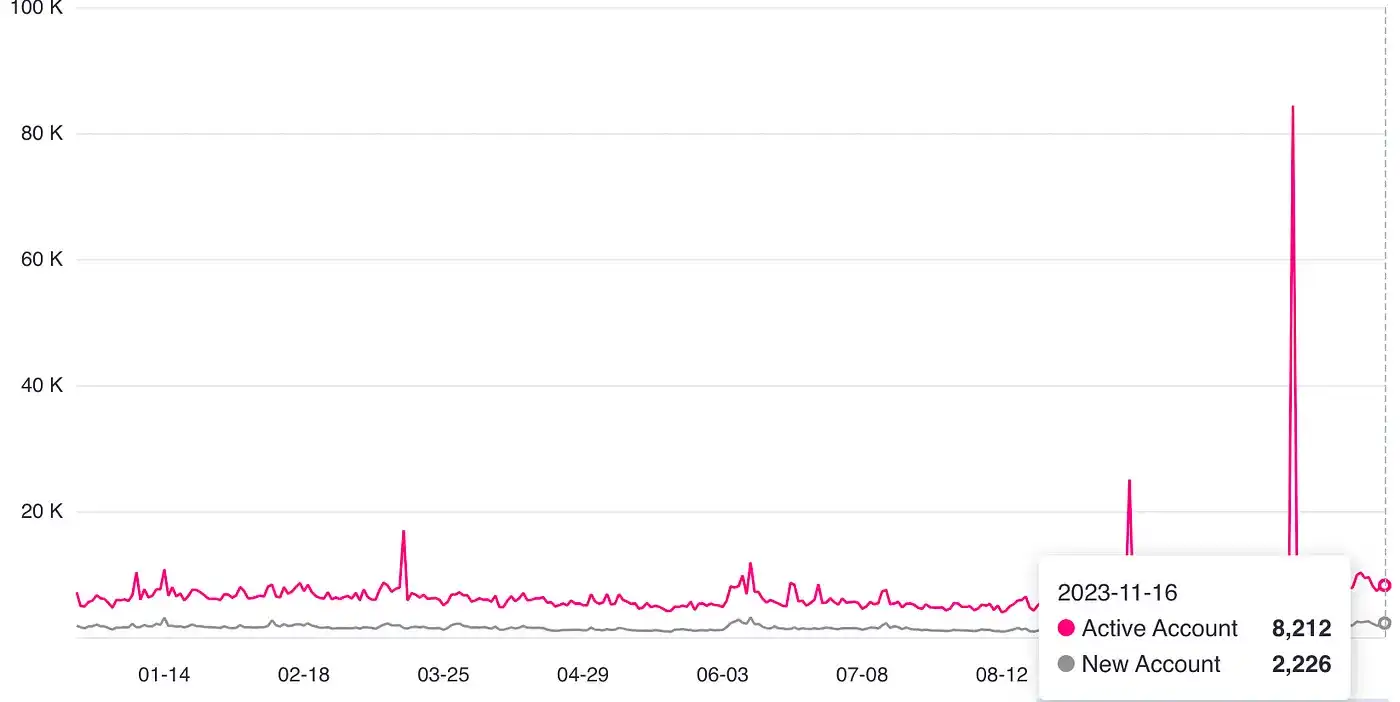
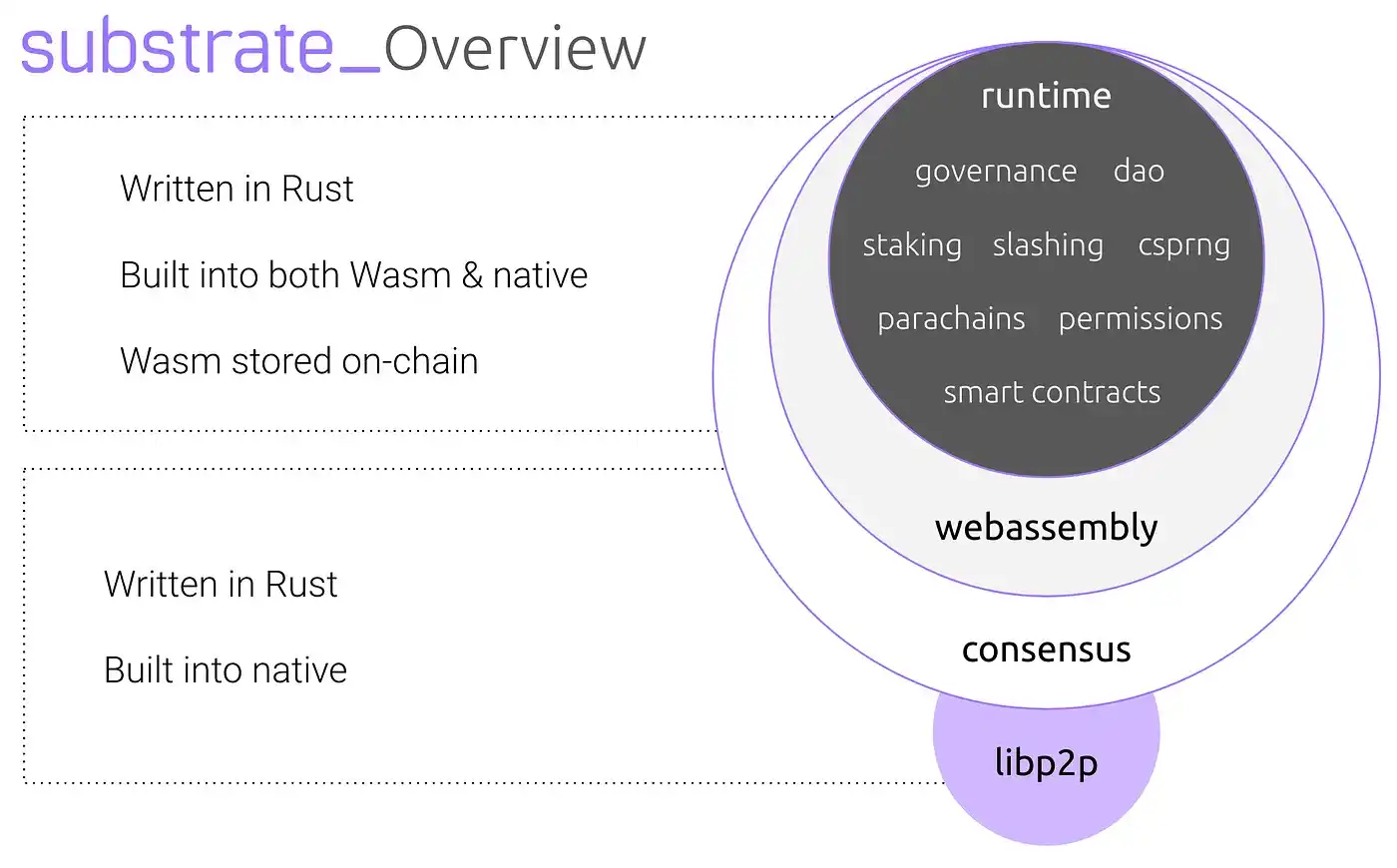
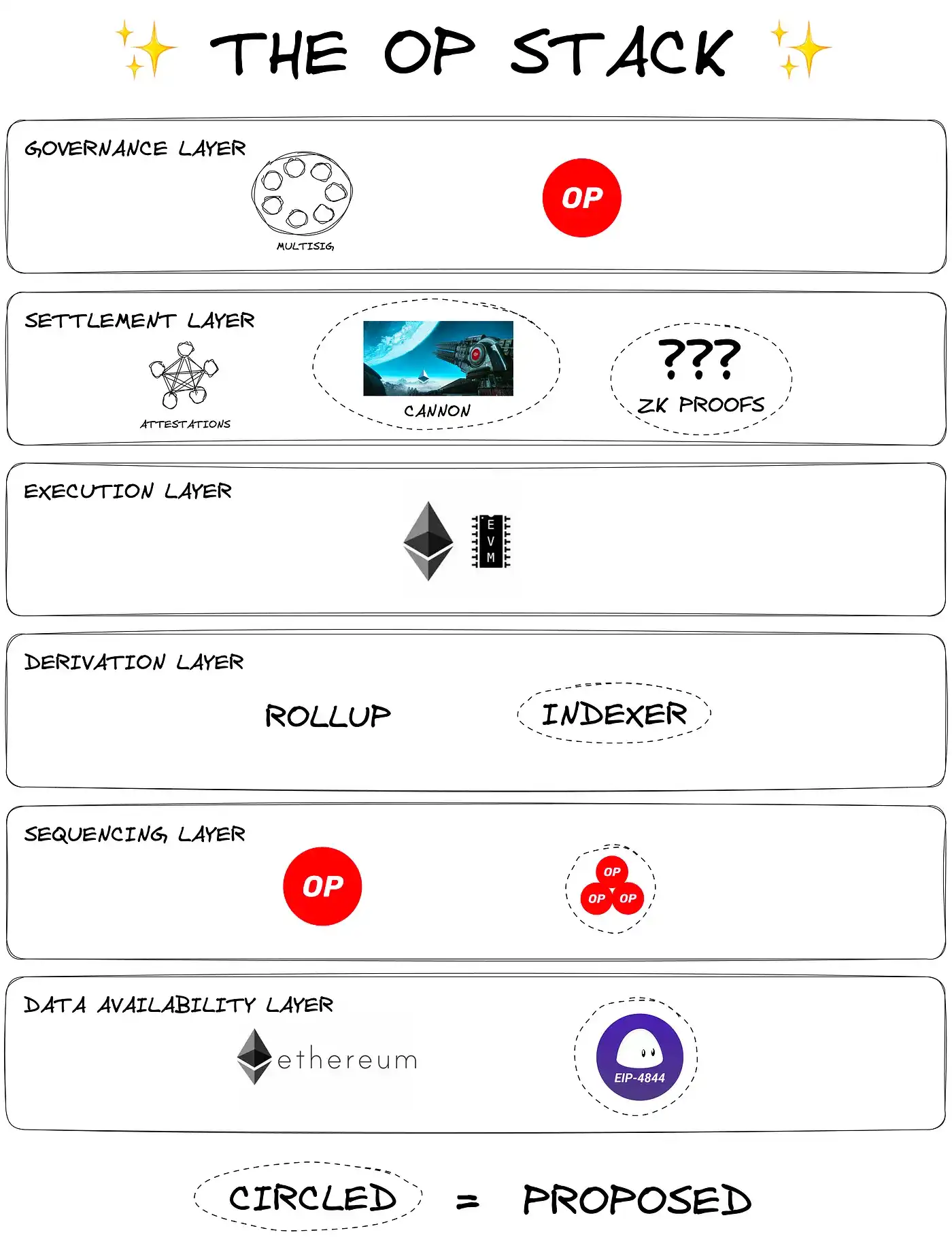
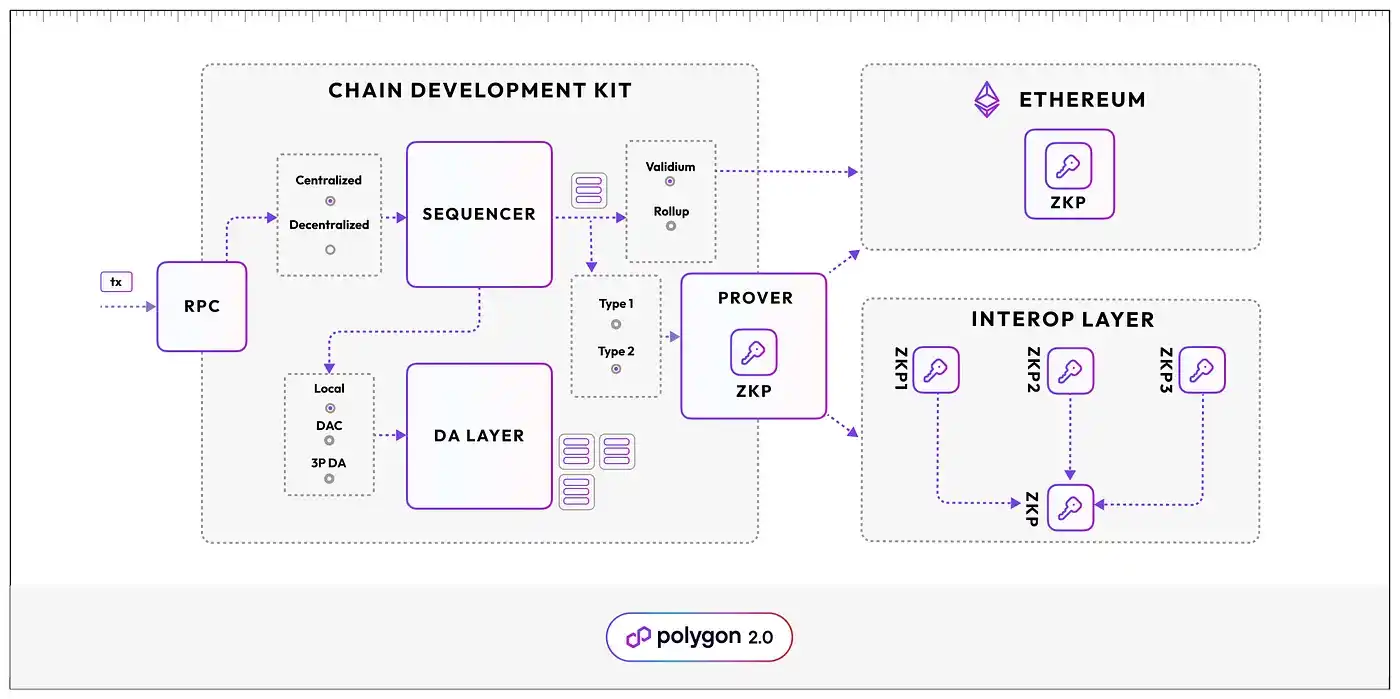
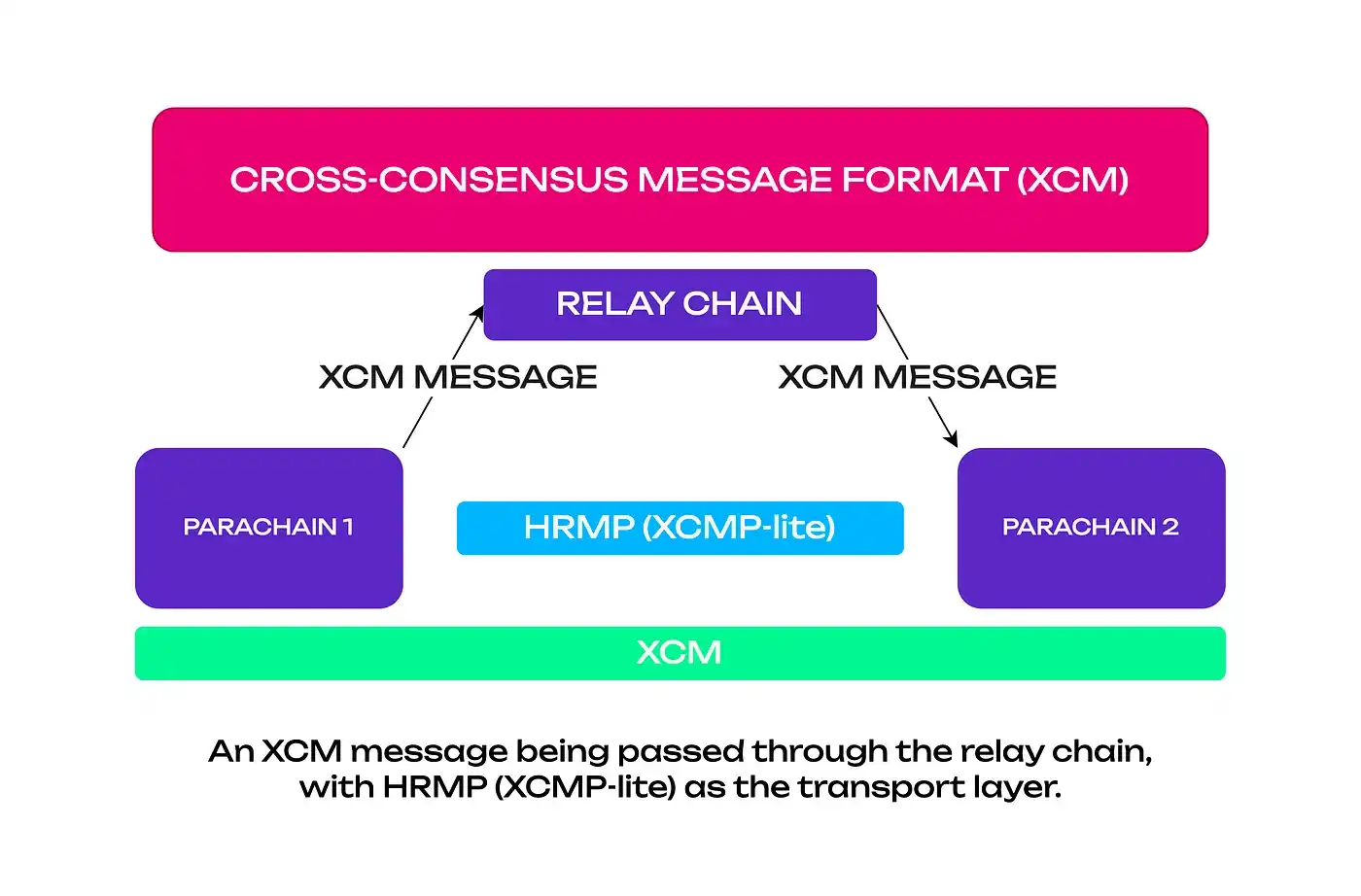

While acknowledging the historical significance of the breakthroughs in EVM and Solidity, it is important to recognize that technology evolves over time. Insisting on the legitimacy and traditional properties of EVM may limit progress, especially in the face of Ethereum's block limitations.
The excitement about different architectures, virtual machines (VMs), and smart contract languages comes from the desire to break free from the limitations of EVM. The diversity in these areas attracts developers and users who enjoy using different programming languages and smart contract functionalities. For example, in the primary market, Move VM (Aptos, Sui) and Cario VM (Starknet) have been highly valued due to the expectations of innovation and possibilities they bring.
When betting on the next innovative platform, it must be acknowledged that the dominant position in the EVM market share. However, as the market matures, it often falls into a duopoly pattern, such as examples like Android & iOS and Windows & Mac.
WASM is a powerful competitor to EVM, with Solana being the biggest participant. Despite criticism, Solana's key innovations such as Proof of History (POH) clock, Optimistic Concurrency Control (OCC), and no-memory-pool transaction forwarding protocol set it apart from other protocols and break traditional blockchain design limitations.
How to establish broad consensus
The consensus mentioned here goes beyond the narrow technical level and involves a wide range of social consensus areas.
From the perspective of consensus, it is understandable that many L1 and L2 choose EVM compatibility. This choice provides them with the easiest way to access the Ethereum ecosystem. However, as the number of EVM chains and Rollups increases, decreasing marginal utility often attracts transient and disloyal developers and users who may quickly leave after receiving airdrops.
除了 EVM 兼容性之外,通过重新抵押建立共识,还提供了另一种吸引现有社区参与的引人注目的叙事。从零开始构建变得越来越复杂,强调了选择正确的重新抵押资产的重要性。一个微妙但关键的一点是,假设所有模块化层都使用 L1 安全衍生品(LSD)来确保安全性,单体区块链和模块化块区块链之间的区别就会减小。
In addition, some protocols extend their impact to a wider Web2 user base, especially in the gaming industry. Although this approach is effective, it requires strong business expansion efforts. Many traditional participants prefer to expand their user base as a means of achieving consensus in a constantly changing environment.
Modular Chain Specific Issues
Although modular blockchains effectively distribute workload between connected chains or modules, addressing specific challenges is crucial to achieving true scalability. Key concerns for modular chains include fragmentation, fragility, cross-rollup execution, and centralization.
1. Fragmentation: Fragmentation stems from intense competition between different layers. Although current competitors may not immediately cooperate, the evolution of universal protocols and account abstractions is expected to provide users with a seamless experience across various products.
2. Vulnerability: Vulnerability arises from different security assumptions between different layers. In a modular blockchain, each module operates independently, introducing potential vulnerabilities. When a specific layer encounters problems, it may affect other integrated layers - this is an inherent trade-off in the process of moving towards modularity.
3. Cross-Rollup Execution: In modular blockchain, cross-rollup execution is crucial for achieving interoperability between different modules. The lack of standardized protocols hinders seamless integration between different modules. In addition, the issue of asynchronous execution, which is inherent in sharding, must be addressed to achieve true scalability of modular blockchain.
4. Centralization: Although the decentralization of Rollup may not be as critical as L1's decentralization, it is still an important security issue. Decentralization is necessary to ensure vitality, resistance to censorship, and avoidance of monopoly advantages. The protocol is actively working to address these issues through solutions such as sharding sorters, abstract template code, and only exposing business logic to chain developers. Adopting these solutions may help address cross-Rollup execution issues.
Future of Collaboration and Inclusion
By examining the above two parts, it is clear that modular and monolithic blockchains represent products of different eras, embodying trade-offs in the impossible triangle and reflecting different philosophical choices.
For years, the encryption industry has been stuck in a cycle of monolithic blockchain, with each new L1 building a closed system that promotes intense zero-sum competition. This environment often leads to extremism, as each platform vies for users within its ecosystem.
The emergence of modular blockchain introduces a collaborative and inclusive approach, emphasizing the cooperation and interconnection between different chains - which is a positive development for the entire industry. The collaborative approach allows modules to seamlessly collaborate, enhancing overall functionality and user experience.
In addition, the collaborative nature of modular blockchain promotes innovation and the development of specialized modules. Collaboration and resource sharing between different chains allow developers to focus on specific areas of expertise, resulting in tailor-made, high-quality modules that are suitable for specific use cases. Furthermore, the breakthroughs of individual chains can be decoupled and sequentially merged into the modular layer.
It is crucial not to view modular blockchains and monolithic blockchains as adversarial, but rather as complementary. They can learn from each other's strengths and weaknesses and develop together. The boundaries between them may not be clear, as modular chains can serve as middleware for monolithic chains, and monolithic chains can serve as specific layers for modular chains.
Instead of focusing on categorical differences, the emphasis should be on cultivating an open network, embracing key innovations, and establishing broad consensus.
Appendix:
Introduction to Cross-Consensus Message Format (XCM) · Polkadot Wiki
Polkadot: The Foundation of a New Internet | by Jack Platts | Polkadot Network | Medium
Substrate—Web3 Technology Stack
The OP Stack Landscape | OP Stack Docs
OpenGov: What is Polkadot Gov2 | Moonbeam Network
NEARCON 2023 | Layer 2 Stage—Day 2—YouTube
Ethereum roadmap | ethereum.org
Stateful vs Stateless Architecture: Why Stateless Won | Virtasant
NEAR—The Blockchain Operating System | NEAR Documentation
Polygon CDK Implementation Providers
The OP Stack Landscape
Welcome to join the official BlockBeats community:
Telegram Subscription Group: https://t.me/theblockbeats
Telegram Discussion Group: https://t.me/BlockBeats_App
Official Twitter Account: https://twitter.com/BlockBeatsAsia

 Related Articles