Is issuing encrypted payment cards a good business with the popularity of card issuance?
Original Title: "The Business Behind the Rush to Issue Cryptocurrency Payment Cards"
Original Author: David, TechFlow of Deep Tide
Encrypted payment cards are becoming a sweeping business across the industry. When you open social media such as Twitter, you can often see KOLs recommending various card types with different fees. From centralized exchanges such as Binance, Coinbase, and Bitget, to encrypted infrastructure such as Onekey wallet, they have already joined this race, hoping to connect encrypted assets with the real economy by issuing their own brand of cards.
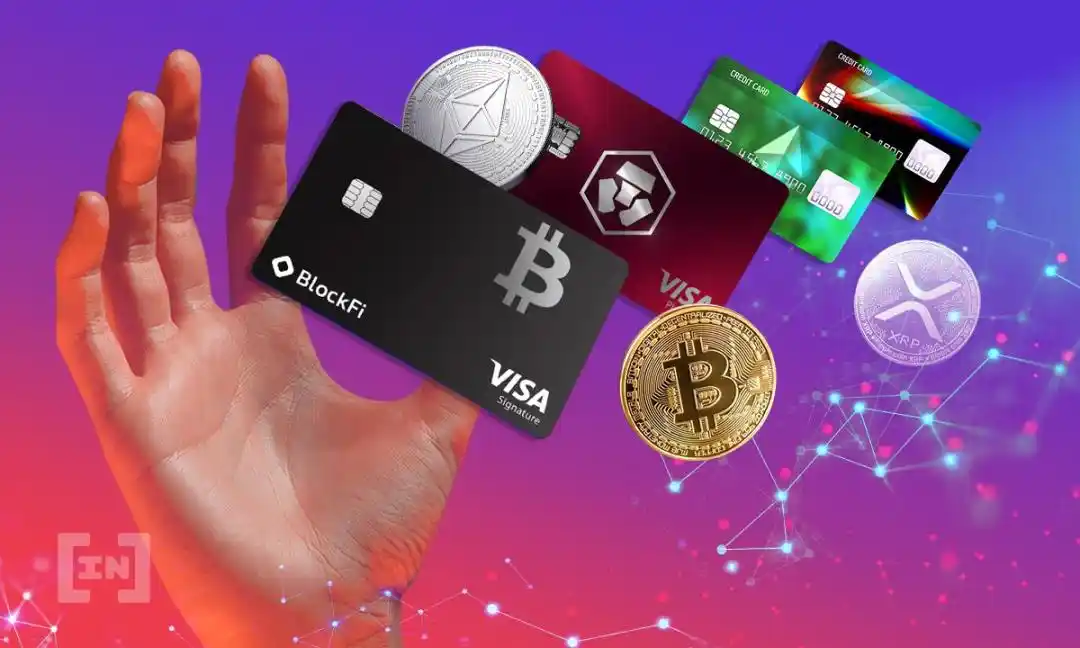
Source: beincrypto.com
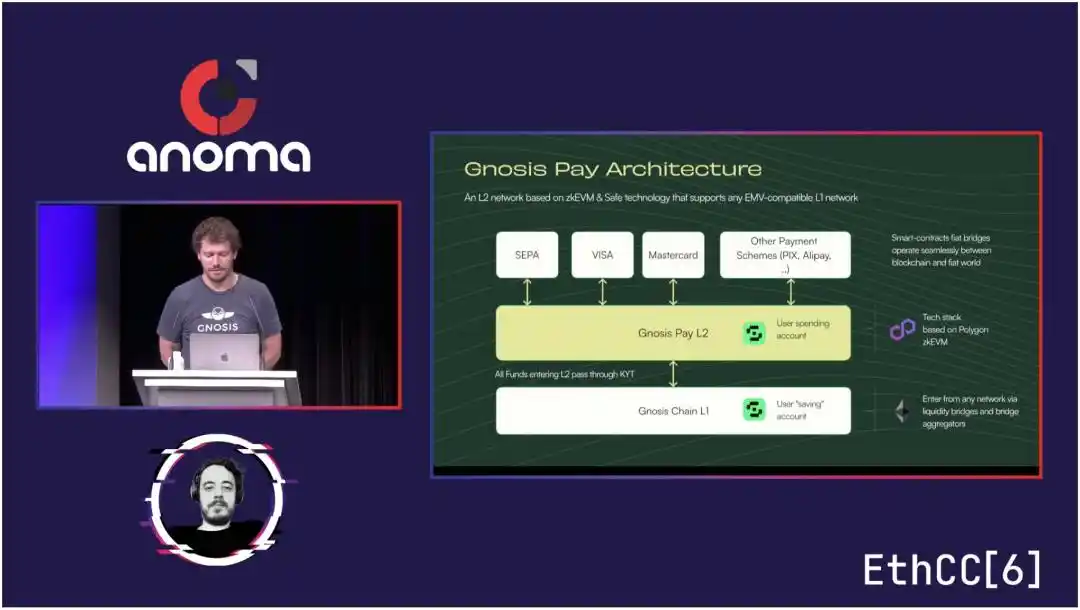
Recently, DeFi applications have also begun to plan their card issuance business.
In August, decentralized stablecoin project Hope.money announced the issuance of HopeCard, which can be used for payments at VISA-supported merchants worldwide.
Recently, the Uniswap DAO has initiated a proposal to vote on whether to agree to issue a VISA card with the Uniswap logo...
Why has the issuance of cards suddenly become popular in the encryption industry?
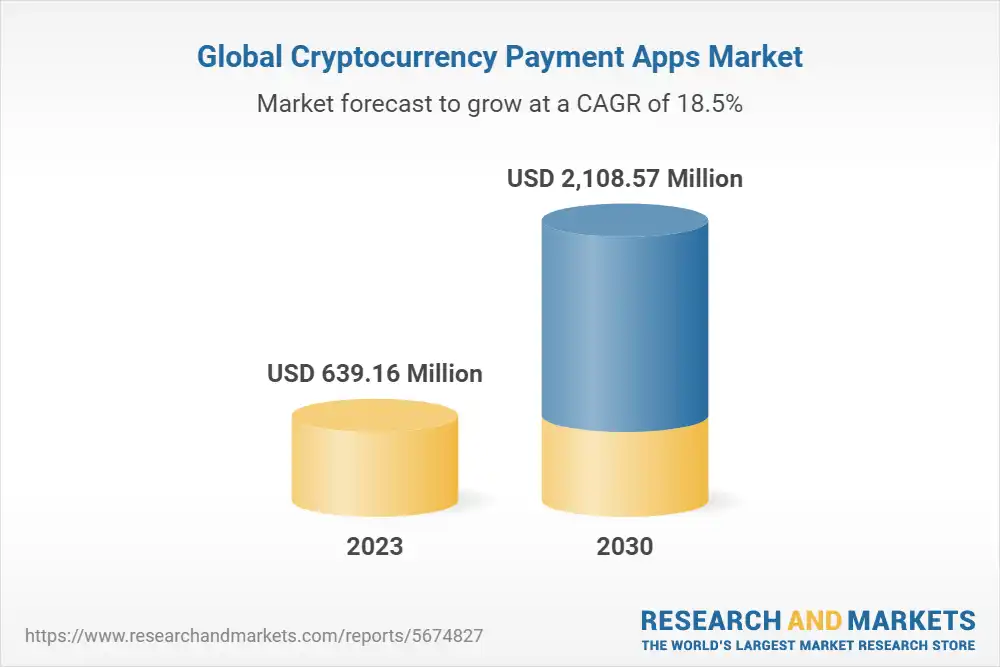
When everyone wants to get a piece of the pie, from exchanges, wallets, infrastructure, applications, and even startups focused on issuing cards, will the business of cryptocurrency payment cards be a good one?
Withdrawals and GPT, the fuse that ignites demand
In fact, encrypted payment cards are not a new thing.
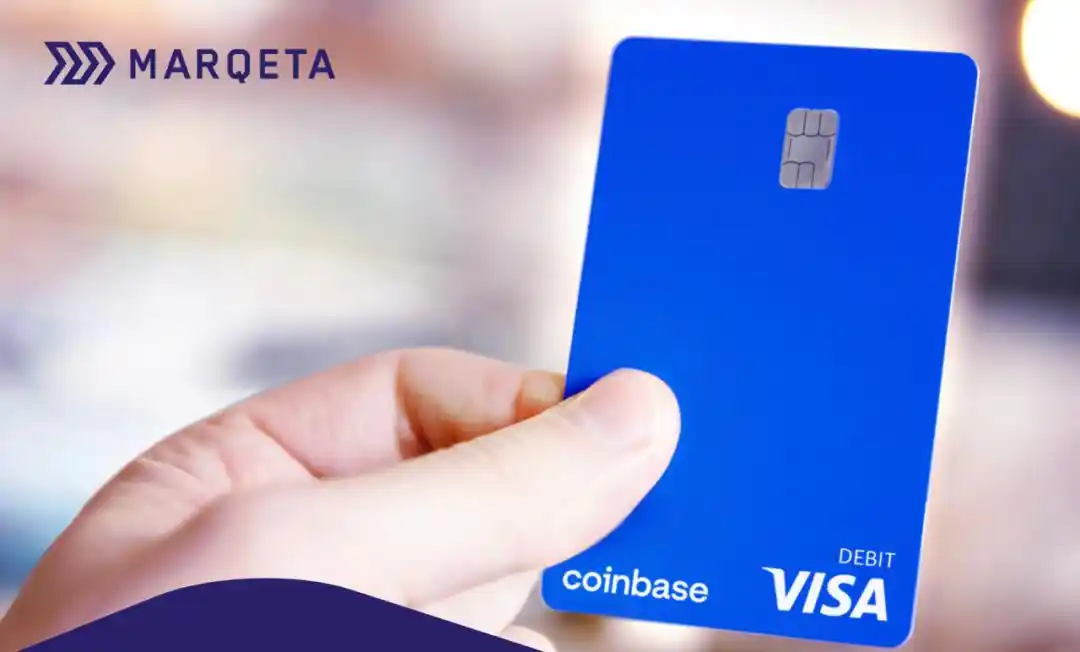
As early as 2015, Coinbase issued a cryptocurrency payment card based on Bitcoin. However, during the bull market wave of the past two years, although there were industry-related organizations exploring card issuance business, their popularity and discussion were far less than today.

Why have encrypted payment cards become particularly popular this year?
The key trigger, perhaps, lies in the surge in demand brought about by withdrawals and ChatGPT.
The former represents the encryption industry's desire for channel security, while the latter activates new payment scenarios.
First of all, withdrawal is always an unavoidable topic.
When C2C withdrawal mode becomes mainstream, using cryptocurrency for money laundering and developing black and gray industries is also going through this channel. You will never know if your next transaction will be frozen due to the above reasons.
As a result, we often see various "perfect withdrawal" strategies circulating online, with deposit and withdrawal service providers promoting "non-freezing cards". All of these indicate an urgent demand in the market for secure withdrawals.
So the encrypted payment card has its own living space: Instead of spending energy researching gold, it is better to use this card to bind commonly used payment methods and directly use cryptocurrency for daily consumption.
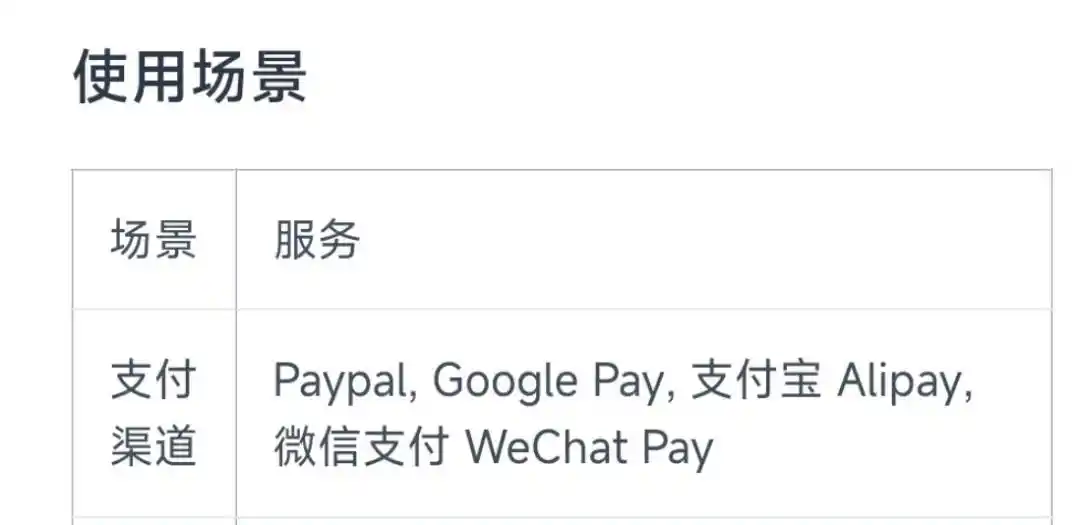
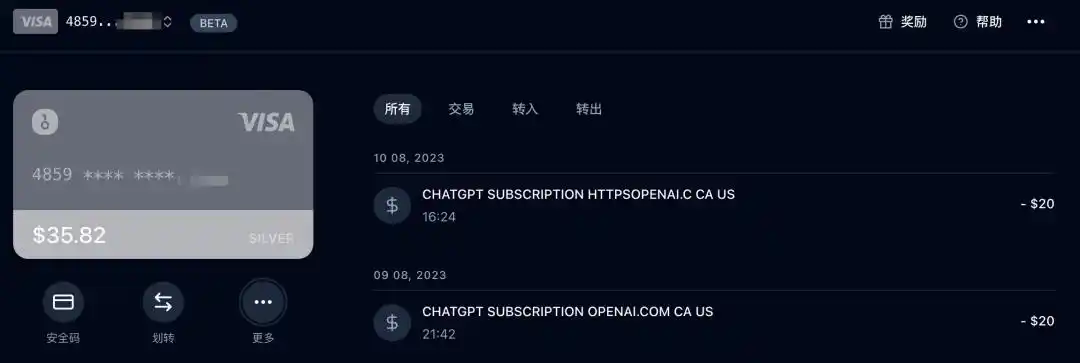
In addition, the emergence of subscription services such as ChatGPT has also played a significant role in driving the demand for encrypted payment cards.
For practitioners in the encryption industry, please translate the following Chinese text to English without considering the context or industry-specific terms and names. Do not omit any English words or phrases, such as ZKS, STARK, SCROLL. If there are English characters in an a tag, do not translate and return it directly. When the content only contains punctuation marks, return them as they are. Do not translate HTML tags in the content, such as
, , ,, etc. If there are English characters in the HTML tags, omit the translation and return them directly. Please preserve the content in the a tags and do not translate them. All Chinese characters should be translated. Here is the text to be translated:
For practitioners in the technology industry, GPT is undoubtedly the focus of attention.
However, to experience the more powerful features of GPT-4 updates, you need to pay a monthly subscription fee for Plus membership, and OpenAI does not accept mainstream credit cards and debit cards in China.
In this case, encrypted payment cards have successfully resolved the embarrassment of geographical restrictions.
Most encrypted payment cards start with 4 or 5 and belong to American card organizations (VISA / Master / Amex, etc.), which perfectly meet OpenAI's requirements for card types and can convert cryptocurrencies into US dollars for recharging.
At the same time, this type of card also mostly supports cross-border shopping on foreign e-commerce platforms (such as Amazon, eBay, Shopee, etc.) and subscriptions to other software (such as Midjourney, Netflix, etc.); and with the end of the pandemic, for users with cross-border consumption scenarios, encrypted payment cards are also a convenient choice.
However, it should be pointed out that many reports are mixing the concepts of "encrypted VISA card", "encrypted credit card" or "encrypted card", so that in the overwhelming social media promotion and publicity, a considerable number of novices do not know what kind of card they are using.
To use card payment, similar to traditional banking with bank cards, there are mainly two forms: credit card and debit card.
The former allows you to overdraw, that is, consume first and repay later; while the latter requires you to deposit first and then consume.
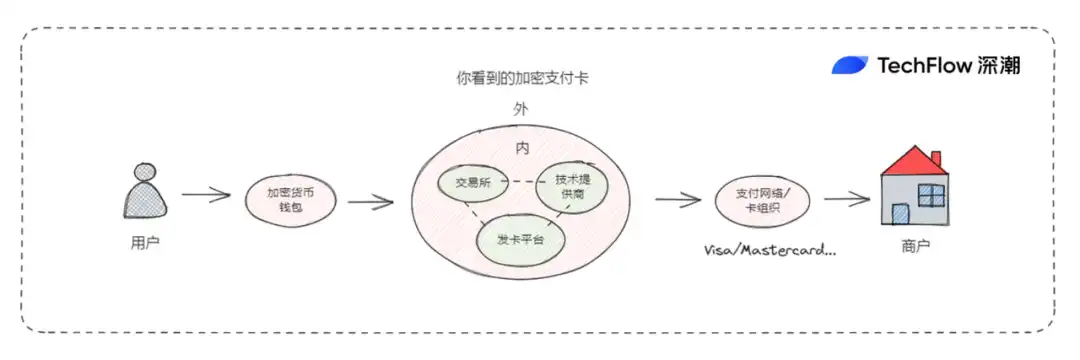
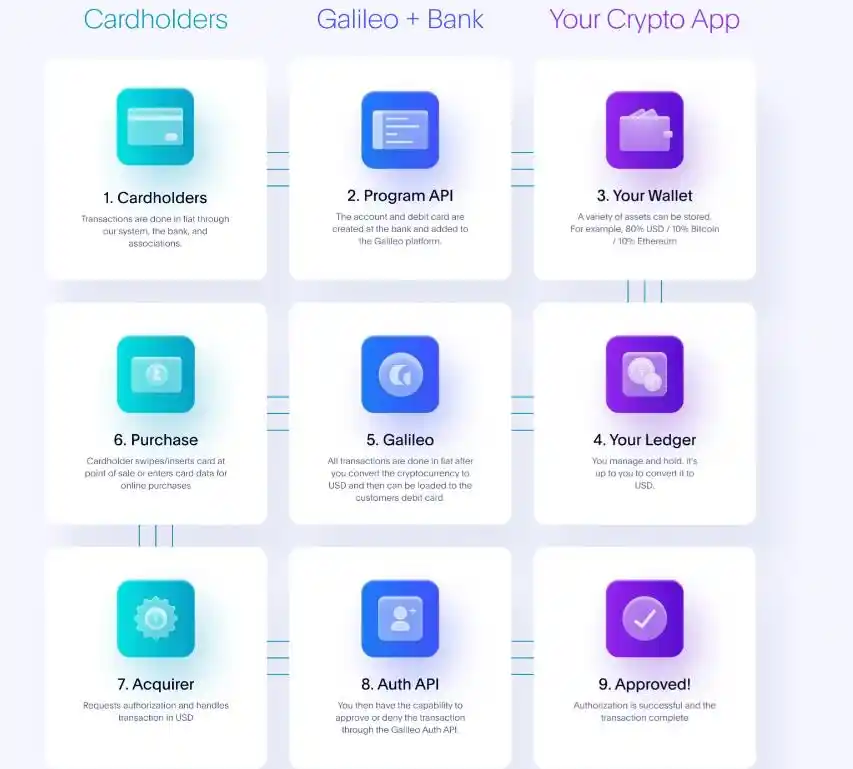
In the current market environment, the most popular type of cryptocurrency payment card is actually the encrypted prepaid debit card: it does not need to be linked to an existing bank account, but requires the cryptocurrency to be converted into fiat currency and loaded onto the card in advance.
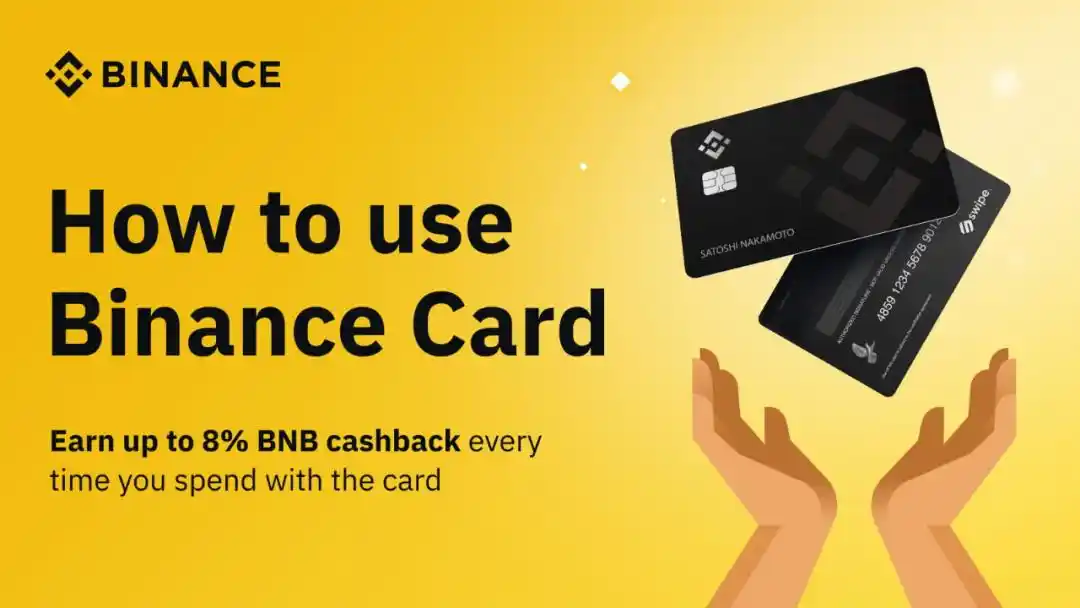
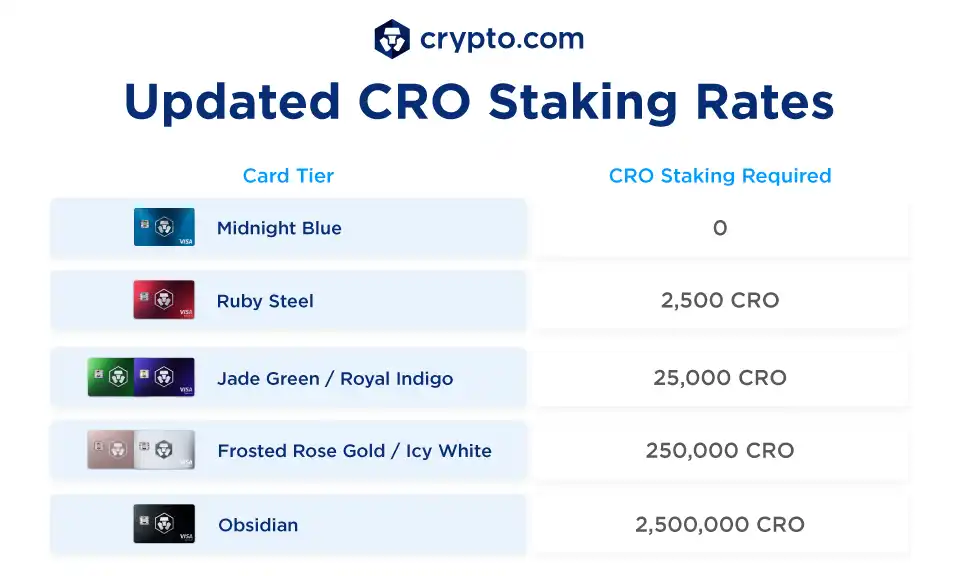
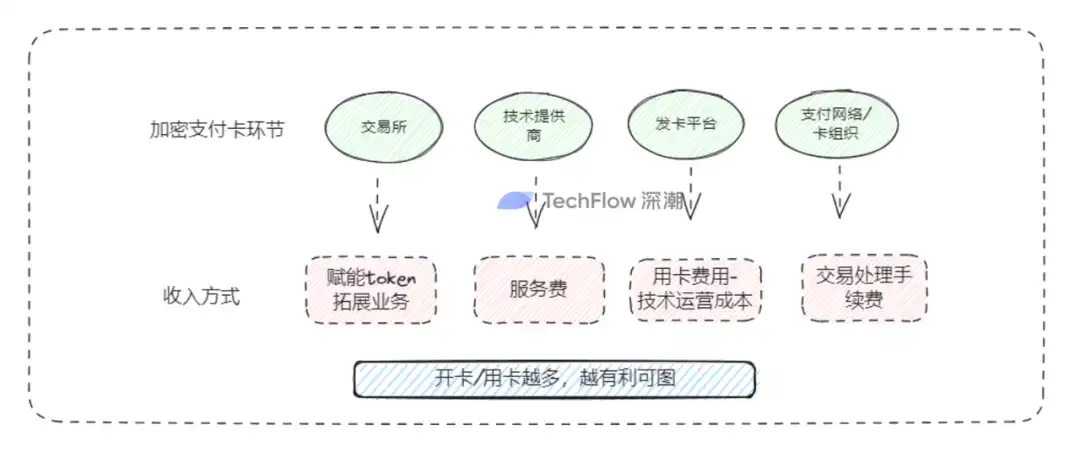
Empowering Own Token: Using encrypted payment cards for consumption can earn token cashback, such as Binance Card's BNB and Crypto.com's CRO, which can greatly help improve the influence and recognition of their own tokens. At the same time, depending on the amount of BNB or CRO pledged, the equity level of the payment card will also change, which may attract users to purchase or pledge their own tokens.
For card organizations: VISA and Mastercard are in the business of accepting as many transactions as possible. Whether it's for encrypted payment cards or traditional bank cards, the more users spend and the more transactions they make, especially for overseas transactions, the more fees they receive from clearing and settlement, resulting in higher revenue.
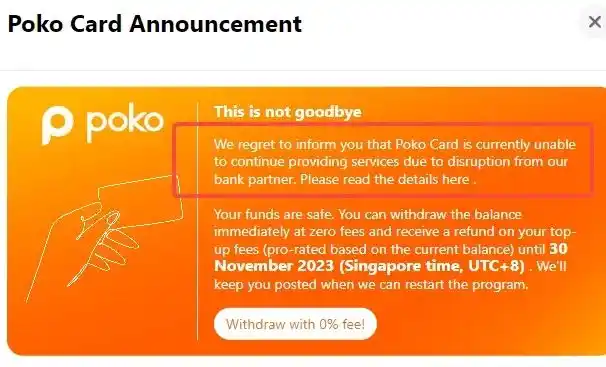
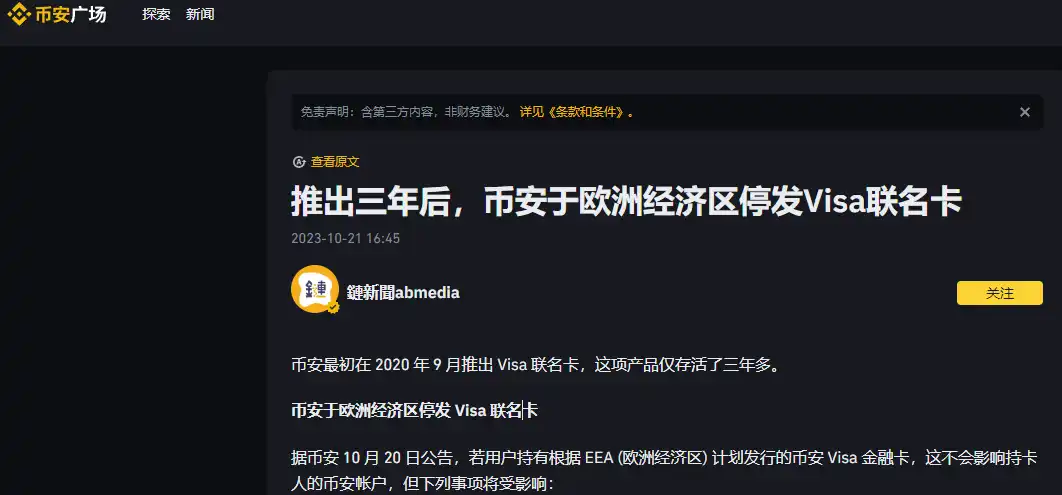
Encryption payment cards may stop providing services due to poor cooperation with banks. If users do not check their emails or use the card regularly, they may miss the withdrawal time and incur losses. At the same time, with the tightening of regulations and the change in card organization attitudes, even industry leaders like Binance may temporarily suspend card issuance due to this reason.
The revolution has not yet succeeded, and comrades still need to work hard.
We look forward to the expansion of the cake, and ultimately, users can also taste the sweetness on the table of encrypted payment cards.
Meanwhile, in the next article, we will conduct in-depth research on the opening conditions, functions, rates, and discounts of mainstream encrypted payment cards in the market, providing more practical and useful references for everyone's card selection and usage. Stay tuned.
Original article link
Welcome to join the official BlockBeats community:
Telegram Subscription Group: https://t.me/theblockbeats
Telegram Discussion Group: https://t.me/BlockBeats_App
Official Twitter Account: https://twitter.com/BlockBeatsAsia