A brief discussion on SUI staking and how to stake for profit.
Source: Sui Network
Pledging is a fundamental component of maintaining the security and efficient operation of the Sui network. This article will introduce you to the incentive policies for pledging and how users can pledge SUI.
Sui allows users to stake tokens to specific validation nodes on the network. The staking mechanism not only earns rewards for users, but also incentivizes validation nodes to provide optimal performance through an economic model.
Validation nodes form the backbone of the network, ensuring the security of decentralized distributed ledgers (i.e. blockchain). They process transactions, store data, and execute consensus to verify all operations on the network.
As a permissionless system, anyone can become a validation node. However, this not only requires robust hardware, but also at least a stake of 30 million SUI to start running. Independent validation nodes can provide most of this stake, but they can also accept stakes from other users.
Incentive Policy
Sui uses the Delegated-Proof-of-Stake (DPoS) mechanism to protect and operate the network. This model allows SUI holders to delegate their SUI tokens to validation nodes, and the tokens cannot be transferred or sold until the delegation is released. The size of the validation node's stake is equal to their voting weight in the network. The more tokens that are delegated, the greater the validation node's influence in the network's operation.
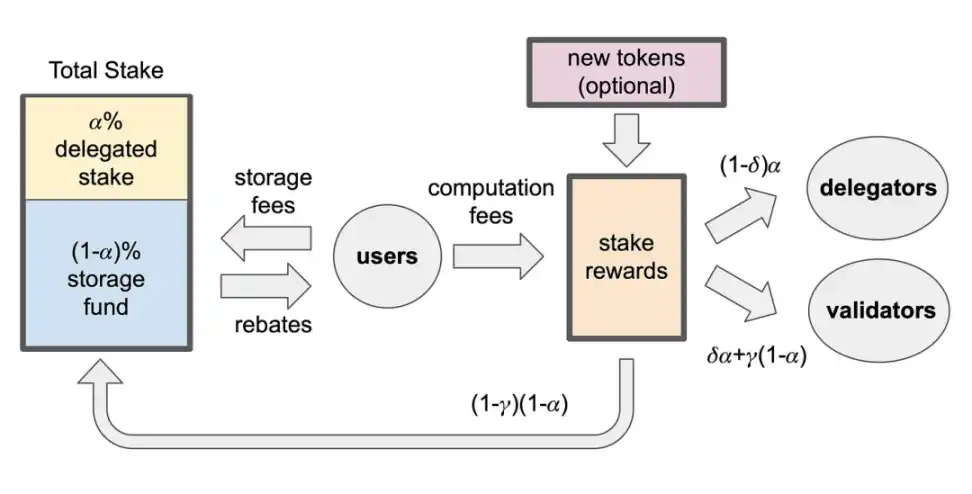
As a reward for processing transactions and executing consensus, verification nodes receive rewards based on the collected gas fees. The most efficient verification nodes are able to process more transactions, drive the overall network to operate more efficiently, and receive greater rewards for their staking.
Underperforming validation nodes may process fewer transactions due to increased downtime or other technical issues, resulting in smaller rewards for themselves and their stakers. Nodes that perform particularly poorly may lose their staking opportunities and ultimately fall below the minimum standards for participating in network operations. This token economic model ensures that only the best validation nodes can participate in supporting the network.
User Staking
Pledging allows users of Sui to actively participate and support the network. When users add their SUI to the pledge of a specific validation node, they help the validation node operate and receive a certain proportion of rewards based on the amount of the pledge. The specific reward calculation formula can be found in the Proof of Stake documentation of Sui.
除了获得奖励,用户还加强了验证节点的激励模型。如果用户将 SUI 质押给表现不佳的验证节点,并获得很少的奖励,他们可以在下一个 epoch(大约 24 小时的网络运行周期)解除质押。验证节点看到用户质押减少会受到激励,以修复他们的性能问题或完全失去验证节点的地位。
Well-performing validation nodes will earn more profits for the users who stake with them, incentivizing users to increase their stakes and attracting other users to join. In addition to earning more SUI, some validation nodes may also attract users to stake in other ways. For example, the Red Bull Racing team will launch its own validation node and encourage fans of its Formula 1 team to support the team through staking. This branded validation node makes it easier for stakers to find opportunities that match their interests.
Ultimately, running a validation node that supports the growth of the Sui network involves resource costs. Sui's token economic model relies on many inputs, based on incentive modeling, to maintain the healthy development of the network and provide an exciting and high-performance experience for all users. Staking and its associated rewards are part of the system, allowing users to directly participate.
Hand-holding tutorial
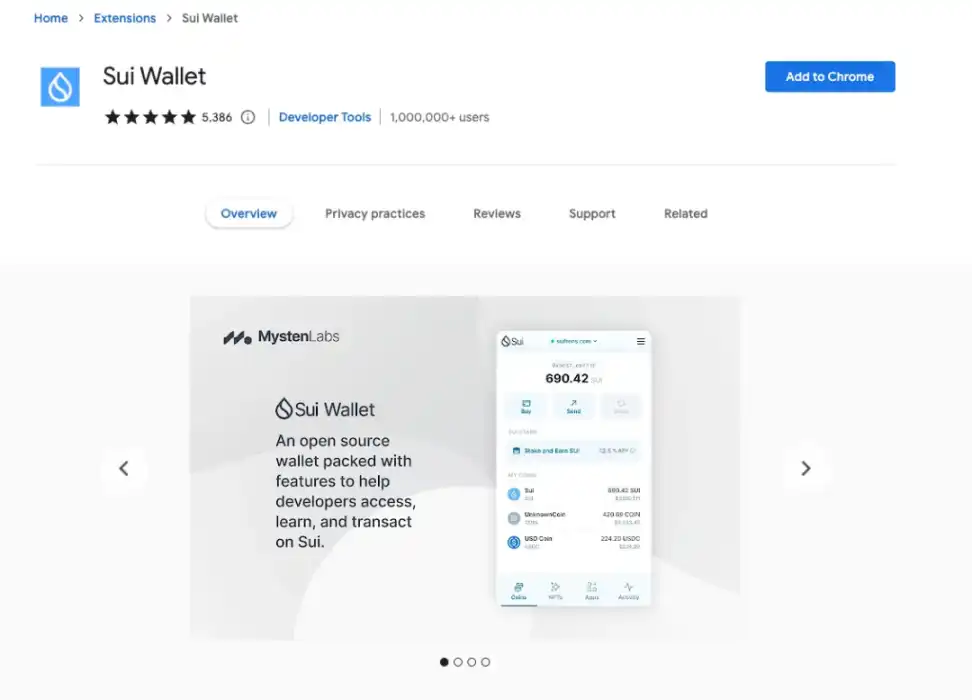
1️⃣ Please go to the Chrome Web Store in your chosen browser (Chrome is recommended) and click "Add to Chrome".
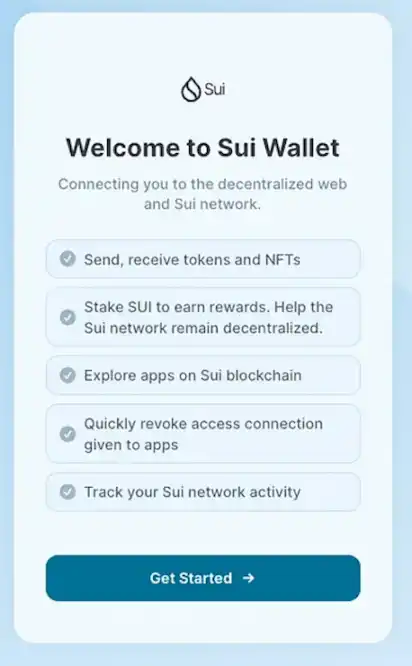
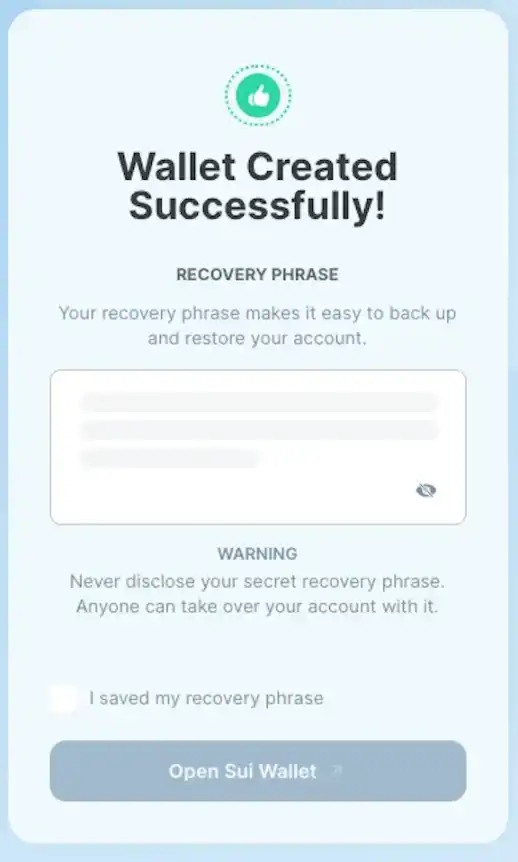
2️⃣ After installation, you will be taken to this page. Click on "Get Started". If you do not have a wallet yet, select "Create a New Wallet".
3️⃣ You will be prompted to create a password for the new wallet (make sure the password is of high security strength), and then you will receive a mnemonic phrase.
The mnemonic key consisting of 12 words is very important and must be stored carefully. If someone gains access to your mnemonic key, they can access your assets. If you lose it, your wallet cannot be recovered.
Recommendation:
- Never share your mnemonic phrase with anyone.
- Store it in multiple places, preferably offline storage
After completion, click "Open Sui Wallet" to access your wallet.
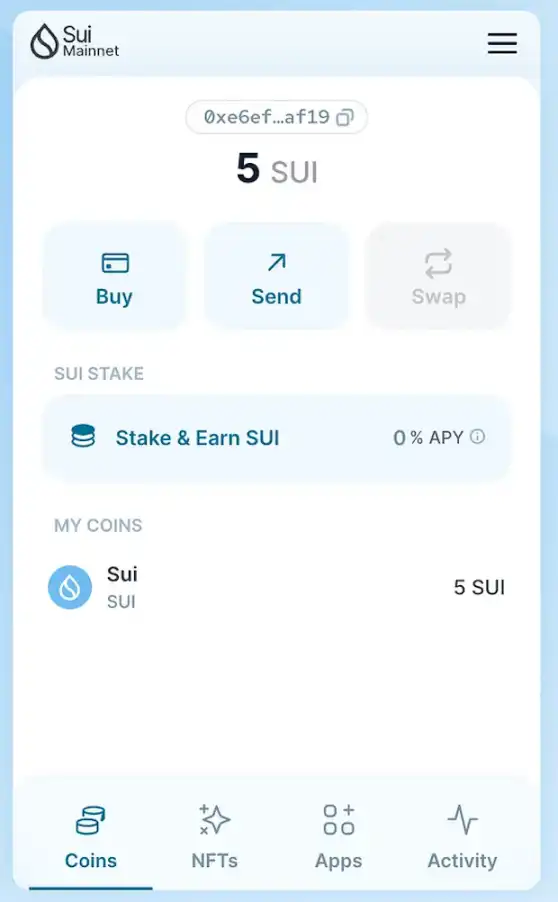
4️⃣ Your new wallet is ready, and the address is a string of characters starting with 0x. You will need this address to deposit funds into your account or receive funds from others. Once you have SUI (the minimum staking amount is 1 SUI, please remember that you also need some for gas fees), you can start staking.
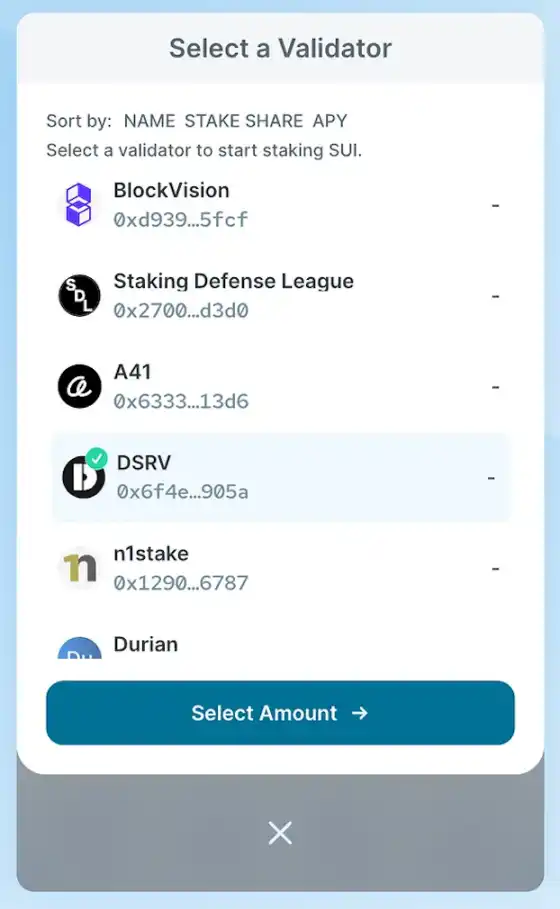
5️⃣ Click "Stake & Earn SUI" and then select the validation node you choose. Scroll down to select the appropriate validation node. As of July 27th, there are a total of 105 validation nodes worldwide.
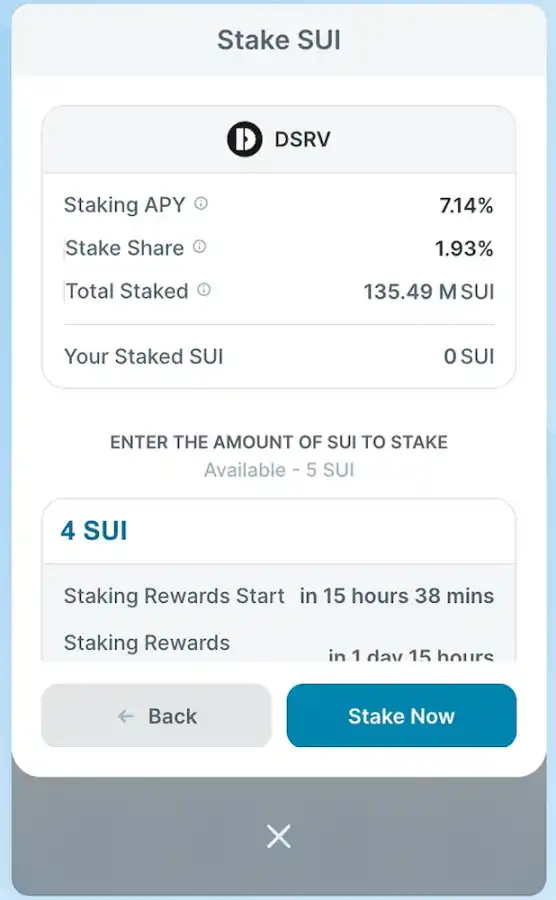
6️⃣ Enter the amount of SUI you wish to stake (minimum of 1), and click "Stake Now". You can also view the APY annual yield and when you can start receiving staking rewards.
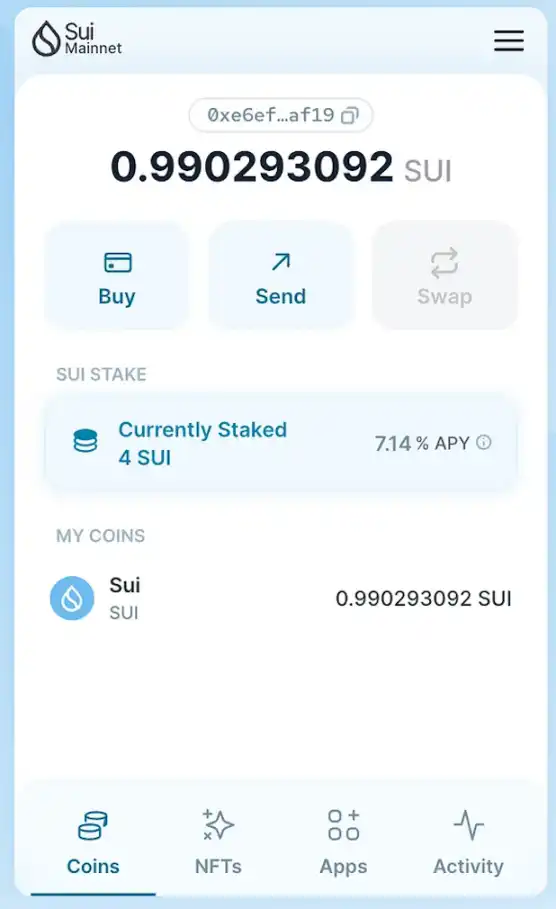
7️⃣ It's that simple! Congratulations on successfully staking your SUI! If you click on "Currently Staked", you can view detailed information about your staked and earned SUI.
Source Link
Welcome to join the official BlockBeats community:
Telegram Subscription Group: https://t.me/theblockbeats
Telegram Discussion Group: https://t.me/BlockBeats_App
Official Twitter Account: https://twitter.com/BlockBeatsAsia

 Related Articles