Web3 3A game sales, leveraged research and development model will reduce high costs?
原文标题:《 IOSG Weekly Brief|WEB3 3A 卖楼花,杠杆化的研发模式会是高成本游戏的曙光么?#142 》
By Simon, IOSG Ventures
3A is somewhat similar to real estate in that it takes time and money to build and involves many stakeholders. How both interests can be incentivised, how both sides can be incentivised, how to improve the turnover of funds, and how Web3 may have its own solution to this field that many practitioners have dreamed of.
From a business model point of view, it makes sense to exist, and maybe Crypto Gaming Space, where the real and fake 3A teams that feel like they're painting the pie and selling NFTS early aren't so bad after all.
TLDR:
WEB3 for 3A can:
Get your money back early, narrow your exposure, and let your players share the risk
Make early players share-holders and set up a player stock holding plan
Content assets, improve the fault tolerance rate of a single product
The high risk of triple-A games restricts innovation
A little prob Nothing happened in the gaming community the other day, involving $10:
Ubisoft has raised its price! The regular price of its triple-A games will go up from $60 to $70 (the CEO notes, just like the rest of the competition). Prior to Ubisoft, a number of major companies have announced price increases for their triple-A products. After more than a decade of pricing in the game industry, many companies are willing to bend the curve (including but not limited to: Put more loot Boxs in your game, pack paid DLC in buyouts, issue Live-Ops updates for half-finished games... The moral integrity of ETC has finally broken down in the face of rising R&D costs and inflation.
A well-crafted 3A is an absolute bargain, with 30+ hours of interactive immersive entertainment for the price of 3 movies in North America. The pricing that has persisted for many years is actually the result of multi-sided game between manufacturers, channels and players. Behind this small price increase of 10 yuan is the high 3A cost and the unsustainability of the old paradigm.
In essence, the game itself as the ninth art, as the spirit of consumer goods, as the ultimate form of entertainment, is currently in the field of recreational consumption the most solid content quality - user requirements spiral - content of high quality games developed high quality demand of the content of the user, demanding users, in turn, promote the game continuously improving the quality of content.

RDR2 is the culmination of this trend, with different types of horse having different muscle patterns
This may seem like a benign spiral, a driving force for quality, but if you look at the history of games, and the evolution of big content, it's self-reinforcing, and it can lead the industry to the point of no return.
Specifically, the content quality of a game is fun & AMP; Quality sense, two different latitude of the evaluation criteria. The former is more like artistic creation, relying on the creative innovation of genius, while the latter, in a sense, can be thrown out by money. Since the revenue from fun and gameplay innovation is volatile, it's time to spend money on graphics, details, and content. With the huge costs, regardless of the cost of r&d, make each one beautiful fantacy worlds - although many fundamentalist game design, think LaoRen etc. To return to the nature of the game is the true god, but the player is actually buying this cost model, experience regardless of the cost and extremely use up costly and this is a kind of spirit to enjoy.
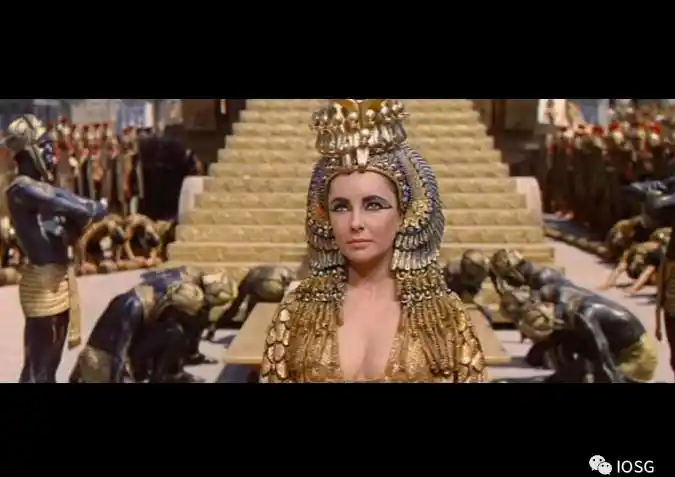
The current 3A game industry is infinitely close to Hollywood after the Second World War. It is an era of growth and innovation after the explosion of the big boom, and the industry has gradually evolved into games with extreme budgets and internal volumes. With a budget of $44 million that year ($500 million in 2022 dollars), "Cleopatra" nearly bankrupted 21st Century Fox.
Red Dead Redemption 2 is the highest-selling video game of 2018, with more than 40 million copies sold worldwide to date.
But RDR2 is not a great business
To quote Gamelook's estimate (redacted) :
In August 2018, Take-Two CEO Strauss Zelnick said in a press interview, "We've spent three times more resources than we did on GTA V to deal with research and development and unexpected things." GTA V's R&D and marketing costs were $265 million, or $795 million even by a simple multiplication of three, while Red Dead Redemption 2's R&D and marketing costs were actually estimated to be more than $900 million, for $644 million in R&D plus $300 million in total marketing costs. So the total cost of the project could reach $944 million.
http://www.gamelook.com.cn/2018/10/342327
On the other hand, Gamelook's revenue line is "23 million copies" based on a share of revenue from retailers and platforms. Considering that the total number of Red Dead Redemption 2 units sold on all platforms to date is 35 million units, and considering the low price section of Steam and sales of older games, Red Dead Redemption 2 won't yield more than 50%.
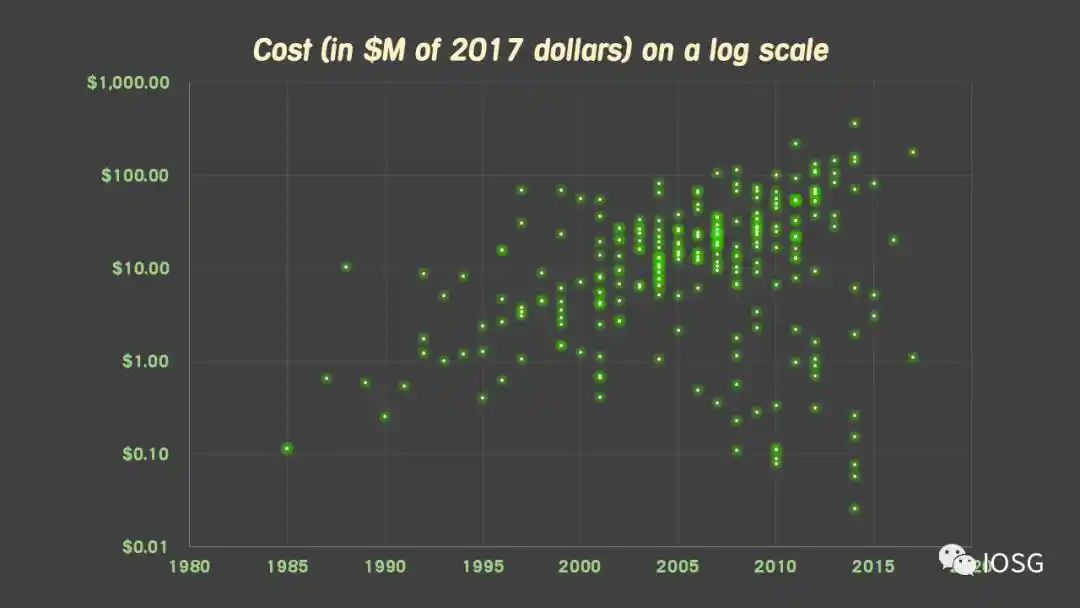
Raph Koster, the sage of game design, wrote about The Cost of Games, using the Dataset from 1980 to 2017, and found that game development costs were increasing by X10 every five years.
Considering the size of the game, the actual cost per byte is decreasing, and the efficiency of game development and distribution is undoubtedly improving. It's just that triple-A games are getting bigger and bigger, and they're all Goliath
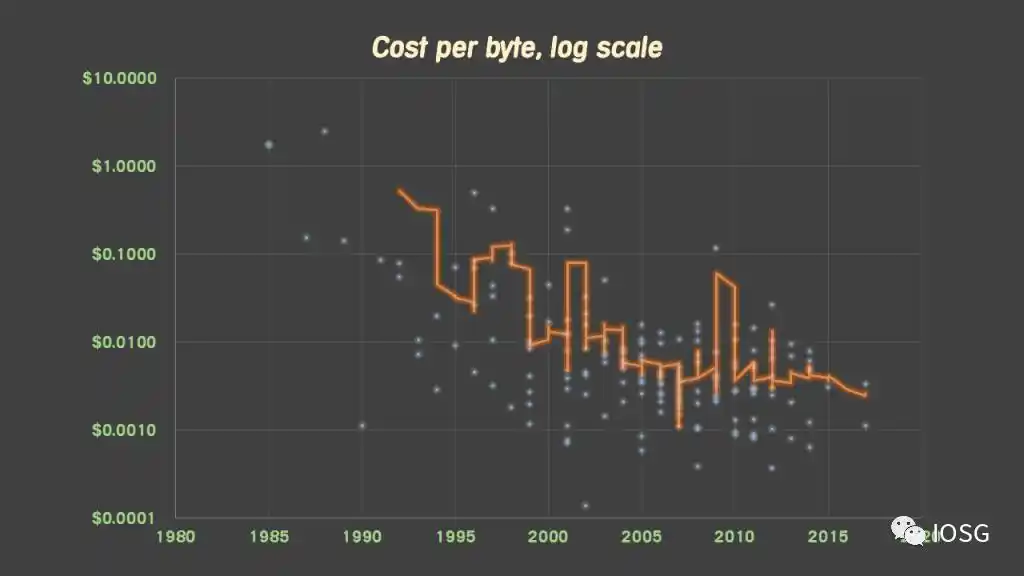
The high, non-recoverable costs make the development of AAA games a huge gamble of time and money. Of course, there are risk-averse people who try to find a successful Secert formula, trying to reduce their exposure to individual products with sequels, stereotypical game experiences, etc. -- but that certainly slows down innovation.
Ok, we know 3A is expensive, so what's the solution for Web3? I think there are three directions that the industry has not yet thought of:
Get your money back early, narrow your exposure, and let your players share the risk
The development of games is a complex, long-term computer project, but in many cases it also resembles the evolution of species by exhaustive, natural selection
In the process of R&D, the cycle of prototyping←→kill the idea often leads to the unpredictable and uncontrollable early cost.
The input design costs in the early stages of R&D are often sunk costs that cannot be recovered.
Over the development lifecycle, the cost curve looks something like this:
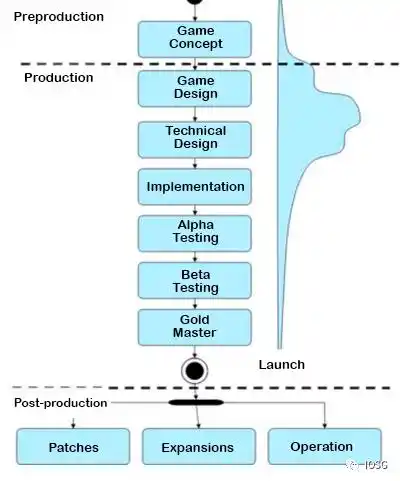
The author has a successful PC game with a cost of 40 million yuan. The cost before Open beta exceeded 60% of the total cost.
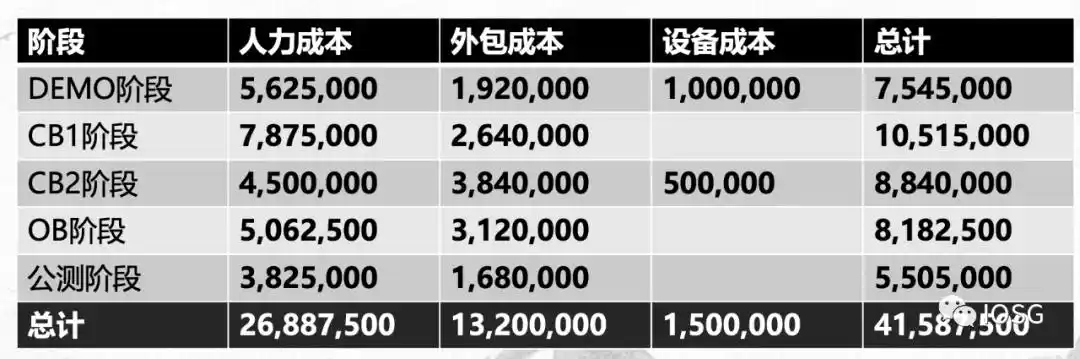
Web3 games can sell game content in advance (including but not limited to NFT presale, token sales, advance development of small games, etc.) to make the development team recover part of the funds as soon as possible, and realize the existing development progress in time even when the main gameplay has not yet been formed and needs iteration.
Timely capital return means longer run-way, more time and opportunities for mistakes, higher development freedom and less reliance on VC funding. With no need to worry about survival, truly talented development teams can focus on delivering products at ease. Maybe 3A will one day be more than just a private club for a few rich, wayward studios.
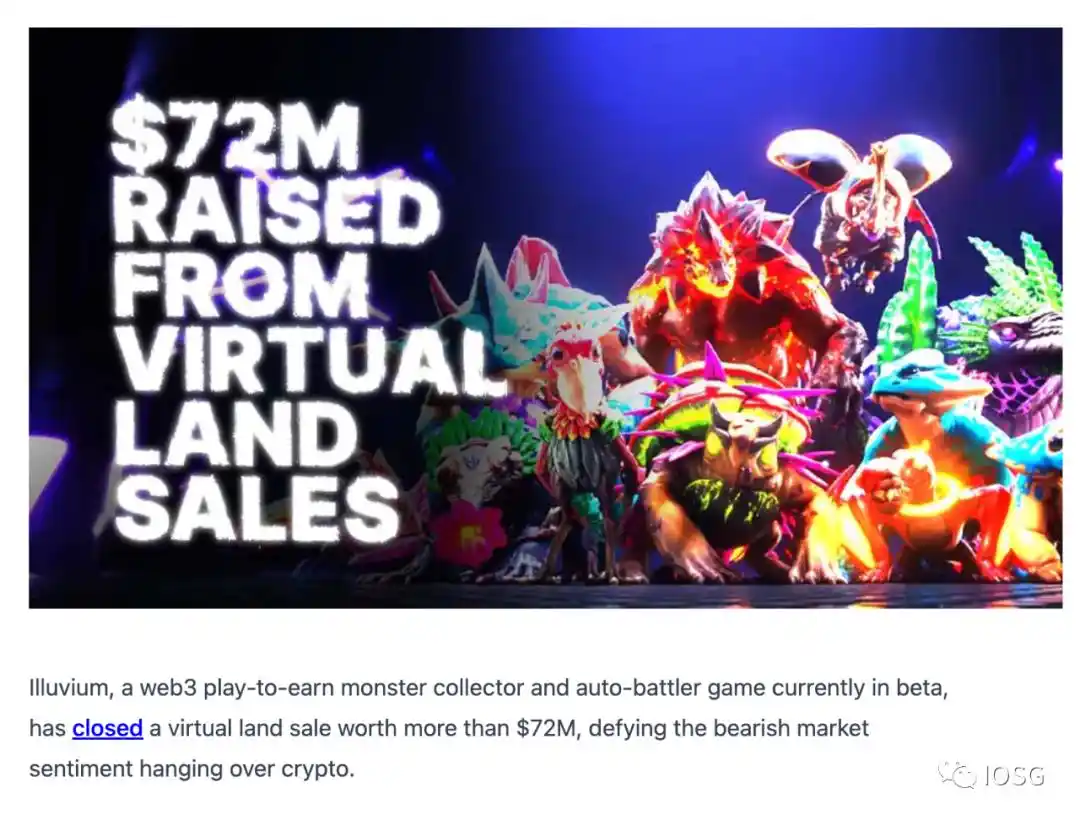
While there is a lot of criticism in the industry about games that sell land and PFP without a game being formed, I personally think this model could be a life-changing paradigm innovation for AAA games (surely any model can be abused?).
Typically, a typical 3A Budget breakdown would look like this:
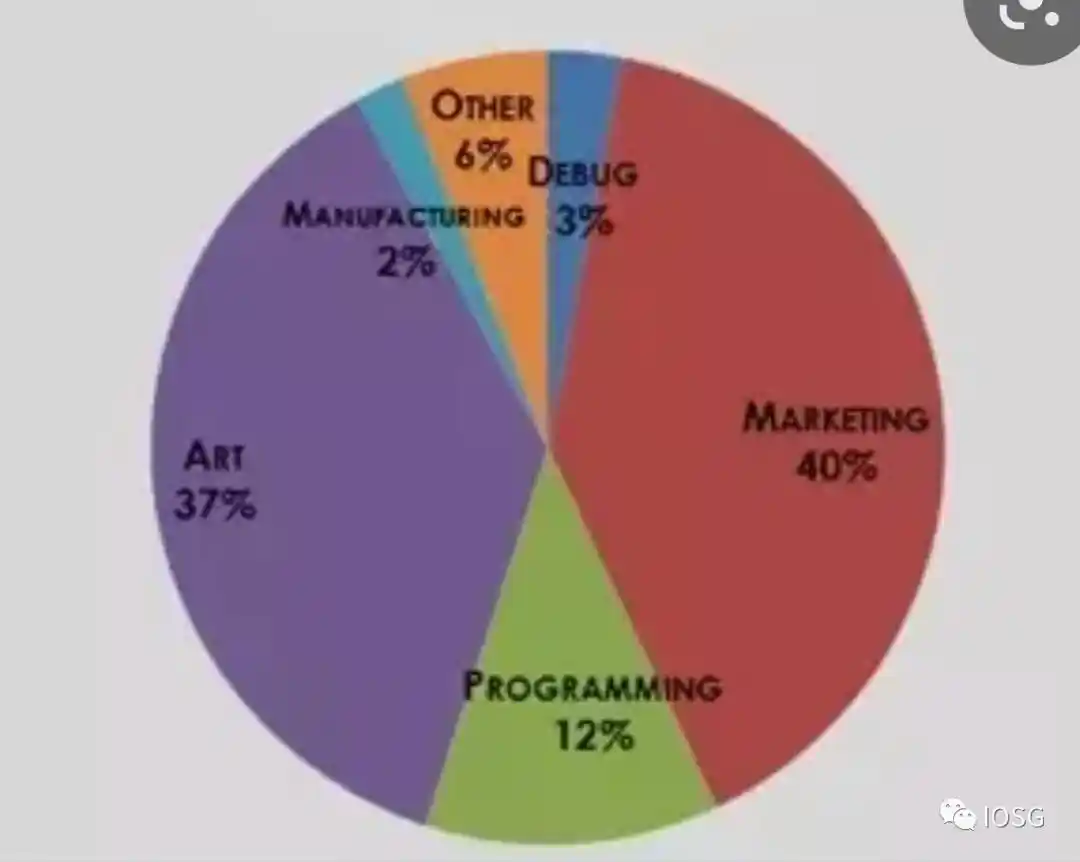
There are a lot of money is hit on the production and marketing of fine arts, art resources, in particular, may game development very early time, there has been a lot of "stock", these are a lot of money to the art work of real gold and silver valuable items, but in traditional 3 a, before the release of that day of, these resources will become the backlog of inventory of works of art. If the inventory is stuck, for years at a time, is there a big problem with the turnover efficiency of the game factory?
Existing art resources can be separated from the game product and sold to players in advance through NFTS. This is equivalent to breaking the game into pieces and selling it in pieces. Of course, selling demos and pre-selling game content has been around for a long time, but NFTS allow games to be partitioned at a much finer level.
Without relying on the game itself, it builds the ownership relationship between the player and some art resources. In the future, will there be a way to play: during the development stage of the game, the player will buy a finished house, and the development team will allocate part of the 3D modeling time to the player, and a special modeler (or AI) will help him finish the house decoration according to his idea? Is the line between developer and player starting to blur a little? The developer recouped the cost of building the house early, allowing the player to furnish his home early (and perhaps sell it later if he finds he is no longer interested in the game).
Of course, by now, most game NFTS lose value without the game itself, essentially shifting some of the risk of failure (pivot, cancelled project, obstructed birth ETC) to the player. In fact, players are willing to share some of the risk for high-quality AAA products that are really sold at a conscience price. In traditional Triple-A, players are split by accepting studio ticket hops over the years, tolerating delayed launch dates, continuing to pay attention to the project, supporting the game as a fan, and paying peripheral fees.
I feel that FTTS, as a vehicle to prove their ownership, to have some degree of liquidity in third-party markets, and even to develop more interoperability in the future, are much more than they are around some web2 platforms. The two can leverage the pre-sale income is not a magnitude.
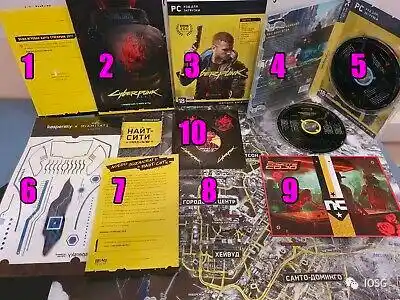
Because of this component presale model, maybe the 3A industry will be a little less Meng Jiangnv crying Great Wall, wait for 5, 6 years to a Bugy works of players?
Make early players share-holders and set up a player stock holding plan
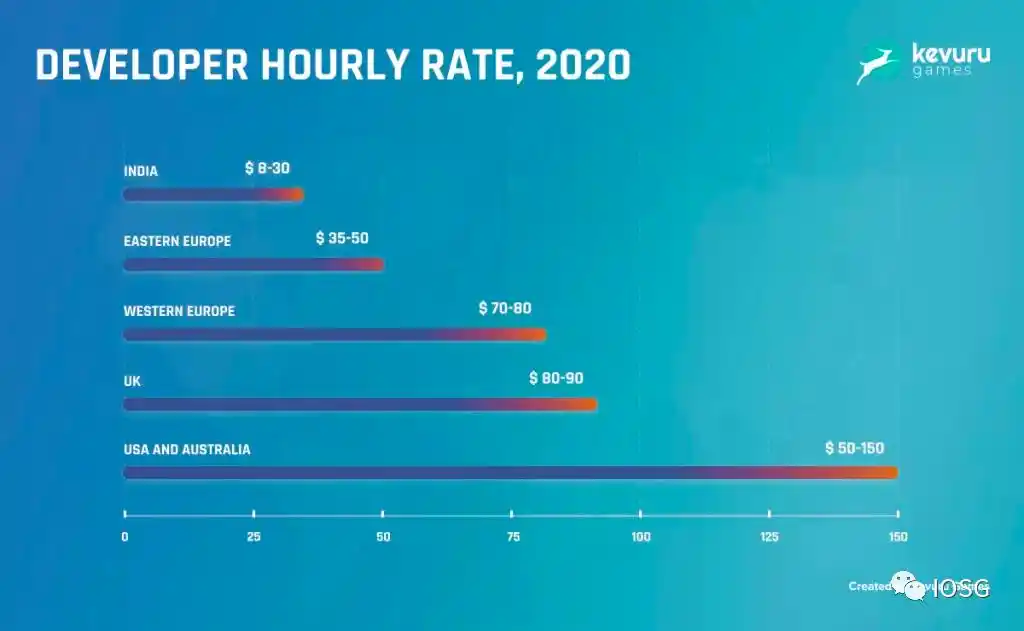
The main cost of game development is the human cost, and Game Dev's pay is probably higher than developer's.
Triple-a studios in the U.S. and Europe have seen their labor costs soar
The minimum development cost of a game is calculated as follows:
Cost = average cost of members * Development time * Team size
The development time and average cost of members are limited by the market and the current state of the art, and teams with limited early funding are more likely to work on team size. However, there is a strong correlation between the team size and the quality of games that can be delivered in the end, and the choice of team size can not avoid the decline of quality and competitiveness in some cases. So how do you mobilize more people with a limited team size?
Let's start with the inappropriate analogy of Game A as A company,
At the same time, the early core players are more like the employees of A, who exchange the early attention and WOM dissemination for the experience after the game is launched. For startup A, the early core players can't participate in the upside, and even if the company becomes bigger and stronger, there doesn't seem to be any extra benefit beyond saying, "Oh, I was there when the company started" -- I'm an older player.
For startups, the design of shares and the incentive mechanism for employees are of great significance. If game players can get to participate in the upside, will the studio behind the game have more people to mobilize?
In fact, there are three main roles on a game development team: planner, artist, and programmer. Some of these jobs are relatively labor intensive, such as testing, copywriting planning and translation. A core group of players is perfectly capable. Alternatively, some employees of Studio can get paid by Governance token or NFT.
If A is A Cryto game, what should A's Governence Token correspond to? The equity of the game (note: not the equity of the studio that developed the game) is the ownership of A's game by some players. NFTS should be the core asset of the game.
If core players who help with testing, copy translation, even modeling and community building in the early stage can own the core assets of the game and enjoy the upside of asset appreciation after the success of the game, this incentive alignment between core players and development teams will greatly improve the human efficiency of 3A game development.
Content assets, improve the fault tolerance rate of a single product
What makes traditional gaming a mega-hit Dominated business is that its fault-tolerance rate is so low, there are millions of ways to die ina single game and every reason not to play one.
In part, this is because as consumer content, the player is in a throwaway, throwaway relationship with the game. The player has invested time and money in the game, but these are pure purchases and not investments. When you run out of food, or the food is not good, the player will naturally walk out from the dining room. This sort of cull of the fittest based on content quality is too much for many AAA's to bear. There are a number of factors other than research and development costs that can derail a big-budget game. For example, there were team conflicts. When HALO had a difficult birth, it was rebuilt because of office politics. The game that was first-class in both gameplay and quality failed because of people.
Web3 games are more like consumer goods built on assets. It's Texas in Texas Hold 'Em (assets are poker) and 3V3 in basketball (assets are basketball and AJ).
The existence and value of game assets are no longer strongly dependent on gameplay and worldview. Yuga Lab, for example, actually built poker before moving on to Otherside.
The explicit aspect of ownership essentially changes the relationship between the player and the game, and players have a natural stronger attachment to the product they own
On the other hand, it's essentially isolating the risk, the gameplay, the genre, the art, the economy, the IP, so long as they don't all fail, then the game can survive in other ways.
Texas isn't fun anymore. We're fighting landowners! AXIE economy collapsed, PONZI model was criticized, let's make a SLG, anyway, your AXIE and SLP can still be used here!
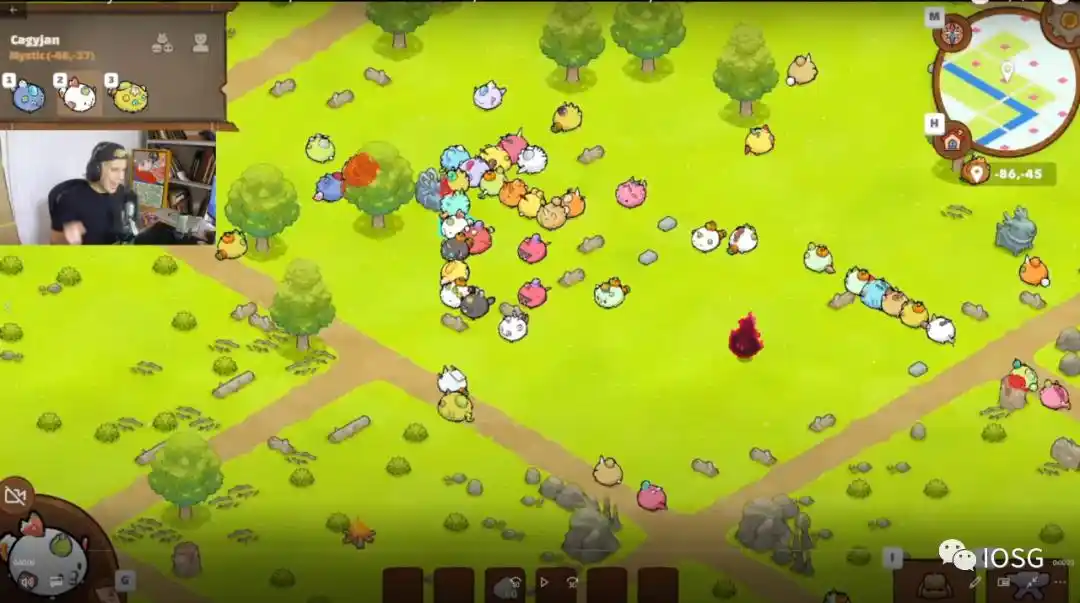
It is conceivable that there will be a more complete separation of assets and gameplay in the future, such as MAGICAVE, where the team started with the most Soild of entertainment assets -- toys -- and built some fun dice, and then players and teams developed various ways to play them.
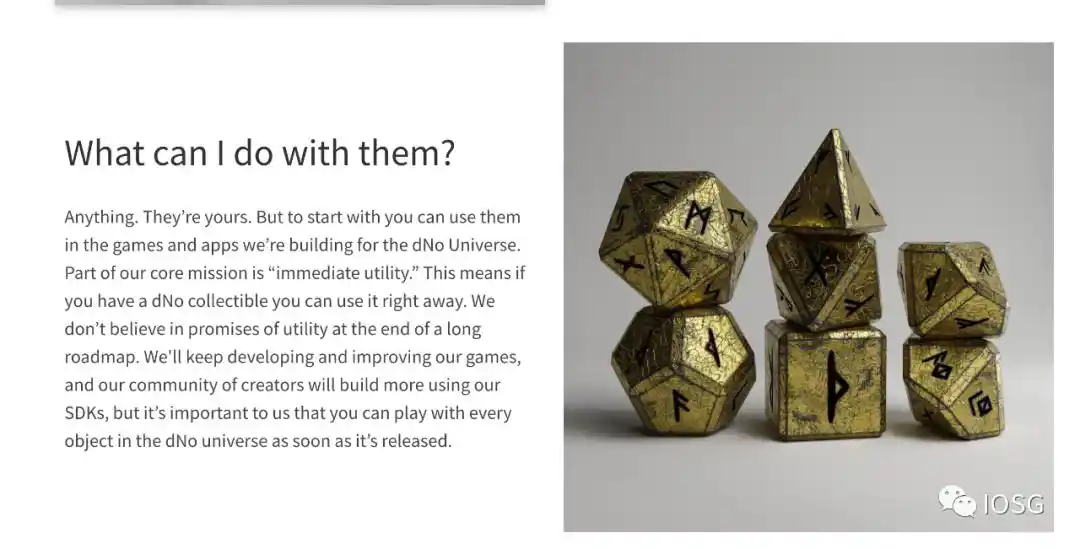
Or... Can the gameplay also be capitalized?
Conclusion:
After 1949, many mainlanders began to pour into Hong Kong, and its population soared from 500,000 to 1.5 million during the 1950s. The soaring population has left Hong Kong with a serious shortage of housing.
The stairways, rooftops and basements of many buildings in Hong Kong were full of people. Mr Fok is among a group of entrepreneurs who see an opportunity in real estate. However, the real estate system at that time was very inflexible. Houses had to be sold whole, which was not allowed by many people's financial resources. As a real estate agent, capital turnover was also very inefficient.
So Fok invented the concept of building flowers. He started selling houses as soon as he got the land. Buyers bought houses based on drawings. The real estate industry pointed out that he was a liar who painted flatbread and sold air.
But thanks to the building, Mr. Fok was able to get a lot of money from buyers in advance, which he could use to pay for construction costs, saving him the cost of borrowing from banks. The savings in capital costs are passed on to the buyers, so the buyers who buy the apartments can be much cheaper than those who buy the existing houses. Buyers are more likely to buy pre-sold homes because they are profitable. Hong Kong property has since taken off.
When an old paradigm fails, new paradigms may emerge in less dramatic ways. But there is nothing politically correct or taken for granted in a young industry.
Embrace the natural phenomena and solutions, then by Trail & AMP; Error, wild growth.
Part.2 Investment and Financing Events
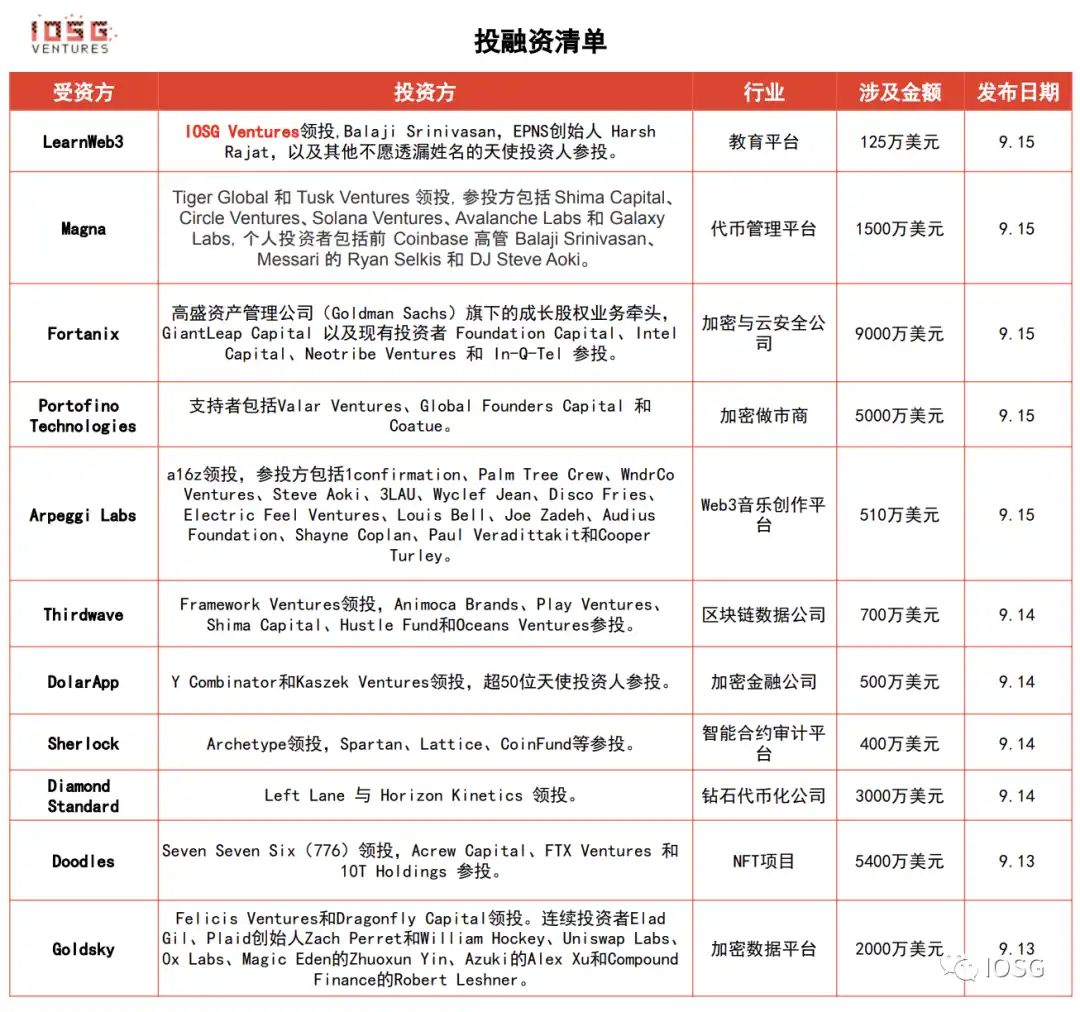
LearnWeb3 closed a $1.25 million seed round led by IOSG Ventures
*Web3 education platform
Education platform LearnWeb3 has raised $1.25 million in a seed round led by IOSG Ventures with participation from Balaji Srinivasan, EPNS founder Harsh Rajat, and other unnamed angel investors. LearnWeb3 is a high-quality, broad-reaching, completely free educational platform designed to create learning opportunities that will allow more ordinary people to enter and become great Web3 developers, including but not limited to women, people of color, and other underrepresented groups of Web3 developers in the tech space.
So far, LearnWeb3 has 50 thousand developers on board, with about 300 graduating each month. Platform students participate in different hackathons and win competitions. Graduates have also been hired by many of the top Web3 companies, including Polygon, Coinbase, and Alchemy. Next, LearnWeb3 will open up its contributor reward strategy, and those with a gold medal contributor position or higher will be eligible to apply for a teaching assistant internship.
Magna closed a $15 million seed round at a $70 million valuation, led by Tiger Global and Tusk Ventures
* information
Magna, a Token management platform, has closed a $15 million seed round at a $70 million valuation, led by venture capital firms Tiger Global and Tusk Ventures, Other participants in the round include Shima Capital, Circle Ventures, Solana Ventures, Avalanche Labs and Galaxy Labs, Individual investors include former Coinbase executive Balaji Srinivasan, Messari's Ryan Selkis and DJ Steve Aoki.
该公司由 Y-Combinator 前高管 Bruno Faviero 共同创立,旨在构建 Token 分发软件,使协议、去中心化自治组织 (DAO) 和加密基金更容易发送和接收 Token ,并根据任何时间表进行合规、会计和税务报告。
Fortanix closed a $90 million Series C round led by a unit of Goldman Sachs
* security
Fortanix, the data-first multi-cloud security company and confidential computing pioneer, announced a $90 million Series C funding round led by Goldman Sachs 'growth equity business, GiantLeap Capital and existing investors Foundation Capital, Intel Capital, Neotribe Ventures, and In-Q-Tel participated. Goldman Sachs Vice President Soumya Rajamani will join Fortanix's board. This round brings the total amount raised by the company to more than $122 million.
The data-first security approach advocated by Fortanix addresses data security head-on by separating security from infrastructure. It further allows organizations to credibly comply with global privacy laws and regulatory requirements, including GDPR, Schrems II, HIPAA, PCI, and ITAR, among others.
Portofino Technologies completes $50 million funding round
* DeFi
Former Citadel Securities executives Leonard Lancia and Alex Casimo raised $50 million when they launched crypto market maker Portofino Technologies. Backers include Valar Ventures, Global Founders Capital and Coatue. The valuation was not disclosed.
据悉,初创公司 Portofino Technologies 成立于去年 4 月,正在为数字资产开发高频交易技术,并声称已经在集中式和分散式加密货币交易平台以及场外交易中交易了数十亿美元。它在全球五个地点聘请了一支由超过 35 名高频交易专家组成的团队。除了充当做市商之外,该公司还旨在支持 web3 项目,以帮助他们推出 Token 并获得流动性。其客户包括需要在数字资产市场获得流动性的机构和 web3 项目。
Arpeggi Labs completed a $5.1 million seed round, led by A16Z
* Web3
Web3 music creation platform Arpeggi Labs completed $5.1 million seed round financing, led by A16Z. The investors include 1Confirmation, Palm Tree Crew, WndrCo Ventures, Steve Aoki, 3LAU, Wyclef Jean, Disco Fries, Electric Feel Ventures, Louis Bell, Joe Zadeh, Audius Foundation, Shayne Coplan, Paul Veradittakit, and Cooper Turley.
Arpeggi will provide users with a Web3 music creation platform for creating, publishing and mixing audio. Future updates include the launch of a free browser, DAW, integration with other Web2 and Web3 music platforms, and the introduction of native social features
Thirdwave closed a $7 million seed round led by Framework Ventures
* data
Blockchain data company Thirdwave has completed a $7 million seed round led by Framework Ventures, Animoca Brands, Play Ventures, Shima Capital, Hustle Fund and Oceans Ventures participated. Thirdwave will use the latest investment to further develop its discovery engine, particularly its extensions and data capabilities.
Thirdwave provides blockchain data services for Web3 companies, cryptographic projects and protocols, and DAOs, including on-chain activity, customer data, social channel information, website content analysis, etc. Thirdwave aims to provide game developers and Web3 builders with a deeper understanding of the market.
DolarApp raised $5 million, led by Y Combinator and others
* DeFi
Crypto finance startup DolarApp has announced a $5 million funding round led by Y Combinator and Kaszek Ventures and backed by over 50 angel investors. DolarApp is designed to help users in Latin America streamline their access to the crypto financial system and manage their personal assets using the stabecoin. DolarApp allows users to quickly exchange peso assets for USDC. Next, the company will focus on the Mexican market use case and will launch virtual payments.
Sherlock completes $4 million seed round funding, led by Archetype
* Smart contract audit
Sherlock, a smart contract audit platform, has completed a $4 million seed round of funding, led by Archetype and joined by Spartan, Lattice, CoinFund and others. The new funding will be used to build the team and fund external audits on the Sherlock platform. Sherlock has an open auditor competition to help find smart contract vulnerabilities.
Sherlock 最近为希望将资产投入审计协议的投资者推出了一项激励计划。质押者可以获得 USDC 稳定币 10% 的年收益率(APY),以及尚未开始交易的原生 SHER Token 的 5% APY。
Diamond Standard closes $30 million Series A funding round led by Left Lane and Horizon Kinetics
* Blockchain applications
钻石 Token 化公司 Diamond Standard 完成 3000 万美元 A 轮融资,Left Lane 与 Horizon Kinetics 领投。本轮融资将用于扩大生产能力并加速其 Token 化产品的分销。其正在对钻石进行 Token 化以创建一种新的可投资资产类别。Diamond Standard 此前已在百慕大获得数字资产发行、出售和赎回的资质,可以为散户和机构投资者提供以钻石为底层资产的,基于以太坊发行的 Token 。
Doodles raised $54m at a valuation of $704m
* NFT
NFT project Doodles raised $54 million in equity funding at a $704 million valuation, led by Reddit co-founder Alexis Ohanian's venture capital Seven Seven Six (776). Acrew Capital, FTX Ventures and 10T Holdings participated. It said it was using the money to rapidly acquire a world-class team of engineers, creatives, marketers and business executives. As well as funding product development, acquisitions, know-how, media and collector experience.
This follows news in June that Doodles, an NFT project, had completed a Series A funding round led by Seven Seven Six for an undisclosed amount at the time.
Goldsky completed a $20 million seed round, led by Dragonfly Capital and others
* data
Crypto data infrastructure platform Goldsky has closed a $20 million seed round led by Felicis Ventures and Dragonfly Capital. Serial investor Elad Gil, Plaid founders Zach Perret and William Hockey, Uniswap Labs, 0X Labs, Magic Eden's Zhuoxun Yin, Azuki's Alex Xu and Robert Leshner at Compound Finance. This round of funding will be used to rapidly expand its team.
Founded last year by Kevin Li and Jeff Ling, former engineers from Heap, the unicorn data company, Goldsky automates the creation of end-to-end data pipelines, allowing users to focus on real-time data across multiple chains and reshape it through data streaming platforms. And provide the final results directly to the website through the API.
Two Sigma Ventures has raised $400 million in Two funds to invest in areas such as crypto and DeFi
* Fund financing
Two Sigma Ventures, a venture capital firm focused on early-stage companies, announced Wednesday that it raised $400 million through Two of its funds. Two Sigma Ventures IV (TSV IV) will invest in early-stage startups and Two Sigma Ventures Opportunity Fund II (TSV Opps II) will invest in growth-stage companies. About 85 percent of the new capital came from outside investors, mainly institutions such as university endowments, nonprofit foundations, pension funds and hospital systems, while the rest came from Two Sigma's partners and senior employees. Two Sigma Ventures will use the Two funds to invest in companies that use data and technology to advance society. These include enterprise SaaS, fintech, TechBio, consumer technology, crypto and DeFi, among others.
SevenX Ventures announced the completion of the Fund's $80 million First Close
* Fund financing
SevenX Ventures, an emerging Asian crypto investment Fund, announced the completion of the $80 million first close of the Fund. The $100 million SevenX Ventures Fund will be fully closed by the end of October. The capital of the current fund mainly comes from the continuous chasing investment of the first and second fund LP, and the family office of the head Internet entrepreneur in Asia.
The SevenX Ventures Fund will continue its boutique strategy of bridging East and West entrepreneurs and ecologies, and providing focused post-investment services such as economic system design. The SevenX Ventures Fund will invest 60% of its capital in data-centric middleware and infrastructure agreements, and 40% in decentralized applications centered on Asian app developers, covering new business models such as gaming, finance, content and social.
North Island Ventures has raised $125 million in a new fund
* Fund financing
Crypto venture firm North Island Ventures has announced the closure of its new $125 million NIV Fund II, which was dedicated to 30 to 40 early-stage investments in emerging crypto projects and Web3 companies and protocols. Initial investments range from $250,000 to $3 million.
NIV Fund II is North Island Ventures' second new investment vehicle in the past year, bringing the firm's total assets under management to approximately $300 million. These funds will support investments in Web3 infrastructure and applications that span multiple levels, verticals and use cases across DeFi, NFT, digital identity, blockchain cybersecurity, cross-chain interoperability, DeSci, and more.
Madrona has raised a combined $690 million in two new funds that invest in areas such as Web3
* Fund financing
Venture capital firm Madrona has announced it has raised $690 million in two oversubscribed new funds. Of these, Madrona Fund 9 raised $430 million and will focus on supporting pre-seed, seed and Series A investments in the Pacific Northwest. Another Fund, Acceleration Fund 3, raised $260 million and will focus on investing in teams in the Series B or C stages.
Founded in 1995 and based in Seattle, Madrona's current investment topics include Web3, applied AI/machine learning, modern data stacks and DevOps, fintech, and the intersection of life and computer/data science.
The original link
Welcome to join the official BlockBeats community:
Telegram Subscription Group: https://t.me/theblockbeats
Telegram Discussion Group: https://t.me/BlockBeats_App
Official Twitter Account: https://twitter.com/BlockBeatsAsia
 Related Articles