Ethereum Virtual Summit | Vitalik Buterin on NFTs, DeFi, and Ethereum 2.0 Development Progress

原文标题:《 Vitalik Buterin Talks NFTs, DAOs, DeFi and the Next Billion Ethereum Users 》
Original source: Decrypt
Original compilation: 0x33
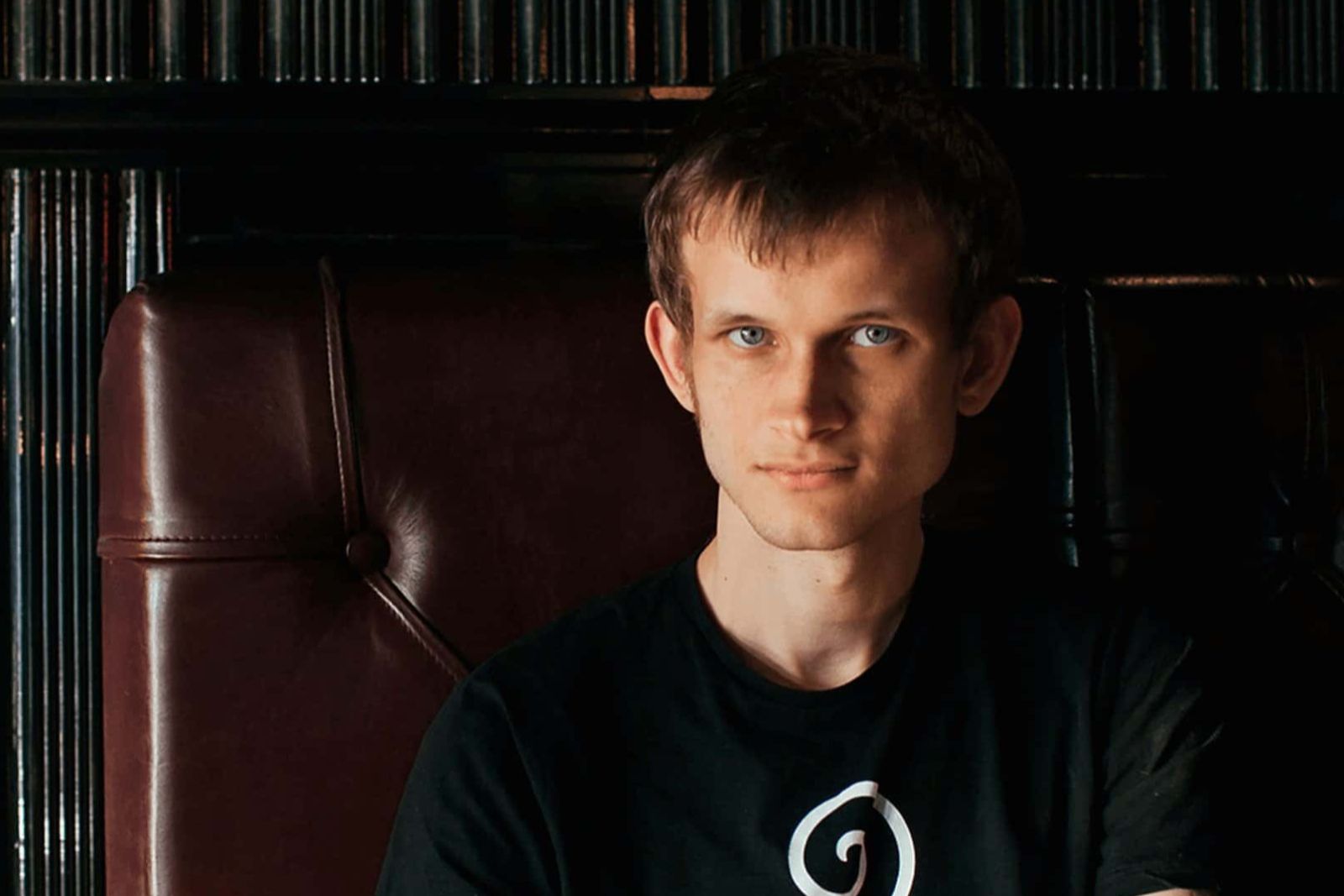
On May 8, at the just-concluded Ethereum Virtual Summit, Ethereum co-founder Vitalik Buterin spoke about NFT, DAO, DEFI and the Ethereum 2.0 process. At the conference, Aya Miyaguchi, executive director of the Ethereum Foundation, also pointed out that Ethereum's new goal is to reach 1 billion new users.
V God stated that decentralized organizations (or DAOs) exist as a set of smart contracts on the Ethereum blockchain, enabling people to work together and communicate in a non-hierarchical structure. The DAO's profile skyrocketed in recent months as the state of Wyoming passed a bill giving them legal status.
Vitalik also points to the role of Decentralized Finance (DEFI) and NFT in accelerating the adoption of Ethereum. "There has been a lot of talk about the DEFI space and NFT has really managed to get into the mainstream and attract a lot of interest," he says.
NFT is a special property that allows it to link to digital content such as images and music. The popularity of digital art has exploded in recent months as brands and celebrities have launched their own NFT, and the multimillion-dollar sales of individual products have grabbed headlines.

While Mr Vitalik admits that NFTs have a "speculative side", he is excited about their potential to "enable people who didn't have a business model before to finally have a business model for the first time". This could include creators, artists and even charities, he added. "Something like this can be used as a way to make some interactions happen that wouldn't have been possible before," he said. "That's already a good result."
The etheric lane 2.0
Vitalik's first priority is to help with the transition to Ethereum 2.0, a long-awaited upgrade that will see Ethereum transition from a PoW consensus mechanism to a more environmentally friendly POS model.
"As the merger gets closer, the road map is becoming more pragmatic in many ways," Vitalik said. According to his "optimistic estimate", the long-awaited upgrade is expected to be available this year. Unlike two blockchains, where assets move from one to the other (which was originally envisioned in 2018), the network upgrade is designed to minimize disruption for users and developers, and promises much greater scalability through sharding and "other things."
Perhaps the biggest compromise is that the new POS chain will not contain the transaction history of the old POW chain, which has been renamed the "execution chain". Meanwhile, the Beacon chain that introduced POS to the Ethereum network will be renamed the Consensus Chain.
"After the merger, the execution chain will be within the consensus chain," explains Vitalik. "Each beacon block will contain an execution block. So it's like a chain within a chain." This is designed to "make the merger process as simple and smooth as possible for users, customers, developers, and contract and application developers." "There's a lot of complex technology in the background, but from the user's perspective, you don't have to worry too much about that," he added.
The entire transaction history of the blockchain will remain in this PoW working chain. But eventually, the Ethereum client will remove the old code and will no longer be compatible with the new version. "People will have to use old nodes or create special purpose protocols to deal with really old data," he explained.
He points out that tools like The Graph that can effectively locate old data are already available, and new ones are being developed.
New changes to Ethereum
The decision not to include old data is a necessary trade-off. "We definitely don't want Ethereum nodes to continue to become more clunky and complex over time," said V. God.
"I don't think it breaks the immutability because the hash chain is still there," so it can still be checked, but the V god also recognizes that the views of Bitcoin advocates may not be the same. "I think there is a real cultural difference in expectations," he said. "[Bitcoin users] really value the idea that with today's Bitcoin nodes, you can verify everything that happened from day one." This is not the case with Ethereum; Future researchers will have to use an older client to examine the older part of the chain. He added that the difference in the relationship between the community and the blockchain is not the only factor that differentiates the Bitcoin and Ethereum communities.
Ethereum is targeting 1 billion new users
Aya Miyaguchi, executive director of the Ethereum Foundation, which manages the Ethereum network, also joined Vitalik Buterin in the discussion. Aya Miyaguchi discusses the actions needed to get Ethereum to 1 billion new users, including working with UNICEF. The collaborative initiative aims to connect people to the Internet, initially focusing on schools.
She also says African governments are interested in participating in investing in the network as a way to gain more financial independence. In the near term, the foundation will collaborate in more academic fields, expand into economics and social sciences, and provide more funding for under-resourced applications that use the network.
Original video link
Welcome to join the official BlockBeats community:
Telegram Subscription Group: https://t.me/theblockbeats
Telegram Discussion Group: https://t.me/BlockBeats_App
Official Twitter Account: https://twitter.com/BlockBeatsAsia
 Related Articles