Lighter did not enter the U.S. through Robinhood. Is the LIT crash a market overreaction?
At the George R. Brown Convention Center in Houston, on the evening of September 29 local time, Robinhood founder and CEO Vlad Tenev stood on stage as a dozen new products scrolled across the screen—Agents, 24/7 trading, and more.
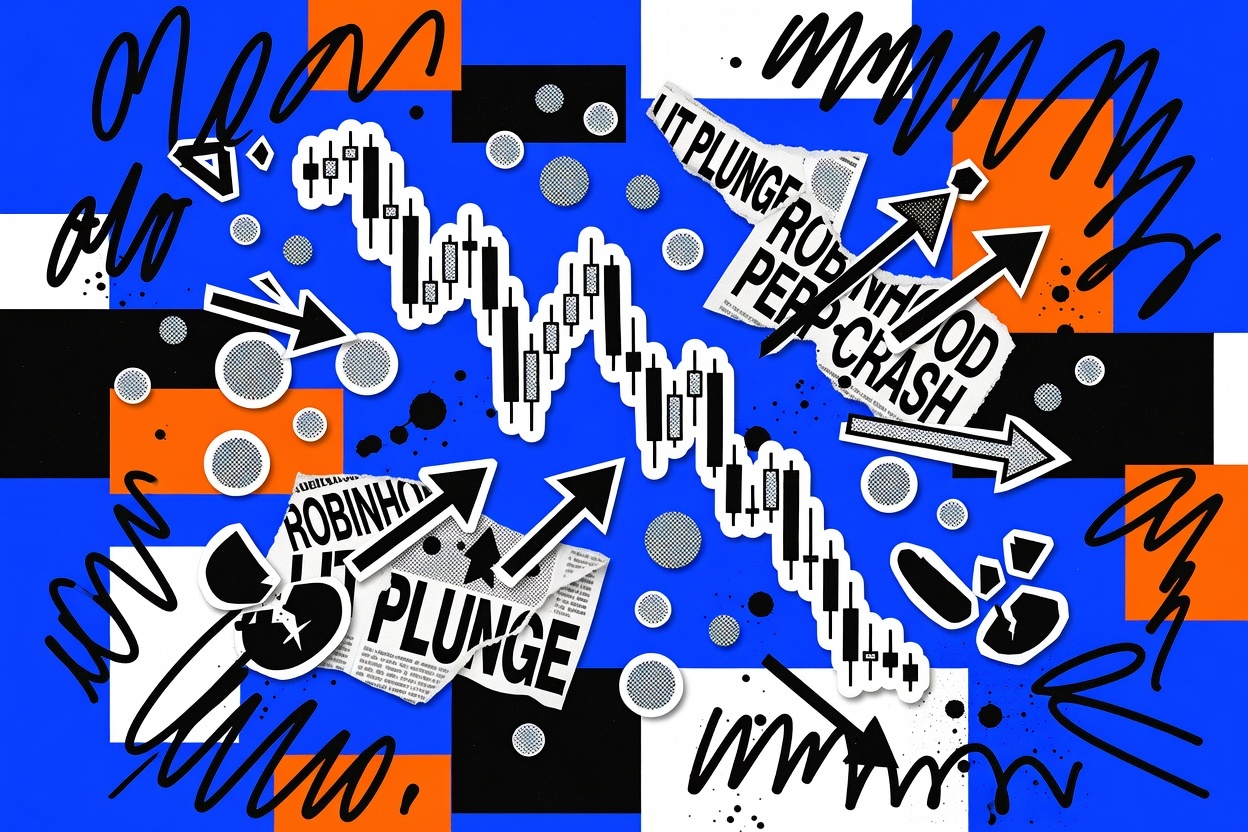
As applause filled the room, Lighter's token LIT dropped over 15% within minutes. It had been the strongest performer in this rebound rally.
Because Vlad said on stage that perpetual contracts for U.S. users would be offered by Robinhood Derivatives through Bitstamp.
This differed from prior market expectations.
In Lighter—or LIT's—previous surge, beyond the perp sector's second-largest player charging ahead under the lead of HYPE, there was another crucial factor: licensing.
Hyperliquid's entry into the U.S. is imminent, and Lighter has two paths to enter the U.S. market. One is obtaining a license, but that license is quite difficult to get—no one has obtained it yet.
The other is the Robinhood route.
In July, Robinhood's self-built Layer 2 network Robinhood Chain launched its mainnet, with a built-in perpetual contract gateway in its wallet, allowing users to open positions directly using USDG as margin. Behind this gateway stood Lighter, the zk perpetual exchange running on Ethereum, using zero-knowledge proofs to verify every match and settlement, with zero fees for retail accounts.
Over two months, this channel brought Lighter approximately $7.29 billion in cumulative perpetual volume, accounting for about 17% of Lighter's daily trading volume. The narrative conclusion was straightforward: once U.S. perpetuals open up, this fattest stream of traffic would flow into Lighter. LIT was the price of this option.
Unfortunately, on September 29, Vlad on stage cut Lighter's U.S. entry expectations in half.
In fact, Robinhood had given the market several heads-ups about this.
In a previous interview, Robinhood's head of crypto Johann Kerbrat discussed how Robinhood views Bitstamp and Lighter's perps. Bitstamp is the licensed channel—the European license sits with Bitstamp Financial Services, the U.S. license with Robinhood Derivatives. Bitstamp provides the trading venue and matching technology. Lighter mainly targets on-chain, hence the wallet integration.
In the U.S., perpetual contracts currently have only two legal paths. One is listing on a CFTC-registered designated contract market, such as Kalshi's BTCPERP. The other is treating offshore perpetuals as foreign futures, routed through a U.S. futures commission merchant, such as the Coinbase-Deribit line. Neither path allows an unregulated on-chain perpetual protocol to directly serve U.S. retail investors.
However, the story of Lighter is certainly not over yet.
At the end of June, Lighter announced that fees would be used for buybacks, and after the buyback, they would be permanently burned. According to official data, as of September 8, a cumulative 17.5 million tokens had been bought back, equivalent to 7% of the circulating supply.
On top of that, Robinhood Chain's momentum continues. On-chain volume is still hitting new weekly highs, and the funds for buybacks and burns are still coming from fees. The partnership with Robinhood has not ended either.
Next up is just waiting for the license.
Welcome to join the official BlockBeats community:
Telegram Subscription Group: https://t.me/theblockbeats
Telegram Discussion Group: https://t.me/BlockBeats_App
Official Twitter Account: https://twitter.com/BlockBeatsAsia