Threefold Purchase Aave? Misunderstood Rumor Hints at Kraken's Listing Ambition

This morning, a report rocked the DeFi community.
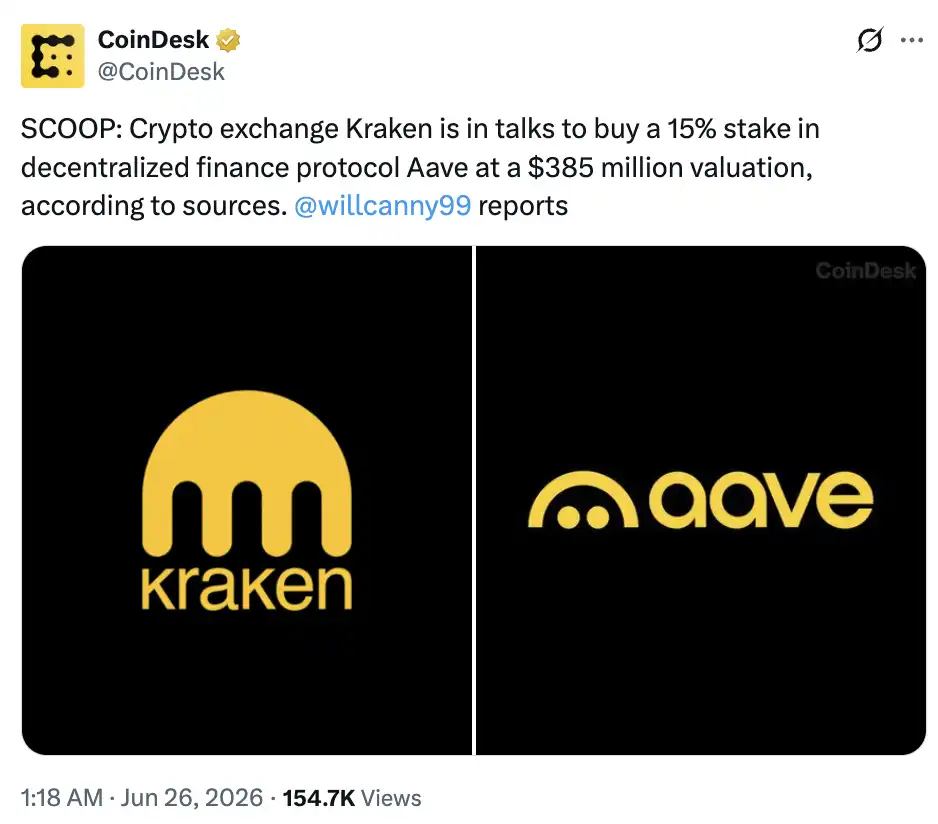
CoinDesk, citing three sources familiar with the matter, reported that the cryptocurrency exchange Kraken is in talks to invest in Aave. The proposed deal involves Kraken offering 35,000 ETH in exchange for 250,000 AAVE tokens, along with a 15% stake in Aave Group, valuing the total transaction at around $71 million, representing a $3.85 billion valuation. The report also mentioned that this is the first transaction in the Payward Asset Management series, and Kraken intends to co-invest externally, aiming to take a more active role in DeFi and other investment opportunities in the future.
The most striking aspect of this transaction is the valuation at which it was conducted. At $3.85 billion, it is nearly 70% lower than AAVE's market cap of around $12.4 billion. Aave has always emphasized that the protocol's value should accrue entirely to the token, so what did Kraken acquire by purchasing a 15% equity stake? If all value is supposed to flow to the AAVE token, why would Kraken need an equity position?
Several hours later, Aave founder Stani Kulechov came forward to clarify.
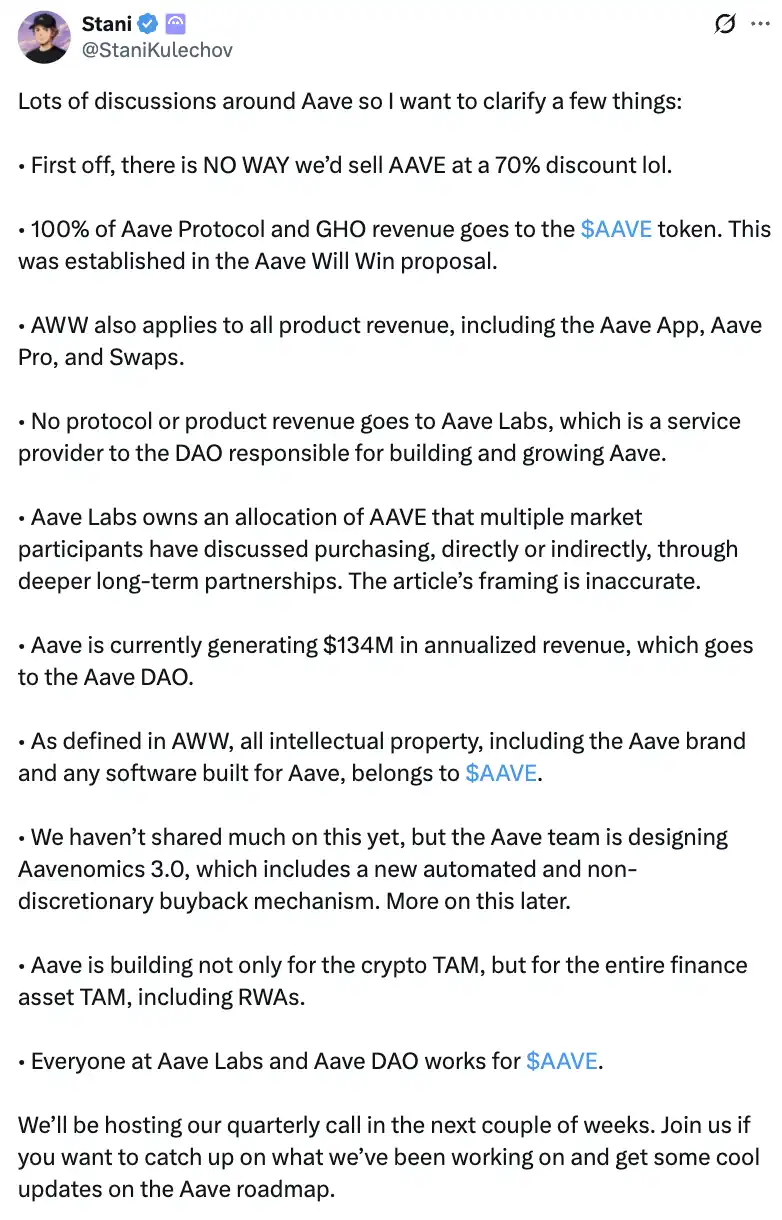
He categorically denied the framing of the report. Aave Labs would never sell AAVE at a steep discount; what was being discussed was the portion of AAVE held by Labs itself, negotiated by "multiple market participants through deeper long-term collaboration," unrelated to the protocol layer. He emphasized that all revenue from the Aave protocol and the GHO stablecoin flows to the AAVE token, following the rules established by the "Aave Will Win" proposal, including revenue from products such as the Aave App, Aave Pro, and Swaps; Aave Labs merely acts as a service provider to the DAO and does not take any protocol revenue.
Stani also hinted that the team is working on designing Aavenomics 3.0, which will introduce an automated, non-discretionary buyback mechanism.
According to his explanation, what was sold was not discounted AAVE, and CoinDesk's comparison of the total price of the equity transaction to the market value of a single token skewed the framing.
If Stani's version of events is to be believed, CoinDesk's report does indeed contain misleading elements.
However, Stani did not address the initial question from retail investors. If the protocol's value does indeed all accrue to the token, if Kraken bought 15% of Aave Group's equity, what exactly did they buy? This, he sidestepped. The value proposition between equity and tokens remains a blurred line.
The details of the transaction are still pending, with no official comment from the Kraken side on this report.
But their motivation is clear. Coindesk noted in the report that Kraken's parent company Payward characterized this deal as the "opening move in a series of asset management business actions." A company preparing to go public is turning investing in the DeFi leader into its signature move.
Over the past year and a half, Kraken has taken action nearly every quarter, advancing on three fronts simultaneously.
First is self-built infrastructure.
Kraken incubated its own L2 solution "Ink," attempting to replicate the path taken by Binance and Coinbase, bringing CEX users onto the chain for lending and trading activities. The most active protocol on Ink is the Perp DEX "Nado," offering spot, margin, perpetual unified margin accounts, attracting many real users through incentive programs and airdrop expectations.
Second is strategic acquisitions.
In the past year and a half, Kraken's acquisitions have been quite intense: acquiring derivatives exchange Bitnomial for $550 million, bringing in a full set of CFTC licenses for brokerage, clearing, and exchange; acquiring stablecoin payment company Reap for $600 million, plugging the issuance and cross-border settlement business gap; acquiring the tokenized stock protocol behind Backed Finance xStocks at the end of last year; and in February this year, adding the token management platform Magna to its arsenal.
The third is regulatory identity.
In March this year, Kraken became the first U.S. digital asset bank to obtain a master account with the Federal Reserve, able to settle dollars directly on Fedwire without going through intermediary banks. In the same month, Nasdaq announced a partnership with Kraken to build a tokenized stock framework, retaining issuer control and shareholder voting, dividend rights. A crypto exchange is reshaping its identity towards traditional finance.
Kraken is evolving from a crypto exchange into a full-stack financial infrastructure company.
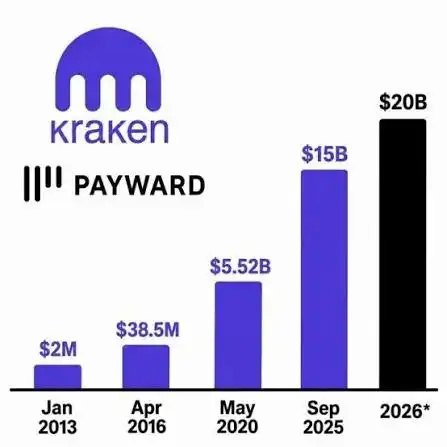
The IPO is the key driver of all these strategic moves. Last November, Payward raised $800 million at a $20 billion valuation, a 30% increase in valuation within two months. The investment roster included Citadel Securities, Jane Street, and Apollo Global Management.
In retrospect, Kraken's interest in acquiring Aave is not hard to understand—the narrative of "being able to bank on anything" was extended into DeFi itself. Taking a stake in a flagship protocol is much quicker than building a lending protocol from scratch, and it is more suitable to be included in the IPO prospectus as a growth driver.
However, Kraken's IPO journey has not been smooth.
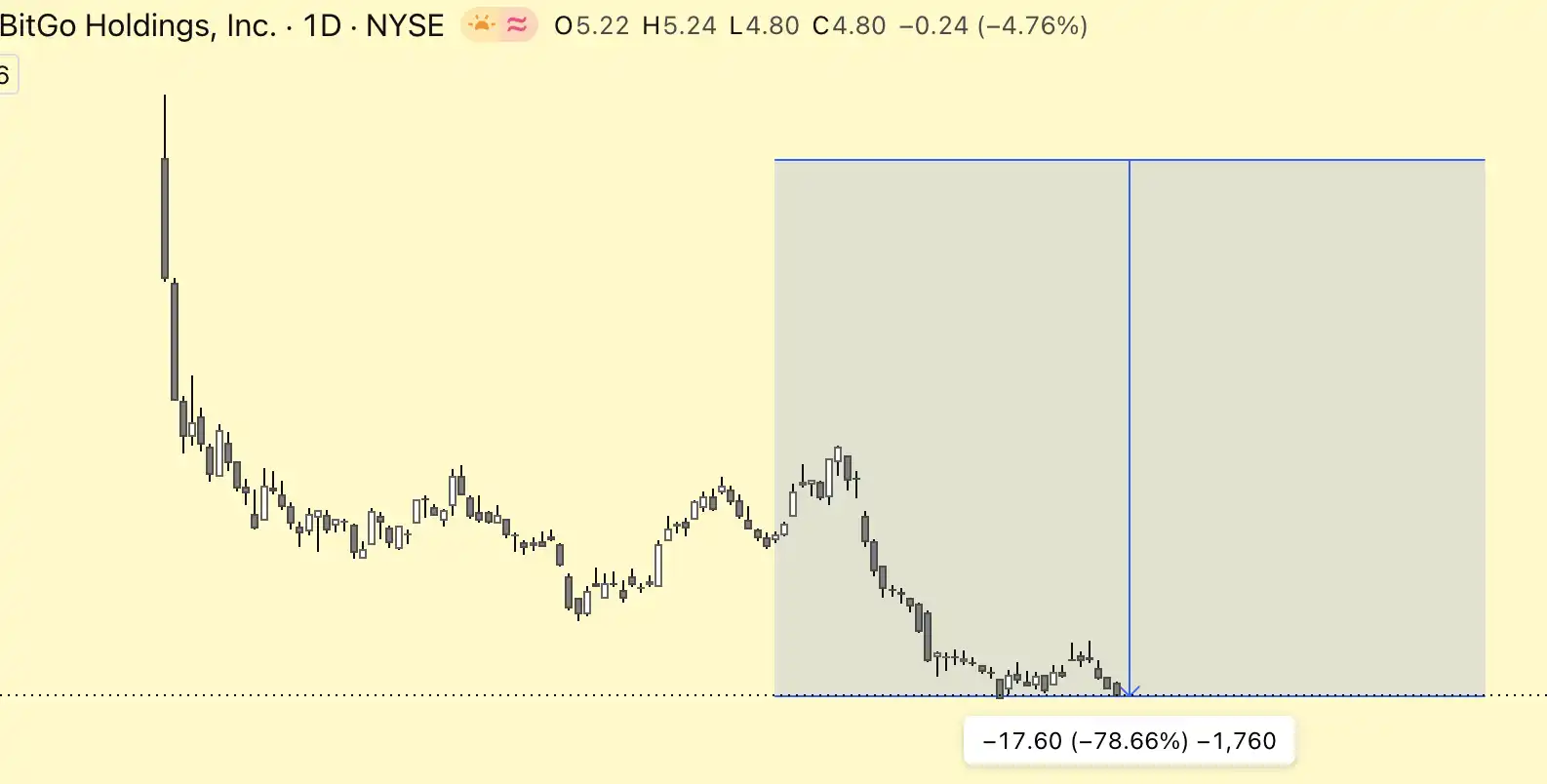
On March 18 this year, Kraken hit the pause button on its IPO. The main reason was the bleak market conditions, with Bitcoin plummeting from $126,000 in October last year to around $65,000, causing the total market capitalization to shrink by over $1 trillion. BitGo, which went public just ahead of it, was the only digital asset company listed in 2026 and saw its stock price drop by 44% post-listing, becoming a cautionary tale for everyone.
The market's taste is also changing—there were at least 11 crypto IPOs in 2025 raising a total of $14.6 billion, but the beginning of 2026 was much colder. Advisors say investors are now paying extra attention to financial infrastructure-type targets, reevaluating aspects such as compliance maturity, recurring revenue, and resilience. Just a month before the IPO pause, Kraken replaced its CFO of only 16 months and handed over the responsibilities to a newly promoted Deputy CFO. Changing the finance chief at the last moment is a red flag in itself for a company undergoing due diligence scrutiny.
However, a pause does not mean exiting the stage.
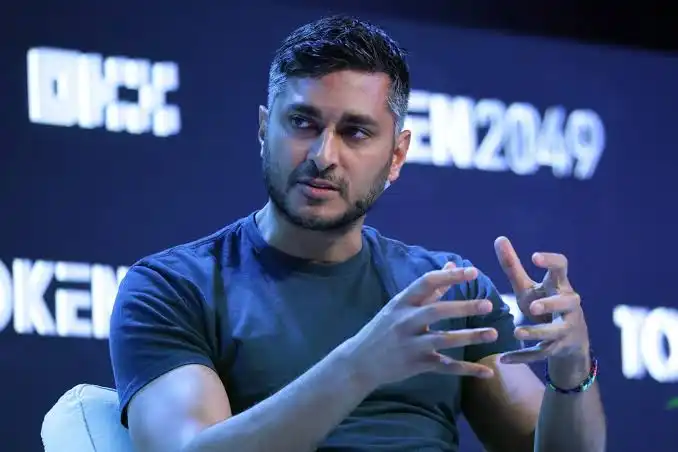
In May this year, there were reports that Payward is in the process of raising new funds at a $20 billion valuation. Co-CEO Arjun Sethi has also hinted multiple times in recent months that the company's goal is to complete the IPO by the end of 2026. It is foreseeable that in the coming months, Kraken may be more active in providing additional weight to the valuation in the IPO prospectus.
The rumored investment in Aave is just the latest in a series of moves. Whether the transaction went through, and what exactly the 15% stake acquired, may only be revealed on the day the S-1 filing is made public, providing a written answer to these questions.
Welcome to join the official BlockBeats community:
Telegram Subscription Group: https://t.me/theblockbeats
Telegram Discussion Group: https://t.me/BlockBeats_App
Official Twitter Account: https://twitter.com/BlockBeatsAsia