Over a Hundred Foreign Entrepreneurs Move into Shanghai for an Internationalization Experiment in an Empty Office Space

Author | Kaori
Editor | Sleepy
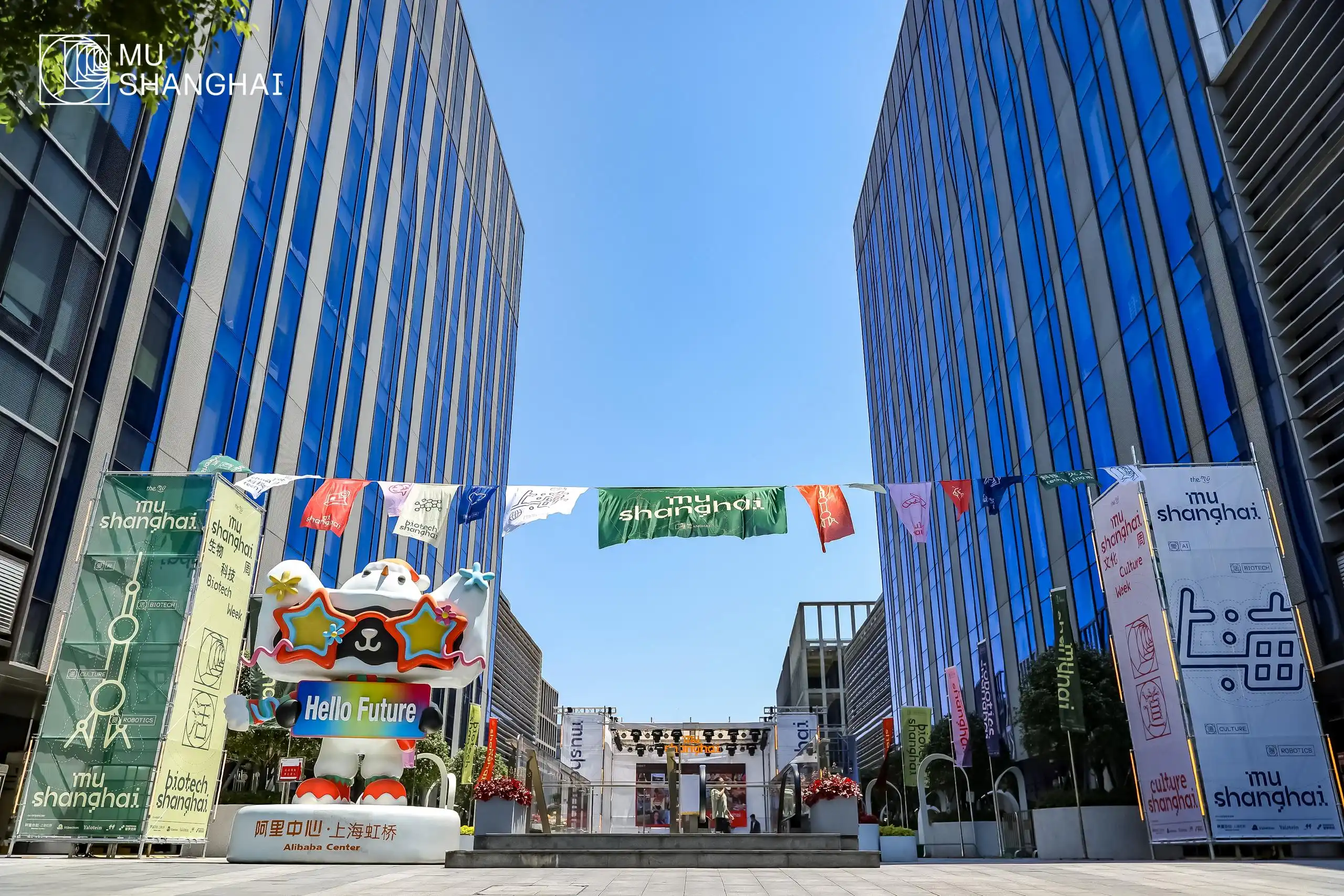
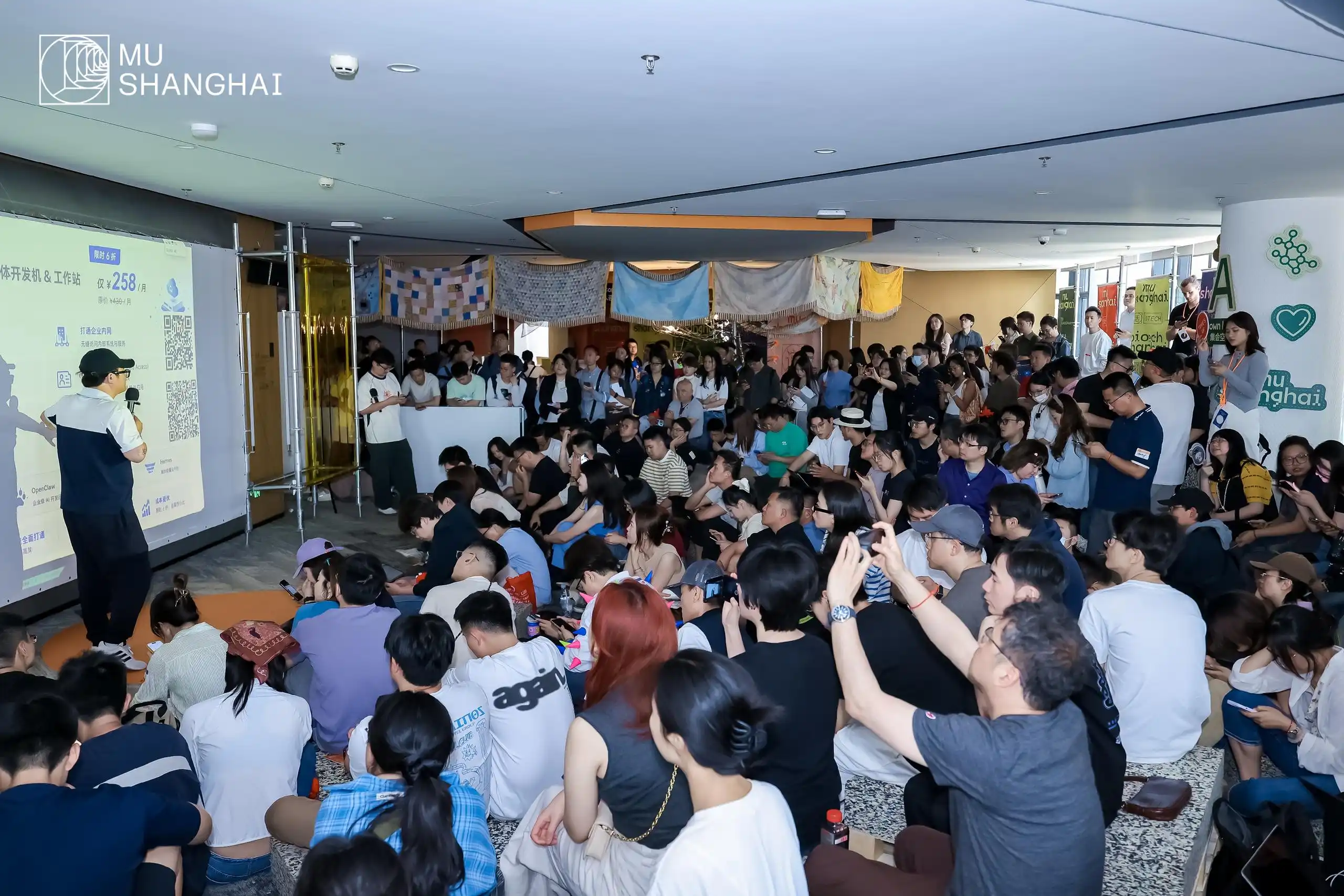
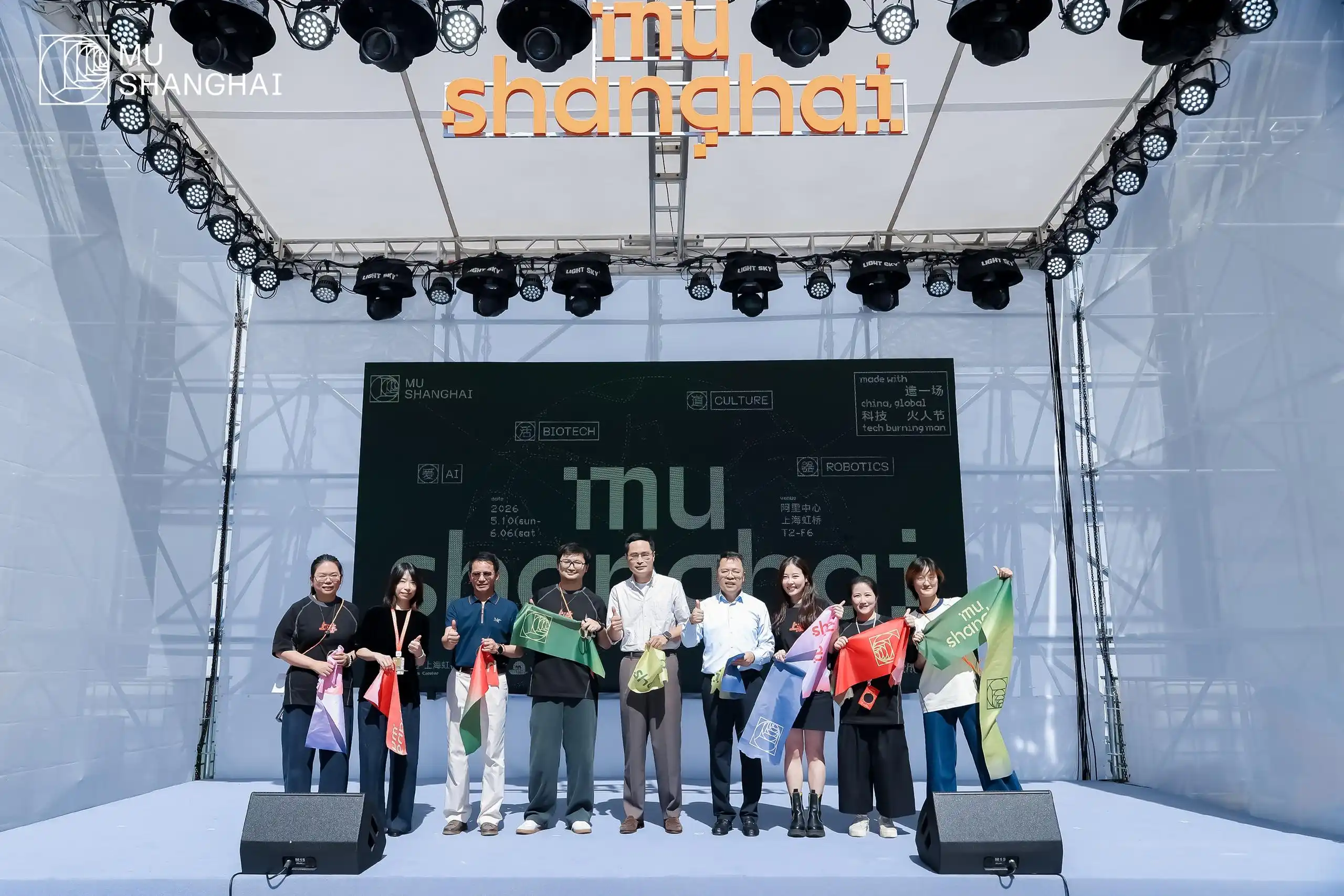
On May 11, 2026, in the sixth-floor lobby of the Shanghai Hongqiao Ali Center, traditional tables and chairs were replaced by scattered bean bags and cushions. The lights dimmed, and over a hundred people sat on the floor.
This was muShanghai, the on-site venue of a 28-day tech pop-up city event. Within two days, over 2000 people flowed into this building. Just a month ago, this floor was empty.
The Hongqiao Ali Center used to be Alibaba's Shanghai headquarters. Later, the headquarters moved to the west bank, leaving behind entire empty office floors, clean and vacant.
At the end of January 2026, a young man working on communities overseas was recommended by a friend to this place. This young man said he wanted to hold a 28-day event in China, gathering tech entrepreneurs from around the world in Shanghai, having them stay for a month, writing code, working on projects, and making friends in the same building. He said he had done this in Chiang Mai, Buenos Aires, and San Francisco. He said over two thousand people had signed up. He said he needed a building.
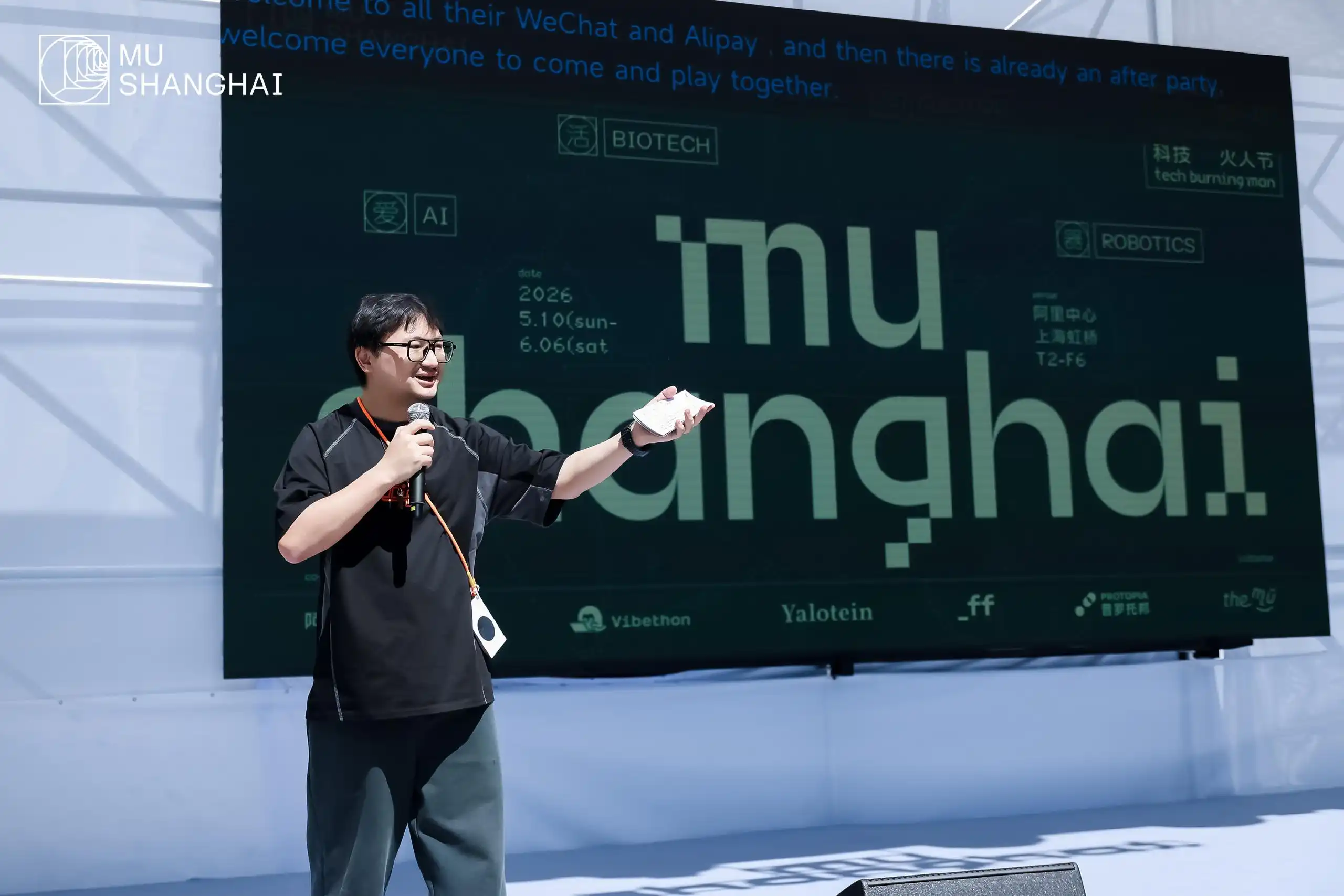
This young man is named Sun, the founder of The Mu Community. The name "Mu" is derived from the legendary lost continent of the Pacific, "Mu," a romantic metaphor about the free flow of knowledge and civilization.
New Light, the head of Ali Hongqiao, upon hearing this idea, helped connect with local government officials. Finally, the Hongqiao Management Committee gave a reply that seemed like a miracle to Sun: yes. Not only could they do it, but they were also willing to cooperate to solve many difficulties.
The reason why this was a miracle was that in the seven to eight months before this, Sun had been rejected countless times.
And now, as this event takes place, a story begins.
This is a story about China's opening to the outside world. The outline of the 15th Five-Year Plan lists "expanding high-level opening up" as a core proposition, proposing to build a new pattern of high-level scientific and technological openness and cooperation, creating an open and innovative ecosystem with global competitiveness. Shanghai's role becomes more specific, expanding the international scientific and technological innovation center from Shanghai to the entire Yangtze River Delta, aiming to form a concentration of scientific and technological resources and talents, becoming a key hub in the global innovation network.
While these ideas look grand on paper, bringing them to the ground requires the involvement of a community, a property manager, and a neighborhood office.
A Wager
On May 10, 2026, muShanghai officially opened. According to the organizers, this event selected about 800 participants from over two thousand applicants worldwide. Of these, 46% are in the AI or machine learning field, 16% focus on hardware and robotics, and the participants come from six continents, with the vast majority being overseas visitors.
Eight hundred people flew to Shanghai for an event, staying for a month, a scenario almost unheard of in China's event industry. Sun later learned that most domestic events may have around a dozen or twenty foreign participants, with anything over fifty considered very international. However, the number of overseas participants in muShanghai far exceeded this, and attendees had to cover their own travel and accommodation expenses, as well as pay a ¥1,000 entrance fee.
In the Chinese tech innovation sector, there has long been a custom of inviting foreign guests to events, usually covering airfare, accommodation, and sometimes even appearance fees. Sun strongly opposes this practice, believing it treats foreigners as scarce resources to be catered to rather than as equal partners.
In his view, The Mu provides a dense talent network and an engaging venue. If these elements are not inherently attractive, spending money to invite people is meaningless.
First, Sun invited people he knew: friends in the global tech community, AI practitioners, hardware specialists, biotech experts, and colleagues from major tech firms. These individuals then recommended others from their circles, who in turn brought in people they trusted. The entire recruitment process essentially expanded in layers through a network of trust.
This was The Mu's first landing in China, and Sun needed to ensure high-quality participants and extensive reach.
As the first to host such a long-term offline event involving foreign elements, The Mu faced immense pressure and responsibility.
"In all of China, maybe I'm the only one bold enough to do this," said Sun, his tone calm as he went on to list the reasons: domestic communities lack overseas resources and appeal; international communities struggle to enter the Chinese market due to language and cultural barriers.
Only he, a Chinese who had lived overseas for seventeen to eighteen years, with the trust of the international community, his Chinese identity and language skills, was willing to take on the risks that others shied away from.
Cultural Fit
However, the biggest challenge this initiative faces is whether this community-driven model can survive in the soil of China.
muShanghai charges attendees a monthly fee of 1000 RMB, a pricing strategy that sparked unexpected controversy.
Critics argue that if you have sponsors, why would you still charge participants? In China's event ecosystem, such activities are usually free or offered at a low price, especially when sponsored.
However, from Sun's perspective, these voices are not worth paying attention to. "Our space and resources are limited, and we want to give them to outstanding, proactive people. So we are not competing with others to see who is cheaper, and attracting a group of people who want to be served. What we want to see is this community, see the opportunity, and want to leverage these resources to do something different."
This kind of conflict not only arises in terms of ticket prices, but muShanghai's sponsor relationships are also fraught with friction. Sun told us that as many sponsors in China are collaborating for the first time, they are not very familiar with the domestic cooperation process, leading to many frictions and misunderstandings. Although they have encountered many challenges, everyone ultimately hopes to continue long-term cooperation to bring more international talents into China.
After the initial two days of "welcome" activities, muShanghai's subsequent events were only open to monthly pass holders, with a small number of day pass holders. However, the team quickly discovered that there was a noticeable difference in attitude and mindset between those with day passes and those with monthly passes. Day pass holders were merely skimming the surface, ticking off items on their checklist, expecting to be served. They rarely formed deep connections with people around them.
The Mu team eventually discontinued day passes, further shrinking the pool of participants. However, what they gained was a true connection among existing community members.
This exposed a more fundamental issue than pricing. The Mu's model is based on the premise that participants are willing to pay for the intangible value of "deep human connections" and understand that they are co-creators rather than consumers.
For the domestic audience, it will take some time to adapt to and digest the event model of The Mu, which revolves around instant, immersive urban experiences.
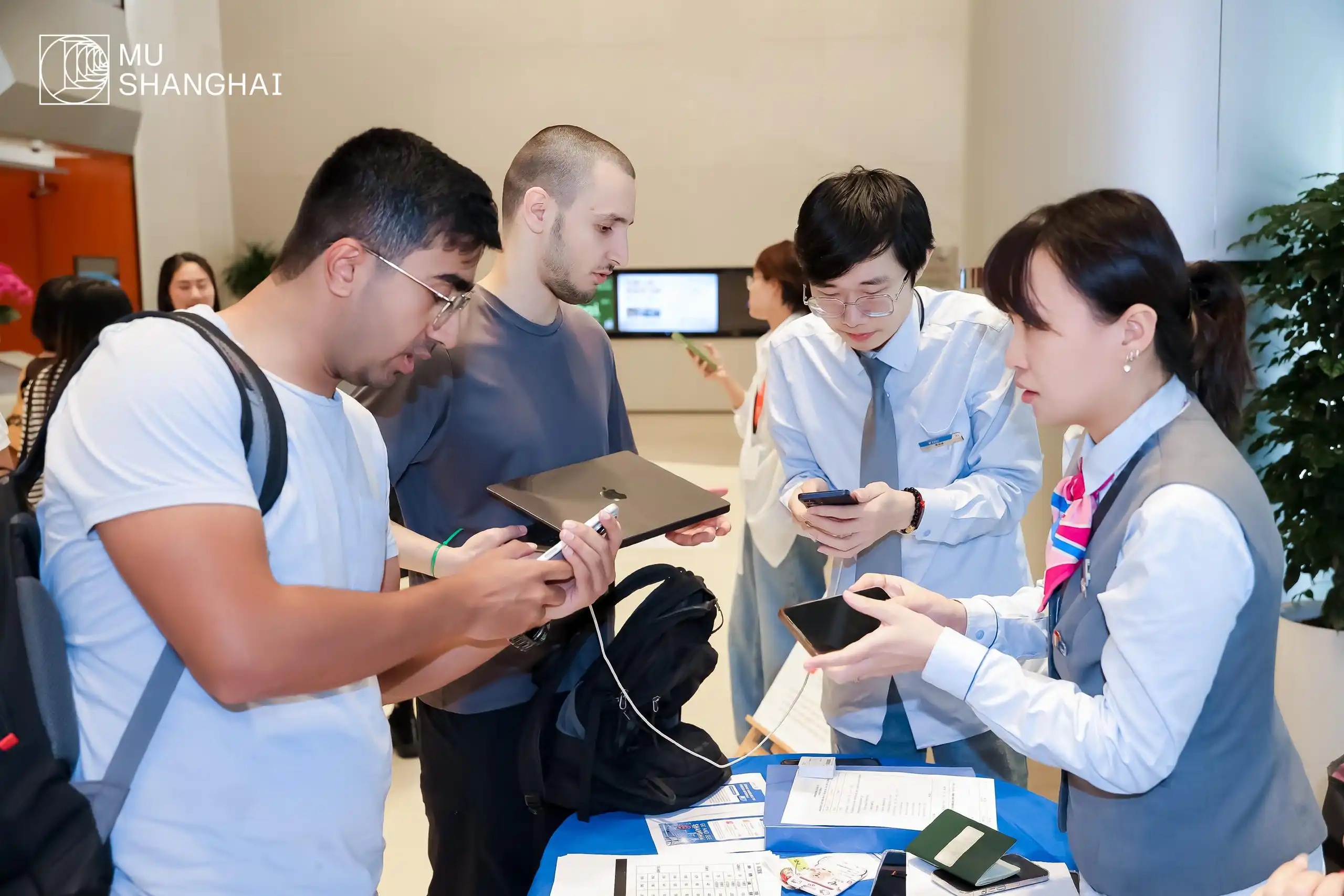
The 15th Five-Year Plan proposes to "build an open and innovative ecosystem with global competitiveness." Shanghai's Pudong New Area has introduced 34 facilitation measures for foreign talents covering aspects of transportation, work, entrepreneurship, and daily life. However, the policy addresses institutional-level access issues. When an overseas AI entrepreneur stands on a Shanghai street, they face microscopic-level barriers such as how to use WeChat Pay, how to understand a Chinese contract, and how to assess the reliability of a supplier.
What muShanghai is trying to do is exactly to build a bridge between institutional channels and individual needs. This bridge is currently very narrow, entirely handcrafted by Sun and his team. They help participants connect with model manufacturers, arrange factory visits, organize government partners to introduce the Five-Year Plan and cross-border investment policies, and even coordinate the application process for talent visas.
The value of these services is real, but whether they can evolve from relying on Sun's personal handcrafted workshop model into a replicable infrastructure is still a pending question.
Density
muShanghai lasts for 28 days and is divided into four themed weeks: AI, Biotech & Longevity, Hardware & Robotics, and Culture. Each themed week also has daily sub-themes. This design is not due to an academic classification obsession but a very practical issue: most people don't know how to engage in a month-long event.
There is a larger consideration behind the choice of the four themed weeks. Sun believes that from a global perspective, China's sci-tech advancements are best known globally in AI, biotech, and hardware. This also aligns closely with the industry layout of the Five-Year Plan, which explicitly emphasizes strengthening strategic technology layout in frontier areas such as artificial intelligence, quantum technology, and biotechnology. However, Sun added the fourth week of Culture, including design, gaming, traditional culture, and future culture.
「I come from a humanities and social sciences background,」 Sun explains, 「Technology, whether hardware or AI, is just a big wrench. If the wrench isn't designed for people, it's meaningless.」
This conscious view of technology as a tool stands out in an event touted as a "Tech Burning Man." However, it explains the core logic that sets muShanghai apart from regular tech summits. This is not a place to showcase products and secure funding but a place to create density—talent density, trust density, time density.
Time density is the most critical variable among them. Sun feels a kind of weariness with the two- to three-day summit model: 「Everyone quickly exchanges WeChat and rushes into personal chats. After being busy for many days, feeling empty inside, adding lots of WeChat contacts, no one remembers anyone.」
He believes that deep relationships cannot be built in this efficiency-first social model. One month of time means you can meet the same group of people repeatedly, eat together, play basketball together, soak in the hot springs together.
「You can build trust, talk about many topics. After becoming adults, especially after entering the professional world, people almost never have this kind of opportunity again.」
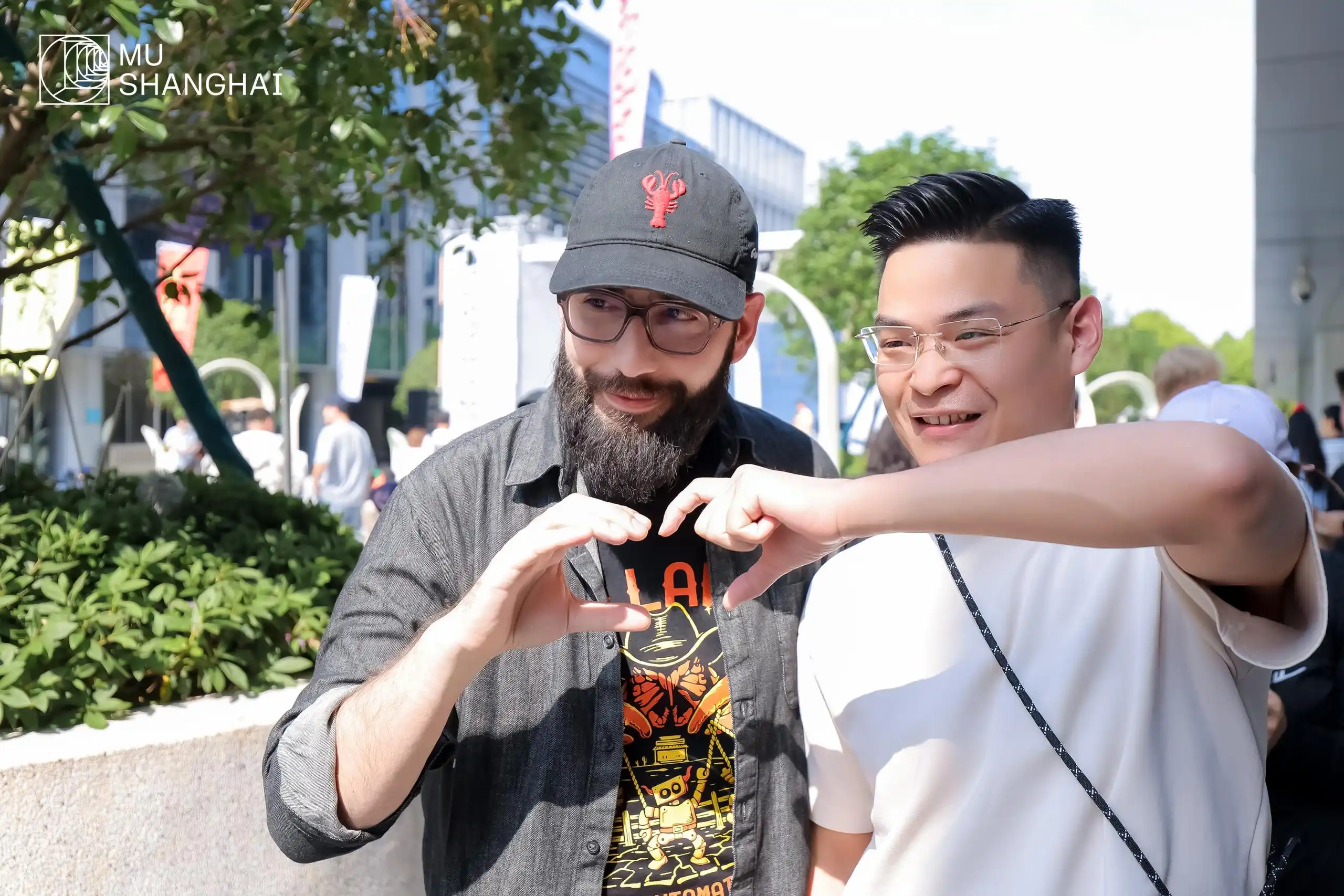
This density has brought about some specific results. Sun told us about a Chinese student in muShanghai who, aspiring to study abroad, met someone from a large overseas company and secured an internship opportunity abroad. This allowed him to have a substantial experience before applying to universities.
Several core contributors of OpenClaw visited China for the first time. Before coming, they faced various language, cultural, and logistical barriers, making them unsure of how to execute their plans in the country. After muShanghai, they sincerely hope to visit China regularly and see a promising long-term development of OpenClaw in China.
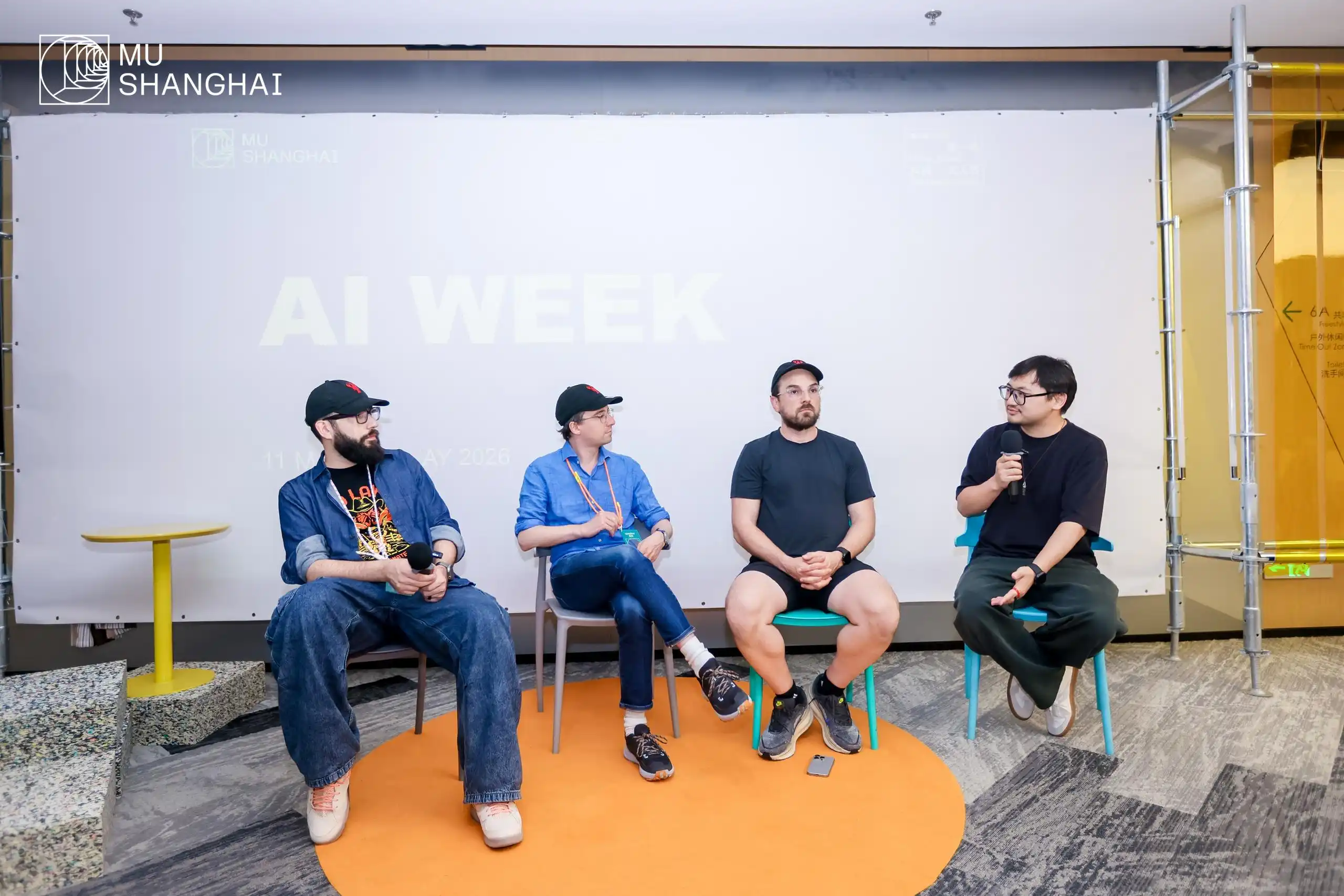
A group of community members from Latin America flew in specifically because The Mu in Buenos Aires, Argentina, was a successful community-led social impact case study.
Following the muBuenos flash city event in 2024, the number of tech and innovation projects in Argentina grew from around sixty to over twelve hundred. The Mu and the subsequent establishment of the local community Crecimiento brought in over $20 million in foreign investment to the local community.
International talents coming to China need to find something more fundamental than institutional channels, a place where they know who to approach, where to go, and how to get started. A place where they don't need to understand the Chinese government structure first or have connections to a big company's business development team but can directly enter the Chinese tech and innovation ecosystem.
In an interview, Sun described his vision for long-term space: a whole building with different tech and innovation themes on each floor—AI, robotics, biotech, gaming, culture. Each floor has different leads, be it companies, communities, or individuals. This building will incubate investment firms, media, and various new businesses. It will be the first stop for overseas talents coming to China and a gateway for Chinese people seeking to connect with overseas resources.
"Chinese people no longer need to fly to Silicon Valley to break into those circles," he said. "You can see the world in China."
Selfless Contributions
Sun grew up overseas, spending seventeen to eighteen years in English-speaking countries. He said that from a young age, he was bullied, harassed, and ridiculed because of his Chinese identity. These experiences did not make him angry or radical, but they became a lasting driving force, motivating him to change the perception of the Chinese label abroad.
"By promoting Chinese tech and the cultural soft power going global, if we can achieve this trend, children growing up overseas in the future will no longer be ridiculed for being Chinese. Others will say that you are Chinese, your country's technology is cool, your country's culture is cool."
This is the underlying emotion that drives him to do muShanghai, to show the world China not through official narratives, not through media propaganda, but through allowing people to come here, stay, and feel it for themselves.
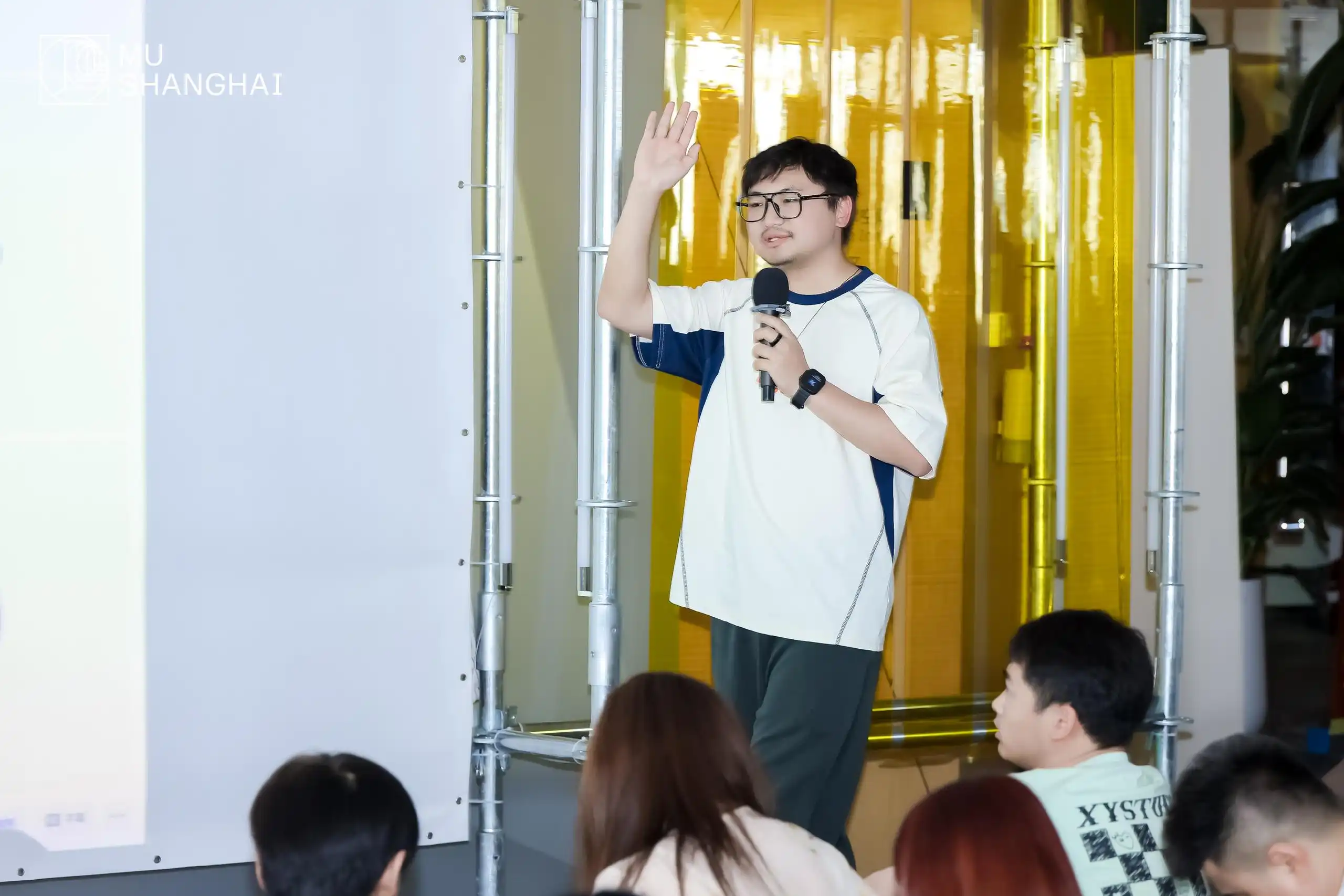
"You don't need to give them a big speech. Arrange for them to meet with model manufacturers, and they will understand how amazing China is. Arrange for everyone to visit a robotics factory, and they will understand what China is like. Let them live in China for three to five days, and they will understand everything."
Foreign participants will be amazed by the convenience of WeChat and Alipay, they will marvel at food delivery arriving in a matter of minutes and still hot, they will wonder why China has developed so rapidly to its current state, and then they will spontaneously compare it with their own country. This is the essence of travel itself; no one needs to draw conclusions for them.
But showing the world China is only one side of the story. The other side is, when the world really comes, is China ready to receive them?
After muShanghai opened, Sun found that the most challenging issue he faced was not how to bring people in, but how to handle the relationships that grew around this community after landing, with the government, with capital, with the city. How to advocate for the best development conditions for the community while maintaining existing cooperative relationships, how to draw the line between government enthusiasm and community independence.
In addition, this event linked many overseas companies, communities, and individuals that want to develop long-term in China, but they also encountered friction due to poor localization of local products.
The change a community can bring is limited, and ultimately, a community's bargaining chip is only one thing: how much irreplaceable value it can continue to create.
The open innovation landscape of China depicted in the 15th Five-Year Plan is systematic, with the expansion of the three major international innovation centers, steadily broadening institutional openness, and deep integration of talent chains and innovation chains. This is the blueprint of a giant machine. muShanghai, on the other hand, is a non-standard part of this machine; it is not on any blueprint, its shape is entirely determined by the maker's personal will, and its ability to be embedded in this machine is purely because there happens to be a gap that allows it to exist.
"Even if muShanghai does not ultimately continue, it has at least proven one thing is possible: a grassroots community can, in the absence of precedent, bring global tech entrepreneurs to China, let them see for themselves, and judge for themselves. If someone else can carry this forward in a better way in the future, we would be very welcome."
With a slightly tired voice, Sun talks about his innermost wish.
“After muShanghai, I hope everyone's biggest takeaway is reluctance. Reluctance to leave the muShanghai community, reluctance to part with the new friends they made this month, reluctance to lose this high-density information exchange, reluctance to stay up every night until two or three in the morning in this space, and reluctance to leave Shanghai, and China. When you feel reluctant, it means that something has truly given you value.”
Outside the building is the May of Hongqiao. In a once-empty building, people from around the world are busy with their own tasks.
What will happen in this building next largely depends on whether the density it has created can transform from an individual's will into a replicable structure. Or, to put it more bluntly, what is left when the shelf life of luck and courage runs out.
Welcome to join the official BlockBeats community:
Telegram Subscription Group: https://t.me/theblockbeats
Telegram Discussion Group: https://t.me/BlockBeats_App
Official Twitter Account: https://twitter.com/BlockBeatsAsia