SEC or New Rule: Can Put Apple, Tesla on Chain Without Consent
Original Title: "SEC Issues 'Wild Tokenized Stock' License: A Revolution Where Public Company Disenfranchisement Is Overthrown"
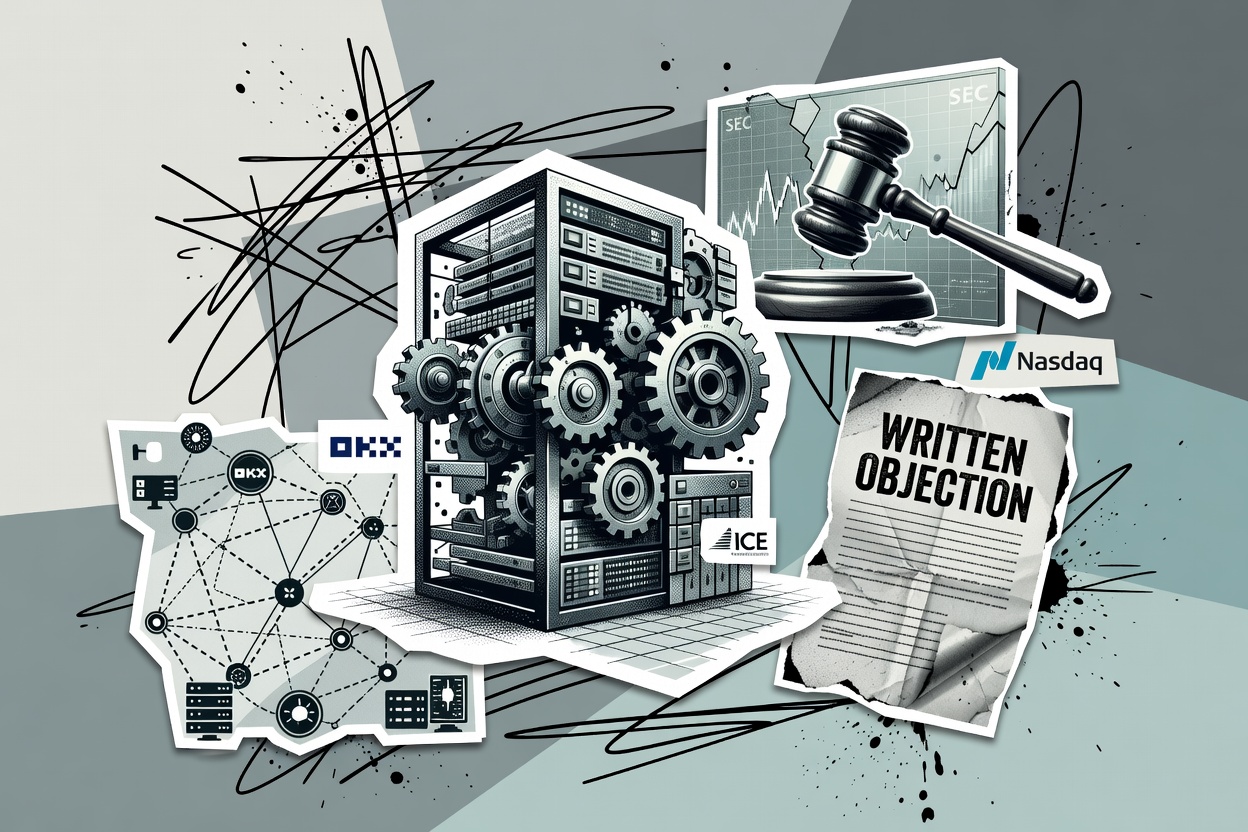
According to Bloomberg Law's report on Monday, the U.S. SEC is set to release the framework for the "Innovation Exemption" for tokenized stocks as early as this week.
The real bombshell lies in one of the biased opinions: allowing the trading of tokens that have not obtained the explicit consent of the listed company itself.
In simple terms: Tesla, Apple, NVIDIA, as long as they are still listed on the U.S. stock market, could potentially be issued and traded on a chain in the form of "tokenized TSLA" without their consent or consultation. Their legal departments can, of course, issue disclaimers, but what happens after that? The transaction will proceed as usual.
Turning the Clock Back 11 Months
To grasp the significance of this news, we need to go back to the debacle of July 2025.
During the Cannes event, Robinhood announced "Stock Tokens" for EU users, allowing over 200 U.S. companies to be traded on-chain 24/7. Vlad Tenev was onstage, exuberant, until he dropped the bombshell: token giveaways from OpenAI and SpaceX, two unlisted companies, totaling $1.5 million.
The next day, OpenAI took Robinhood to the mat on X: "These 'OpenAI tokens' are not OpenAI equity. We have not collaborated, participated, or endorsed. Any transfer of OpenAI equity requires our approval—we have not approved any transfers. Proceed with caution."
Robinhood's explanation was also awkward: these tokens were anchored to an SPV holding OpenAI shares, essentially a "derivative." The Central Bank of Lithuania, Robinhood's primary regulator in the EU, then sent a letter requesting an explanation of the legality of this structure.
The central proposition of that storm was simple: Can a company's equity be used as a derivative when the company explicitly opposes it?
In the court of public opinion in July last year, most people found Robinhood's behavior unpalatable. Yet, 11 months later, the answer given by the SEC may be: yes, and we will grant you a license.
SEC's Logical Chain: Premeditated Moves
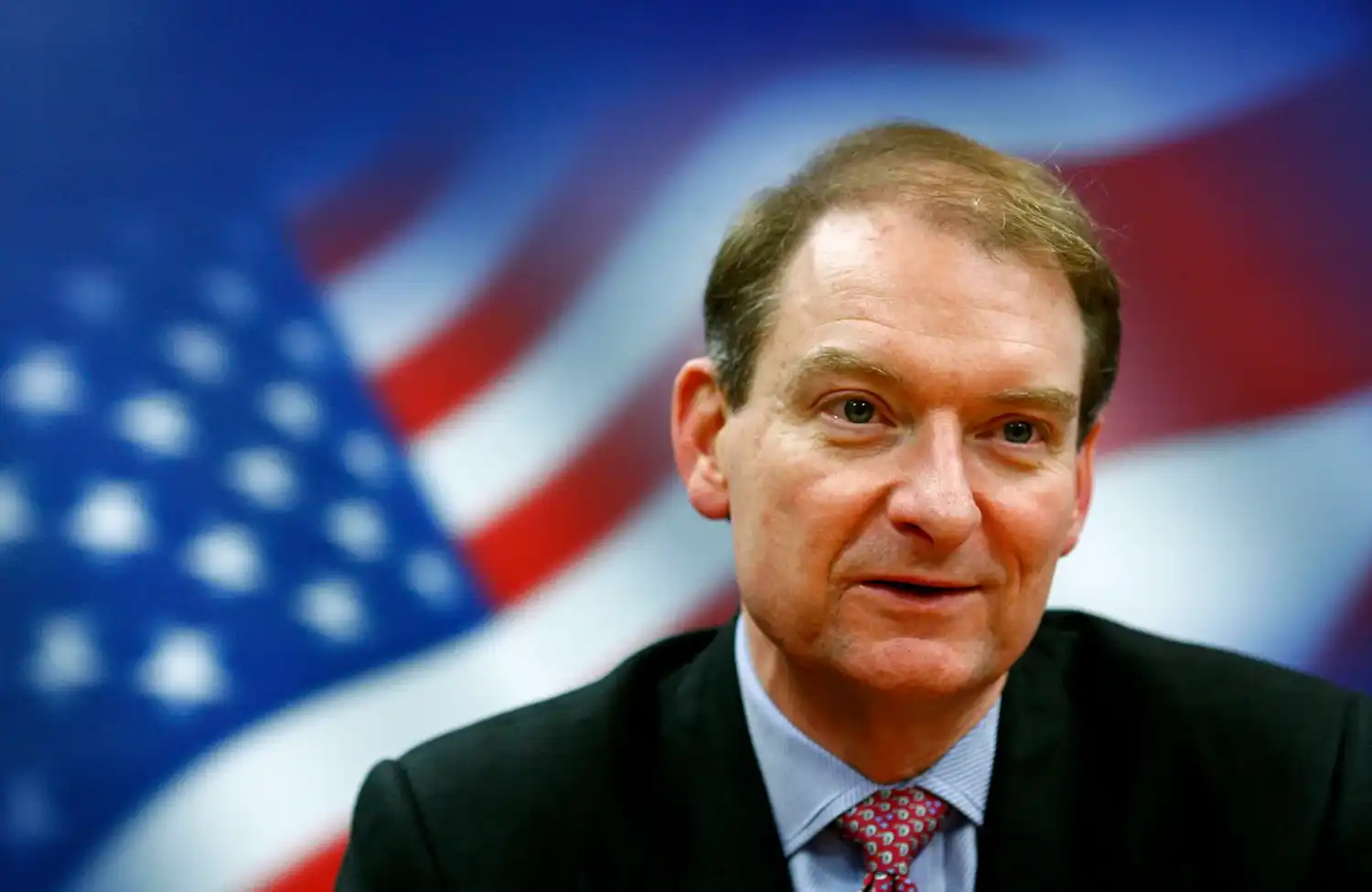
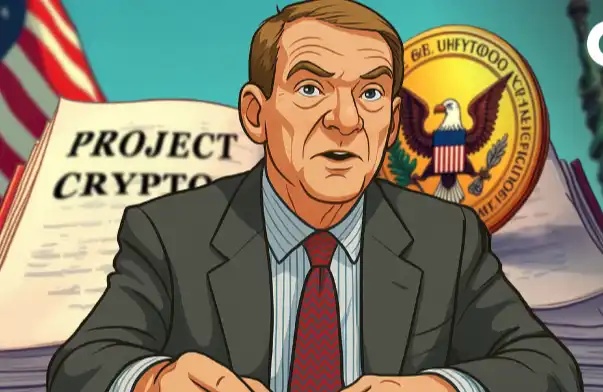
Paul Atkins took over as SEC chairman a year ago, and all his actions during this year have been leading up to this moment.
On April 21, during a speech at the Washington Economic Club, Atkins made it clear: the SEC is about to launch the "Innovation Exemption," a 12 to 36-month regulatory sandbox that will allow tokenized securities to be traded on-chain without full registration, in exchange for accepting transaction limits, whitelisting, and regular reporting.
The more critical foreshadowing was the legal memo submitted to the SEC's crypto working group on January 22, outlining three models for tokenizing U.S. stocks:
· Direct Issuance Model: Issuers record equity on-chain themselves, requiring issuer consent.
· Custodial Certificate Model: A third-party custodian freezes existing shares and issues corresponding digital certificates on-chain, without requiring issuer consent, as the underlying securities remain in their original form.
· Synthetic Model: Tracks stock prices through derivative contracts, without needing issuer consent, with the token and underlying security being separate entities.
The SEC's current inclination fundamentally acknowledges the legitimacy of the latter two models. The "collaboration with the issuer" approach of Galaxy and Superstate will compete head-to-head with the "act first, seek forgiveness later" approach of Robinhood on the same track.
Regulatory arbitrageurs will appreciate this outcome, while CFOs of publicly traded companies may need to hold late-night meetings.
Who's Happy, Who's Not?
Those Who Are Pleased:
· On-chain brokers and DEXs. Robinhood no longer needs to prove its innocence after last year's OpenAI PR crisis; the method it was criticized for will now be compliant.
· DeFi infrastructure. If tokenized U.S. stocks can truly run on AMMs, it would mean moving a portion of Nasdaq's liquidity to the neighborhood of Uniswap and Curve.
· Protocols that made early moves in the RWA space. The likes of Ondo, Backed, Securitize, and others are all in line with this document.
· Global retail traders. The U.S. market's open hours will shift from 6.5 hours a day to 24/7.
Frowners:
· Public companies, the most delicate category. When a company's stock is tokenized, an uncontrollable "shadow market" emerges. If there is a price difference between on-chain tokens and regular shares, if on-chain transactions trigger complex issues at the governance or shareholder activism level, these troubles will ultimately fall on the IR and legal departments. And they have no veto power over this.
· Traditional brokers and clearing institutions, the implicit logic of tokenization is "DTCC can be bypassed".
· The conservative faction within the SEC. Hester Peirce famously said last July: "Tokenized securities are still securities." She supports tokenization but opposes using it to circumvent substantive investor protections. This "no-issuer-consent-required" will be the flashpoint of internal SEC debate this time.
Key Questions Worth Asking
The biggest allure of tokenized stocks has always been "what can be done after being on-chain": collateralization, bundling, frictionless integration with other assets in stablecoin pools, and being re-wrapped multiple times in DeFi.
However, if the SEC's waiver framework strictly limits whitelist transactions, trading volume caps, and KYC thresholds, the DeFi composability of this matter will be greatly reduced. A "stock-on-chain" dancing in shackles is a fundamentally different entity from a "truly DeFi-native stock" that is 24/7, globally accessible, and composable.
Before the official documents are released, the following details will determine the final form of this matter:
· Will the whitelist be limited to U.S. accredited investors, or will it be open to retail?
· Is there any cross-border regulatory coordination? Will there be regulatory conflicts between tokenized stocks under the EU's MiCA and those under the U.S. innovation waiver?
· If a public company sues, can the SEC's waiver provide legal protection to third-party issuers?
· After the 12-36 month sandbox period ends, will it be approved or shut down?
In the past, the core defining power over a company's stock trading venue, trading hours, and trading methods resided with the issuer and the trading platform. With this move by the SEC, it is as if the decision-making power over "who has the right to determine how a stock is traded" has been partially taken away from the issuer.
Last year, Robinhood was mocked in Europe for being ahead of the rules. Now the SEC has changed the rules.
The most anticipated financial infrastructure change of 2026 is here. The launch of a new public blockchain, a record-breaking TVL for DeFi protocols—all pale in comparison to the significance of this event: the world's largest asset class is officially beginning its migration to the blockchain, with US stocks taking the lead in this migration; the key to this migration is no longer solely held by the migrators.
As for whether tokenized stocks are a good business, to be honest, so far, its five-year story has been told, yet real liquidity remains scarce. But when the SEC removes the final legal barrier, this matter is worth revisiting.
After all, the trading paradigm that Nasdaq took 50 years to build may now be rewritten on-chain within the next three years.
It's definitely worth watching.
Original Article
Welcome to join the official BlockBeats community:
Telegram Subscription Group: https://t.me/theblockbeats
Telegram Discussion Group: https://t.me/BlockBeats_App
Official Twitter Account: https://twitter.com/BlockBeatsAsia

 Related Articles