Sora Shutdown, Exodus of Key Staff, Anthropic Takeover: OpenAI's Darkest Hour
Article Title: "OpenAI, Full of Crisis"
Article Author: Aeneas, Hao Kun, Synced
Lead: Ultraman personally killed Sora and the Science Team, slaughtered a large number of "side quests," and finally successfully released GPT-5.5. However, faced with Anthropic's revenue surpassing and an internal top-level earthquake, this all-in IPO gamble, is it to regain glory or the final elegy?
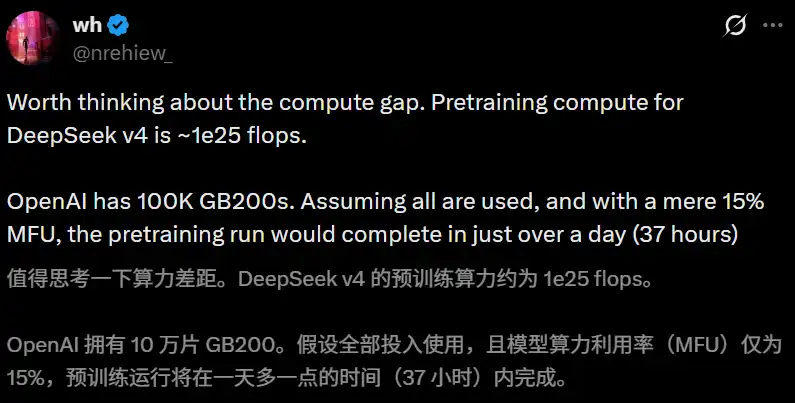
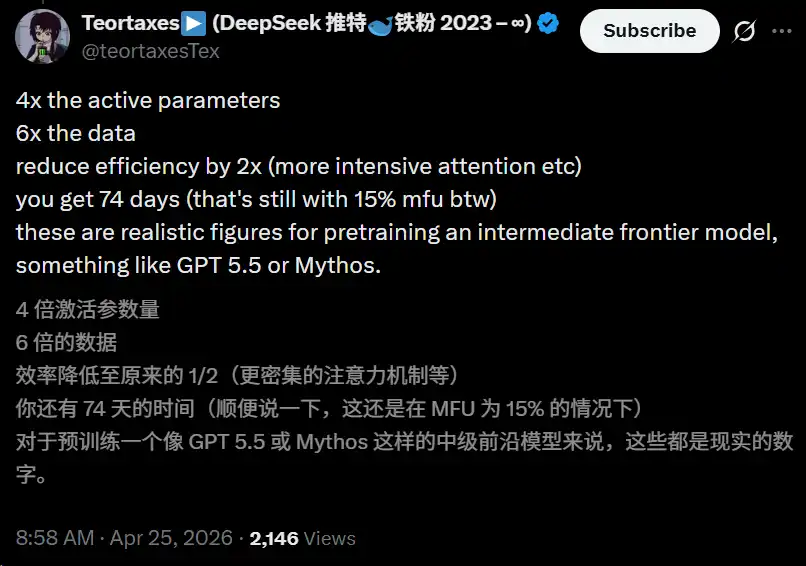
Someone did some calculations.
The pre-training computational volume of DeepSeek V4-Pro is approximately 1e25 FLOPs.
OpenAI has 100,000 GB200 on hand. Even with only 15% utilization rate, it can complete the same-scale training in 37 hours.
A day and a half, and you can replicate a DeepSeek V4.
This was OpenAI in April 2026, where the computing power reserve has been exaggerated to such an extent.
However, OpenAI's problem cannot be solved by computing power alone.
The release of GPT-5.5 briefly brought back OpenAI's former glory.
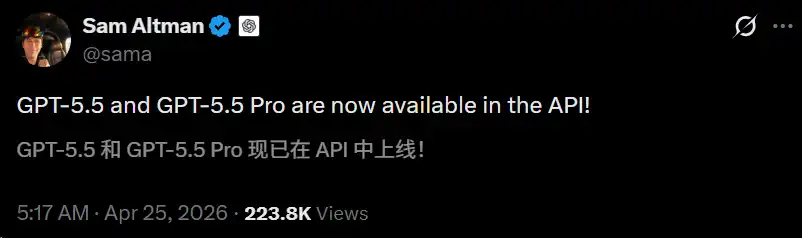
In a great mood, Ultraman posted an X, "Had a good week, proud of the team, wish everyone a happy development!"
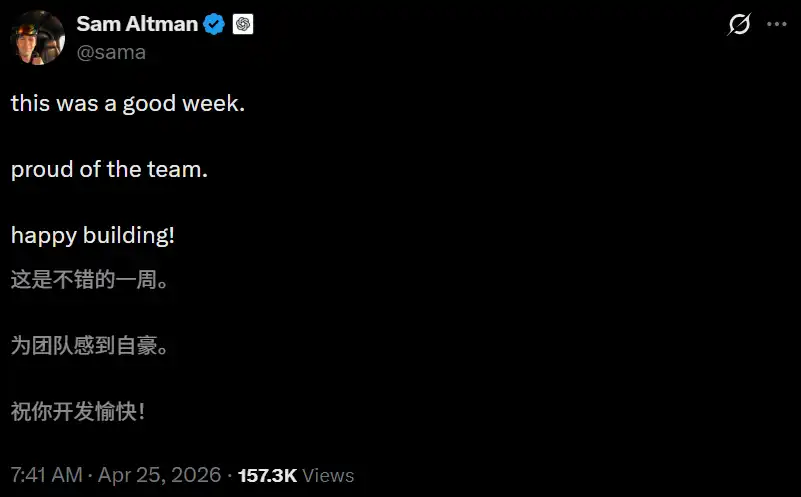
On the surface, it's all good news.
But insiders know that behind this calm tweet, OpenAI has just experienced its bloodiest "purge" since its founding.
Turning the Boss's Ideas into Reality
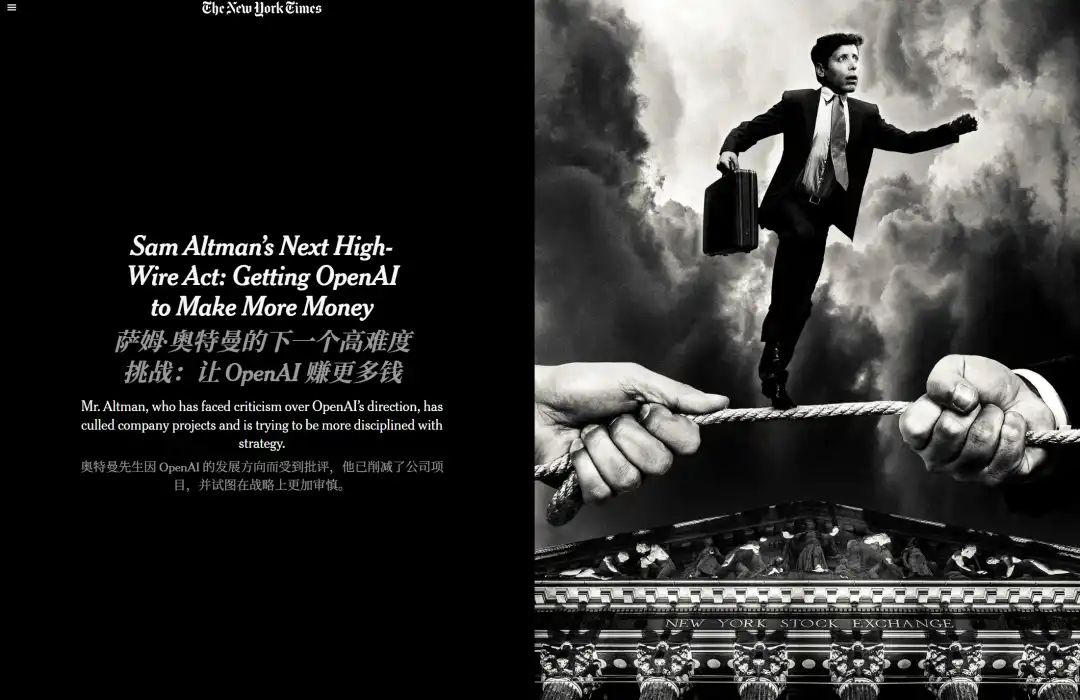
A long article in The New York Times exposed many inside stories.
One detail is particularly ironic. Inside OpenAI, there is a semi-public chat group called "Turn Sam's Tweets into Reality."
What employees do in the group is one thing: turn the boss's pie-in-the-sky ideas casually drawn on social media into deliverable code.
Often, they, like the rest of the world, would only find out what the company was up to through social media posts.
This group has existed for several years.
Ultraman himself likened this strategy to "simultaneously betting on a series of startups internally."
ChatGPT's explosive success plunged him into a false sense of security. The cost quickly became apparent.
Computing power was constantly shuffled between different teams, product priorities changed every few weeks, and employees sometimes really couldn't figure out what the company was trying to do.
Google and Anthropic made strong advances, eating away at OpenAI's leading position.
Finally, Ultraman made up his mind to take action.
Sora Is Dead, the Research Department Is Disbanded, Three People Have Left
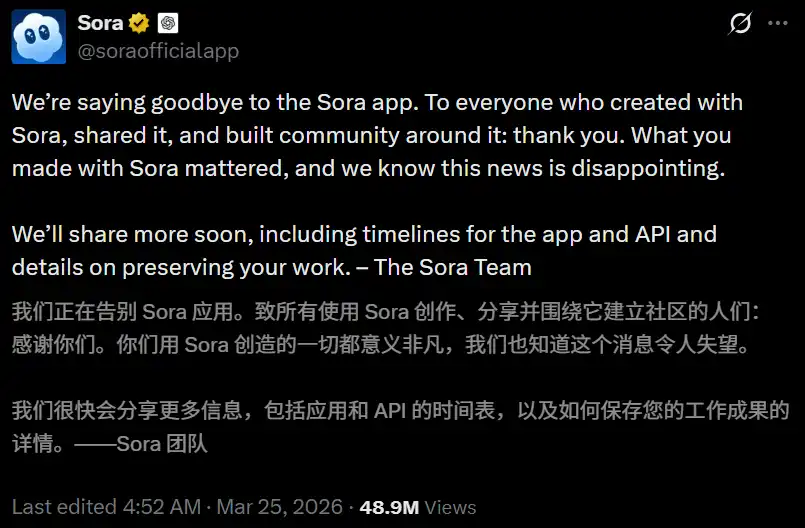
On April 26, Sora officially shut down.
This AI video application, which once surged to the top of the App Store download charts, had a peak of 1 million users and less than 500,000 at the time of shutdown.
It burned $1 million in computing power every day, but its total lifetime revenue was only $2.1 million.
In other words, its daily operating cost was half of the money it earned during its entire lifespan.
International media outlet The Register bestowed upon OpenAI the title of "Product Killer."
Some time ago, three executives announced their resignation on the same day.
Sora CEO Bill Peebles, Head of Research Kevin Weil, and Corporate CTO Srinivas Narayanan, all left within a day.
Kevin Weil's Research Department only lasted six months.
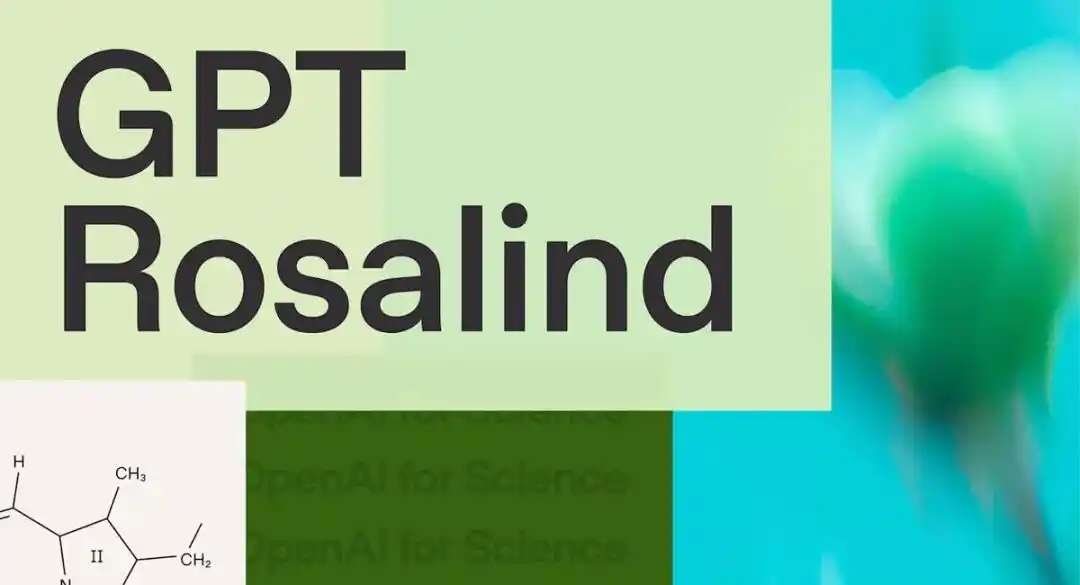
In the final 24 hours before its dissolution, the team rushed to release their last model, GPT-Rosalind. It was like a farewell letter.
From 11 co-founders, only Ultraman and Brockman remain.
In addition to Sora and the Science Department, the cut projects also included the NSFW Chatbot Project, Independent Social Network Project, and AI Shopping Feature. These were referred to as "side quests" internally at OpenAI.
Now, all side quests have been killed off.
A Potato and Ten Thousand NVIDIA Employees
The last card in Ultraman's hand is GPT-5.5 and Codex.
GPT-5.5 with the internal codename "Spud" (Potato) was launched on April 23.
Terminal-Bench 2.0 scored 82.7%, long-context reasoning doubled from 36.6% to 74%, the hallucination rate dropped by 60%, and several key metrics surpassed Anthropic's latest Opus 4.7.
In the words of Greg Brockman, "This is a new category of intelligence."
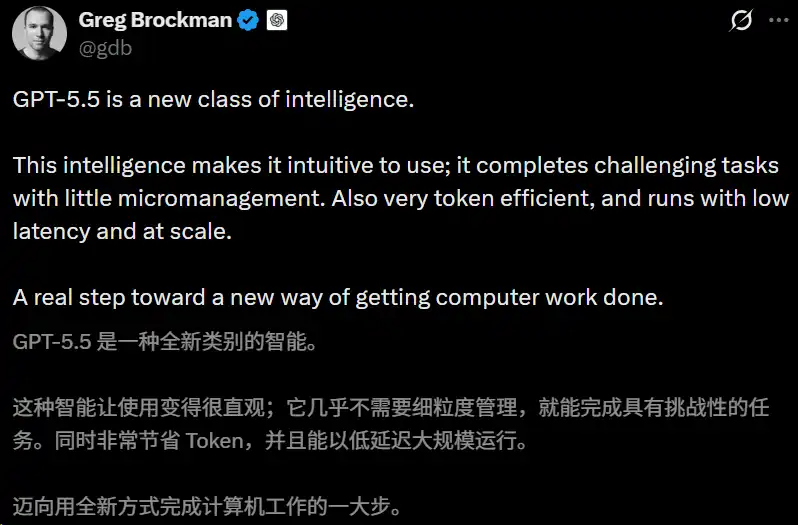
Benchmarking is one thing, efficiency is the killer move.
Data from early testers shows that GPT-5.5 has reached the same level of intelligence as GPT-5.4 but with significantly fewer Token consumption. Answers in Thinking Heavy mode in 2 minutes are better than what GPT-5.4 took 10 minutes to produce. The Pro version outputs quality in 8 minutes, surpassing the results of the previous generation that took 30 minutes.
However, API pricing has also doubled. The prices are now $5 per input and $30 per output per million tokens, which is twice that of GPT-5.4. OpenAI claims that token efficiency has improved and the actual cost has only increased by around 20%.
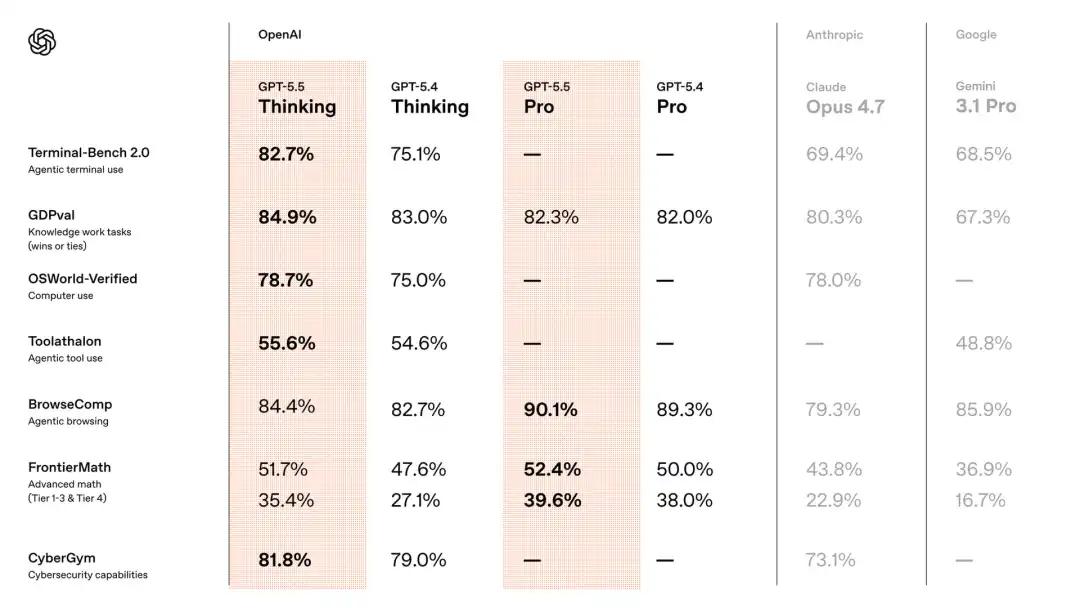
As for whether developers will buy into this, it depends on whether GPT-5.5's Agent can truly streamline enterprise workflows.
Jensen Sent an Internal Memo to the Entire Company
NVIDIA has already made its bet.
Jensen sent an internal memo to the entire company, allowing over 10,000 employees to use Codex. Engineers, Legal, Marketing, Finance, HR, all covered.
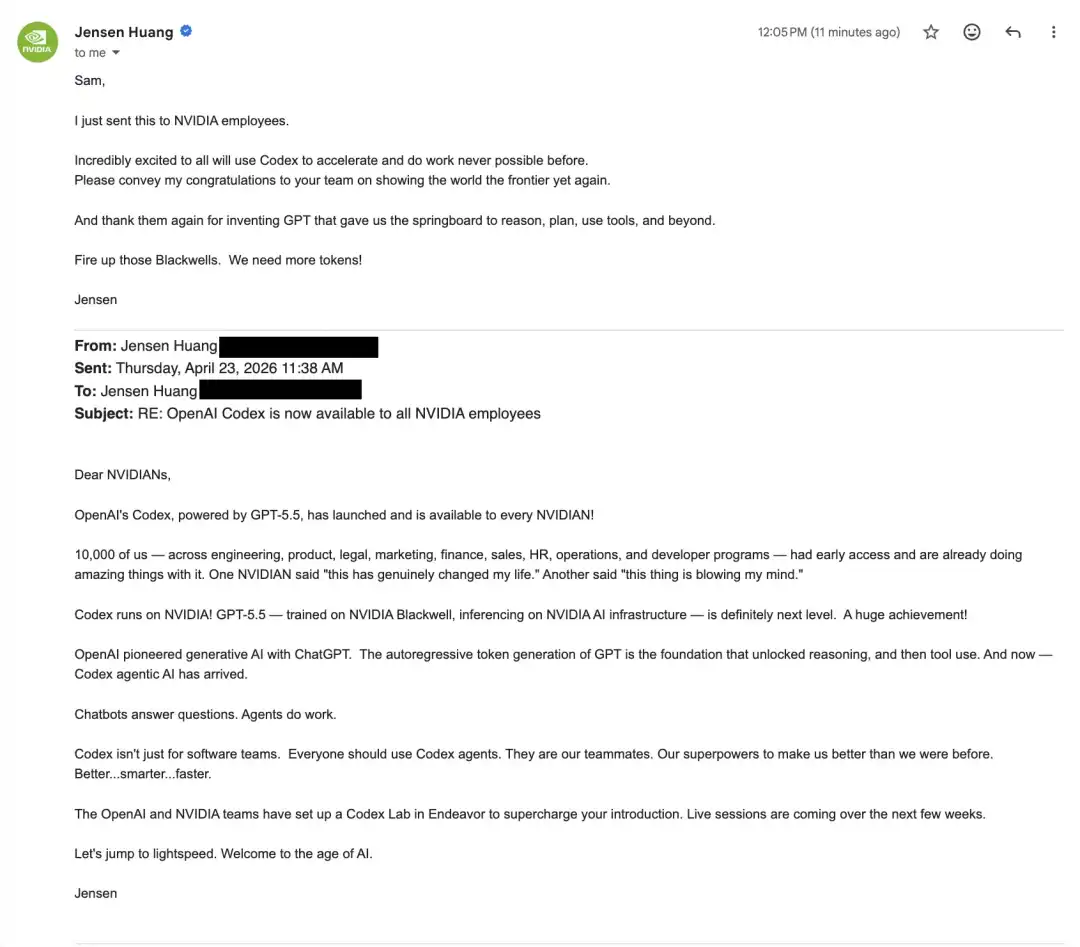
The deployment method is hardcore, providing each employee with a cloud virtual machine, where the Agent, like the employee, has its own computer, which can be frozen in case of issues and the stack traced.
The internal feedback used two words, "explosive" and "life-changing."
The debugging cycle has been compressed from days to hours, and experiment iteration from weeks to overnight. Compressed to hours, experiment iteration from weeks to overnight.
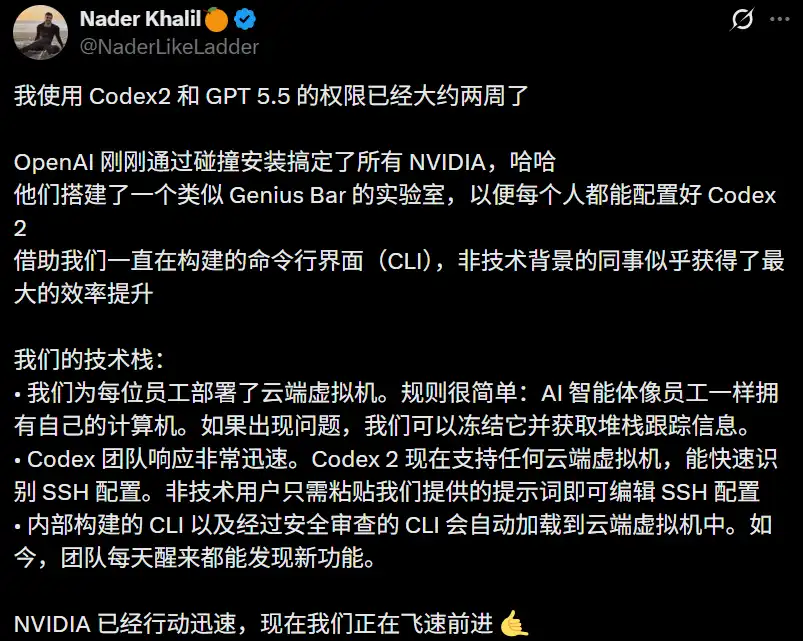

Ultraman retweeted this email on X, "Codex has been deployed company-wide at Nvidia, and the results are very positive. Would you like to try it at your company?"
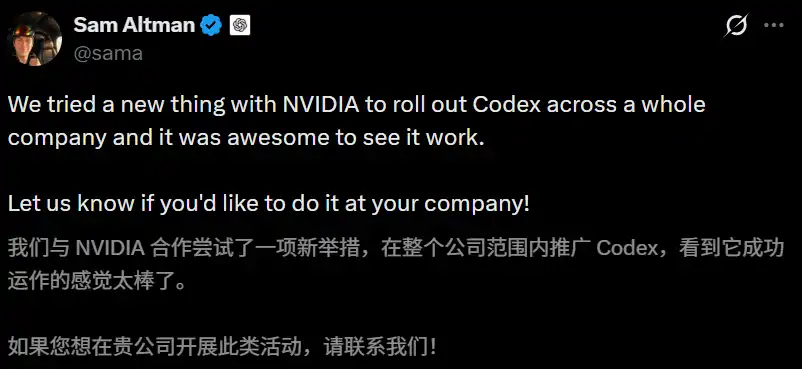
Within two weeks, Codex's weekly active users increased from 3 million to 4 million. Seven of the world's top system integrators have signed contracts and started implementation, with Cisco, Ramp, Notion, Rakuten lining up to join, and the enterprise user base growing 6x since the beginning of the year.
Ultraman's plan is to merge ChatGPT, Codex, and Atlas Browser into a desktop "super app." No longer spreading resources across a dozen products, everything is packed into a single entry point.
Fidji Simo positioned this direction as an "AI operating system."
This is currently OpenAI's strongest move. Whether they can turn the tables depends on this one move.
The Moment of Being Surpassed
The cards have been played, but looking at the ledger isn't very pleasing.
Anthropic's annual revenue has reached $300 billion. OpenAI is at $240 billion.
A year ago, these numbers were reversed. OpenAI was at $60 billion, and Anthropic was at $10 billion. The gap seemed insurmountable.
Then Anthropic, in 15 months, increased its annual revenue from $10 billion to $300 billion. 30x.
Epoch AI originally predicted this crossover point would occur in August 2026, but it happened four months early.
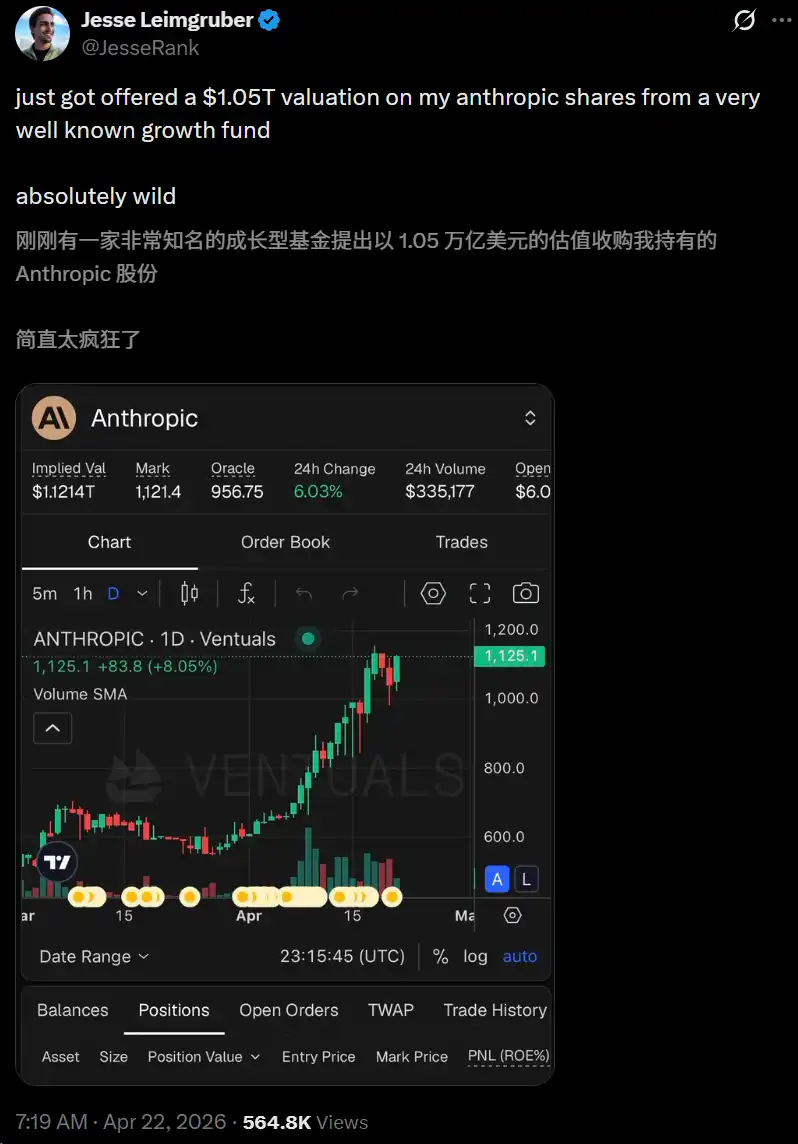
On platforms such as Forge Global and other pre-IPO equity trading platforms, Anthropic's valuation briefly exceeded $1 trillion.
Although Anthropic does not have a nationally used app with 9 billion weekly active users, video generation, shopping functionalities, or a social network, it does have APIs and enterprise contracts.
Over 1000 enterprise customers now have an annual payment of over $1 million, compared to 500 just two months ago. 8 out of the Fortune Top 10 are Claude's customers.
Ramp's corporate spending data is even more brutal. Anthropic's share of invoices in the enterprise AI chat market has now exceeded 60%, up from 10% a year ago. OpenAI has dropped from dominance to around 35%.
OpenAI's own CFO, Sarah Friar, couldn't help but exclaim, "I've never seen such a scale of growth."
She was referring to OpenAI itself. But this statement is more accurate when applied to Anthropic.
What's even more unsightly is the burn rate. OpenAI is projected to lose $14 billion in 2026, with a cash burn rate of 57% of revenue. Anthropic's burn rate has now dropped to 33%, with cash flow expected to turn positive in 2027.
OpenAI spent four times more on training costs and made less money.
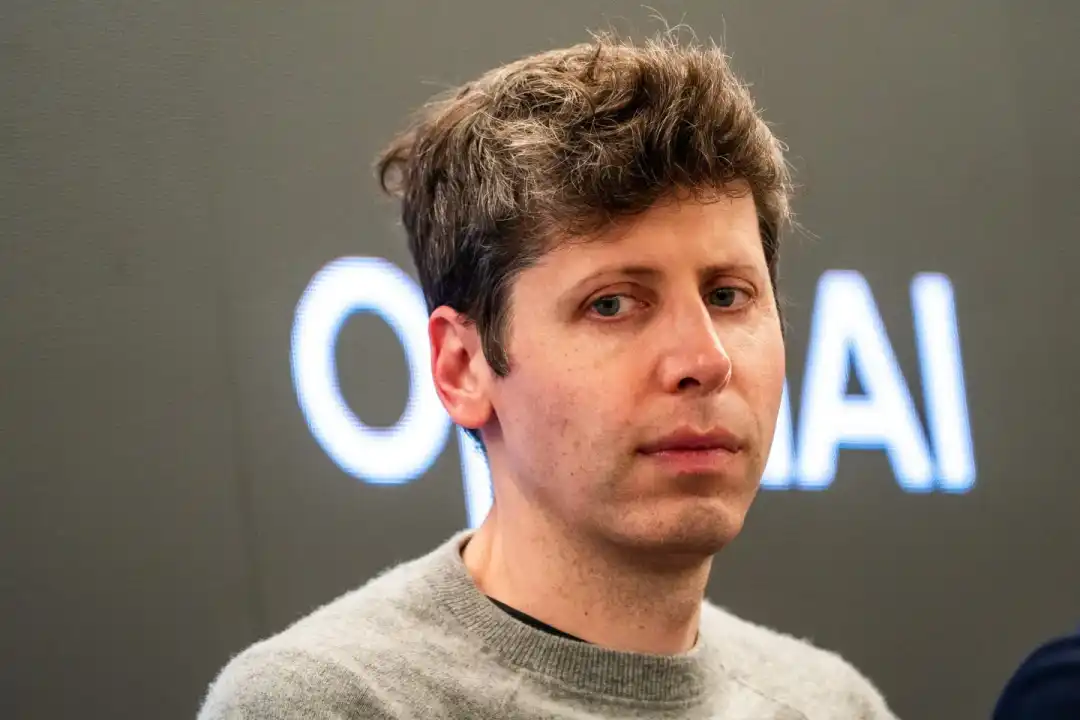
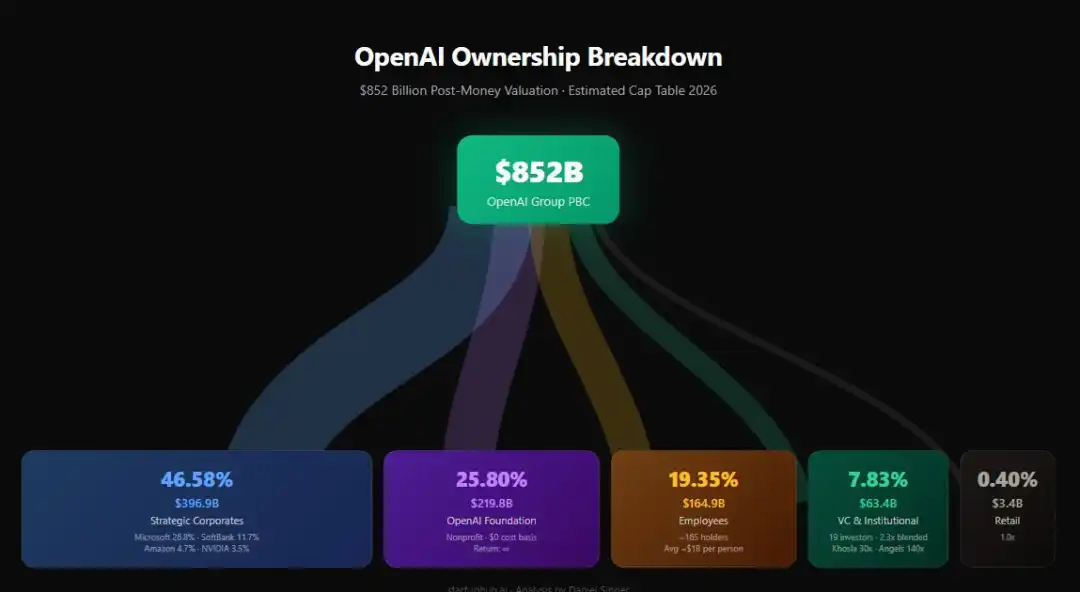
CEO of $852 billion Company, 0% Ownership
On the leaked equity table, the CEO's line reads two words, "None/Pending".
Ultraman holds 0% of OpenAI's equity. His annual salary is around $66,000.
A founder and CEO of an $852 billion valuation company, with not a single cent of ownership in his own company.
His $2 billion fortune comes from elsewhere. He has no connection to Stripe, Reddit, fusion company Helion, or aerospace company Stoke Space, all of which have no affiliation with OpenAI.
What's more intriguing is that, according to WSJ, Ultraman once pushed OpenAI to invest $500 million in Helion, where he holds personal shares. This investment would skyrocket Helion's valuation by over six times, leading to a surge in his own stakes. Some within OpenAI are concerned about this.
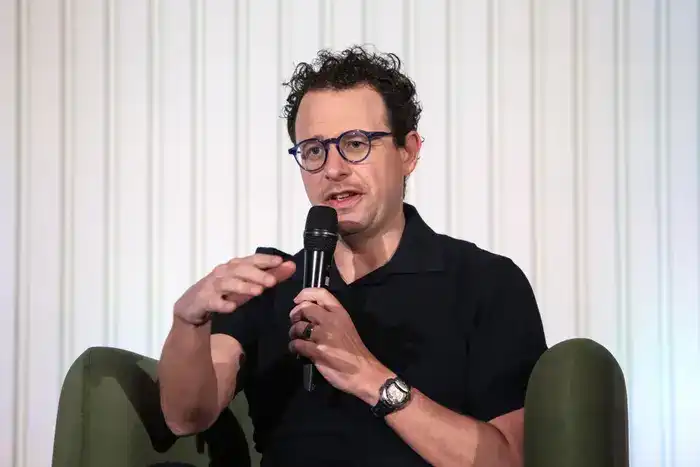
On the other hand, Dario Amodei follows the standard founder ownership structure, with his net worth soaring to $7 billion in early 2026.
Company up, he up. Interests naturally aligned.
72 Days of the New Trader
Let's talk about OpenAI's transformation.
The real mastermind behind it is Fidji Simo.
She was poached from Instacart to serve as the "App CEO," effectively taking over OpenAI's day-to-day operations.
Her first move upon taking office was to sound the red alert.
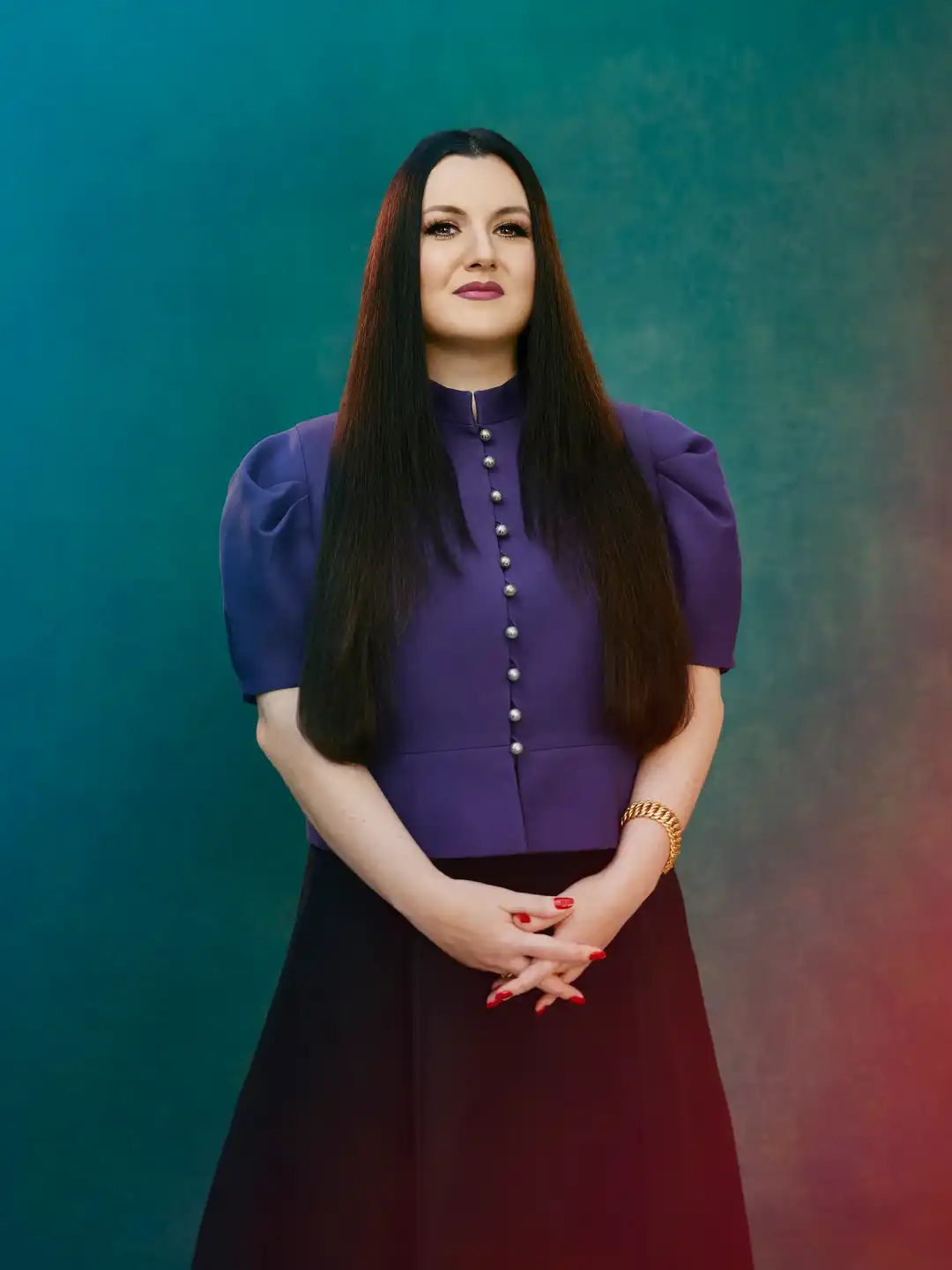
She characterized Anthropic's rise as a tour de force, then went through all of the company's projects with Ultraman and CFO Sarah Friar, making a decision on each one.
What remained were the Codex and ChatGPT super apps. Everything else was axed.
Then Simo collapsed.
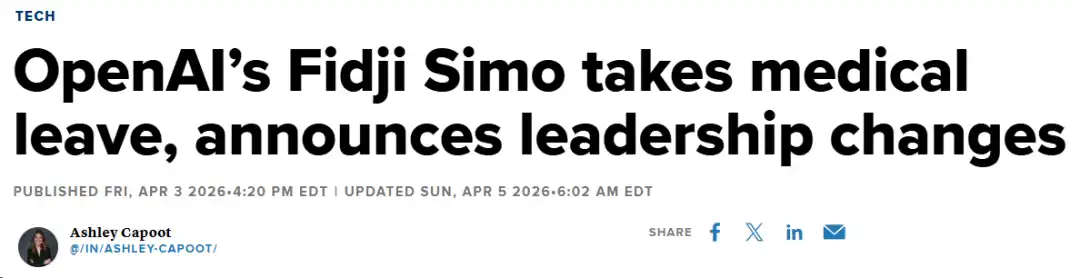
On April 3, due to worsening POTS (a neuroimmune disease), she announced a leave of absence for several weeks.
On the same day, CMO Kate Rouch resigned after recovering from cancer, and COO Brad Lightcap was reassigned to a "special project."
Brockman took over the product temporarily. CFO Sarah Friar, Chief Strategy Officer Jason Kwon, and Chief Revenue Officer Denise Dresser divided up Simo's remaining work.
One person's job split among three.
What's trickier is the timeline.
Ultraman is pushing for an IPO, possibly as soon as the end of this year. However, several insiders, including Sarah Friar, believe this timeline is "too aggressive."
Ultraman himself once said in a podcast, "My excitement level about becoming a public company CEO is 0%."
Is a company that lost $14 billion last year, just halved its product line, has the trader on leave, and a CEO uninterested in going public really ready for an IPO?
Bald may be bald, but has it become stronger?
In March, OpenAI gave all employees a week off. The official reason was to "prevent burnout."
Longtime employees had a different interpretation.
With 9 million enterprise paid users, 9 billion weekly active users, and $24 billion in annualized revenue, these numbers would be mythical for any other company.
But OpenAI's problem has never been the lack of big numbers.
It spent two years chasing every possible direction, only to look back and find that the former VP of Research, who thought he wasn't idealistic enough, had outstripped himself in revenue after leaving with a group of people to start his own venture.
The most ironic layer of this is that OpenAI was founded with the intention of "developing general artificial intelligence for the betterment of humanity." It was born with a saintly hue to combat commercial monopolies.
Now, however, in order to catch up to a competitor who defected from within, OpenAI has killed its research division, killed its video platform, and killed off the side missions that once made AI feel "warm" and "fun."
Has it become more powerful as it has become more bald?
GPT-5.5 is indeed powerful. Codex is indeed changing how businesses operate.
But juxtaposing Ultraman's recent statement, "We want to be a platform for every company, every scientist, and every ordinary person," with what he actually did this week, the rift between the two is growing wider.
The research division was axed. The creative platform was shut down. Ultraman spent two years trying every direction, only to find in the end that the answer lies in the enterprise market and code tools.
Meanwhile, Anthropic used these two years to achieve a $30 billion answer.
Sources:
https://www.nytimes.com/2026/04/24/technology/sam-altman-openai-money.html
https://x.com/sama/status/2047823357635354814
https://x.com/OpenAI/status/2047743592278745425
Welcome to join the official BlockBeats community:
Telegram Subscription Group: https://t.me/theblockbeats
Telegram Discussion Group: https://t.me/BlockBeats_App
Official Twitter Account: https://twitter.com/BlockBeatsAsia