2024, What Wallet Should I Use?

Original title: "What crypto wallet should I use in 2024?" 》
Original author: 0xNatalie, ChainFeeds Selection
With the continuous expansion of Web3 application scenarios, the market demand for transaction diversification has also increased. Its growth is no longer satisfied with simple swap operations. As the entrance to Web3 transactions, wallet tools have always had many iterative directions, such as finding ways to innovate and improve in terms of security, user experience, entry barriers, etc.
The following five wallet platforms are greatly improved compared to MetaMask or other old wallet tools. For new users, you may wish to try these products, which may be useful. The whole Web3 experience has a completely different perception.
Rabby Wallet: The best choice for the Ethereum ecosystem
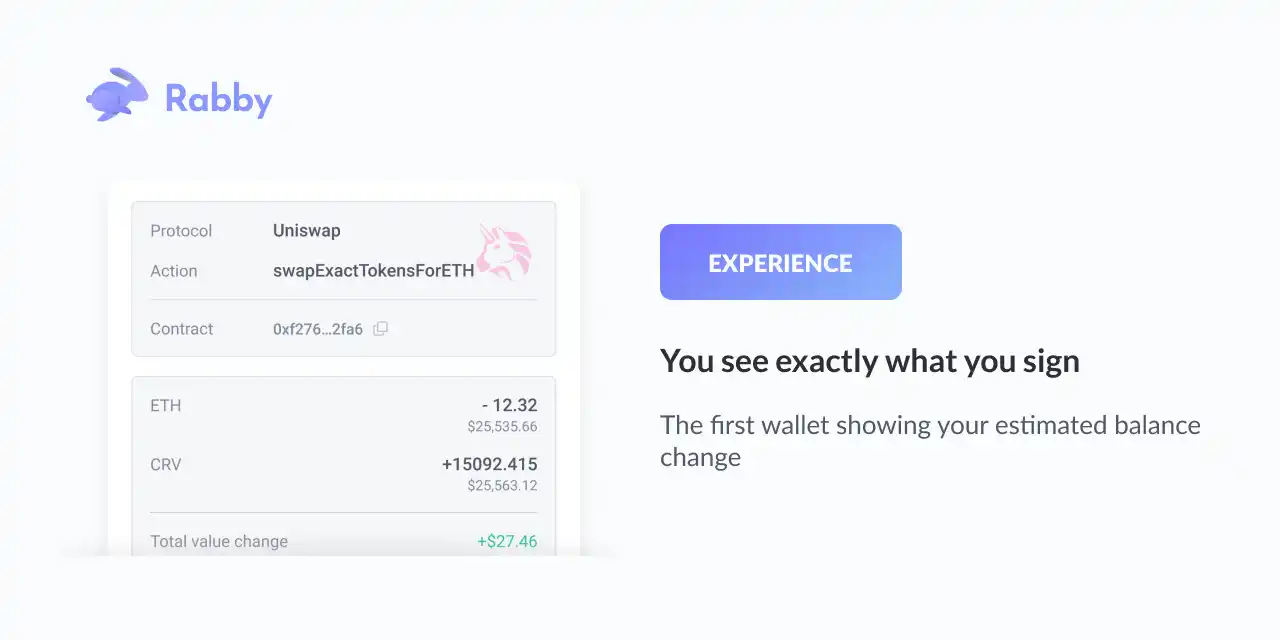
Rabby Wallet is developed by DeBank The team launched a wallet that can challenge Metamask. Compared to Metamask, Rabby Wallet is more user-friendly in presentation. Rabby Wallet parses the transaction content for users on the signature page and displays the expected balance changes, thereby reducing the risk of users blindly signing transactions. Rabby Wallet will send each transaction to the security engine for screening to help users identify potential risks and issue alerts when possible vulnerabilities are discovered, such as "the interactive contract has been attacked before", "the receiving address does not exist in On the chain" etc.
In addition, for existing MetaMask accounts, users can import them to Rabby Wallet with one click. After importing the address, all tokens on the EVM chain will be automatically displayed , no need to manually add each token like in MetaMask.
Rabby has also recently opened a points system to encourage users to migrate, which may be in preparation for subsequent tokens.
Backpack: The best choice for Solana ecosystem
In the Solana ecosystem, the well-known little ghost wallet Phantom has been caught in the controversy of "internally tracking the wallet and selling it" a few days ago. Although Phantom co-founder Brandon Millman stated that he would not sell user data and would only use technology to prevent witch attacks, the market did not agree with this response and believed that this was a disguised admission of sharing wallet data with the cooperation team.
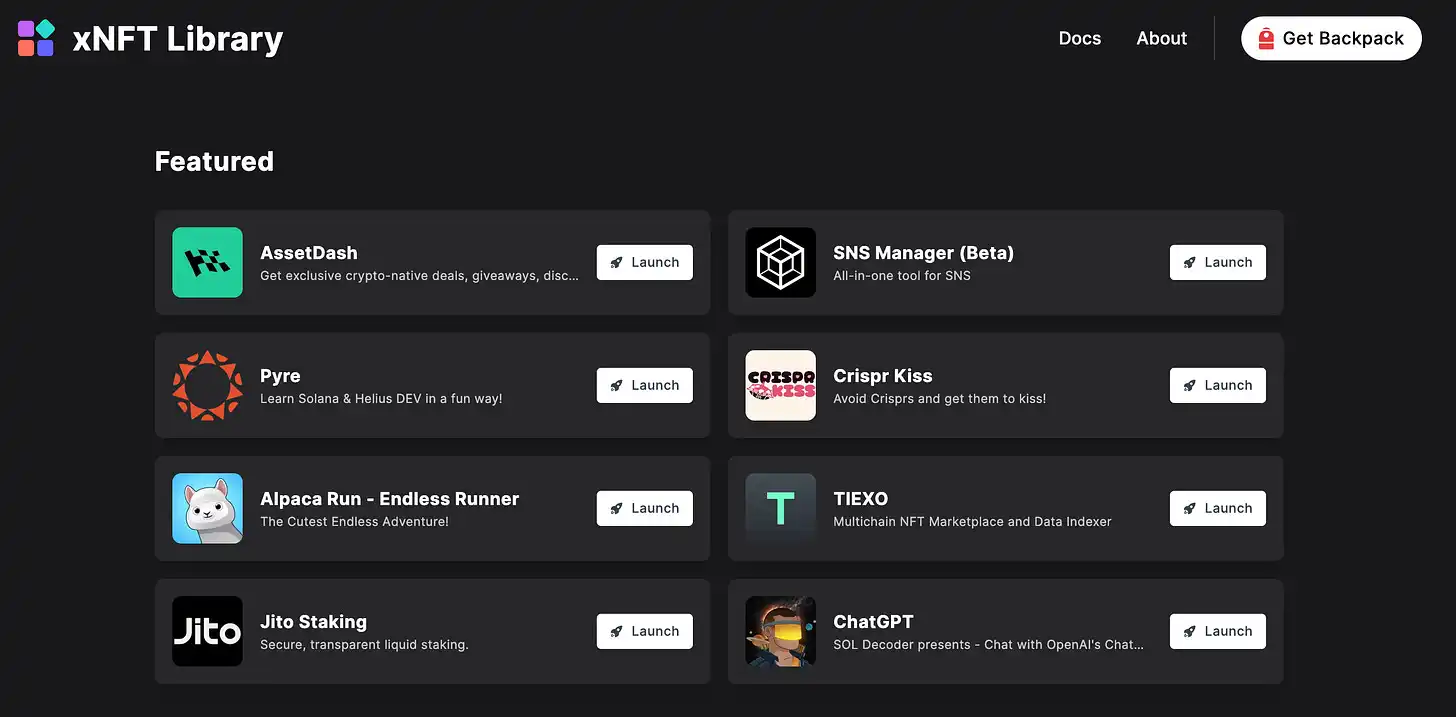
At the same time, Backpack Wallet has chosen a completely different route. Its biggest feature is that it is open and simple enough to use. Backpack states that they are the only open source wallet in the Solana ecosystem. In fact, the open source of crypto wallets should be the most basic standard in this industry and should not be an "advantage." However, Phantom not only failed to implement it, but also tried to monetize user data.
In addition, Backpack Wallet has many advanced features that are suitable for heavy users.
Privy: a new generation of “wallet as a service” platform
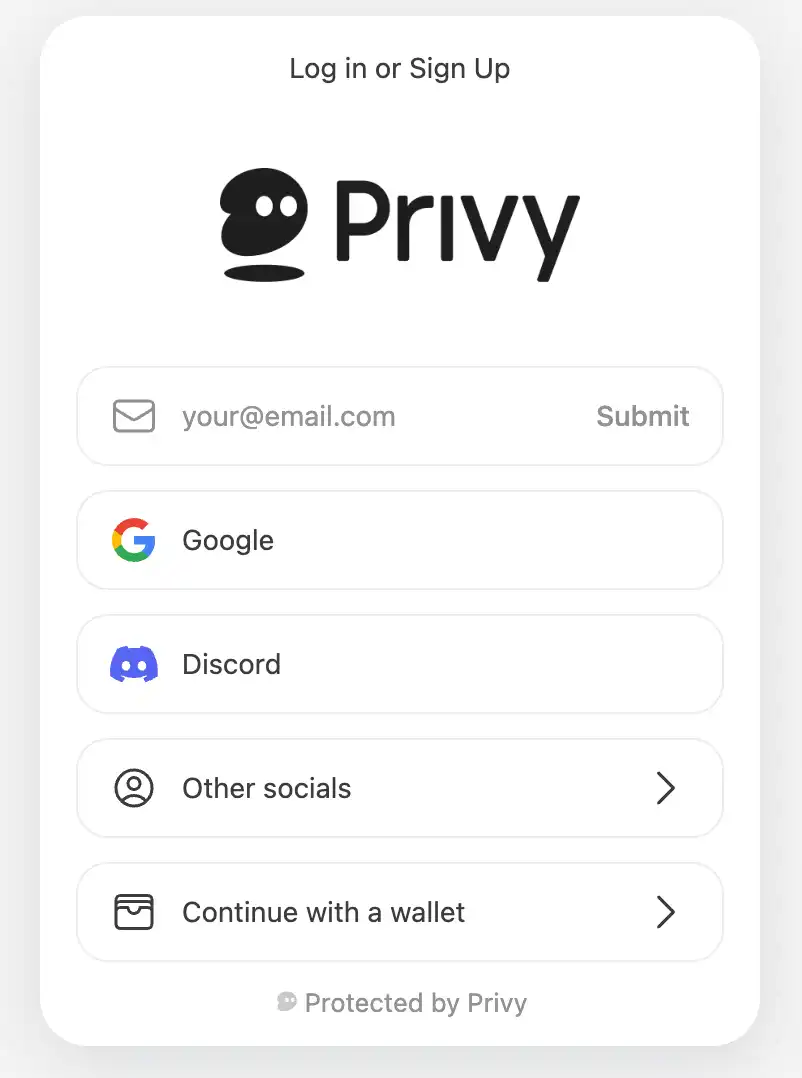
Friend.tech exploded in popularity in 2023, which also brought the Privy embedded wallet it used into the public eye. Privy is a WaaS toolkit for implementing progressive authentication in Web3. WaaS (Wallet-as-a-Service) provides a set of APIs to provide digital wallet functions to users through cloud services, eliminating the need to download, install or manage complex wallet software. This means Friend.tech users can create an account directly using their phone number, Apple or Google ID and use the app directly. Part of the reason why Friend.tech has exploded so quickly is because of its simple onboarding process.
Privy helps developers onboard users through multiple authentication methods. Developers can specifically control when the authentication process and wallet connection are triggered to Improve user experience and increase conversion rates. In terms of security, Privy offers multi-factor authentication for embedded wallets, supporting both SMS verification and time-based one-time password (TOTP) verification methods. According to Privy's documentation, they use the SSS (Shamir's secret sharing) multi-signature scheme, which divides the private key into three pieces. One is in the browser of the user's device, one is stored in Privy, and the user encrypts it with a strong password (or Privy's independent server (middle) one copy, two of which can be assembled into a private key, and the private key only appears in the device's memory and is not stored.
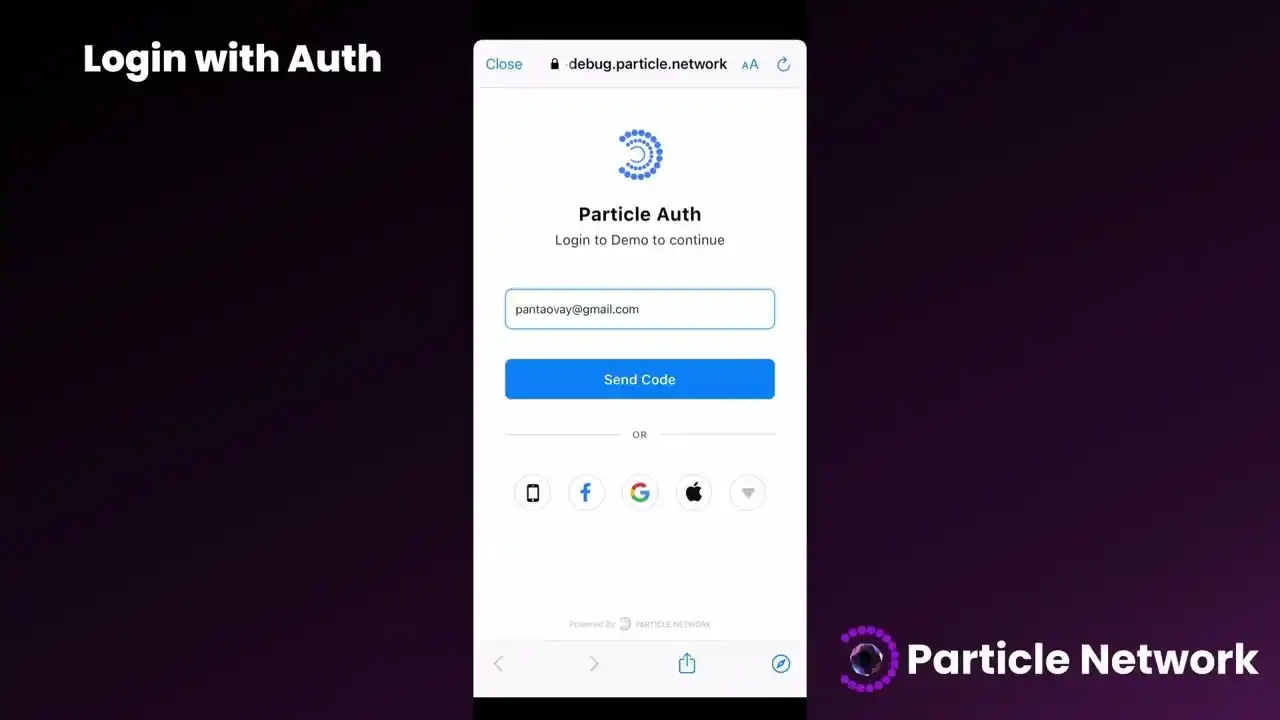
Particle: more mature, Faster iteration, developer-friendly "wallet as a service" platform
Particle Network, which focuses on chain abstraction infrastructure, further provides a series of functions and tools based on WaaS and launches Smart Wallet-as-a-Service Modular Stack. The modular stack integrates account abstraction technology, allowing developers to build more complex applications with advanced logic for free. According to data disclosed by Particle Network, they have implemented 3 million ERC-4337 standard operations (User Operations) for users.
In addition, in the BTC ecosystem, Particle Network launched BTC Connect to solve the problems of native Bitcoin wallets (such as Unisat) due to signature algorithms, address generation logic, Due to different transaction structures, it is impossible to directly adapt to the EVM chain environment. It provides functions such as account abstraction and adaptation. It only requires a Bitcoin wallet signature to complete the interaction on the EVM chain and improve the user experience.
JoyID: a new generation wallet experience based on open standards
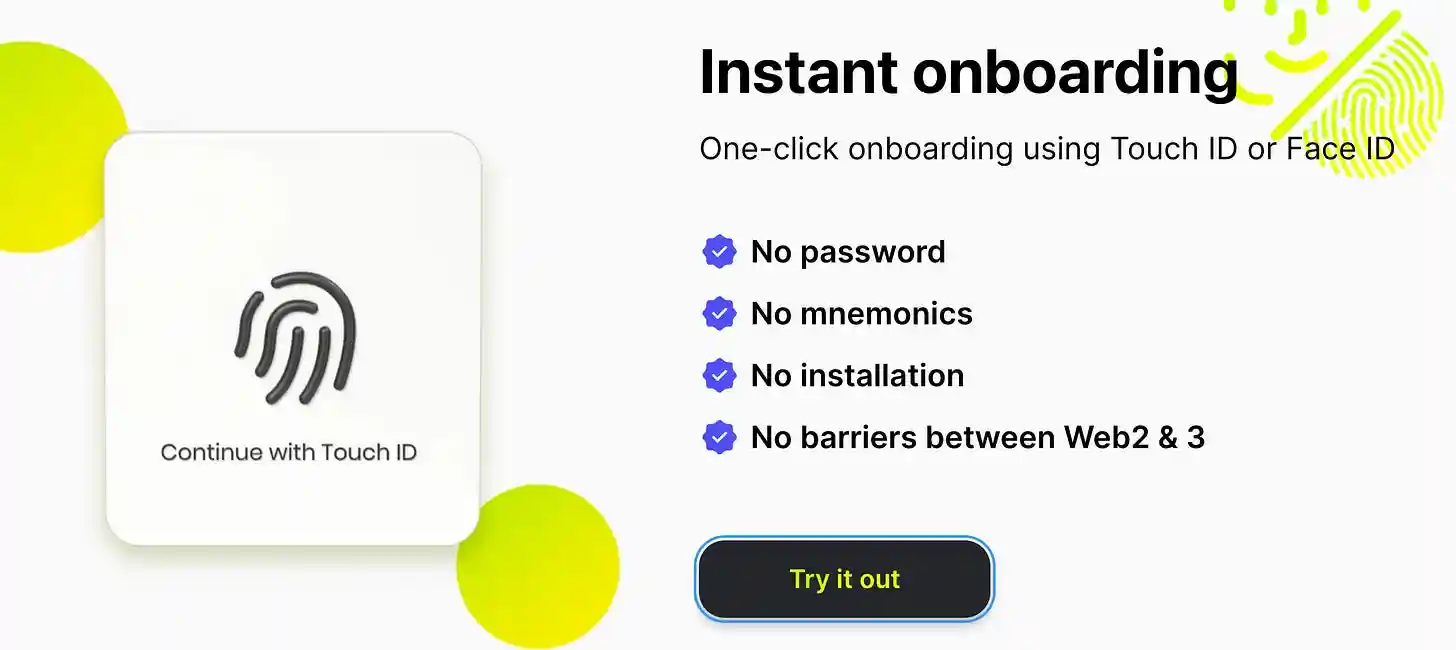
JoyID Wallet is based on Passkey, a new generation of open standards. Many modern mobile devices can enhance the security of wallets through built-in security chips without sacrificing user experience. It goes beyond the traditional "username + password" login experience.
In addition, JoyID bypasses Apple/Google’s restrictions on the App Store by using PWA (Progressive Web App), further reducing the possibility of being censored.
Original link
Welcome to join the official BlockBeats community:
Telegram Subscription Group: https://t.me/theblockbeats
Telegram Discussion Group: https://t.me/BlockBeats_App
Official Twitter Account: https://twitter.com/BlockBeatsAsia