Outlier Ventures: How should the Web3 project design a token attribution plan?
Original Title: "From Zero to Hero with Token Vesting"
Original Author: Achim Struve
Original Translation: Luffy, Foresight News
What is Token Ownership?
Many early Web3 companies started with a great idea to revolutionize the decentralized technology world. However, even the best ideas require some form of funding to launch and establish the expected flywheel economy. These self-sustaining ecosystems are often built on alternative cryptocurrencies, and token economics can be used to help users adopt, incentivize behavior, and the product itself. Therefore, in addition to raising funds in equity businesses, raising funds in future tokens is also a common strategy, especially when overall market sentiment in the crypto market is on the rise.
The token ownership refers to the token supply released to the market during a certain period. In fundraising, token ownership refers to the distribution of token supply to early investors and contributors. As they play a crucial role in building Web3 startups during the construction phase, they can receive discounts or even "free" tokens, which means they have a lower entry point than later investors and market participants. The token allocation of these privileged entities will be adjusted by the token supply release schedule, which will adjust their long-term interests in Web3 startups and make it fairer for later entrants.
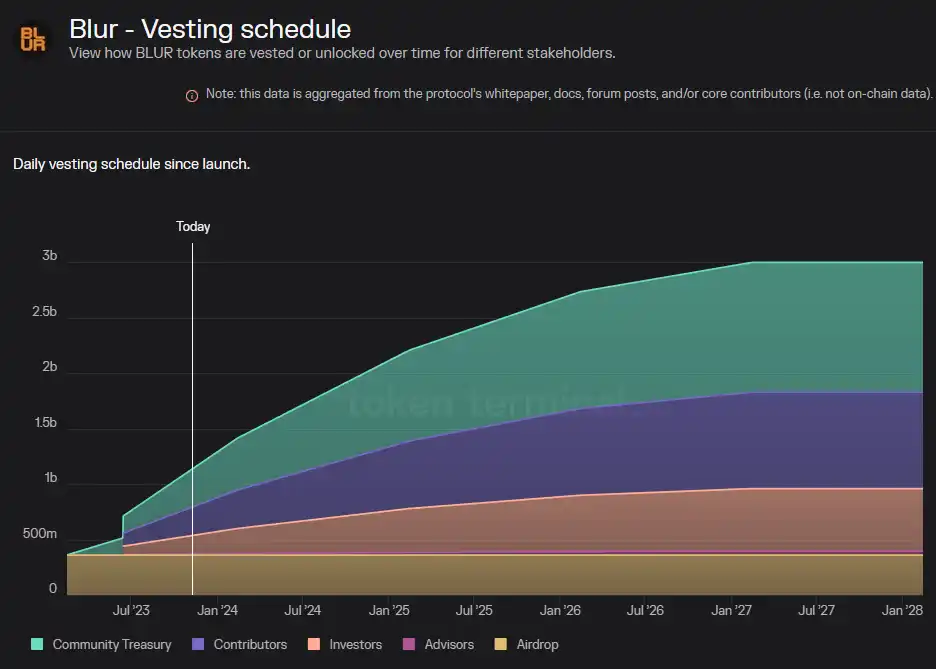
Figure 1: Blur token ownership, source: Token Terminal
Figure 1 shows the ownership schedule of the $BLUR token. Except for the airdrop, most of the supply will gradually be released within 4 years after a 6-month lock-up period. These numbers are quite common in the latest market narratives. In the 2021 bull market cycle, the typical vesting period is between 12 to 18 months. Moving on to the main topic of this article, how to design the right vesting terms for our early investors and contributors?
Short-term or long-term ownership?
The previous text pointed out the possible timeline ranges that we see in the market. These ranges are mainly narrative-driven and based on "what others are doing" rather than "what is best" for the entire Web3 initiative. When designing a timeline for attribution, other factors should also be considered besides "what is best", such as:
Early Investors and Contributors
Recognizing early investors and contributors in the ownership schedule is acknowledging and rewarding the risks taken by stakeholders who supported the project from its inception. These individuals and entities typically provide the necessary capital and resources for the project's initial development and growth. They want to receive liquid tokens as early as possible while also hoping for the long-term healthy development of the startup they invested in.
Fairness
When conducting due diligence on Web3 projects, market participants will consider ownership terms. If they believe the ownership terms are unfair, it may lead to negative sentiment towards the project and hinder future adoption. Fairness refers to the equitable distribution of benefits among all stakeholders. Fairness ensures that no party gains disproportionate advantage or disadvantage due to ownership terms. This is to create a level playing field where long-term participants are rewarded for their commitment while still allowing new entrants to participate and benefit. In most cases, this means that the lower the entry point for investors, the longer their ownership period.
维持可投资性
translates to
Maintaining Investability
The design of token valuation table and corresponding ownership time table plays an important role in the future investability, and is in tension with the fast fundraising requirements of startups. Compared to public offerings with short ownership periods but higher valuations, lower valuation sales may attract more funds in the early stages, but may reduce the future investability of later rounds, as later investors perceive themselves to be at a disadvantage compared to the initial investors.
Ecological sustainability and stability
The design of the ownership schedule should take into account the need for sustainable development of the project ecosystem. This requires the development of a schedule to avoid token flooding the market and causing value dilution, thereby maintaining stability. A well-considered ownership schedule can prevent drastic price fluctuations, ensure that token issuance matches the growth and development stages of the project, and provide support for the ecosystem. A more advanced way to maintain sustainability and stability is to adopt an adjustable ownership method.
Time and Interval
The timing of token release is related to the specific time interval for releasing tokens to stakeholders. It is important to align the timing of token release with strategic milestones and overall project progress. The appropriate timing helps to maintain momentum, demonstrate project maturity, and manage market supply. The attribution time is determined based on the project roadmap and development stages, and participants can rest assured that attribution is part of the strategic plan, not a short-term incentive plan. Please note that the actual release of tokens should not be a one-time event, but a gradual process. When a large supply enters the market immediately, it may cause significant fluctuations. A better approach is to release tokens smoothly over time to reduce market manipulation and volatility.
Community Ownership
Community incentive measures are usually allocated within a specific time frame. Some recent attribution schedules include address-based allocation for market contributors. It is crucial to make the most effective use of these community incentive measures. This means that every dollar issued in token form should contribute to accumulating more than one dollar in value for the protocol. In many cases, this is achieved through incentivizing core ecosystem behavior and product adoption.
These aspects are not comprehensive, and when it comes to token release in the economic system, there are many different perspectives that need to be carefully weighed and considered. A fundamental pillar is to create appropriate demand to offset token release. Imbalances between supply and demand can lead to fluctuations and disruptions in the token ecosystem. Strong Web3 startups will pay attention to these dynamics and try to predict different scenarios.
Case Study: Simulated Attribution Timeline
The following case studies demonstrate the impact of different vesting schedules on token valuation over various timeframes. It was conducted using the Outlier Ventures Open Source Quantitative Token Model (QTM) radCAD under the assumption of standard settings and moderate adoption. Figure 2 illustrates the general structure of QTM, which has evolved since its initial release.
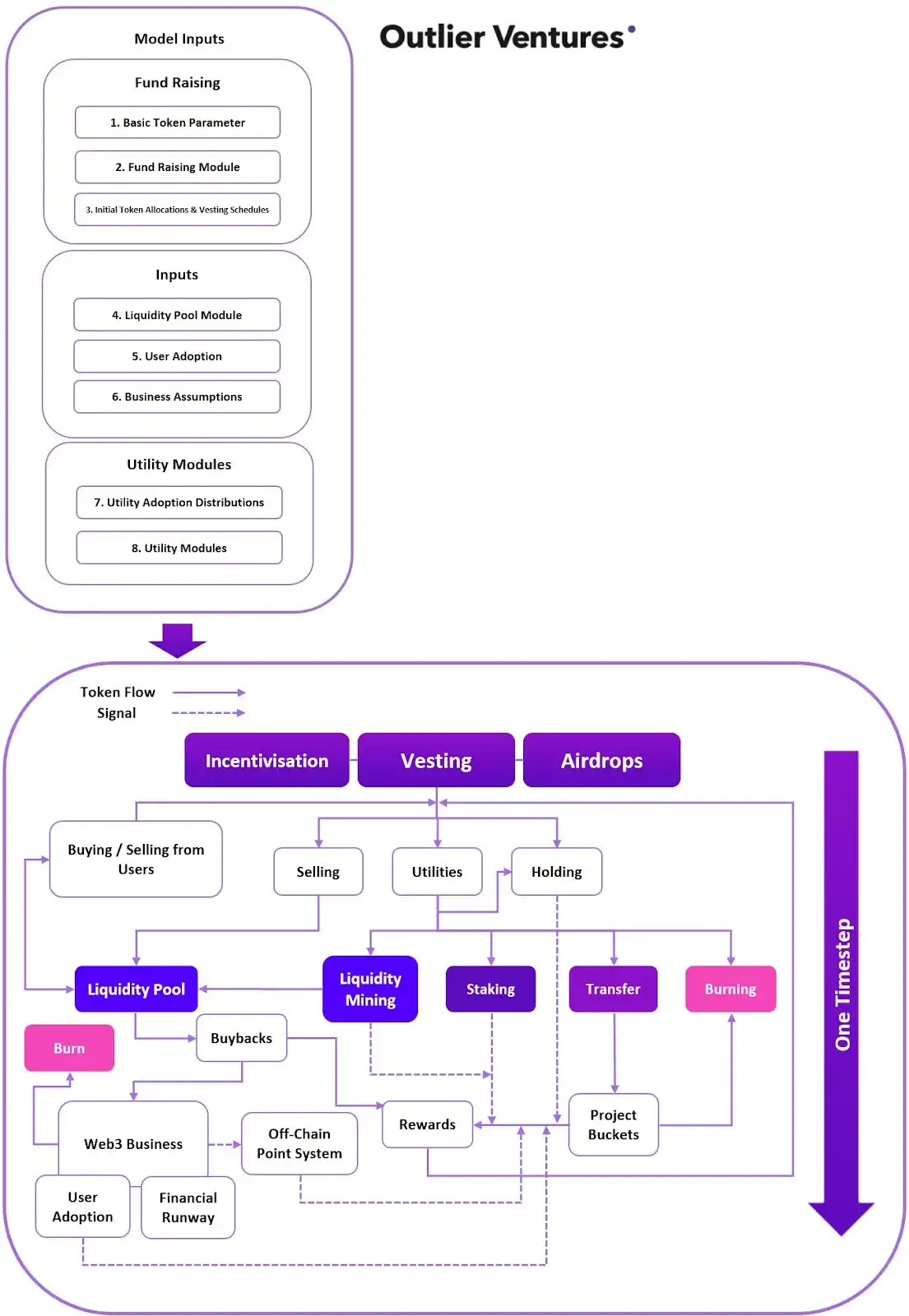
Figure 2: Quantitative Token Model Structure Abstraction
Please remember that no model can predict the valuation of any token and they should not be considered as financial advice, especially recommendations from static and simplified models. However, through QTM, we can assume a certain adoption scenario and then apply different attribution schedules to test what would happen if they change. In the following research, the same conditions were applied in the model except for different lengths of attribution periods to understand the impact of attribution periods on token valuation stability.
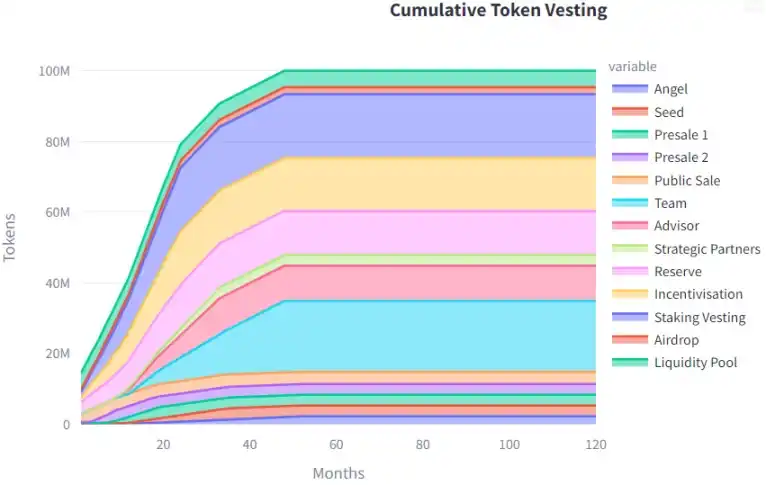
Figure 3: Slow (top) and fast (bottom) attribution timelines in the case study of Quantitative Token Model (QTM)
Figure 3 shows the assumed ownership schedules in two test scenarios. The top image depicts slow ownership, while the bottom image depicts fast ownership. It can be seen that there are many different stakeholders involved, such as different financing stages, early investor groups, teams, advisors, partners, reserves, incentive and pledge ownership, airdrops, and liquidity pools. These ecosystem participants are common to various protocols. In this case study, no specific product or token utility is specified, except for general pledge and transfer utility that can represent various mechanisms (such as store purchases or ecosystem transaction fees). The exact use cases are not related to this study.
Under a slow vesting schedule, it takes 8 years to fully release all tokens into the economic system; under a fast vesting schedule, it takes 4 years. This includes the period of time from token issuance, including lock-ups, and most investors will complete vesting ahead of schedule.
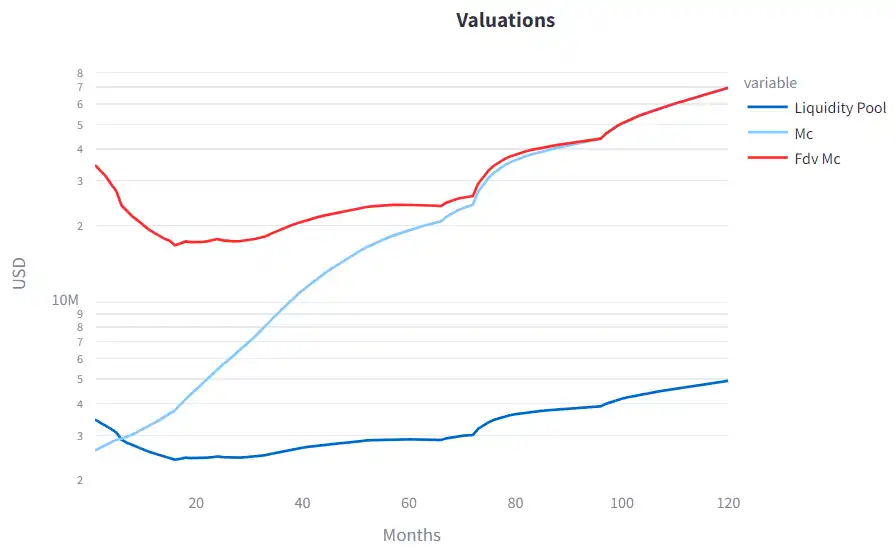
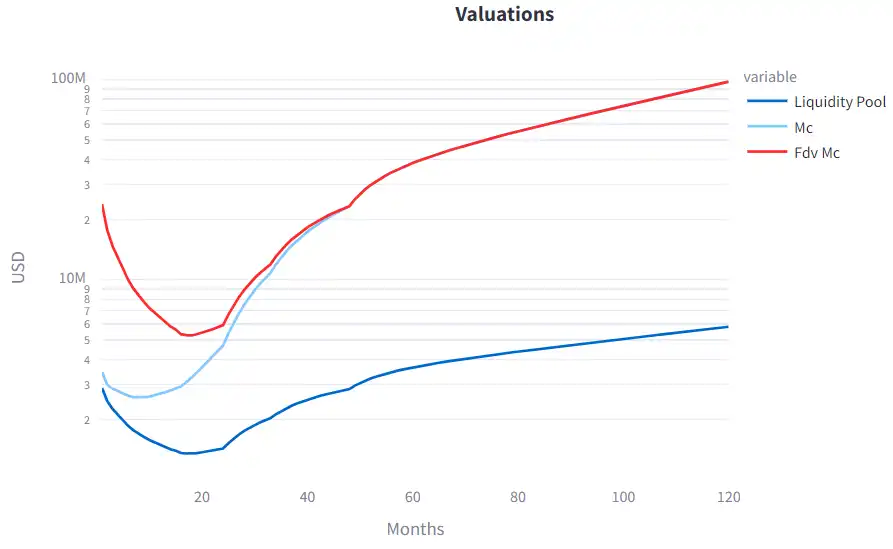
Figure 4: Token valuation caused by slow (top) and fast (bottom) attribution schedules
Figure 4 shows the token and liquidity pool valuations obtained from QTM simulation under two different ownership plans given in Figure 3. It is worth noting that the vertical axis is logarithmic. In both cases, the fully diluted valuation (FDV) market capitalization (MC) at launch is $40 million. Both cases show similar curve shapes, with FDV MC decreasing at the beginning of the simulation and starting to rise after a period of time. The circulating MC only decreases in the fast ownership plan, but also starts to increase after 8 months. In many Web3 token issuances, a decline in valuation can be observed in the first 2 to 3 years due to the large supply of tokens released to the market when the startup is still in the construction phase. Subsequently, assuming successful business models, token designs, and GTM methods, valuations may rise again due to increased demand.
Welcome to join the official BlockBeats community:
Telegram Subscription Group: https://t.me/theblockbeats
Telegram Discussion Group: https://t.me/BlockBeats_App
Official Twitter Account: https://twitter.com/BlockBeatsAsia