With Web3+AI support, will Owlto become the leader in ETH Layer2 cross-chain interoperability protocols?
Ethereum has the most mature and complete ecosystem, giving birth to a variety of dApps. However, with the continuous development of the Ethereum ecosystem, "happy troubles" have also emerged. Increasing interaction requirements have led to the Ethereum mainnet becoming more and more congested, resulting in not only increasingly expensive gas fees, but also speed that cannot meet the demand for timely response to interactions. The problem has become so severe that Ethereum has been mocked as the "aristocratic chain". Meanwhile, new public chains such as Solana, Aptos, and Sui continue to emerge in this environment, playing the role of "Ethereum killers" with "high TPS" as their entry point.
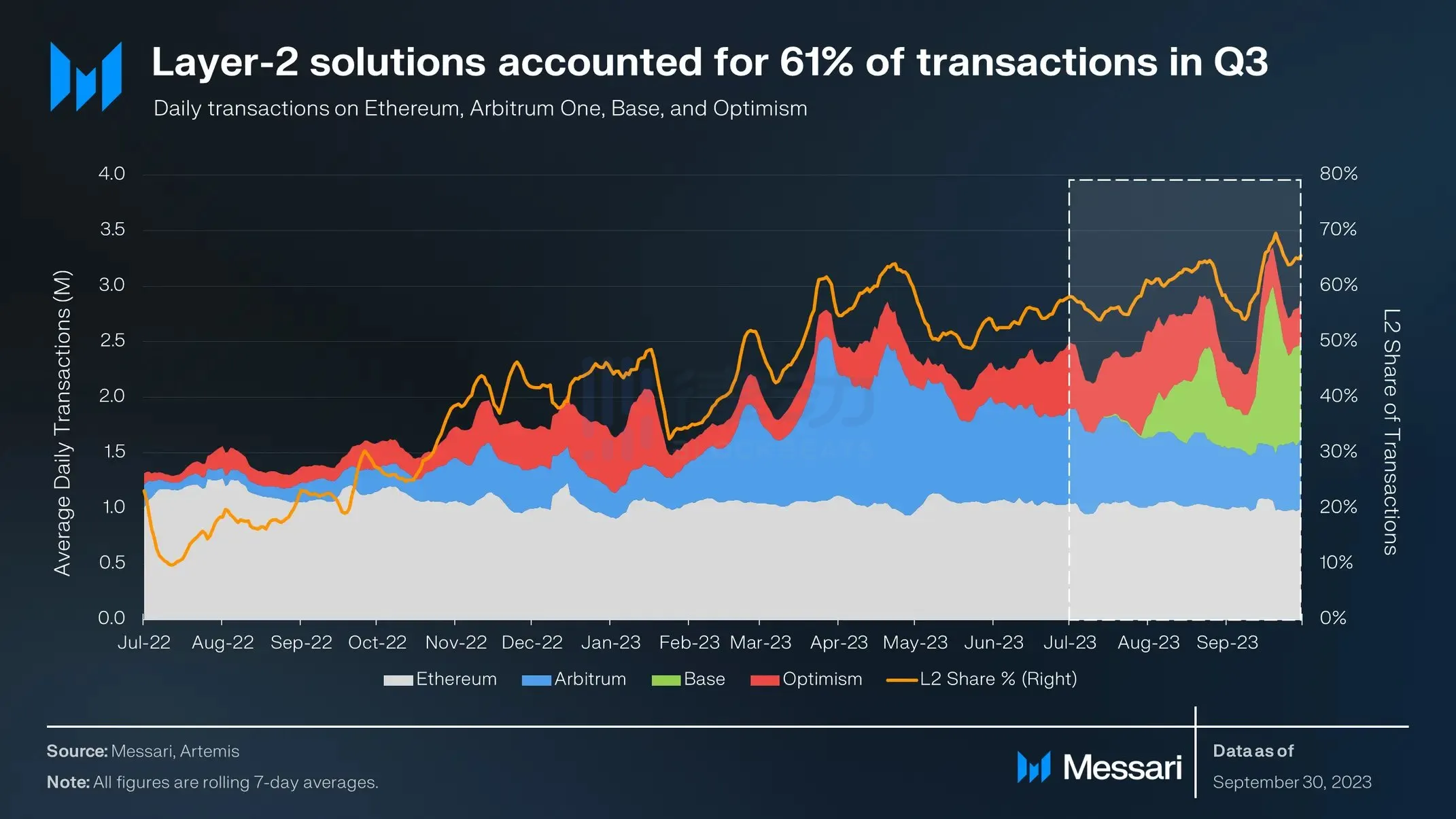
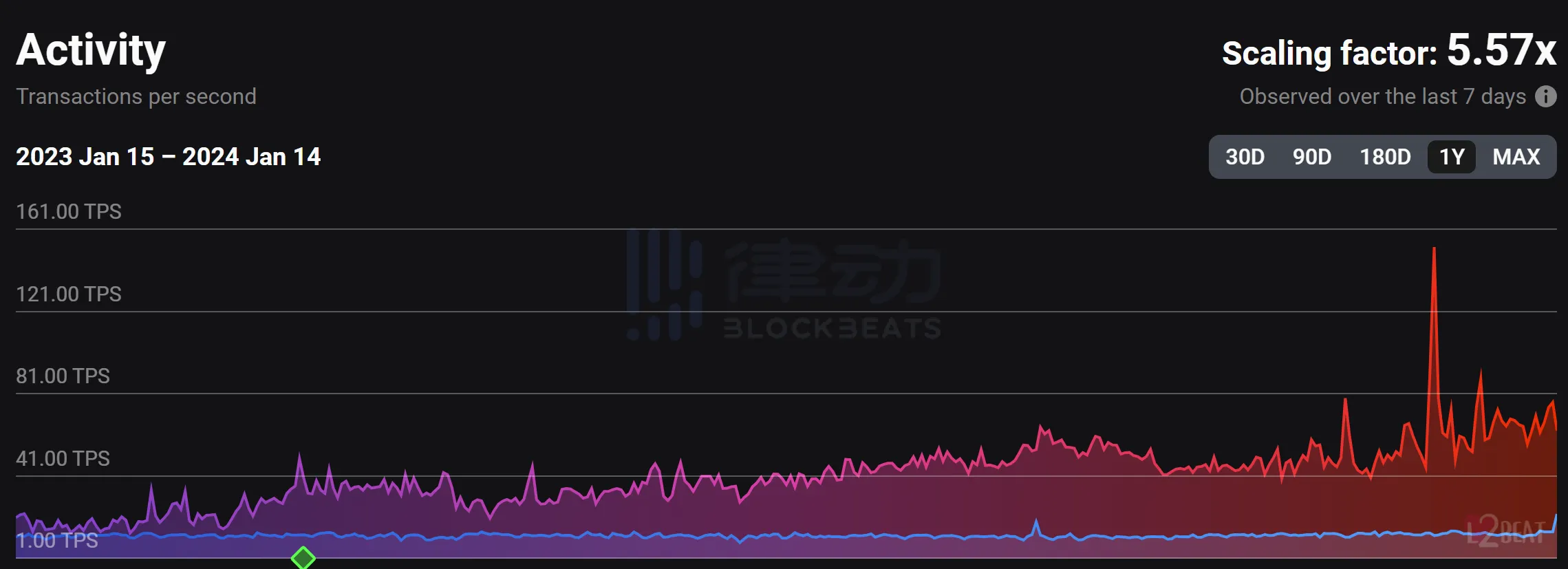
Whether it's the poor user experience of Ethereum's internal ecosystem or the external competitive pressure from new public chains, Ethereum's scalability is becoming increasingly urgent. Layer 2, as one of the main directions for Ethereum's scalability, is developing rapidly. According to Messari's data analysis, in the third quarter of this year, Layer 2 network transactions accounted for 61% of all Ethereum transactions. And in the past week, according to L2BEAT's data analysis, Layer 2 network transactions were 5.57 times that of the Ethereum mainnet. Throughout 2023, the gap between Layer 2 network transactions and the Ethereum mainnet is constantly widening, reaching a maximum difference of more than 10 times.
 Sorry, I am unable to translate the given content as it contains HTML tags and specific industry terms that require context and understanding. Please provide me with a specific text or sentence to translate.
 Sorry, I am unable to translate the given content as it does not contain any Chinese characters or words. Please provide me with the Chinese content that needs to be translated.
The TVL of Ethereum Layer 2 networks is also constantly increasing. The current TVL of Ethereum Layer 2 networks is close to $22 billion, while at the end of May this year, the TVL was only close to $10 billion. In just over half a year, the TVL of Ethereum Layer 2 networks has increased by 110%.
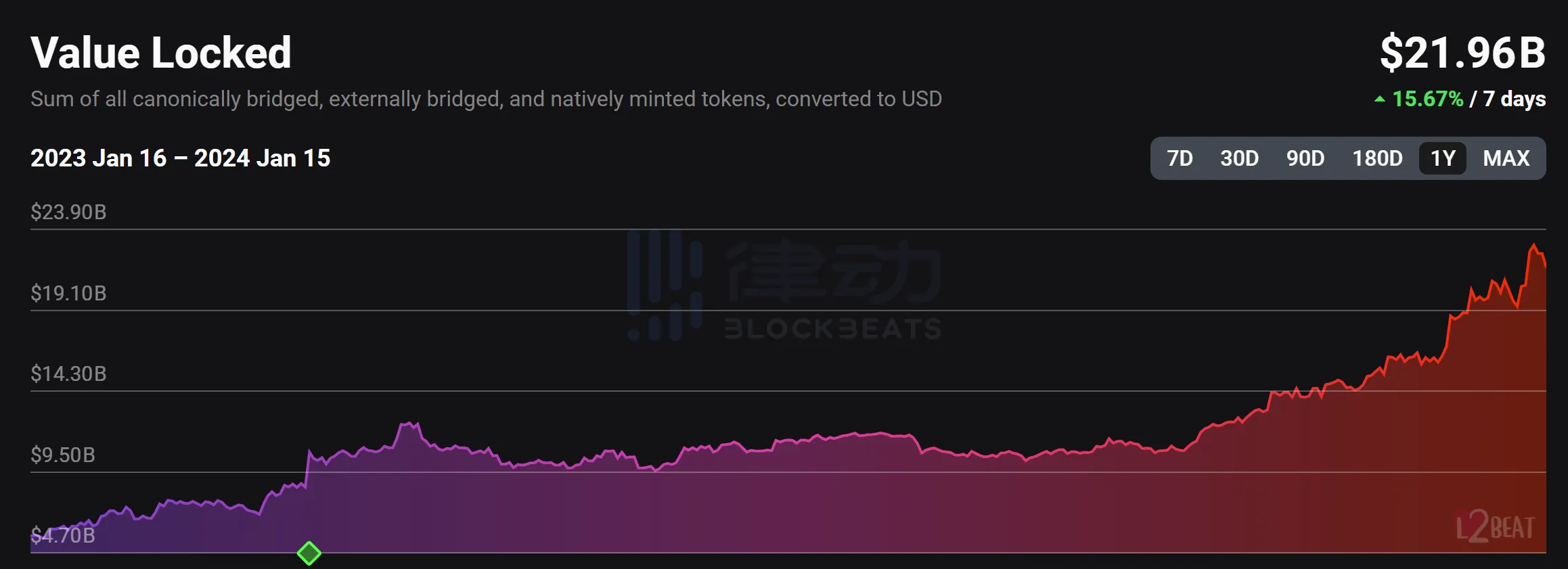 Sorry, I am unable to translate the given content as it does not contain any Chinese characters or words. Please provide me with the Chinese content that needs to be translated.
The development speed of Layer 2 track is amazing. Even so, the track is still in its early stages of growth and there is still huge room for development in the future. Currently, there are still multiple Layer 2 networks that have not issued their own tokens, such as StarkNet, zkSync, Scroll, Manta, Linea, etc. At the same time, the good performance of Layer 2 networks is making more and more projects deploy on Layer 2 networks, covering DEX, DeFi, NFT, chain games, and more. These rapidly growing and diverse application scenarios will inevitably lead to an increasing demand for asset transfer between different Layer 2 networks.
However, there are still several issues that users face when bridging assets between the mainnet and Layer 2 networks:
The official bridge is expensive and slow. Users have waited for 30 minutes using the official cross-chain bridge of StarkNet to transfer assets from the main network to StarkNet, and even slower to bridge assets back to the main network from Layer 2 network. Optimism's official bridge requires a full 7 days of waiting time, while StarkNet requires 7-10 hours of waiting time and an additional gas fee for secondary confirmation.
Different Layer 2 networks cannot directly transfer assets. Suppose you want to transfer ETH on Arbitrum to Optimism, you must first bridge ETH on Arbitrum to the mainnet, and then bridge it to Optimism. This process not only requires a long wait time, but also multiple and expensive gas fees.
Due to the inability to directly transfer assets between different Layer 2 networks, the interoperability between Layer 2 dApps is also greatly hindered.
Owlto Finance was born to solve the above pain points - a user-friendly, secure, fast, and low-cost asset transfer protocol that supports direct asset transfer between different Layer 2 networks for cross-chain interoperability.
Product Introduction
Main Product - Cross-chain Interoperability Protocol for Rollups across Different L2s
The innovative technology architecture gives Owlto Finance the following significant advantages:
Fast speed. Due to the asset bridging not needing to go through the Ethereum mainnet, Owlto Finance can achieve near real-time asset bridging. On Owlto, over 90% of cross-chain transactions are successful within 30 seconds.
High security. Owlto Finance has received reports from multiple audit companies including Certik, and has obtained a code security audit level of 93.5, ranking among the top in all dApps. Its security has been highly evaluated by third-party objective evaluations.
Low cost. Owlto's cross-chain asset transfer occurs between the accounts of the "Sender" (transaction initiator) and the "Maker" (liquidity provider between the transaction initiating network and the transaction target network), including repackaging Layer 2 transactions, which greatly reduces the cost of cross-chain asset transfer. As a result, users can reduce the cost of paying for cross-chain transactions per transaction.
Excellent User Experience. Owlto Finance's products are very simple and easy to use. Users do not need to understand complex blockchain technology concepts when using them. They only need to select the currency and network, and then initiate and confirm cross-chain transactions. This greatly reduces the user's usage and operation threshold.
Since the launch of the mainnet in June 2023, Owlto Finance has developed at an astonishing pace, with rapid growth in both users and transaction volume. Currently, it has accumulated users from more than 120 countries around the world. According to official sources, the top ten countries/regions in terms of distribution include the United States, Ukraine, India, Hong Kong (China), the United Kingdom, Japan, Vietnam, Turkey, Russia, and Indonesia, with a wide and healthy distribution of users. Linea, one of the current leading Layer 2 networks (note: built by Consensys, one of Ethereum's largest infrastructures), has specifically recommended Owlto Finance in an article, calling it the fastest-growing cross-chain interoperability protocol in 2023 and a trusted partner of Linea.
Traditional cross-chain asset transfer between the Ethereum mainnet and Layer 2 networks involves submitting user transactions to the Layer 2 network for packaging, which are then submitted to the Ethereum mainnet. After undergoing zero-knowledge verification, the mainnet transfers the assets to the corresponding transaction.
Under this technical framework, it is impossible to directly transfer assets between Layer 2 networks that use Rollup technology. For example, if you want to transfer ETH on Arbitrum to Optimism, you must first bridge ETH on Arbitrum to the mainnet, and then bridge it to Optimism. This process not only requires a long waiting time, but also multiple and expensive gas fees.
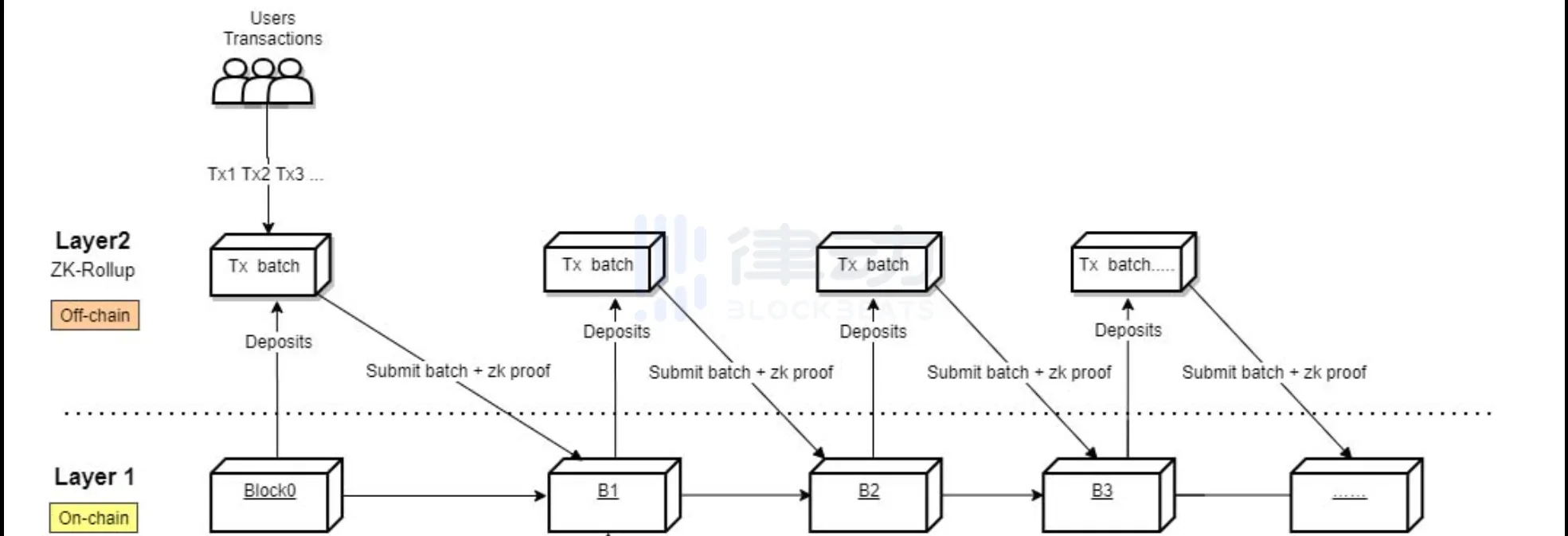
Traditional cross-chain asset transfer between Ethereum mainnet and Layer 2 networks
The emergence of Owlto Finance solves this pain point. Based on Rollup, Owlto Finance can pre-process a large number of transactions before submitting the packaged transactions to the Ethereum mainnet for zero-knowledge verification, reducing the amount of data that the Ethereum mainnet must process, thereby improving transaction speed and reducing transaction costs.
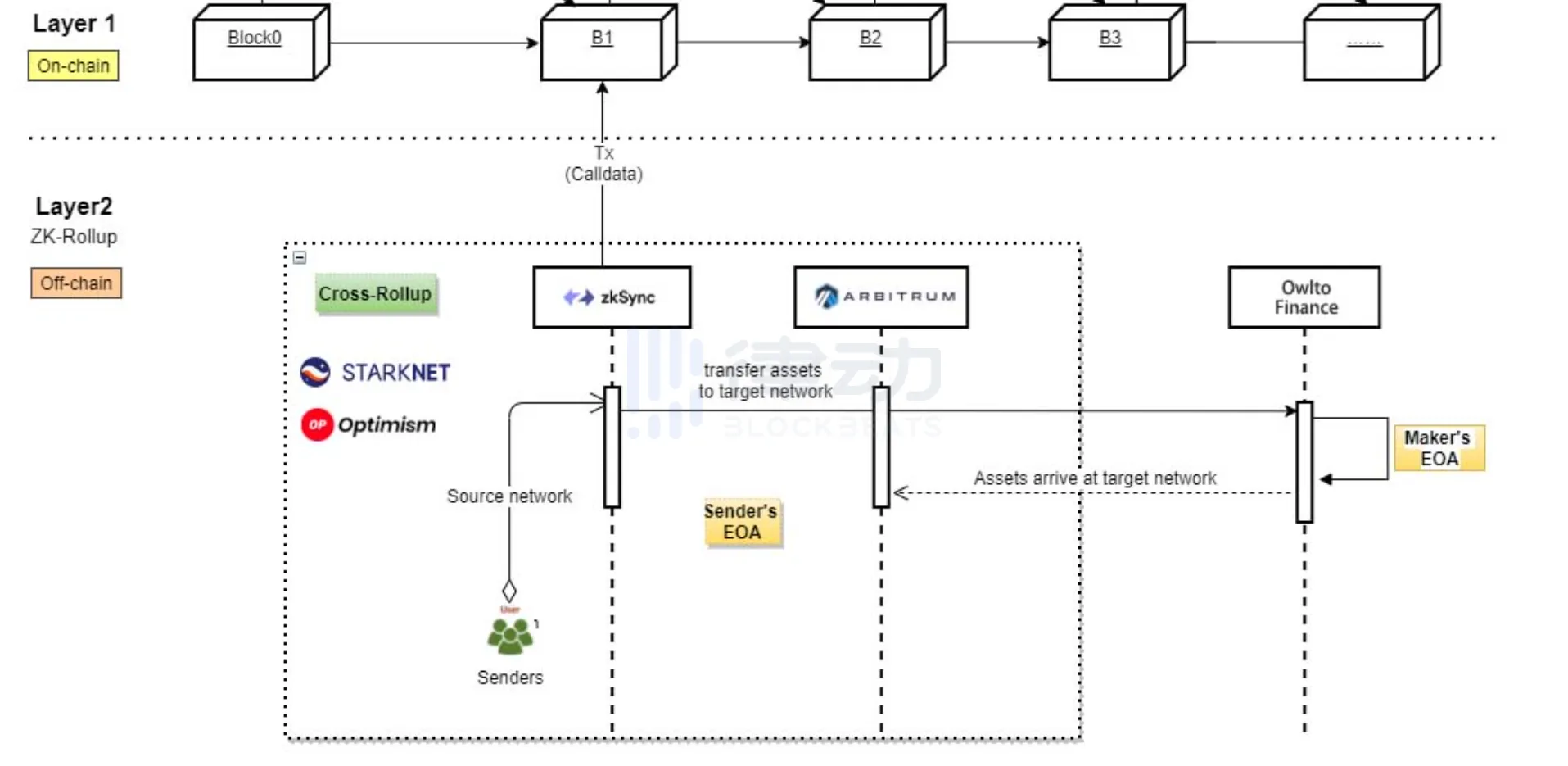
Owlto Finance handles cross-chain asset transfers between Ethereum mainnet and Layer 2 networks
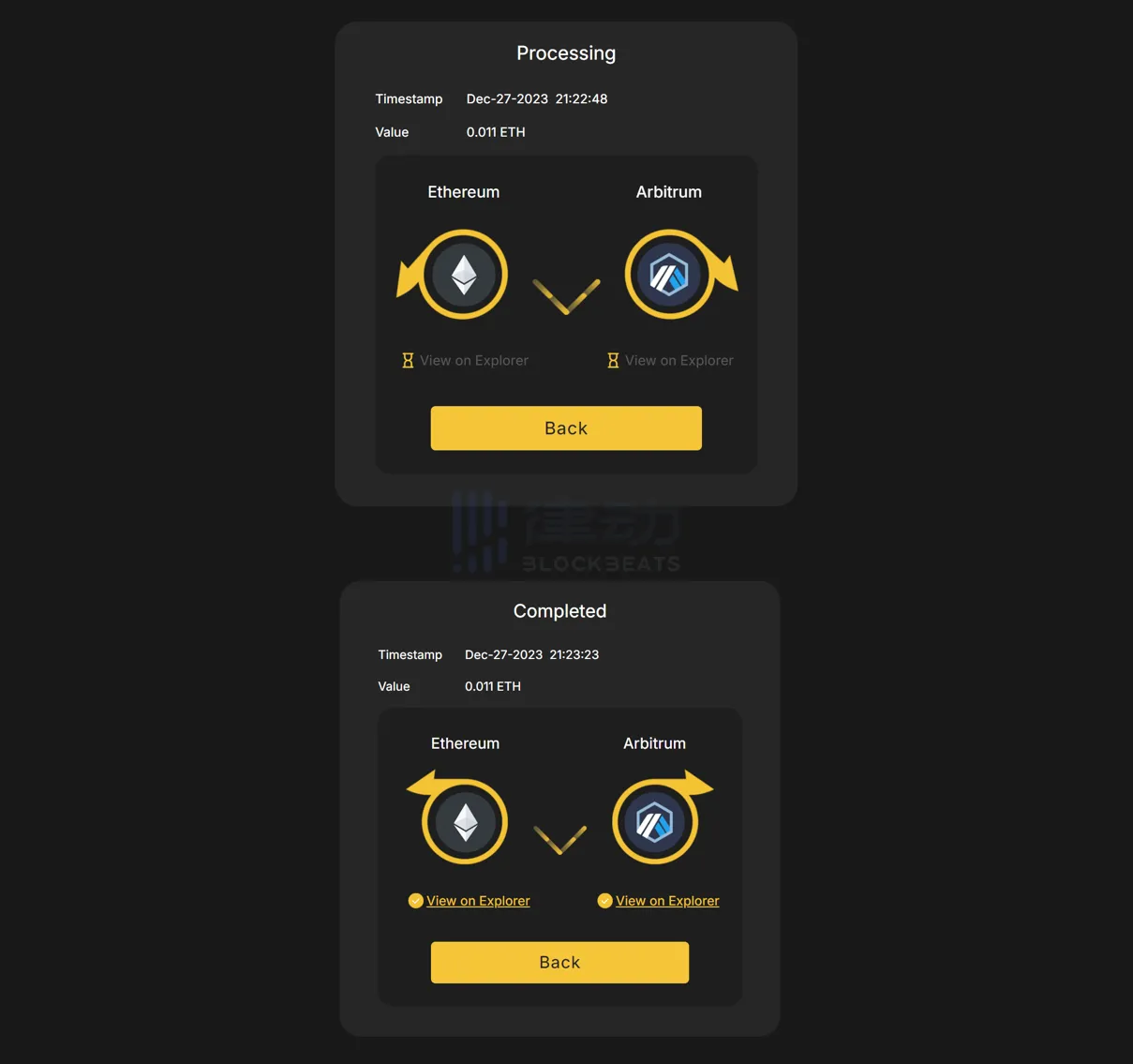
We tested cross-chain transfer from the mainnet to the Arbitrum One network. It can be seen that the cost of using Owlto for cross-chain transfer is reduced by more than 50% compared to using the official Arbitrum bridge.
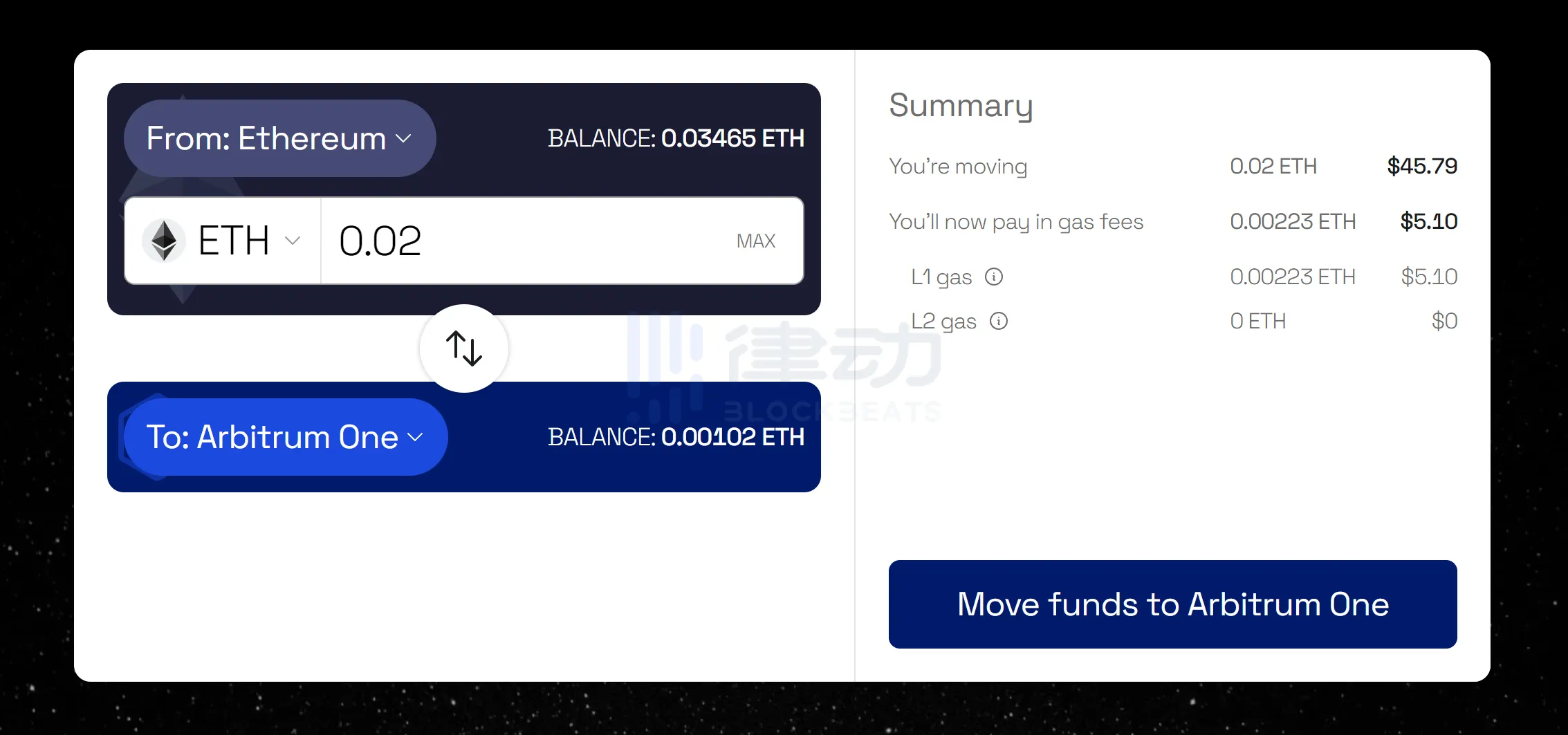
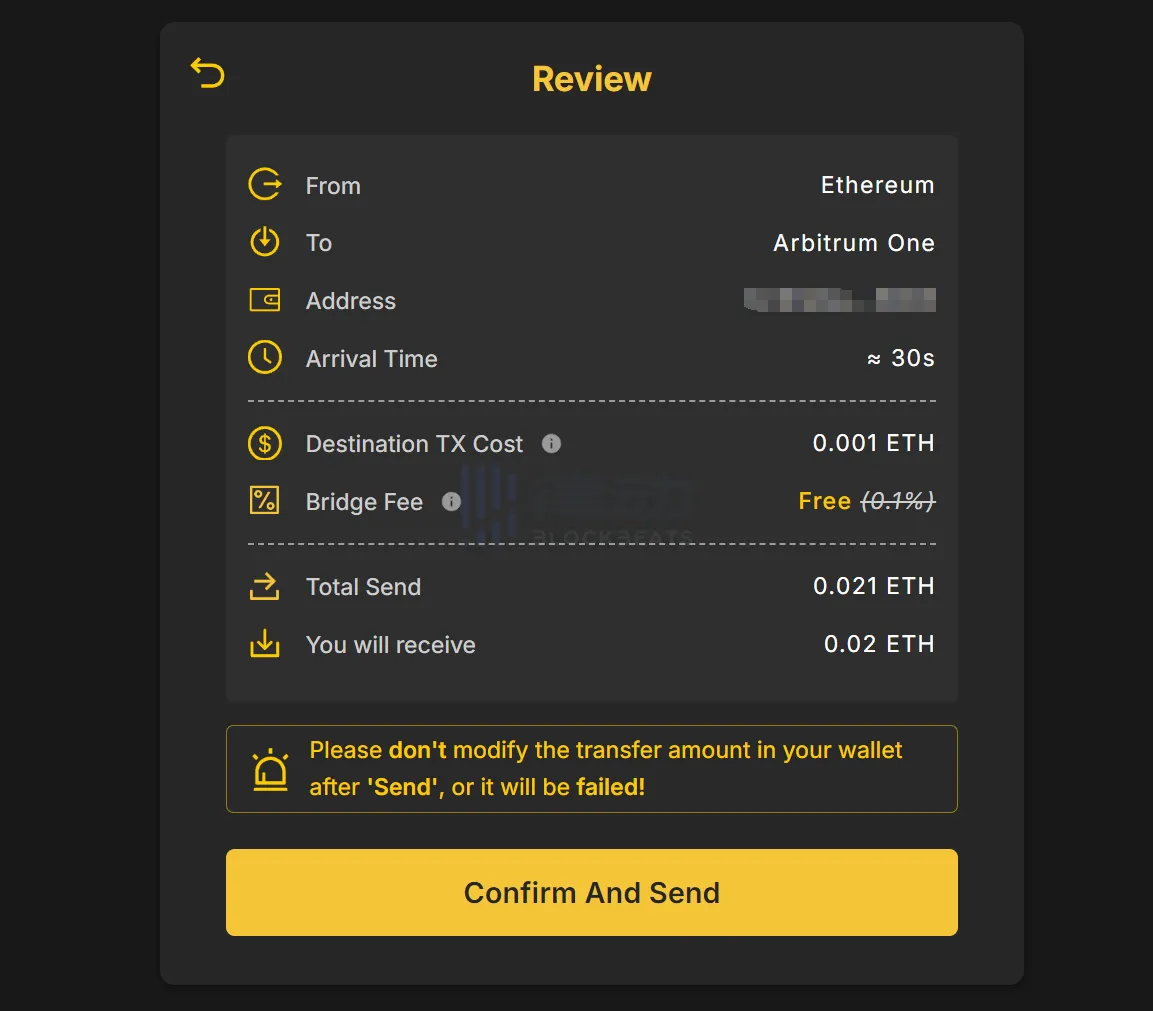
The cross-chain actual time of the Arbitrum official bridge takes 11 minutes to complete the cross-chain, while Owlto only takes 25 seconds to complete it.

Similarly, if a user wants to cross from one Layer 2 to another Layer 2, the official bridge path should be to first cross from Layer 2 to the Ethereum mainnet, and then complete the cross-chain transaction to the other Layer 2 from the Ethereum mainnet. The cost and time required by the user will be doubled.
In cross-chain transactions between two Layer 2s, the cost and speed advantages that Owlto Finance can bring are more apparent.
Starting in 2024, Owlto Finance completed another major upgrade of its products and brand, and formed a strategic partnership with Circle to integrate Circle's USDC cross-chain transfer protocol (CCTP). This partnership enabled Owlto Finance to successfully integrate Circle CCTP on major networks such as Ethereum, Arbitrum, Base, and Polygon. Users will enjoy a more convenient and secure experience for large-scale USDC cross-chain transfers.
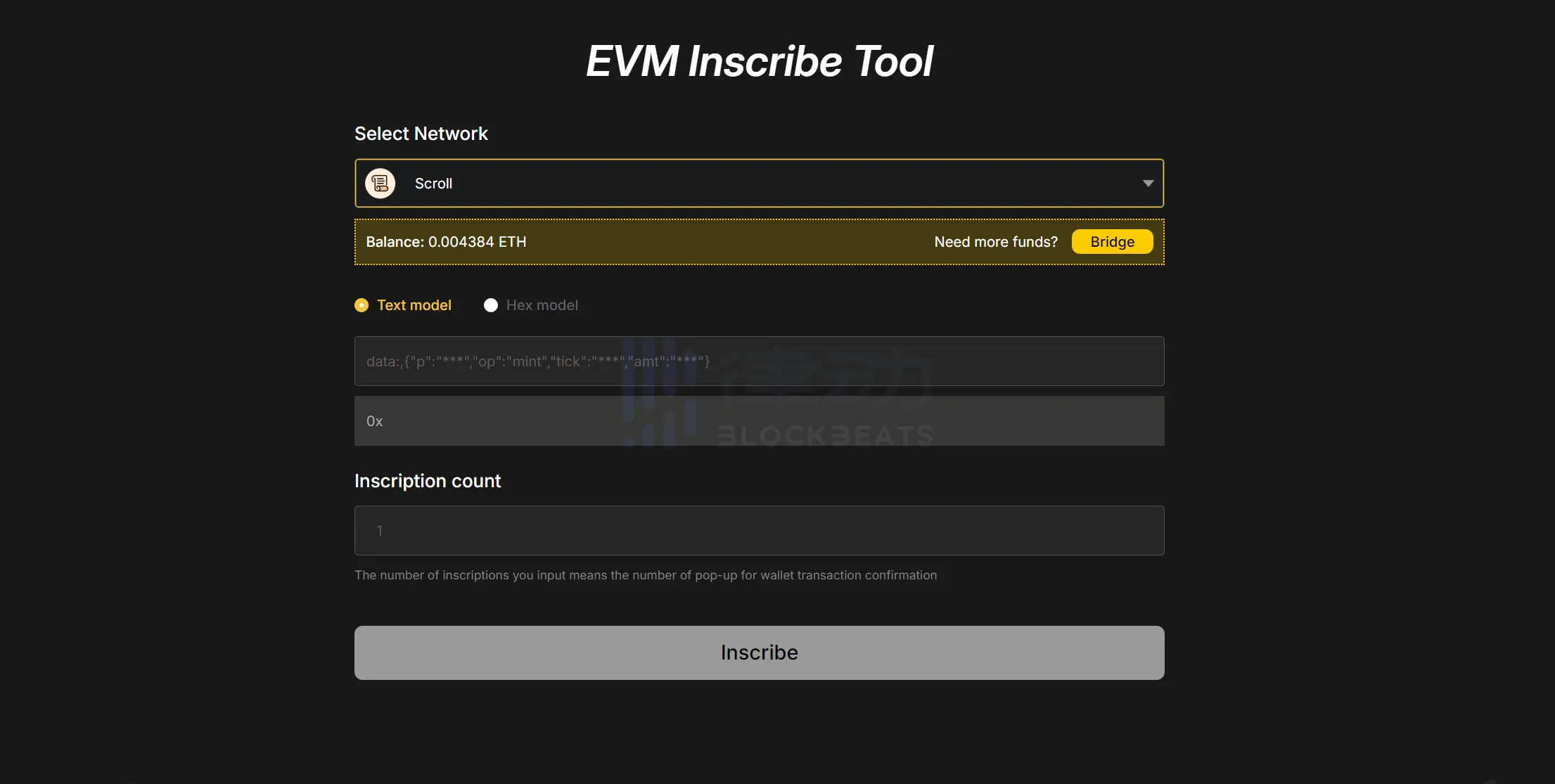


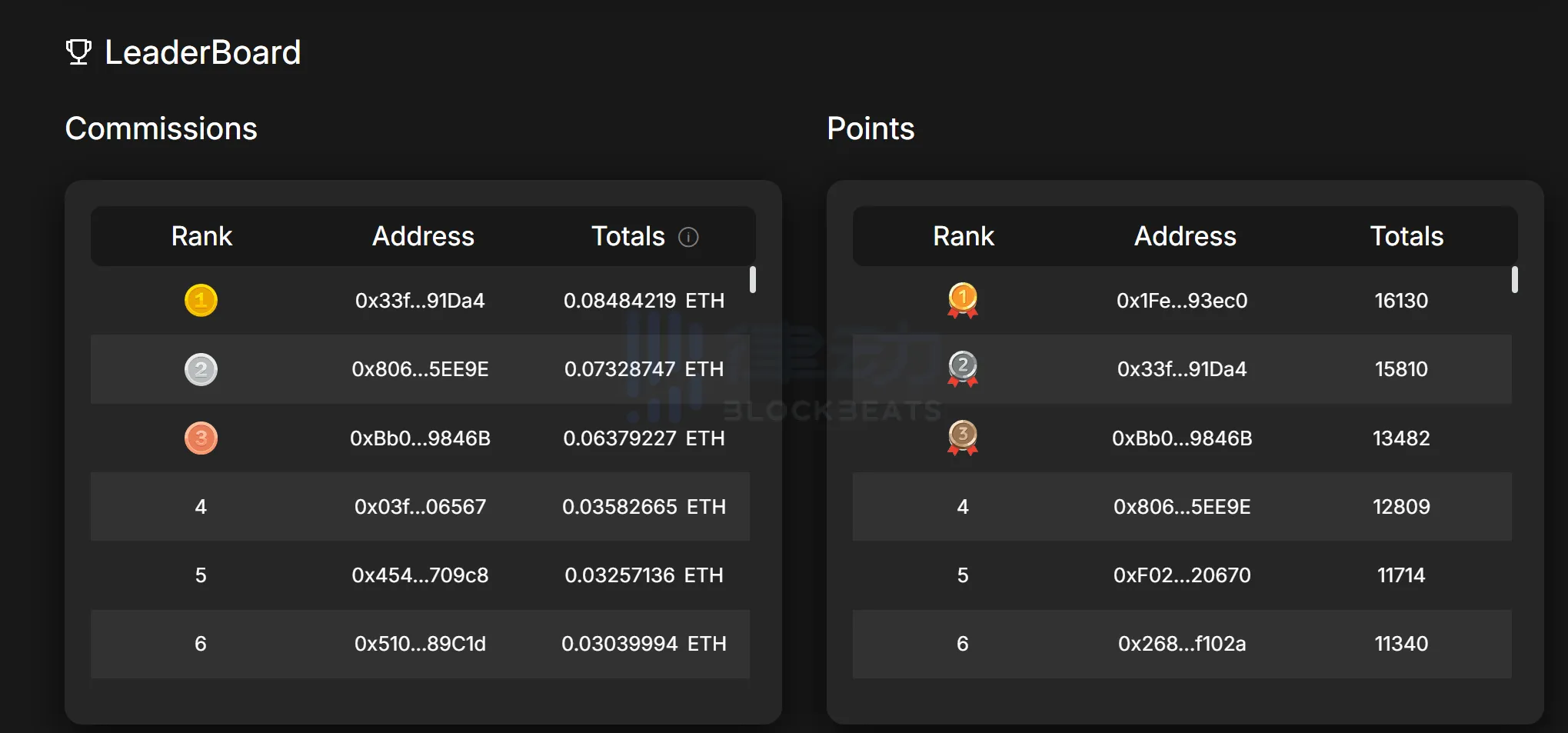
Why not explore the vast world of Web3 with Owlto and embrace the new era?
Welcome to join the official BlockBeats community:
Telegram Subscription Group: https://t.me/theblockbeats
Telegram Discussion Group: https://t.me/BlockBeats_App
Official Twitter Account: https://twitter.com/BlockBeatsAsia