Blockaid: Successfully predicted Vitalik’s hack, Sequoia invested in Web3 security infrastructure


Author: Luccy, BlockBeats
Editor: Jack, BlockBeats
BlockBeats reported on October 23rd that Web3 security startup Blockaid announced it has completed a $33 million financing. The financing is divided into two rounds: a $6 million seed round and a $27 million Series A round. Seed round investors include Sequoia Capital, Greylock Partners, and Cyberstarts. The three investors, as well as co-lead investors Ribbit Capital and Variant, all participated in the Series A round.
Encryption fraud, phishing, and hacking techniques ranging from programming languages to front-end vulnerabilities, and targeted projects from Curve to Balancer to Friend.tech. Even just a month ago, Vitalik Buterin's Twitter account was attacked by SIM Swap, resulting in a loss of $690,000.
Related reading: "friend.tech user suffers SIM Swap attack, is Verizon SMS verification a security loophole?"
BlockBeats reported on September 1st that since 2023, Web3 platforms have lost $1.25 billion in 211 hacking incidents, with losses exceeding $23 million in August alone due to hacking attacks. Since the launch of the Base mainnet to the public on August 9th, four projects have suffered significant losses due to hacking attacks, making it one of the most attacked chains alongside Ethereum and BNB Chain.
Although there are many malicious attack incidents worth billions of dollars, such threats occur every day. Among them, BlockBeats has tracked and organized multiple projects including Fantom Foundation, Platypus stablecoin, Curve, Stars Arena, HTX, etc. In order to protect users from fraud, phishing, and hacking attacks, Ben-Natan and Raz Niv established Blockaid in September 2022 to provide security tools for builders.
Providing Security for Web3
In web3, the average financial loss per person exceeds that of any other industry. Just last year, up to $14 billion was stolen, and the direct losses caused by all non-crypto network crimes only reached half of that amount. In addition, one in ten dApps that people interact with exhibit malicious behavior, and even the most savvy crypto-native users can become victims of bad actors.
Blockaid believes that current web3 builders exaggerate the shortcomings of web2 and its solutions. The threat comes not only from ordinary attackers, but also from some national states that constantly steal user funds to generate most of their GDP. In order for web3 to realize its potential, it needs to be more user-friendly and less susceptible to fraud.
How should daily users of web3 deal with such a hostile and uncertain environment? Blockaid solves existing usability issues by providing web3 builders with the necessary security tools. Blockaid claims to be the only platform that can comprehensively check off-chain signatures (EIP-712) as effectively as on-chain transactions, which sets it apart from competitors such as CertiK and Cyvers.
dApp Scanning Engine Simulates and Validates Interactive Data
Blockaid's dApp scanning engine can simulate all possible user interactions on the dApp. This is achieved through its dApp scanning sandbox, which can verify interactions and whether the dApp itself is malicious.
MetaMask previously revealed that it will collaborate with Blockaid and OpenSea in April 2023 to enable an experimental feature that will issue warnings when users interact with known scams. Users who choose to use this feature will benefit from OpenSea's known scam blacklist and Blockaid's analysis of malicious behavior such as signature mining and wallet depletion.
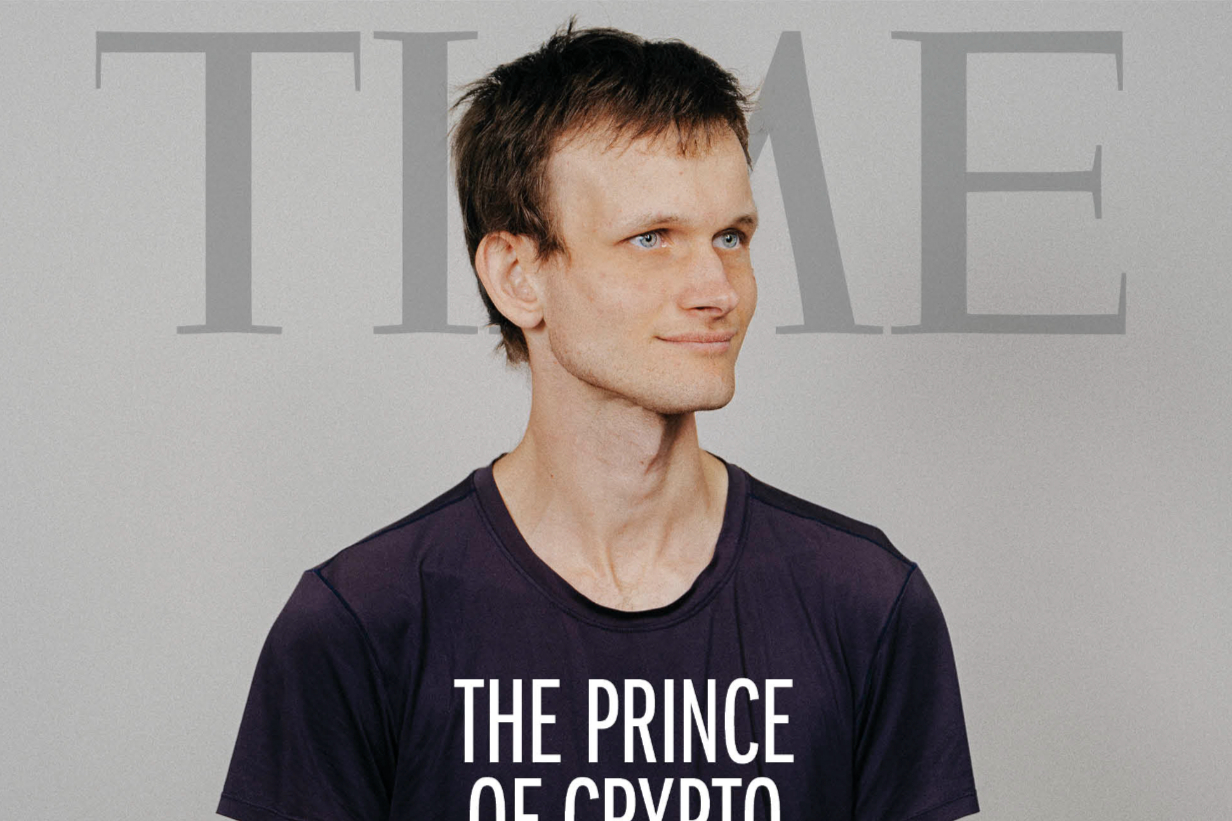
In addition, Blockaid successfully prevented a phishing attack on Vitalik Buterin's X account. The system detected a malicious dApp within 24 hours before the tweet was posted, and every user on the wallet enabled with Blockaid was prevented from signing transactions for those who were deceived into connecting their wallets.
Currently, Blockaid's official documentation is not available for viewing authorization.

Check defense protection dapp and token security
Blockaid can actively protect users from malicious dApp interactions. Blockaid hopes to become the first to detect any malicious dApp using this technology.
This architecture absorbs a large amount of data collected through scanning, simulating, and verifying dApps and transaction on the network, which can provide security for industry leaders serving millions of users.
Blockaid's model improves as it sees more transactions and dApps. With clients such as MetaMask, OpenSea, Rainbow, and Zerion, Blockaid protects a large number of transactions and accelerates the flywheel of improving products with each transaction. In the past 6 months, it has scanned over 450 million transactions, prevented 1.2 million malicious transactions, and protected over $500 million in user funds that could have been compromised.
In addition, Blockaid hopes to detect any attack methods, whether it is malicious airdrops or scam tokens, and to immediately block them once malicious tokens are sent to users.
Blockaid Team and Financing Situation
Blockaid team knows how to build software to defend national security in the most unfavorable environments. The two co-founders, Ben-Natan and Raz Niv, met while serving in the Israeli cyber intelligence unit, and they are committed to protecting national security from state-sponsored actors.
Raz obtained a Bachelor's degree in Applied Mathematics at the age of 17, which is quite common in the 8200 unit. During his service, he led a team to search for vulnerabilities in low-level operating systems. Ben-Natan's experience in network intelligence is also similar, and later led an engineering team focused on vulnerabilities in widely used applications. The team even won the Israeli Defense Award, an annual award given to teams that successfully apply technological achievements.

After more than six years of team management and network operations, they established Blockaid, said Ben-Natan. Blockaid operates in New York and Tel Aviv, currently employing about 25 people, and the company is seeking to recruit more cross-functional personnel.
BlockBeats reported on October 23rd that Web3 security startup Blockaid announced it has completed a $33 million financing. The financing is divided into two rounds: a $6 million seed round and a $27 million Series A round. Seed round investors include Sequoia Capital, Greylock Partners, and Cyberstarts. The three investors, as well as co-lead investors Ribbit Capital and Variant, all participated in the Series A round.
Blockaid's clients include MetaMask, OpenSea, Zerion Wallet, and Rainbow Wallet. With new funding in place, the company hopes to attract more customers. "Even in these market conditions, we have seen a huge demand for new customers," said Benatan. "This round of financing will allow us to continue supporting existing customers while meeting the needs of a long list of new customers waiting to integrate Blockaid."
Blockaid is the right team with the right investors at the right time to solve the problems that drive the industry forward. With this funding, Blockaid will continue to drive growth, plan to expand its team and products, and extend security to all companies in web3 that want to protect their users from fraud, phishing, and hacking attacks.
In order to initiate the next stage of innovation, Blockaid believes that every transaction needs to be scanned and protected, and that users do not need to know that they are interacting with cryptocurrency. Blockaid believes that web3 should work normally and work securely.
Welcome to join the official BlockBeats community:
Telegram Subscription Group: https://t.me/theblockbeats
Telegram Discussion Group: https://t.me/BlockBeats_App
Official Twitter Account: https://twitter.com/BlockBeatsAsia

 Related Articles