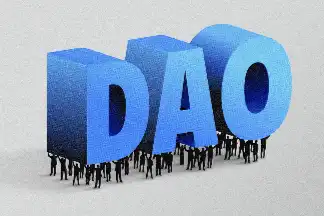
Envious of the 35 million OP token allocation? A DAO debate regarding "human flesh search" accusations.

Original Title: "Doxxing" allegations surrounding $35m Optimism grants spark DAO debate
Original Author: Ekin Genç, DL News
Translated by: Kaori, BlockBeats
Optimism DAO (also known as Token House) recently proposed to suspend the qualification of a funding recipient who is suspected of intentionally "leaking personal information". Proposal.
In the encryption industry, disclosing someone's personal identity information without consent is a taboo. In this case, the proposal against the accused leaker Carlos Melgar will be voted on by the holders of the DAO governance token OP, which has sparked a debate about the extent to which decentralized entities should participate in regulating online behavior, and this also involves what exactly is meant by leaking personal information.
Melgar told DL News: "If I disclose information that they have not publicly shared, or information that they have privately shared with me, then doing so would be unethical and doxxing."
In the blockchain industry, both builders and participants attach great importance to privacy, and many people prefer to use pseudonyms to build and maintain an unrestricted digital identity. Whether online or offline, pseudonyms also help protect their identities from potential threats due to targeted fraud and rare violent behavior.
However, what constitutes human flesh search is still a controversial topic.
Whether it has been human-searched?
This controversial proposal originated from a report submitted by an anonymous community member. The member claimed that after they were nominated for a badge (i.e. the right to vote in important funding allocations) on a public forum, Melgar questioned their nomination and publicly disclosed their personal information.
They claimed that this violated Token House's code of conduct, equivalent to real-name exposure and harassment.
The badge holder has the authority to help distribute 30 million OP tokens (worth about $35 million) which is highly desirable for those who want to guide funding direction.
In order to refute the claim that he "exposed private personal information", Melgar shared a tweet from someone who was allegedly doxxed, arguing that the information he mentioned had already been made public.
Melgar said, "They even publicly disclosed the location of their honeymoon. I didn't 'dox' their names, but instead referred to them by the aliases they use online." Currently, this public information has been deleted.
Although there seems to be a consensus within the community that exposing personal privacy is a condemnable act, many people on the governance forum argue that the accusations against Melgar do not match the events.
I have not seen any evidence of improper behavior. This evidence has been concealed. What I have seen are deleted tweet links, rebuttals, and arguments without evidence," said DAO contributor Lefteris Karapetsas. "Therefore, I cannot make an informed decision, and I am likely to vote against it here.
This proposal omitted specific details of the alleged misconduct, making the debate more complex as its purpose is not to disseminate such behavior.
"Can we see some evidence? Without proper context, how can I evaluate something so vague? It seems like a he said, she said argument," said anonymous contributor jamesbond007.
Human Flesh Search and Cryptocurrency
The debate about real-name disclosure in the governance forum of Optimism is part of the current trend of DAO - balancing the privacy and accountability of DAO contributors in novel, community-driven structures.
In the past, other leading DAOs have also expressed similar concerns. A noteworthy example is the proposal advocated by Rune Christensen, the influential founder of MakerDAO, as reported here.
Christensen advocates for strict anonymity within organizations, believing that this will provide better protection for MakerDAO members against potential threats from criminals or even hostile governments.
However, in the cryptocurrency industry, human search may also be a profitable business.
The blockchain data provider Arkham has launched a project called "Intel Exchange", which aims to be an on-chain intelligence exchange platform that allows users to "buy and sell information about the owners of any blockchain wallet address".
So far, bounty hunters who have associated anonymous wallets with specific individuals or entities have earned about $18,000.
Ultimately, revealing specific details about a wallet (whether for monetary gain or other reasons) and whether it constitutes a form of condemnable doxxing adds to the complexity of ethical development in the cryptocurrency industry.
"Original Link"
Welcome to join the official BlockBeats community:
Telegram Subscription Group: https://t.me/theblockbeats
Telegram Discussion Group: https://t.me/BlockBeats_App
Official Twitter Account: https://twitter.com/BlockBeatsAsia

 Related Articles