Has the Ethereum Foundation provided purposeful guidance on the concept of Layer 2?

Original title: "Does the Ethereum Foundation provide purposeful guidance on the concept of Layer2?"
Original source: Geek web3
Using Chatgpt4 to analyze the statements of Ethereum Foundation members on Layer2, the results are very interesting.
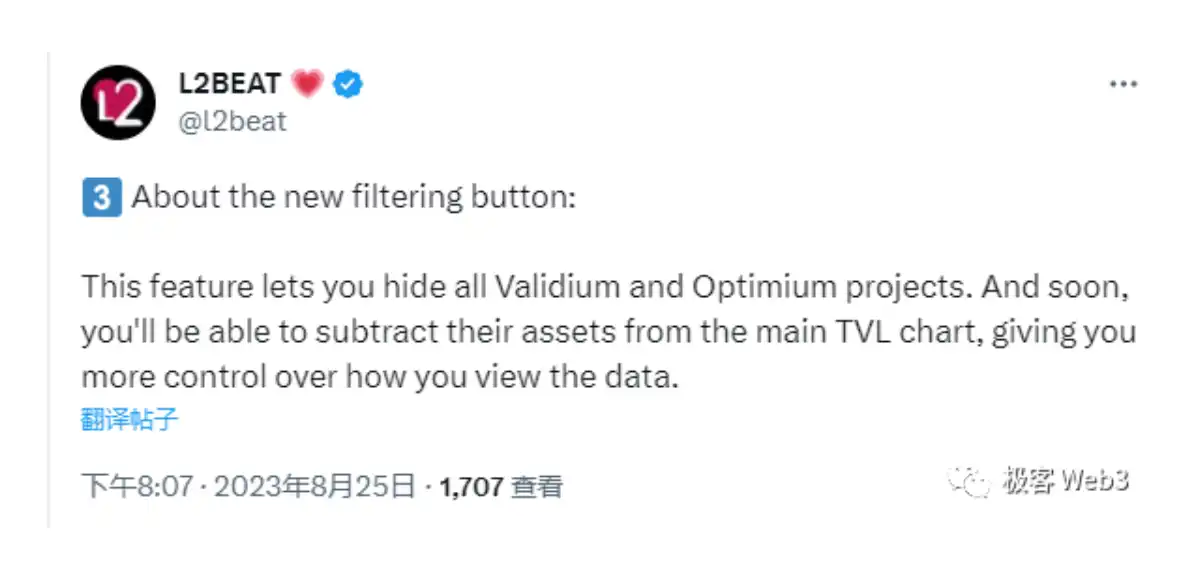
On August 25, the well-known Ethereum Layer2 research institution L2BEAT said that it would rename Optimistic Chain to Optimium (OP Rollup that does not use ETH as the DA layer), which is highly distinguished from OP Rollup. At the same time, L2BEAT also added a "Show rollups only" button on the homepage of the website, allowing viewers to hide the relevant information of Validium and Optimium, and directly distinguish Rollup from those expansion networks that do not use ETH to achieve DA (data availability).
L2BEAT even said that it would soon be possible to "remove" the TVL data of Validium and Optimium from the visualization dashboard of the total TVL of Layer2, and only display the TVL data of Rollup.

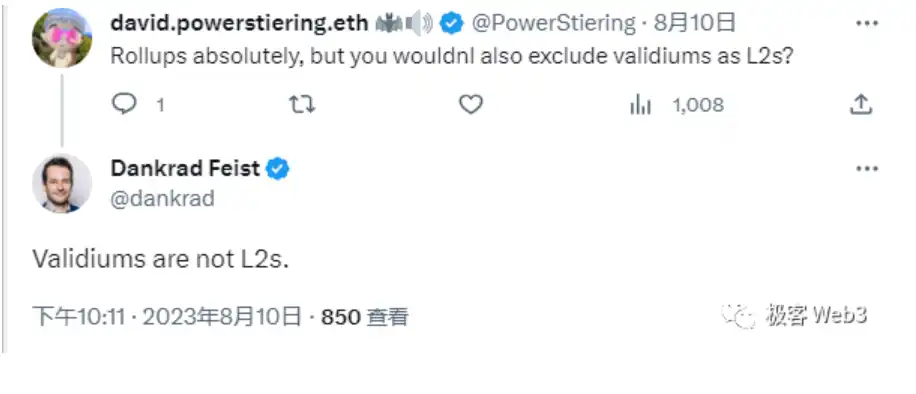
This approach is particularly interesting. Just two weeks ago on August 10, Dankrad, a member of the Ethereum Foundation and the proposer of Danksharding, expressed his views on "What is Layer2", saying that a modular blockchain that does not use ETH as the DA layer is not a Rollup, and therefore not a Layer2.
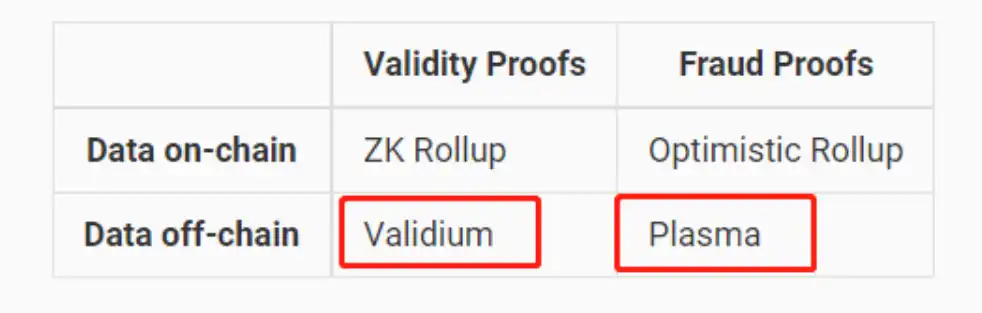
He also named Validium (ZK Rollup that does not publish DA data on Ethereum) in the comment section of the tweet, saying that it has security flaws in extreme cases. [For details, please read the previous article of "Geek web3": Expelling Validium? Re-understanding Layer2 from the perspective of the proposer of Danksharding]
Dankrad’s controversial remarks triggered heated discussions in the Ethereum community, including members of major Layer2 projects, and many outsiders began to think deeply about the nature of Layer2: What exactly is "Layer2"?
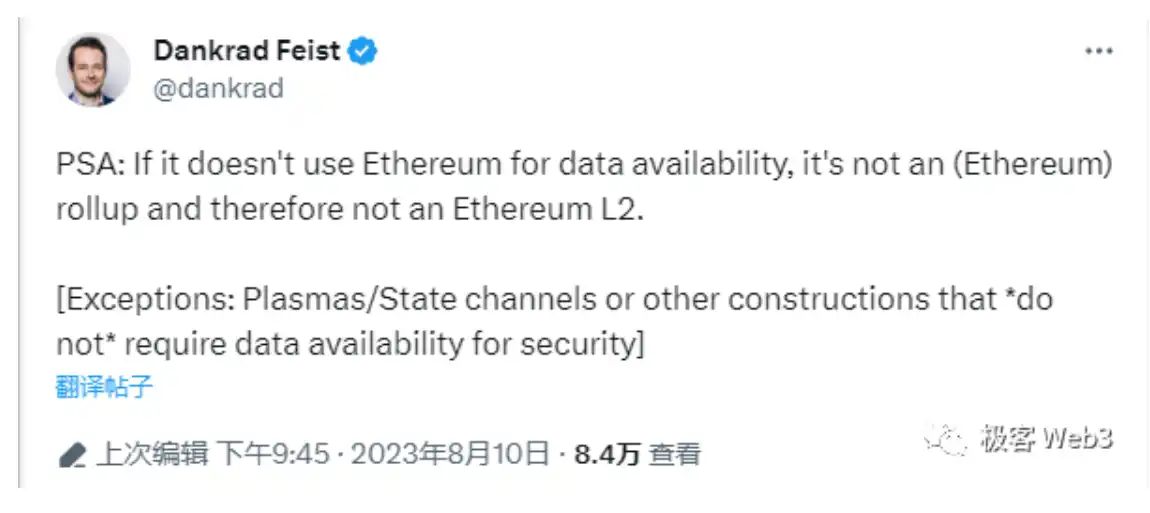
In fact, this is a matter of opinion and difficult to settle. Just like the conflict between the Catholic Church and Protestants in the 16th century, different stakeholders will have different opinions based on their own standpoints. However, for this phenomenon similar to the conflict between religious sects, mainstream public opinion will still value the official statement of the Ethereum Foundation. Even if a hundred people have a hundred different opinions, people are still more willing to believe the most authoritative statement (the Catholic Church has the most authoritative right to interpret the Bible).
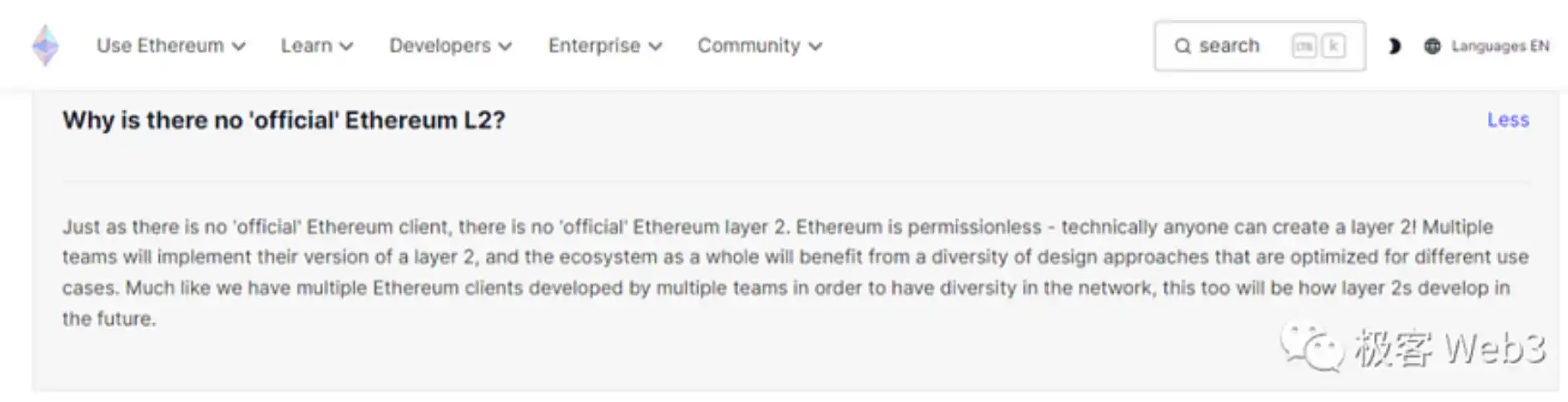
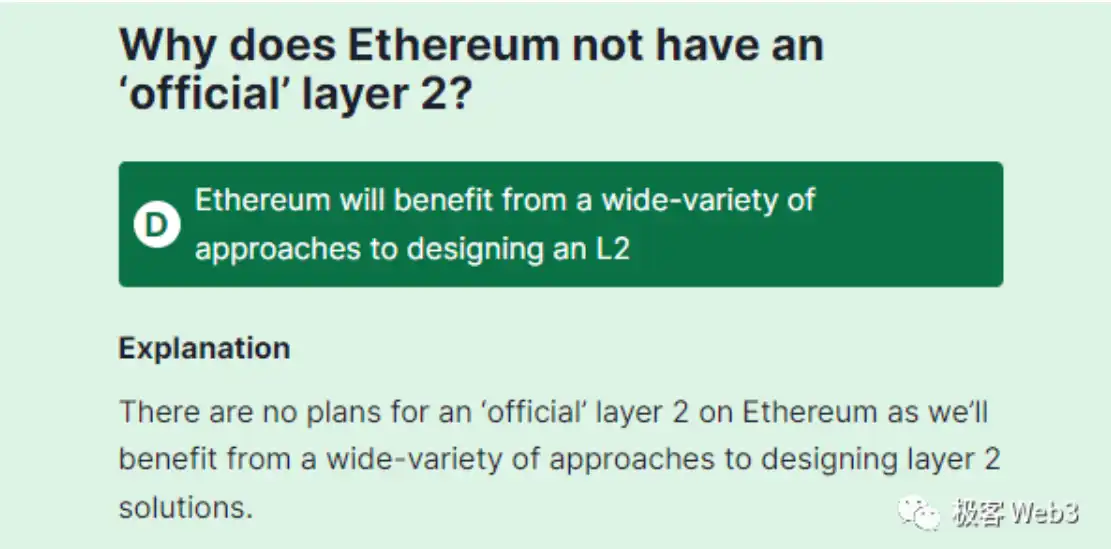
But on the official Ethereum website - ethereum.org page about Layer2, you can see that they do not have a particularly precise and strict definition of "which type of project is Layer2 and which type of project is not Layer2", and even directly write "There is currently no official definition of Layer2". However, in some paragraphs, there are the following statements: "Sidechains and Validium extend Ethereum in a similar way to Layer2... but with different trust assumptions..." "Sidechains and Validium do not gain security or data availability from Ethereum."
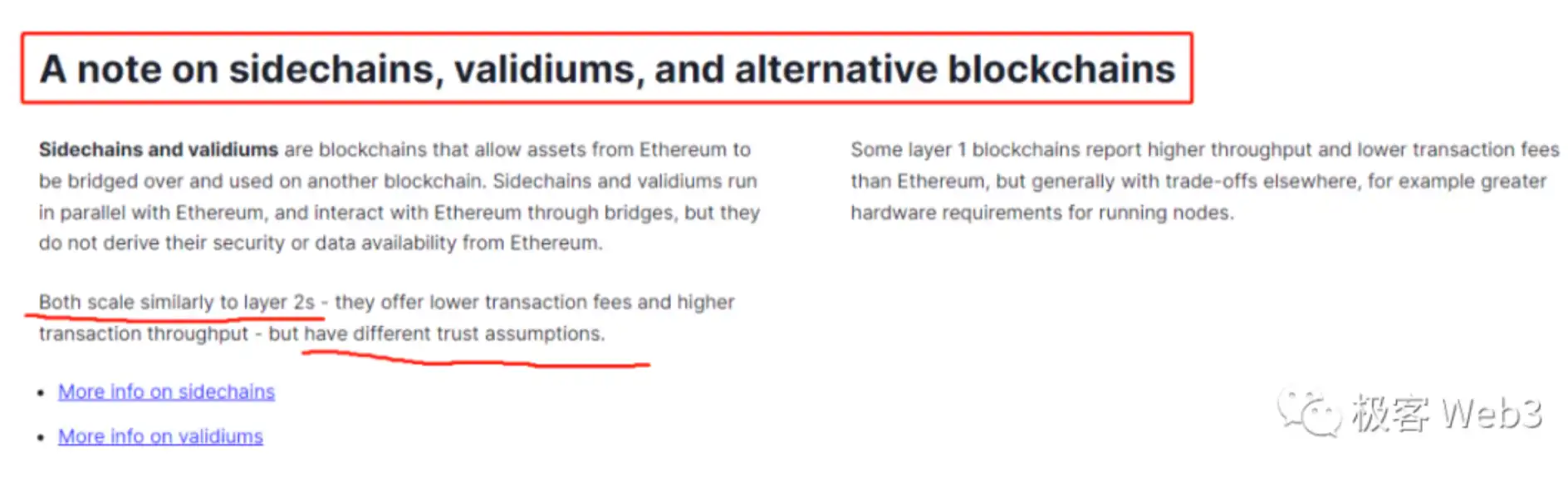
The above statements seem to imply that expansion solutions other than Rollup such as Validium and Optimium are not Layer2, but combined with the previous sentence "There is currently no official definition of Layer2", these two statements mixed together make it difficult to satisfy everyone. In this regard, I even asked Chatgpt 4 to analyze the official thoughts of Ethereum, and the answer I got was as follows:
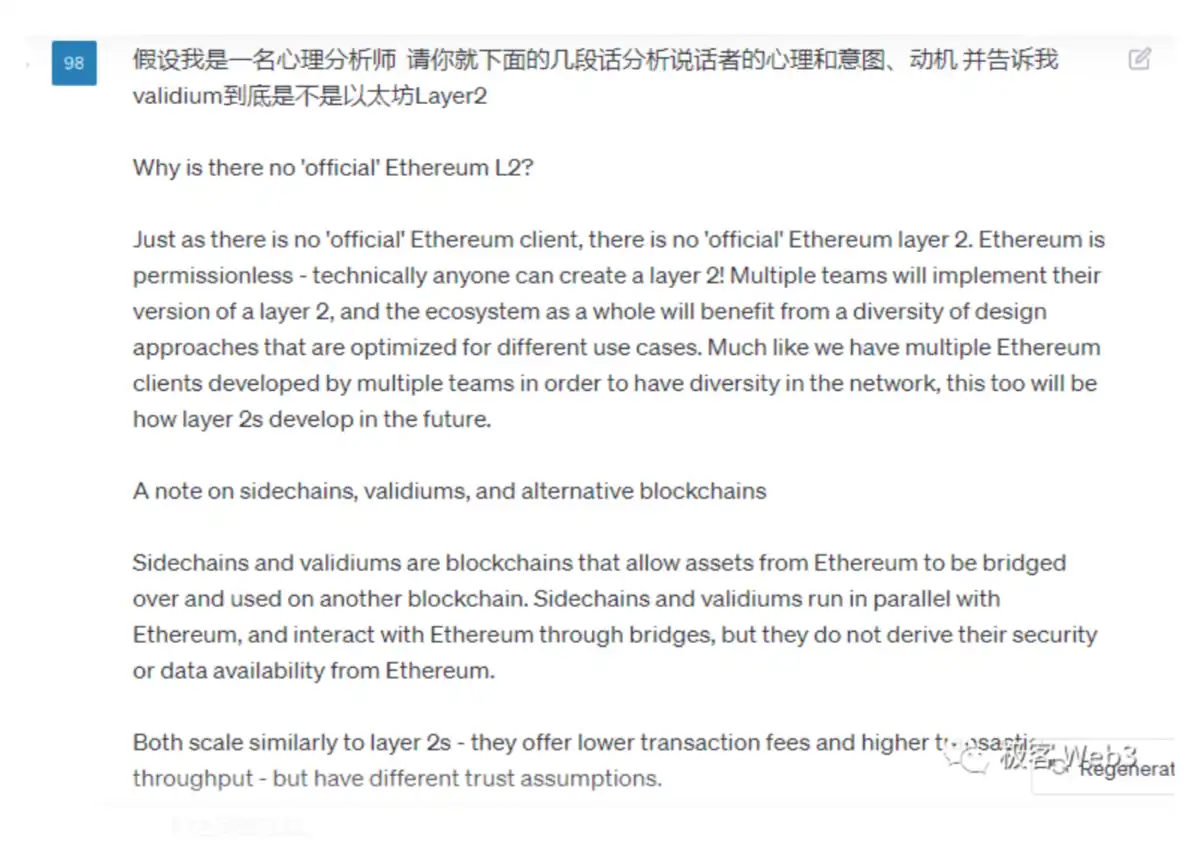
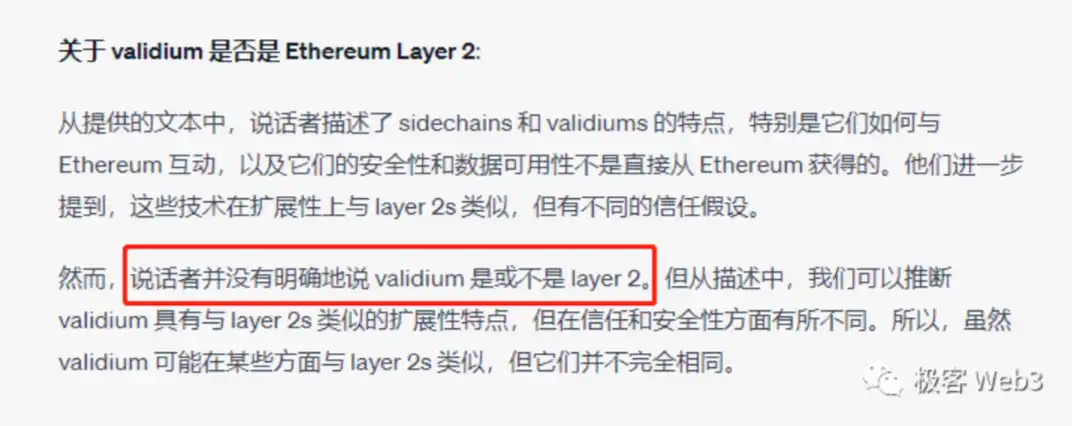
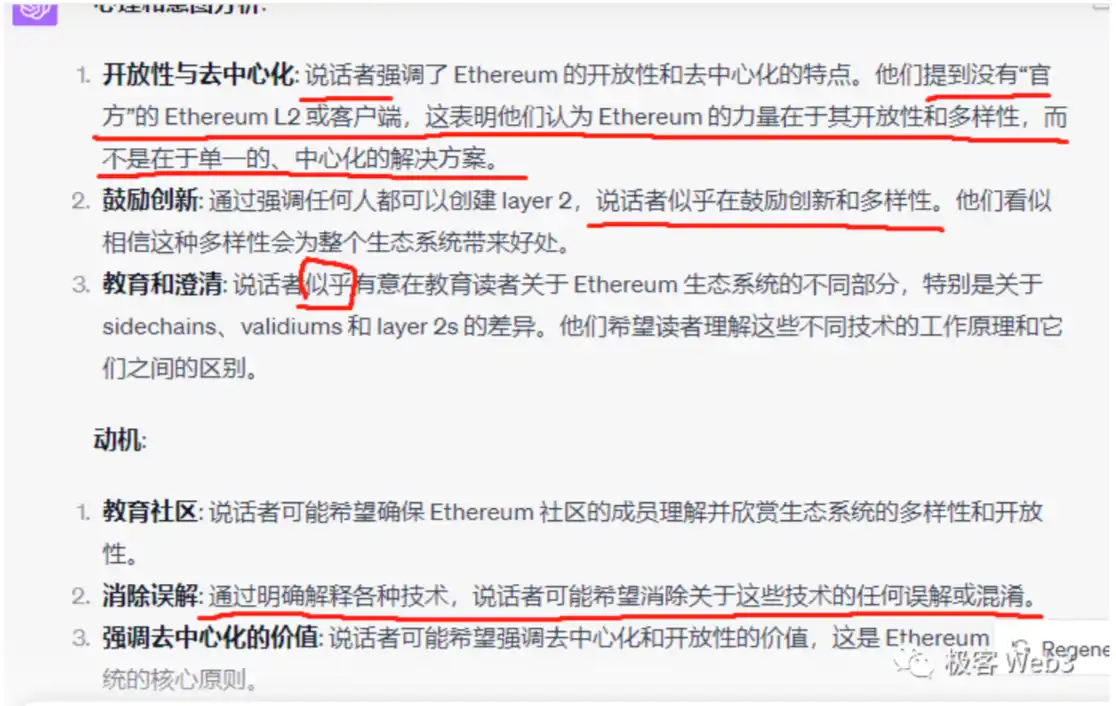
Obviously, although the official Ethereum intends to distinguish Validium, side chains and Layer2, it did not directly say "Validium is not Layer2". This slightly ambiguous attitude may be to save face for the Validium/Optimium project party, so as to encourage the expansion projects in the ecosystem to propose a variety of solutions and bring innovation. Once Validium or Optimium is denied with a radical and final attitude, it will inevitably hurt the feelings of the relevant project parties and discourage their enthusiasm (after all, many projects come to the Ethereum ecosystem just for the name of Layer2).
However, Dankrad, a member of the Ethereum Foundation, has now made it clear that Validium is not Layer2. Although this attitude is clear, it is more like "leaking wind", and other core members of the Ethereum Foundation have not yet followed Dankrad's steps to fire one after another; the "new move" of L2BEAT to distinguish Rollup from other expansion solutions mentioned above also makes it easy for onlookers to feel the "subtle" statement of the Ethereum community. Although the foundation has not officially and strictly "delisted" expansion solutions other than Rollup, this series of signs inevitably reminds people of certain possibilities.
In this regard, a developer from a non-Rollup expansion project believes that L2BEAT is dogmatic to some extent and obeys authority on the issue of "orthodoxy". He pointed out that not using ETH as the DA layer but introducing other mechanisms to ensure high security can integrate more innovative factors into the Layer2 system. Although non-Rollup expansion solutions will indeed have problems in extreme cases, the probability of this is extremely low, and even exists only in theory rather than practice. Now L2BEAT and even Dankrad's "different view" of non-Rollup projects is actually killing the innovation and inclusiveness of the Ethereum ecosystem.
Of course, because this developer is a stakeholder, he will inevitably express his position from his own standpoint; while the Ethereum community and even the Ethereum Foundation stand on the position of maintaining Ethereum's own interests and values, and it is impossible to be "absolutely fair" to people and things. Both parties are in a situation where "the authorities are confused, and the bystanders are clear", which leaves some ambiguous issues.
For example, while "delisting" Validium, Dankrad said that "Plasma and state channels... are Layer2". And he said that this is the conclusion drawn after comparing from the perspective of security.
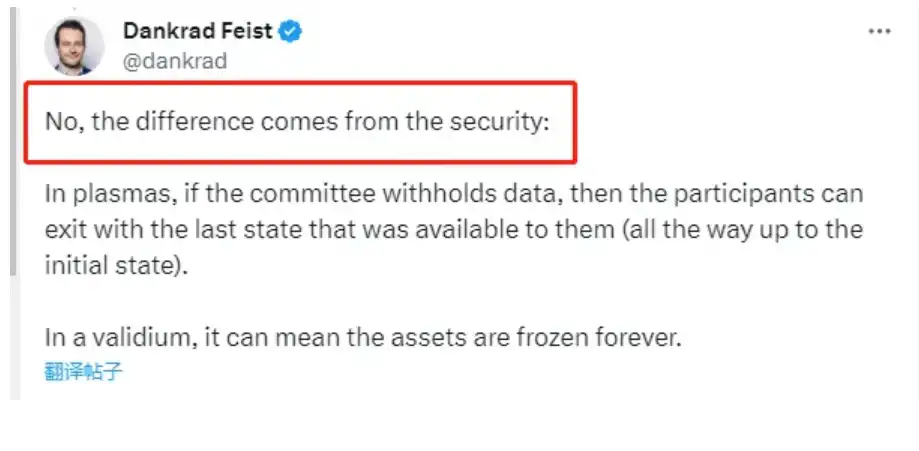
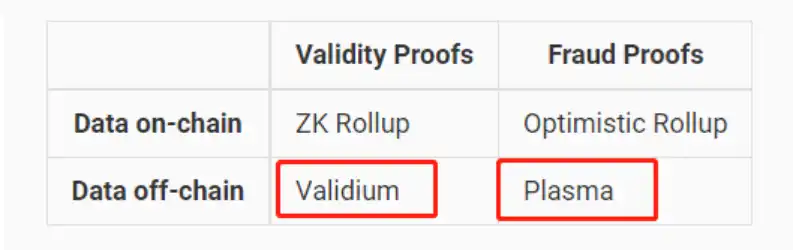
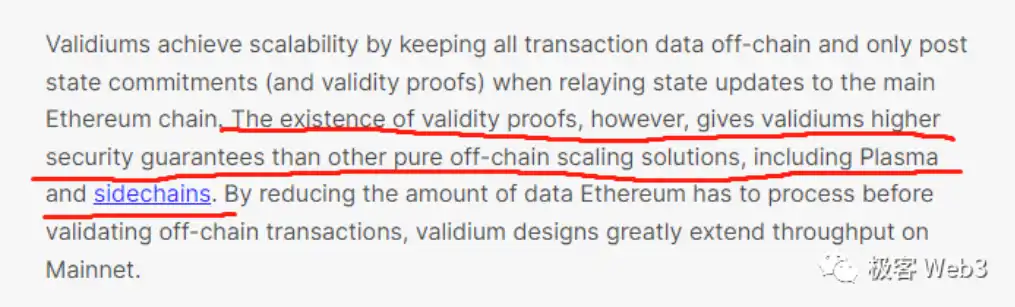
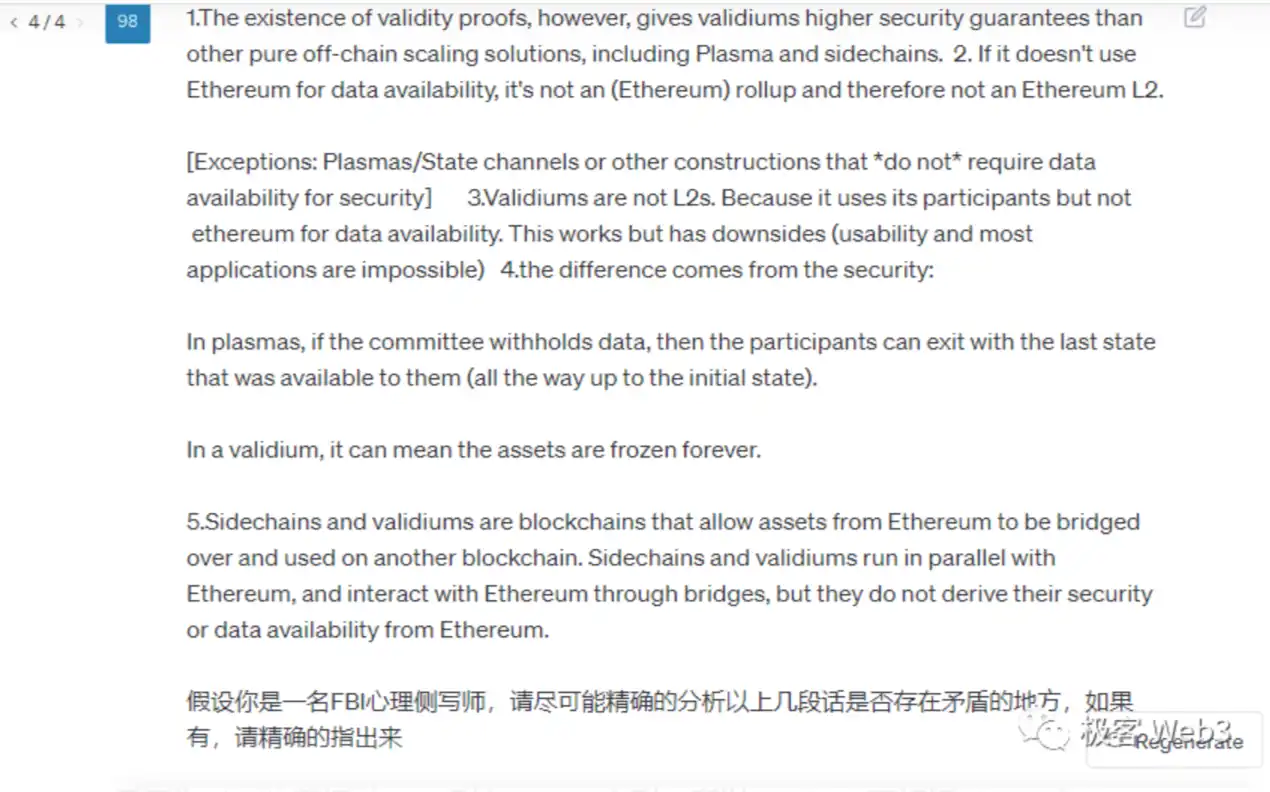
But in fact, on the official website of Ethereum https://ethereum.org/, you can see the following statement: "However, the existence of validity proof provides Validium with higher security than other purely off-chain expansion solutions (Plasma and side chains)."
If we put aside the few extreme cases where the off-chain DA layer launches data withholding attacks and refuses user withdrawals, Validium is indeed more secure than Plasma because it guarantees the validity of state transitions through ZK Proof/Validity Proof rather than fraud proofs. And many technicians have made it clear that Plasma is already outdated and should not be counted as Layer2.
Obviously, this actually conflicts with Dankrad's remarks. In order to avoid the influence of personal subjective speculation, the author of this article directly uses Chatgpt4 to analyze these seemingly "self-contradictory" paragraphs. It can be seen that Chatgpt4 also believes that Dankrad's remarks conflict with the remarks from the Ethereum official website above.
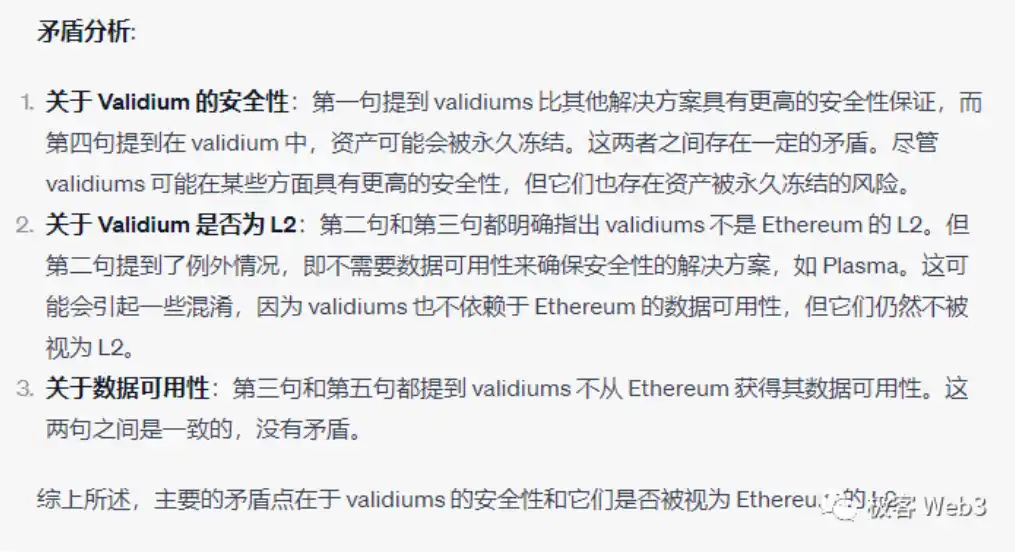
Then, the key question is, Why is there such a logical inconsistency and self-contradiction? Is it because Vitalik once listed Plasma in the list of Layer2, so Dankrad can't kick Plasma and Validium out of the Layer2 list together, so he has to find a way out for the former?
In this regard, the author found a passage from Vitalik’s personal blog on January 5, 2021, and then gave this sentence as one of the materials to chatgpt4 for analysis.
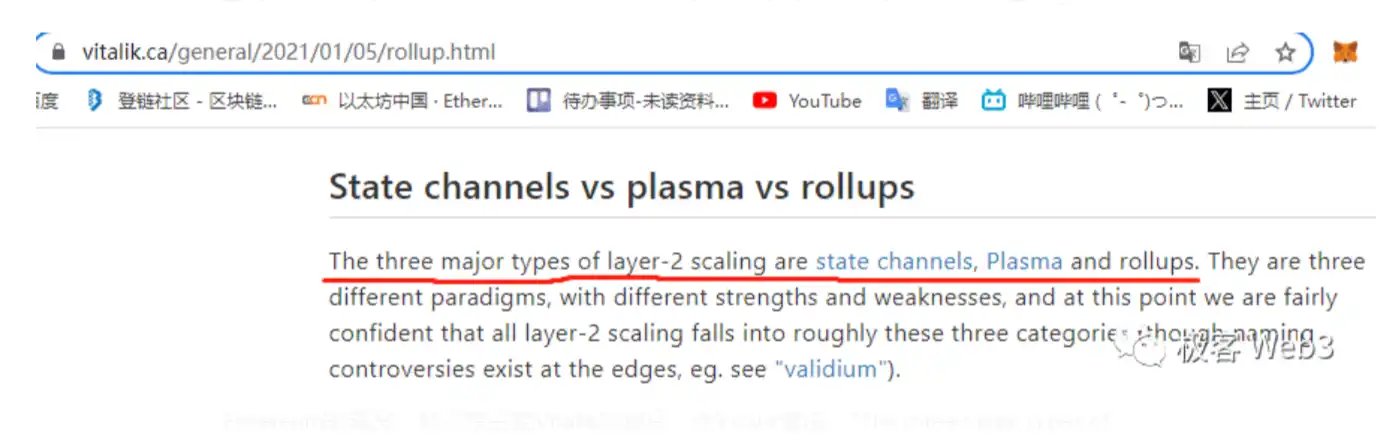
(This sentence comes from Vitalik’s blog on January 5, 2021, saying that Plasma is Layer2)
At the same time, the author of this article processed all the sentences given to Chatgpt4 for analysis more accurately, marked the subject who said each sentence, and added a key assumption: It is known that Vitalik is the leader of the Ethereum Foundation and Dankrad is a member of the foundation, and he does not want to deny Vitalik’s point of view. Vitalik once said: "The three major types of layer-2 scaling are state channels, Plasma and rollups..."
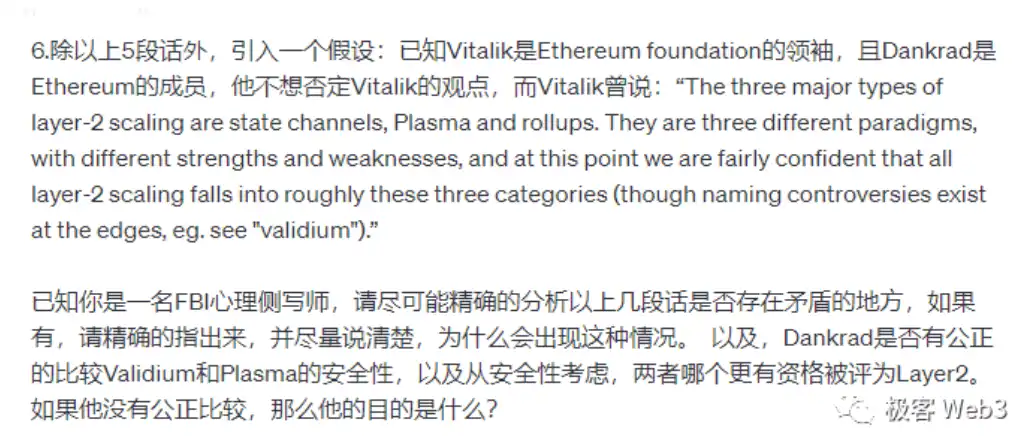
The result is very interesting, as shown in the figure below.
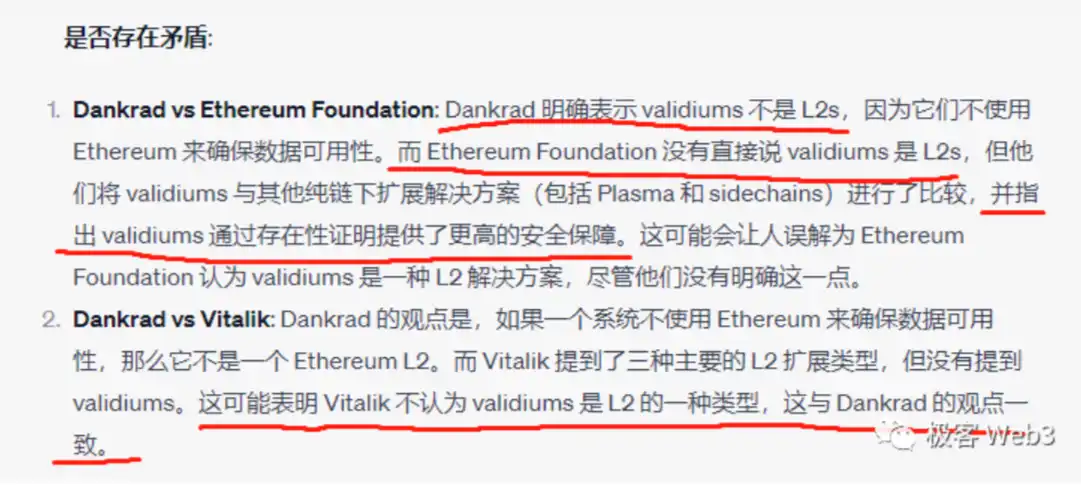
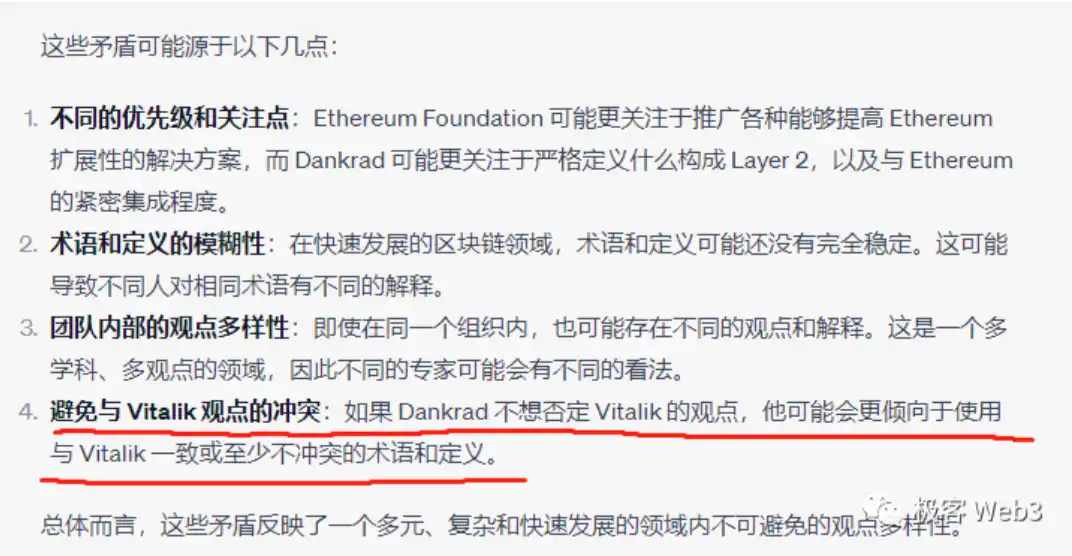
This analysis result shows: "The contradiction may come from... avoiding conflict with Vitalik's views." It also shows that if Dankrad does not want to deny Vitalik's views, he may be more inclined to use terms and definitions that are consistent with Vitalik or at least do not conflict with him. Of course, this result is based on the fact that Ethereum’s official website has pointed out that Validium has stronger security than Plasma, and Vitalik once said: “The three main types of Layer2 are state channels, Plasma, and Rollup”, but Dankrad does not want to deny Vitalik’s point of view based on these three materials.
The analysis results shown in the figure below are more interesting. It directly believes that Dankrad did not comprehensively compare the security of Validium and Plasma, but emphasized the differences between Plasma and Validium when off-chain data withholding occurs.

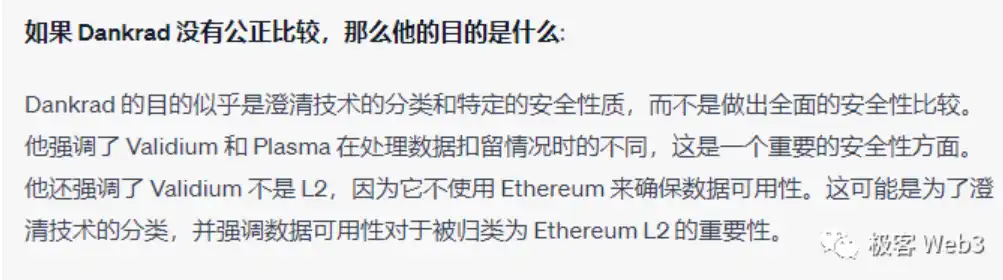

Obviously, Dankrad only chose a special case scenario to compare the security of Validium and Plasma, and concluded that Validium is not Layer2.
Later, the author repeatedly asked Chatgpt to analyze the above materials, and used the above conclusions and the key materials used in the previous round of inferences as the materials for the new round of analysis, and handed them over to Chatgpt for further iterative inference, and obtained relatively stable results.
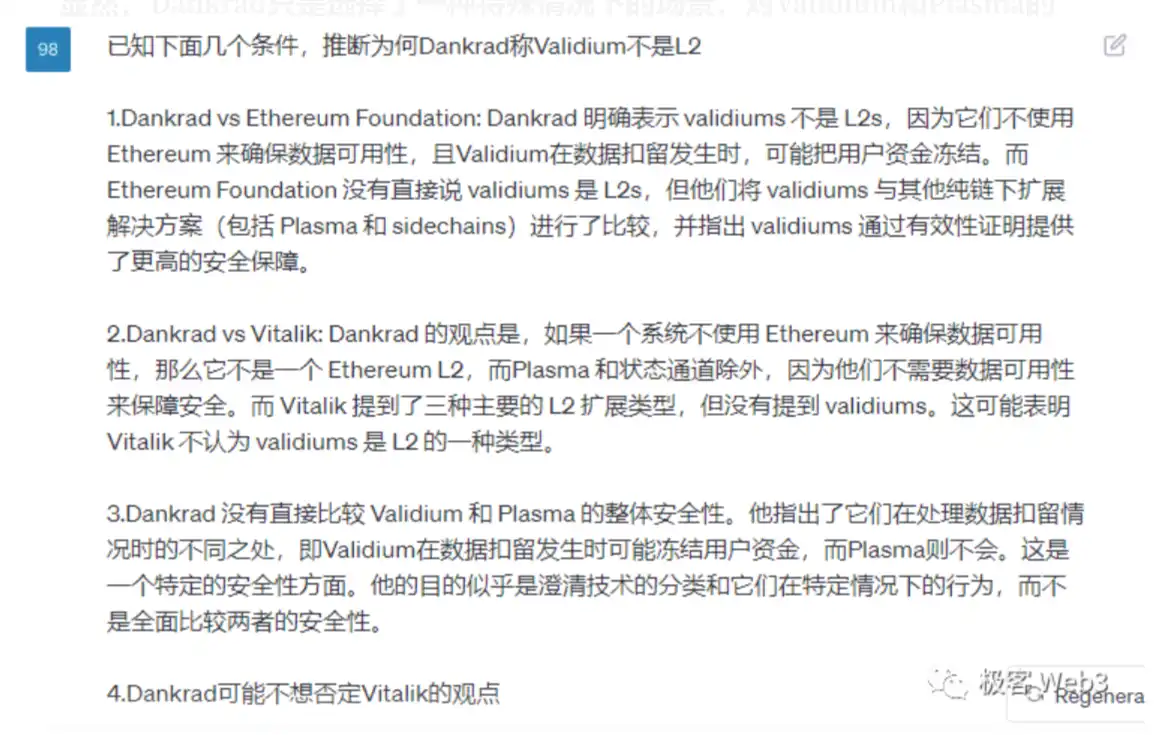
The last sentence of the conclusion is quite interesting, saying "His purpose seems to be to clarify the classification of technologies, rather than to comprehensively compare the security of Validium and Plasma."
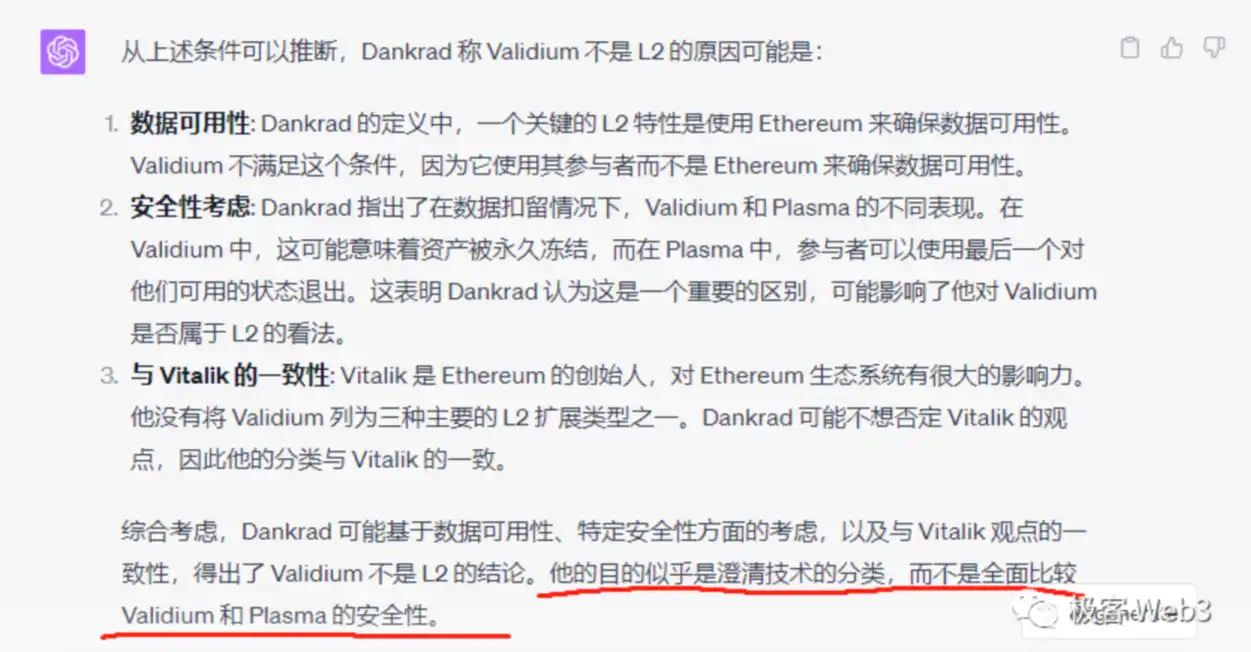
So far, Chatgpt's analysis has come to an end. Looking back at the materials and inferences listed above, it is obvious that Dankrad did not objectively and comprehensively analyze the difference between Plasma and Validium in terms of security, but when he distinguished whether the two were "Layer2", he analyzed the security in specific situations, and thus deduced that Validium was not safe.
As for the purpose of doing so, Chatgpt pointed out that "it seems to be to clarify the classification of technologies, rather than to comprehensively compare security" is also quite intriguing. As for when the Ethereum community and even the Foundation will make a serious and high-profile response to the legitimacy of Layer2, it is still unknown.
Of course, in the last two rounds of reasoning by Chatgpt above, a subjective assumption of the author of this article is actually introduced, that is, "Dankrad does not want to deny Vitalik's point of view." In addition, all the materials are from the Ethereum official website, Dankrad's tweets, Vitalik's blog, and Chatgpt's own reasoning. If there are people with different opinions who criticize this article, please inform the author directly (WeChat: eternal1997L, Telegram: Faust_2023), I am willing to actively listen to more objective opinions.

Original link
Welcome to join the official BlockBeats community:
Telegram Subscription Group: https://t.me/theblockbeats
Telegram Discussion Group: https://t.me/BlockBeats_App
Official Twitter Account: https://twitter.com/BlockBeatsAsia
 Related Articles