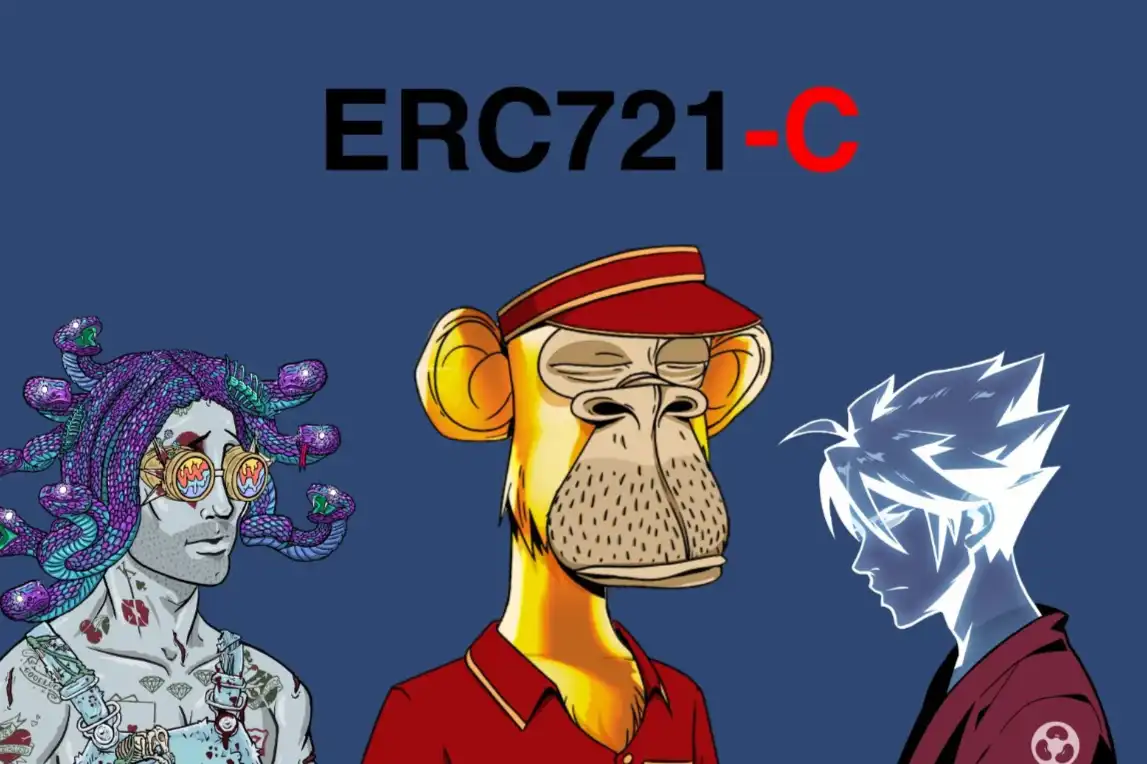
Bankless: 4 ways NFT creators can cope with declining royalties

Original title: 《 Bankless: 4 Ways NFT Creators Can Cope with Declining Royalties 》
Original author: William M. Peaster
Original translation: DeFi’s Way
As the NFT ecosystem continues to grow, markets with zero or low fees continue to emerge, and many creators are facing reduced royalty income from secondary sales.

The challenge, therefore, is to generate sustainable revenue streams in this new environment where royalties are trending toward nonpayment.
The good news is that NFT creators can use a variety of strategies to make up for declining royalty income.
In this article, I’ll share four avenues creators can take to better position themselves in this evolving NFT royalty landscape.

Image credit: Generated by Maze AI
As DCinvestor previously explained, NFTs are best understood as “permissionless, censorship-resistant bearer assets.” In other words, NFTs are decentralized digital things that can be moved directly between individuals without interference from centralized intermediaries.
As the NFT space has recently been grappling with a downward trend in royalty payments driven by the NFT market war between Blur and OpenSea, several approaches — such as blocking transfers, burning tokens of non-royalty payers, and market blocklists — have been proposed as potential ways to stem the revenue decline.
The problem with the above approaches is that they are all centralized strategies that erode the fundamental value proposition of NFTs as decentralized bearer assets.
Nevertheless, NFT creators still have a range of options to consider when it comes to compensating for declining royalties.
1) Suppress Supply
The first and most basic approach a creator or collectible team could consider is to reserve some of an NFT project’s supply for themselves.
As the project grows, this reserved supply can then be used for a major sale later, either in a drip-style sale over time for further fundraising or as Larva Labs sold its CryptoPunk supply to Yuga Labs in 2022 as part of a wider IP deal.
There are two general variations on this strategy, either reserving unminted supply (think of a minted-on-demand series like Chromie Squiggles where +250 NFTs can still be minted for special occasions out of the series’ max supply) or reserving minted supply (e.g. Larva Labs minted the first 1000 NFTs from the CryptoPunks smart contract and sold from that batch over time).
Of course, just because a project reserves some supply for itself doesn’t mean it can’t try to earn royalties, though they may be on a downward trend recently.
For example, the creators of Terraforms took a zero-royalty approach, choosing only to reserve unminted supply for later primary sales and align themselves with the community long-term, but by contrast, when the goblintown.wtf team did a free mint in May 2022, they kept 1,000 NFTs and began charging a 7.5% royalty on secondary sales (later moving to their own custom marketplace, which enforces a 5% royalty).
2) Become an LP with Supply
In the NFTfi space, there is a growing wave of NFT automated market maker (AMM) protocols where creators or projects can offer NFTs to earn trading fees on swaps.
The gist is that projects can add their NFTs to a liquidity pool (providing liquidity, aka LPing), and then earn a cut when people buy and sell through that team's liquidity. An interesting advantage of this strategy is that it allows a team to earn revenue from their NFTs without having to do primary sales.

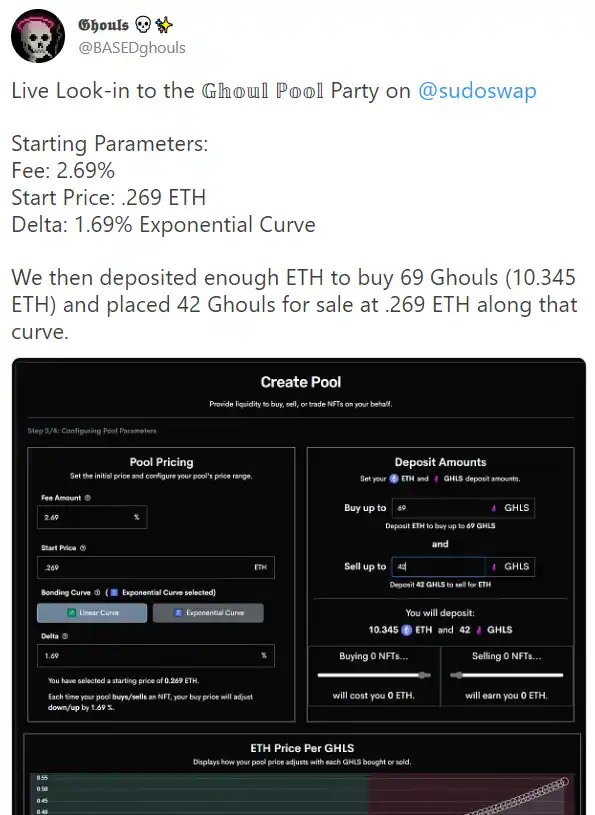
For example, the Sappy Seals team acquired 50 of their own NFTs and then began LPing them on sudoswap in August 2022. Since then, the team has earned thousands of dollars worth of revenue from trading fees. Other projects that have used this LPing strategy with similar success include Based Ghouls, Finiliar, and Allstarz.
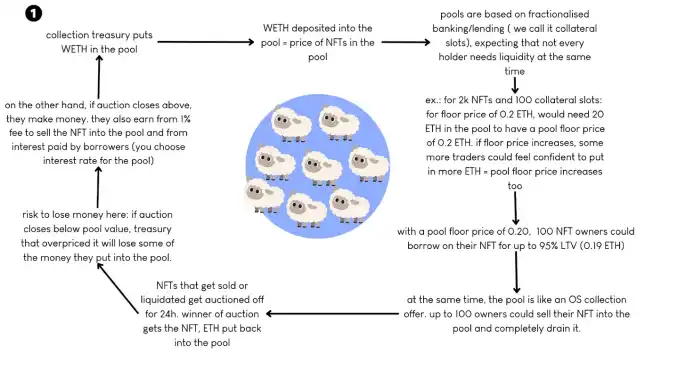
Another more advanced variation of this approach is to LP in the Abacus spot pool, but there are no examples of this yet. Abacus is a new NFT valuation protocol that focuses on the pricing of NFTs. The team has proposed a new way of NFT LPing, where projects link part of their treasury funds to their own liquidity pool on Abacus to generate revenue and accurately price all NFTs in the pool. Learn more about this concept here.
3) DIY Marketplaces
Sometimes, when you need something done, you have to do it yourself. In the contemporary NFT marketplace space, projects that want to enforce royalties are increasingly launching their own local marketplaces and centralizing activity there in order to draw trade away from currently unreliable places like Blur, OpenSea, and others.
Fortunately, NFT infrastructure projects like Reservoir are making it increasingly easy for creators and collectibles to deploy their own custom, royalty-friendly marketplaces and provide aggregated NFT listings.
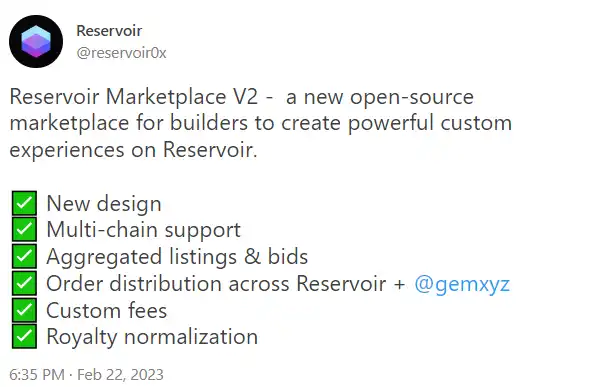
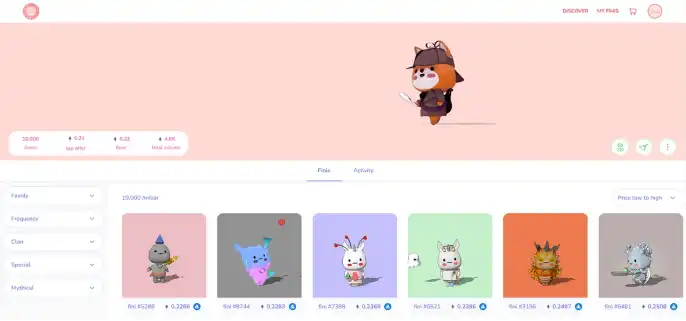
For example, Finiliar uses Reservoir to power their local marketplace system at finiliar.com. They set up the front end the way they like, and then Reservoir takes care of all the actual marketplace action.
4) Incentivized Royalties
Although NFT royalties have generally been on a downward trend recently, this does not mean that we have to give up all hope for them. In fact, one approach available is to increase royalties through direct incentives.
There are many different ways to implement this incentive. For example, NFT teams can use an indexing system to identify all of their collectors who have cashed in royalties in the past year, and then launch unique benefits for these royalty-supporting collectors, such as whitelists, NFT airdrops, chats with token thresholds, leaderboard competitions, etc.
This avenue is interesting because it can easily be used in conjunction with the other methods mentioned above (such as suppressing supply and focusing attention on the DIY market) and guide NFT holders to become more active and helpful community members!
Original link
Welcome to join the official BlockBeats community:
Telegram Subscription Group: https://t.me/theblockbeats
Telegram Discussion Group: https://t.me/BlockBeats_App
Official Twitter Account: https://twitter.com/BlockBeatsAsia
 Related Articles