Uniswap V3 proposal storm: governance behind the VC game, a16z against Jump Crypto
The Uniswap Proposal Controversy: The Battle of the Top VC's Interests
Originally written by @abdullahbumar
The original compilation: west 昻 cheung, ChainCatcher
The battle for the crypto market is more political than you might think.
Last week saw a dramatic battle between WormHole and LayerZero. In the Uniswap proposal forum, the warring parties involved a16z, Sequoia, Jump Crypto and many other top VCS.
The beginning of a conflict of interests
It all started in December.
Founder of 0xPlasma Labs @ILIA_0x has published a draft proposal for launching Uniswap v3 on the BNB Chain. Why the proposal? Because Uniswap needs to make sure it becomes the de facto DEX on the BNB Chain - or even take over the PancakeSwap - before its own licence expires.
What is a Uniswap License?
In short, Uniswap applied for a commercial source code license in 2021 to prevent others from forking its source code. The license expires in April.
That said, after April, anyone can fork out their trading platform by copying and paste the Uni v3 code onto the BNB chain (or any other chain).

Therefore, in order to dominate the DeFi market on the BNB Chain, Uniswap had to capture as many TVLS as possible to gain the first mover advantage before many alternatives appeared. So you can imagine the urgency of the proposal.
On the other hand, we need to understand that the ultimate decision maker for change and governance related to the Uniswap protocol is the Uniswap DAO.
Uniswap DAO, as the head representative of the DAO, has a relatively sound governance structure with around 370,000 Token holders and 28,000 deweighted historical voters.
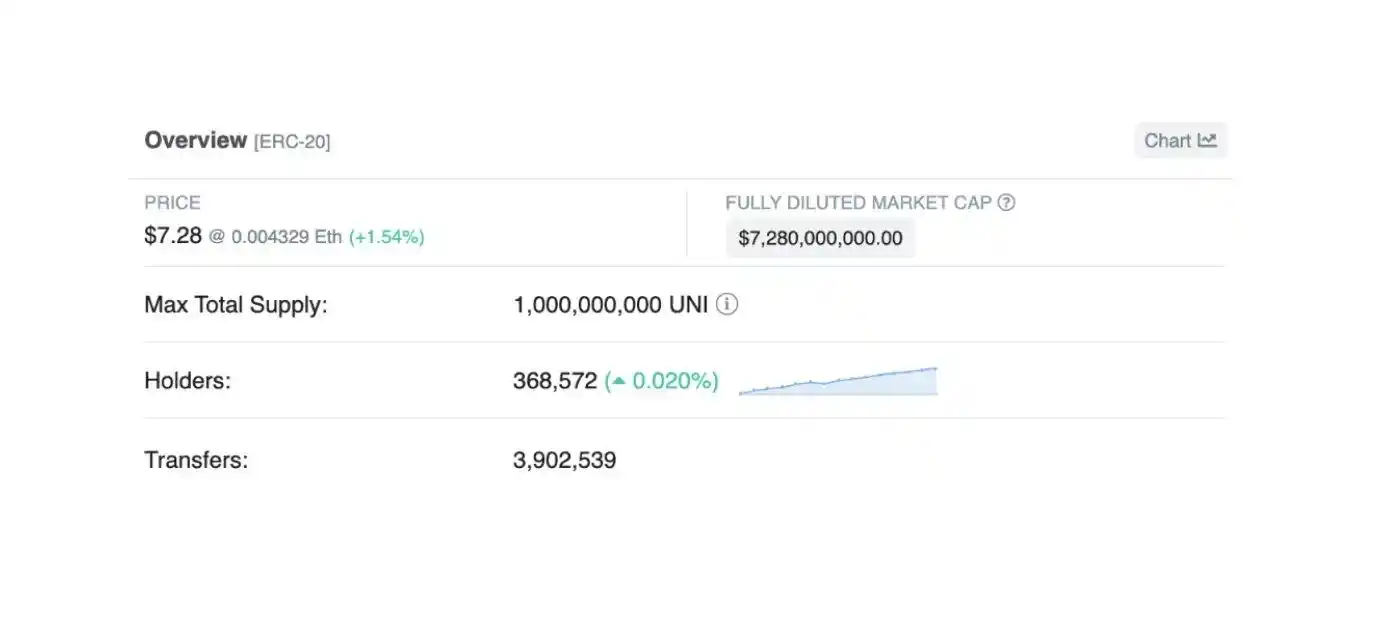
There are several steps that must be completed before the Uniswap proposal can be implemented on the chain
1) Forum proposal discussion and debate
2) Temperature check: down-chain voting used to assess emotions
3) Proposal iteration based on community feedback
4) Vote on the chain to finalize the proposal
The proposal itself was going well, until you came across an important problem:
What tools should be used to implement cross-chain governance and messaging between Ethereum and BNB chains?
The options are Wormhole, LayerZero, Celer, and deBridge.
At this point, things start to get messy.
A tit-for-tat between two big players
Each cross-chain tool naturally wants to be selected by Uniswap, so they actively advertise their strengths on the forums and explain why their solution is better than the others.
But up to now, exchanges and debates have been healthy.
But things are not that simple underwater.
The development of the head cross-chain bridge tool is inseparable from the support of many stakeholders. Of course, the most obvious stakeholders are investors, because they have too much at stake in the progress of the company's business.
Wormhole and LayerZero have not issued coins yet, so they are not related to retail investors. LayerZero has been backed by a16z and Sequoia, while Wormhole has Jump Crypto, Folius Ventures and others behind it. Celer and deBridge don't look good enough when comparing backgrounds.
Wormhole and LayerZero debates quickly ballooned to an 85-page PDF.
毫无疑问,这是目前为止最活跃的提案讨论。其中包括多种声音: Token 持有者、跨链工具自己、a16z 等风投,以及利益完全无关的吃瓜群众。
For companies directly related to LayerZero or Wormhole, there is no need to consider who to support. But for most neutral groups, this is a very difficult decision to make.
Although every cross-chain tool tries to make a convincing argument, it's true that no one is truly clean.
So, when discussions on public forums were fruitless, lobbying began on Telegram and other sites.
LayerZero says their architecture is more decentralized, giving Uniswap autonomy to control inter-chain messaging. This is to their advantage because Wormhole relies on 19 validators, and LayerZero believes that if a small number of Wormhole validators collude, there is no proper reduction mechanism to prevent them from launching malicious attacks.
Wormhole counters that there is a significant overlap between the 19 verifiers protecting its system and the verifiers on multiple POS chains, including Solana, Cosmos and Ethereum. If these POS chains are trustworthy, why should they be suspected?
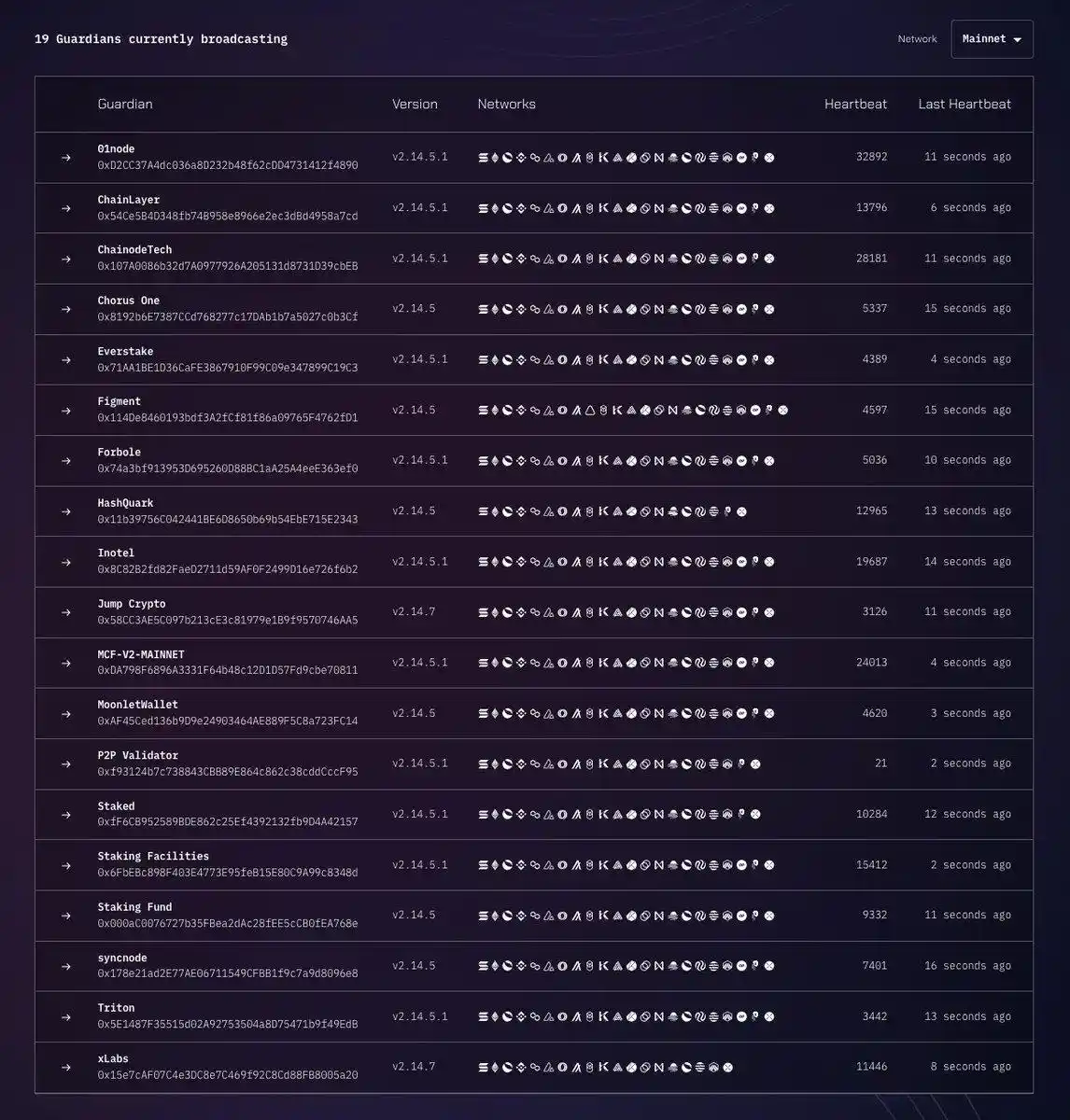
Also, most verifiers are definitely not malicious actors, they don't collude. The most frequent security incidents today are caused by faulty code that can be exploited by hackers rather than by a handful of nefarious verifiers.
In addition, LayerZero believes that its code is immutable. In contrast, Wormhole code is upgradable. The danger of upgradeability is that its smart contract updates can introduce unexpected errors that could lead to vulnerabilities being exploited by hackers.
Keep in mind, however, that LayerZero code immutability has its drawbacks, as it can cause irreparable damage if later code is found to be faulty.
LayerZero argues that its source code has been audited more than 35 times and security is not in question.
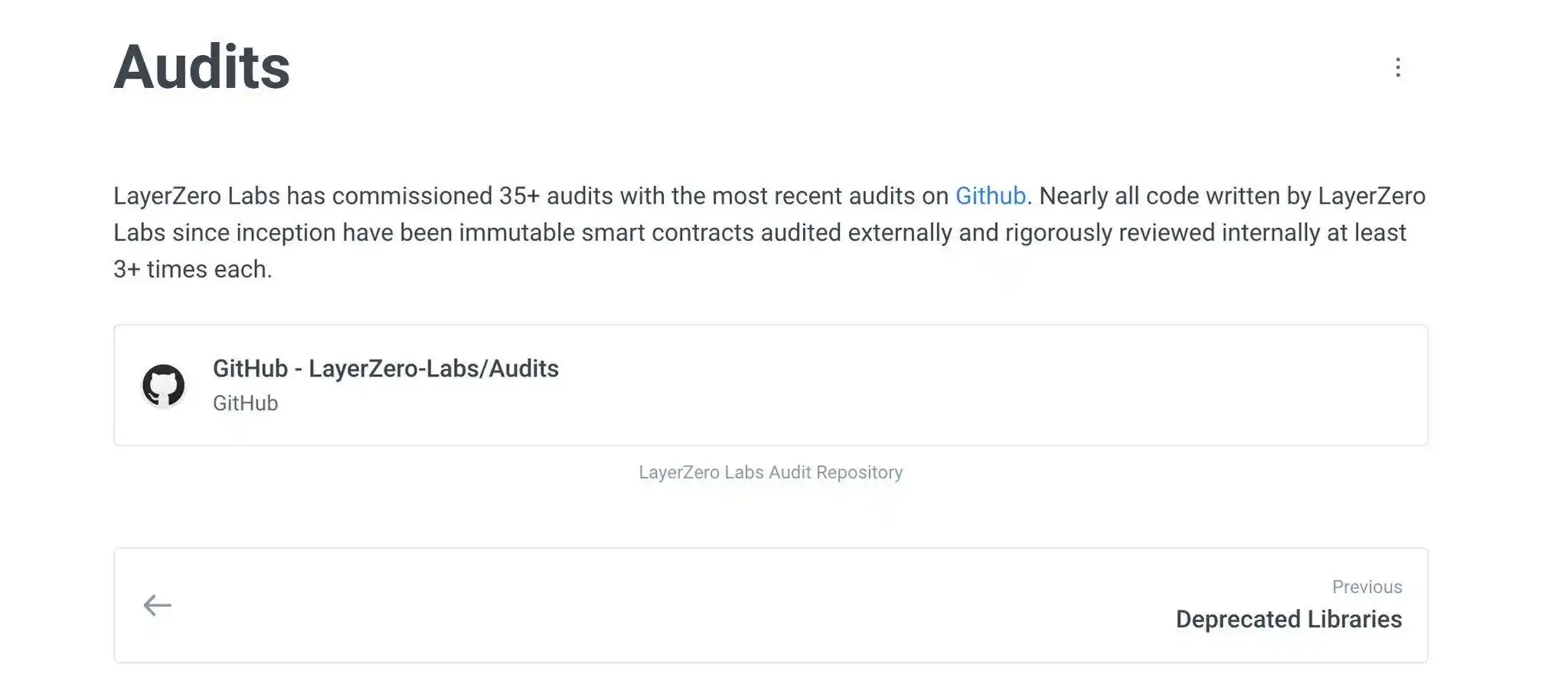
But will LayerZero really stand the test of time? Objectively speaking, no one can be sure.
Wormhole was hacked a year ago and more than $300 million was stolen. The hack was not due to malicious collusion of verators. Paradigm researcher @samczsun concluded that Wormhole did not properly validate all entered accounts, allowing the attacker to trick the guardian into signing and casting 120,000 ETH on Solana. Then, 93,750 of those ETH Bridges back to Ethereum.
After such a serious hack, most cross-link tools falter, but Wormhole survived.
Why? Because Jump Crypto chose to step in to close a $300 million hole.
Since then, Wormhole has not only recovered but also expanded its business, integrating with more than 22 public chains.
The results were not as expected. a16z regenerated branches
Back to the temperature check vote. It closed on Jan. 31, with Wormhole among the top contenders.
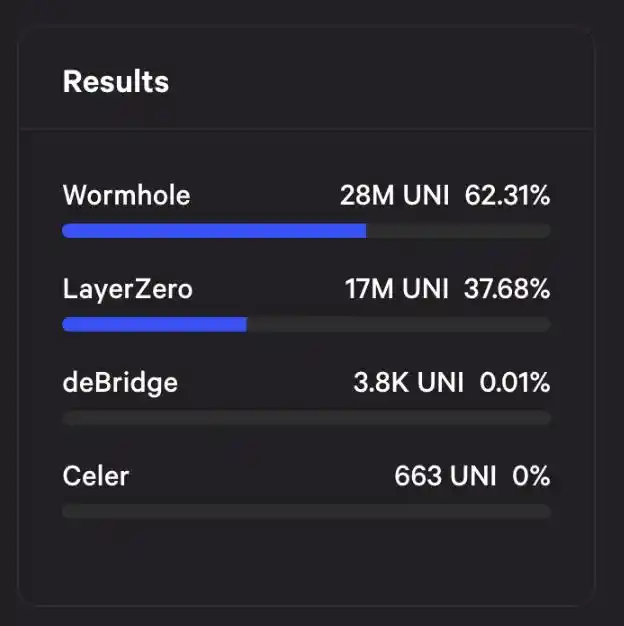
但这当然不是最终结果,因为 a16z 并未投票。要知道,A16z 拥有 1500 万个 UNI Token ,他们为何不投票?难道不支持 LayerZero 吗?
当然得支持,只是此次没法投。因为他们让 Fireblocks 托管了 UNI Token ,无法对链下提案进行投票。
But they can still vote on on-chain proposals.
Therefore, at the stage of on-chain voting, A16z decisively rejected Uni's deployment proposal to BNB Chain. The reason is simply that the community did not choose LayerZero, which is supported by a16z.
In response, TheBlock researcher @Dogetoshi said this is the first time a16z has voted against a Uniswap proposal in its history.
This could have wider implications as Uniswap may not be able to deploy on the BNB Chain before the licence expires.
In other words, Uniswap may not gain first-mover advantage on the BNB Chain due to this internal friction.
Fortunately, the vote is not over, and there is still room for change.
Now the situation is very close, you can continues to track the follow-up progress in this link: https://www.tally.xyz/gov/uniswap/proposal/31
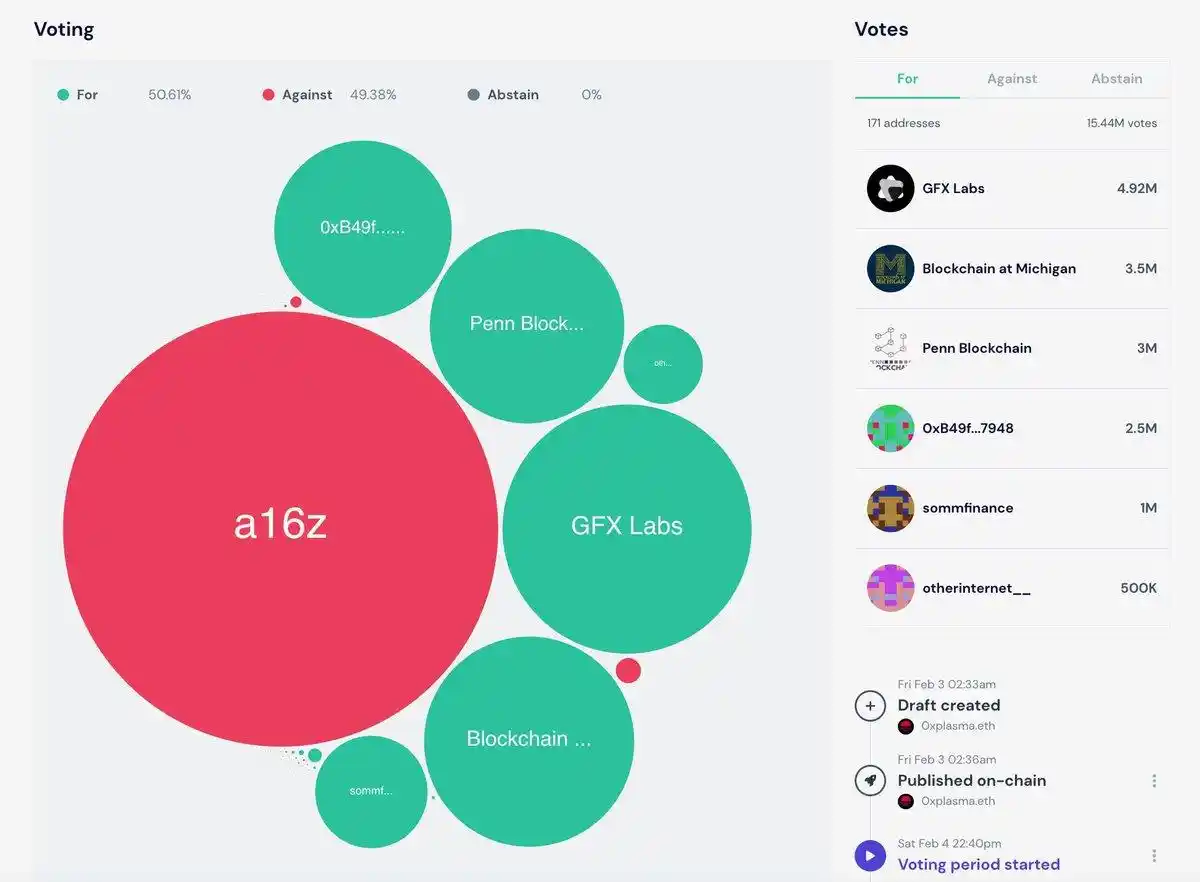
In any case, this small milestone serves as a reminder that the crypto market struggles are equally complex, raising new challenges for DAOs to optimize their governance structures.
Original link
Welcome to join the official BlockBeats community:
Telegram Subscription Group: https://t.me/theblockbeats
Telegram Discussion Group: https://t.me/BlockBeats_App
Official Twitter Account: https://twitter.com/BlockBeatsAsia

 Related Articles