Web3 Self-Study Guide: 14 Bear Market Study Tips
Original author: The DeFi Edge, DeFi researcher
Original compilation: 0x214, 0x9F, BlockBeats
It’s all too common to get lost in the crypto world, DeFi researcherThe DeFi Edge< Summary14 learning suggestions on personal social media, BlockBeats organizes and translates them as follows:
If you are not a full-time Web3 practitioner, but still have a full-time job, or have a family to take care of, it is obviously unrealistic to spend a lot of time doing research.
The encrypted users generally show a younger trend, what do you take and the energetic 19-year-old here What about young people?
So, it is very important to master effective learning methods, the following are my personal favorite and useful 14 learning strategies based on science:

Focus
It is easy to get lost in a large number of topics, so you must know how to focus.
I have a friend who is getting started with DeFi, and suffers from "information overload" every day.
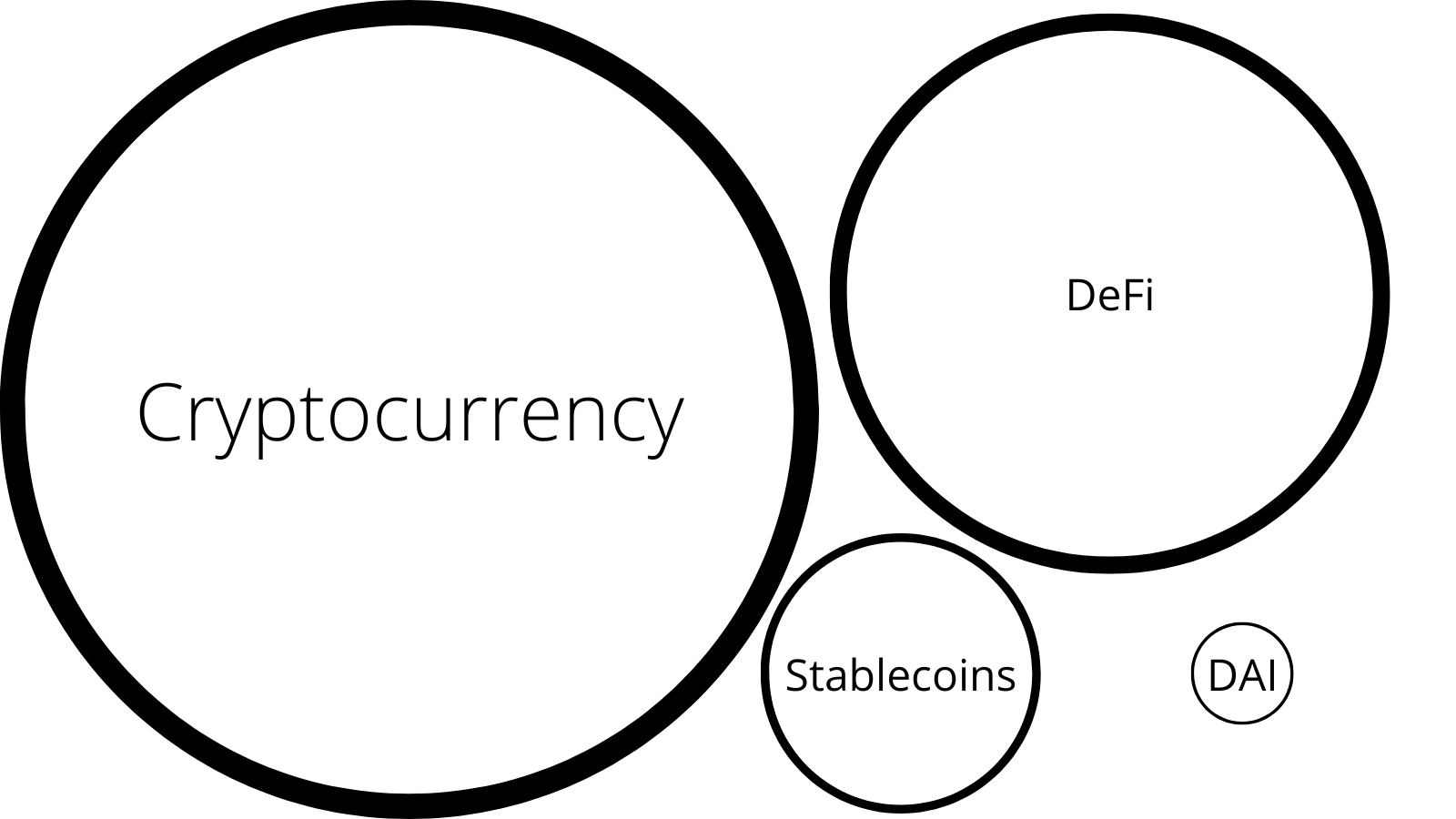
I told him: "Your focus this month is "Stablecoin", and that's your only focus. Bro, remember to stay away from junk coins. "
Further split the topic
Stablecoin is a grand topic, you need to further split and refine it.
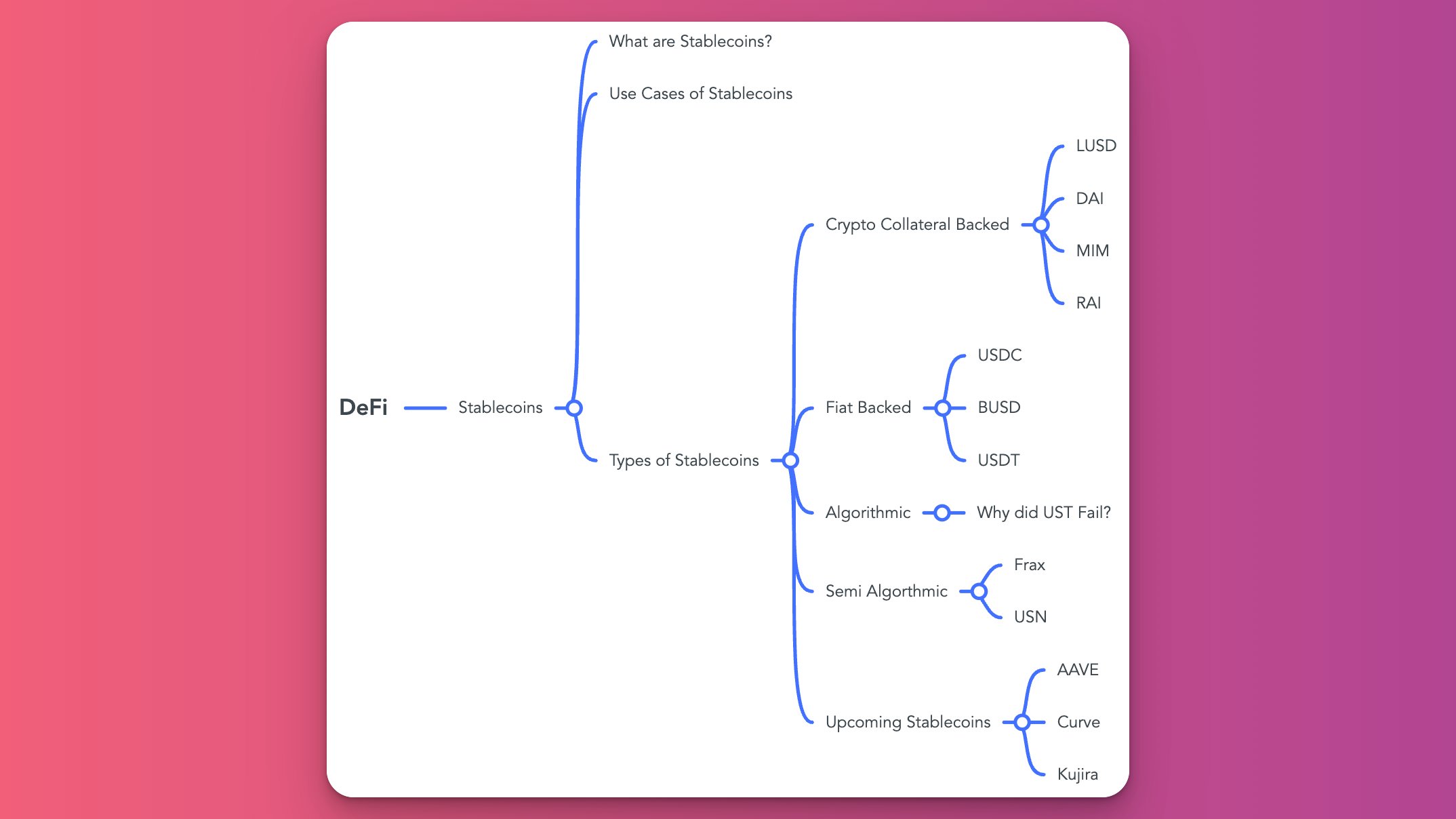
Think of the subject as a tree trunk, and then think about what branches are on the trunk?
I used a mind map to quickly help my friend draw a "Skill Tree" (Skill Tree), and now he knows where to start when doing research .
Create a personal skill tree
Draw your own skill tree, and you can clearly locate your knowledge loopholes. What skills do you have now? What other skills would you like to learn? You need to be clear about what you are researching.
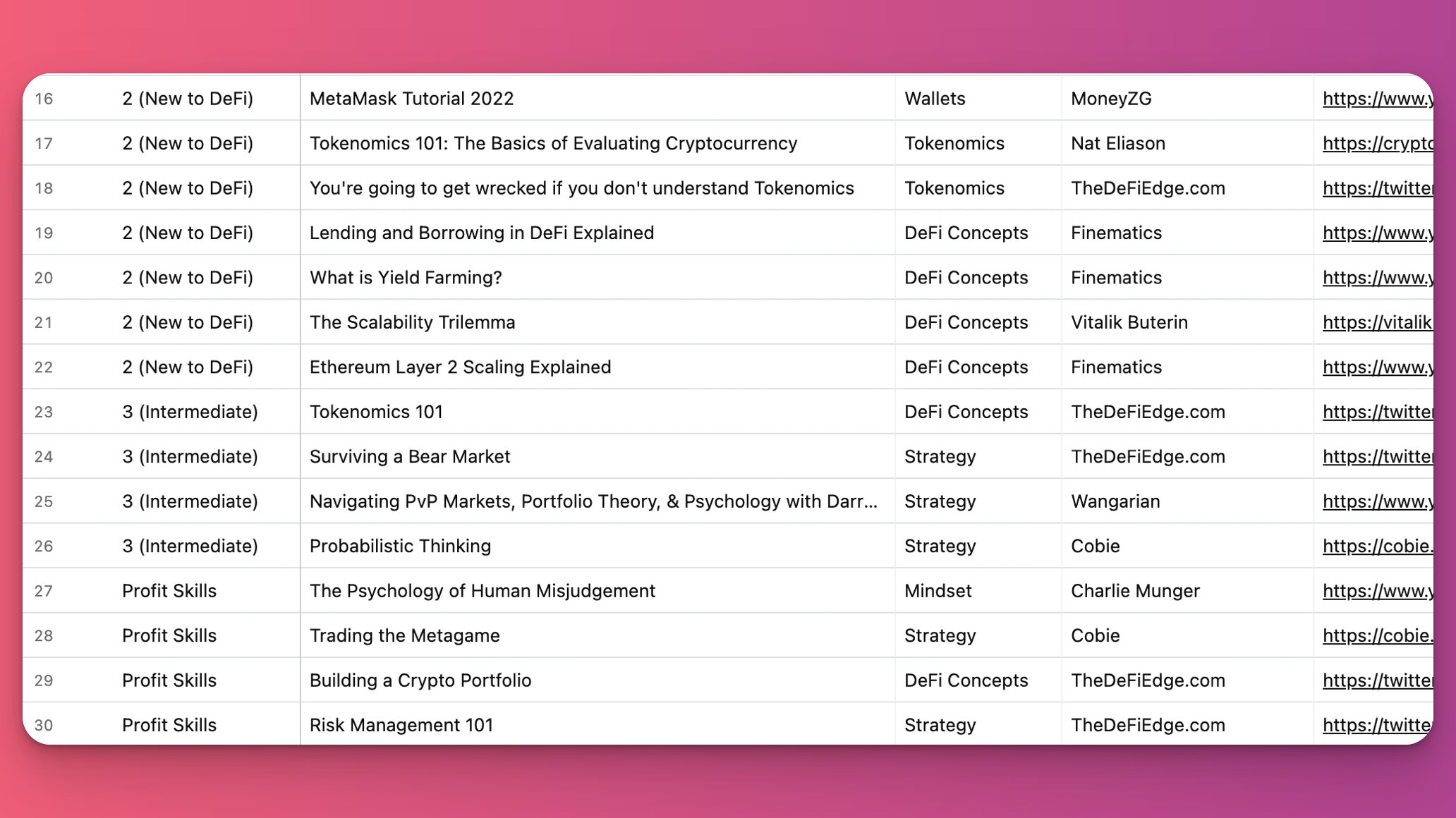
The following list is my go-to page for getting free resources.
< h3>Consolidate the foundation
When learning any sport, a good coach will emphasize the importance of laying a good foundation.
I've seen people invest in extremely complex Tomb Fork projects and not be able to explain what Bitcoin halving is.
Start learning from solid basic knowledge, so that you can understand more difficult topics.
An easy learning path
・Learn everything about BTC/ETH
・Learn about DeFi blue-chip projects such as Aave, Curve, Uniswap, & MakerDao. Learn "Stablecoins".
After learning the above concepts, congratulations, you now have a solid foundation to build on in the crypto world.
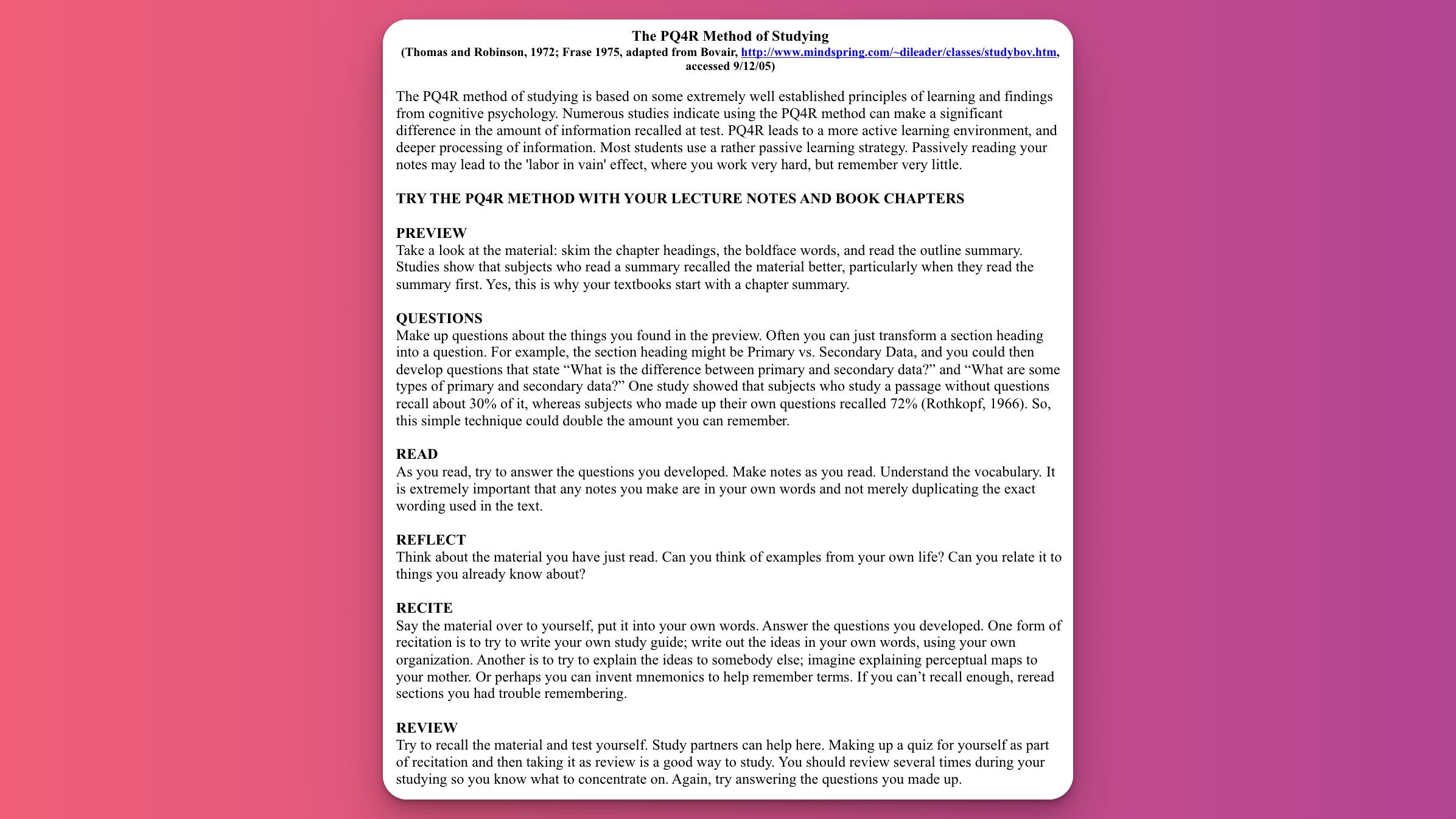
PQ4R Reading Method
It is so easy to read over and over again, but repeated reading actually reduces learning efficiency.
If I hadn’t learned to use the PQ4R reading method, my engineering studies would have failed.
Preview
Quickly view the material. Read abstracts, chapter titles, and more.
Question
When browsing the full text, try Ask a few questions in your head.
・How is the liquidation time set for a Stablecoin backed by cryptocurrency collateral?
・How to audit the Stablecoin backed by fiat currency? How transparent is it?
Read
While reading, try to answer Questions you ask yourself. Take notes, but remember to summarize in your own words.
Reflect
Now try to recall/rephrase material content. This step allows you to integrate scattered knowledge fragments into your existing knowledge system.
・hmm... I wonder how under-collateralized stablecoins will work?
Recite dictation/recite
You can explain to yourself Go over the content of the material and see how much you remember. If possible, teaching others is the best way to export.
Review review
Review what you have learned and give yourself Take a test paper.
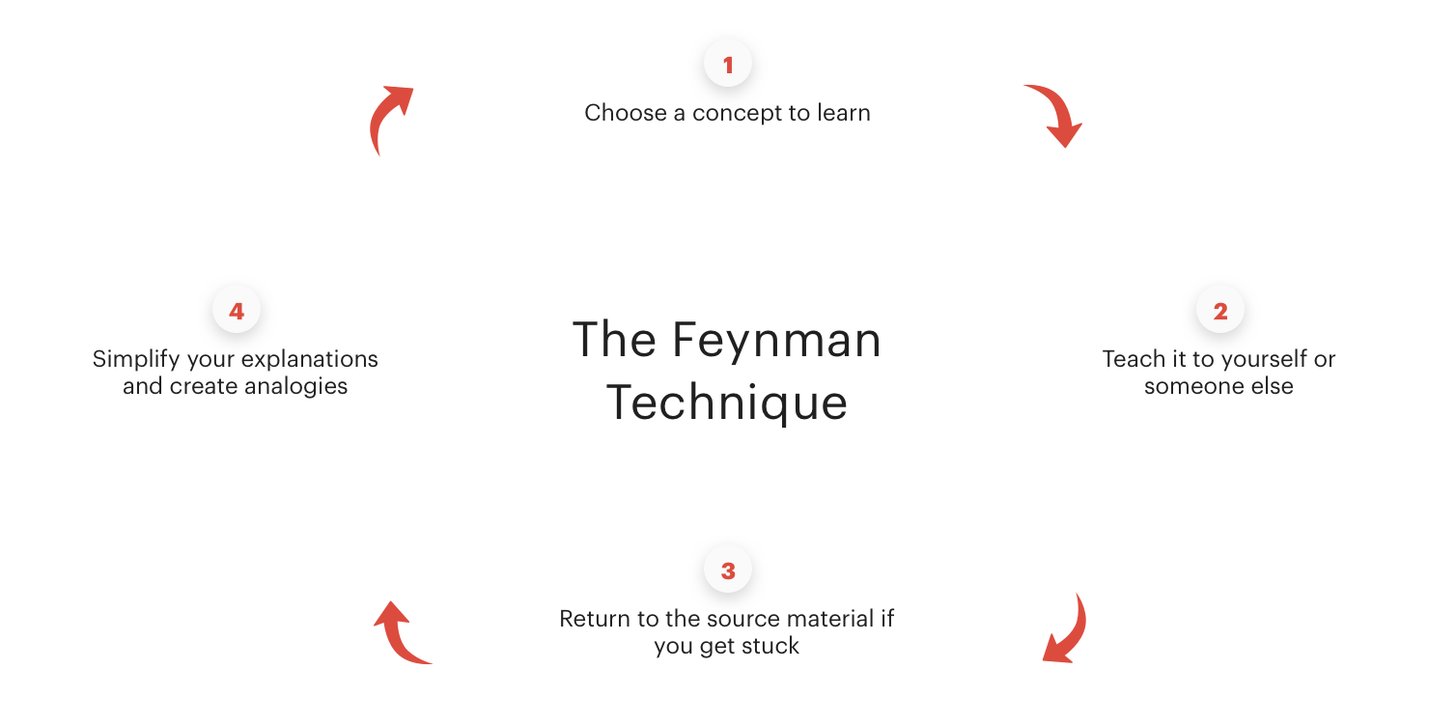
Feynman Learning Method
Try to imagine yourself as a 12-year-old child, explaining new knowledge in the simplest way possible.
Tweeting and writing articles are great ways to learn, and explaining things will allow you to catch gaps in the learning process.
< b>Apply Feynman learning method
If you don't want to publish what you have written, you can find a friend who is willing to listen to your explanation. I have several friends who are novices in DeFi. Every time I learn something cool and cool, I immediately send them a voice message. It's an excellent way to deepen your memory.
Take notes
I take the initiative to take notes while I'm researching.
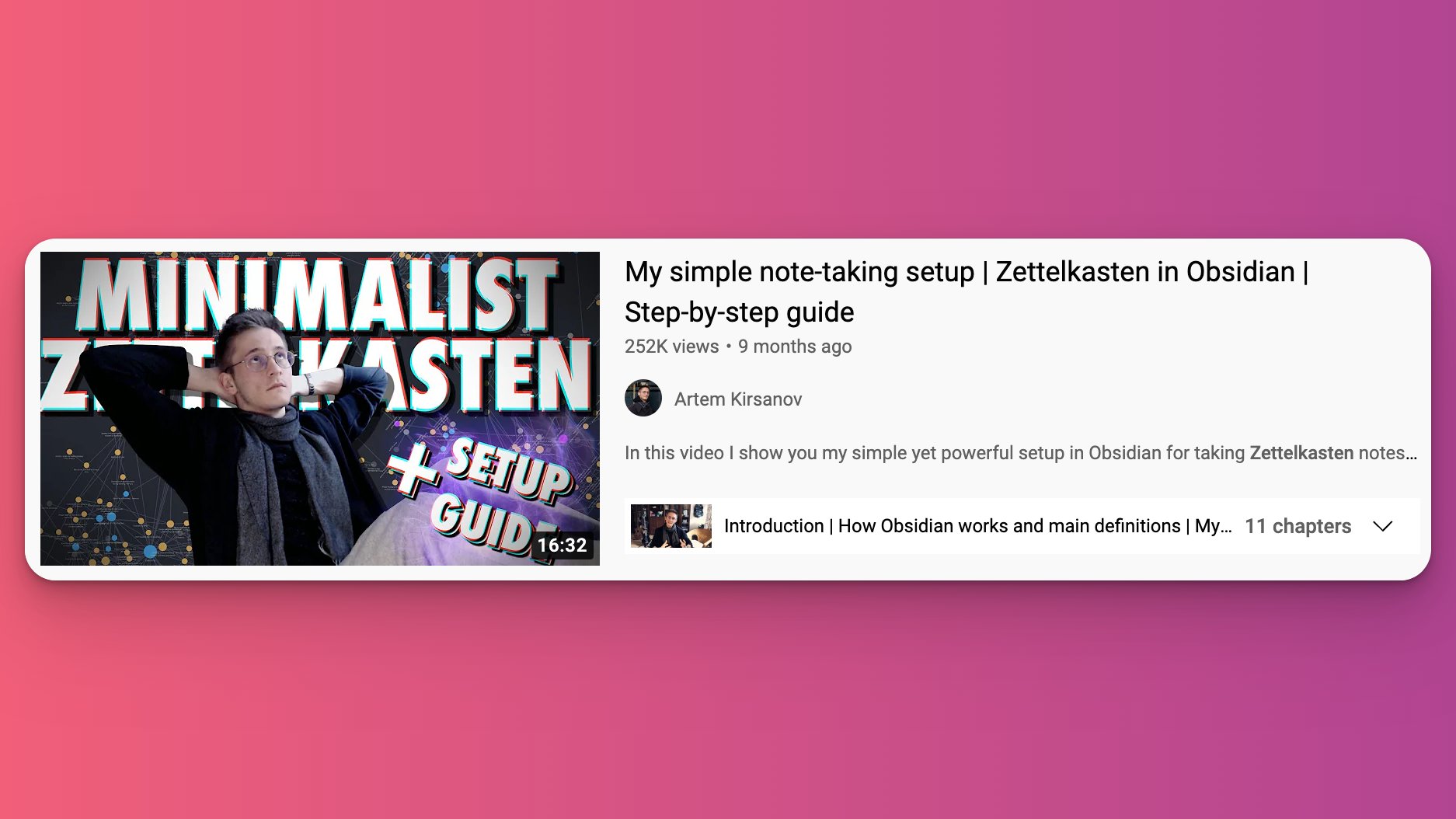
Use Zettlekasten and Obsidian app. It sounds complicated, but watch the following video to get started with Obsidian.
Mind Map
Drawing Thinking Maps are also a great way to take notes, but I prefer mind maps for brainstorming and organizing. This approach forces you to understand the inner logic of what you're learning.
CryptosEngineer once used a mind map to sort out one of my threads.

< /p>
The Pomodoro Technique
Reasonable breaks will help you retain information, and the easiest way to do this is to use the Pomodoro Technique:
・Set timer
・Work for 25 minutes, rest for 5 minutes
・After 4 rounds, rest for 30 minutes
(I personally like to work for 50 minutes and then take a 10-minute break to reduce distractions)
 < /p>
Reducing information overload
One always expects to acquire as much knowledge as possible, but this leads to information overload and causes:
< br>
・Anxiety
・Decrease in productivity
・Decrease in creativity
・...

Less is more, and the solution is to focus on fewer but higher quality sources of information (look for sources with a high signal-to-noise ratio):
・Limit the number of followers ・Limit the number of podcasts and newsletters you follow
Take time to think
As tempting as it is to absorb as much information as possible, life is not a memory test. We need to think to integrate information into new insights.

< /p>
Be sure to set aside time each week to think. I set aside 2 50-minute periods per week to think about some of these questions:
・What skills do I need to master to become a better trader?
・What was my biggest investment mistake this quarter?
・What tail risks have I not noticed?
Create a learning system
Create a series of habits and write them down on a calendar:
・Think
・Write
・Research
・Meet industry experts
・Browse" To be read" article
Establishing a system can only be implemented for a long time.
Establish a network of experts
You don't need to know everything, let the experts you know help you understand the macro and technical aspects.
Strength
< /p>
I know finding time to do research is hard, but the work done equals time times intensity, and 30 minutes of high-intensity training is far better than 2 hours of half-baked training. Make the most of the little time you have.
Creating Time
Wake up an hour or two earlier
The whole world is sleeping, you will not be distracted. (If you're more motivated late at night, do it late at night)
Record Time spent
Use apps like Toggl to see what time is spent on Above, reduce useless things.
Purpose
The following is my schedule for yesterday. It can be seen that I complete the tasks with a purpose and will set aside enough time for them. Am I 100% on schedule? Actually maybe only 75-85%. But it also keeps me from checking Twitter all day and being unproductive.

< /p>
Enter the state
・Turn the phone to silent
< p>・Block social media and distracting websites with one app・Wear headphones + suitable music.
・Appropriate drinks (coffee, green tea)

Tools/App
< /p>
・Obsidian: Take notes
・Cold Turkey: Block distracting apps
・Mind Meister: Make mind maps
・There are many channels on Lofi that can be used as research background sounds
・Pomodoro Timer: Tomato Timing Software
I didn't go well in college. It is normal for me to grind my guns until three o'clock in the morning before the exam, and then have a glass of double concentrated Americano. The pain of inefficiency is indescribable. Purposeful, high-intensity, and focused learning will take you farther.
Resources
< /p>
The following books are suitable for those who want to do in-depth research. Learning "how to learn" is a topic that I have always been very interested in.
・《How to become a Straight-A Student》
・《The Little Book of Talent》
・《The Art of Learning》
・《The Talent Code》
・"Ultralearning"
・"Bounce"
Original link
Welcome to join the official BlockBeats community:
Telegram Subscription Group: https://t.me/theblockbeats
Telegram Discussion Group: https://t.me/BlockBeats_App
Official Twitter Account: https://twitter.com/BlockBeatsAsia
 Related Articles