When Creators Meet Crypto: Opening a New Paradigm of "Creator Economy"
Original title: "When Creators Meet Crypto: Opening a New Paradigm of "Creator Economy""
Original author: Crypto Rabbit Holes
Original compilation: Nanfeng, Unitimes
The Crypto world seems to be full of hype and speculation. It's nice (and totally crazy) that people are making life-changing bucks selling NFT images on the internet, but what's the point of it all? What tangible value do cryptocurrencies have?
One of the loud claims in favor of Crypto is that it's great for creators of all kinds, as well as their fans. If you delve into this argument, you'll hear terms like "creator economy" and "passion economy." If you follow people who discuss this field, you will undoubtedly notice Li Jin.
Li Jin's vision for this world is as follows:
A world where people can do what they love and live fuller, more meaningful lives.
She is widely recognized as one of the people who thinks and writes about what it takes to be a creator on the internet. I went down a deep rabbit hole and read a lot of her interviews and writing. One thing stands out to me: Crypto can help us build a world where we can all earn income and ownership of our contributions on the internet.
In order to understand the value of Crypto to creators and their fans, we need to look back at the challenges and opportunities creators have faced throughout history. I'll be drawing a lot from Li Jin's wisdom to tell the story of the creator economy and how it came to be.
*The ideas in this article are not my credit, the whole article is basically a reproduction of Li Jin's thoughts. I tried to put them together in a logical and accessible narrative to understand the creator economy and the role Crypto plays in it. If these thoughts resonate with you, I highly recommend listening to Li Jin's interview or reading her work.
Anyway, before we delve into her thinking, let's get to know Li Jin first.
Who is Li Jin?
Li Jin comes from a first generation immigrant family. She was born in Beijing, China and immigrated to the United States when she was 6 years old. Growing up, she faced a back and forth struggle between creativity and the practical need to support herself financially. She liked historical and Victorian novels, but her mother told her she was wasting her time reading novels. She loved writing novels and poems, or making crafts, but didn't know how to monetize those interests.

This is Li Jin, source: https://li-jin.co/about/
< br>
At 17, she had to choose between pursuing her love of drawing at art school or attending a traditional university. "Harvard, and the promise of financial security, was a dream of my parents and mine. I went, and everyone knows what happened next," she said.
Through writing and investing, Li Jin is building a world. Accordingly, she became a creator herself. She's taught an online class, written a newsletter, hosted a podcast, made a TikTok video, and sold her own NFTs (in collaboration with her childhood best friend).
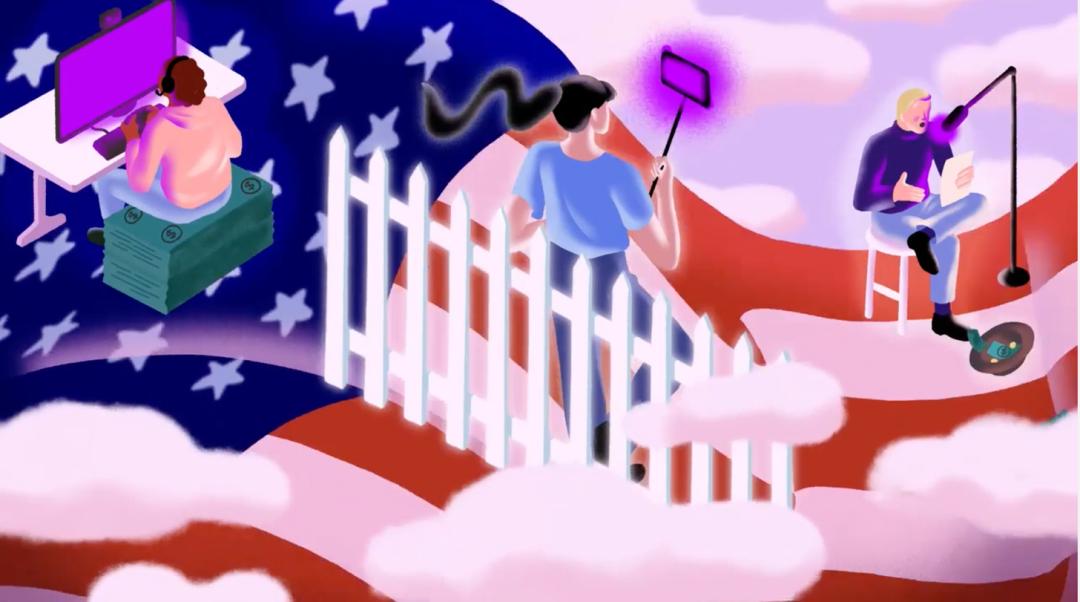
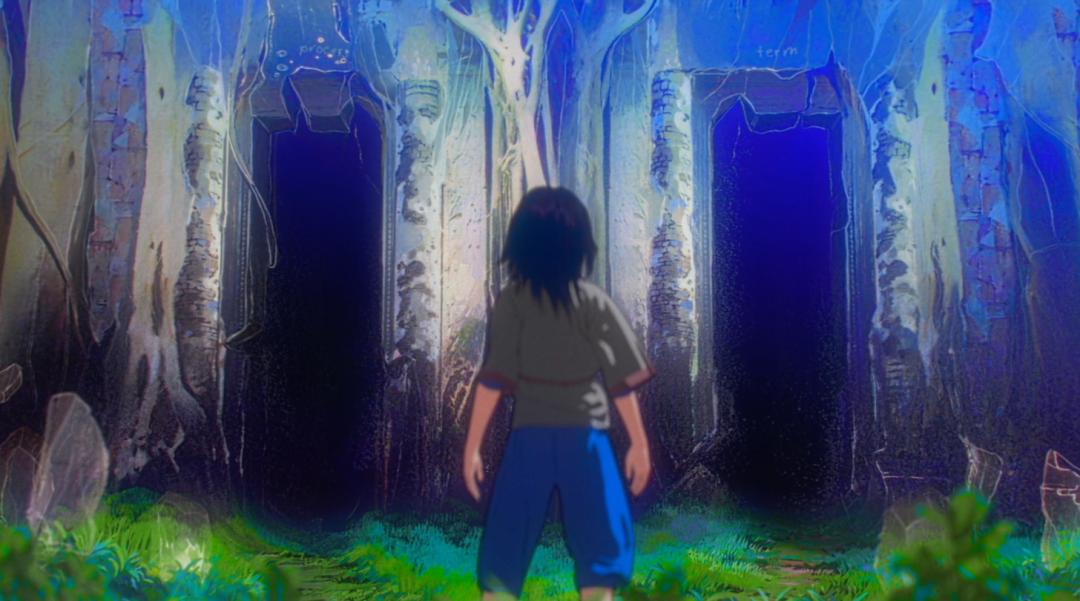
The picture above is Li Jin's first NFT picture. Note: This is just a screenshot, the original image is an animation. Its description reads: “Societies and platforms prosper when everyone has the opportunity to move upward, achieve economic security, learn and grow. The beauty is that, whether in the physical or digital world, this path The construction of everything depends on us."
Based on this information, we continued to explore.
What is the "creator economy"?
First of all, we need to break down the meaning of "creator economy":
- The economy of the creator economy is about how individuals can monetize the content they create.
Li Jin describes the evolution of the creator economy as 4 distinct stages. Here are short descriptions of the stages:
- Creator Economy 1.0: Thanks to the birth of the Internet, individuals can become creators.
- Creator Economy 2.0: Creators use their influence on the platform to monetize through advertising and brand sponsorship. We'll explore the problems that arise with this advertising-based business model.
- Creator Economy 3.0: Creators become independent businesses and monetize directly from their fans. This is the most important part of this article as we explore: the Passion Economy, how to build a middle class of creators, 100 True Fans, and the role of cryptocurrency.
- Creator Economy 4.0: Creators and their fans create and accumulate wealth together. Here's our glimpse into the creator economy of the future.
It is important to note that each stage of creator economy development is complementary to the previous one. Each phase presents new options for creators — new revenue streams, new ways of doing business, and new ways to connect with fans. Creators have the flexibility to mix and match these options to suit their needs.
Creator Economy 1.0: The Rise of Creators
Li Jin: " Creator economy 1.0, the beginning of the creator economy. I think the creator economy has been around since the internet existed, so initially people uploaded content online. They did it on their own stand-alone websites or blogs that they built. Then, with With the advent of social networking, people also use it for content creation. In those days, I thought everyone was a content creator as long as they posted content, but in terms of the "economic" part of content creation, this is still in its infancy stage. "
The creative economy began with the birth of the Internet. It enables anyone to upload their own content online and become a creator. This started as a personal website and quickly transformed into a platform for social media and user-generated content such as MySpace, Flickr, Facebook, Reddit and many others. As Li Jin said, the "economic" part of it (creators earning money from the content they created) was missing because it was difficult to collect payments online at the time.
This is partly because payment functionality was not built directly into Internet browsers at the time. Marc Andreessen, co-founder of Netscape (one of the first Internet browsers) and a16z, described this as the "original sin of the internet."
Mark believes that this lack of payment functionality has brought us to today's Internet, where online business models are primarily based on advertising. But because of this, we have to think about issues like privacy, data collection, and the incentive imbalance between platforms that rely on advertising revenue and user demand.
Creator Economy 2.0: Monetization of Attention
Li Jin: "Creator Economy 2.0 is an economy that revolves around people who build their reputation and influence on all these channels. Gradually, there are people who are building audiences by posting content on the internet. They are kind of like digital native celebrities. These influencers groups of people then start monetizing, usually through advertising or brand sponsorship. So they make money from the eyeballs (attention) of their users and the reach they get from all of their A profitable game in power and scale.”
The rise of platforms such as Facebook, Instagram and Youtube has allowed creators to monetize at scale through advertising and brand sponsorships . These platforms aggregate vast amounts of online content and transform the chaos of the internet into easy-to-use applications. This is great for creators and their fans. Creators can more easily create content, build a large user base, and monetize users' attention. Meanwhile, fans can easily discover and consume content from their favorite creators without spending money.
Despite these benefits, some problems have arisen:
In order to To be profitable, creators need to build the largest user base possible. This encourages virality and the creation of eye-catching content rather than niche content. (Editor’s note: Niche content is about creating content that resonates strongly with a specific audience in order to drive strong results. Niche content is a way to better connect with consumers, customers, or readers. )
Li Jin: The biggest impact of the Web2 Internet may be creators who cannot be born and creations that have never been created because there is no viable business model.
Building a large user base requires getting as much attention as possible. Given that attention is limited and the platform’s algorithmic feedback is biased towards creators who have already earned it, the result is that only a few creators can climb to the top and make a living. Meanwhile, other creators, whom Li Jin calls “long-tail creators,” are barely getting by.
Li Jin: On the web2 passion economy platform, only a very small percentage of creators are actually able to earn a full-time living wage, everyone else is piecing together some Side income to supplement their day jobs. For example, on the music streaming platform Spotify, the top 43,000 artists (roughly 1.4% of the platform) receive 90% of the royalties, and they earn an average of $22,395 per artist per quarter. The remaining 3 million creators, or the remaining 98.6% of artists, earn just $36 per quarter per artist.
There is an imbalance of power between Web2 platforms and their creators. While creators’ success brings value to the platform, they are passive recipients of the platform’s decisions. These platforms are capable of making decisions that can have a significant impact on a creator’s livelihood — for example, changing how and how much a creator earns, or even choosing to remove them from the platform entirely. This is problematic because creators build a reliance on platforms to distribute their content and acquire their audiences. To make matters worse, creators are often locked into specific platforms because their data, including audience details, is locked in siled databases on a single platform.
Li Jin: All current centralized creator platforms have a tension between empowering and disempowering creators. Ultimately, when creators create on web2 platforms, they are building their business on rented land.
Creator Economy 3.0: Monetization of Personality and Passion
Li Jin: In Creation In the stage of author economy 3.0, creators are not only a channel to sell other people's businesses and brands, but also see themselves as brands and enterprises, and try to profit from their roles in different ways. They do this by using many different tools and platforms that have flourished over the past few years, all based on monetizing directly through their superfans. That's where we are now. In Creator Economy 3.0, creators act as their own independent businesses. In this third phase, I see NFTs as another tool to help creators monetize directly from fans.
The underlying theme of Creator Economy 3.0 is the increasing ease and ability of creators to get paid directly from fans.
This stage is triggered by two major changes:
Skillshare and Substack etc. The rise of new digital platforms creates new, more accessible forms of revenue; and
tools like Webflow and Stir simplify authoring and operating online The business process lowers the barriers to entry.
Taken together, these tools and business models open up the possibility for more individuals to monetize (profit) their unique skills, knowledge, and It is Li Jin's vision of "Passionate Economy".
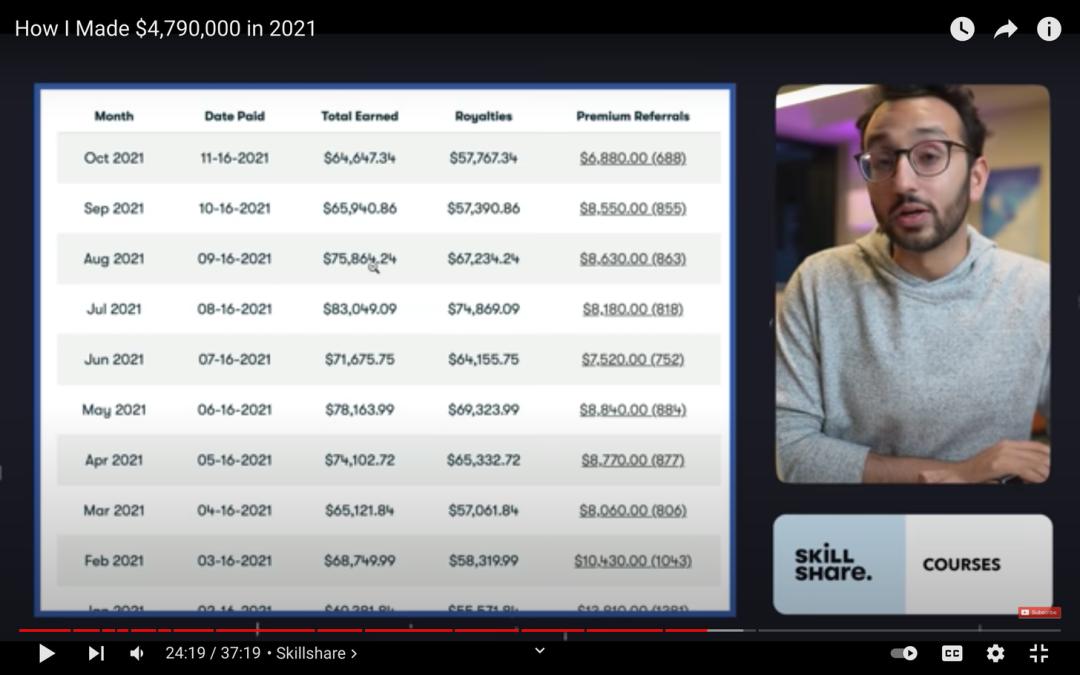
More specifically, this means that existing creators do not need to rely solely on traditional Web2 platforms for content distribution and ad-based revenue. Ali Abdaal, for example, is a YouTuber who teaches on topics like productivity. In the video below, he breaks down his earnings in 2021: about $390,000 in advertising revenue from YouTube, and about $716,000 from online courses he publishes on Skillshare.
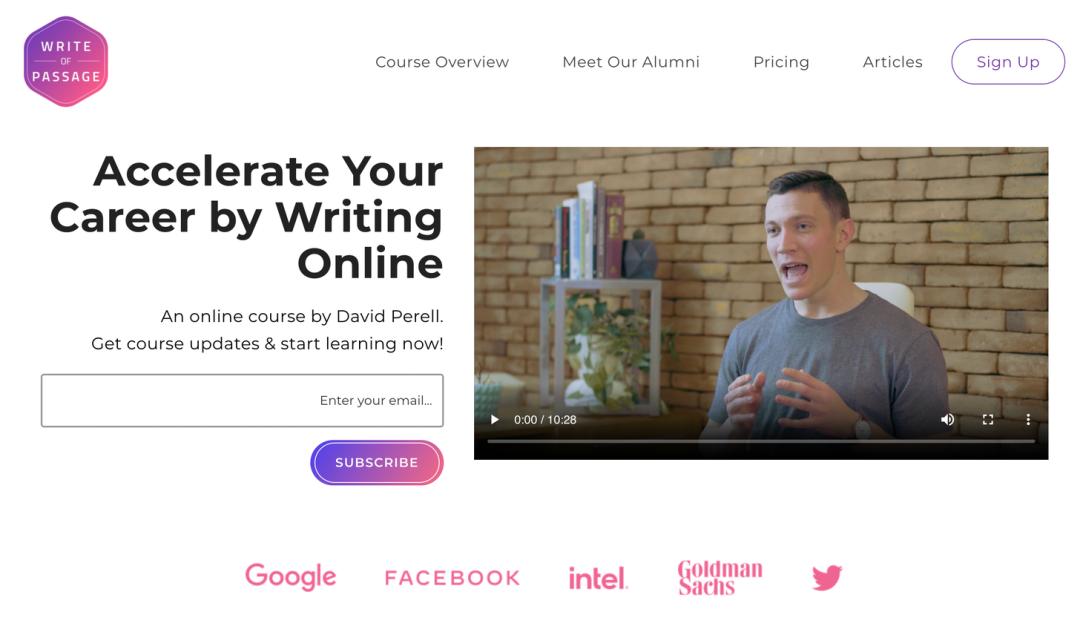
Another exciting influence is that people like Li Jin , who previously could not see avenues to monetize their passions and niche interests, now they can. This is also a good thing for consumers, as it makes it easier for consumers to discover content and creators that match their preferences. A great example is David Perell, who runs online courses and has carved out a niche teaching people how to write online and build a readership.
However, as we all know, there is a difference between profitability and earning a living. In the Creator Economy 2.0 stage, most creators are "making a little extra money". Inequality issues are inevitable in the creator economy, as creators use their uniqueness to build a loyal fan base, and creators are not easily replaceable. However, the enthusiasm economy cannot exist at scale if success is concentrated only at the top.
In his article "Building the Middle Class of the Creator Economy" (Building the Middle Class of the Creator Economy), Li Jin argues that, as in reality As in the world, we need a healthy middle class of creators; the middle class refers to "those who are not household names, but have a solid user base, and they provide the basis for creators to earn a decent income."
Li Jin: When wealth is not concentrated in the richest 1%, the sustainability of the country and the defensibility of the platform are better. In the real world, a healthy middle class is essential to foster social trust, provide steady demand for products and services, and drive innovation.
One possibility is if the creator can find "100 True Fans" (100 True Fans); this is Li Jin adapted from Kevin Kelley The original 1000 True Fans philosophy:
Kevin Kelley: You don't need millions to be a successful creator Dollar. You don't need millions of dollars or millions of consumers, millions of customers or millions of fans. As a crafter, photographer, musician, designer, writer, animator, app developer, entrepreneur or inventor, you just need thousands of true fans to make a living. True fans are defined as fans who will buy anything you create. The number 1000 is not absolute. Its significance lies in its approximate order of magnitude—three orders of magnitude less than a million. (Source: 1000 True Fans)
Kevin says creators don't need massive scale and (user) reach as long as they can buy their work directly from 1000 Just make money from real fans. The 1,000 number is based on the assumption that 1,000 true fans would each pay the creator $100 a year, so the creator could earn $100,000 a year.
Numbers don't matter, so don't get hung up on it. The point is, creators can make ends meet even if they have a relatively small niche user base. This makes forming a middle class of creators more achievable.
Li Jin expands on this point and says that creators may need fewer fans - 100 instead of 1000:
Li Jin: I think creators only need to accumulate 100 real fans (not 1000) and each pay them $1000 per year. Today, creators can effectively make more money with fewer followers. Now, 100 True Followers and 1000 True Followers are not mutually exclusive, nor is the revenue benchmark of paying $1000 per year per follower a precise rule. Instead, this idea provides a framework for the future of the enthusiasm economy: creators can segment their audiences and offer customized products and services at different price points. (Source: 1000 True Fans? Try 100)
This theory is based on the fact that creators can ask what Li Jin calls "super fans" ) provide additional value. Examples of this include: premium content, community access, or even exclusive access to a creator's time or expertise. By doing this, creators can convince their superfans to spend more. In Li Jin’s hypothetical scenario, 100 fans would each pay the creator $1,000 per year instead of $100.
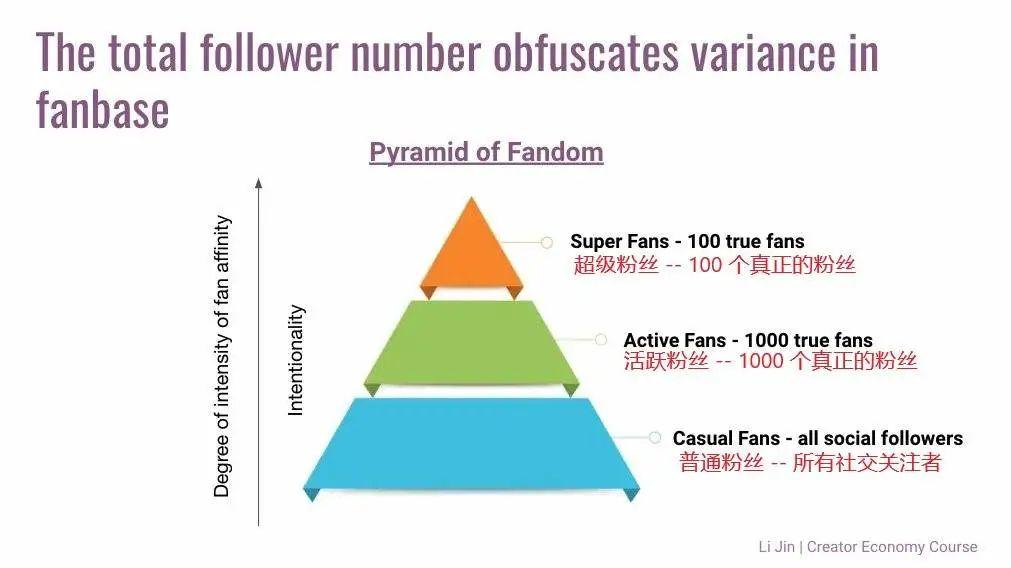
Again, numbers don't matter. The key here is that creators can make ends meet with a small number of loyal fans and a high willingness to pay. However, this won't be easy -- creators need to offer more value to fans to justify the higher price. While it sounds too good to be true, it's already happening:
Li Jin: A Creator at Teachable (an online course platform) The creator, who advises artists on selling art, made $110,000 last year from just 76 students, an average of $1,437 per class. Another creator who teaches physical therapy made $141,000 with just 61 students, with an average price per course of $2,314. (Source: 1000 True Fans? Try 100)
In summary, new digital platforms and tools have unlocked the Creator Economy 3.0, giving many creators the opportunity to Passion and personality to make money and earn a living. We call this the first part of Creator Economy 3.0.
The second part is that cryptocurrencies finally enter the game, opening up the possibility of a super creator economy. With Crypto, creators gain new money-making opportunities, more power, and freedom.
One of the core benefits of Crypto is the introduction of digital scarcity through Tokens (tokens). Without Crypto, there is no concept of digital scarcity for digital content, resulting in anything that can be copied, meaning creators have limited ability to sell digital products. They have found ways to approach scarcity, such as by selling premium content (such as e-books or photo books). However, the underlying content is still easily copied and redistributed for free.
NFT (Non-Fungible Token) allows us to represent digital assets online so that we can have ownership of digital assets on the Internet. With NFT, we can verify ownership (who owns a certain digital asset?) and authenticity (does he own the real thing?). This is powerful because:
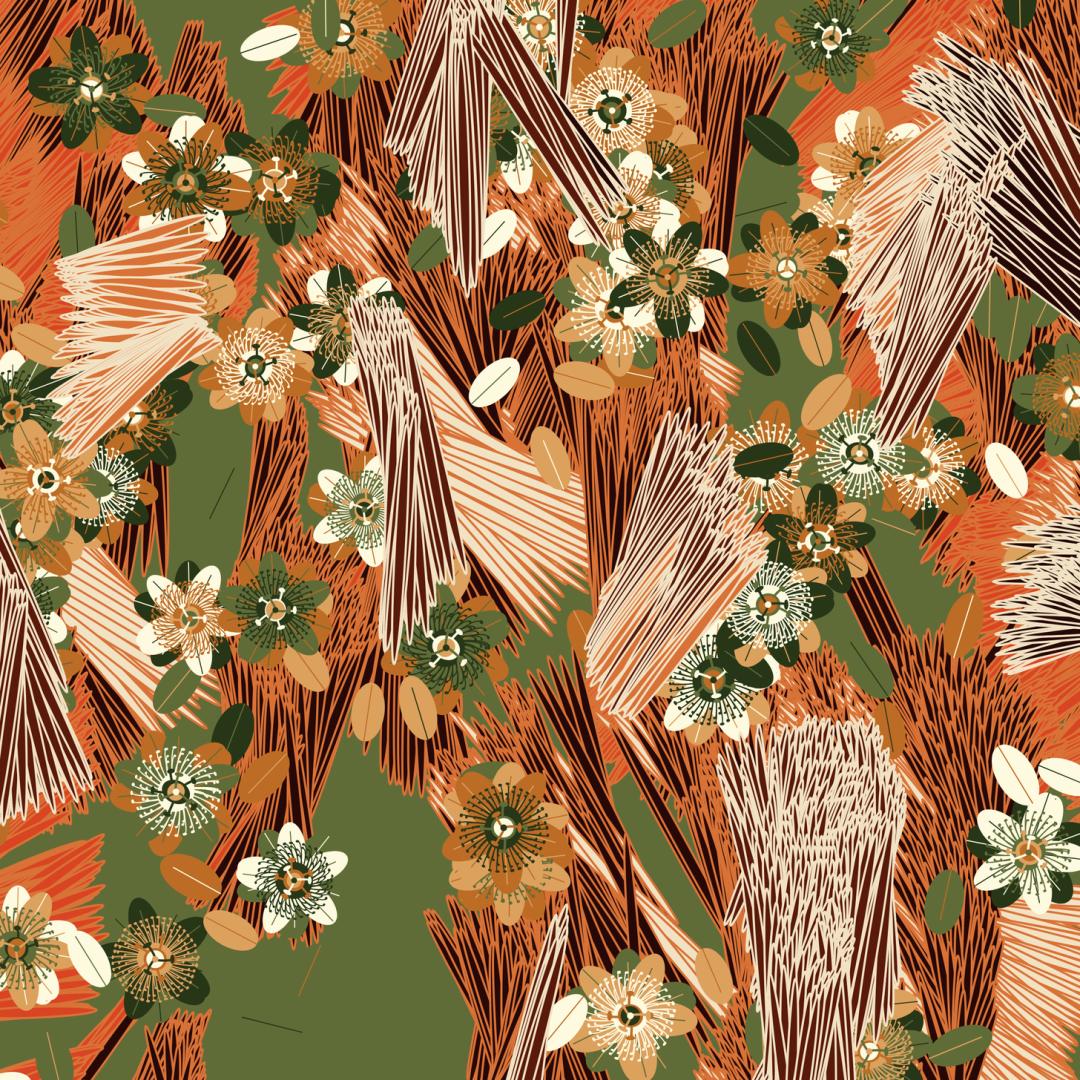
NFT opens up the possibility for more people to monetize their creations, such as digital art Monica Rizzolli by selling His own NFT generative art collection series "Fragments of an Infinite Field" has earned millions of dollars.
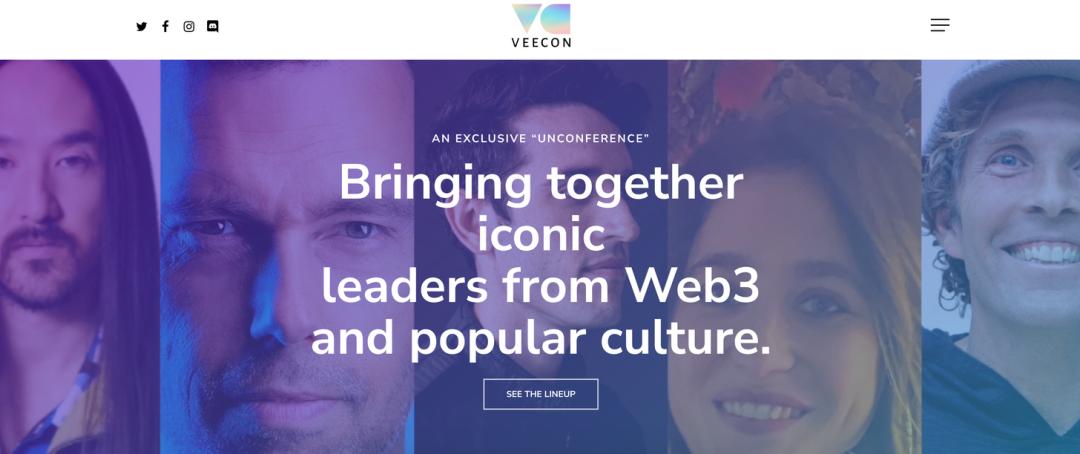
Creators can easily verify who owns their assets, which allows them to deliver deeper value to those owners. The possibilities are endless. Gary Vaynerchuk created VeeCon, a multi-day in-person conference that only people who own an NFT from his VeeFriends collection can attend.
Introducing digital scarcity via NFTs has interesting implications for the Creator-Fan relationship. Since NFTs can be freely traded in the marketplace, fans are economically aligned with creators and can profit from their success. Jesse Walden called it "patronage+", which means that fans support creators not only out of altruistic desires, but also out of their own economic interests. This brings many benefits:
There will be more people willing to support creators, including a new fan group, namely profit-seeking speculators;< /p>
Fans (including speculators) are incentivized to help the creator succeed, for example by sharing the creator's work, because the success of the creator is their profit;
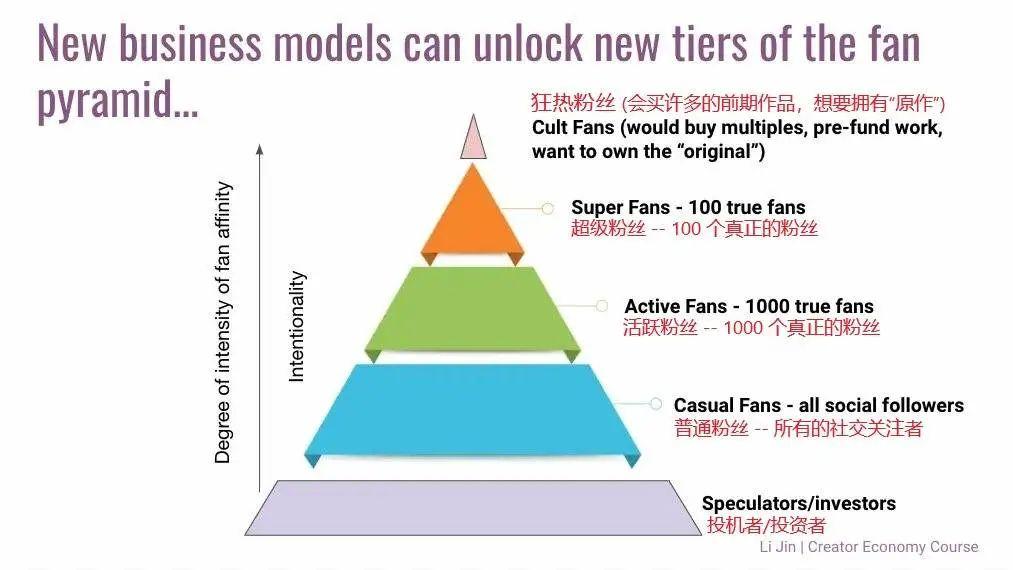
Fans can publicly show their varying degrees of love for creators, and creators can capture fans' willingness to pay. For example, XCOPY, one of the most popular crypto artists, sells his artwork in NFTs for millions of dollars, but fans can also buy versions of his artwork for thousands of dollars (there is a fixed supply , such as 750 identical works);
Creators can take advantage of what Li Jin calls "Cult Fans" (Cult Fans), that is, those who are willing to spend seemingly Unreasonable amount of fans. Rather than 100 true fans, creators may only need a few "fanatic fans" to make ends meet.
Another benefit of Crypto is the ability to fairly distribute value to those who created it. There are several angles on this:
Although content creation is often a collaborative process, tracking and rewarding collaborators is not easy. One of the ways Crypto solves this problem is through automated revenue splits, allowing creators to pre-program the revenue that needs to be distributed to contributors. For example, Packy McCormick, who writes a newsletter about business strategies and trends, sold one of his articles as an NFT. Using the Mirror platform, he programmed the sale of this NFT to distribute the proceeds to the 15 other people he referenced in the article, as shown below:
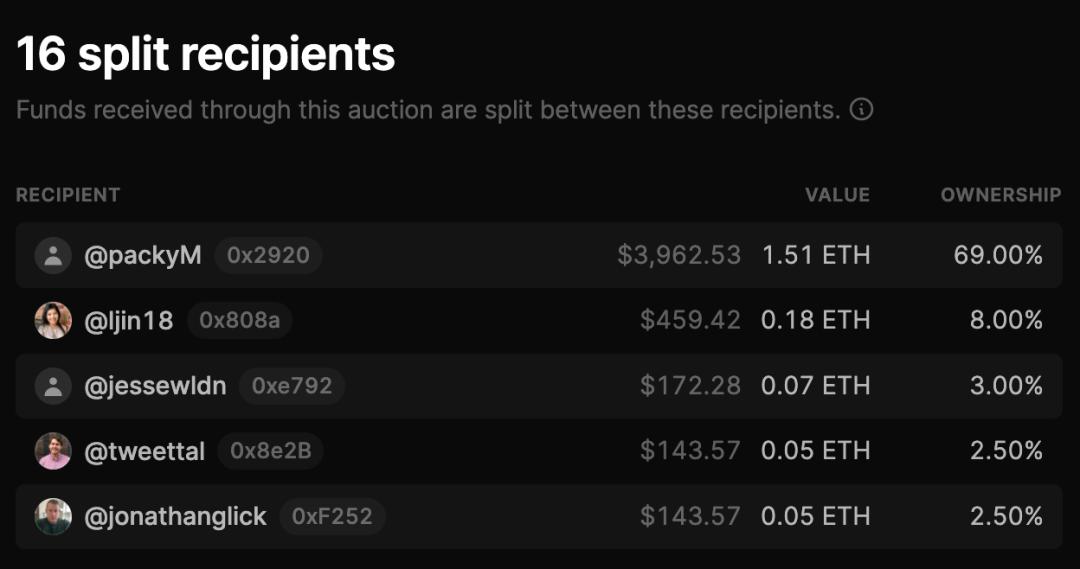
Packy McCormick's NFT was sold for 2.19 ETH ($5742.79) and shared with 15 other participants.
Li Jin points to a trend in developed countries where people earn more from their capital (things that bring returns) than from their labour. much money. This exacerbates income inequality, as those who own capital get richer than those who work.
Li Jin: If in a world, what people own (capital) contributes more to their wealth than what they actually put in energy and effort It bodes very badly for our society, setting us on a path of even more extreme income inequality that has increased over generations. What I'd like to see is that we bring them (i.e. labor and capital) together so that those who contribute labor can earn capital through their work so that the relationship becomes indistinguishable. (Source: How To Own The Internet | Bankless)
In the creator economy, we can regard creators as contributing labor, creating value for the platform, and Financially reward the owners of these platforms. What if the creator could also be the owner of the platform? Ownership will provide another avenue for creators to achieve economic stability. But the problem is that, as Li Jin puts it, platform ownership is limited to “a privileged set of individuals—whether based on geography, network, expertise, access, or for regulatory reasons.”
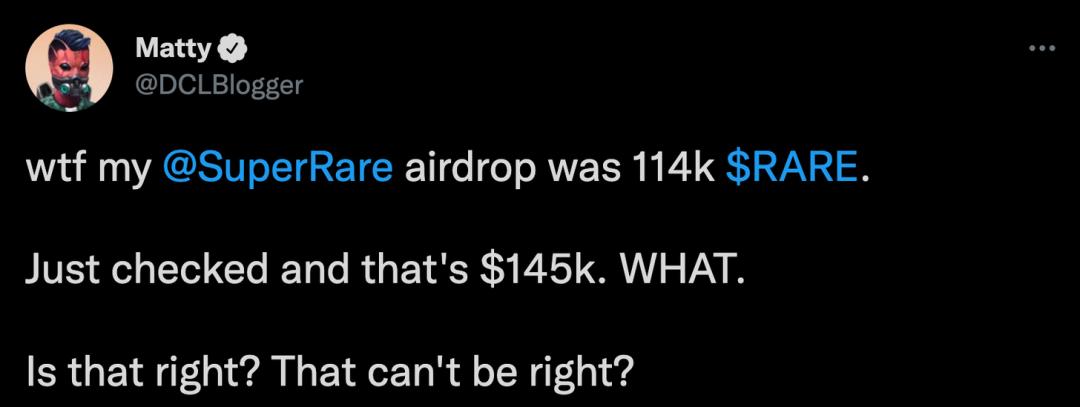
Fortunately, Crypto breaks down these boundaries and makes it easy to distribute Tokens (tokens) that represent value and ownership. With Crypto, creators can take ownership of the products and services they use, simply by participating. For example, NFT marketplace SuperRare distributed its governance token $RARE to artists and collectors in its marketplace.
Jesse Walden explains the value of cryptocurrencies in terms of open ownership:
Jesse Walden: The opportunity in Web3 is to build platforms and networks that are built, operated, and actually owned by users... Now we have the potential to deliver the value of ownership at the same speed and scale as information. We know from the history of Silicon Valley that ownership is a powerful motivator for talented people to contribute to a company, but it is impossible to distribute that ownership to everyone in the world... and cryptocurrencies make this possible because you can actually send Tokens, these Tokens are valuable to anyone with an internet connection, no matter where they are. (Source: What Is The Creator Economy?| Bankless)
So far, we've been focusing on monetization options in Creator Economy 3.0, but making money is just as One aspect of being a creator.
Li Jin: It's not just about money: it's about agency and autonomy, and the opportunity to participate in decisions that directly affect your life. It’s about breaking down the unilateral power of platforms as centralized points of control in an ecosystem. (Source: Legitimacy Lost)
In the creator economy 2.0 stage, creators have almost no freedom to transfer their content and audience without compromising their own livelihood( Because creators are often locked into a specific platform), and have little power to oppose platform decisions.
However, with the emergence of new digital platforms that allow open data in the Creator Economy 3.0 phase, this imbalance of power shifts slightly in favor of creators Changes in direction, such as Substack allowing authors to export and take their subscriber lists anywhere. Cryptoto reinforces this because the data is public and stored in public databases. This gives creators complete flexibility over how the data is used, and means creators are not locked into a specific platform.
And by making creators the owners of the platforms they use, it will bring about a greater shift in power. Fortunately, Crypto makes this easy, as we discussed above. With platform ownership, creators are empowered to shape platform decisions and control their own experiences.
Creator Economy 4.0: The Future of Creator Economy
Li Jin: Finally, Creation The next phase of the author economy will be breaking down the lines between who is a creator and who is an audience. The creator economy enters a world where audiences co-create with creators, who are all part of a community, driving value back into their collective output. In this world, everyone is rewarded proportional to the value they contribute. I call it the evolution of the creator economy to the community economy. This is a supercharged version of the creator economy. (Source: How To Own The Internet | Bankless)
Li Jin called it creator economy 4.0, that is, community economy. Here, creators will co-create with their fans and create wealth together. This is achieved by adjusting the incentive mechanism of authors and fans through encrypted Tokens.
The main difference between this phase and Creator Economy 3.0 is that fans can earn income and ownership for their contribution to the creator's success. The rationale for this is that we don't want to replicate this power imbalance between traditional platforms and creators between creators and fans.
One example is Shibuya, a "Web3 video platform that allows users to participate, fund, vote on outcomes and become owners of long-form content". The idea is that fans can buy a type of NFT called "Producer Passes" (producer passes), and use these NFT passes to vote on plot and character decisions for animated episodes. By doing so, fans can earn a $WRAB token representing proportional ownership of an NFT collection.
Another example is the NFT project mfers created by sartoshi, which is a set of generative hand-painted Character NFT collectibles. These are all released under the CC0 license, which means there is no copyright on this NFT collection. Anyone can do whatever they want with it. They can create and sell derivative artwork, create merchandise, write books or create animations. Those who own mfers NFTs have an incentive to increase the profile and appeal of this collection of NFT collectibles, as this will increase the value of their merfs holdings. However, nothing prevents those without mfers from also co-authoring with the mfers community and getting rewarded.
sartoshi: mfers have no king, ruler or clear roadmap - people with merfs can build anything they want with these mfers... No need for sartoshi's approval, nor care as they experiment and build. I think for me the most value offered to mfer holders is amplifying their best ideas and creations to reach a larger audience...and adding value to mfer holders when opportunities arise, including Allow mfer holders to claim other NFTs created by artists. (Source: what are mfers)

Above: mfers NFT
So far we have only With a little understanding of what Creator Economy 4.0 might look like. It will be interesting to see what happens next and how we can get rewarded for contributing online.
Li Jin: Everyone who uses the Internet is a creator in his own unique way, and the future change is that they can benefit economically from it. (Source: How To Own The Internet | Bankless)
Ultimately, each new phase of the creator economy helps solve the problems of the past, and each Each stage gives creators new options. The “happy ending” to the creator economy will be a world in which what Li Jin calls the enthusiasm economy exists at scale. Crypto is the latest tool in the toolbox that promises to help us make this happen.
When the creator economy was born, anyone had the opportunity to become a creator, but there was no way to make money. Now with Crypto, Li Jin is optimistic that we can build a world where "everyone gets some income and ownership from their contribution to the Internet, so everyone becomes a part creator". That's a world that excites me.
***This article only represents the views of the original author and does not constitute any investment advice or suggestion.
Original Link
Welcome to join the official BlockBeats community:
Telegram Subscription Group: https://t.me/theblockbeats
Telegram Discussion Group: https://t.me/BlockBeats_App
Official Twitter Account: https://twitter.com/BlockBeatsAsia

 Related Articles