FWB London Co-Chair: Beyond the NFT hype, what do you think of the Web3 hype?

Web3 has rewritten the publishing rulebook for "online artists"
原文来源: Djmag
This article is from wechat official account:Old yuppie
Emerging technologies like blockchain have dominated the discussion around the music industry and emerged as one of the most divisive trends of the past 12 months. Declan McGlynn spoke to Plastician about why he believes this is the future for indie labels, promoters and artists.
Plastician is a byword for all forms of Grime, dubstep and bass pressure. He established his reputation as a presenter in the early days of Rinse and became an iconic club night. > He became one of the DJS and producers of the pioneering Dubstep sound that emerged from a Garage in the UK.
An artist, he has worked with Skepta, Skream and Benga and started his own label Terrorhythm, which is now 20 years old. Instead of being a DJ on Twitch during the COVID-19 pandemic, he hosted beat reactions, conducting genre q&A sessions and engaging with viewers and communities. "I want to be in touch with my audience a little bit more," he told Pitchfork at the time. "Twitch people are used to being in a conversation."
Earlier this year, he crowdfunded the vinyl release of his 2008 album, "Beg to Differ," and raised the required $5,925 in just two hours. He never takes himself too seriously, and he spent part of his time writing a book called Dad Jokes, samples of which can be found all over his Twitter account.
Building and incubating communities has been a trend of Plastician's career, and in his role as host of Rinse, FWD> > Resident, Twitch streaming and Terrorhythm boss during. It was the dynamics of that connection that led him to explore the technology behind one of the most talked-about -- and controversial -- trends of the past 12 months, NFTs.
Rather than bragging about a bunch of cartoon orangutans, Plastician, whose real name is Chris Reed, has been exploring how artists, record labels and the broader electronic music community can benefit from this emerging technology, whether it's artist royalties, event tickets, label share or community building. If you're not familiar with blockchains, NFTs, Web3 and their various implications, read our March 2021 article "What is NFTs and Why should electronic Music Care?"
Reed's experiment saw him working with Friends with Benefits, a creative community based on Web3 principles owned by its members that calls itself "when cryptocurrency meets culture." Last year, Resident Advisor profiled the members-only community. With Plastician taking on the role of co-chair of Friends with Benefits London, we thought it was a good time to talk to someone with 20 years of experience in electronic music about how blockchain can really benefit artists. Beyond the NFT hype, we asked him what he thought of the Web3 hype?
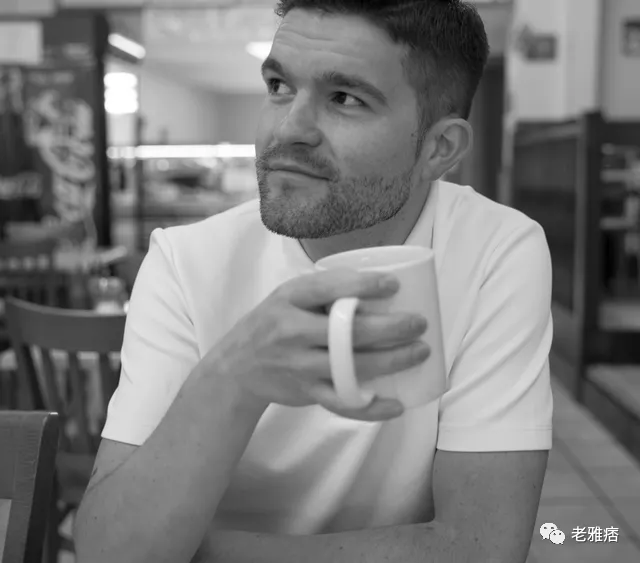
"Artists can get paid for their performances in real time, in real time"
Q. You're no stranger to this whole space, are you? When did you become interested in blockchain?
A:I got into cryptocurrencies around 2016. I was interested in bitcoin, bought a little bit of bitcoin and Ethereum, and looked at the technology side of things. I understand what these tokens are and why they exist more than just a currency. Once I figured it out, I thought: 'What are they supporting, what are they building, what are the businesses in this space?
I first introduced NFTs around the end of 2017. A friend of mine told me about a project called CryptoKitties where you can mate digital characters and they'll cast a baby and you can sell it. People at the market are collecting them and trying to breed them to have a rare baby. It's kind of like a game where if you can flip whatever you cast, you can make money from it. I find this very interesting.
Then came the big crash in 2017, which scared a lot of people out of cryptocurrencies. Around the end of 2019, the concept of Web3 started to resurface for me -- I started looking into decentralized finance. I really started digging into and learning about all the different protocols and reconnecting with a lot of people when I was trying to build a blockchain music distribution service back in 2017.
I have been active in the community again since early 2020 and it has recently become part of my daily routine, participating in the Friends with Benefits DAO.
Q: Tell us more about blockchain music publishing companies
A:As a musician and as someone who runs a label, the problem I see is artist distribution, in particular; You're waiting six to 12 months of pay. I run an independent label, I'm an artist myself, and when it comes to accounting -- nobody wants to sit on a spreadsheet, you'd rather be a DJ or do some music, right? So, we realized that we could create a lot of these transactions in smart contracts. Smart contracts are digital protocols that are cast on a blockchain and automatically execute once certain conditions are met.
For example, if I want to issue in your label, you will build a smart contracts, said 'I take 50%, you take 50%, this is my wallet encryption [monetary],' this is the factory card wallet, any money through will enter the distribution platform, they will automatically split the payment, so don't need invoice, money is in each month. Not every six months. It cut out a lot of paperwork at the time.
A friend of mine suggested we do this on blockchain, because it means every time someone gets a play on Spotify, we can receive payment in advance. As a result, artists can get paid for airplay in real time and in real time. We had fleshed out the idea and what parts of the industry it might address in a traditional world where we wouldn't get paid immediately from streaming companies, but then there was a crash and no one wanted to go near it. A lot of the people we talked to lost their jobs, so we put it on hold.
Q: Aside from royalties and accounting, what are the main benefits for artists and labels of adopting blockchain technology?
If you had to explain it to an independent label that wasn't particularly interested in cryptocurrency trading, how would you market it?
A:艺术家的版税显然是很多人都在谈论的一个问题。但对于活动票务来说-我昨天遇到一个人,他创办了一个叫 Kickback 的应用程序。它的工作原理是:人们对一个活动进行 RSVP,你向他们提供价值 10 英镑的 Token 。如果人们去参加了,他们就能拿回这笔钱。对于没有去的人来说,这些钱会被放入一个罐子里,由那些去参加活动的人分享。我认为这是一个非常有趣的用例。
In general, ticket touting is a big problem. If an artist like Ed Sheeran sold out at Wembley Stadium, you'd have touts selling them online for six times their face value, but the artist didn't receive any kickbacks from the extra profits. If you sell tickets as NFT, you can't replicate them because they are verifiable on the chain. They can't be copied, they can't be forged, and if someone wants to sell it, a percentage of it -- up to 100 percent -- will go back to the artist's promoter if they want to. It could stop peddling altogether because people can only get their money back and they can't profit from the tickets. I think this is a very obvious application scenario.
Then there's NFTs-- collectible versions of artists' albums and eps. People like to collect things, a lot of people buy certain versions of tapes, but they don't have tape drives, they just sit on shelves. People show off their favorites in their Facebook profiles -- we've already seen it on Twitter. Once it can be verified and you can't just put someone else's NFT on your profile picture, labels will be able to sell digital goods for the metasverse. In the future people may roam the metasverse. And they might want to wear t-shirts with bands or labels that their characters can wear. We're going to buy digital sneakers, digital hoodies, and that's going to influence artists and labels in so many ways in the future.
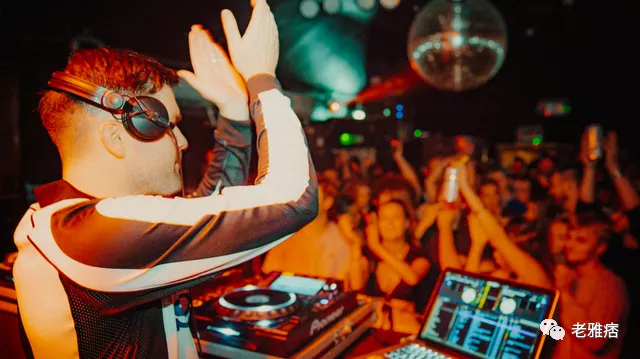
We're not saying people will stop doing things the old way, but some will adapt and coexist
Q: When you talk to your fellow artists, what is the consensus on NFT and blockchain? Do you see a lot of or artists and labels gravitating towards it? What was their reaction?
A:It's a real mix -- when you say something about what might happen, you either get real excitement or enlightenment. A lot of them just see these giFs that sell for hundreds of thousands of dollars just to get people's brains interested in it. We're all creative people at heart, and I think once people realize what can be done in NFT, or by building an application on a blockchain, [they'll get excited].
A good way to explain it to someone with a recording background is Discogs. Where people catalog their collections, and for what? They want to show people what they have. But no one knew they actually had them. They derive pleasure from digital versions of their collections. Some people would like to own it, and maybe even pay a little more for it. I could be one of those people. We're not saying people will stop doing things the old way, but some will adapt and coexist. Without much change, some people will adopt it faster than others.
Q: Obviously, big companies and established artists can afford to fund the experiments we've seen so far.When you're talking about more indie scenes, labels and artists, what tools can they use to get started quickly?
A:这里有一个很好的例子。我在一个 DAO 工作,这是一个去中心化的自治组织,叫做 Friends with Benefits。Friends with Benefits 最初是一种 Token ,它被铸造并发放给一群与创造它的 Trevor [McFreddries] 是朋友的人。然后你可以验证你的钱包里有这个 Token ,以访问 Discord 服务器,这有点像网络论坛和 WhatsApp 小组之间的交叉。一些小艺术家可以做的是,在他们周围有一些追随者或团队,他们可以将 Discord 频道 Token 化,让人们索取一些免费 Token ,[并] 创造一个社区和关于你正在做的事情的氛围。
你可以发布一些东西,比如你在工作室的幕后花絮,或者提前获得门票,或者只有在 Discord 上的人才能获得的限量版 EP。你在 Token 中烹饪新的效用,让人们投资于你正在做的事情。你可以在开始时赠送 Token ,当人们意识到它的价值时,他们就会为它付费。这就是 "Friends with Benefits "的情况:有足够多的人谈论它,人们就会被吸引,然后就是保持社区氛围足够强大。但是对于艺术家来说,每个人都会有一些共同点,不管是一种音乐类型、一个唱片公司还是一个艺术家。价值已经在那里了,你需要做的只是找到社区。
比如说,如果我创办了一个 Plastician Token ,我做了 100 万个,但我自己持有 10 万个...... 如果该 Token 在市场上价值 1 英镑,那我的银行里就有 10 万美元,我可以用它来资助我的下一张专辑或休息一年进行巡演。社区直接让我获得了资金,我不需要自己筹集资金,也不需要贷款,更不需要把我的版税卖给公司。这可以增强艺术家的能力,给他们自己的收入来源,也增强他们的社区和追随者的能力。因为如果早进入,而且努力工作,做得很好,推出了很好的音乐,越来越多的人有兴趣加入你的社区, Token 价格上升,每个人都从中受益。
这就是它的美妙之处,它激励了对音乐家的支持,我认为自从我们进入流媒体时代以来,音乐产业已经受到了很大的影响。音乐的价值几乎消失了,以至于人们觉得有权免费获得音乐--如果可以免费获得,他们为什么要付钱?这样一来,你在技术上并没有付钱,但如果你因为喜欢我做的事情而支持我这个艺术家,购买并持有这个 Token ,就能让我有更多时间做音乐。
The problem with the streaming model is that most of us as musicians spend 5% of our time on music, and the other 95% of our time is engaging in social media, getting content on Instagram, shooting promos, blogging, promoting an event. If the community comes together around what you do and allows you to continue to create, then everyone benefits. It's similar to Bandcamp-- the kind of people who buy your music on Bandcamp [as opposed to other platforms] are happy to participate and help, they want to support you.
Q: What advice would you give to someone reading this and wanting to get involved or start their own community?
A:我在 YouTube 上找到了很多信息--如果你想听到一个很酷的加密货币项目,YouTube 是一个很好的地方,可以了解它是如何工作的,你越是了解事情是如何运作的,它们做什么, Token 的意义是什么,它有什么用途,人们为什么需要购买它,你就越是开始想:我能做什么?我的 Token 会做什么?这看起来如何?做一些关于一些电子艺术家的 NFT 投放和他们所做的事情的阅读。开始关注这些账户,订阅 Disclosure、3LAU、RAC、Richie Hawtin...... 这些人在这个领域已经有相当长的时间了,他们正在做有趣的事情,他们了解它。
Obviously, I'm also going to mention "Friends with Benefits". We now have a local level membership where you hold a Token that gives you access to a community of people who know about these things, so it's a really good place to go if you're curious. There are lots of musicians, developers, investors. Research what DAOs are and how they work, and if you find it interesting, then I suggest you get involved.
The original link
Welcome to join the official BlockBeats community:
Telegram Subscription Group: https://t.me/theblockbeats
Telegram Discussion Group: https://t.me/BlockBeats_App
Official Twitter Account: https://twitter.com/BlockBeatsAsia
 Related Articles