Why did a game company get involved in Crypto meet a lot of player resistance?
Original title: Crypto Enthusiasts Meet Their Match: Angry Gamers
By Mike Isaac and Kellen Brown & NBSP;
Hu Tao, Chain Catcher
For years, Christian Lantz has been playing STALKER, a first-person shooter set in post-apocalyptic Ukraine that is popular for its immersive role-playing. So when the 18-year-old high school student heard he was making a sequel to the game this year, he knew he had to buy it.
Until GSC Game World, the Ukrainian company behind the Game software, announced last month that the new STALKER would contain cryptograph-based assets called irreplaceable tokens, or NFT. In the new game, players will be able to buy and sell NFT for items such as clothing for in-game characters, GSC said. The company touted the move as a "transformative step" toward a virtual world called the Meta-universe.
Lantz was outraged. He joined thousands of followers on Twitter and Reddit who turned against NFT in STALKER's sequel. They say the game maker is simply trying to squeeze more money out of players. The backlash quickly reversed course and the GSC abandoned the NFT plan.
"The studio abused its popularity," said Mr. Lantz, who lives in Ontario. "Obviously, it's about profit, not just making a beautiful game."
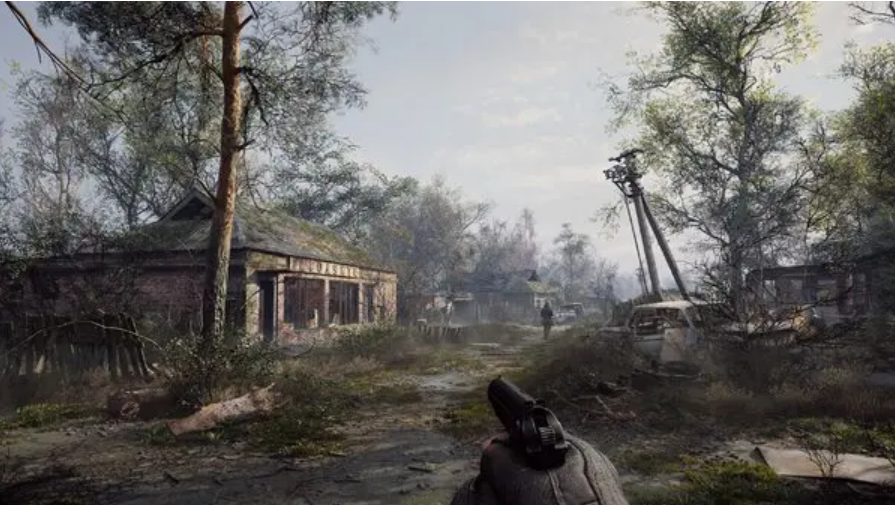
This is a still from STALKER 2
The crypto industry has been on a fever pitch for more than a year. Cryptocurrencies like Bitcoin and Ethereum have soared in value. Cryptograph-based assets such as NFT have taken off. Twitter founder Jack Dorsey recently renamed one of his companies Block in honor of blockchain, the distributed ledger system that powers digital currencies. Melania Trump auctioned off her own NFT. Proponents hope blockchain will revolutionize industries from finance to social media to the arts.
But for some, the crypto craze has gone too far, too fast. Sceptics argue that cryptocurrencies and related assets such as NFT are digital ponzi schemes with artificially inflated prices beyond their true value. Some question whether vague concepts like cryptocurrencies and blockchains have any long-term utility.
Nowhere is this more unpleasant than in the gaming community, where conflicts over encryption are on the rise between users and major game studios such as Ubisoft, Square Enix, and Zynga. In many encounters, gamers have the upper hand -- at least for now.
"People are embracing buzzwords," says Mutahar Anas, a gamer and YouTuber with 3 million subscribers. Those who promote NFT in the game, he says, are "trying to sell you Snake oil."
In recent months, at least six game studios have revealed plans to add NFT to their games, or said they are considering doing so, providing proof of authenticity and ownership through digital assets verified by blockchain technology. Game makers say this provides gamers with unique digital items that can enrich people who sell NFT in online marketplaces. Game publishers say it's also possible that NFT will be transferred between games in the future, meaning that a project from one game franchise could affect the gameplay of another.
But players said they viewed the moves as blatant cash grabs.
"I just hate that they keep trying to trick us in any way they can," said Matt Kee, a 22-year-old gamer. Kingdom Hearts said it was pushing ahead with NFT. "I don't see any mention of how this is going to benefit the players of the game, how it's going to improve the gameplay. It's always' How can I make money from this? '"
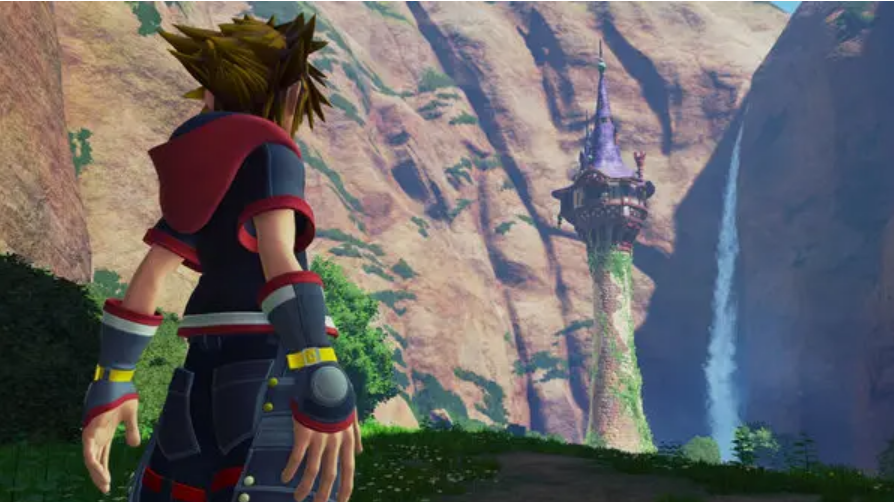
Kingdom Hearts III game graphics & NBSP; Square Enix released
Much of their frustration stems from the encroachment of microtransactions in the game. Over the years, game makers have found more ways to monetize users by making them pay to upgrade their characters or improve the game in their games. Even if people had already paid $60 or more upfront for the game, they were asked to pay more for digital items, such as costumes or weapons for their characters.
In one notable incident in 2006, The role-playing game "The Elder Scrolls IV: Oblivion" charged users $2.50 to buy a suit of armor for their characters' horses.
"' It's only a few bucks, but I remember thinking, 'Why aren't they giving us horse armor?'" said Eric Hild, 31, a brewer from Decola, Iowa. "Why are we paying for this?"
Gamers' hostility toward these companies has increased over the past decade, in part because of the increasing number of microtransactions, said Merritt K, a gaming anchor and editor at Fanbyte, a gaming industry website. So when game makers introduced NFT as an add-on to buying and selling, she said, players "were ready to blow these things out."
This has led to anger among gamers, which has upset game companies. In December, Sega Sammy, developer of Sonic the Hedgehog, expressed reservations about its NFT and encryption plans after "negative reactions" from users. Ubisoft, which makes games such as Assassin's Creed, said it misjudged the level of customer dissatisfaction after announcing its NFT plan last month. More than 90 percent of viewers didn't like the YouTube video about the move.
"Maybe we underestimated the strength of the backlash," said Nicolas Pouard, ubisoft vice president in charge of the French company's new blockchain initiative.
Game companies say their NFT plans are not motivated by a profit motive. Instead, they say, NFT provides fans with some interesting collections and a new way to make money by selling assets.
"It's really about the community," says Matt Wolf, an executive at mobile game maker Zynga who is leading the push into blockchain gaming. "We believe in making money by giving people the opportunity to play."
Over the past few years, the embrace of encryption in games has gained momentum. Some developers are starting to build games on blockchains that make it easy for players to collect digital assets and prove they own them. One of those games is CryptoKitties, a popular 2017 game in which players collect digital cats, some of which sell for more than $100,000. Blockchain-based games like Axie Infinity, where players make money by earning and selling NFT, have also become popular during the COVID-19 pandemic.
Bigger game studios are now trying to get in on the act, though some of their crypto plans remain vague.
Ubisoft was the first major game publisher to enter the crypto space. In December, it announced a plan called Ubisoft Quartz to launch three NFT sets in the form of digital devices like helmets and guns. NFT is available for free in the shooter Ghost Recon Breakpoint to players who have reached a certain level in the game. Gamers can keep the items or sell them on third-party markets, the company said.
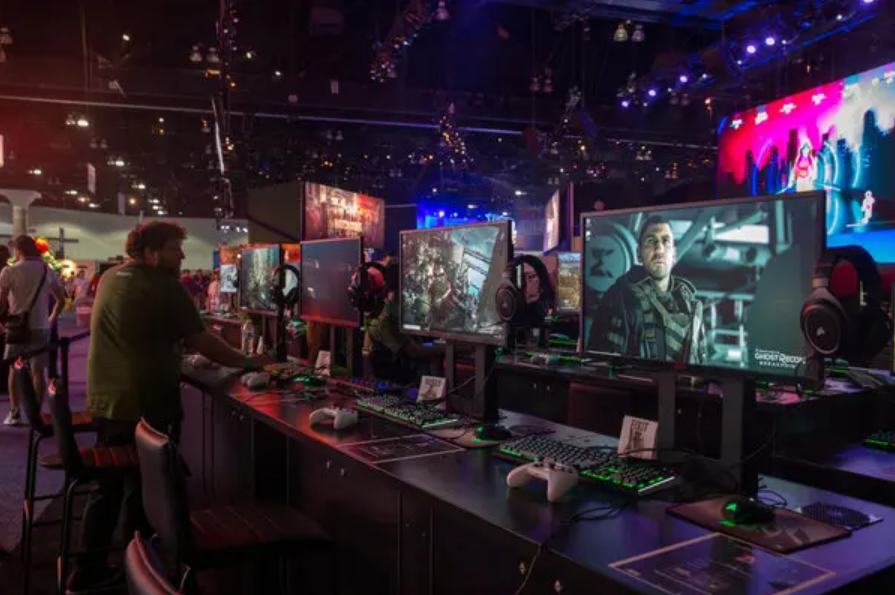
Ghost Recon Breakpoint gaming station at the Electronic Entertainment Expo 2019 in Los Angeles
So far, 10,000 digital wallets have been connected to Quartz, says Mr Pouard, although Ubisoft has only cast 3,000 NFT in the first batch. This shows interest in more NFT in the future, he says.
Pouard added that Ubisoft eventually plans to take a cut of future NFT sales. "We're moving from a business model focused on games to a business model focused on an ecosystem where every player can be a stakeholder," he said.
Zynga, which will be acquired by Take-Two, hired Mr Wolf, a gaming industry veteran, in November to lead an encryption effort. The goal, Says Mr Wolf, is to create new games on the blockchain that make NFT easier to acquire, own and sell. He offered few details on how the work would work, including whether NFT could be transferred between Zynga games.
"We're still developing all this," he said.
Other gaming companies are also dabbing in NFT, echoing how cryptocurrencies can create new wealth for users. This month, Square Enix president Yosuke Matsuda wrote in an open letter that creating blockchain-based games could allow players to make money. He said this would be the company's "main strategic theme".
But as the number of NFT announcements from game studios grew, gamers became increasingly annoyed. After users objected to Sega Sammy's encryption scheme, one of its executives said at a management meeting last month, "If this is seen as simple money making, I want to decide not to go ahead."
Other gaming companies have come out against cryptocurrencies. Microsoft Xbox head Phil Spencer told Axios in November that some games centered on making money through NFT seemed "exploitative" and that he would avoid putting them in the Xbox Store. Microsoft declined to comment.
Valve, which owns the online game store Steam, also updated its rules last fall to ban blockchain games that allow the exchange of cryptocurrencies or NFT. Valve did not respond to requests for comment.
Tim Sweeney, CEO of Epic Games, the maker of Fortnite, says his company will avoid using NFT in its Games because the industry is riddled with "tricky scams". (Epic will still allow developers to sell blockchain games in its online store.)
The backlash isn't just affecting game studios. Discord, a social platform popular with gamers, pulled back in November after users threatened to cancel their paid subscriptions through encrypted plans. Jason Citron, Chief executive of Discord, made fun of the project on Twitter, sparking a revolt.
"While I'm optimistic that there are a lot of cool things happening in blockchain, there are also a lot of problems," Mr. Citron said in an interview.
Mr. Kee, a gamer, says he will continue to fight game companies' encryption efforts. STALKER's developers' shift on NFT, he says, makes him hope that other companies will be influenced by public opinion.
"It gave me a good feeling that everyone was against this," he said. "We've seen all sorts of these schemes over the last 10 years, and we're tired of it."
The original link
Welcome to join the official BlockBeats community:
Telegram Subscription Group: https://t.me/theblockbeats
Telegram Discussion Group: https://t.me/BlockBeats_App
Official Twitter Account: https://twitter.com/BlockBeatsAsia
 Related Articles