Do you know what the $135 million FTX spent on the Miami Arena?
"Fans, this is the Sports Network, and welcome to the Miami Heat playing...... at the FTX Center today."
If you're a fan of the NBA, the above commentary begins, and you'll hear it soon.
On March 27, Miami-Dade County officials voted 10-1 in favor of cryptocurrency exchange FTX naming the Miami Heat's home arena, with a vote of $135 million.
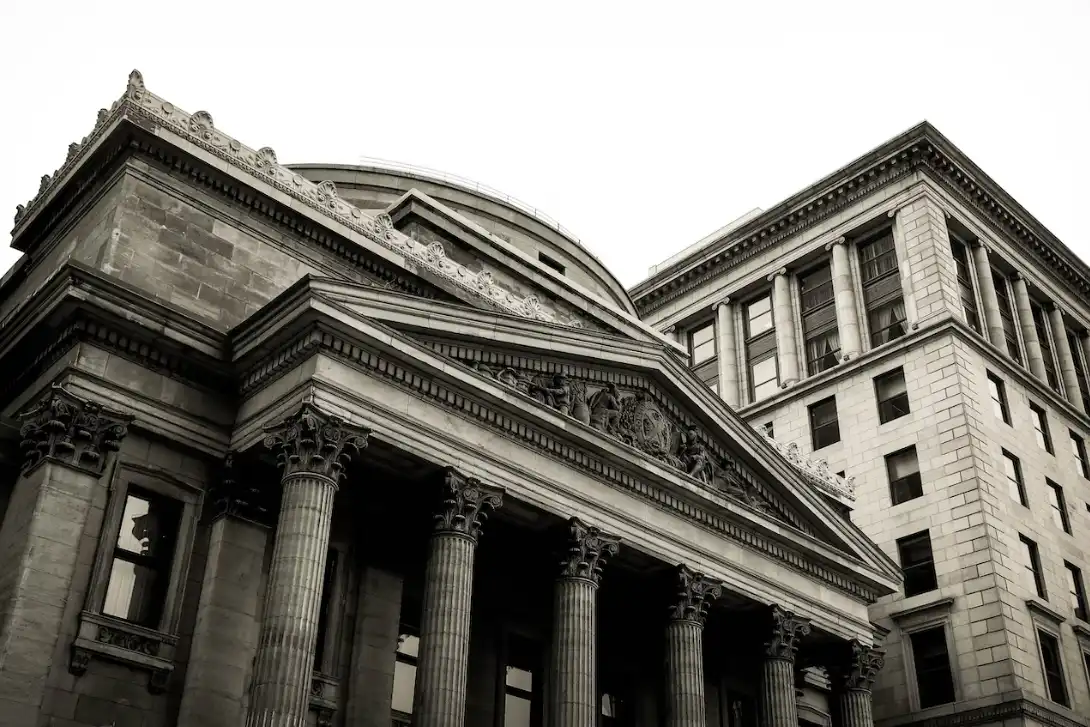
Eleven days later, the NBA Heat officially announced that FTX.us would be the exclusive naming rights to the Miami Heat's main stadium for the next 19 years, ending American Airlines' 20-year ownership of the stadium. The Miami Heat's main stadium will be called the FTX Arena. It's also the first time Miami's American Airlines Center has changed its name since it opened.

"FTX.us is an exciting young company that continues to grow at lightning speed in an emerging category of the financial services industry, and we are delighted to welcome them to the magic city of Miami with open arms, "said Eric Woolworth, president of Miami Heat Group Business Operations. "This is a groundbreaking and pioneering collaboration in our industry that will attract global attention."
For the cryptocurrency industry, it will be a constant campaign.

FTX donations
This cooperation is a win-win situation.
As one of the four big ball games, the NBA in attracting billions of fans around the world, with the league's own increasing influence, the team may even become a local resident representative of the spirit, the arena is not only the team's core culture, and even become the landmark of the city, the New York knicks at Madison square garden is the best example.
In recent years, more and more top enterprises, such as Amway, which once ranked among the top 10 in the world, and AT&, which monopolized the US telecom industry; T, are the name of the current NBA arena enterprises. Now, they have been joined by a cryptocurrency trading platform called FTX.
Miami mayor Francis Suarez is committed to the city into an encrypted monetary friendly city, on the one hand, want to Miami become encrypted currency, on the other hand, wants to see a encryption currency regulation under the function of the maximum, and the name of this FTX for Miami is undoubtedly a great good, accelerated the spread of the city of encryption currency.
For FTX, this is also a 19-year brand promotion. The passing of the naming agreement shows that the cryptocurrency industry is gradually being accepted by the society. Bitcoin has grown from a niche for geeks to an asset allocation for top Wall Street institutions, and NFT, an on-chain contract application, has grown from a small game played by tens of thousands of people in the ordinary industry to a work of art that can be hit with a high price of nearly $70 million at Christie's, the world's top auction platform. Cryptocurrency industry is increasingly going out of business.
This expansion culminated in FTX naming Miami Stadium, and the popularity of the cryptocurrency concept was expected to reach a whole new level when aerial shots of live matches were pointed at the FTX Logo directly above the arena.
Of the $135 million, about $90 million will reportedly go toward alleviating local gun violence, while the rest will go toward infrastructure development in the counties and the hope of making Miami a healthy and safe digital asset-friendly city.
But in the eyes of Sam Bankman-Fried (SBF), FTX's founder, the philanthropic effect of the investment is more important than FTX branding.
SBF's philanthropic path
In the cryptocurrency industry, people's impression of SBF is basically the positioning of "giant whale" and "cryptocurrency leader". As the founder of a trading platform, the founder of an investment institution, as well as the investor and consultant of several projects, many people tend to hold the same views with other "industry leaders" on SBF.
But those who know a little about SBF will know that the former trader simply enjoys trading.
If you remember a few months ago, the market found that the address of SBF had lent a large number of DEFI tokens on the lending platform and transferred them to the trading platform. At that time, the DEFI market had a decline, and the market automatically attributed the decline to the short position of SBF.
But a closer analysis of the SBF's thinking reveals that this is just a pure hedging operation. In order to protect its long assets, SBF uses a small amount of assets to hedge risks by shorting them, which is the vigilance of traders trained in the secondary market for a long time.
After graduating from MIT, SBF went to work at Jane Street Capital, a well-known quantitative trading firm on Wall Street. He made his first fortune on the strength of his trading talents, but later donated 50% of his Wall Street earnings.
"Imagine if you work directly for a cause or if you work on Wall Street and contribute to a great cause. In many cases, you can help them better by giving money." That's why he went to Wall Street.
While studying physics at MIT, he was introduced to the movement of "effective altruism".
Popularized by philosophers and ethicists such as Toby Ord and Peter Singer, the campaign focuses on pragmatic ways to help others use science and reason to ensure maximum effect, rather than the well-intentioned but often ineffective approach of some charitable organizations. This practical approach extends to a careful study of the best ways in which individuals can help.
After giving away half of his Wall Street earnings, SBF spent a few months as director of development at the Center for Effective Altruism before finding a place where his altruistic ideals could be realized more efficiently than in traditional trading markets: the highly volatile cryptocurrency market with its high arbitrage opportunities.
In a 24/7 market, SBF can spend all his time doing what he thinks he can't afford not to do. He is eager to make money because only by making money can he donate money, which he believes is the most feasible way to act altruistically. SBF donated $5.22 million to Joe Biden in the late 2020 presidential race, second only to former New York City Mayor Michael Bloomberg.
And under the leadership of SBF, FTX platform has always been committed to charity and donation.

In February of this year, FTX announced the establishment of the Charitable Giving Foundation, which will allocate 1% of the proceeds from the platform's transaction fees to the foundation. The total amount of donations so far has exceeded $3 million.
But FTX was involved in philanthropy long before the foundation was established. Since its inception, with the goal of giving money to the world's most influential charities, FTX, its affiliated companies and its employees have donated more than $10 million to help save lives.
In addition to the Heat Arena naming partnership, FTX will work with Miami-Dade County to support technology and fintech education, resident economic health, and other programs. FTX will also make an additional $5 million contribution to the Miami-Dade community to help Dade residents thrive, which goes beyond the naming rights partnership.
This altruism has long been embedded in FTX's corporate culture, with every one of its employees.
Due to the high volatility and speculative nature of cryptocurrency prices, the image of the cryptocurrency industry is more of a never-ending casino, full of boom and bust stories. But SBF and his FTX have also been trying to change stereotypes about the cryptocurrency industry.
Perhaps years from now, when Miami residents enter their home stadium to cheer on the Heat and introduce others to their home arena, cryptocurrency trading will be the least of FTX's businesses to be defined more as charitable, altruistic, and world-changing.
Welcome to join the official BlockBeats community:
Telegram Subscription Group: https://t.me/theblockbeats
Telegram Discussion Group: https://t.me/BlockBeats_App
Official Twitter Account: https://twitter.com/BlockBeatsAsia

 Related Articles