AI Newcomer Spends $500 Million to Move into Silicon Valley's Old Money Neighborhood

Byline | Jialiu, BeatZ Rising
A $70 million Hillsborough estate has showcased the most concrete example of AI-generated wealth.
On August 6, in the northern part of the San Francisco Peninsula, a recently established LLC acquired a 12-acre estate. The main house spans 12,000 square feet, with an additional 4,600 square foot guest house; a tennis court, a nine-hole golf course, an eighteen-hole putting green, an outdoor theater, a koi pond, a 2,100-gallon aquarium, and a Bellagio-style fountain are all situated on a tree-covered slope.
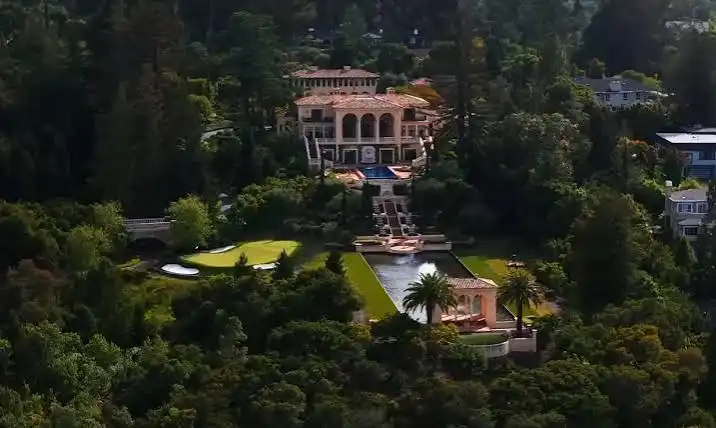
Estate purchased for $70 million by former xAI Co-Founder Wu Yuhuai
The transaction price for this estate was $70 million, approximately ¥500 million. The buyer listed on the property documents is Daikon no Hana Capital. However, following through the buyer's broker, estate planning attorney, and family trust led the media to a 31-year-old Chinese individual, former xAI Co-Founder Wu Yuhuai.
AI has triggered a massive wealth creation wave in the past two years. Companies like OpenAI, Anthropic, xAI, Scale AI, Cerebras, and Databricks have seen founders, researchers, and early employees climb the wealth ladder through rounds of financing. According to statistics, there are now over 80 AI-related billionaires in the world, with a combined wealth of nearly $3 trillion. 45 new members have joined this club in the past year.
And these nouveau riche individuals are still keen on acquiring old assets, with Silicon Valley mansions being a popular choice.
xAI Co-Founder Wu Yuhuai
Prior to this home purchase news, Wu Yuhuai had already bought a residence in Los Altos Hills for about $12 million.
Starting from Hangzhou, he pursued a machine learning PhD at the University of Toronto, participated in projects such as AlphaStar, STaR, Minerva, and AlphaGeometry, conducted research at Google and OpenAI, and later became one of the 12 co-founders of xAI.
After xAI was merged into SpaceX, Musk's equity holdings underwent revaluation. According to market reports, SpaceX's IPO raised funds to a historic level, and the initial low float during the IPO boosted the market capitalization to even more extraordinary heights. In February this year, Wu Yuhuai left xAI and joined the Scientific Advisory Board of Integrated Biosciences.
Wu Yuhuai's previous neighborhood, Los Altos Hills, is also one of the most well-known wealthy areas in the tech industry, attracting many engineers, public company CEOs, chip company founders, and venture capital partners. Google co-founder Sergey Brin, NVIDIA CEO Jensen Huang, Yahoo co-founder Jerry Yang, former Cisco CEO John Chambers, and Fortinet founder Ken Xie all reside in this area.
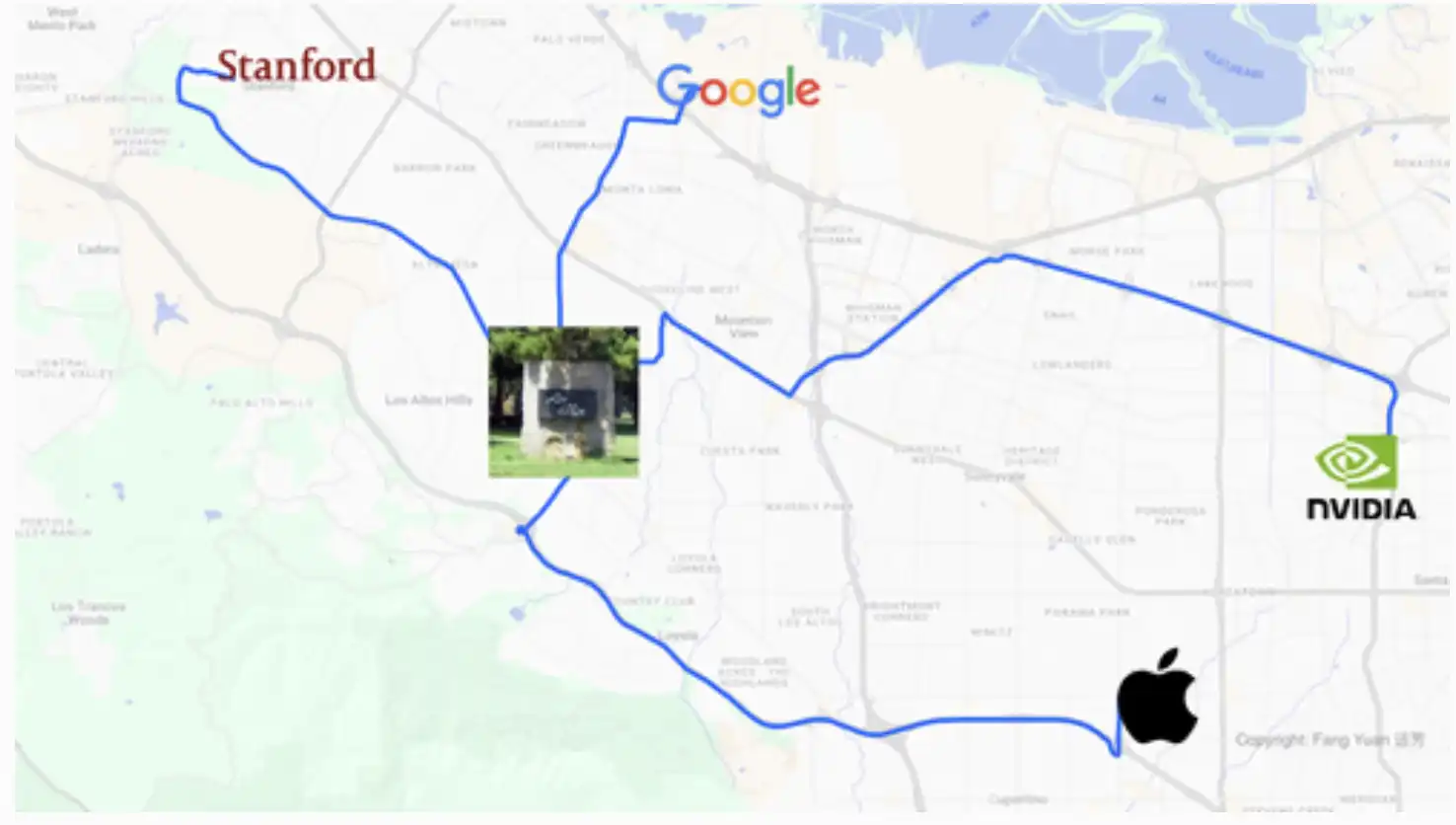
Distance from Los Altos Hills to Tech Companies
On the other hand, the newly purchased Hillsborough Estate by Wu Yuhuai has a significantly different tone. It is a bit less of a Silicon Valley capital circle stronghold and has more of an old-money estate vibe.
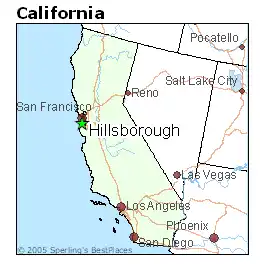
Location of Hillsborough Estate
Moreover, the "neighbors" in Hillsborough are evidently more old-fashioned. This area was once part of the Peninsula estate culture, hidden behind trees and slopes, and was a gathering place for Silicon Valley old money.
Elon Musk once owned a 45-acre historic estate here; Bing Crosby, the iconic American singer and actor, represented the estate culture of the early years here; Charles Johnson, a billionaire in the Franklin Templeton system, and two Baseball Hall of Famers, Rickey Henderson and Greg Maddux, also bring a touch of financial capital and professional sports wealth to this place.
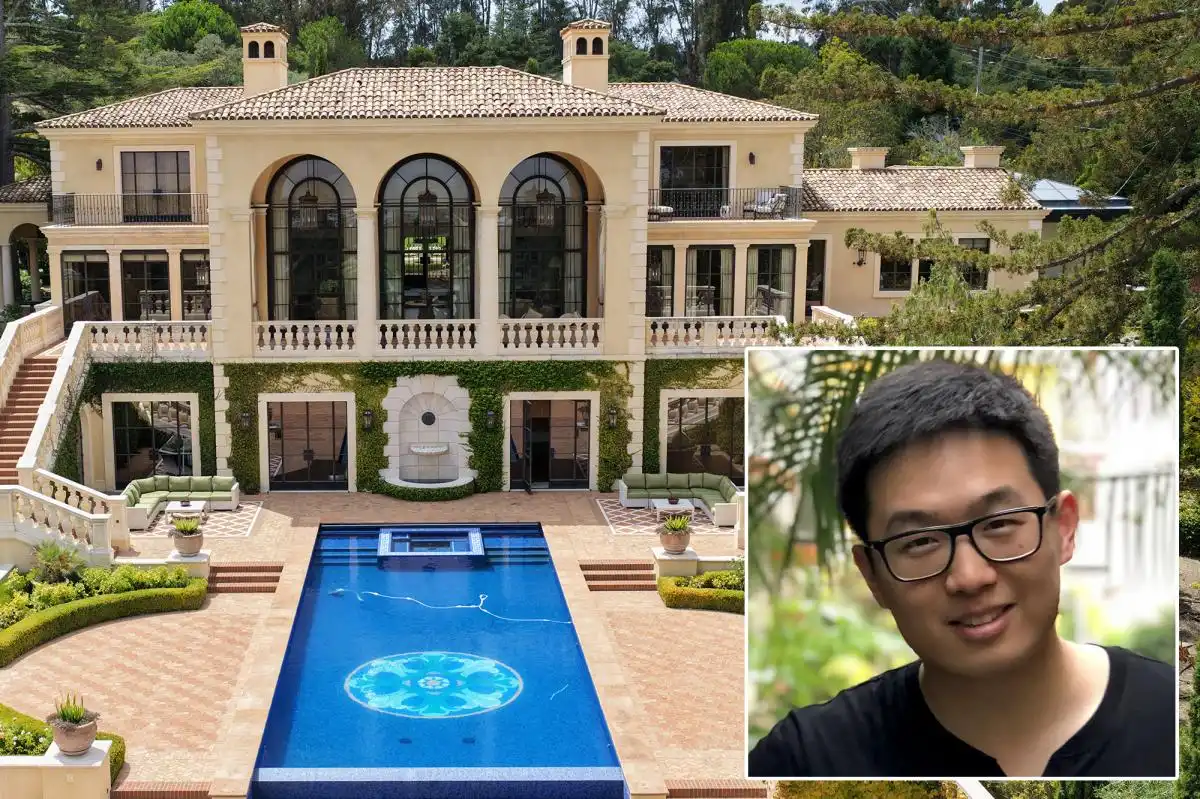
Wu Yuhuai and His Estate
Wu Yuhuai's Italian lakeside villa-style estate, initially listed for $88 million last year, sold after a $10 million price drop. For most tech executives, buying a larger house in Palo Alto would suffice; however, 12 acres of land, a guest house, private golf course, and an outdoor theater truly showcase his status.
OpenAI Father Sam Altman
Sam Altman's status goes without saying, as the OpenAI Father and a driving force of the AI era. As early as 2020, Sam Altman purchased a Russian Hill mansion for $27 million. The house later faced issues such as a leaky infinity pool and construction quality problems, leading Sam Altman to sue the developer. The media once referred to it as a "lemon mansion," a flawed luxury home.
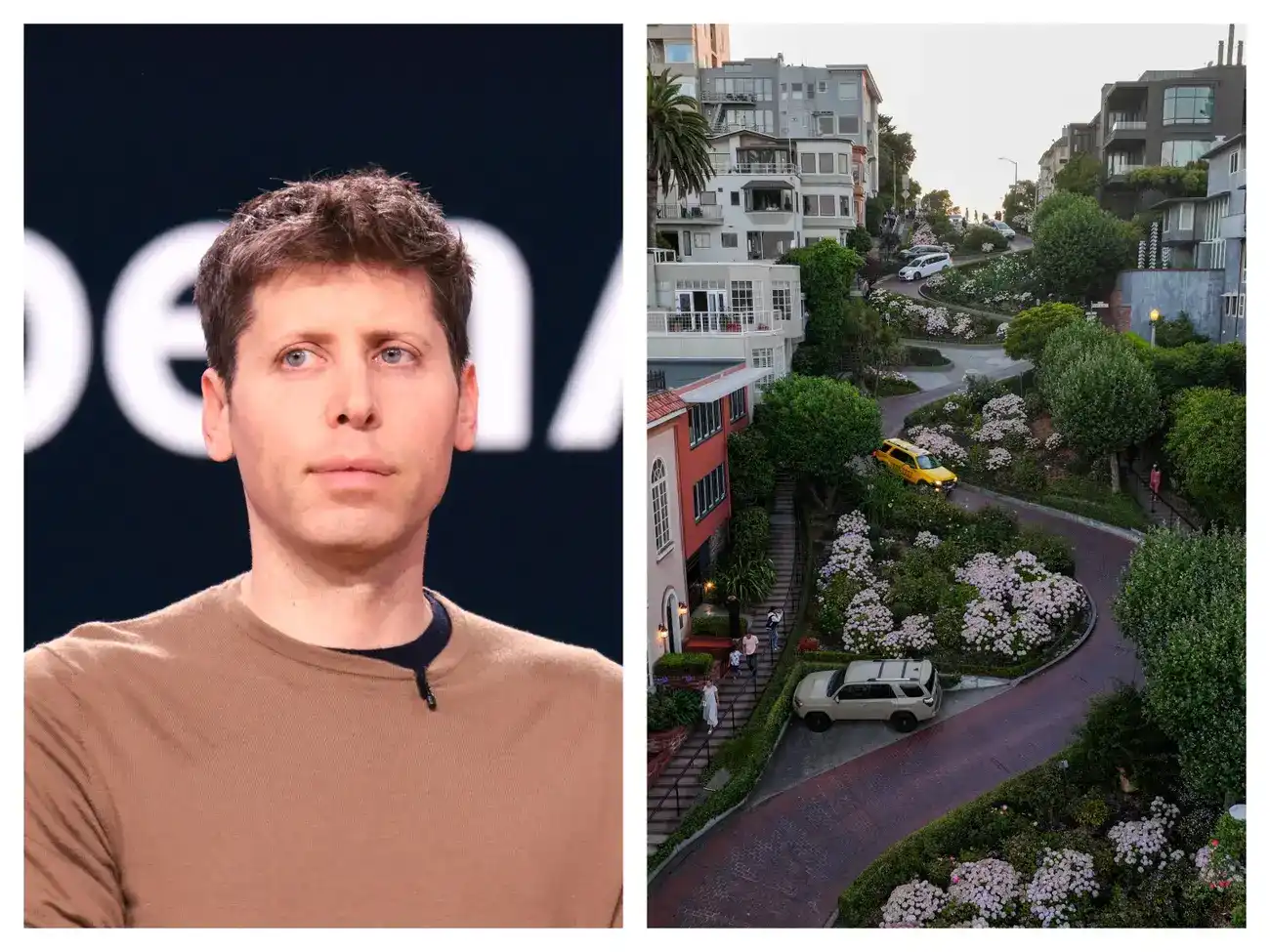
Sam Altman and His Estate
However, Altman did not sell it.
In 2025, through an affiliate entity managed by his cousin, he continued to purchase an adjacent old mansion and two neighboring plots of land. Including the original mansion, Altman's investment in this small piece of Russian Hill falls between $41 million and $65 million.
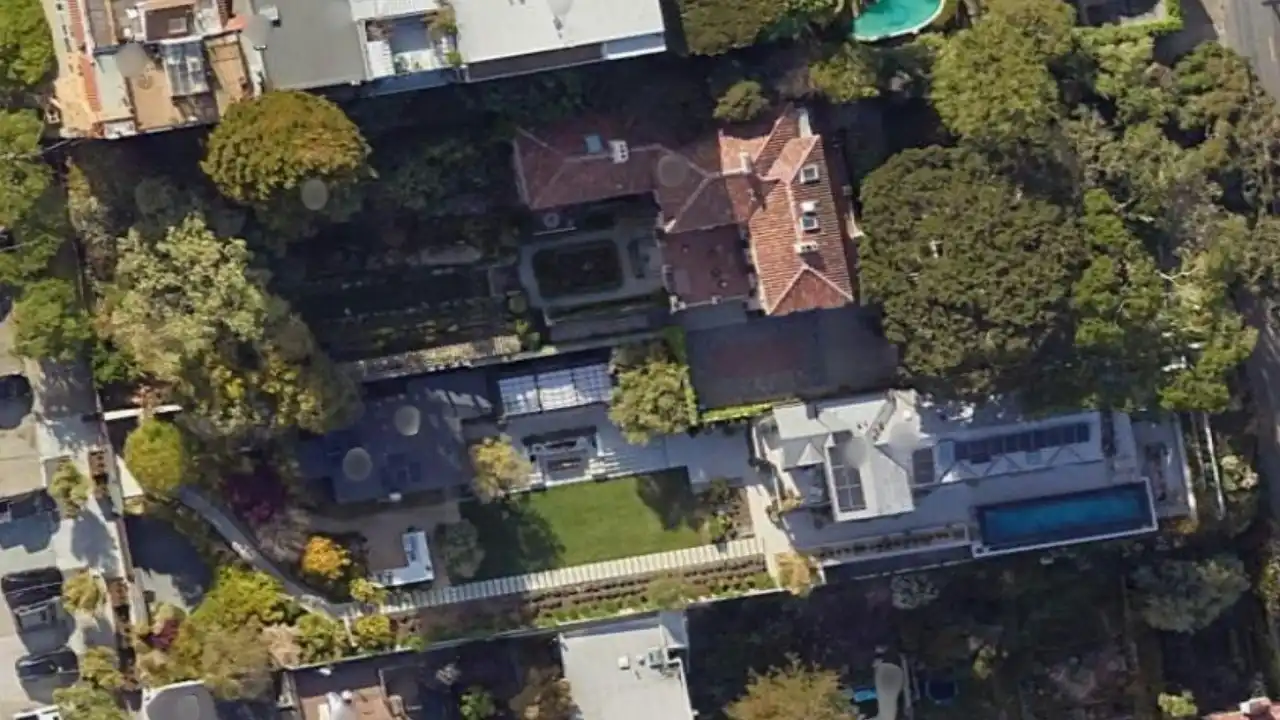
Sam Altman and His Estate
Sam Altman's properties are located in Russian Hill, one of San Francisco's most famous high-altitude communities. Although it lacks the sprawling lawns of Hillsborough, the houses are more integrated into urban growth: slopes, the bay, old buildings, narrow streets, and a skyline visible from the windows. Russian Hill has always been a community of intellectuals and literati in San Francisco.
Russian Hill has always been a community of intellectuals and literati in San Francisco. Nobel Prize-winning economist and Chicago School representative Milton Friedman once lived here; Beat Generation writer Jack Kerouac, poet and civil rights activist Maya Angelou have also lived nearby; and Olympic figure skating champion Brian Boitano grew up here.
Later, this hillside gradually embraced the most absurd side of tech wealth: Elizabeth Holmes, the founder convicted in the Theranos blood testing scam, once lived here; Oscar-winning actor Nicolas Cage also owned property in the Russian Hill area. What Sam Altman is now buying into is exactly the San Francisco highland that writers, scholars, and tech entrepreneurs all want to occupy.
It's a bit like the San Francisco version of the "Literary Moneyed District," but now being slowly rewritten by new tech wealth.
24-Year-Old Newlywed Stock Market Whiz Leopold Aschenbrenner
Not far from Sam Altman's Russian Hill is another wealthy neighborhood called Nob Hill. If Russian Hill is a mix of literati and new tech wealth, Nob Hill is the pinnacle of San Francisco's old money.
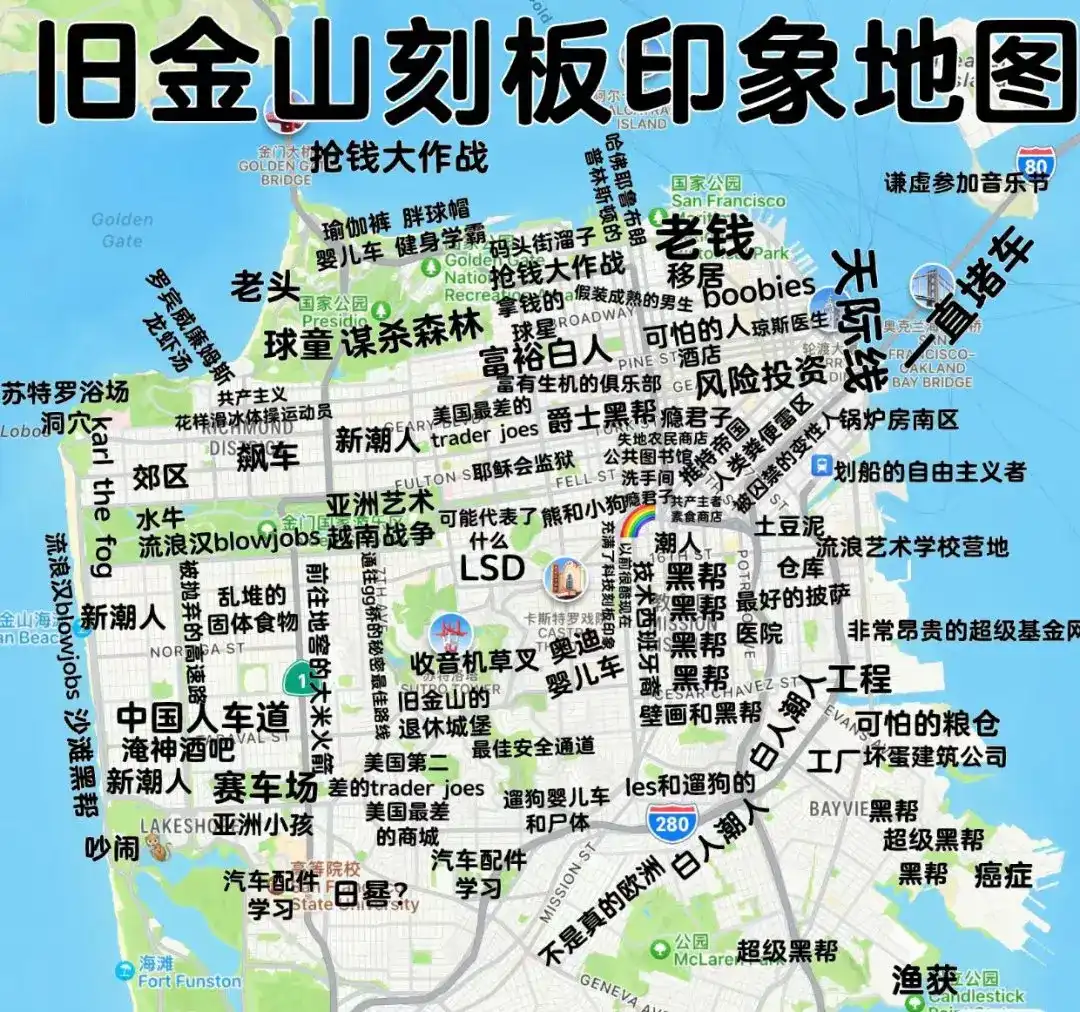
Russian Hill and Nob Hill are adjacent, located in the upper right corner of the San Francisco map in the old money district
In the 19th century, the "Big Four" of the American railroad—Charles Crocker, Leland Stanford, Mark Hopkins, and Collis Huntington—built mansions here. Stanford later founded Stanford University; these railroad tycoons were known as "nobs," hence the name Nob Hill.
Later on, San Francisco's political figures resided here: former Mayor Joseph Alioto, U.S. House Democratic leader Nancy Pelosi, the late U.S. Senator Dianne Feinstein, all have ties to this hilltop.
Today, 24-year-old Leopold Aschenbrenner has also been reported to have purchased an estate here.
He's the AI stock market whiz who was recently liquidated due to a margin call.
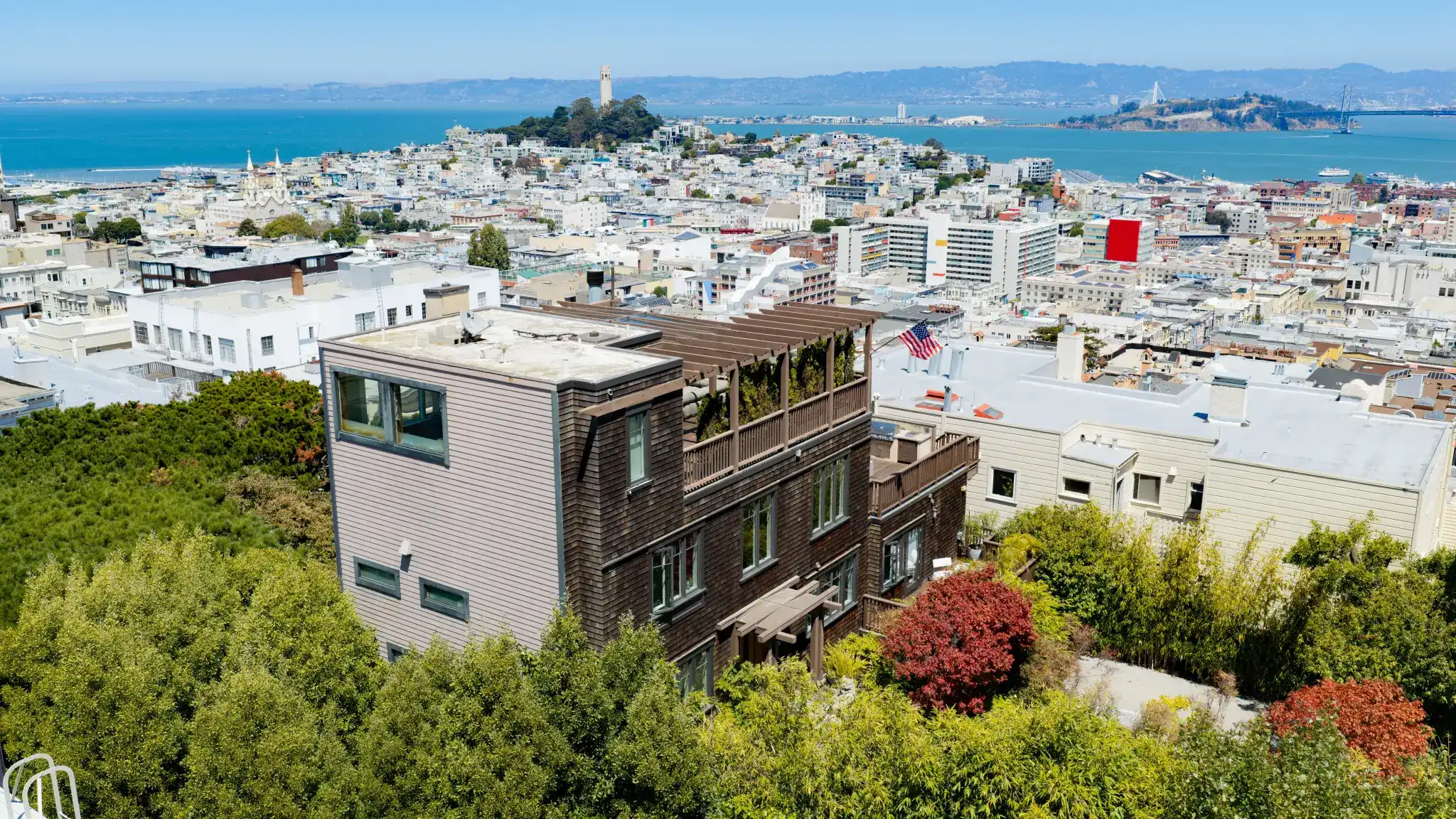
Leopold's estate
Aschenbrenner was formerly an OpenAI researcher who rose to fame with the essay "Situational Awareness." In the article, he wagered that AGI would arrive faster than most people think, subsequently founding the namesake investment firm Situational Awareness LP, heavily investing in AI infrastructure, storage chips, and data center concept assets.
He recently got married, and his wife Avital Balwit is the chief of staff to Anthropic CEO Dario Amodei. The two met at the FTX Future Fund and later became one of the most prominent young power couples in the AI community.
Media reports indicate that Aschenbrenner recently purchased a nearly $20 million Nob Hill historic mansion: five beds, five baths, unassuming from the street but boasting a Japanese garden, putting green, outdoor kitchen, pizza oven, Bay views, and an apple orchard behind its doors.
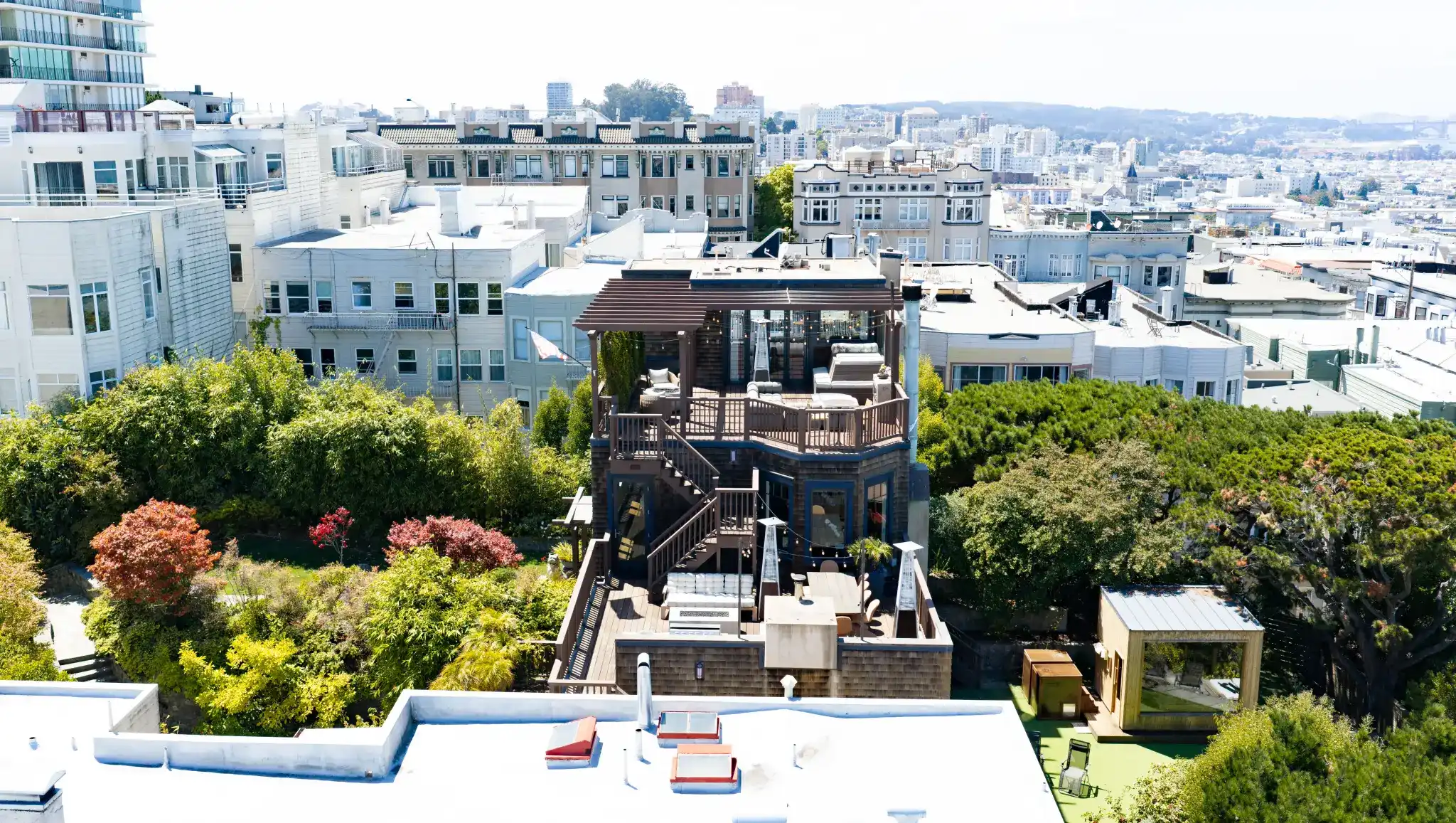
Leopold's Estate
Scale AI Co-founder Lucy Guo
Guo co-founded Scale AI at the age of 21, left the company in 2018 but retained her equity. Scale AI focuses on data labeling and model evaluation, which was previously seen as the least sexy layer of the AI stack; with the rise of large models, this foundational infrastructure has been revaluated by investors.
Her stake in the company has surged as a result.

Lucy Guo
Media has estimated Guo's net worth at around $1.3 billion. She once surpassed Taylor Swift, becoming the world's youngest self-made female billionaire. Today, she runs the fan engagement platform Passes.
Lucy Guo purchased a home in the Bird Streets of Hollywood Hills, Los Angeles, for about $30 million, approximately 372 miles south of Silicon Valley.
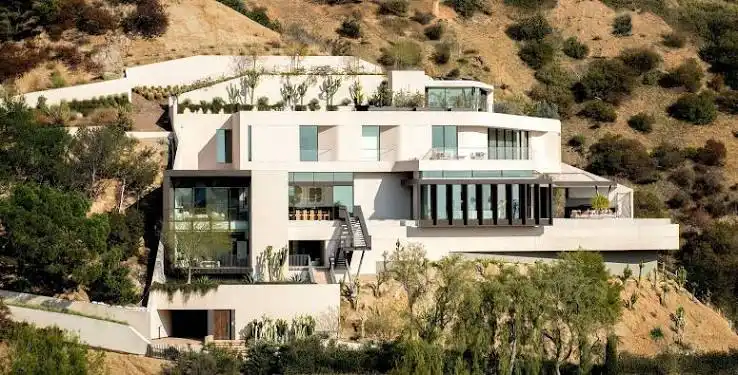
Lucy Guo's Mansion
There is no old mansion in Hillsborough or historic building in Nob Hill here, only mountain roads, glass walls, Sunset Boulevard, a swimming pool, and a nighttime view of all of Los Angeles at your feet. The house features five bedrooms, eight bathrooms, two elevators, a temperature-controlled wine cellar, smart home capabilities, and an immersive LED entertainment space. What truly captures the essence of the Bird Streets is the electronically retractable glass wall: when opened, the living room seamlessly connects to the pool and the nighttime view of the Sunset Strip.
This place has long attracted actors, musicians, entrepreneurs, and crypto nouveau riche. In public real estate reports and high-end property listings, you often see the Winklevoss brothers—famous for the Facebook dispute and later founding the Gemini crypto exchange twins; Foxconn founder Terry Gou; LVMH head Bernard Arnault; and the buddy-brothers who bought a mansion in 2023, Huang Li Cheng.
AI Healthcare Founder Daniel Nadler
Daniel Nadler's story brought this AI wealth from California to Florida.
Previously, he founded Kensho Technologies, which he sold to S&P Global for $550 million in 2018; now, he is running OpenEvidence, which focuses on healthcare AI, using models and medical evidence to help doctors retrieve, assess, and make decisions. Google is one of its investors, and the company's valuation has soared to around $3.5 billion.
In July of this year, Nadler, who had recently entered the billionaire ranks, purchased the top-floor duplex of the Four Seasons Surf Club in Surfside for $38.2 million in cash, with a deal price of about $6,731 per square foot.
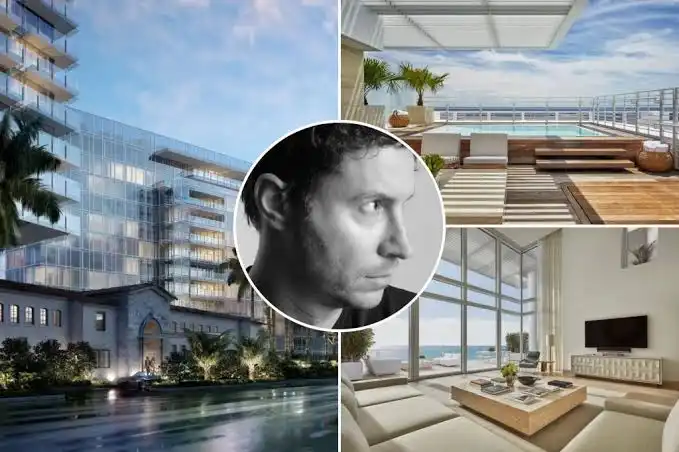
Daniel Nadler and his penthouse
He had always lived in hotels for a simple reason: he didn't want to deal with the annoying details of homeownership. It wasn't until a friend reminded him that the hotel where he lived was actually selling apartments upstairs. So he bought a top-floor residence of about 6,000 square feet, with five bedrooms, a terrace of about 2,000 square feet, a rooftop infinity pool, and direct views of the Atlantic Ocean. Nadler calls it the "Venetian Palace in the Sky."
The Surf Club itself is a microcosm of old and new wealth mingling in South Florida.
Former Starbucks CEO Howard Schultz bought another top-floor apartment this year for $44 million; former Sony Music CEO Tommy Mottola and Latin singer Thalía are also associated with this place; "Wonder Woman" actress Lynda Carter just sold her unit; hedge fund manager Patrick McMahon also recently closed a deal. Further south, Google co-founder Sergey Brin is buying a waterfront mansion on Allison Island in Miami Beach for around $50 million.
It's not just because "the rich love Miami." The proposed billionaire tax in California, the lower tax burden in Florida, the influx of hedge funds and family offices into Miami – all have formed a new migration route. The new money from Silicon Valley is buying up properties in Hillsborough and Los Altos Hills; while those who accumulated wealth earlier are starting to move their homes to the Florida coast.
The AI Wealth Creation Wave
Woodrow Levin, founder and CEO of the tech company Extend, purchased a mansion in Presidio Terrace for $11 million in June along with his wife.
Presidio Terrace is one of San Francisco's most exclusive residential areas: with its short streets, few houses, and walls and hedges separating it from the outside city, not far from Presidio Park. The houses here don't have the sprawling acres of land like in Hillsborough, nor do they have to dangle a Bay view like in Russian Hill. It's more like a pocket that retains the old order of San Francisco, low-key, quiet, where the neighborhood itself is scarcer than the indoor facilities.
While $11 million may not be the highest price in the ultra-luxury housing market, it signifies that the new generation of entrepreneurs has begun putting money into San Francisco's most exclusive residential inventory.
A few days later, another deal was closed in Presidio Heights for $9.2 million.
The report did not disclose the buyers' names but only revealed their professions: the man is involved in special projects at OpenAI, while the woman is an investment partner at Andreessen Horowitz, A16z. One from the hottest model company, the other from Silicon Valley's most influential venture capital firm; they didn't buy a suburban estate but a traditional mansion in Presidio Heights.
Presidio Terrace and Presidio Heights represent a more established way of life: not far from downtown, close to the park, a stable neighborhood, houses private enough but not completely out of the city. For tech individuals who have just completed a round of wealth ascent, this is more like "truly settling in San Francisco" compared to squeezing themselves into a glass mansion on a hilltop.
The high salaries, equity, and secondary market valuations at OpenAI, as well as the carried interest, fund splits, and investment returns at Andreessen Horowitz, are creating a group of people who don't need to be on Forbes' list but already have the ability to buy houses in the core affluent areas of San Francisco. In recent years, buyers in Presidio Heights have often been lawyers, financial executives, traditional entrepreneurs, and multi-generation families; now, AI company employees and VC partners are beginning to appear on the same transaction list.
In the eyes of the cryptocurrency world, which has faded into obscurity, everything looks familiar. After all, the cryptocurrency industry was once a darling of Silicon Valley, floating in infinity pools at luxurious mansions, gazing at the stars with a smile, they've done it all. For example, the CEO of the exchange Coinbase, Brian Armstrong, has already set the pinnacle of the previous tech wealth cycle in Los Angeles.
He was reported to have purchased the Bel Air estate for about $133 million. The main house is approximately 19,000 square feet, with an additional 6,600 square feet for guest houses, spanning nearly five acres, featuring a tennis court, two swimming pools, a family theater, a gym, a spa space, and a courtyard large enough to accommodate multiple cars. This is a super mansion in the traditional sense.
When Coinbase went public in 2021, many people saw for the first time that a crypto company could create a large number of multi-millionaires and billionaires in a very short time. AI is now replicating this process, with the only difference being that the companies are larger, equity is more concentrated, and the narrative is closer to the mainstream capital market.
SpaceX's giant IPO, the revaluation of xAI post-merger equity, the anticipated listings of OpenAI and Anthropic, will push more wealth that was originally locked up in companies onto individuals' balance sheets.
Perhaps the most intriguing aspect of this AI-driven wealth creation wave is not who has become a billionaire again.
Instead, it is these twenty-something and thirty-something new moguls who have already begun using their wealth to re-enter places that were once exclusive to railroad tycoons, old-school financiers, Hollywood stars, and Silicon Valley pioneers.


Welcome to join the official BlockBeats community:
Telegram Subscription Group: https://t.me/theblockbeats
Telegram Discussion Group: https://t.me/BlockBeats_App
Official Twitter Account: https://twitter.com/BlockBeatsAsia