The price of gold has risen, why is the old gold shop still experiencing a decline?
Text: Plus Six, Sound of Rising BeatZ
"Gold has basically hit rock bottom," this has been the recent consensus among financial institutions.
After experiencing a peak in the first quarter and a decline in the second quarter, the COMEX gold frontline rebounded from $4,022.9 per ounce on June 30 to $4,380.4 per ounce on August 14: up 8.9% for the quarter and 8.2% since August. Wall Street's strategy reports, investment research conferences, and gold bulls on social media all see "the end of the pullback" as the new consensus.
The problem is, gold stores in the market do not seem to agree with this consensus.
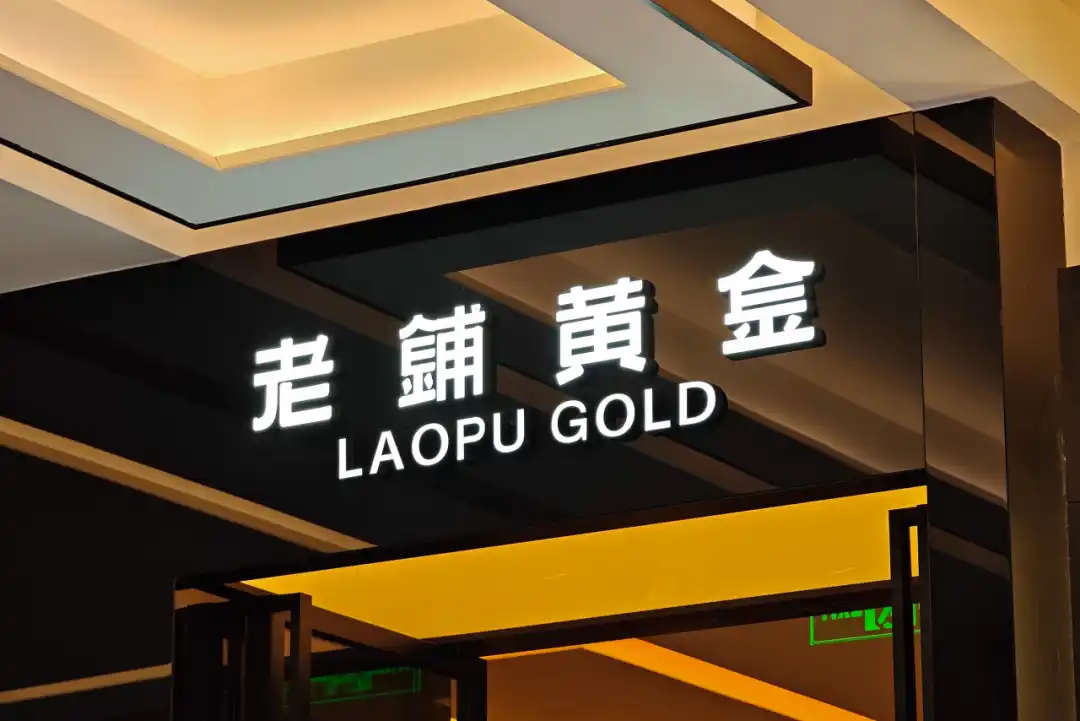
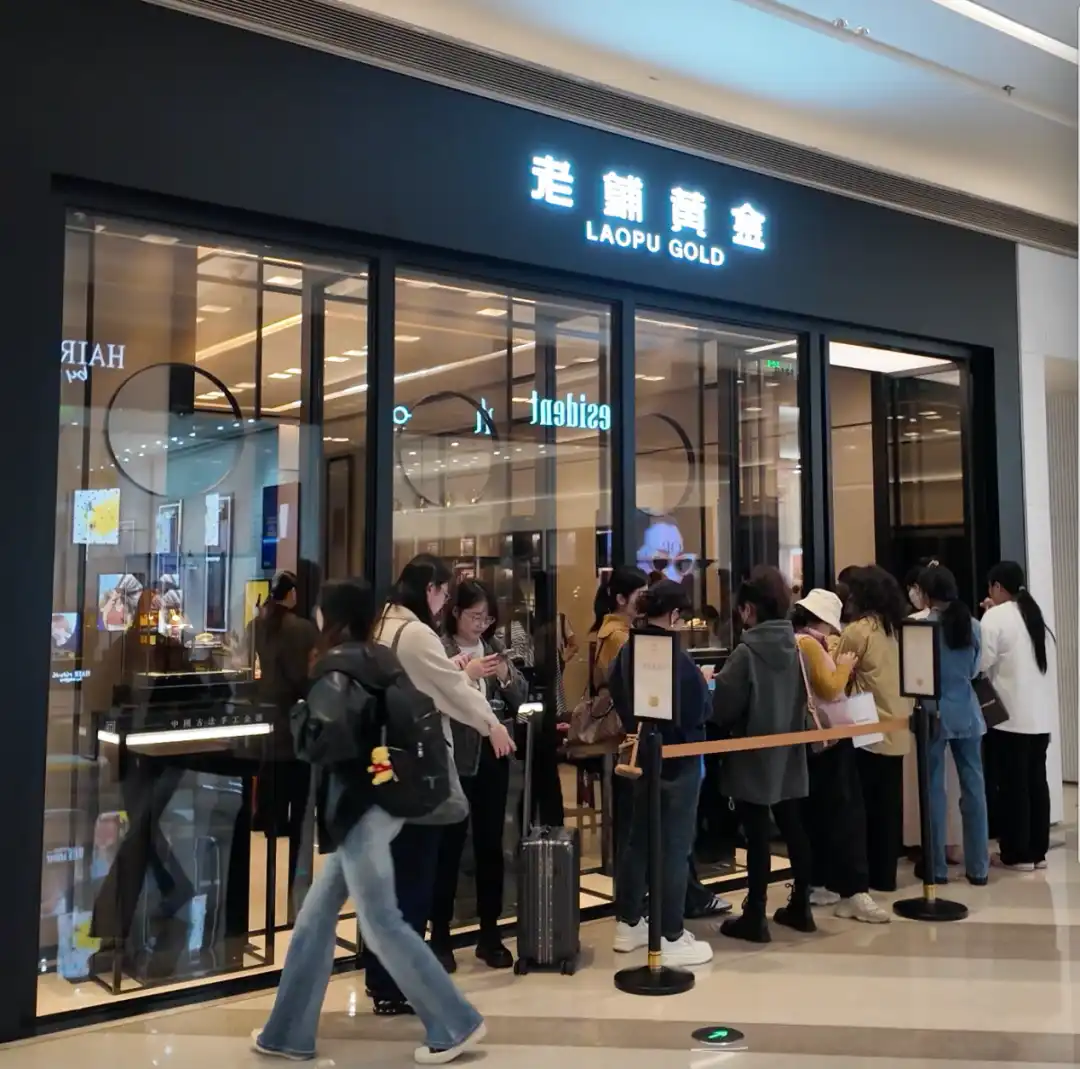
As the Qixi Festival approaches, in high-end malls such as Beijing SKP, Shanghai Tower, and Guangzhou Taikoo Hui, the "old-fashioned gold" stores that used to require a three-hour wait to enter have started to offer large-scale discounts, with various full and partial discounts. After scalpers' discounts and full/reduced price stacking, the final discount can be as low as 21% to 18% off the original price.
What is happening to these old-fashioned gold stores?
With Significant Price Cuts, What's Happening to Old-Fashioned Gold Stores?
This wave of large-scale discounts has made previous high-price customers who queued to purchase goods very unhappy. Meanwhile, the gold recycling business of these old stores has also left another group of consumers feeling very awkward.
A consumer took a gold necklace from an old-fashioned gold store to inquire about the buy-back price. She purchased it at a lower gold price than the current one, and in the past year, gold has experienced another round of sharp increase, so instinctively, she thought she wouldn't lose money at least. However, when she brought the necklace back to the store, the staff quoted a price that was similar to the total price she originally paid.
This situation exposes the core business contradiction of old-fashioned gold stores: the counters sell "gold with craftsmanship and brand," while the buyers in the recycling business often only value the "gold."
Gold itself actually has a standard price difference. Sound of Rising BeatZ saw a physical gold price table from a bank showing that the accumulation price of the four major bank products is around ¥972.80 to ¥974.33 per gram, and the redemption price is around ¥952.32 to ¥956.73 per gram, with a bid-ask spread of only ¥16 to ¥21 per gram. This spread mainly comes from casting, storage, and distribution costs, and is very transparent.
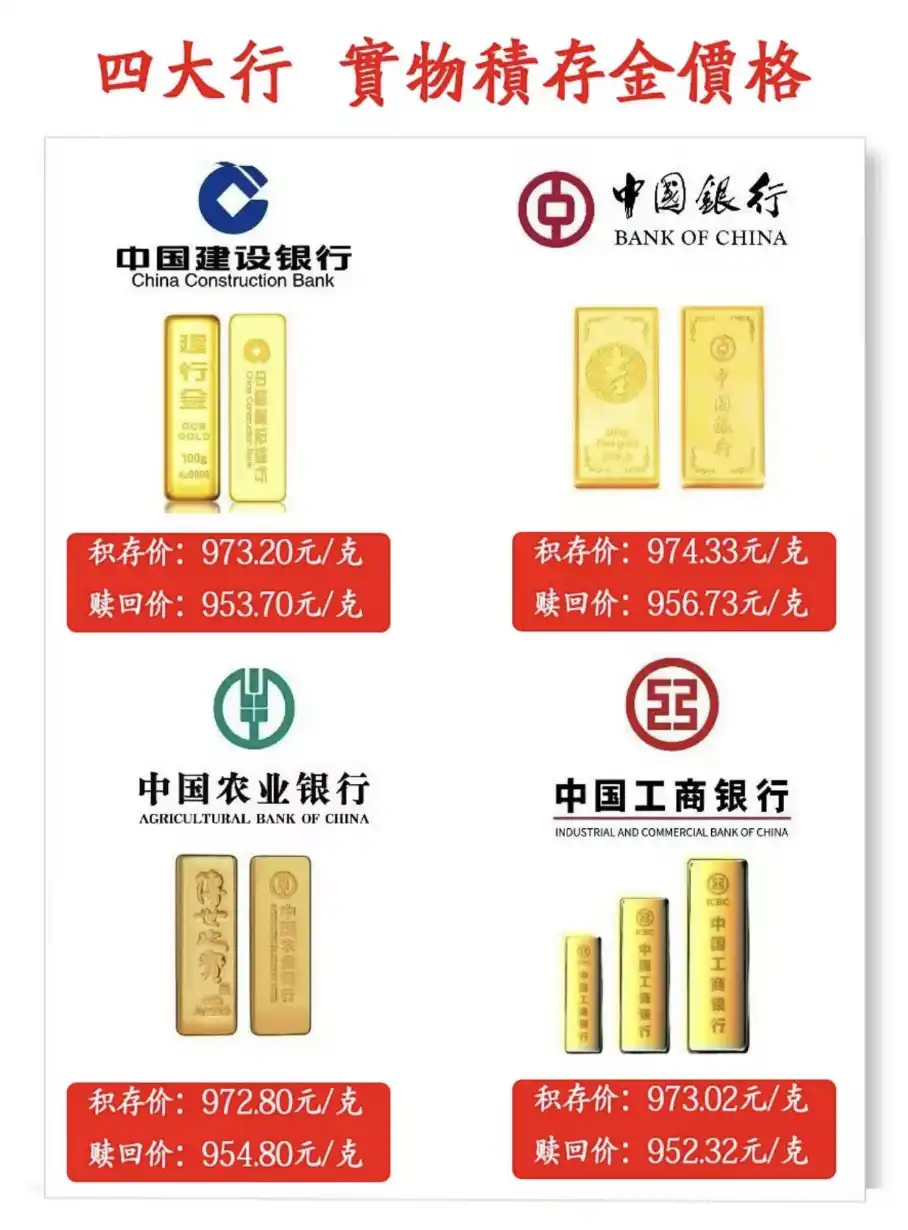
However, this is not the case for gold jewelry. In the price of a gold necklace, besides the daily gold price, there are also labor costs, design, store rent, sales service, brand marketing, and taxes.
Old Shop Even More So.
The gold jewelry sold at the old shop is not priced based on weight like its counterparts, but follows a "fixed price" model based on each piece. The combination of ancient craftsmanship, Chinese aesthetic, display in top-tier department stores, and the identity as the "Hermès of the Gold World" has led to a premium of about three times the price of the gold material. Consumers who purchase from the old shop are acquiring a top luxury jewelry piece, not just a gold asset.
However, once a consumer brings back this jewelry to the old shop for liquidation, what the refiner assesses is no longer a luxury item, but the actual gold itself: purity assessment, examination of soldering materials and components, bearing the costs of testing and melting loss, and hedging against gold price fluctuations.
According to BeatZ's findings, the industry standard quote for gold jewelry recycling is generally "market price minus $100/gram." In other words, regardless of how much premium was paid for craftsmanship and brand at the time of purchase, the assessment during recycling follows the same gold formula. If a threefold premium was paid on purchase, the resale value is based solely on the gold itself, leading to a kind of indescribable frustration for the consumer when they receive a "similar price."
The price performance of old shop gold this year not only shows a disparity between purchase and resale, but has also been quite lackluster.
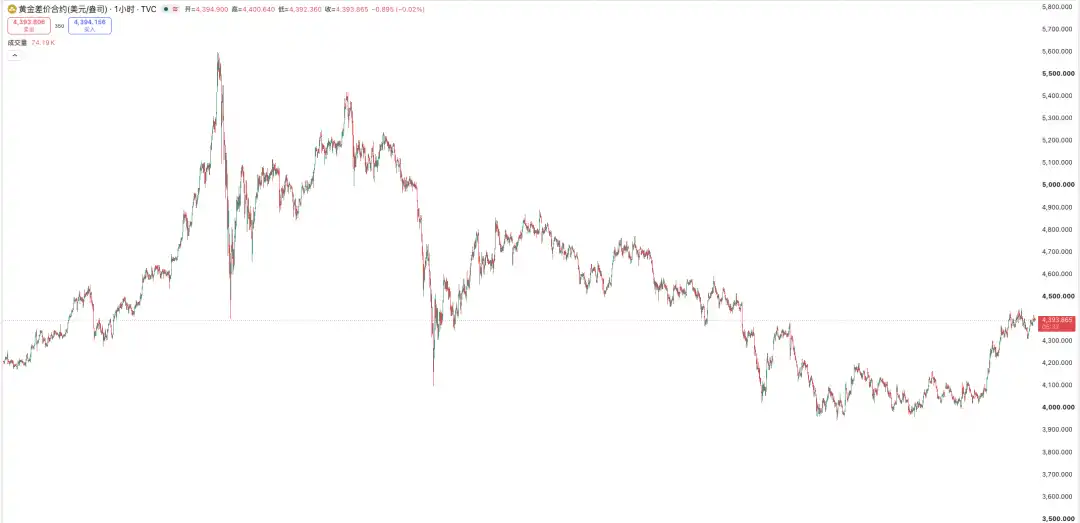
First, let's look at the gold price trend: on December 31, 2025, the COMEX gold front-month contract closed at $4,325.6 per ounce; by January 29, 2026, it had surged to a high of $5,318.4, then fell back, returning to $4,647.6 by March 31, further dropping to $4,022.9 by June 30, and climbing back to $4,049.1 by the end of July, rising to $4,380.4 by August 14.
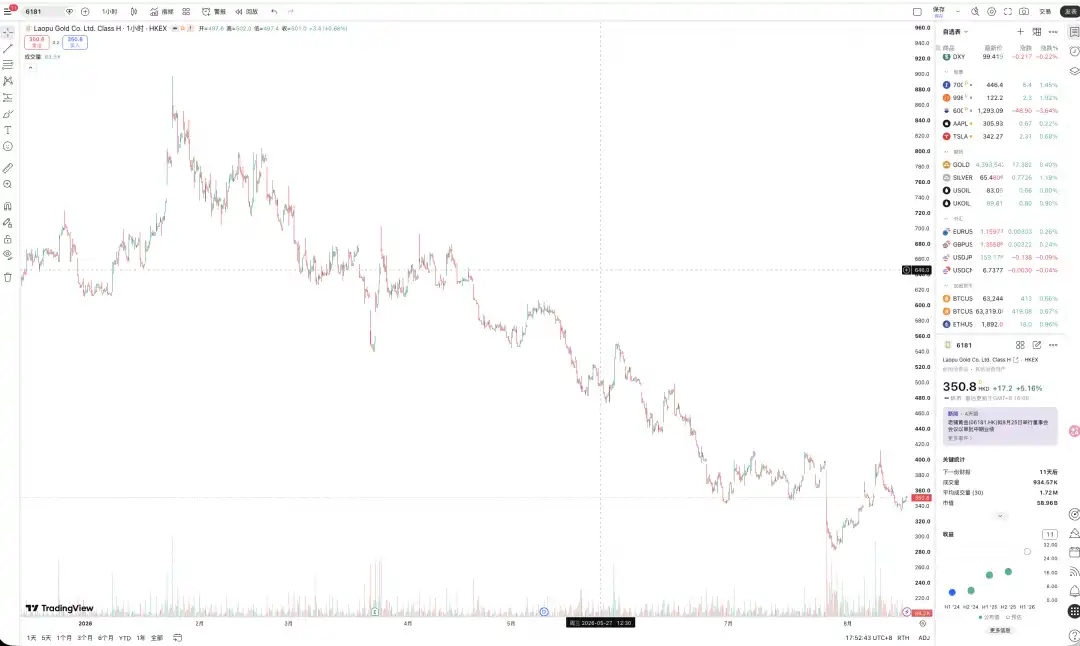
Now, looking at Old Shop Gold: the year-end stock price in 2025 was HK$618, reaching a high of HK$849.5 on January 26, almost touching a phase high around the same time as gold, then falling together. Calculated using the 58 common trading days from early 2026 to the end of March, the daily return correlation between the old shop stock price and COMEX gold was about 0.39, indicating a moderate positive correlation. During this period, the old shop was still mostly living within the narrative of "rising gold prices, consumer frenzy, and brand valuation increase."
However, from the second quarter onwards, it's clear that this positive correlation has been weakening.
As of August 14, gold is up 8.9% for the quarter, 8.2% for August, yet Lao Feng Xiang Gold is down 3.7% and has only risen 2.7% since August, with a recent weekly drop of 5.2%. Year-to-date, Lao Feng Xiang has plummeted by 46.0%, a much larger decline compared to other gold stocks.
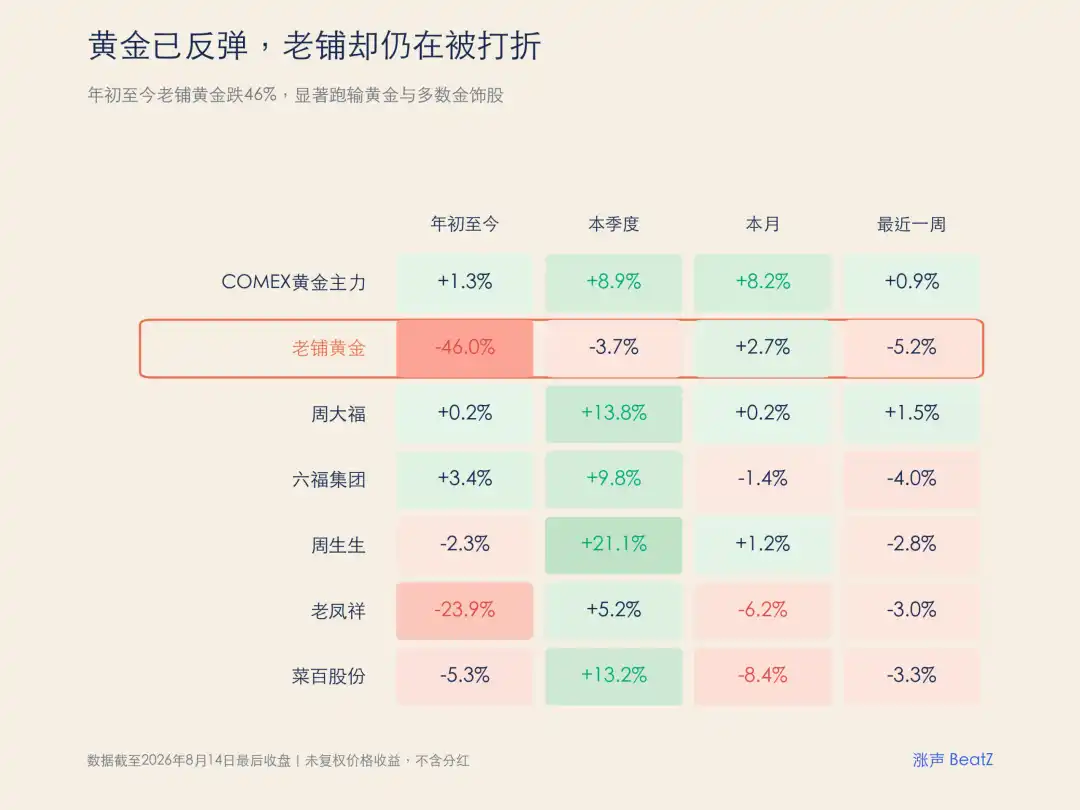
The overall gold pullback has ended, but why hasn't the stock price pressure on Lao Feng Xiang Gold ended?
The answer actually lies in Lao Feng Xiang's positioning, not as a gold jewelry company, but as a luxury brand.
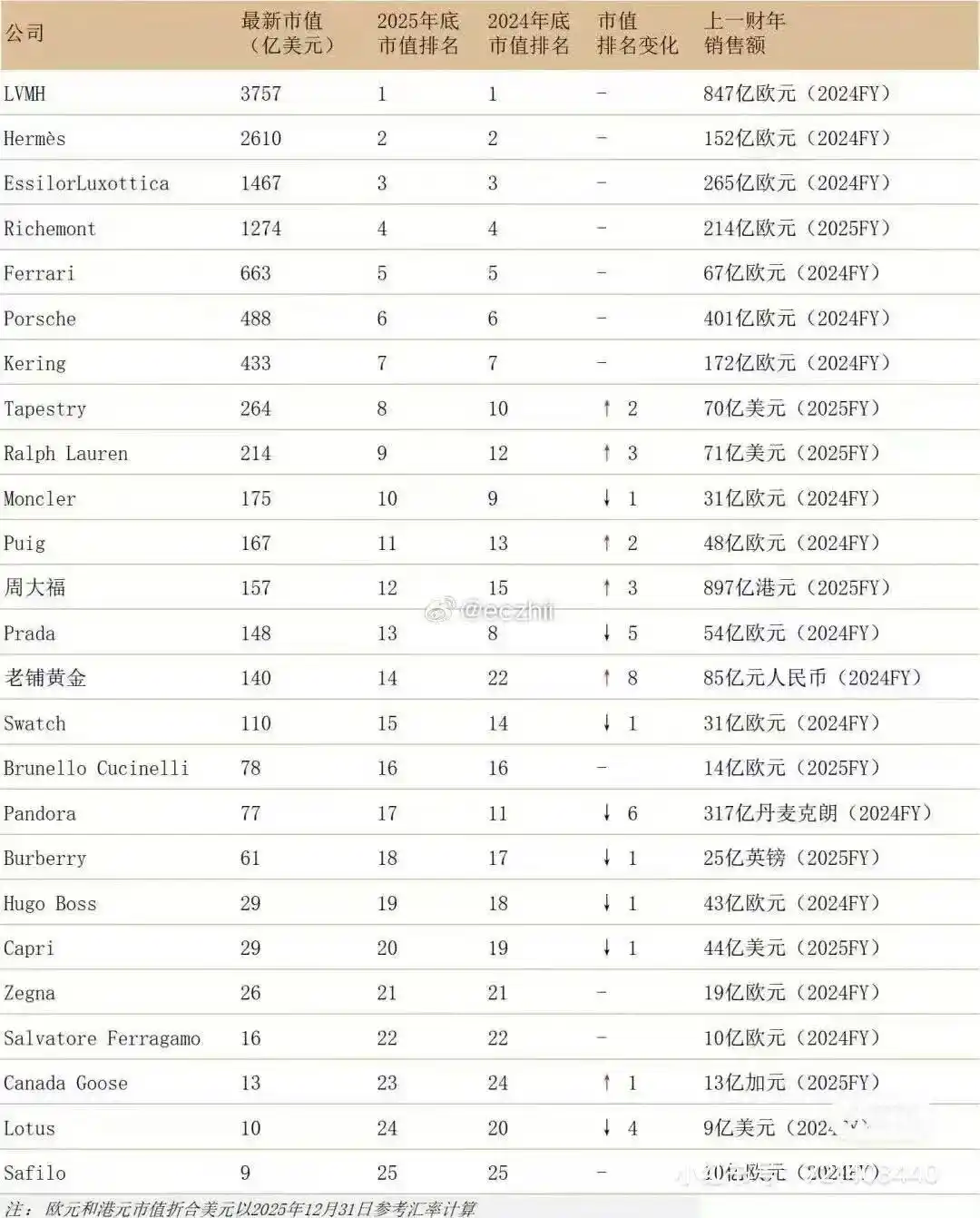
Looking at this global luxury company market cap table, as of the end of 2024, Lao Feng Xiang Gold is still only ranked 22nd, moving up 8 places in a year. Ahead are global luxury giants like LVMH, Hermes, and Richemont, while neighboring brands include Chow Tai Fook, Prada, and Swatch.
The capital market does not price Lao Feng Xiang as a typical gold store but as an emerging Chinese luxury brand. Lao Feng Xiang hopes that one day it can be like Hermes and Cartier, where consumers walking into the store no longer ask about the price of gold and weight.
The Dilemma of Lao Feng Xiang Stems from Its Luxury Positioning
Unlike the well-known "Chow's" Gold brands such as Chow Tai Fook, Chow Sang Sang, Zhou Dasheng, Chow Sang Yuen, Zhou Bao Fu, "Lao Feng Xiang Gold" has not been around for long. Its development has been rapid, with its predecessor being a company that made travel cultural and creative souvenirs.
Founder Xu Gaoming spent many years in the fields of tourism and cultural creativity, interacting with a large number of antique enthusiasts and high-net-worth clients. This experience allowed him to develop an understanding of the aesthetic preferences and consumer psychology of this group of people, a comprehension that is difficult for outsiders to replicate. What kind of symbolism can impress them, and what kind of scarcity emotions can make them willingly queue up.
Today, almost all of Lao Feng Xiang's product design and brand positioning can find its origins in this starting point.
Lao Feng Xiang Gold became independent at the end of 2016. After gaining independence, Xu Gaoming officially set out to create the "Oriental Hermes." The cultural narrative ability learned from the souvenir business was systematically transferred to the gold and jewelry business from that moment on.
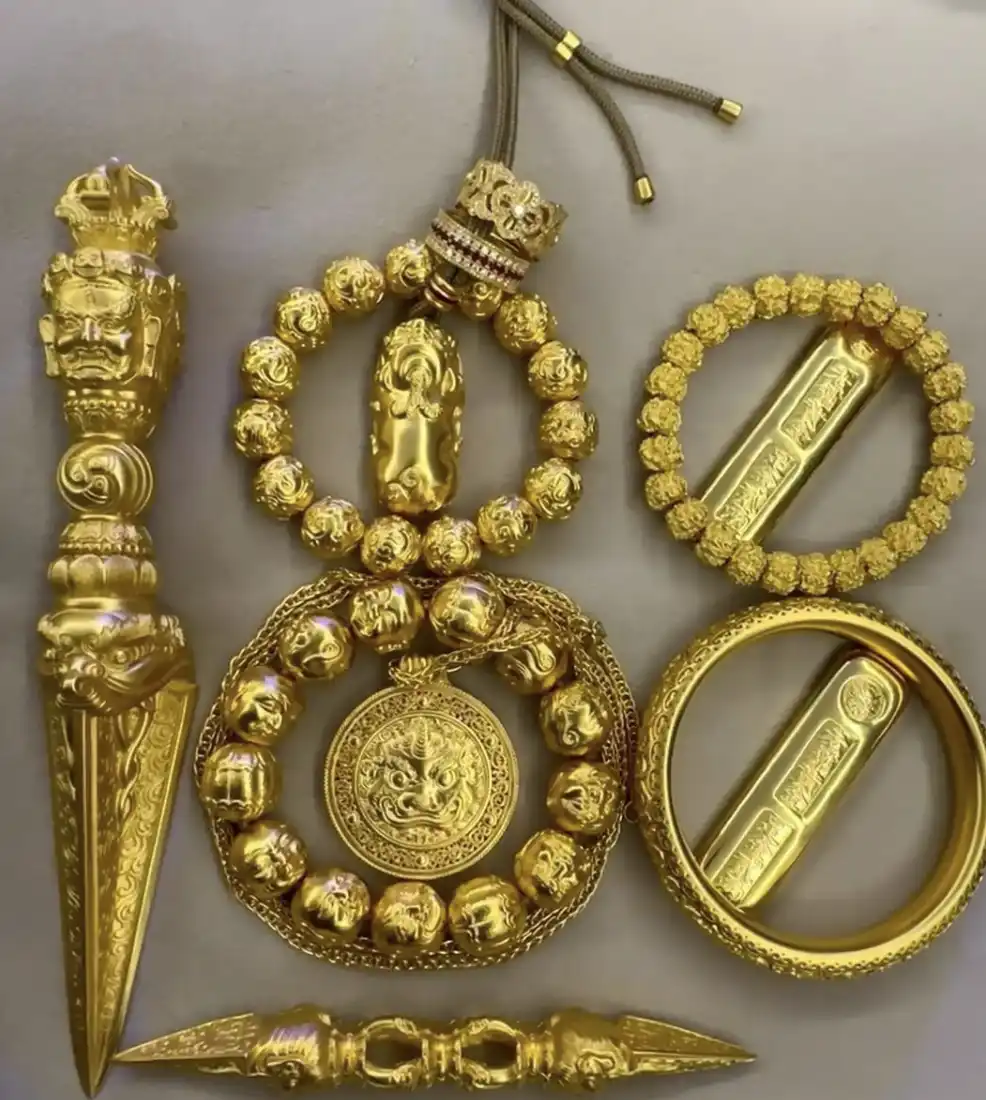
Traces of Buddhist elements in the product line have never been broken. The best-selling items in the old shop now, including Pixiu, Vajra Pestle, Vajra Ghanta Box, Srivatsa, and Gourd Pendant, are almost uniformly imbued with strong religious symbolism, carrying on the legacy of Golden Treasure's past sales of Buddhist items and bracelets. As one loyal customer puts it, anyone who doesn't have a set of Pixiu, Gourd, and Srivatsa in their bag would feel ashamed to call themselves a regular at the old shop.
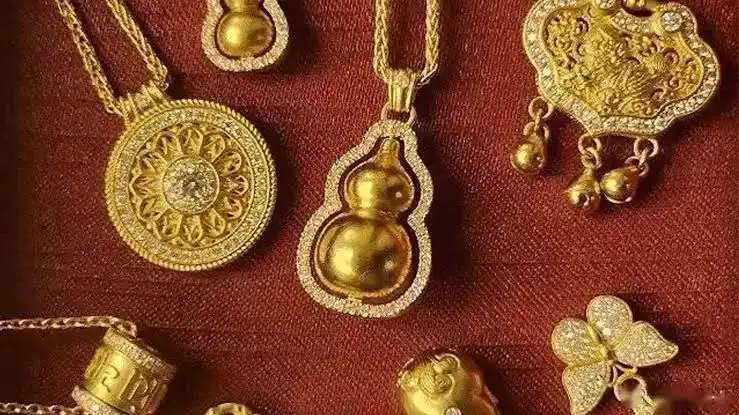
Differing from traditional gold shops' sales methods, the old shop has always emphasized its promotion of "ancient gold," focusing on techniques such as filigree, engraving, enameling, openwork, hammering, and inlaying. They talk about the imagination of the Qing Dynasty's Imperial Household Department, the heritage of Beijing filigree inlay, and setting diamonds in pure gold instead of treating gold as a raw material awaiting weighing.
In terms of location selection, the old shop also follows luxury brand logic, exclusively entering top-tier malls with extremely high entry barriers such as SKP, The MixC, WF Central, and Pacific Place. They specifically choose locations next to or opposite stores like Hermès, Louis Vuitton, and Cartier, with some stores even directly across from Hermès. The old shop's 2025 financial report cited third-party data indicating that their customer overlap with the top five international luxury brands like Louis Vuitton, Hermès, and Cartier has reached 82.4%, up from 77.3% in 2024. According to market data, the investment in decoration and inventory of a standard old shop store is about 50 million yuan.
What impresses consumers the most is the feeling that the old shop brings to them. They provide boxed lunches to queued customers every noon, with two meat dishes, two vegetarian dishes, and balanced nutrition. During afternoon tea time, they even hire male models to circulate and distribute Godiva chocolates, serving Evian water priced at over a dozen yuan per bottle and NFC orange juice. Even the hunger-satisfying bread rolls are purchased from a handcrafted bakery.
To maintain its luxury positioning during the gold price bull market from 2024 to February 2026, the old shop has raised its retail prices multiple times, with some products seeing significant cumulative increases. Market materials suggest that prices have been raised six times, with some products experiencing a price hike of over 110%.
This strategy has indeed been effective. The old shop has redefined gold from a "sold by weight raw material" to a "sold by piece cultural asset," with its products generally priced more than 55% higher than its counterparts, achieving the industry's highest single-store performance at one point.
However, everything has its duality. The other side of the luxury positioning requires stocking a large amount of high-priced gold to support the sense of scarcity with a "spot price with no reservations" policy. Once the gold price turns, the risk is entirely borne by the inventory.
This is precisely why Lao Pu's gold recycling price is quite low, and it is the core reason why Lao Pu's stock price has plummeted more than its peers in the past two years.
As of the end of 2025, the company's inventory balance was approximately $16.044 billion, nearly tripled from the previous year-end. The operating cash net outflow was about $6.85 billion, severely deviating from the $4.87 billion net profit. To maintain the narrative of "price increase means profit," the company raised its retail prices six times during the gold price bull market, with a cumulative increase of over 110%, pushing up the inventory cost higher and higher.
When the gold price retraced from its high of $5,598 in January this year, this batch of high-priced inventory became a looming impairment risk. The market was no longer willing to pay a premium at 50 times price-earnings ratio for it. Now, Lao Pu's trailing price-earnings ratio has dropped to around 12 times, making it almost indistinguishable from traditional gold stores such as Chow Tai Fook and Lao Feng Xiang.
It can only be said to be a turnaround of fortunes.
From Queuing to Discount, the Sweet and Bitter of Luxury Goods
Interestingly, Lao Pu had expressed a very grand wish in the past: to break free from the fate of traditional gold brands that follow the trend of the gold price.
If we only look at the stock price in 2026, it did achieve that. It's just that the method is not very dignified because Lao Pu follows the downtrend and not the uptrend.
Year-to-date, COMEX gold futures rose by 1.3%, up 8.9% for the quarter; Lao Pu's gold fell by 46.0% year-to-date, down 3.7% for the quarter. Gold rebounded from a low in the second quarter, but Lao Pu did not participate in the recovery. Instead, the market continued to discount its high growth expectations, high premiums, and high inventory risk.
This is not to speak ill of Lao Pu.
After all, Lao Pu is a very special company in the gold industry. It tried to prove that Chinese consumers not only pay for weight but also pay for domestic craftsmanship, aesthetics, and identity expression. It brought gold into the mall floors dominated by international luxury brands in the past and forced the entire industry to rethink: can gold jewelry no longer be just a raw material business?
Moreover, Lao Pu even attracted the attention of old money from the traditional luxury goods industry.
LVMH's Bernard Arnault was once spotted entering a Lao Pu gold store at the Shanghai International Finance Center, staying for about half an hour. According to witnesses, he carefully observed gourds, pendants, crosses, and displayed gold items, commenting, "Very exquisite, very interesting." This was not his first attention: even before his visit, LVMH executives had visited Lao Pu's gold store twice, with group executives noting the increasing interest of Chinese consumers in local brands. Some Chinese local jewelry companies have already seen explosive demand growth.
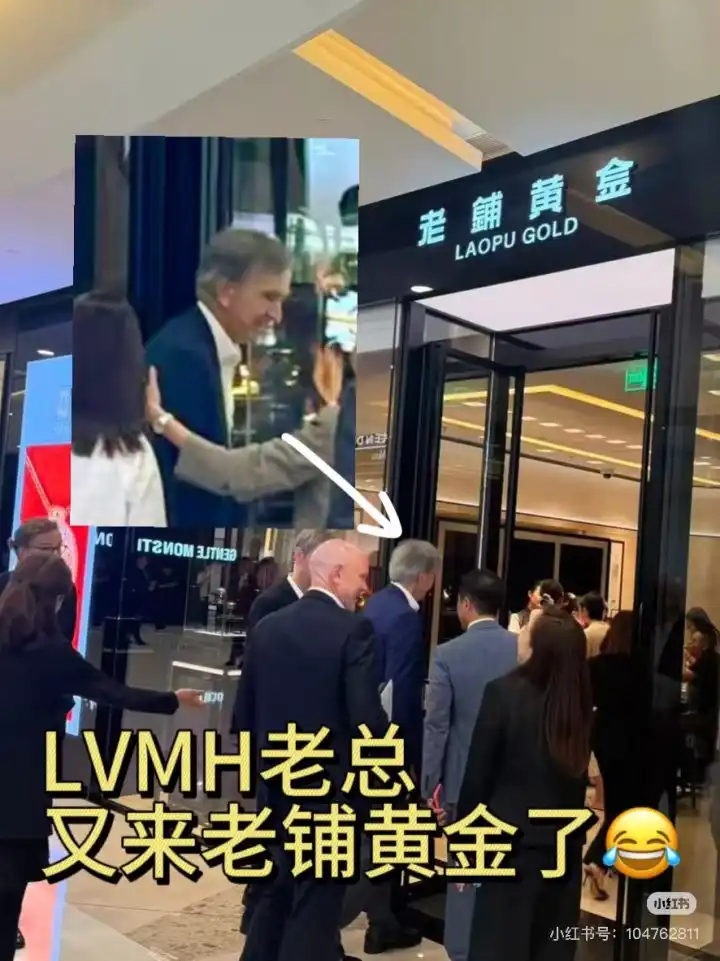
In addition to Arnault, another luxury group executive who had just taken office also visited: Roman Ross, who moved from LV to Fendi as CEO in July, took advantage of his visit to Beijing to inspect the brand's store operations and specifically went to Laopu Gold to experience the store in person.
Analysts and competitors were also not sitting idly by. Morgan Stanley pointed out in a research report on Lao Feng Group that Laopu Gold's threat to Cartier is growing. Lao Feng Group CEO Nicolas Bos also affirmed Laopu Gold's market value during an earnings call, stating that it has fueled the desire and vitality of the jewelry market.
If Laopu can solve the current issues it is facing, then the future of the gold jewelry industry will most likely evolve into two distinct paths.
One path is gold bars, gold coins, and gold accumulation. They are not flashy, lack a sense of identity, but offer clear weight, clear price differentials, and a clear exit strategy. For those who purely want to preserve value, this is the most direct choice.
The other path is high-end jewelry like Laopu. It must make consumers believe that they are not just selling the gold weight, but also offering design, craftsmanship, culture, service, and exclusivity. It does not need to be more cost-effective than gold bars, but it must demonstrate the consumer's unique identity.
This means that, in the future, the most challenging situation will be faced by those jewelry stores that are not compelling enough to make people forget about the weight, yet too expensive to be considered investment-grade gold.


Welcome to join the official BlockBeats community:
Telegram Subscription Group: https://t.me/theblockbeats
Telegram Discussion Group: https://t.me/BlockBeats_App
Official Twitter Account: https://twitter.com/BlockBeatsAsia