Hashaby's Exit, the Final Scene of the Pre-LLM Era
Original Title: "Hassabis Steps Back, the Final Scene of the Pre-LLM Era"
Original Author: InsightBeating
Hassabis was originally supposed to leave as well.
According to industry insiders cited by Pathfounders, Demis Hassabis, co-founder of Google DeepMind and the 2024 Nobel Prize in Chemistry laureate, had initially planned to depart Google simultaneously with Jeff Dean. Concerned that the departure of both AI leaders would significantly impact the stock price, the management team managed to convince Hassabis to stay. Sources familiar with the matter stated that he may still leave once the situation stabilizes.
On August 5, the story Google presented to the public was much more dignified.
Hassabis voluntarily handed over the day-to-day management of Google DeepMind, assuming the role of Chairman and Chief Scientist at Alphabet, continuing to oversee AGI, scientific research, and the drug development company Isomorphic Labs. Koray Kavukcuoglu, who had worked at DeepMind for thirteen years, took over the day-to-day operations. He is Google's Chief AI Architect and one of the early creators of DeepMind's deep learning team and will now report directly to Sundar Pichai.
Big companies are good at saying goodbye.
The farewell of a prominent figure often begins with an elongated title. Chairman, Chief Scientist—more words on the business card, but fewer people directly managed. Google has retained Hassabis's prestige and Nobel Prize, along with a name significant enough to temporarily reassure investors.
The world's most powerful tech company finds it challenging to continue accommodating the scientist who brought it AlphaGo, AlphaFold, and a Nobel Prize in the same old way. What it can do now is retain the person first and then find a less unsightly day for the possible departure.
Google and Hassabis jointly maintained the final complete lifestyle of the pre-LLM era. Scientists decided on the problems, the company paid the money, research was done on an annual basis, products could be delayed, and profits could be disregarded for the time being.
The lingering separation between Google and Hassabis has also become the final scene of the pre-LLM era.
One Hour
Hassabis was originally set to leave on the same day as Jeff Dean. Jeff Dean is one of Google's most legendary engineers, having joined Google in 1999. He has been involved in the foundational systems of search, advertising, and distributed computing and later co-founded Google Brain. Google employees have created countless jokes about him, as if with one snap of his fingers, half the internet would need to reboot.
That day after he announced his resignation, someone joked that Google had finally "open-sourced Jeff Dean to the entire human race."
Fourteen years ago, he did the exact opposite. He brought in the world's scarcest group of AI scientists to Google.
December 2012, Lake Tahoe, United States, Room 731 at the Harrah's Hotel. One of the most famous talent auctions in modern AI history took place at a table at the end of two double beds.
The auctioneer, Geoffrey Hinton, a British-born Canadian scientist who had been researching neural networks for decades and later became known as the Godfather of AI, was severely injured in his back. He had been unable to sit properly since 2005, as sitting down could cause his slipped disc to dislodge again, leaving him bedridden for weeks.
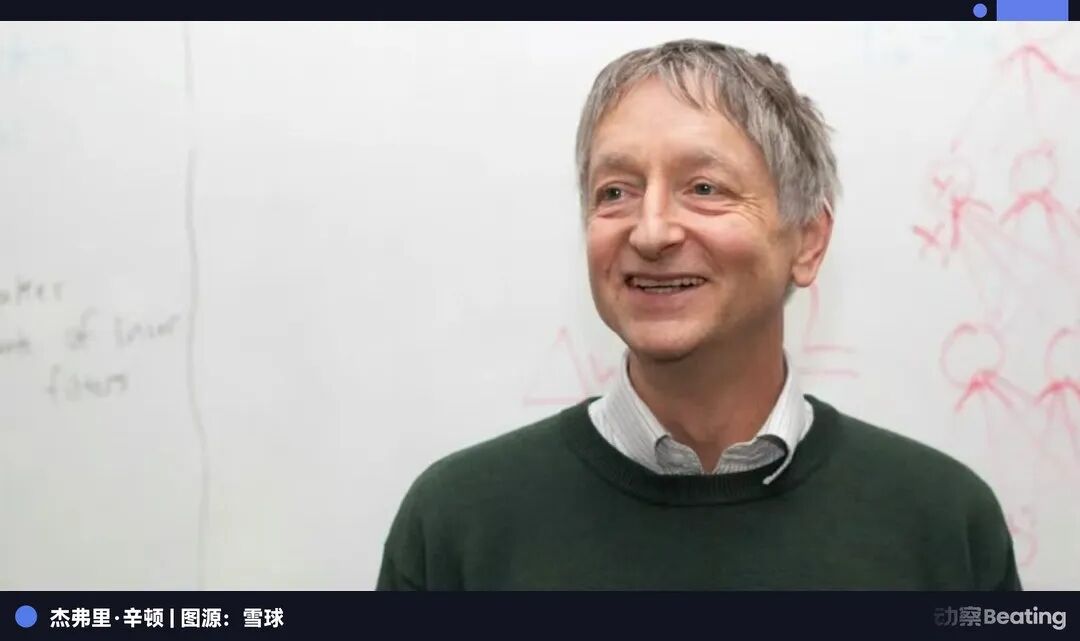
So, he completely transformed his life to stand and lie down, lying across the backseat when traveling, kneeling by the table to eat, and in the hotel, he would turn a trash can upside down on the table, place his laptop on top, and stand, waiting for the next auction bid to arrive in his inbox.
Hinton and two students had just founded a company called DNNresearch, with no product, no revenue, and all the company owned were the three people in the room and the AlexNet they had just created.
AlexNet was named after Hinton's student Alex Krizhevsky. That year, it significantly outperformed traditional methods in the ImageNet image recognition competition, causing a sudden resurgence of neural networks that had been neglected for decades.
Another student of Hinton, Ilya Sutskever, would later become the co-founder and chief scientist of OpenAI. But at that moment, he was still standing in Room 731 with his teacher, watching as bid emails flooded their Gmail.
The auction rules were simple: with each new price, other companies had one hour to decide whether to match it, with a minimum increment of $1 million.
Baidu was there, Microsoft was there, Google was there, and a London-based company that had only been founded two years ago, DeepMind. With less cash on hand compared to the giants, DeepMind had to bid with its shares and was soon forced out of the game.
The remaining three companies continued to raise the bid, reaching $44 million. Hinton paused the auction, slept on it, and the next day decided to sell the company to Google.
He did not continue to push the price higher. At this amount, there was already enough money, and where he and the two students would work next was the more important matter.
Jeff Dean and Google's Head of Engineering, Alan Eustace, attended Ray Kurzweil's 65th birthday party before the auction. They were mainly interested in observing the two students accompanying Kurzweil. Later, Google spent $44 million to acquire this product-less company, essentially buying these three individuals.
The Best Decades
DeepMind did not acquire Kurzweil at Lake Tahoe. A little over a year later, it had grown into what Google wanted to buy.
The story unfolds at a chaotic birthday party.
In June 2013, Musk's wife, actress Talulah Riley, rented a castle in Tarrytown, NY for her husband's birthday celebration. Guests dressed as samurais, and a sumo champion weighing around 350 pounds was present. Musk personally engaged in a match with the sumo wrestler and ended up straining his neck.
Google's co-founder Larry Page also attended the party. During those years, he was suffering from a vocal cord ailment, which forced him to speak very softly. Page called out to Hasabis, and the two walked outside the castle.
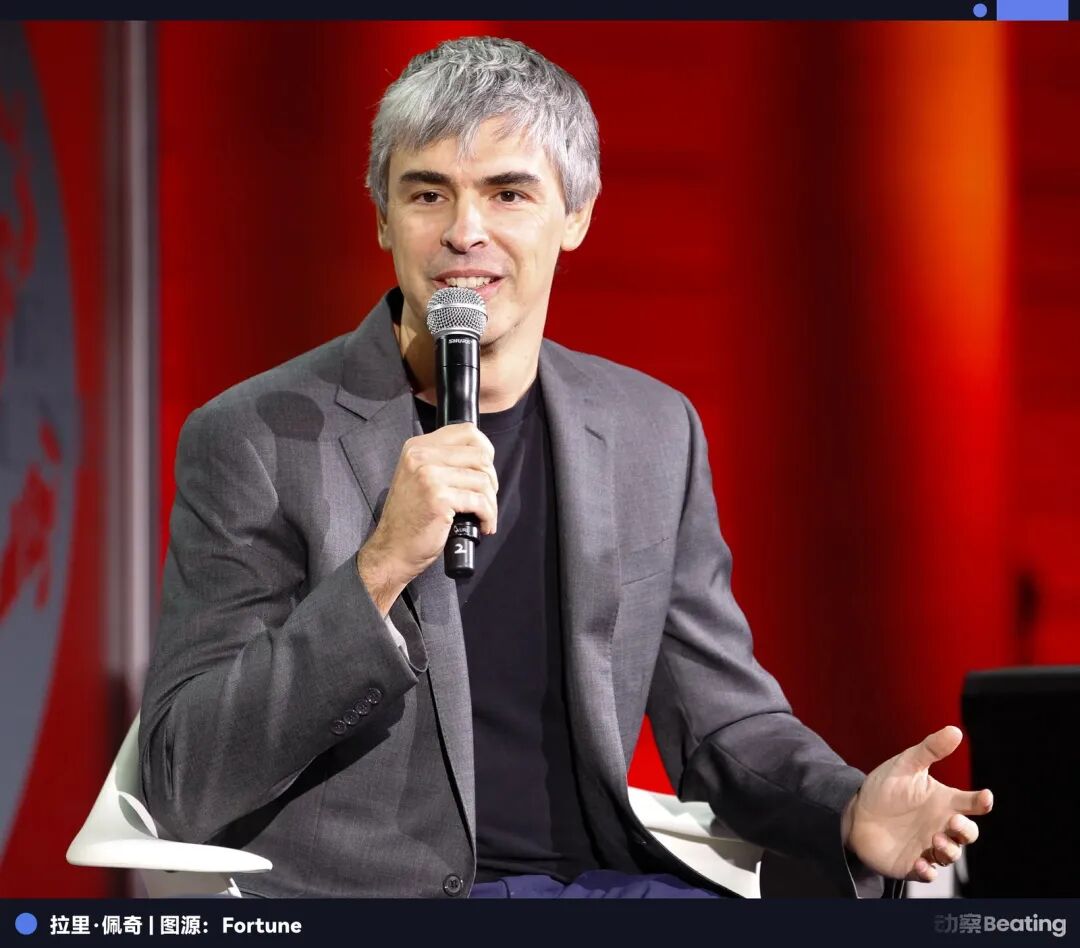
Once outside, he asked:
“Why aren’t you leveraging everything I have already created?”
Hasabis had an epiphany. The meaning behind this statement was “You don't need to recreate another Google” because that would consume the best decades of his career. Google already had data centers, engineers, cash, and a wide range of products worldwide. What you need to tackle is intelligence, so why bother getting caught up in the hassle of starting a company from scratch.
Hasabis was a chess prodigy as a child, participated in designing a video game at seventeen, and later pursued cognitive neuroscience studies. In 2010, he co-founded DeepMind with Mustafa Suleyman and Shane Legg, with the goal of AGI from the outset.
Just a few years into the company's founding, he was already fed up with fundraising.
Researching intelligence is akin to throwing stones into a bottomless pit, and every now and then coming out to explain to investors why there's still no echo from the pit to this day. Moreover, with each funding round completed, he had to tirelessly kickstart the next round of fundraising.
Page's answer to him was to skip the decades it would take to build another Google and let Google shoulder those invisible returns for the time being.
In 2014, Google acquired DeepMind for approximately $650 million. The lab remained in London, keeping its name and research culture. Google also promised to establish an AI ethics and safety committee to oversee how these technologies are used.
Skype co-founder and early DeepMind investor Jaan Tallinn later recalled that Google's purely financial offer was not the most favorable, and the commitment to the safety committee was the key reason why DeepMind ultimately chose Google.
This was one of the most fascinating engagements of the pre-AGI era.
Google promised money and patience, while DeepMind delivered the possibility of AGI. As for when to make money, let's wait a while.
At that time, Google was a big player, able to afford the loss and wait.
Two 100 billions
By Christmas 2024, British journalist Sebastian Mallaby met Hassabis at a bar in London. They had talked many times before.
That time, Hassabis took out a leather box from his backpack. Inside was a heavy golden disc.
He had just picked up the Nobel Prize in Chemistry in Stockholm.
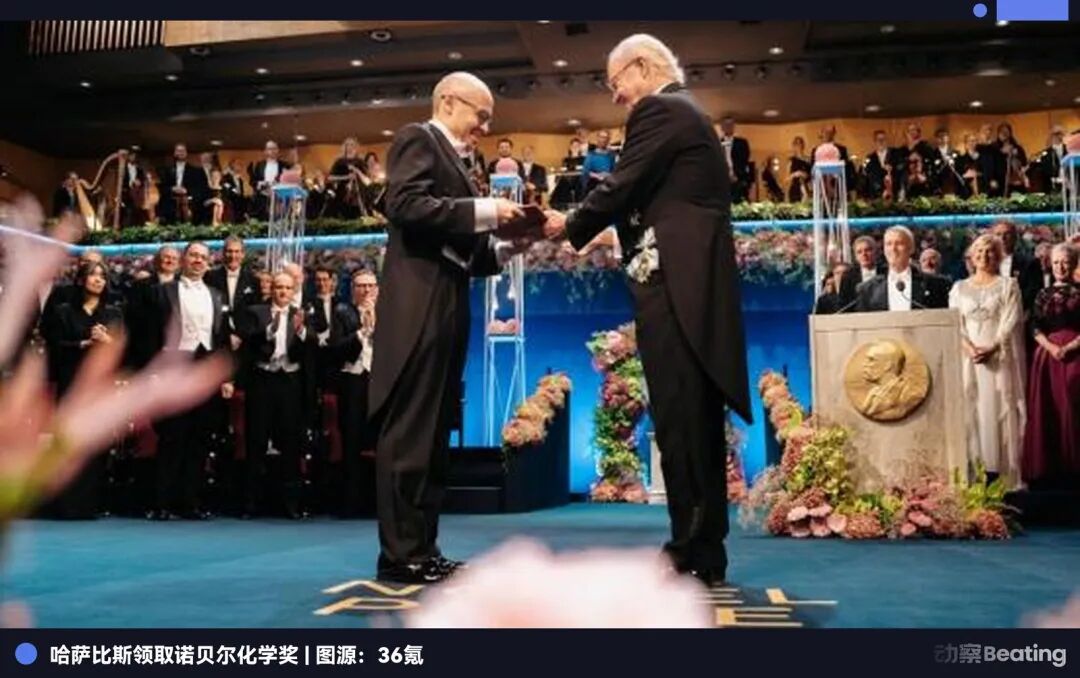
Hassabis and DeepMind scientist John Jumper jointly received the Nobel Prize in Chemistry that year for AlphaFold. Dr. Jumper took over the AlphaFold project under Hassabis's leadership six months after graduating. Later, this team solved the protein folding problem that had plagued the biology community for decades.
The Nobel Prize is already the highest secular award a scientist can receive, Hassabis told Mallaby:
"Even if you offer me $10 billion in exchange for this Nobel Prize, I would still refuse."
In June 2026, Alphabet launched a $80 billion equity financing to expand its AI infrastructure. Buffett's Berkshire Hathaway bought $10 billion worth of Alphabet stock through a private placement.
By July, the investment firm helmed by Buffett for six decades held over $31 billion in Alphabet shares.
Buffett did not mention AGI; he is still the abacus guy in Omaha, sticking to the old adage that a good company should be able to earn a significantly higher return on capital than risk-free assets over a long period of time.
When it comes to Google and other AI companies, he is concerned about the hundreds of billions of dollars they are pouring in and whether they will ultimately be able to generate more money.
“This is real money,” he said.
When real money is invested, at the very least, you should hear a sound.
Two investments of $100 billion, only eighteen months apart, yet it seemed like two different value languages were colliding within Google.
Hasabis used $100 billion to signify the priceless nature of a medal, while Buffett used $100 billion to question how much this company would actually be worth in the future.
When Google acquired DeepMind, money followed behind scientific problems, purchasing a segment of research time that could not be priced. By 2026, Alphabet's annual capital expenditures are expected to be close to $200 billion, with the majority going towards AI computing power and data centers. Money began to move ahead of research, first turning into chips, land, power, servers, and depreciation.
Data centers have no emotions; every lit-up server room adds another entry in the ledger of debts owed to the future. LLM turned intelligence from a scientific problem in a lab into a massive civil engineering project.
On Both Sides of the Table
The marriage between Google and DeepMind was not as smooth as it seemed from the first year.
In August 2015, the AGI Safety Committee, established during the DeepMind acquisition, held its first meeting at SpaceX. Hasabis, DeepMind co-founder Mustafa Suleyman, Musk, Google executives, and LinkedIn co-founder Reid Hoffman were all present.
Suleyman had long been concerned about the social impact of AI and wanted to establish a governance structure that was not entirely controlled by Google shareholders.
The meeting did not reach any agreements.
On the table was the fate of humanity, while under the table, there was a tense conflict of interests between Google and Musk, a personal feud between Musk and Page, and everyone's vastly different understanding of AI risks.
After the meeting adjourned, Hasabis and Suleyman engaged in a lengthy negotiation with Google, codenamed the "Mario Plan." They aimed to transform DeepMind into an entity with independent directors, serving the global public interest.
Over the next few years, the Independent Plan was repeatedly pulled back and was eventually abandoned in 2021. Google was reluctant to let go of AI, and DeepMind could not stay away from Google's computing power and money.
Also in 2015, at the Rosewood Hotel on Sand Hill Road in Silicon Valley, Sam Altman, then head of Y Combinator, sent an email to Ilya Sutskever inviting him to dinner. When Sutskever arrived, Musk, Greg Brockman, former CTO of Stripe, and others were already there.
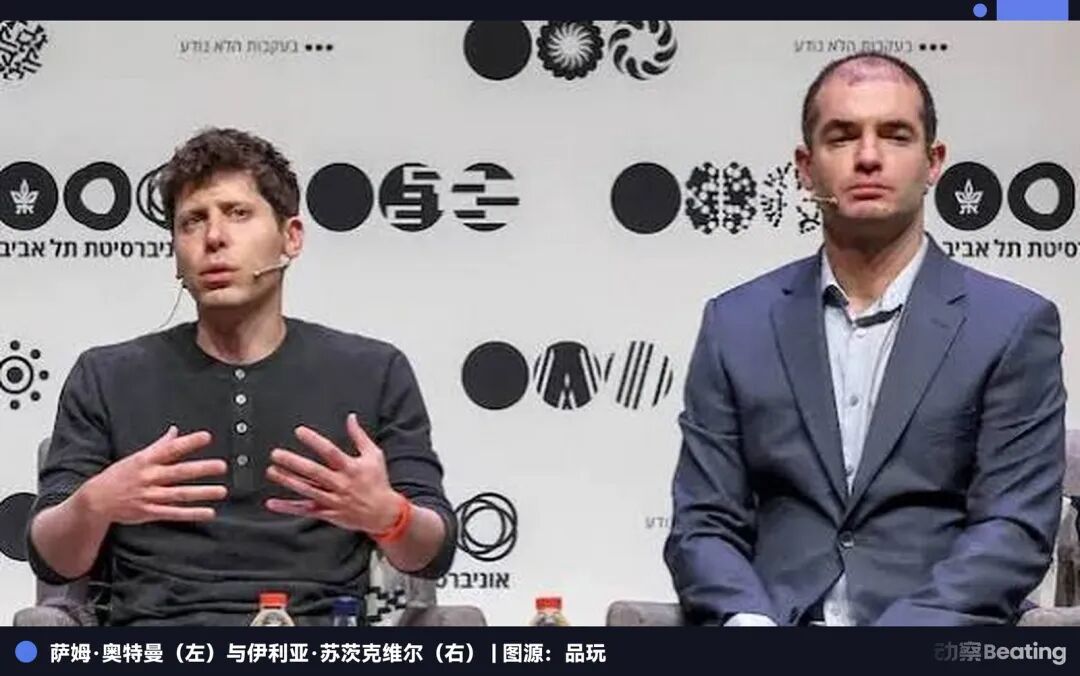
It took him a while to realize that he was the centerpiece of this dinner.
They had a very candid discussion. They were concerned that Google and DeepMind were too far ahead and wanted to establish a new lab to be a balancing force.
Several months later, OpenAI was born.
Sutskever left Google to become a co-founder and research director of OpenAI. The earliest OpenAI was a nonprofit research organization, and its founding announcement stated that they were not constrained by financial returns, researchers could publish papers, blogs, and code, and patents were also prepared to be shared with the world.
At that time, there was no ChatGPT, no subscription fees, no enterprise API, and certainly no never-ending data center bills.
Those people also believed that scientists could research the future first, and making money could come later.
OpenAI was born out of fear of Google's excessive power and also inherited DeepMind's initial ideals. Later, the Scaling Law began to dominate the AI development roadmap, with models getting larger and the bills getting longer. In 2019, OpenAI established a for-profit subsidiary; in 2022, ChatGPT burst onto the public's screens.
Since then, everyone had to start running, including Google.
After the Thirty-Seventh Move
In March 2016, AlphaGo played against Go world champion Lee Sedol in Seoul in a five-game match. In the second game, on the thirty-seventh move, AlphaGo placed a black stone in a position rarely chosen by human players. The live commentators once doubted whether the machine had made a mistake.
Lee Sedol left his seat and spent more than ten minutes in the smoking room. When he returned to the board, he eventually lost that game.
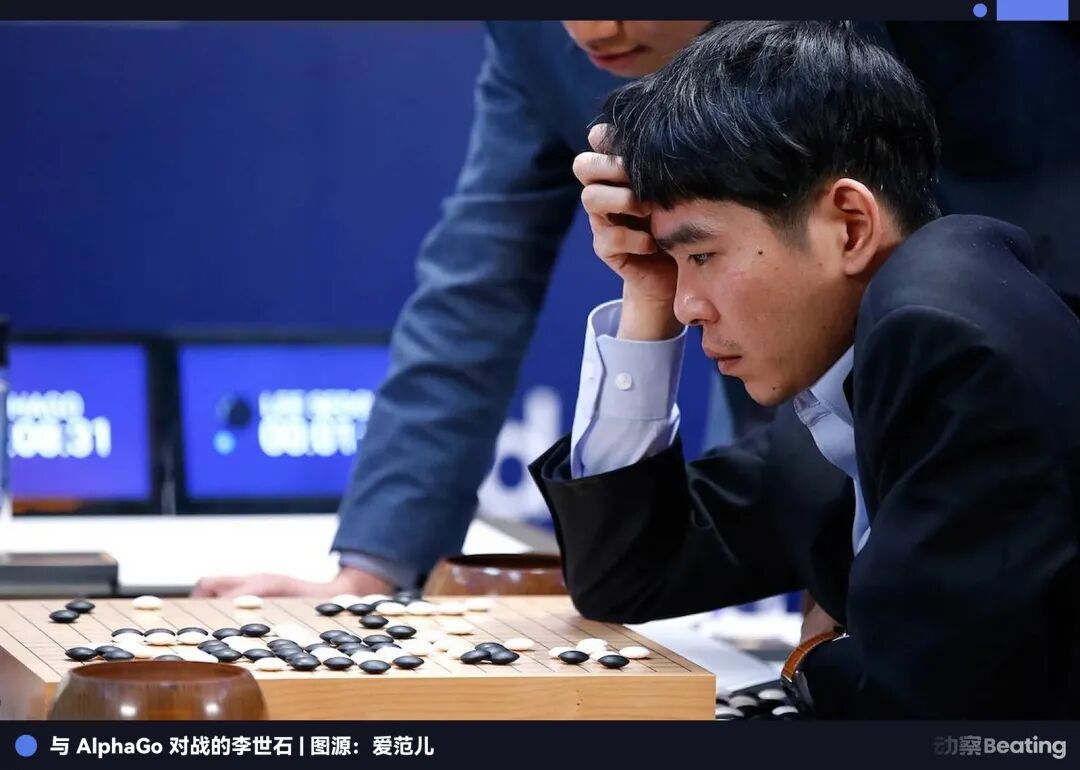
Later, people would often discuss this move, considering it the moment when the machine stepped out of the bounds of human experience for the first time.
The $1 million prize for that match was emblematic of DeepMind at the time. Hassabis even committed to this prize without obtaining prior approval from Google's finance team.
Upon AlphaGo's victory, the prize money was eventually donated to charities and Go organizations.
Scientific inquiries taking precedence over financial processes—it was the golden age of the lab.
This was followed by AlphaZero, MuZero, and AlphaFold.
In the past, deciphering a protein's structure through experimentation would often take several months or even years. AlphaFold converts amino acid sequences into 3D structure predictions. DeepMind then partnered with the European Bioinformatics Institute to create a free database, incorporating over 200 million predicted structures, covering the majority of known protein structures in the scientific community.
Over 3 million researchers from more than 190 countries have utilized it. AlphaFold is not subscription-based, nor does it have a business growth curve that can be showcased on financial reports. It has saved countless scientists months in the lab, brought two Nobel Prizes back to Google, and yet has hardly generated corresponding revenue on the commercial front.
Under the pressure brought by ChatGPT, Sergey Brin, who had already faded out of Google's day-to-day operations, made a return.
Brin later recalled encountering an OpenAI employee at a small gathering, who asked him:
“What are you even doing? This may be the most transformative moment in computer science history.”
Brin agreed with the sentiment, leading him to become increasingly involved in Gemini thereafter.
In 2023, Pichai merged Google Brain with DeepMind to form Google DeepMind, with Hassabis as the CEO and Jeff Dean as the Chief Scientist. This seemed to be the pinnacle of Hassabis's power but also marked the endpoint of the old DeepMind as an independent lab.
It was integrated into Google's models, applications, and business systems, becoming the AI engine for the entire company. Koray, who has now taken over the day-to-day management of DeepMind, is responsible for the Gemini models, cutting-edge research, Gemini applications, and developer teams.
In the announcement, Pichai repeatedly emphasized "acceleration," "rapid action," and the upcoming release of a new model.
Thirteen years ago, what Google lacked the most in giving to DeepMind was time.
Thirteen years later, what Google is most short of also happens to be time.
Turn the clock back one notch
By the summer of 2026, almost everyone who left belonged to the era of the old LLM stories.
The AlphaFold project leader John Jumper went to Anthropic; Noam Shazeer, the author of the Transformer paper and co-lead of Gemini, joined OpenAI.
Subsequently, Jeff Dean, along with Sanjay Ghemawat, Oriol Vinyals, and Quoc Le, founded Discovery Loop. Jeff Dean and Ghemawat built Google's critical early distributed systems, while Vinyals and Quoc Le have long been at the heart of Google's modern AI research.
Discovery Loop was registered as a nonprofit company. In his farewell letter, Jeff Dean explained that one of the meanings of an independent company is the ability to make decisions that may not necessarily align with the company's pure financial interests.
Google became Discovery Loop's founding investor and cloud computing partner. Unable to retain this group of people within its organizational structure, Google decided to spend money to allow them to continue their work externally.
That's probably how the curtain fell on the old LLM era.
No one publicly tore apart ideals, and no one stormed out. The old labs were integrated into product lines, the old scientists took the parent company's funds outside to continue their research, and everyone left with their dignity intact.
Hassabis has not yet left, but that 2013 agreement outside the castle, which was based on time, has lost its underpinnings.
"Why do you not make use of all that I have created?"
That "all" in Page's mouth is much more today than thirteen years ago.
Google has more money, machines, engineers, and data centers, so much so that Buffett is willing to put up $10 billion, betting that these massive investments will eventually pay off.
The core asset that Keypay presented to Hasabis years ago is becoming increasingly scarce.
It takes the courage to devote a decade to a question, to allow a group of scientists the luxury of temporarily ignoring the calendar.
From the trash can turned upside down in Room 731 of Lake Tahoe to Alphabet's nearly $200 billion in annual capital expenditures, AI has taken just fourteen years. The room has transformed into a data center, a small company of three has evolved into an industrial system supported by hundreds of thousands of chips, hourly talent bidding has become a quarterly model competition. The group of people has turned AI from a small circle into the largest industrial system of this era. When all of this finally grew to an unimaginable scale, they began to leave, one by one.
Hasabis was also about to leave, but Google moved back the clock hands of his resignation by one mark.
But it cannot turn back to 2013.
Original Article Link
Welcome to join the official BlockBeats community:
Telegram Subscription Group: https://t.me/theblockbeats
Telegram Discussion Group: https://t.me/BlockBeats_App
Official Twitter Account: https://twitter.com/BlockBeatsAsia