Forbes 2026 Interest Rate Prediction, Who Decides the Fed's Direction?
Original Article Title: What To Expect For Interest Rates In 2026
Original Article Author: Simon Moore, Forbes
Translation: Peggy, BlockBeats
Editor's Note: With the market betting that 2026 will usher in a "new Fed chair + a new round of rate cuts" resonance, the U.S. interest rate path has once again become the main variable for global asset pricing.
CME futures show that the federal funds rate may fall to around 3% in 2026, below the current 3.75%-4% range, with the major cuts likely concentrated in the first half of the year. However, against the backdrop of inflation not fully returning to target and signs of weakening employment, the policy outlook remains uncertain. Despite the expectation that the Trump administration will appoint a more dovish new chair, the FOMC's operation mechanism determines that the policy tone will still be driven by economic data.
This article outlines the key interest rate schedule, rate cut expectations, and policy game plan for 2026, providing readers with a clear framework to understand the direction of U.S. interest rates.
The following is the original text:
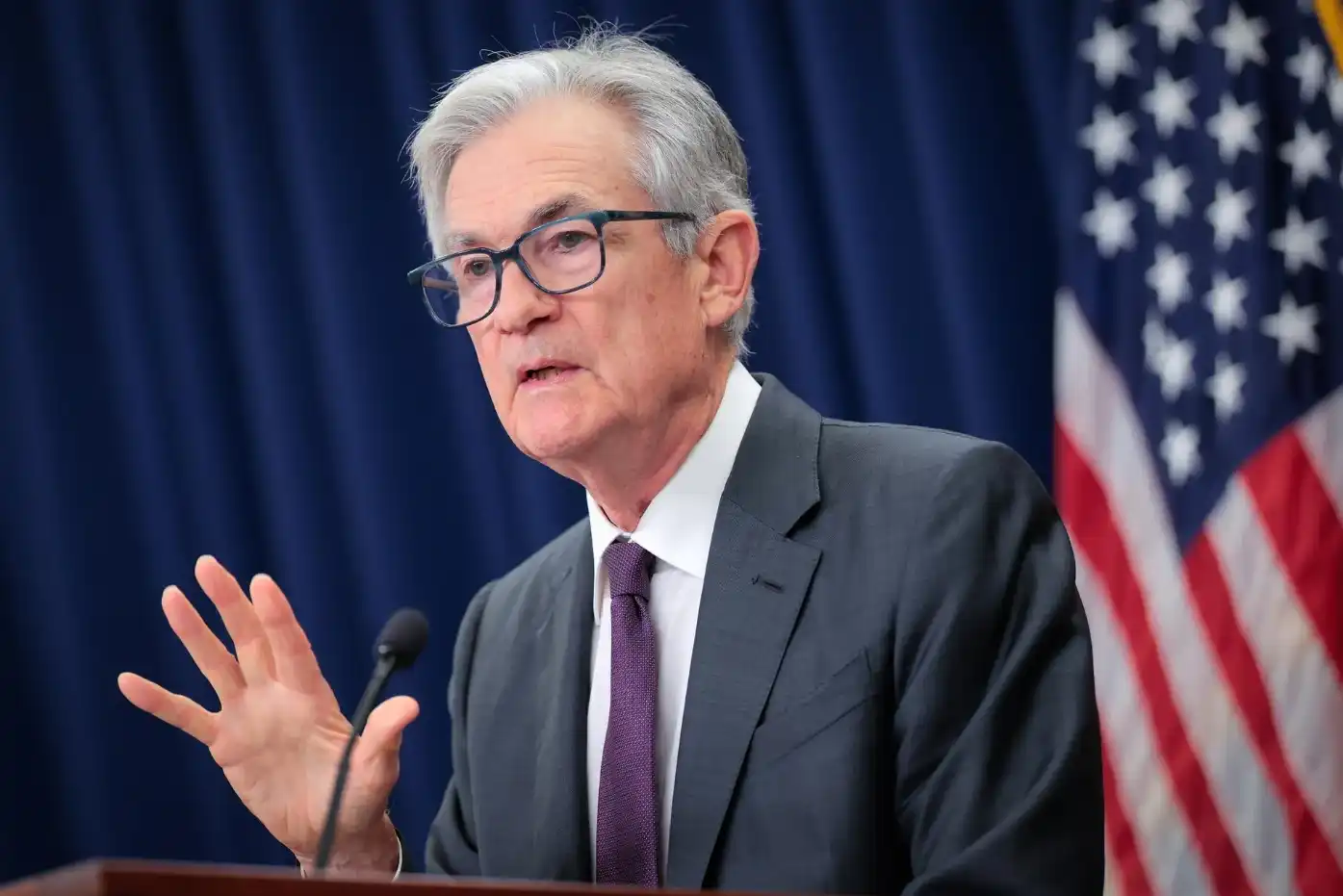
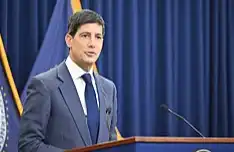
Following the routine Federal Open Market Committee (FOMC) meeting in Washington, Federal Reserve Chairman Jerome Powell answered questions at a press conference. Despite President Donald Trump's pressure for a rate cut, the U.S. central bank kept the federal funds rate unchanged in the 4.25%-4.5% range.
Based on pricing of rate futures using the CMEFedWatch tool, the market broadly expects a short-term rate cut cycle in 2026 under the backdrop of a "new Fed chair," with the FOMC convening around rate cuts in most of the eight meetings throughout the year.
Before that, the FOMC will still hold the final interest rate meeting of the year on December 10, 2025. The market believes that there is a possibility of a small rate cut at this meeting, but the probability of keeping rates unchanged should not be ignored.
2026 Interest Rate Path
Based on current pricing, by December 2026, the federal funds rate is expected to fall to around 3%, below the current 3.75%-4% range.
However, there is still significant uncertainty regarding the interest rate outlook: in more extreme market estimates, rates could go as low as 2% or continue to be maintained at the 4% level.
If the FOMC ultimately initiates a rate cut, the market believes that the primary rate cut may be concentrated in the first half of 2026. In contrast, Fed officials themselves are more cautious about their 2026 interest rate level forecasts, with most forecasts still expecting rates to remain above 3%. However, these forecasts were made in September and will be updated again in December.
2026 FOMC Meeting Schedule
While the Fed can adjust rates at any time during an economic emergency, in normal years, it usually follows the established schedule of eight regular meetings.
The 2026 interest rate meetings will be held on the following dates: January 28, March 18, April 28, June 17, July 29, September 16, October 28, and December 9.
Starting in March, the FOMC will update the Summary of Economic Projections (SEP) at alternate meetings.
New Chairperson Likely to Advocate Lower Rates
President Trump is expected to nominate a new Fed Chairperson in 2026 who is more inclined towards a "rate-cutting approach." Prediction markets (such as Kalshi) currently consider Kevin Hassett as the most likely candidate.
This means that the 2026 interest rate policy may receive additional impetus. For example, Stephen Miran, appointed by Trump in 2025, has consistently favored a more aggressive rate cut stance in voting.
However, apart from the Chairperson selection, the overall voting structure of the FOMC will continue in its current pattern, indicating that monetary policy will not undergo a drastic shift due to the new Chairperson.
Economic Data Remains a Key Variable
Ultimately, the Fed's decisions will still be driven by economic data.
Currently, inflation is slightly above the 2% target but shows no signs of spiraling out of control; the unemployment rate has increased somewhat but not to the level that would set off alarms.
In this environment, the FOMC is likely to gradually lower rates. If the unemployment rate deteriorates significantly, the rate cut intensity may be forced to increase; conversely, if inflation unexpectedly rebounds, the Fed may slow down the adjustment pace. However, the latter scenario currently has a lower probability of occurring.
The most closely watched indicator currently is employment data. Some officials believe that the labor market is slowing down, which could drag down the overall economy, necessitating an earlier rate cut; while other officials believe that the softening of employment does not pose a real risk.
The employment data will continue to reveal in 2026 which side's assessment is closer to reality.
Welcome to join the official BlockBeats community:
Telegram Subscription Group: https://t.me/theblockbeats
Telegram Discussion Group: https://t.me/BlockBeats_App
Official Twitter Account: https://twitter.com/BlockBeatsAsia
 Related Articles