



Bankless: ETF, halving, interest rate cuts, what is the next step for Bitcoin?

The original title: "Where Bitcoin Goes Next"
The original author: Jack Inabinet
The original translation: Luccy, BlockBeats
Editor's note:
Bitcoin is still the main narrative of the new year. As the deadline for the decision on the spot Bitcoin ETF approaches, market sentiment is soaring. A report by Matrixport has caused a net liquidation of over $450 million.
Bankless analyst Jack Inabinet analyzed the different adoption of spot Bitcoin ETFs in Canada and Europe and the global investment attitude towards Bitcoin. Jack Inabinet emphasized that in the context of global economic uncertainty, halving and interest rate cuts are not necessarily positive signals. BlockBeats translates the original text as follows:
At the beginning of 2024, the basic narrative of Bitcoin looks as strong as ever, and almost all crypto analysts are bullish on Bitcoin!
As the deadline for the approval of spot Bitcoin ETF approaches next Wednesday, industry insiders are optimistic about the introduction of these tools, believing that it will pave the way for billions of dollars to flow into Bitcoin in the coming years.
In addition, market participants are optimistic about the upcoming Bitcoin halving event, which occurred in April and will reduce the inflation of Bitcoin block subsidies by 50%. Historically, this has led to a decrease in miner sales and a surge in Bitcoin prices.
Although only two obvious Bitcoin catalysts are enough to create conditions for the rise of Bitcoin prices, next year's expected interest rate cuts have traders eagerly anticipating a more favorable macro environment, which will allow Bitcoin to break through new historical highs.
Despite this, there is no shortage of bullish sentiment towards Bitcoin recently. However, before rushing to emulate Bitcoin and potentially reap huge profits in 2024, there are some important considerations to keep in mind.
Requirement Must Be Met
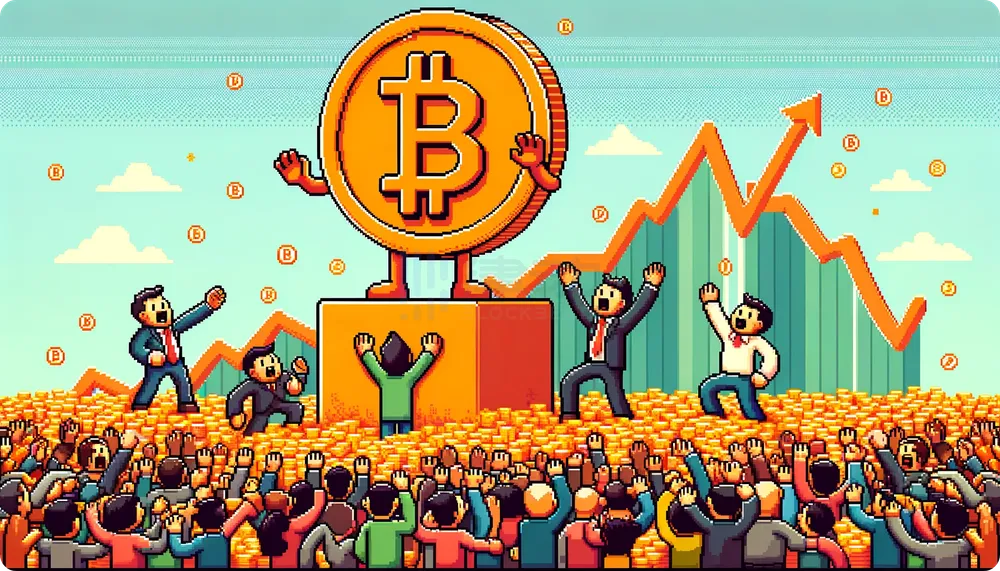
Americans may find the concept of spot crypto ETFs relatively new, but these instruments already exist in Canada and Europe, with varying degrees of adoption.
Since the end of September last year, Canada's Purpose Bitcoin ETF has increased its managed Bitcoin by 50%, reaching 35,000, which is a respectable growth. Meanwhile, European issuer Jacobi has only accumulated a meager $1.7 million in assets since its launch in November.
Global investors are facing the same investment story as Americans, and their lack of demand for spot bitcoin products may mean that the inflow of funds into the United States may not be ideal.
In order to immediately have a positive impact on the approval of Bitcoin ETFs, issuers must meet the new demand of external investors seeking exposure to Bitcoin. However, it is currently unclear whether such demand exists.
Long-term, making it easier to invest in Bitcoin will be a bullish catalyst for the asset. However, if the ETF is approved and the resulting immediate inflow of funds is disappointing, the bullish side still faces the risk of trading errors.
History is just rhyming
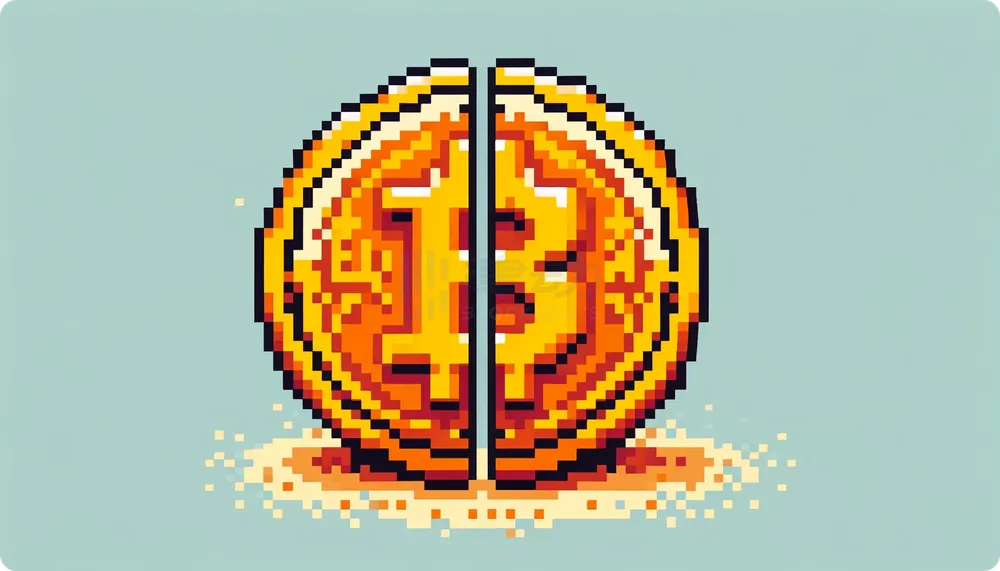
Just because the previous Bitcoin halving event was bullish doesn't mean that future halving events will be bullish.
Just as the slight decrease in the issuance of merged Ethereum did not push up the Ethereum price in the following months (the ETH/BTC ratio has dropped by more than 30% since then), the reduction in issuance from this Bitcoin halving cannot guarantee a positive impact on the Bitcoin price.
Although reducing the block issuance to alleviate selling pressure will undoubtedly have a bullish impact on the price of Bitcoin to some extent, compared to the previous halving, the impact of this halving will be significantly weakened; do not be surprised if the expected price increase pattern of Bitcoin after the halving does not occur.
降息并不自动利好
Rate cuts do not necessarily bring automatic benefits
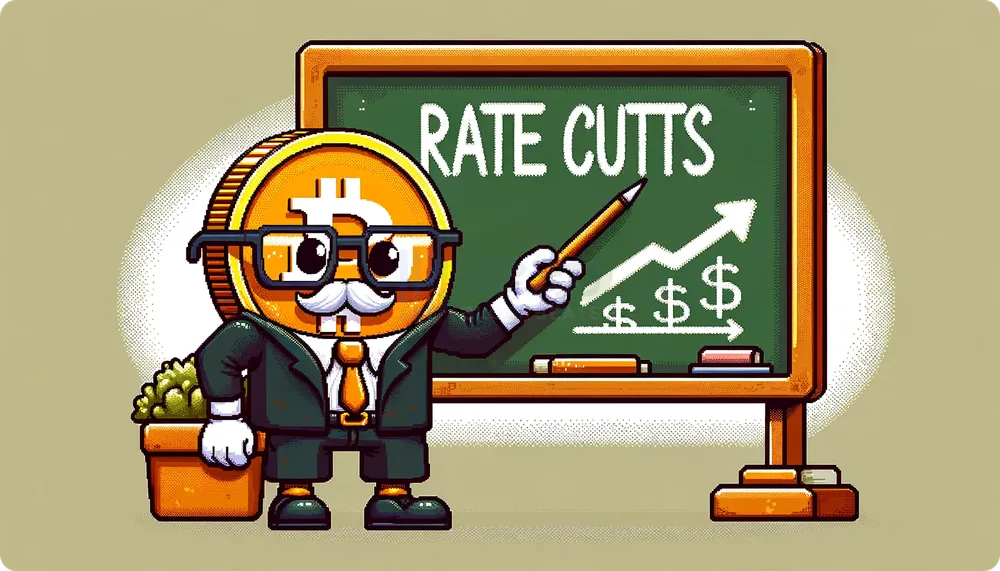
Many people confuse lower interest rates with an easing economic situation, but they are just one input in the macro story.
Under unchanged conditions, lowering interest rates does indeed lower the required rate of return, making risky investments (such as cryptocurrencies) more attractive. However, it is important to remember that historically, interest rate cuts have been a monetary response to economic deterioration.
Regardless of asset class, the biggest risk for any investor is the market, and it is currently unclear whether lowering interest rates is enough to counteract the economic signs of a downturn.
During a prolonged economic contraction, there is no existence of cryptocurrency, and peak interest rates indicate that the worst economic recession has yet to come.
"Original article link"
Welcome to join the official BlockBeats community:
Telegram Subscription Group: https://t.me/theblockbeats
Telegram Discussion Group: https://t.me/BlockBeats_App
Official Twitter Account: https://twitter.com/BlockBeatsAsia







