Risk and Solutions of Wrapped Tokens in Flash Trade.
Original Title: "Risks Associated with Wrapped Tokens & Flash Trade Solutions"
Original Author: Kinetex Network
Translated by: Luccy, BlockBeats
Editor's Note:
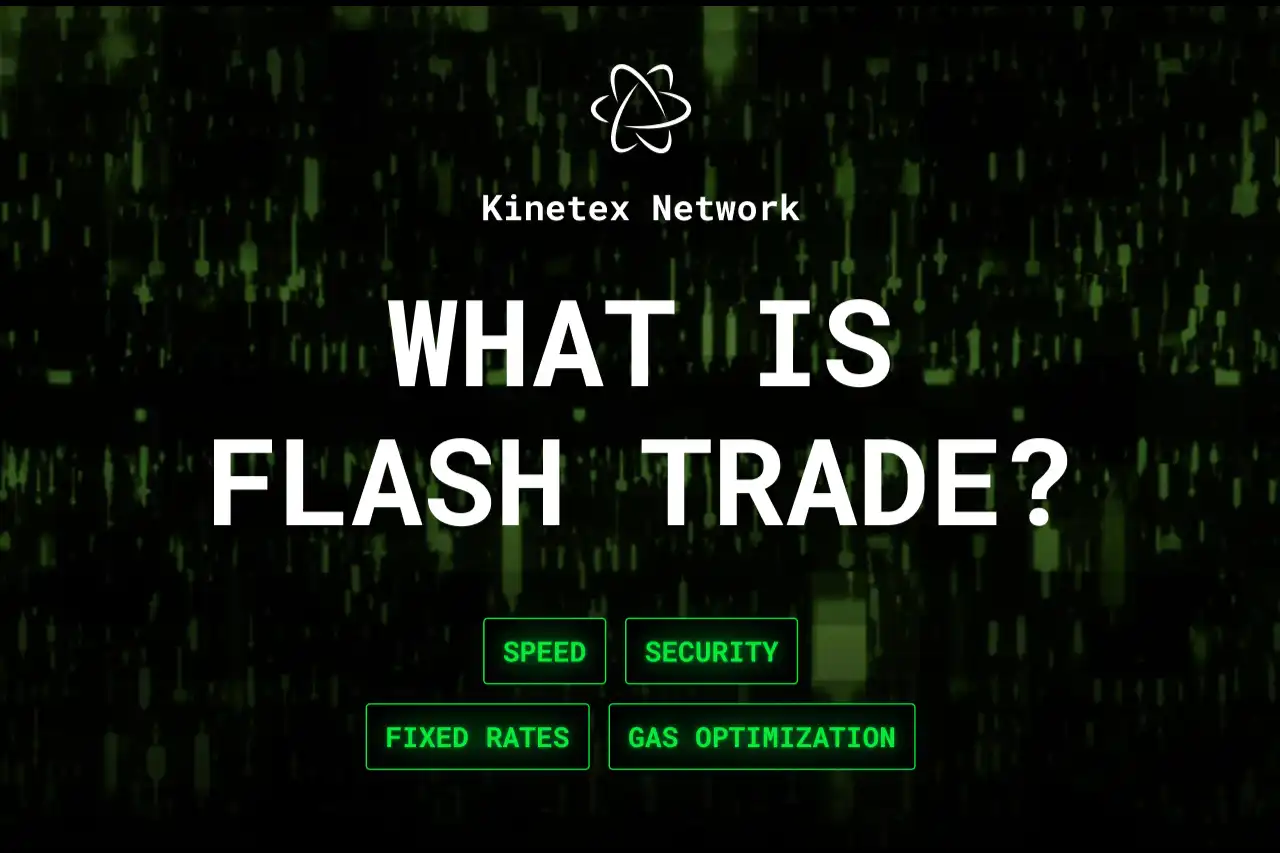
Wrapped Tokens, which are tied to different cryptocurrencies, face risks such as vulnerability to hacking, lack of decentralization, and liquidity. Kinetex Network, a fully decentralized protocol based on Zk proof, has launched a new generation dApp called Flash Trade, which solves the risks of Wrapped Tokens by allowing users to directly transfer native liquidity.
This article is sourced from the official blog of Kinetex Network and will be summarized in the Flash Trade related article compilation. BlockBeats will continue to update this compilation. The following is the translated version of the original article:
By packaging assets, cross-chain bridges can solve the limitations brought by unreliable connections between blockchains. Through Wrapped Tokens, users can access specific products and services without trading their encrypted assets, opening up new opportunities for holders to trade, stake, and access DeFi services.
Wrapped Tokens are similar to stablecoins in that they represent the value of another cryptocurrency asset. However, unlike stablecoins that are pegged to fiat currency, Wrapped Tokens are pegged to different cryptocurrencies. Additionally, this wrapped cryptocurrency can have multiple variations. For example, Bitcoin can be wrapped to work on multiple chains, providing holders with greater flexibility in managing their cryptocurrency investment portfolios, participating in trading, staking, and more. Furthermore, Wrapped Tokens can be traded on exchanges like any other token to increase their holders.
Wrapped Tokens Risk
Using Wrapped Tokens as a cross-chain solution allows users to transfer their encrypted assets across blockchains. However, this solution also brings some key issues and exacerbates some existing problems. The main problem with Wrapped Tokens is that they are vulnerable to hacking attacks. Despite the increasing robustness of blockchain technology, cross-chain bridges are still susceptible to malicious behavior, often resulting in partial or total loss of funds.
Another disadvantage of Wrapped Tokens is the lack of decentralization, which seriously affects its security. Many bridges are managed by companies that store user assets themselves, thus bearing a huge responsibility for their security. Unfortunately, this type of asset custody often increases the chances of successful attacks.
Wrapped Tokens still face two liquidity-related issues. Firstly, liquidity is frozen as the underlying assets are often stuck in smart contracts during the wrapping process, rendering them unusable. While this phenomenon may not affect widely-used cryptocurrencies, it could harm the liquidity of less popular tokens, leading to significant price fluctuations. Secondly, the distribution of liquidity across networks may be negatively impacted by the use of different bridges to enable the use of Wrapped Tokens on other chains, thereby distributing liquidity across these versions and networks, potentially affecting the market.
Finally, due to the high gas fees and potential price slippage, casting new Wrapped Tokens may sometimes be disadvantageous. As a result, users may incur losses beyond their expectations, making the process uneconomical.
Flash Trade Solution
The Kinetex dApp named Flash Trade will allow users to directly transfer native liquidity, eliminating the need for Wrapped Tokens and the associated risks.
This method can provide a more secure and fast trading experience. Firstly, due to the market makers (also known as parsers in the Kinetex system) bringing their own liquidity, Kinetex can eliminate the risk of liquidity stored on DeFi platforms being attacked, whether bridging liquidity from CEX and DEX or using their funds.
By selecting non-aggregated liquidity and delegating this task to the parser, Kinetex also allows liquidity to flow freely between platforms and networks without being frozen, dispersed, or lost in other ways. Therefore, Kinetex helps the blockchain industry establish a more liquid and stable cryptocurrency market. The more projects turn to similar solutions, the more we can expect changes in liquidity.
Next, the solution will ensure that Kinetex users get the best possible deals. Unlike sometimes expensive Wrapped Tokens, trading directly with market makers through the Kinetex dApp will be very beneficial. This is possible because there is fierce competition among arbitrageurs driven by collateral and arbitrage opportunities. Before being able to fill orders, arbitrageurs must deposit collateral, which provides additional security for users and Kinetex itself. Collateral will incentivize arbitrageurs to fill orders promptly and prevent possible dishonest market makers from entering the process. Another incentive is arbitrage trading. Kinetex will enable arbitrageurs to build their own smart robots and try different trading strategies when filling orders.
The disadvantage of trading directly with market makers provided by Flash Trade is the loss of the underlying assets. However, given all the advantages mentioned above, including security, speed, and favorable rates, users can enjoy DeFi products and services and quickly exchange assets back to their original form when necessary.
"Original article link"
Welcome to join the official BlockBeats community:
Telegram Subscription Group: https://t.me/theblockbeats
Telegram Discussion Group: https://t.me/BlockBeats_App
Official Twitter Account: https://twitter.com/BlockBeatsAsia

 Related Articles