Ordinals theory: in-depth analysis of inscriptions and horizontal comparison of ETH
The original author: Leek Brothers (Twitter: @cryptoleek)
Editor's note: Ordinals is a system that allows people to order, identify "satoshi", and write digital content to create digital art. The emergence of Ordinals has opened up new use cases for Bitcoin, such as NFTs and new token standards. Defi researcher Leek Brothers introduces what is satoshi, what is inscription and other theoretical knowledge in detail in this article, and also makes a horizontal comparison with ETH.
Spent the weekend studying Ordinals and now sharing with everyone. I have successfully tested it through practical application and it's quite interesting. This article will focus on the theory.
1. Unique accounting model of Bitcoin: UTXO
UTXO, which stands for Unspent Transaction Output, is the cornerstone of the Bitcoin transaction system. Each UTXO represents the amount of Bitcoin that has not been spent and is owned by a specific Bitcoin address in the network. It functions like a bank account balance, keeping track of the source and destination of funds.
In Bitcoin transactions, UTXOs are used as inputs and outputs. When a transaction occurs, the input UTXO is consumed and a new output UTXO is generated, pointing to the receiving address.
2. Ethereum Account Model
Similar to your bank account. Therefore, the accounting models of Ethereum and Bitcoin are completely different, each with its own strengths. Bitcoin's accounting model has an advantage in privacy, but it is relatively difficult to index, while Ethereum is easier to understand.
3. What is Sat (聪)?
Satoshi is the smallest unit of Bitcoin, with 1 Bitcoin equaling 100 million Satoshis. Satoshis enable small transactions with Bitcoin, enhancing its liquidity and flexibility of use.
1 BTC = 10^8 satoshis. Ethereum is 1 ETH = 10^18 wei.
It is worth noting that Bitcoin transactions are carried out through UTXO, and inadvertently, Satoshi is also involved in the transaction.
4. Ordinals protocol mainly solves two problems. One is a protocol for sorting Satoshi Nakamoto. The other is inscription, which means engraving. Let's take a look at them one by one.
5. Sort the numbers assigned to Cong in order.
We are called Ordinal numbers, which is a unique numbering system used to track each satoshi in Bitcoin. The satoshis are numbered in the order they are mined, giving each satoshi a unique identity. Each newly mined Bitcoin is assigned a unique Ordinal number in sequence.
6. Different Congs have different numbers and rarity.
This creator is defined by @rodarmor himself.
Rare Ordinal numbers are usually associated with special events in the Bitcoin network, such as the first mined Satoshi or the first Satoshi of a specific block. These special Ordinal numbers may have higher collectible value and uniqueness.
7. Ordinal numbers are divided into multiple rarity levels: common, good, rare, epic, legendary, and mythic. Each level represents a different degree of rarity and importance.
So there is a gameplay called Sat Hunting. The simplest way is that you send a btc, withdraw it from the exchange, and check if there is any rare satoshi in the new BTC. If there is, you will get rich.
8. Inscriptions
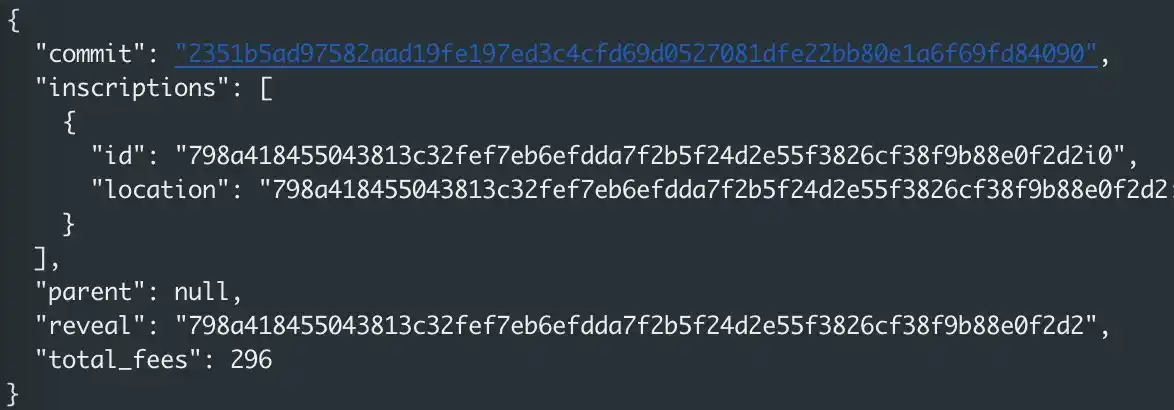
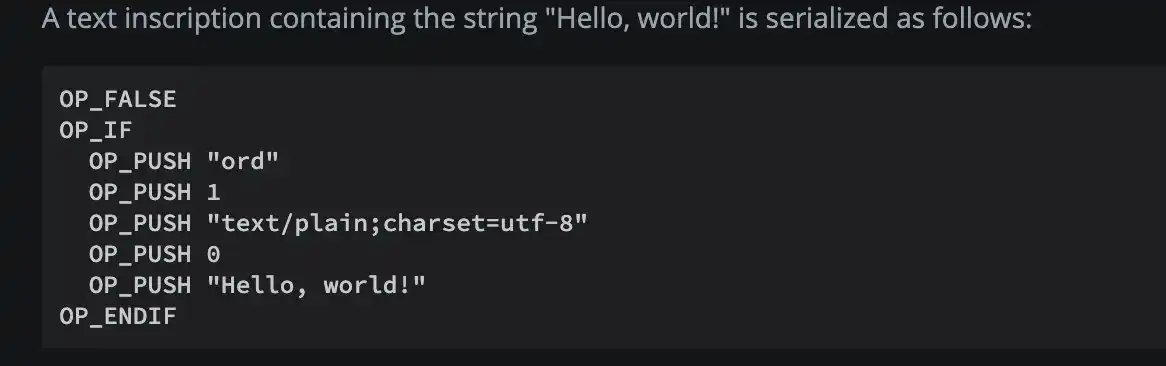
Inscription is a technology that embeds digital content (such as images and text) into specific outputs. It allows Bitcoin to be used not only as a currency, but also as a carrier for carrying and transmitting digital information. Each inscription is engraved onto a specific output, making these digital collectibles traceable and tradable on the Bitcoin network.
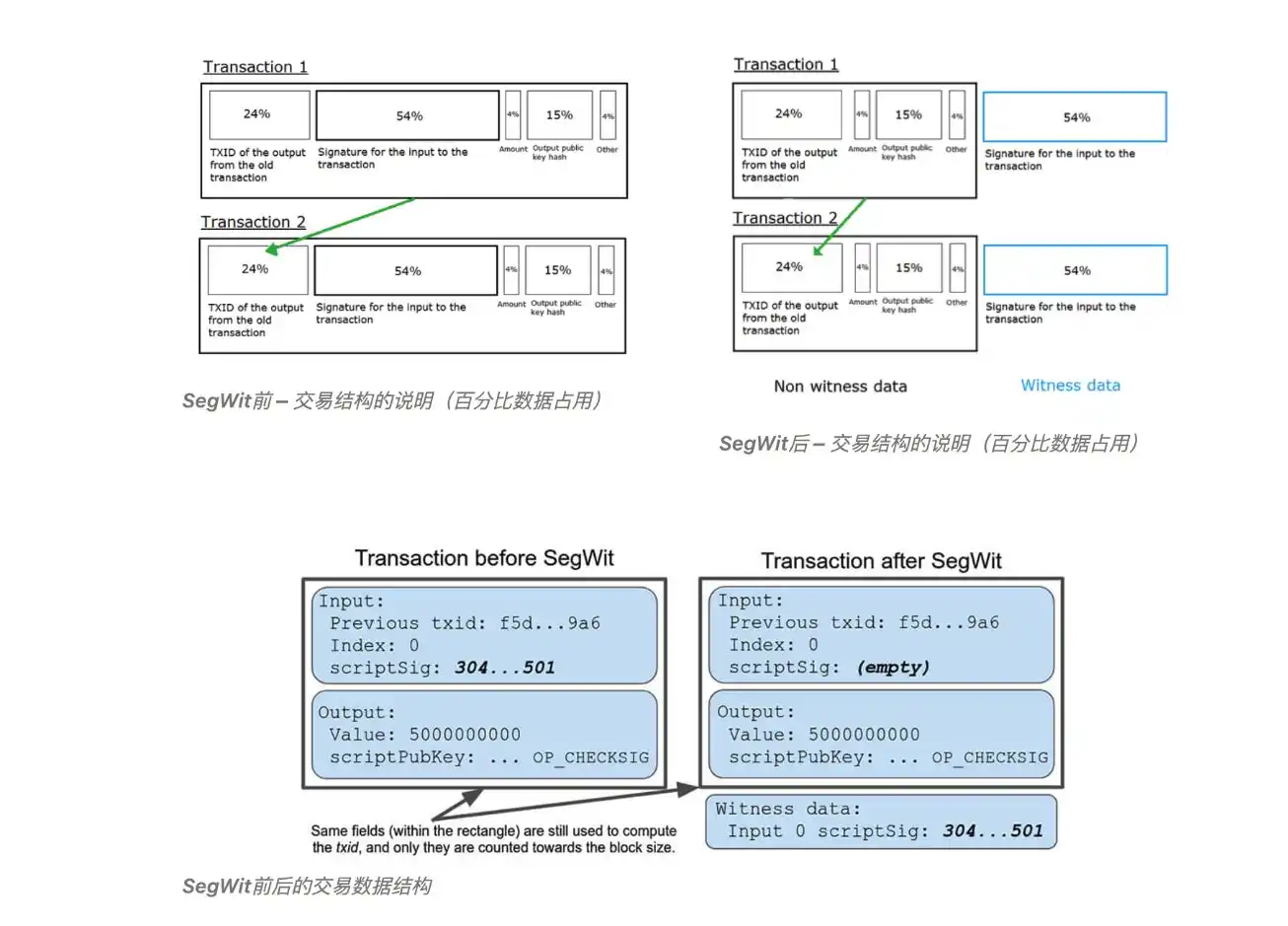
9. The operation of engraving inscriptions cannot be separated from the Segwit (Segregated Witness) and Taproot protocols mentioned earlier.
Segwit (Segregated Witness) increases the capacity of Bitcoin blocks by separating signature data from transactions. This provides more space for the implementation of Ordinal numbers and inscriptions, making it a key technological support.
10. Taproot Protocol and the Storage Method of Inscriptions in Taproot
Welcome to join the official BlockBeats community:
Telegram Subscription Group: https://t.me/theblockbeats
Telegram Discussion Group: https://t.me/BlockBeats_App
Official Twitter Account: https://twitter.com/BlockBeatsAsia
 Related Articles