Will the introduction of KYC Hook by the community for Uniswap threaten the core spirit of DeFi?

Author: Jaleel, BlockBeats
Four months ago, Uniswap announced the V4 version, with hooks being one of the innovative features. Hooks allow external smart contract logic to be executed at different "key points" in the pool, making the same trade-offs as v3 or adding new functionality.
On October 10th, Uniswap founder Hayden (@haydenzadams) retweeted a community post on social media, stating: "Just a few months away from the release of v4, there is already a hooks directory site and 75 different hooks built by the community. As a powerful native feature, hooks have won in public construction."
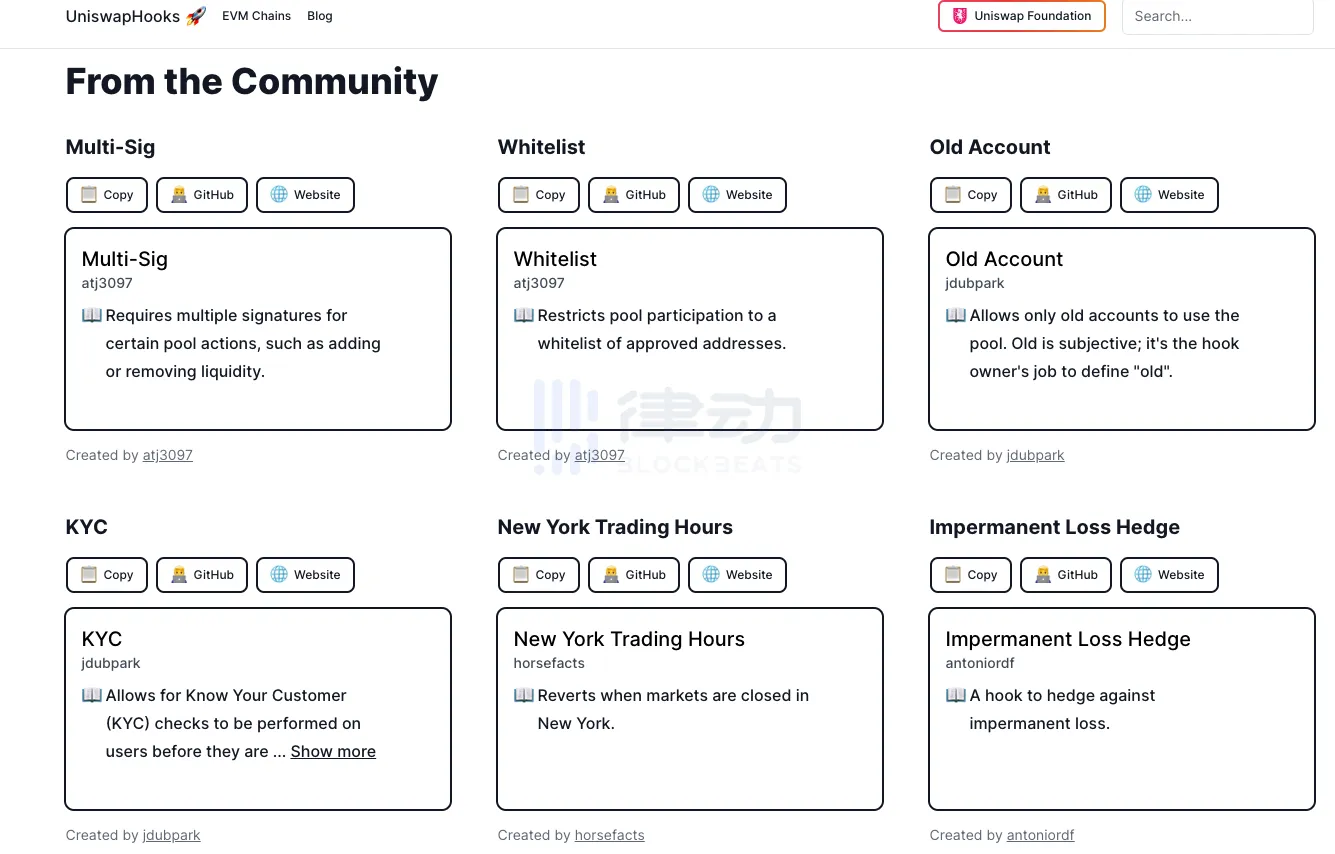
It is worth noting that KYC Hooks was introduced by community developers in the Uniswap V4 directory as an optional feature. KYC verification will be executed by NFT, which has sparked a great deal of discussion within the community.
Why is it controversial to build a licensing system without a license agreement?
Encryption KOL Adam Cochran (@adamscochran) directly pointed out that this is a typical case of boiling a frog in warm water: "If you create tools for licensing systems, you are providing regulatory agencies with reasons to use them, even in unnecessary environments. For example, if Uniswap can be forced to review the assets on the front end, this is legally ambiguous, but they do so without hesitation when legislators demand it. If you want to build licensed systems on an unauthorized protocol, you must ensure that: they are different from unauthorized tools; they are necessary and not better for databases; you do not open unauthorized layers to additional attacks by national actors."
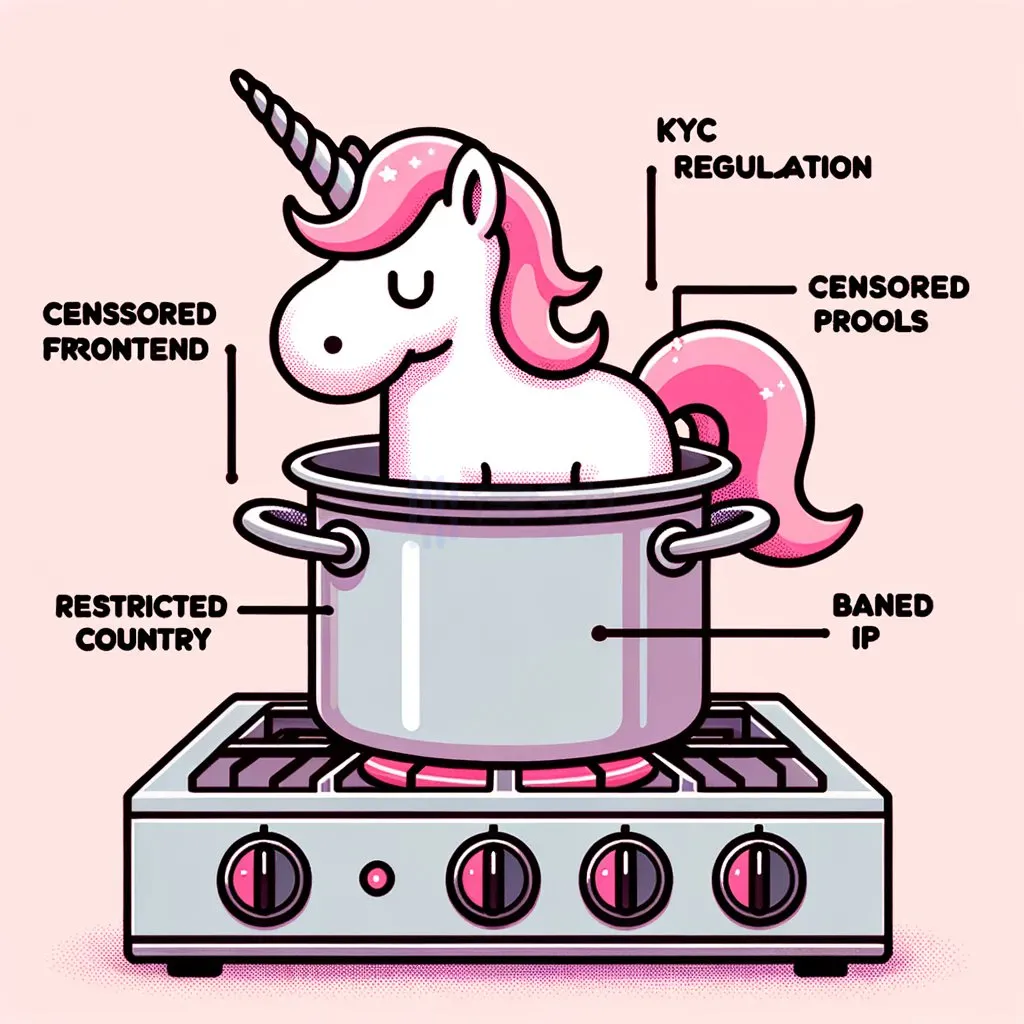
"This is my criticism of Uniswap's (angry) attacks on these aspects. Whether they intend to establish a KYC pool is not important. What is important is that they have opened Pandora's box and have a mixed record of resisting regulatory agencies. Having such a flexible tool is good, but we also need a large-scale ironclad system that neither has it nor can easily be coerced or threatened. " Adam continued, "This is one of the cases where I hope I am wrong, but we should never stop pushing for strengthened uncensored systems."
There are also community members who point out that with the introduction of KYC Hooks by Uniswap, it makes us rethink what truly constitutes DeFi. Can Uniswap with KYC still be considered DeFi?
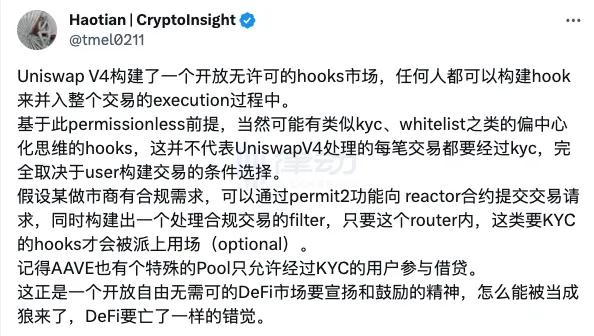
Haotian (@tmel0211) expressed a different opinion on this: "Uniswap V4 builds an open and permissionless hooks market, where anyone can build hooks to be incorporated into the execution process of the entire transaction. Based on this premise, there may be hooks with decentralized thinking such as KYC and whitelist, but this does not mean that every transaction processed by Uniswap V4 has to go through KYC. This is exactly the spirit that an open, free, and permissionless DeFi market should promote and encourage, and it should not be mistaken as a false impression that DeFi is going to collapse like the boy who cried wolf."
There are also those who believe that the critics of Uniswap are rarely builders, but rather people sitting in the back seat of a chair, just spitting out foam for liquidity extraction events. As time goes on, the introduction of KYC in DEX will only become more common - this split between those who want to comply with the FBI and those who do not want to comply is actually a good thing. Ultimately, the definition and boundaries of DeFi may continue to evolve due to market and community demands.
Welcome to join the official BlockBeats community:
Telegram Subscription Group: https://t.me/theblockbeats
Telegram Discussion Group: https://t.me/BlockBeats_App
Official Twitter Account: https://twitter.com/BlockBeatsAsia

 Related Articles