SignalPlus Macro Research: September Rate Hike Probability to Reach 1%, Ethereum's New Proposal to Slow Staking Growth
Original Title: "SignalPlus Macro Research Report (20230918): Probability of Interest Rate Hike in September Will Reach 1%, New Ethereum Proposal Will Slow Down Staking Growth"
Original Source: SignalPlus Chinese
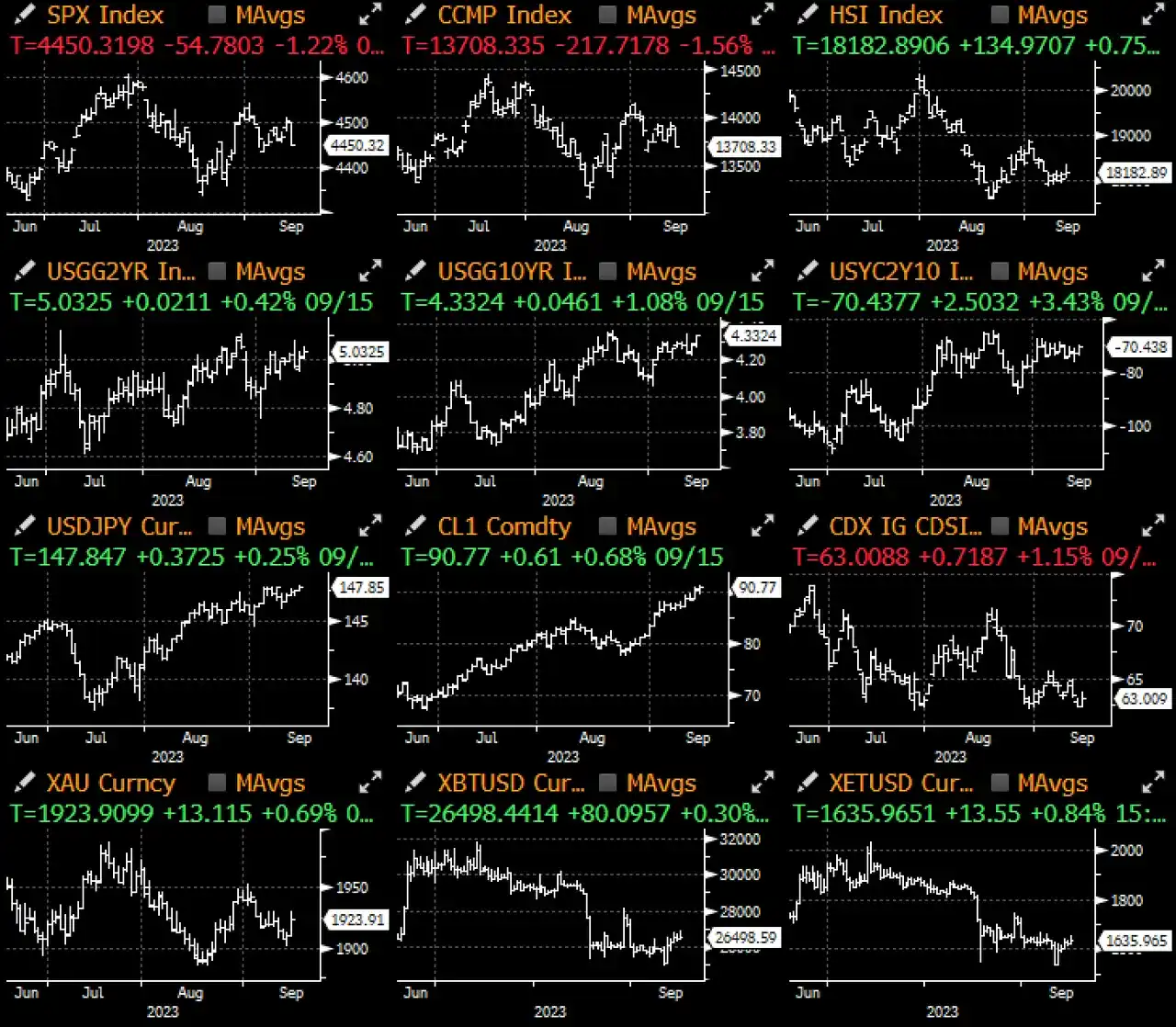
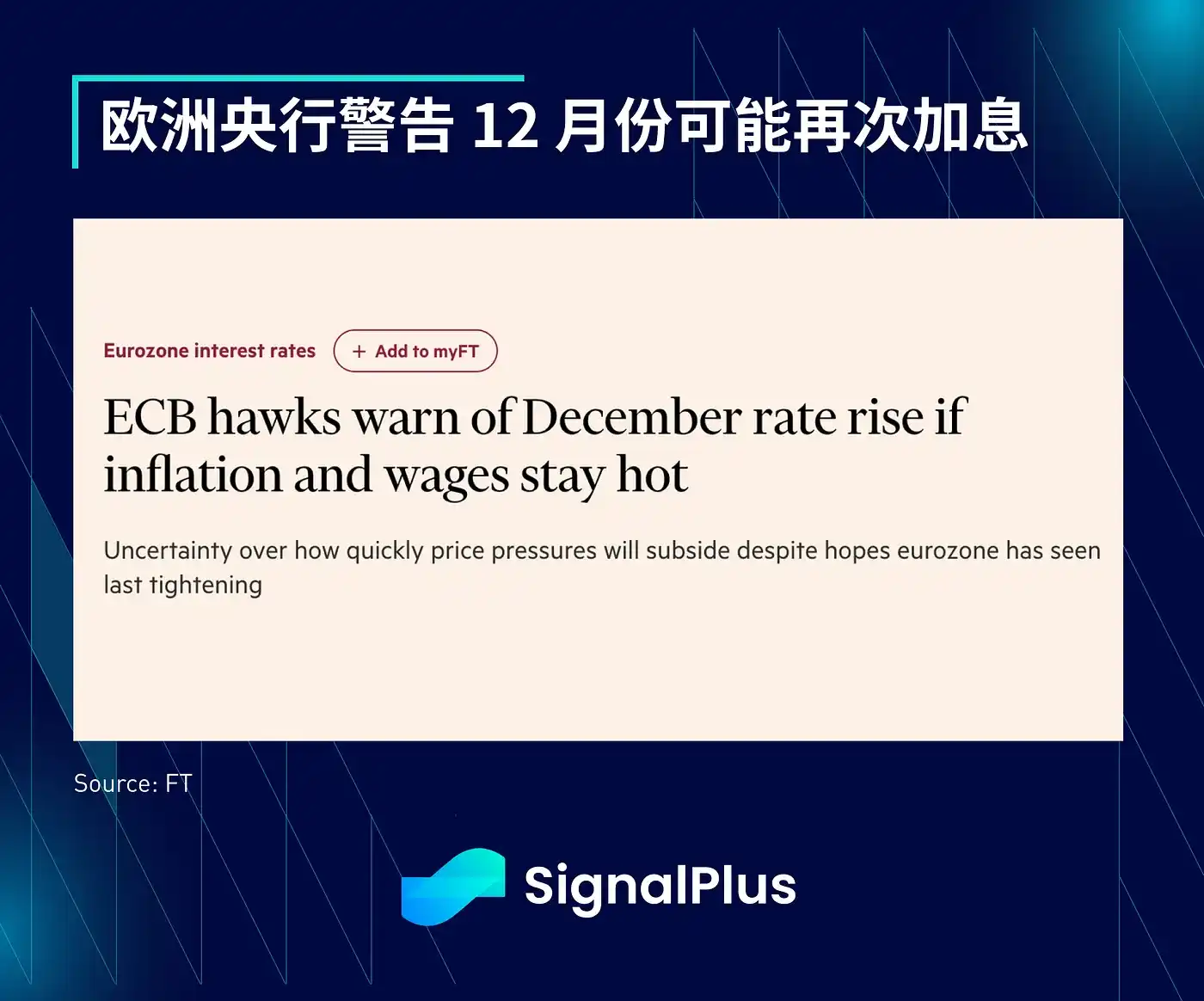
Last Friday, China's economic data showed slight improvement (industrial added value increased by 4.5% YoY, higher than the expected 3.9%). Meanwhile, the European Central Bank warned that it may raise interest rates again in December, attempting to guide market expectations. In addition, the New York Fed's manufacturing index rebounded nicely (1.9 points), mainly due to a 25-point increase in new order projects. The trend of slowing import price inflation has slowed down, with a YoY decline of 3%, which is smaller than the previous 4.4%.
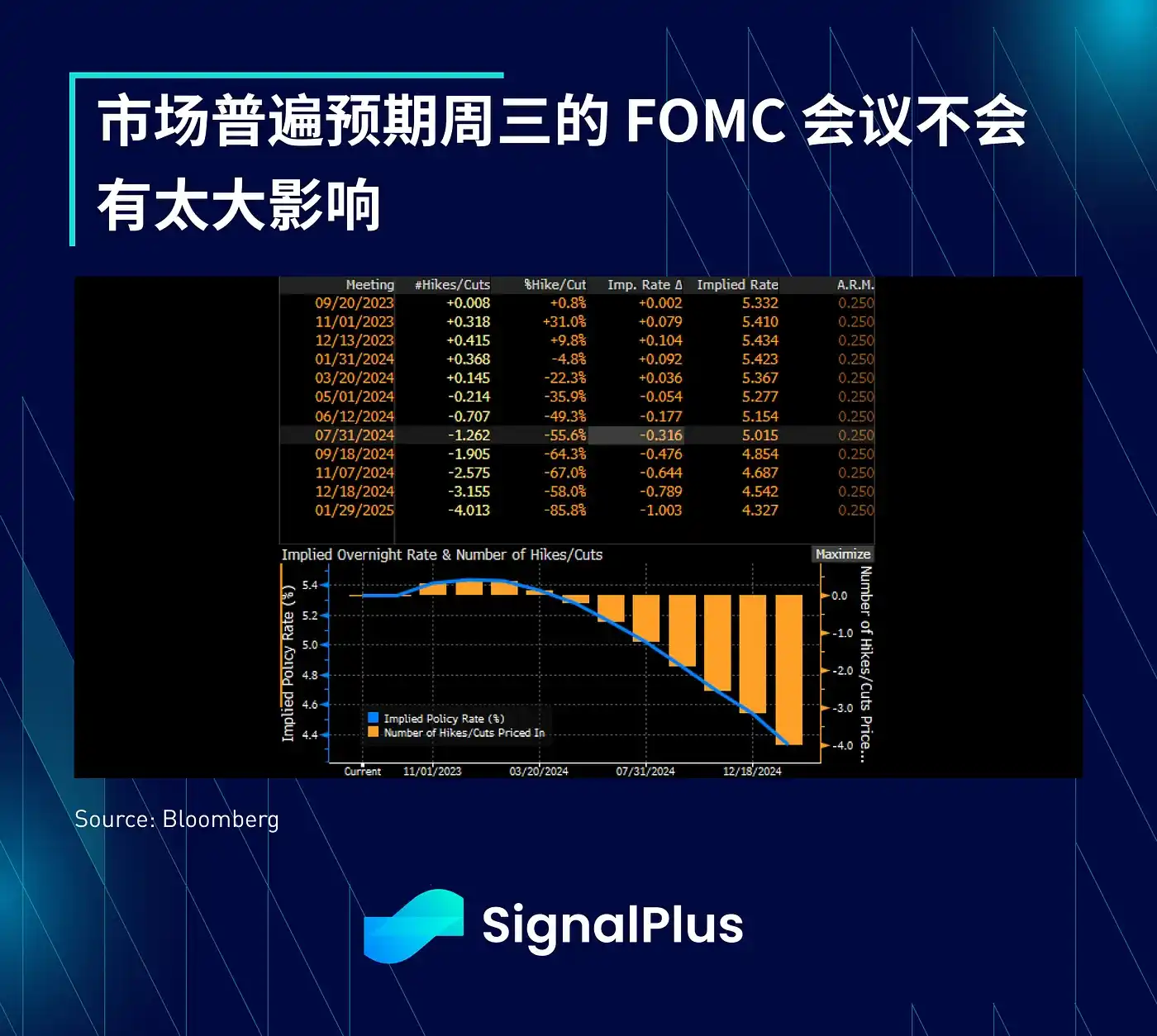
The US Treasury market did not see any relief throughout the week, with the 2-year yield closing above 5.03% on Friday and the 10-year yield returning to a recent high of 4.33%. Market pricing suggests a 99% chance of a pause in rate hikes at this week's meeting, while the probability of a rate hike in November has fallen to a recent low of only 30%.
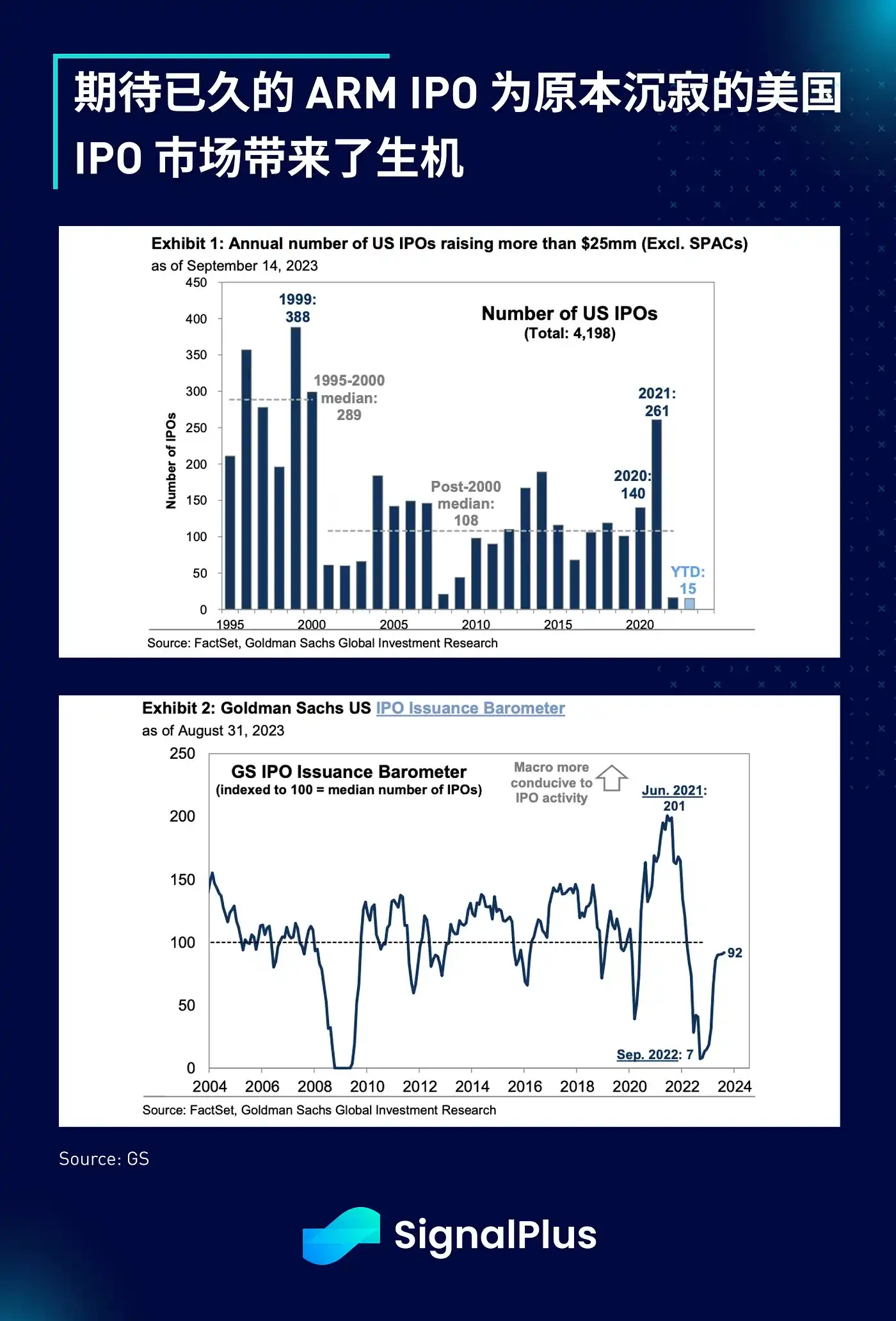
The stock market was quite active in the last 48 hours of last week. First, there was the long-awaited ARM IPO on Thursday, which broke the long-standing stagnation in the US IPO market. The company's stock price rose 25% at the opening, making its market value reach about $60 billion (PE ratio about 110 times), becoming the most successful IPO since 2021, and prompting SPX to close at its highest level in nearly a month on Thursday. The market's positive response to this should help revive the dormant IPO market, and some companies will strive to go public by the end of the year (Instacart, VNG Ltd., Birkenstock, Klaviyo, etc.).
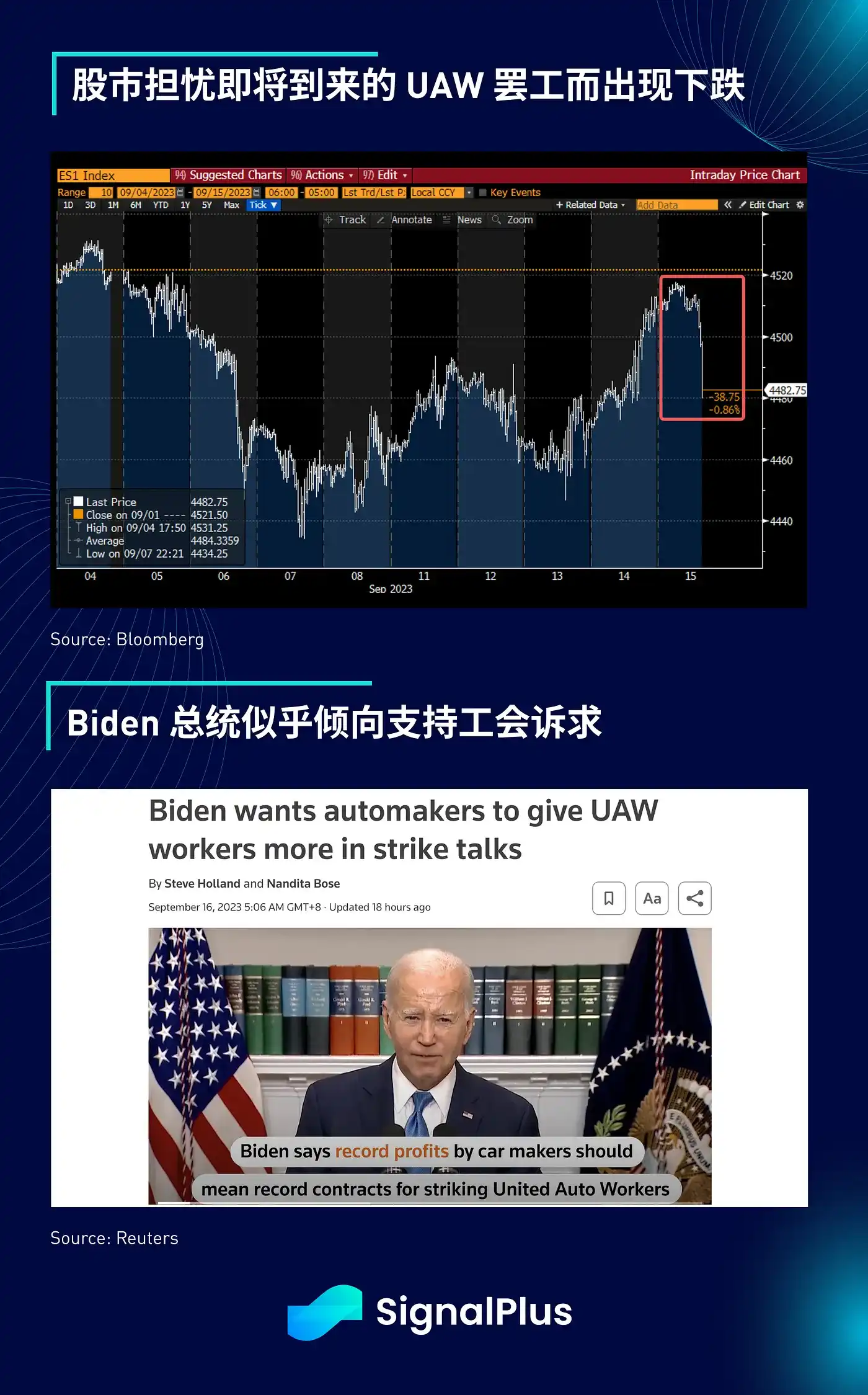
However, on Friday, the stock market reversed and fell almost straight down 1.2% since the opening of New York. The market expressed concerns about the United Auto Workers (UAW) massive strike action, which is the first time in the union's 88-year history to simultaneously strike against the three major automakers. The shortage of vehicles may exacerbate inflationary pressures in the medium term. UAW's demands are more radical, requiring a 40% salary increase within 4 years, reducing working hours to 4 days a week, a total of 32 hours, and also requiring adjustments to related benefits such as living costs and pensions, all of which will lead to an increase in labor costs for automakers and a decrease in profitability. In addition, President Biden's apparent inclination to support union workers also worries the market, but considering that UAW is the only major union that has not given support to the upcoming 2024 presidential election, this move is not surprising.
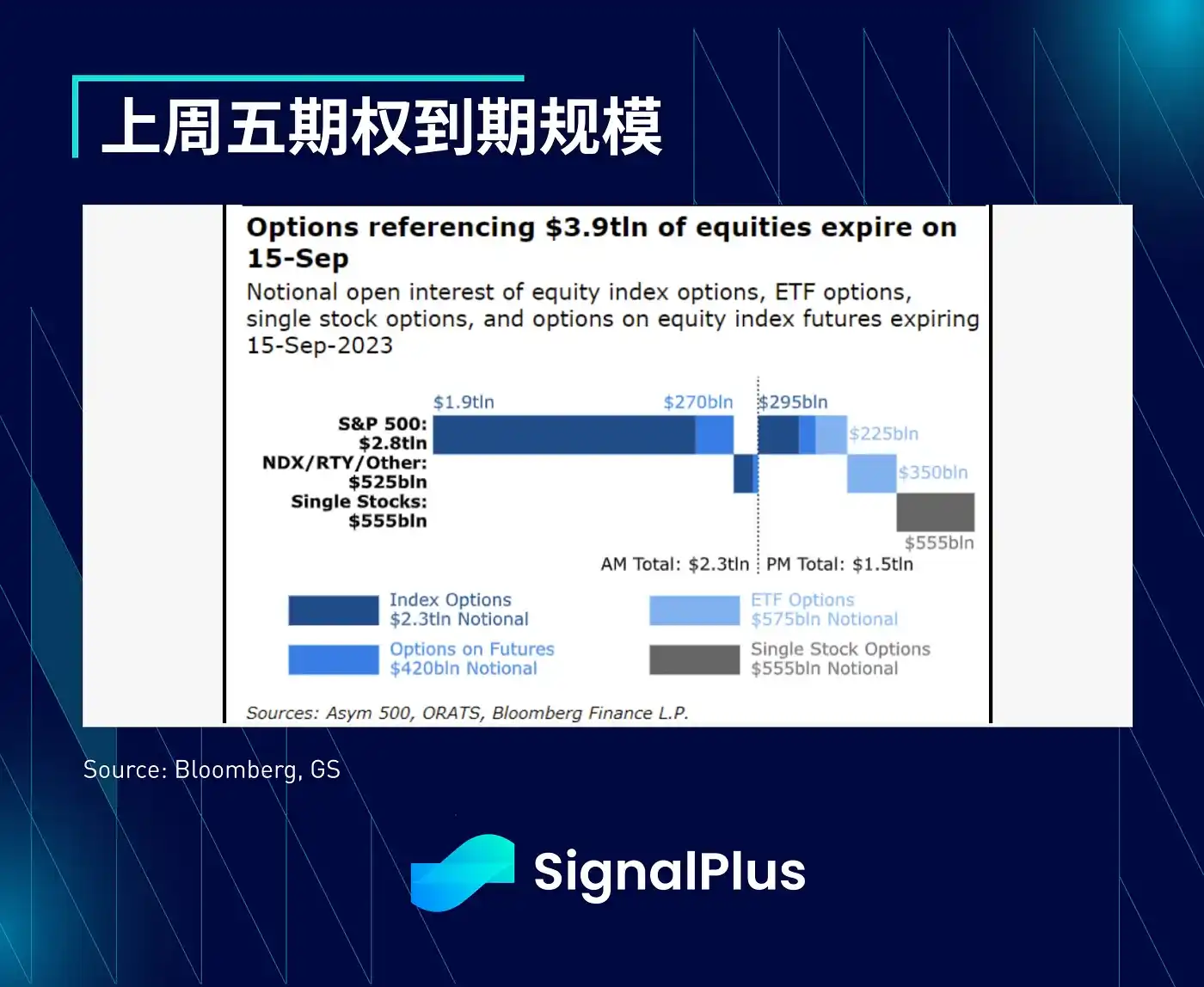
We expect that the second half of September will be more volatile than the first half. In addition to concerns about the UAW strike and the seasonal negative impact on stocks, there were approximately $4 trillion in options expiring last Friday. Due to the market's long gamma in recent weeks, the SPX has remained within a certain range of volatility. We are more inclined to take a negative stance on risk exposure before the end of the month.
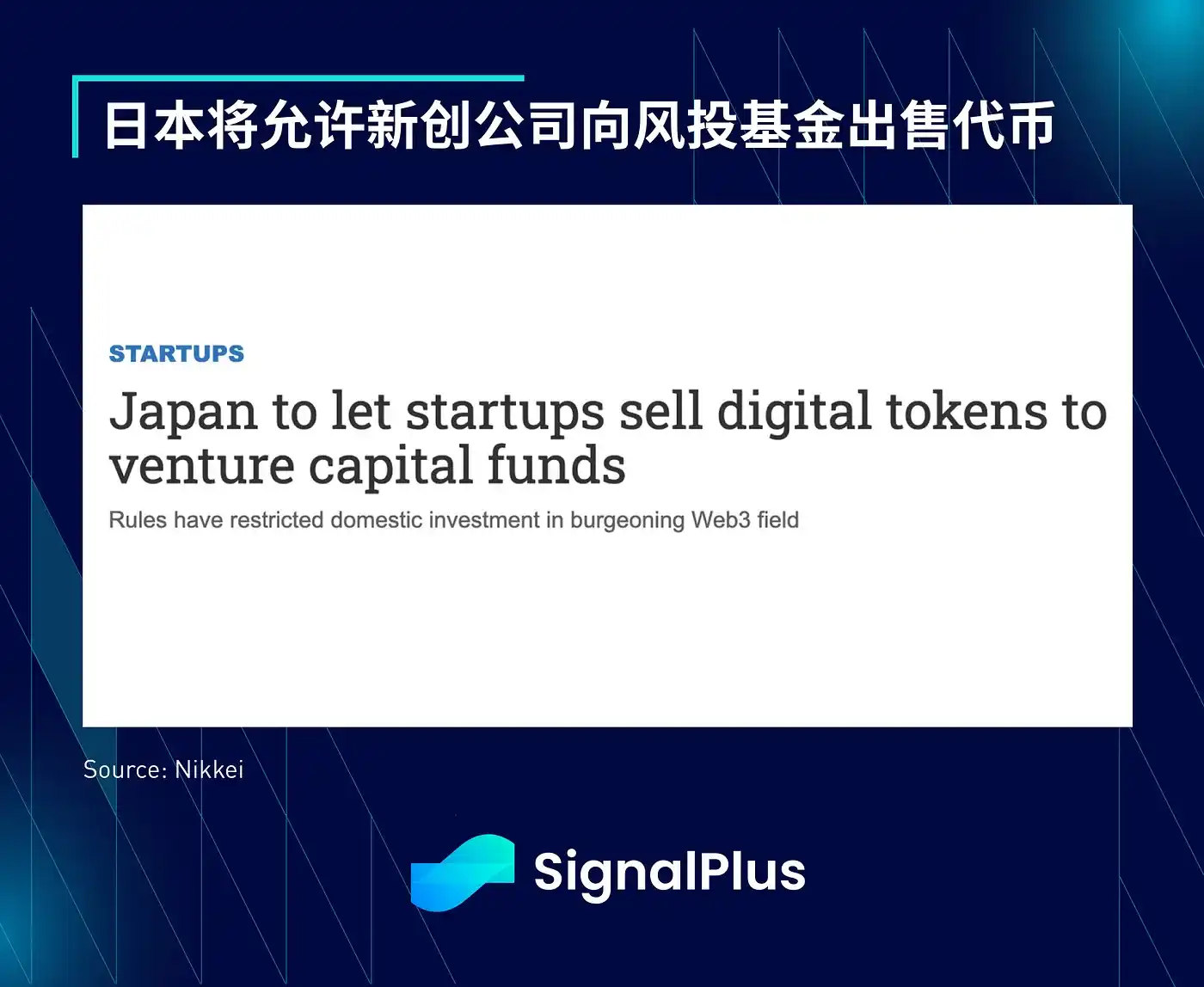
In the field of cryptocurrency, there is some positive news coming from Japan. According to reports, the Japanese government will allow startups to sell tokens (instead of equity) to a special type of investment fund called "LPS". Meanwhile, German banking giant Deutsche Bank has partnered with Swiss cryptocurrency company Taurus to provide custody services for institutional clients, although cryptocurrency trading is still not in the bank's "near-term plans".
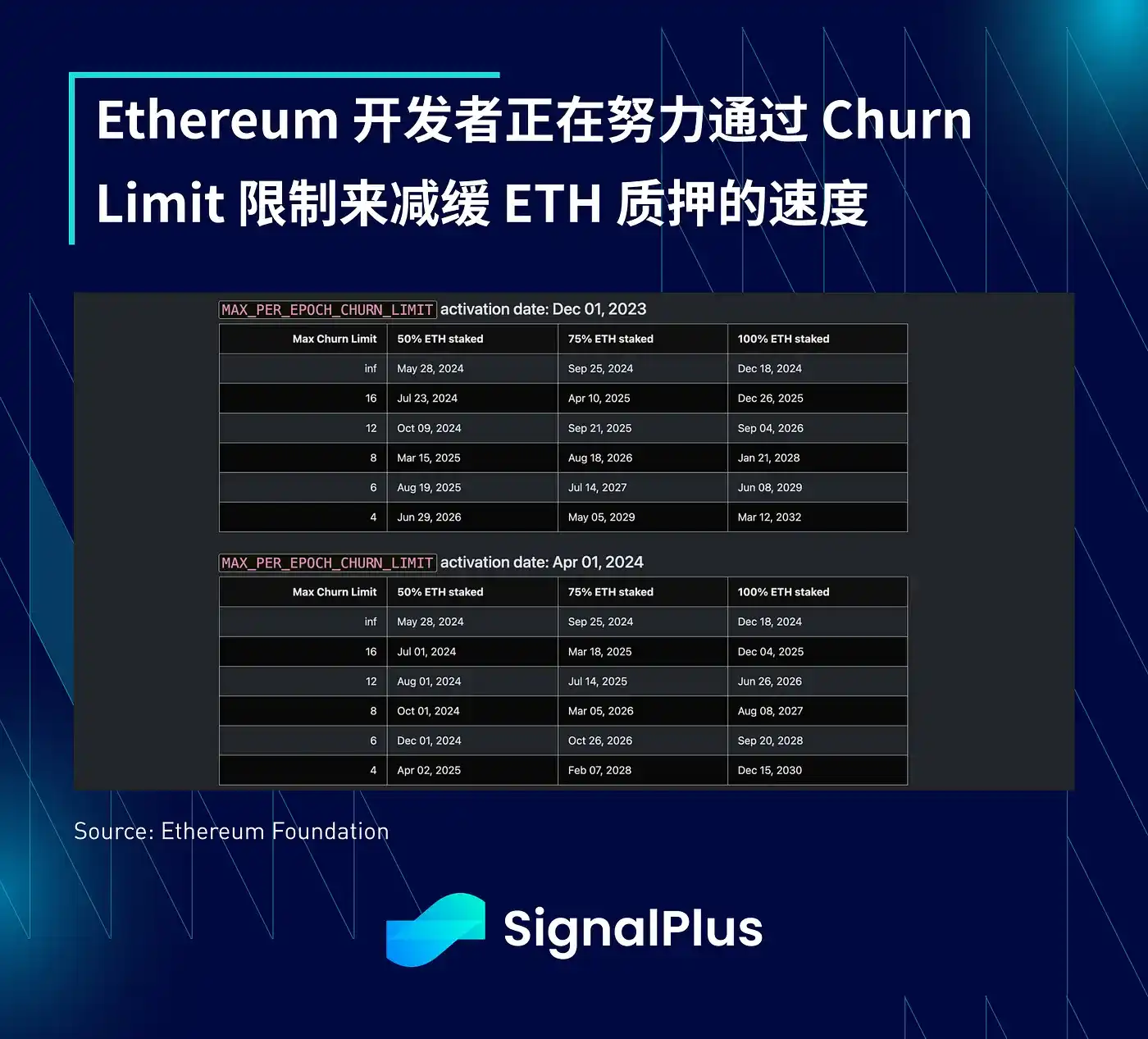
On the other hand, currently about 20% (41 billion US dollars) of Ether's circulation has been staked and locked for long-term returns. According to some Ethereum developers' estimates, at the current rate, nearly 50% of Ether's circulation will be locked by May next year, and this proportion may reach 100% by December next year. To address this situation, they have introduced a new EIP-7514 proposal as part of the next major upgrade, which slows down the speed of staking by setting a new validator count ("churn change"). This can delay the time to reach 100% staking until 2030 as a temporary solution, buying time for the community to find a longer-term solution.
Similar to the "chasing returns" narrative seen in TradFi over the past 15 years, cryptocurrencies also seem to be experiencing a similar phenomenon in the short term. While we wait for this prolonged bear market to end, investment narratives will primarily revolve around generating returns.
This proposal aims to mitigate the negative effects of a high proportion of ETH being staked before implementing appropriate solutions. In other words, this proposal understands the complexity of changing the reward mechanism and aims only to slow down the growth of staking.
If the current pace continues, the staking ratio of ETH supply will reach 50% by May 2024, 75% by September 2024, and 100% by December 2024.
Source: EIP-7514
Original article link
Welcome to join the official BlockBeats community:
Telegram Subscription Group: https://t.me/theblockbeats
Telegram Discussion Group: https://t.me/BlockBeats_App
Official Twitter Account: https://twitter.com/BlockBeatsAsia