Former CFTC Chairman Gary Gensler, who served for 5 years, has always been a protector of American capital?
Original Title: "Gensler's Done It All Before"
Source: BitMEX
Author: Jonathan Bier
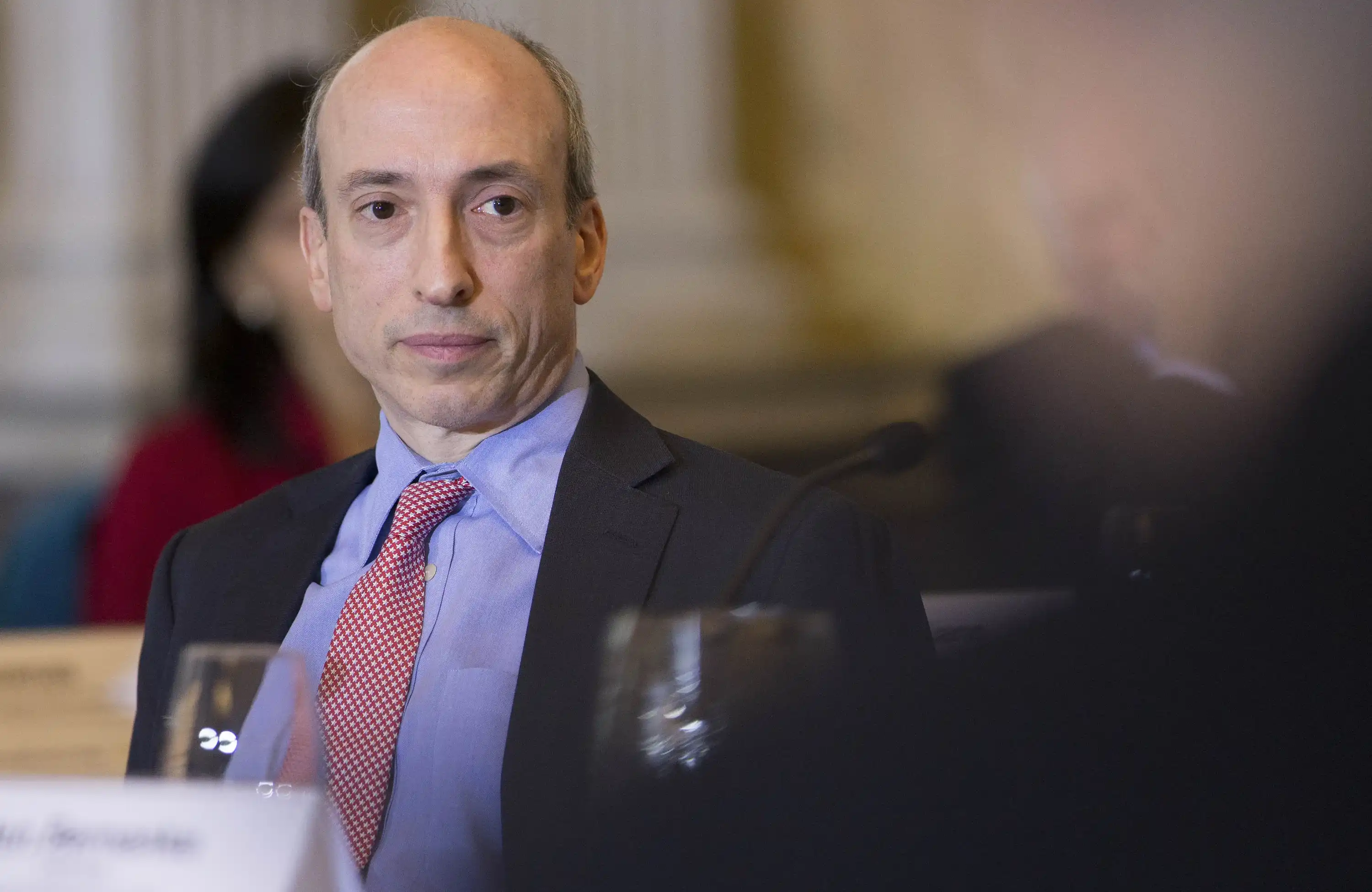
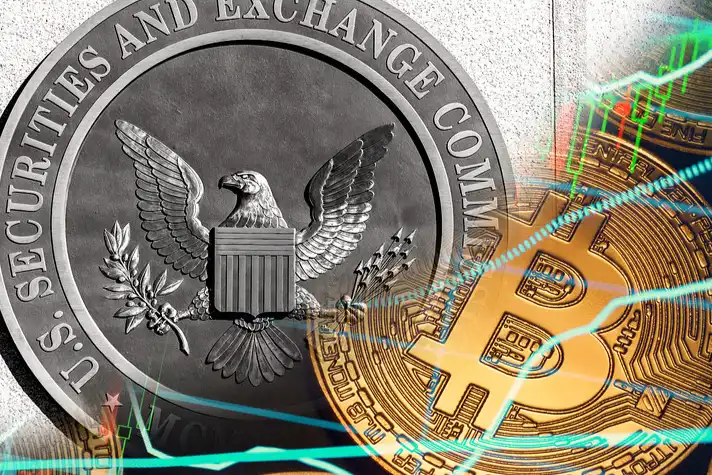
The Chairman of the U.S. Securities and Exchange Commission (SEC), Gary Gensler, is a prominent figure in the cryptocurrency industry. He is at the center of almost everything, including regulatory actions against Coinbase and Binance, the adoption of Bitcoin ETFs, rules that may prevent institutions from acting as cryptocurrency custodians, and a series of legal cases.
SEC's activities have been a key driving factor for cryptocurrency prices in recent years, whether it is investigations or charges that lead to price drops, or when SEC is perceived to have failed in court, leading to price increases. Some people in the cryptocurrency community are keen to oppose and ridicule Gensler, pointing out potential logical fallacies, inconsistencies, and contradictions in Gensler's position. Cryptocurrency Twitter is full of Gensler memes, and even the Gensler Coin has been launched here. For some, Gensler is quickly becoming the most prominent villain in the cryptocurrency space, attracting scrutiny from all sides.
However, what young cryptographers may not know today is that Gary Gensler used to know everything they know, at least to some extent. Gensler has also been portrayed as another passionate and dedicated "rebel" in the online community. The best candidate for the Bitcoin movement's originator is the conspiracy macro trader/gold bug/gold and precious metals trading community between 2009 and 2012. Interestingly, this group is not Gensler's friend either.
Gensler is currently the chairman of the US Securities and Exchange Commission (SEC), but in an earlier period, he also held the same position in the commodity futures trading commission (CFTC) in the commodity industry. At that time, some people in the gold and precious metals trading community, partly driven by the internet, also did not like Gensler. Like today, Gensler has also been accused by active and passionate communities of improper regulatory behavior and failure to protect the interests of small participants, thereby benefiting large financial institutions.
History never repeats itself, but it always rhymes.
In this article, we attempt to compare the situation from 2009 to 2012 with the current situation in the cryptocurrency field. Of course, although there are many key differences, there are also some strange similarities. The most notable, of course, is Gary Gensler, who played a very similar and prominent role in both occasions.
Core Narrative
2009-2012 Narrative of Gold and Precious Metals Trading
The incompetent bankers lost a lot of money in the 2008 financial crisis. Politicians with conflicting interests then used taxpayers' money to bail out the bankers, which only exacerbated the imbalance, further solidifying crony capitalism and bad incentives, thus worsening the situation. Due to massive bailouts, the public debt burden became too high. The US government was unable to repay its debts, and the ultimate result was rampant inflation. That's why people should invest in gold, as it is an asset that "officials cannot overstate its value".
2013 to present: The core narrative of Bitcoin and cryptocurrency trading
Compared to precious metals, the positive narratives surrounding cryptocurrencies are more diverse.
· The total supply of currencies such as Bitcoin is known and cannot be modified, making it superior to the US dollar. The US dollar is subject to inflation due to inappropriate debt burden.
· Due to the increasingly sensitive system towards expanding the censorship regime, anti-censorship currency is a promising growth area.· New distributed digital technology achieves decentralization.· Massive user participation in non-blocking computing
· End users own their own data and platforms. With more and more large technology companies utilizing user data, this is a constantly growing field.
Final Vision
Gold and Precious Metals
Compared to the size of the physical market, the open interest value of the gold contract on the Chicago Mercantile Exchange and the New York Mercantile Exchange is extremely high. Eventually, more and more traders will demand physical delivery of their long positions, and the trading platform will be unable to deliver. As the price of gold rises, the trading platform will go bankrupt. This will further erode people's confidence in the US dollar. In order to restore confidence in the US dollar, the government will be forced to restore gold convertibility (as before 1971), unless the price is higher. This will reduce economic manipulation and ultimately achieve a stronger economy (after a painful period). Gold holders will become extremely wealthy.
Bitcoin and Cryptocurrency
Many people's ultimate vision is the widespread adoption of these distributed financial systems. This will make the existing dominant centralized financial system less important. Therefore, this will increase financial and economic freedom, resulting in a stronger and more flexible economy, and the value of cryptocurrencies will also increase accordingly, benefiting their holders.
Price Manipulation
Gold and Precious Metals
In order to defend the integrity of the US dollar, US authorities and their major bank partners are manipulating the price of gold to fall.
Some people accuse traders at JPMorgan, HSBC, and other large banks of having access to exchange data, allowing them to see other traders' clearing prices. Other allegations include intentionally causing crashes and profiting from them during periods of low liquidity. Another issue that has been raised is the lack of position limits, which allows some large entities to dominate and manipulate certain markets. The banks have also been accused of underestimating the leverage amounts of unallocated gold and silver and physical reserves.
Some people accuse these banks of collaborating with the Commodity Futures Trading Commission, claiming that the CFTC allows traders to manipulate these markets to defend the US dollar. Due to the so-called revolving door between regulatory agencies and large banks, this means that regulatory agencies allow manipulative behavior to continue, allegedly making it nearly impossible for small traders to profit in precious metal trading.
Bitcoin and Cryptocurrency
It is said that some American interest groups do not want cryptocurrency to succeed. They want to protect the business models of large financial institutions such as JPMorgan Chase, Goldman Sachs, CME Group, and BlackRock. These institutions are accused of having deep-rooted relationships with US regulatory agencies. The theory continues to suggest that US regulatory agencies will then unfairly crack down on local cryptocurrency companies and provide false explanations for their legislation. We have seen similar allegations citing SEC actions against Coinbase, Binance, Silvergate, and Digital Money Group. Meanwhile, US regulators are said to be "weaponizing" banks by encouraging them to block transactions they do not like in order to achieve their regulatory goals, such as transactions with native cryptocurrency companies. This could allow mature financial institutions to profit from the booming cryptocurrency field without competition, while hindering the adoption of true cryptocurrency.
Community
Bitcoin and cryptocurrency.

Gensler's role in the precious metals market
In September 2020, years after Gensler had left the CFTC and completed his blockchain lecture at MIT, regulatory authorities finally took action against JPMorgan for its fraudulent and manipulative behavior in the precious metals market. This resulted in a fine of $920 million. However, by this time, much of the precious metals trading community had dispersed. Given the lackluster performance of precious metals between 2012 and 2020, many had turned to the cryptocurrency field, while others lost interest. For some, the CFTC's actions in 2020 were a complete vindication of their positions and theories. Additionally, in July 2013, JPMorgan was fined $410 million for its involvement in the energy market, which is often seen as further evidence of manipulation in JPMorgan's commodities division.
In the defense of financial institutions, some may argue that these regulatory actions can be seen as normal business costs. Since 2000, JPMorgan Chase has had more than 265 violations, with total fines reaching $39 billion. Therefore, JPMorgan Chase may have earned profits through improper conduct in various markets, and precious metals are just one of them. In fact, the $920 million fine is only their 8th largest since 2000. Therefore, precious metals manipulation may not be as unique, significant, or unprecedented as some gold enthusiasts claim. Although admittedly a somewhat weak and cynical defense, the actions of the Commodity Futures Trading Commission (CFTC) also do not prove systematic manipulation of gold and silver prices by JPMorgan Chase, as some conspiracy theories suggest. They may have manipulated the prices of gold and silver only to gain more profits, without the consent of regulatory agencies or as part of a government secret policy. Additionally, during this period, JPMorgan Chase and Bythe Masters claimed that they never engaged in proprietary trading in the precious metals market, but only provided convenience for customer orders and market making.
Gensler accused of playing both sides in cryptocurrency
There aren't too many details here, as many readers are already familiar with the accusations against Gensler within the cryptocurrency community. Specifically, Gensler was initially positive about cryptocurrency when he participated in the "Blockchain and Money" course at MIT in 2018, but later took a more negative stance. As early as 2018, some believed that Gensler may have used misleading language commonly found in ICOs when promoting the Algorand token.

Gensler met with FTX CEO SBF and other FTX executives in October 2021, and some people accused him of having close ties with the company's personnel. In addition, people have questioned the contradiction between Gensler's previous statement that "not many cryptocurrencies are securities" and the SEC's current allegations.
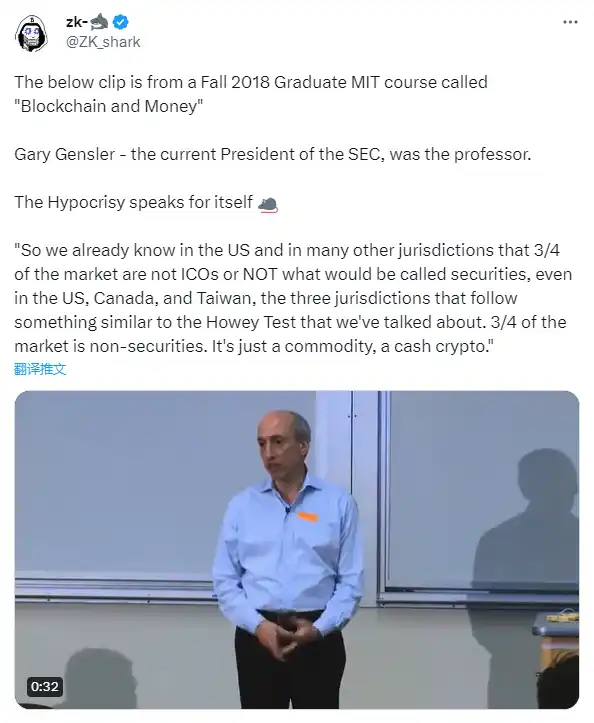
Given the recent regulatory crackdown by the US SEC, some people have accused Gensler of being "hypocritical" and behaving improperly, while having "mysterious" ties to fraudulent organizations, all while cracking down harshly on more honest companies. At the same time, some of his critics have once again claimed that his goal is to become the Treasury Secretary.
No matter how you view Gensler, it is important to remember his unique experiences over the past 15 years or so. Gensler's past experiences may make him more capable of "moving against the wind" than some people imagine.
Original article link
Welcome to join the official BlockBeats community:
Telegram Subscription Group: https://t.me/theblockbeats
Telegram Discussion Group: https://t.me/BlockBeats_App
Official Twitter Account: https://twitter.com/BlockBeatsAsia

 Related Articles