How did 'Vtuber' and NFT come together?
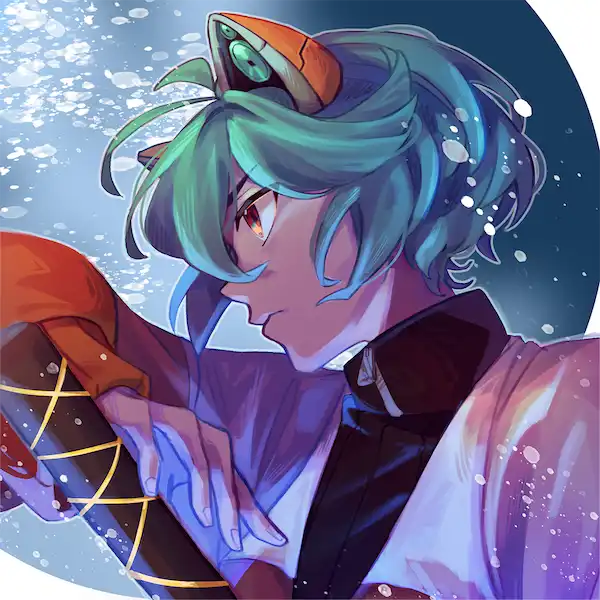
Although they may appear similar, virtual YouTubers (Vtubers), who are jokingly referred to as "skin-wearing people" by Chinese users, are different from well-known virtual idols like Hatsune Miku and Luo Tianyi.
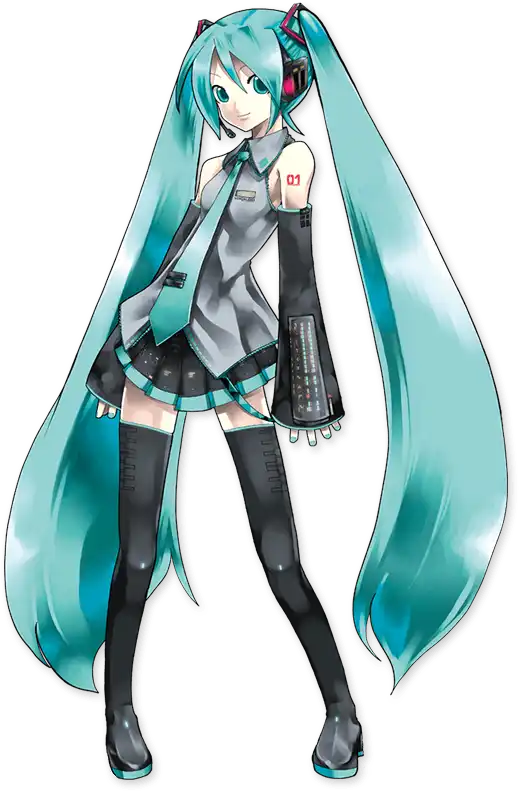
初音未来
Translation:
Hatsune Miku
Vtuber is mainly composed of two parts: virtual characters (also known as "skins") and the operator behind them (also known as "middleman" or "soul"). According to Wikipedia, virtual streamers use computer-generated 3D animation characters or 2D cartoon images instead of real people to interact with audiences through live streaming platforms, video sharing websites, and other channels. These virtual characters usually have unique appearances, personalities, and voices, controlled and voiced by the operator or performer behind them.
VTuber originated in Japan and has rapidly risen in popularity over the past few years, receiving widespread attention globally. The virtual YouTuber industry has seen significant development in Japan, with the operating company of the Japanese virtual YouTuber (VTuber) group "hololive production", Cover, being listed on the Tokyo Stock Exchange in March of this year. In China, the well-known bullet screen video website Bilibili has set up a dedicated virtual anchor section, which has been recommended on the B station live homepage. There have been reports that Shoto, a virtual anchor from the United States, received gifts worth over one million yuan before the start of his first live broadcast on Bilibili.
However, the virtual anchor industry is not always smooth sailing, and unexpected situations can sometimes occur. Jiale, a member of A-SOUL, a top domestic virtual idol team backed by Lehuayouyu and ByteDance, left due to conflicts between intermediaries and the team, which sparked widespread debate in the V circle at the time.
Overall, although there are virtual anchors with million-level incomes, they are a minority. It is also very expensive to have your own virtual character. According to the results of a search on relevant websites in China, a well-crafted "skin" costs more than 3,000 yuan. More importantly, there is a serious problem of homogenization in the current virtual character image.
NFT Becomes Vtuber
With the help of Hologram, NFT holders no longer need to perform additional 3D modeling or "skin-making" operations to quickly turn NFTs into virtual characters.
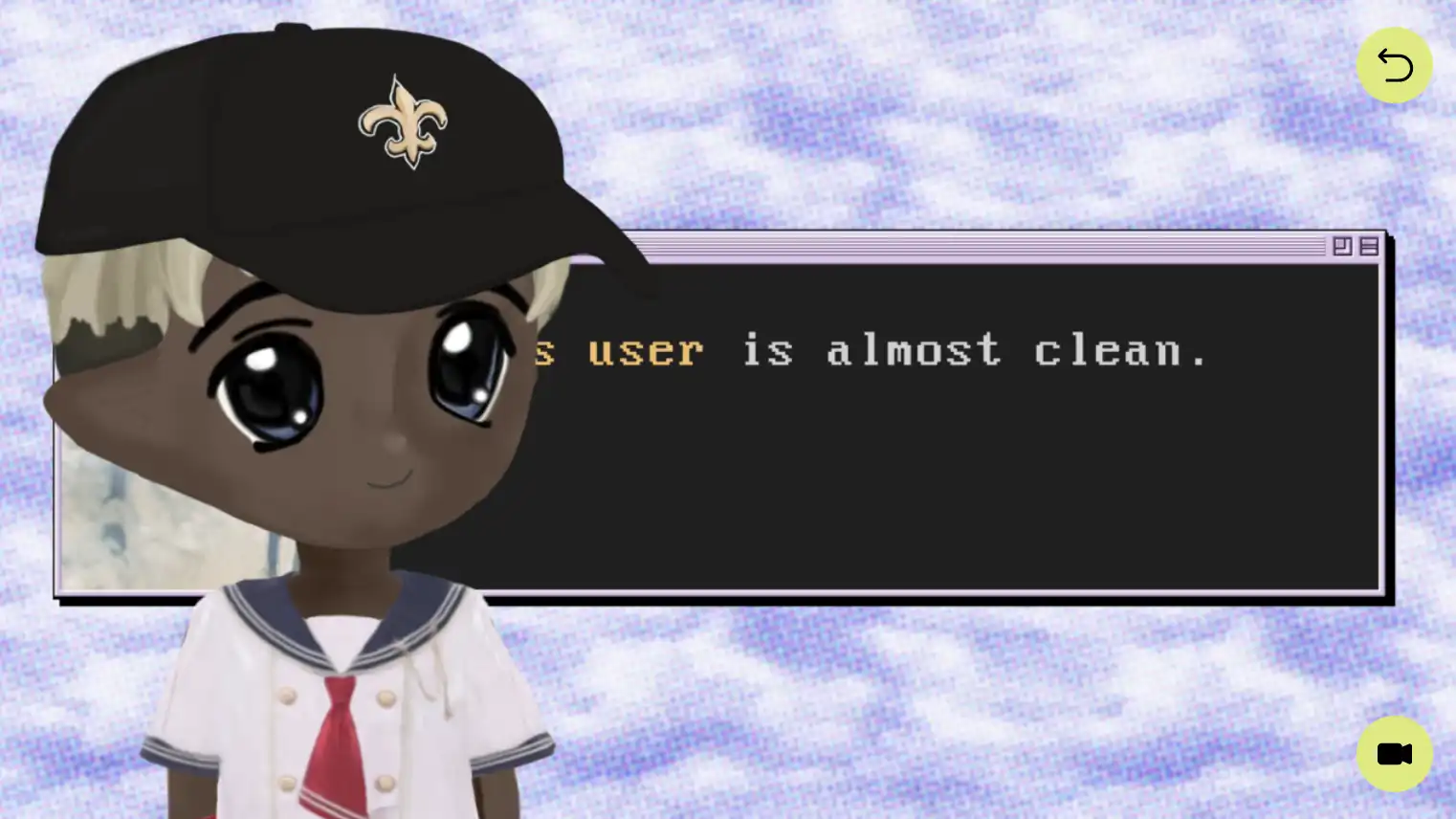
Using Milady on Hologram
According to the official website, Hologram is a platform that provides holographic projection solutions. It can transform users' NFTs into their own virtual characters, which can not only be used on various mainstream media platforms, but also be edited to create videos. In the future, it will also provide more NFT decoration functions.
The author has tested the use of Google Meeting, Discord, Zoom, and Tencent Meeting, as well as watched related user live streams on Twitch and Steam. The usage scenarios introduced by the platforms can be used normally. Moreover, according to the introduction, through Hologram, users can also use their own NFT in VR Chat, Sandbox, Nifty Island, and Decentraland.
Compared to the more mainstream Vtubers, the current Hologram approach, which is closer to a "no-entry" style, has expanded the potential user market. However, it is also limited by the different forms and characteristics of different NFTs, and its tracking ability and performance may be inferior to Vtubers in a broad sense. However, in my personal experience, its performance is sufficient for video conferencing and producing short videos.

Harvard Business School professor and a16z crypto research partner Scott Duke Kominers introduces Hologram and Nifty Island into his classroom
Basic Version: Using Hologram
Overall, the usage of Hologram is not complicated. The platform provides different tools for different scenarios. When users use web-based products such as Google Meeting, Tencent Meeting, and Zoom, they only need to use the Hologram plugin and connect their wallet in the plugin. The plugin will automatically read the currently supported NFT series. Select the corresponding NFT, and then click "use" to complete the process.
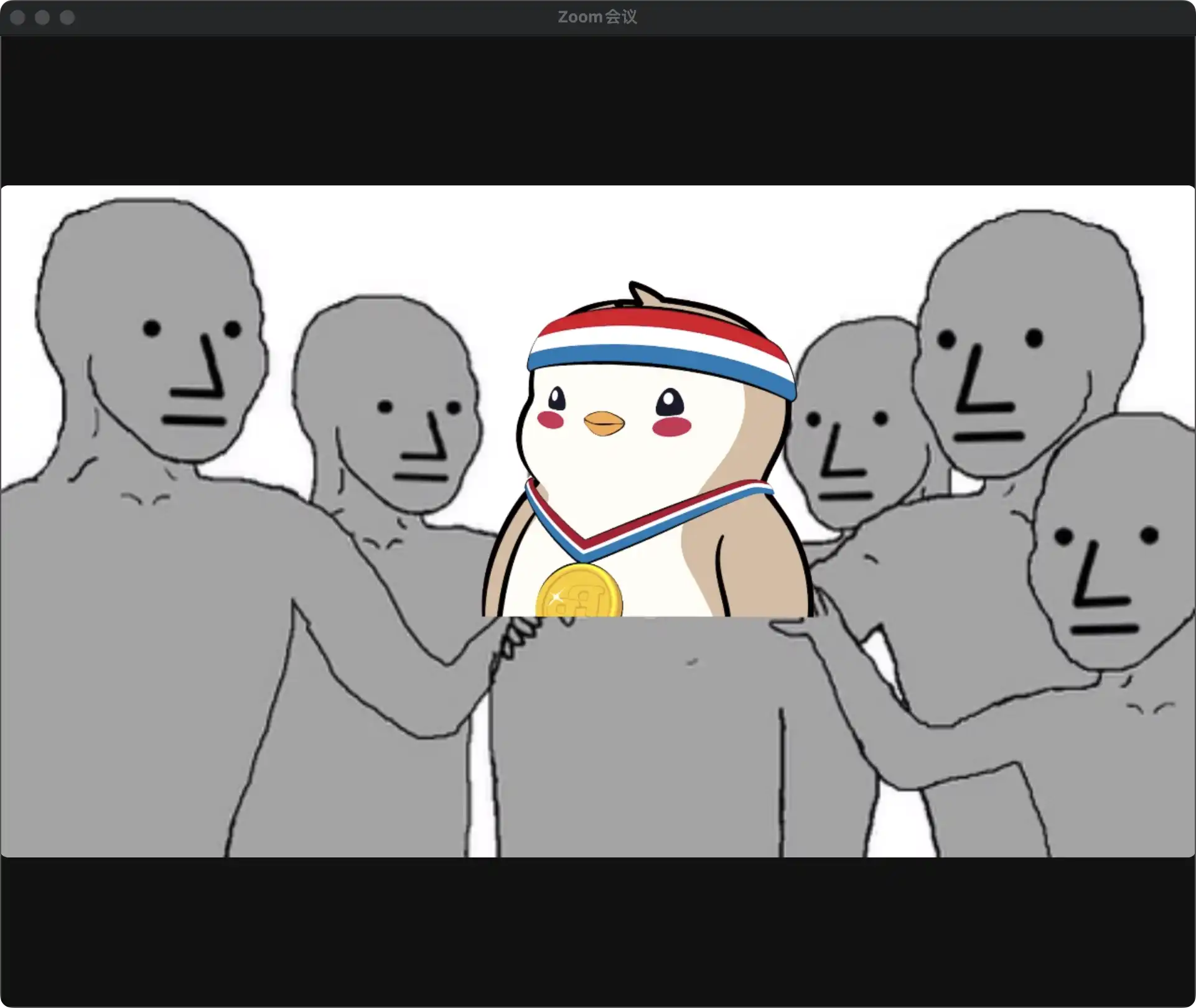
Through the experiential nature of "PudgyPenguins" provided by Studio, screen sharing on Zoom
Unfortunately, it is currently not possible to use this feature with popular NFTs such as BAYC, Azuki, and Punk in China (BAYC is currently being tested and is expected to be launched soon). Currently, NFT projects that are collaborating with Hologram include Pudgy Penguins, Cool Cats, DeadFellaz, StarCatchers, Anata NFT, Milady Makers, Ziggurats, Froyoverse, Crypto Coven, Idols NFT, Chain Runners, and Mithical. Users who hold these NFTs can directly link their wallets and sign to use them. It is worth noting that Hologram's wallet verification does not involve on-chain transfers, and NFTs owned by others can be used by simulating signatures.
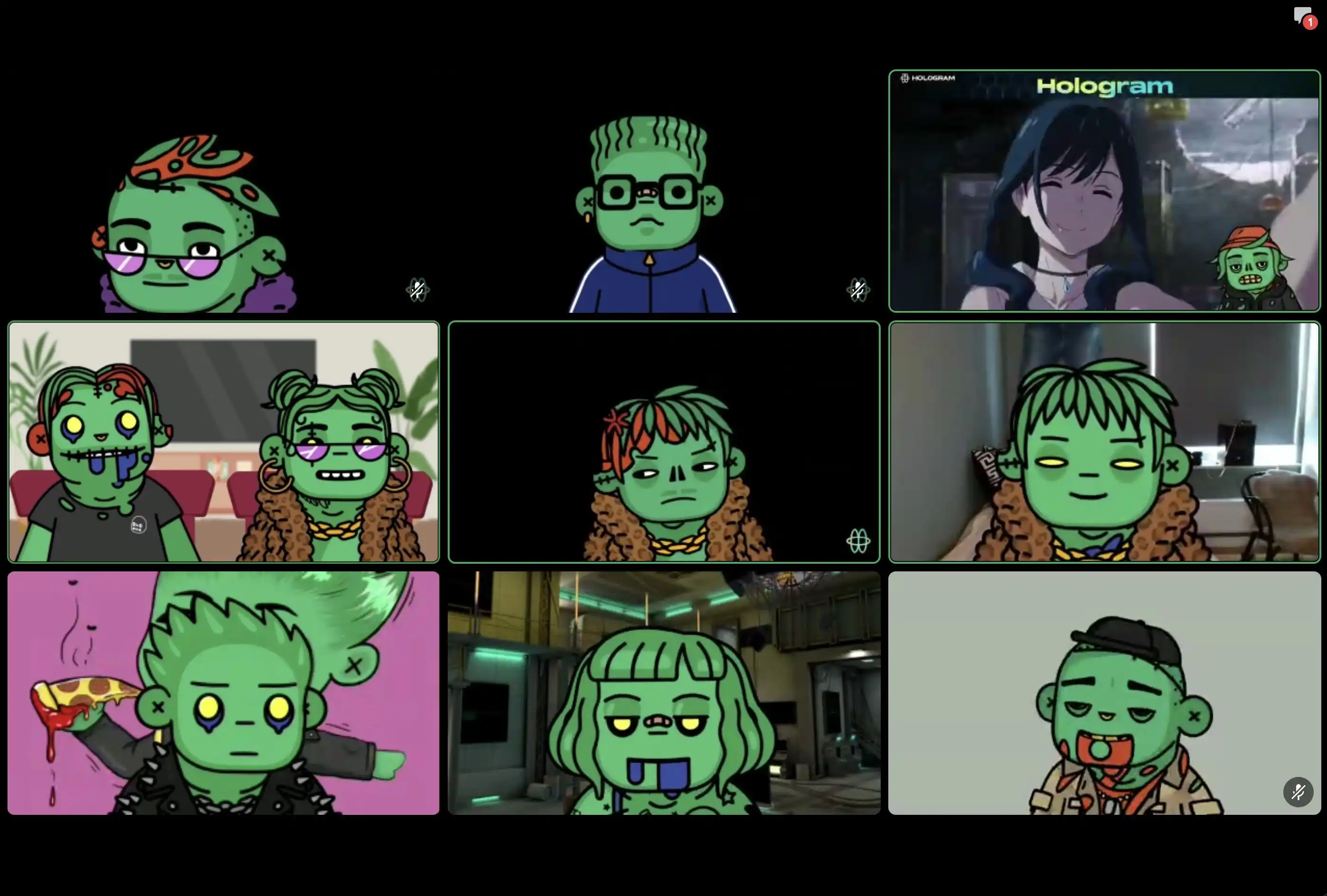
NFT community Deadfellaz holds weekly online AMA through Hologram
Given that Hologram is currently not an open access platform for all NFTs, regular users who want to experience it can choose to download Hologram Studio and select their preferred NFT from the Featured section for testing. This is also the tool used for streaming live media. As for the experience, it is recommended to conduct a personal pre-test during the usage process, and pay attention to selecting the desired NFT and choosing the "Hologram Camera" as the camera option.
Advanced Version: 3D Modeling
Unlike most 2D images, some ambitious projects have "thoughtfully" prepared NFT 3D modeling VRM files before release. Users can not only import them into software such as Blender for secondary editing, but also use professional capture software such as Live2D Cubism, VTube Studio, Live3D, etc., to advance to become a complete Vtuber with more accurate facial capture and recognition of micro-expressions, editing and using their own NFT. Moreover, NFTs with VRM files can unlock more 3D metaverse and VR scenes.
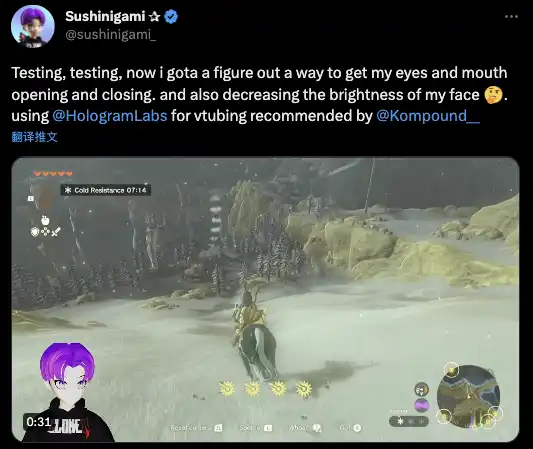
CloneX imports 3D models for users, live streaming The Legend of Zelda: Breath of the Wild
Currently, the known NFT projects that provide VRM file export besides CloneX are Meebits and Anata. Yuga also listed 3D modeling as a task goal in its roadmap. We look forward to seeing more blue-chip NFTs being used by broadcasters on various streaming platforms in the near future, and more and more NFTs such as Bayc, Azuki, PudgyPenguins, and Milady competing on the same platform in VR.
Observing the development of the traditional Vtuber industry, we find that the homogenization of images and the singularity of content have led to a decrease in user stickiness, which is a major challenge in the operation of virtual idols. By combining NFT with virtual images and leveraging the diversity of NFTs and communities, different degrees of differentiation can be made in virtual images and the "middleman" personality. This not only further expands the use cases of NFTs, but also enhances the cohesion of the community.
Reference materials:
What is VTubing? Virtual creators are taking over Twitch & YouTube
Hologram Guide
Making millions a day? The business of "skin suits" may not be as profitable as you think
How to export and adjust Clone VRM files
Welcome to join the official BlockBeats community:
Telegram Subscription Group: https://t.me/theblockbeats
Telegram Discussion Group: https://t.me/BlockBeats_App
Official Twitter Account: https://twitter.com/BlockBeatsAsia