The NFT market enters a dark moment, analyzing the reasons behind it and the future prospects.
Source: @bitfool1 on Twitter
Recently, the sluggishness of the NFT market has caused great anxiety among industry practitioners. Trading volume, active addresses, and transaction numbers have all significantly decreased, while the proportion of new users has also gradually declined.
Encryption KOL BitShark believes that most analysts simply pile up data without truly understanding the market. Here is his view on the NFT market.
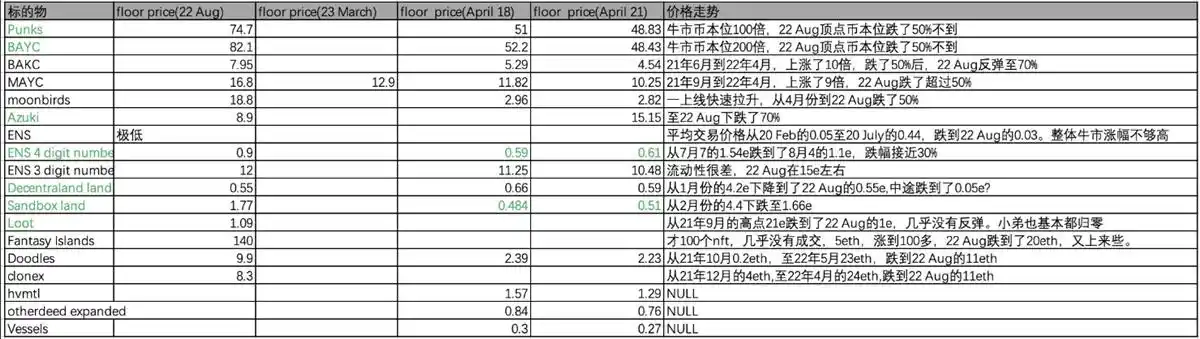
Since February, prices and trading volume have both fallen. Trading volume has dropped from 36,000 eth per day to 10,000 eth per day, and the blue chip index has fallen from over 9,000 to 7,500. During this time, many NFT leaders have been disappointed.
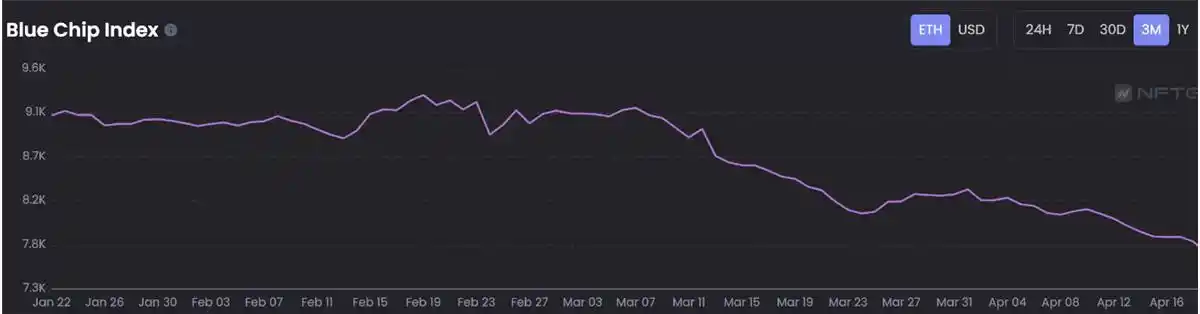

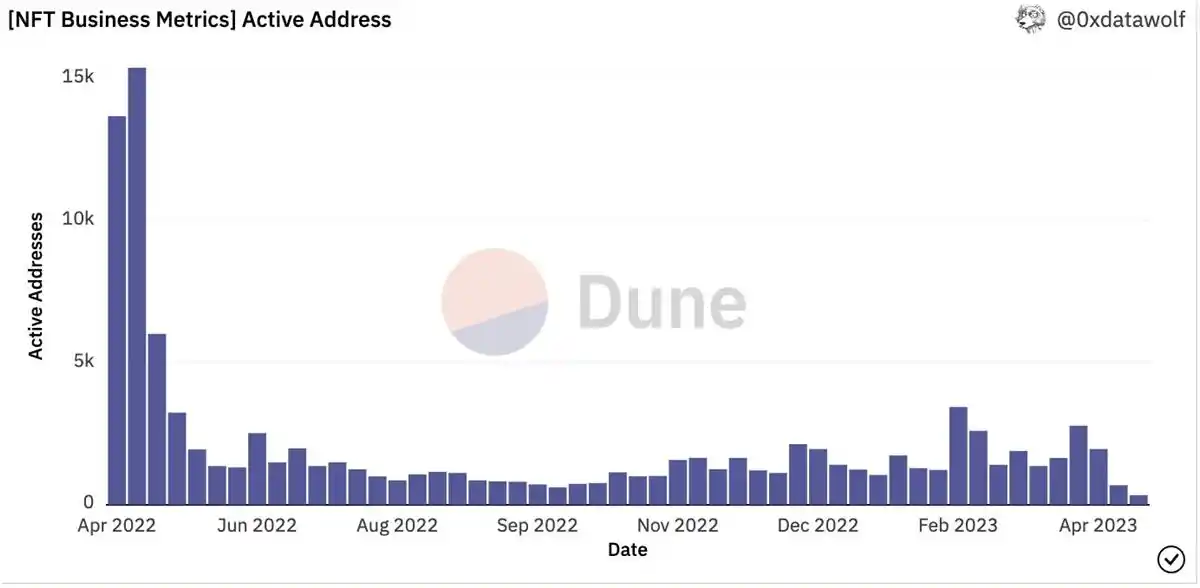
The number of transactions has decreased, and the number of active addresses has dropped significantly. The number of active addresses has dropped by 90% since February. The number of transactions has decreased by about 80% since last month.

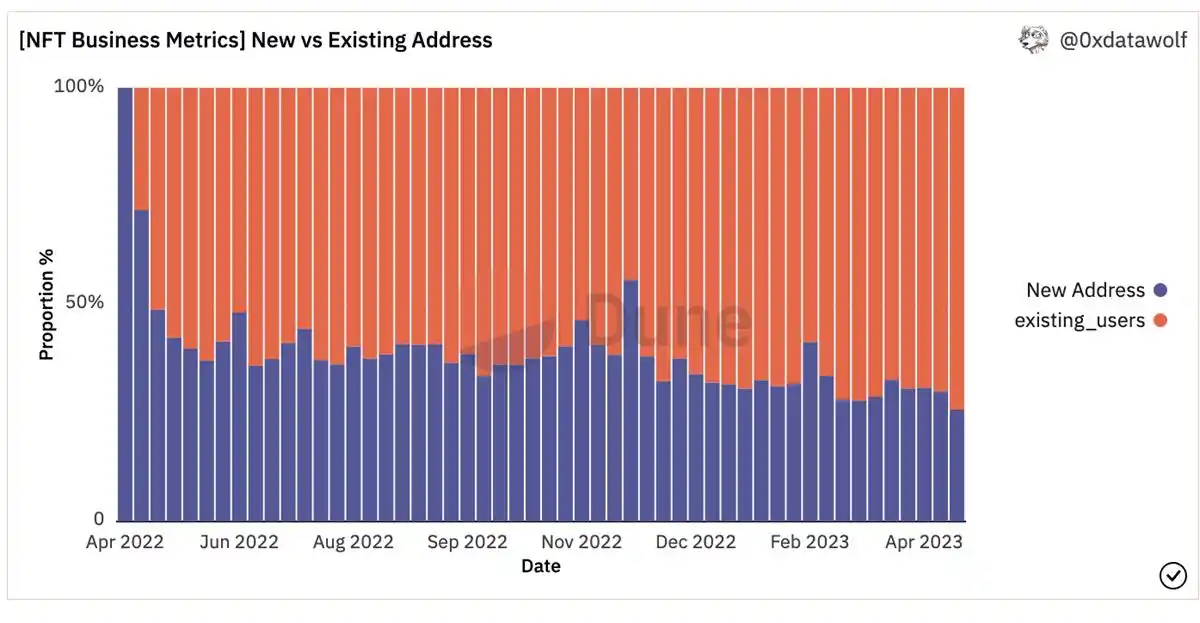
What's even more frightening is that there aren't many new users for NFTs. Since April of last year, the proportion of new users has gradually declined. With fewer new users, it means that there isn't much incremental capital. It's clear that the NFT market is indeed in a bear market and hasn't recovered yet.
Blur's Impact on the NFT Market
Some analysts say that Iron Shun's Blur has harmed NFTs.
One argument against NFTs is that they cannot withstand high-frequency trading. However, in the opinion of Bitstupid, the increase in NFT trading frequency is due to the reduction of transaction friction costs. The reduction of transaction friction costs for NFT trading has a slight benefit for asset prices to be smoother. In addition, the current NFT trading volume has significantly decreased, and NFT prices have not stabilized.
Secondly, it is said that Bur has popularized NFTs, breaking away from the niche circle and causing prices to fall. However, this logic does not hold up because NFTs have always been publicly transparent on the blockchain since their inception. During the era of Opensea, anyone could observe the transactions.
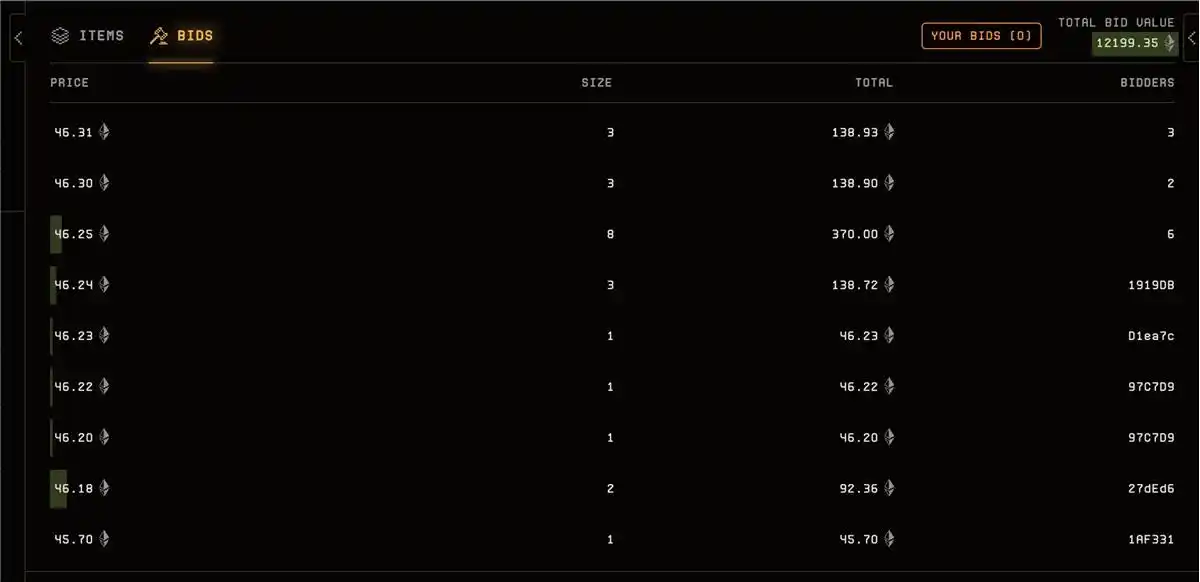
Thirdly, it is said that the huge liquidity brought by Blur has crushed NFTs. This logic cannot withstand scrutiny. Pushing this liquidity to the extreme leads to ordinary homogeneous tokens. A large number of homogeneous tokens are dancing in the market, so why can't NFTs with less liquidity? Moreover, injecting liquidity is beneficial to asset prices.
ETH rises, so NFT falls
There are analysts in the market who say that because ETH has risen, NFT cannot hold on.
Ask them why, they stutter and say that NFT investors look at U as the standard, not the coin standard.
An idiotic question will naturally have an idiotic answer.
Let's look at the data. The prices of ETH and NFT are not necessarily negatively correlated. Analysts who attribute the decline in NFT prices to the rise in ETH are not even considered bookworms.
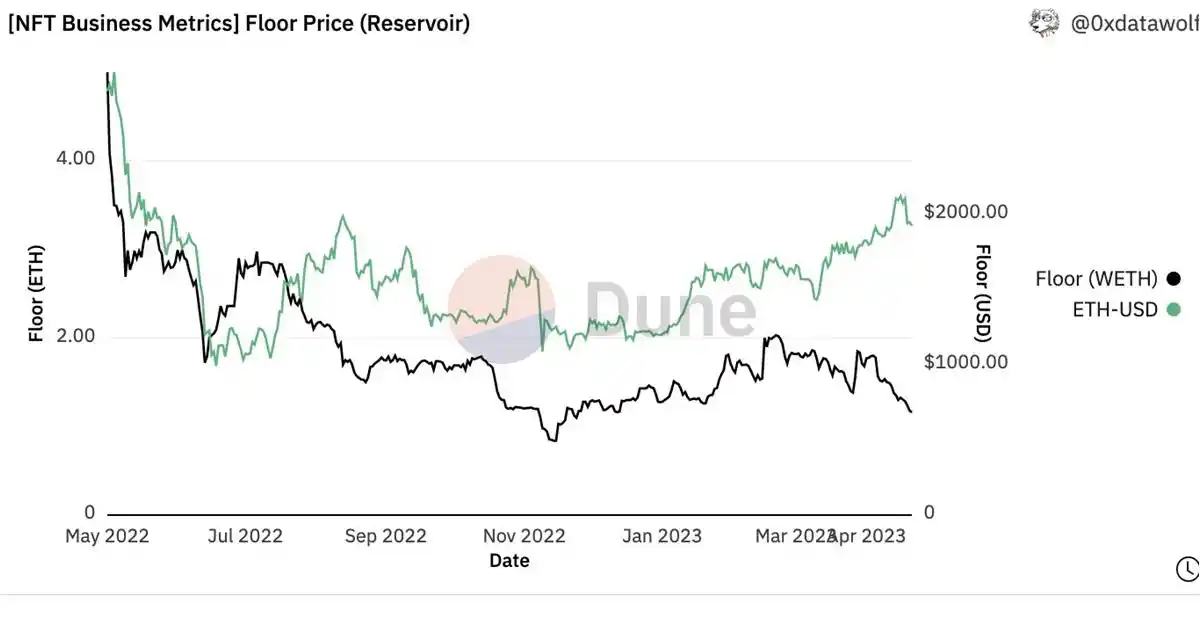
局部 NFT 为什么上涨?
"Why are local NFTs rising?"
Given the current market downturn, even Yuga's exceptional operational capabilities cannot maintain prices. Why is Azuki able to stabilize and rise?
The claim that demand exceeds supply is a fallacy.
When people say PR is good, how do you explain the fact that even the collaboration between Yuga and Gucci couldn't maintain the cryptocurrency's value?
Bitfool believes that the important factors that cannot be ignored are the control rate and the operating funds. However, it is difficult for external parties to obtain data on this.
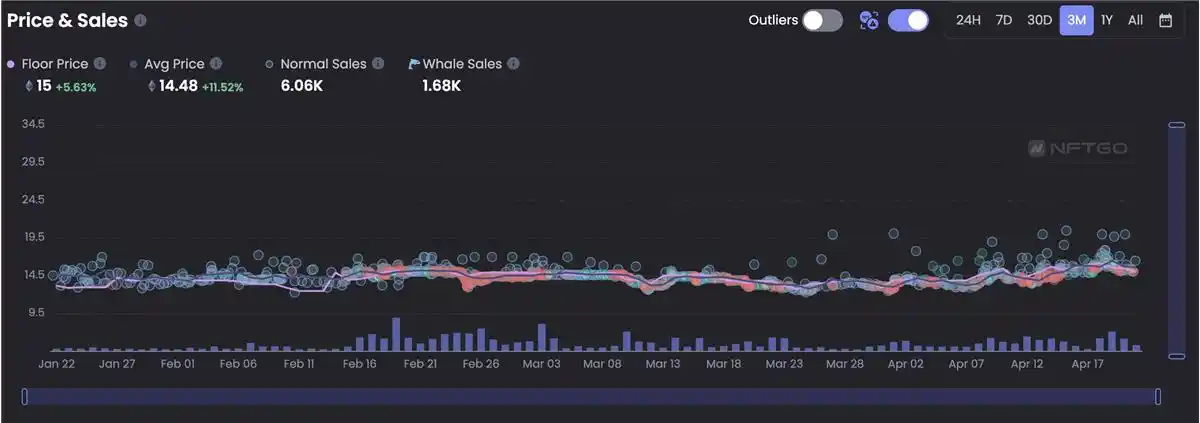
NFT 和大盘节奏不同
NFT and the overall market have different rhythms.
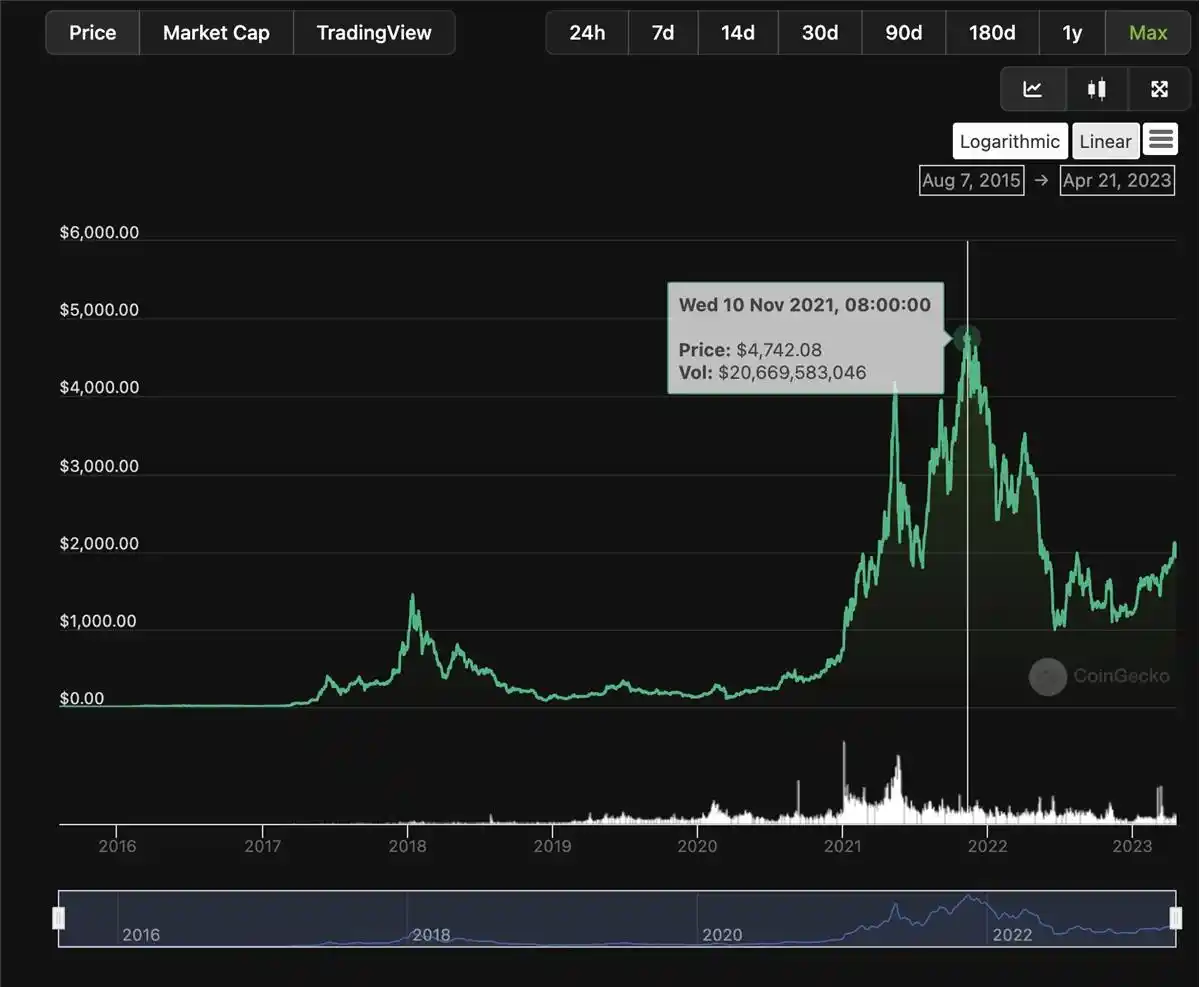
In November 2021, the market reached its peak. As for NFT, it will reach its peak in April 2022, with a delay of 5 months.
22 years, June-July, the market is experiencing friction at the bottom.
From mid-June to July of 22, NFT experienced a small rebound.
This indicates what problem? It indicates that the NFT market has its own independent rhythm, which is not synchronized with the overall market.
Last year in the second half, both NFT and the overall market were fluctuating and declining, and no one thought that the NFT market was sick.
Bitstupid believes that we are still in a bear market for NFTs and that the current decline is normal.
It's not because the NFT market is sick, it's because the NFT market is lagging behind the overall market pace.
If the rhythm is different, how to explain why NFTs are falling more sharply than the overall market?
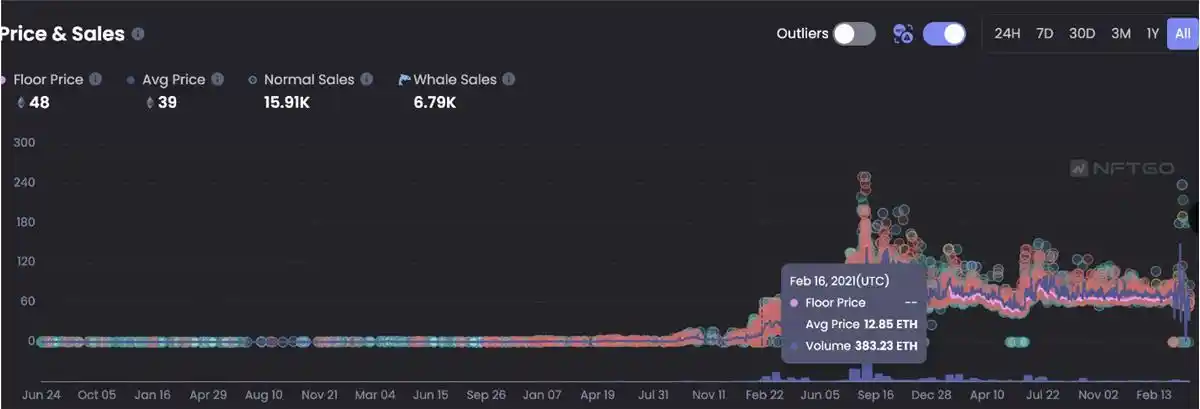
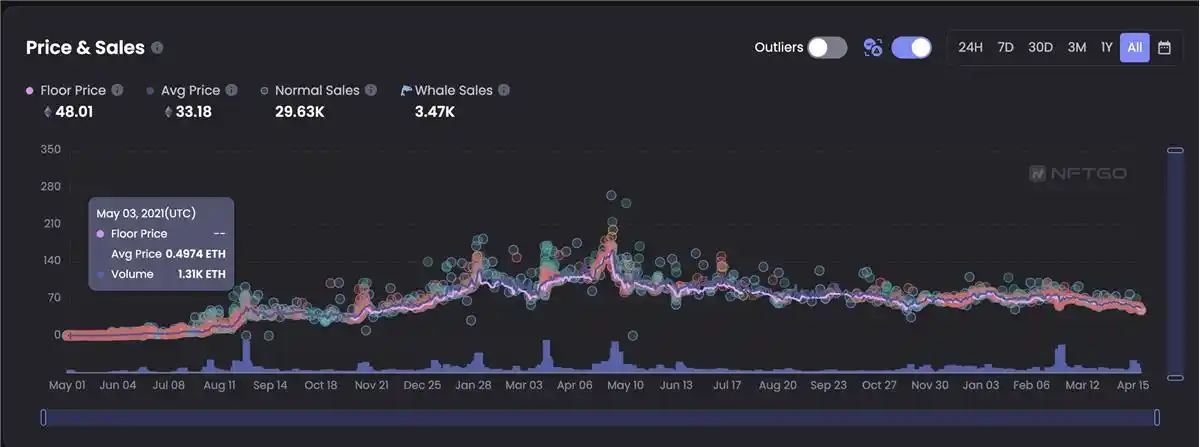
NFT Why is it falling more than the market?
Why do people in the bear market like to do NFT projects? Because they don't have enough money.
NFT projects can generate larger market values with smaller capital. In other words, the market value of NFTs is more speculative than that of homogeneous tokens.
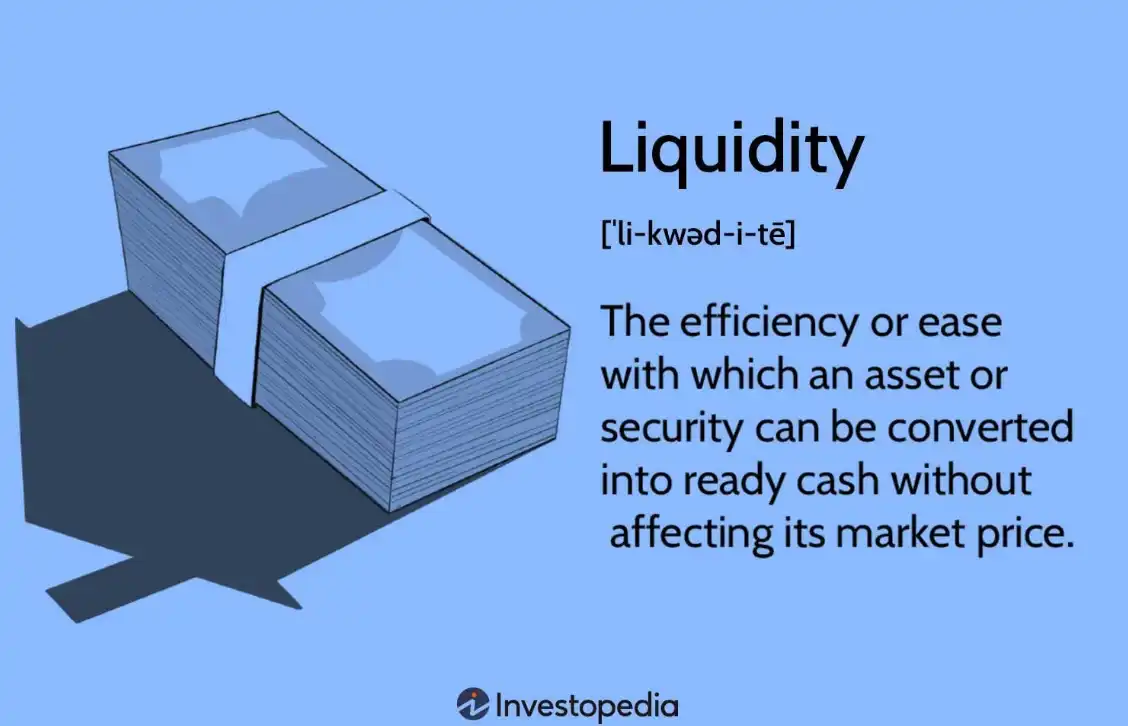
The characteristics of NFT itself: NFT can rise far above the market in a bull market, and shrink far below the market in a bear market.
Today's NFT market slump performance, Bitstupid made a prediction back in August last year.
That is to say, the NFT market is not sick, but rather operates on a different cycle and pace from the overall market, and due to the unique characteristics of NFT assets, experiences deeper declines during bear markets.
NFT Market Overview: BLUR in the Bear Market
1. The trading mechanism of Blur dilutes the uniqueness of individual NFT chips and weakens the premium, which may cause a slight decline in the NFT market.
2. The trading mechanism of Blur corresponds to more trading volume for every unit price drop in a bear market. This increases the cost of supporting the project for the team, leading to many blue-chip projects performing poorly. Overall, Bitstupid believes that this makes the bear market for NFTs even worse.
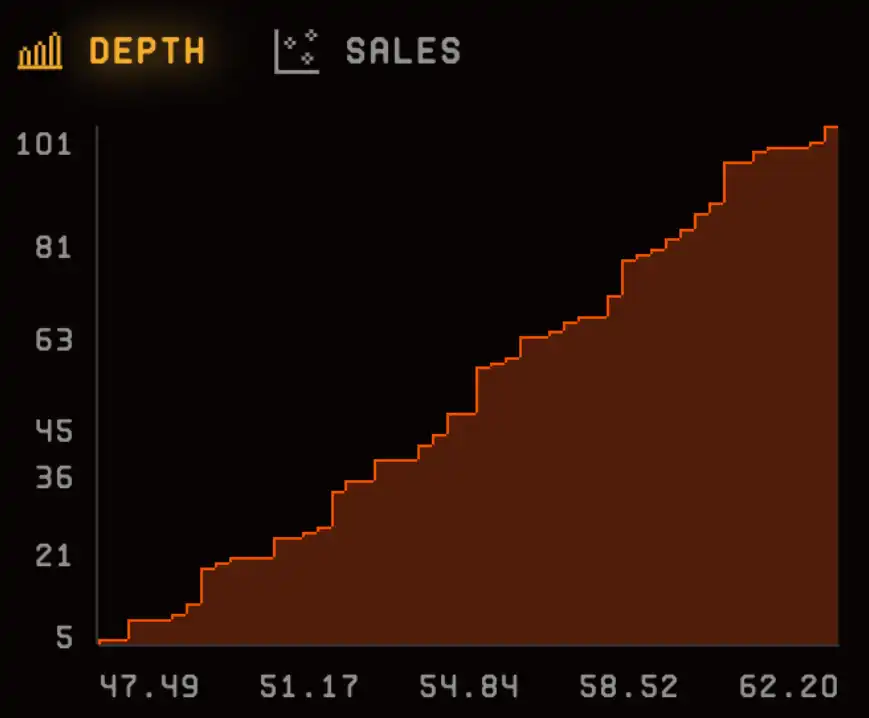
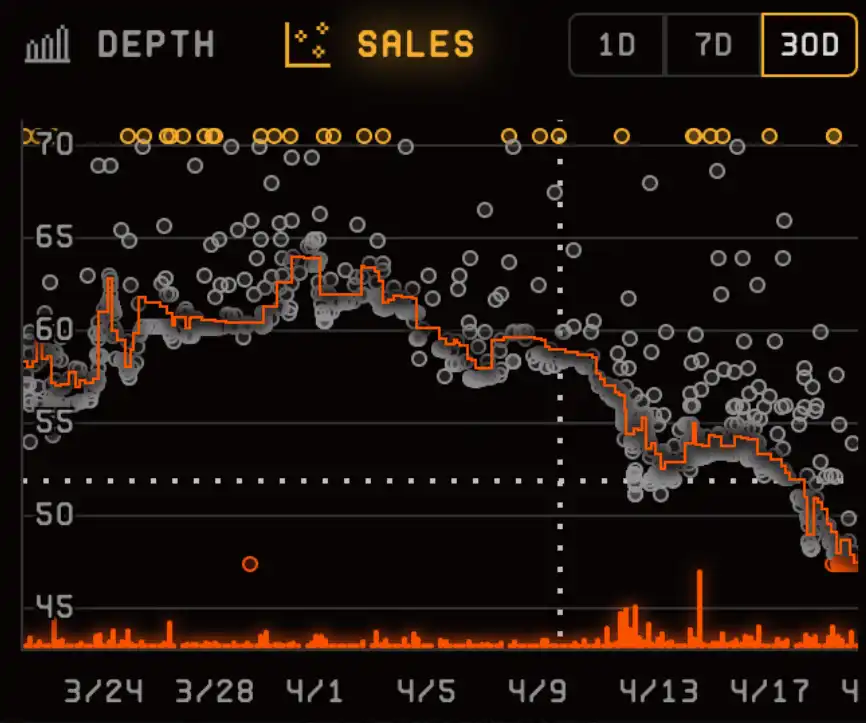
NFT Will It Collapse?
Since it is a bear market, there are generally two prospects for NFT.
One is constantly falling, and once it falls, it disappears without a trace.
The second is to rebound from the bottom and make a comeback.
Bitshuo speculates that the probability of NFT disappearing is very low.
First of all, the development of the online world has led to the need for digital artworks as a segmented wealth repository. Currently, NFT is the best carrier.
Secondly, NFT has already formed a huge ecosystem, with developers, investors, game studios, and metaverse. This ecosystem has not yet disappeared, and it will have the power to fight once the bull market comes.
Then, NFT represents an innovative form of ownership expression, which is an innovation that cannot be erased.
Finally, NFT has created a new form of transaction in the industry, which is highly attractive.
NFT When Will Bottom Out?
If we believe that NFT will rise again, the most important thing is to understand the big cycle of NFT.
The last bull market and big cycle of the stock market started at the end of 2018 and the beginning of 2019, and ended at the end of 2021. However, NFT started at the beginning of 2021 and ended in April 2022.
Unfortunately, the NFT market has only experienced one cycle since it became a significant industry, and the bear market has not yet ended. The earlier NFT market was too small to be considered a reference.
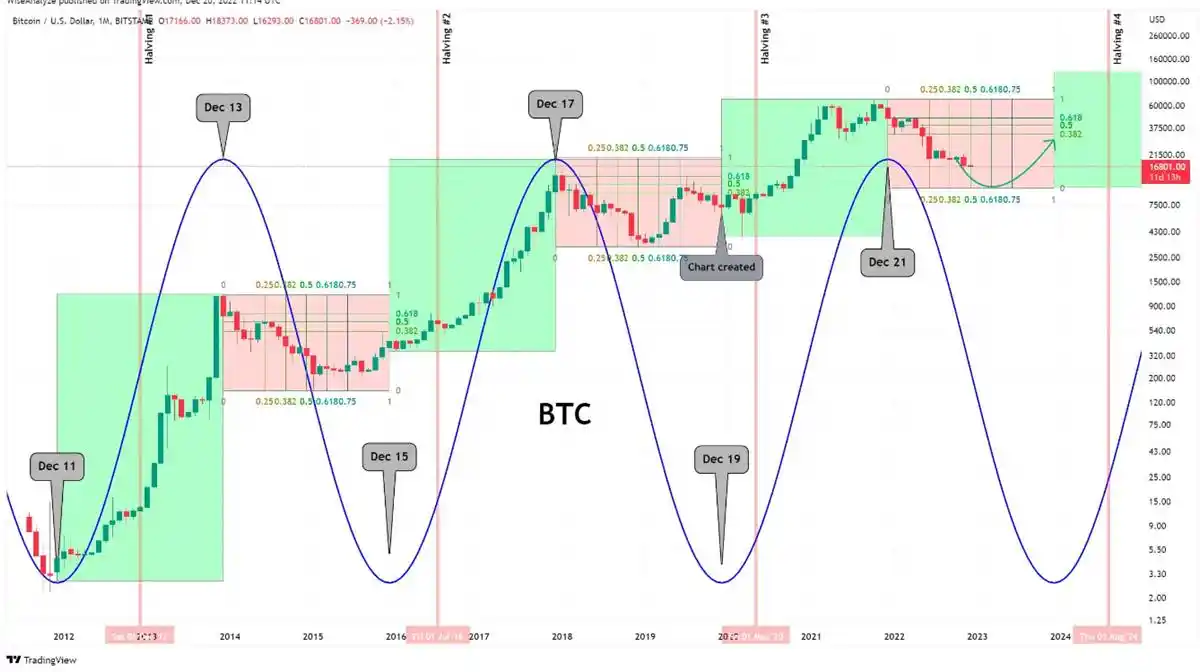
Bitstupid believes that the NFT market is estimated to lag behind the overall market by 1-2 years.
If ETH hits bottom in June of the 22nd year, the NFT market will hit bottom around the end of the 23rd year. If the overall market heats up before the end of the year, funds will overflow into NFT, which will cause the NFT market to start early.
This is a helpless estimate, but at least it will give everyone a vague impact. The marginal changes in specific markets will be closely watched by Bitfool.
NFT Selection
Here, Bitstupid won't go into specific projects, but will talk about the general principles.
I am optimistic about the aesthetic preferences of young Americans, but not optimistic about the aesthetic preferences of the Japanese.
The reason why I am not optimistic about the Japanese market is because Japan is in decline and rapidly falling in the hierarchy. When a country declines, its artistic taste will also be looked down upon.
NFT is divided into Utility NFT and Non-Utility NFT.
Utility NFT, similar to lock-up NFT mining. The price of utility NFTs will be more stable and will also bring a ceiling.
Non-Utility NFTs are not very useful during bear markets. However, during bull markets, their value can skyrocket due to the absence of utility-based cash flow discount constraints.
Bitfool likes assets that are worthless in bear markets but skyrocket in bull markets.
The old hunter is on the field
At this moment, the NFT market is causing countless people's hearts to bleed.
For veteran hunters, it's just starting to get interesting.
The old hunter leisurely took out his gun, mounted the scope, and prepared to capture the rare delicacy.
Original Link
Welcome to join the official BlockBeats community:
Telegram Subscription Group: https://t.me/theblockbeats
Telegram Discussion Group: https://t.me/BlockBeats_App
Official Twitter Account: https://twitter.com/BlockBeatsAsia

 Related Articles