Uniswap V4 Look ahead: What changes might be in store for DeFi?
What Uniswap V4 might do for DeFi
By Lincoln Murr and Mary Liu, BitpushNews
Recently, the crypto community has been abuzz with rumors that top de-centralization exchange (DEX) Uniswap is working on the next version of its protocol, Uni V4. Although it hasn't been officially confirmed, let's run through Uniswap's history, the potential features V4 could bring, and how its release will affect DeFi and UNI token holders.
Uniswap was launched in 2018 at the Ethereum Foundation's annual Devcon conference. Originally, it was a proof of concept that allowed anyone to trade between two different Ethereum-based tokens, and the project had two main participating roles: liquidity provider (LP) and trader. The liquidity provider offers two tokens at a 1:1 price ratio and charges a transaction fee when the trader executes the trade.

Uniswap V2 was released in March 2020. Its main features are predictors based pricing to prevent manipulation or price-related exploit, and flash swaps for carry trading. In September 2020, UNI tokens were airdropped to all initial users of the platform and governance of Uniswap was handed over to the newly created Uniswap DAO. The UNI airdrop was also the "grandfather" of the token airdrops we see today, and cemented the agreement's de-centralization orientation. In addition, liquidity providers are positively rewarded with UNI tokens, helping to significantly increase the total lock-in value on DApps.
Uni V3, released in March 2021, offers two major innovations focused on capital efficiency. The first is centralized liquidity, which allows liquidity providers to specify a price range within which their liquidity will be adopted, which, in theory, could improve capital efficiency by more than 4,000 times compared to the previous model and earn LP more in fees. In addition, participants can charge different fees for different pairs of transactions, so less volatile stablecoins will earn lower returns than riskier, more volatile cryptocurrencies.
Uniswap V3 service source license expires in April 2023, which will open the floodgates for protocols such as SushiSwap, QuickSwap and other Uniswap forks to compete directly with this protocol again. Moreover, the V3 model is not friendly to liquidity providers, and data over the past two years suggest that, on average, actively managed positions are not much better than simply holding the underlying assets. In some cases, liquidity provision has performed even worse.
One way Uniswap V4 addresses this problem is to create some kind of dynamic expense model based on asset volatility measures. This model will provide greater incentives for liquidity providers, reduce impermanence losses, and optimize liquidity provider costs.
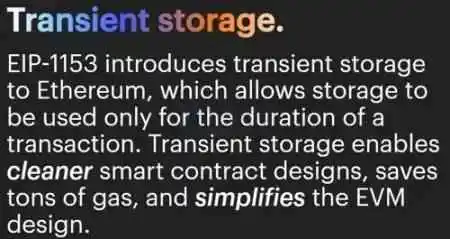
The Uniswap team has recently been pushing for the adoption of EIP1153, and this upgrade will reduce transaction costs for Ethereum, which is a clear benefit for Ethereum-based Uniswap dApp. However, it is not a high priority and is unlikely to be deployed in the next few Ethereum upgrades.
One of DeFi's biggest problems is the complex and challenging user experience. Uni V4 is likely to be released alongside an improved user interface, which could include some sort of NFT aggregation, a built-in wallet and possibly a mobile app, features that will help cement Uniswap's position as the best decentralised exchange for novice and advanced DeFi users.
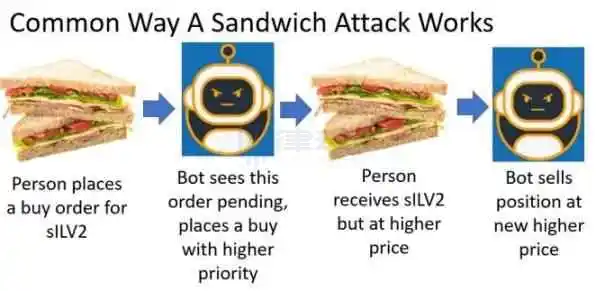
Another possible feature of Uni V4 is the bulk auction system. Miner Extractable Value (MEV) is a common problem with public blockchains that can make traders inefficient. When a user makes a transaction, it enters the blockchain memory pool while waiting for confirmation, and the Ethereum verifier can see this transaction and perform a sandwich attack, in which they buy the tokens that the user is exchanging, then the user order is generated and the verifier sells all the tokens that they have just purchased, which can happen because the verifier has the final say on how the transaction is sorted.
To solve this problem, Uniswap could create a more privacy-conscious solution that has been adopted by Cowswap: coincidence of wants. In this model, users sign trades, whether buying or selling, and then match them with others on the other side of the trade in a point-to-point manner within a specific period of time. While not as straightforward as traditional exchanges, this approach eliminates MEVs and provides users with more efficient trading.
Once V4 is released, the UNI token is likely to see a short-term hype rally. In the long run, UNI is effectively linked to the governance powers it provides, as Uniswap has not yet paid transaction fees to UNI holders for regulatory reasons. Tokens may increase in value if V4 adds Uniswap TVL or provides new parameters for token holders to vote on. It is also possible that Uniswap will find a solution that allows tokens to capture some value from exchange volume, such as repurchasing and destroying or splitting token models.
While everything about Uniswap V4 is pure speculation at this point, it comes from market trends, real data, and the history of the agreement. With potential releases either before or after the expiration of the V3 license, we will soon find out how Uniswap will remain competitive, innovative and maintain its top DEX status.
Original link
Welcome to join the official BlockBeats community:
Telegram Subscription Group: https://t.me/theblockbeats
Telegram Discussion Group: https://t.me/BlockBeats_App
Official Twitter Account: https://twitter.com/BlockBeatsAsia

 Related Articles