After October, "bull" or "bear"?

Original author: Raoul Pal, Investment Strategist, Economic Historian
Original compilation: Leo, BlockBeats
/p>
October is the month when the stock market plummets, and it is also the month when the bear market ends. Let us look at the "October" in history.
Most people remember the 1987 US stock market crash as the most famous crash. October 19, 1987 was a memorable moment and a generational low point.
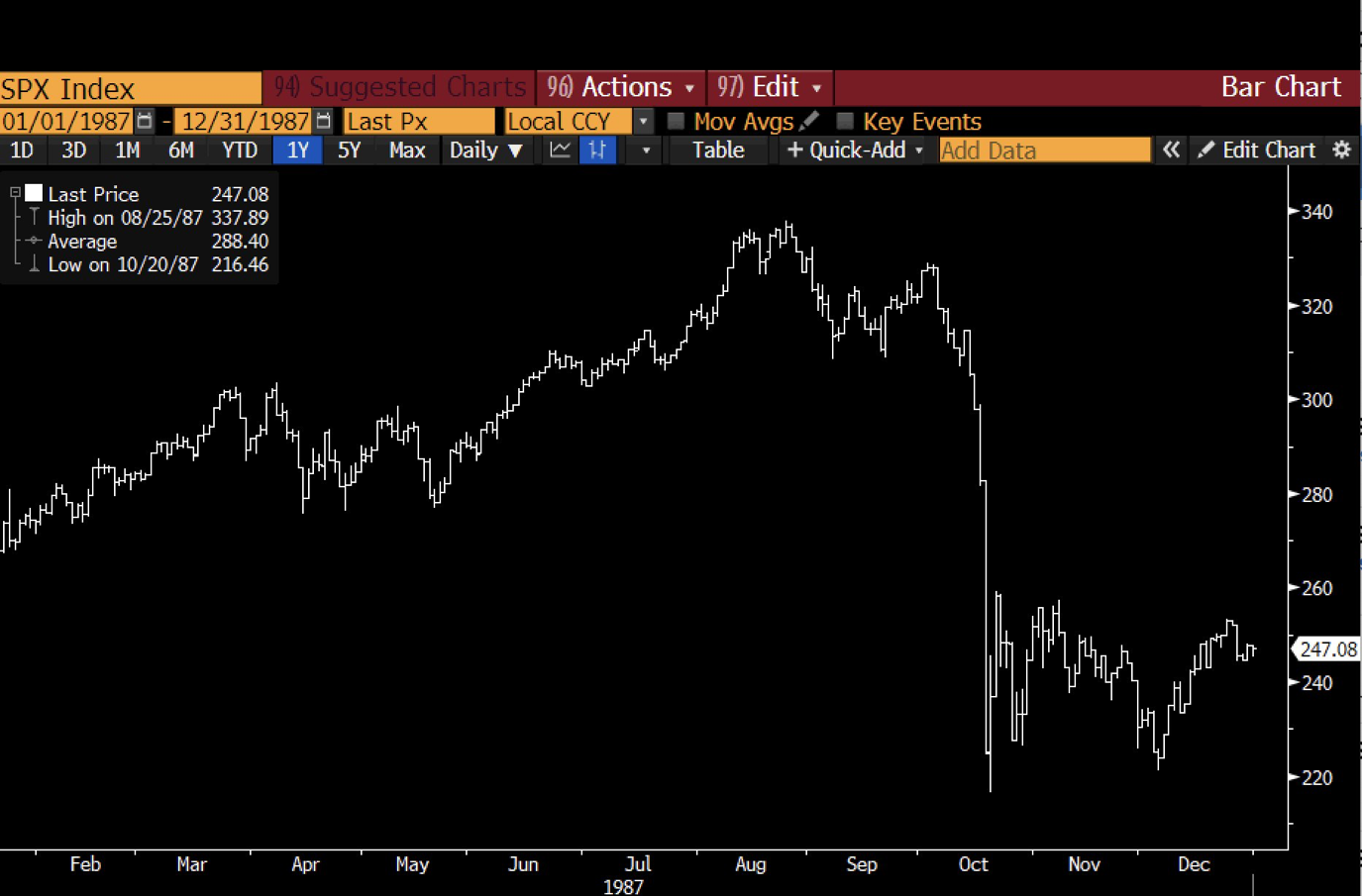
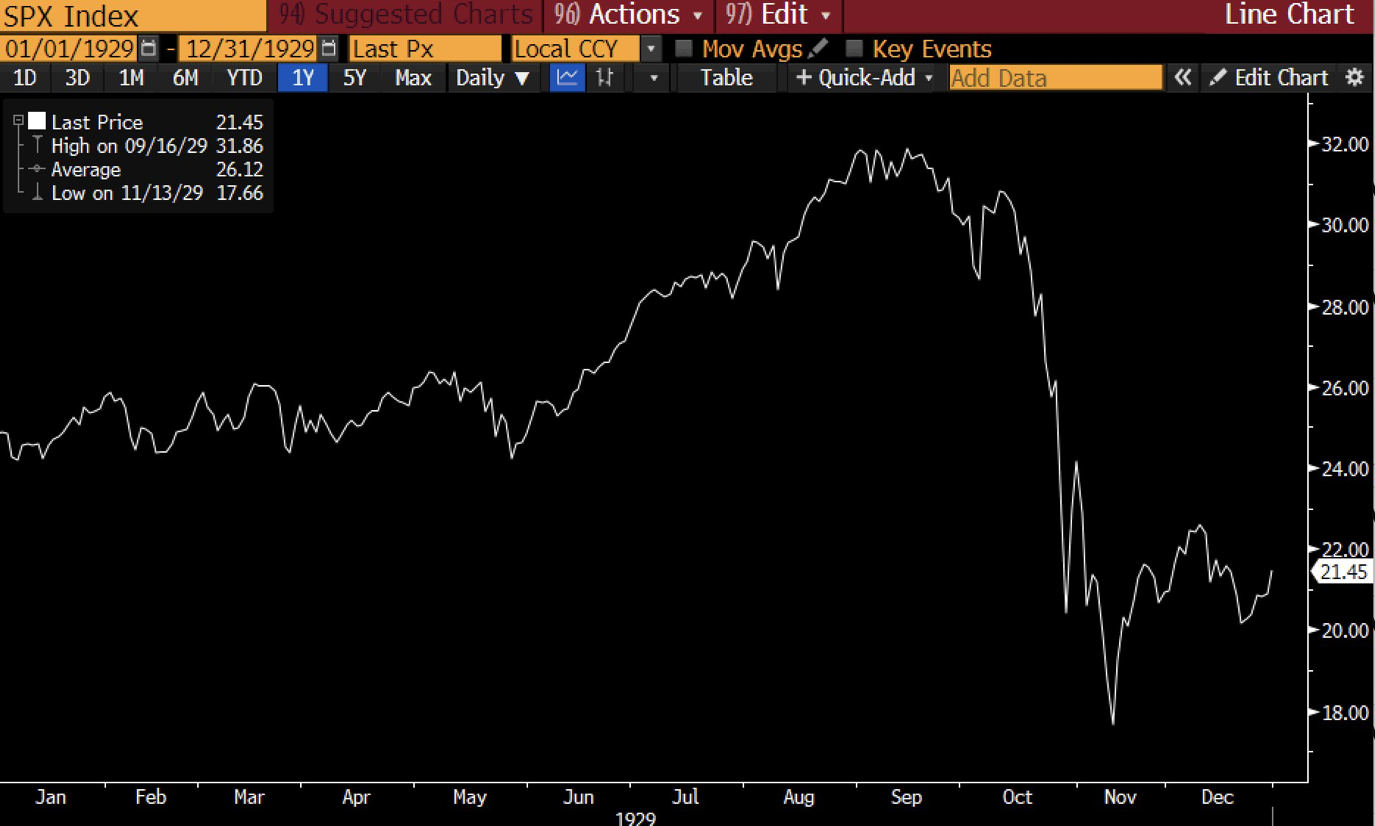
It is well known that Paul Tudor Jones Through the study of macroeconomics, the stock market crash was foreseen in June and July 1987. On October 16, 1987, the stock market fell and the trading volume increased. Jones believed that this was a precursor to the stock market crash (the stock market crash in 1929 was similar), and in 1929 The main part of the 1999 crash occurred in October and bottomed out in November, followed by a 50% rebound and then the Great Depression until 1932.
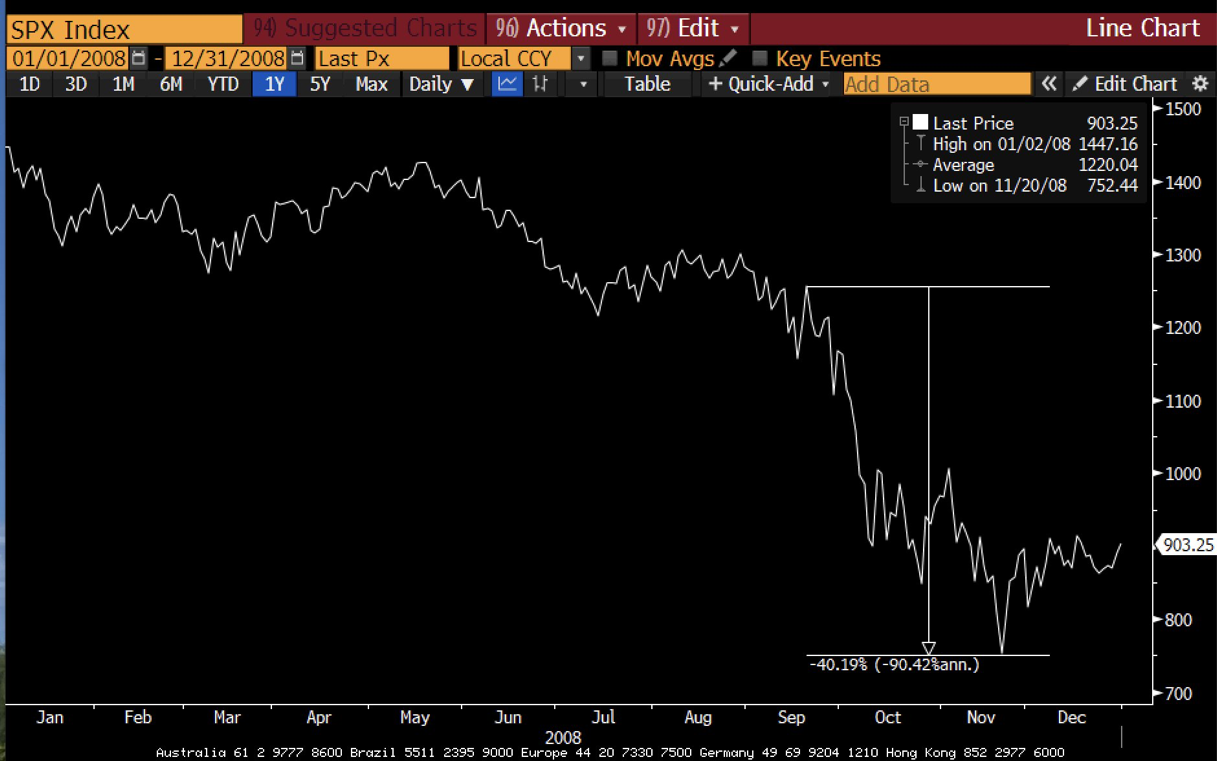
October crash again in 2008 , ended in November, but hit a record low of 20% in March 2009. Like 1929, the financial crisis led to the worst recession ever.
In 1974, the stock market fell to its lowest point It still happened in October and was also a generational low.
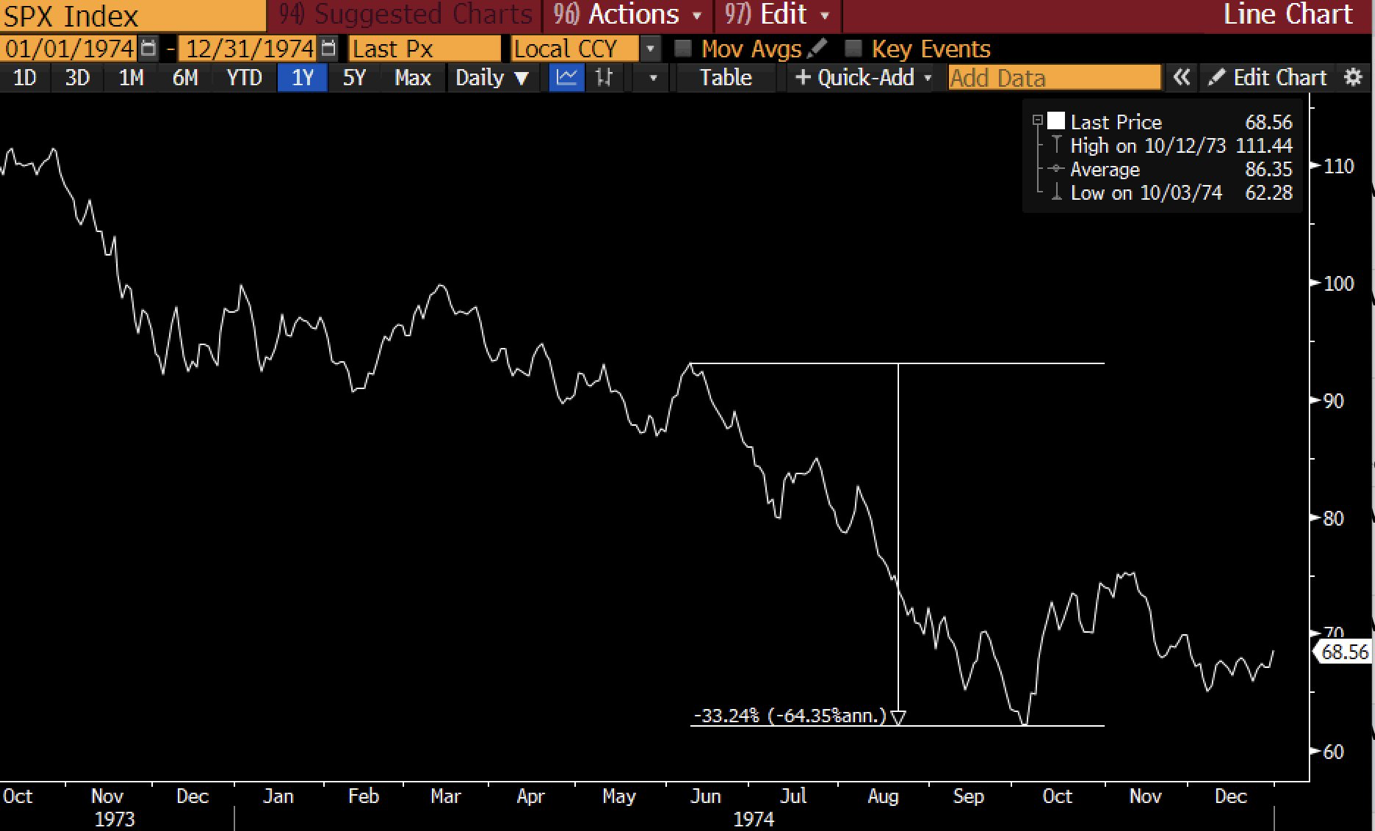
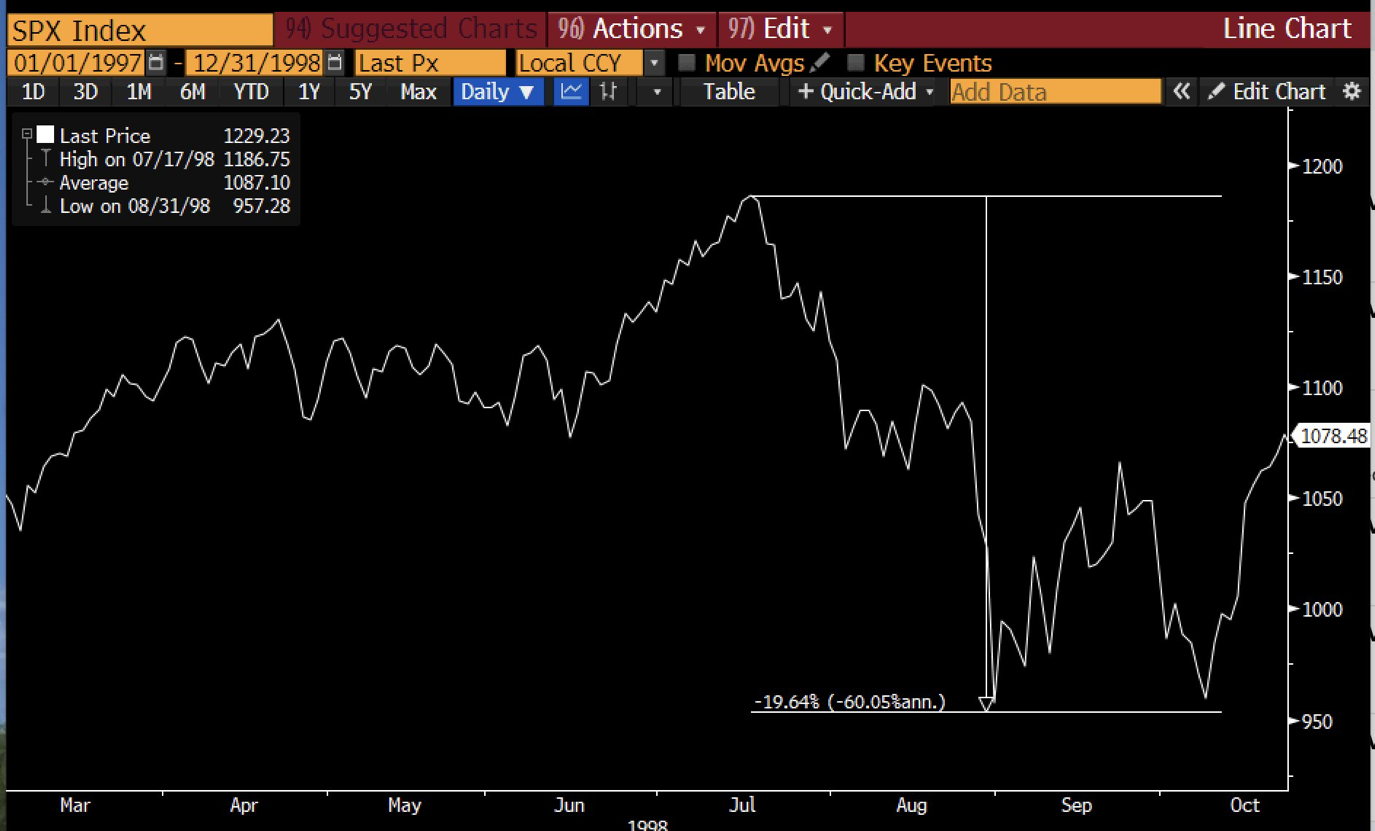
In 1997, the Asian financial crisis hit All over the world markets, the Fed had to make adjustments. Another October plunge, to generational lows.
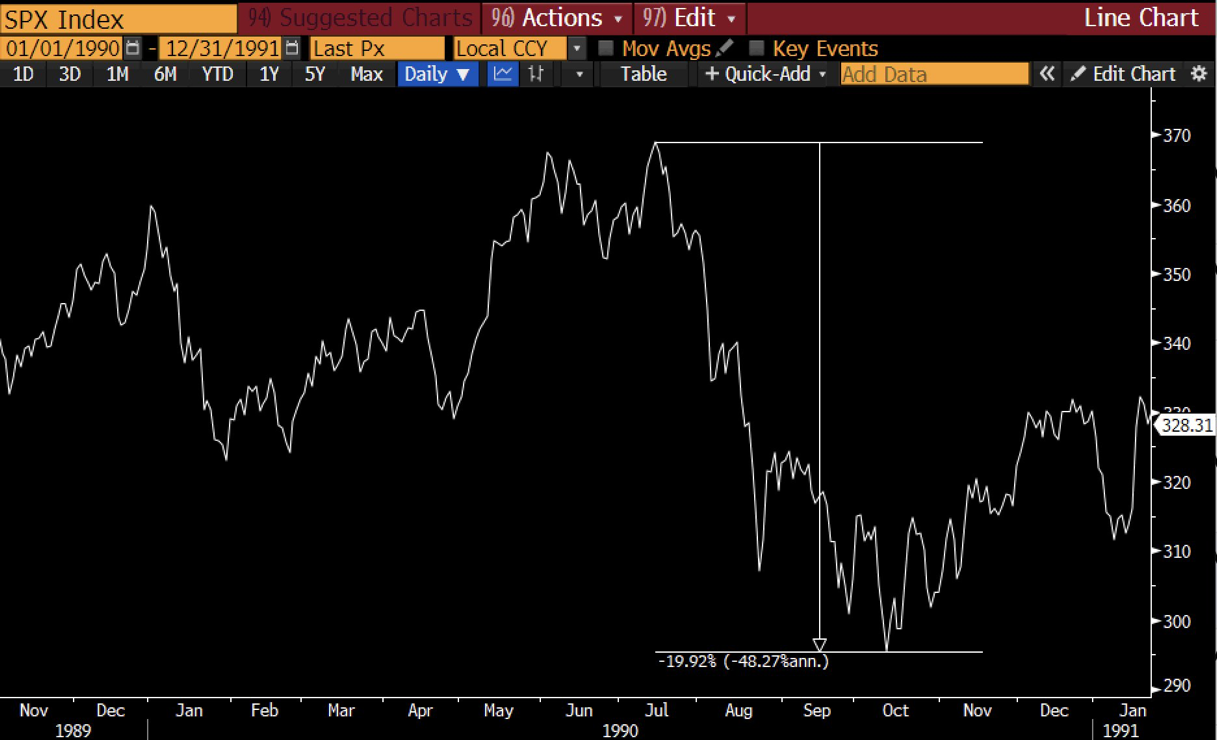
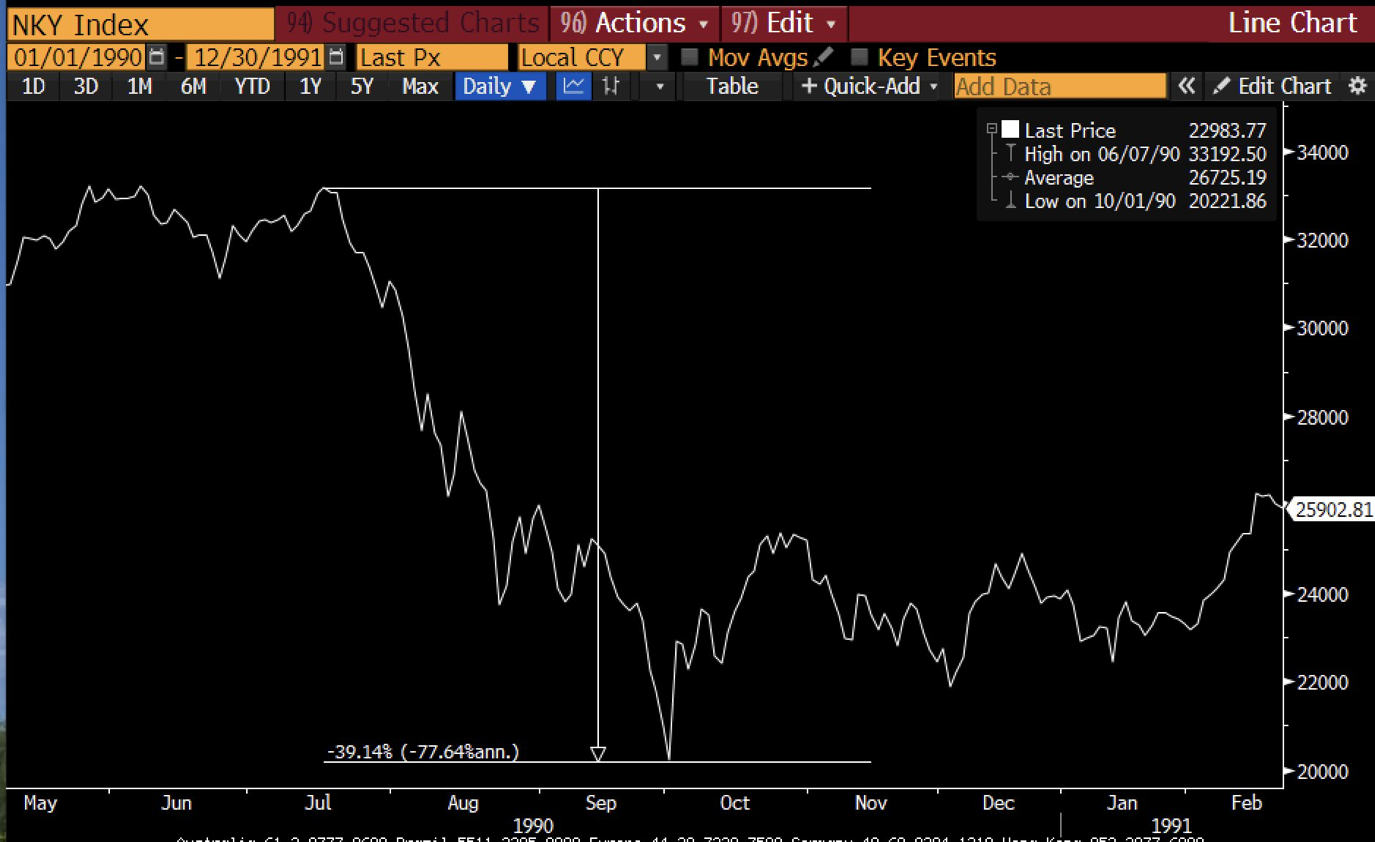
In my opinion, the 1990 A recession is broadly similar to the current economy. October is a generational low point.
I remember very clearly that it was 1998 years of Russia. It was the largest and fastest crash in history. Hitting a record low in October...

For the market, October is always a scary month, especially if we're in a recession (likely). The classic October summer crash and this one is no exception...
Every bear market is different. In dollar terms, this is the largest loss of wealth in history; in terms of GDP, it is the second largest loss (2008 was worse).
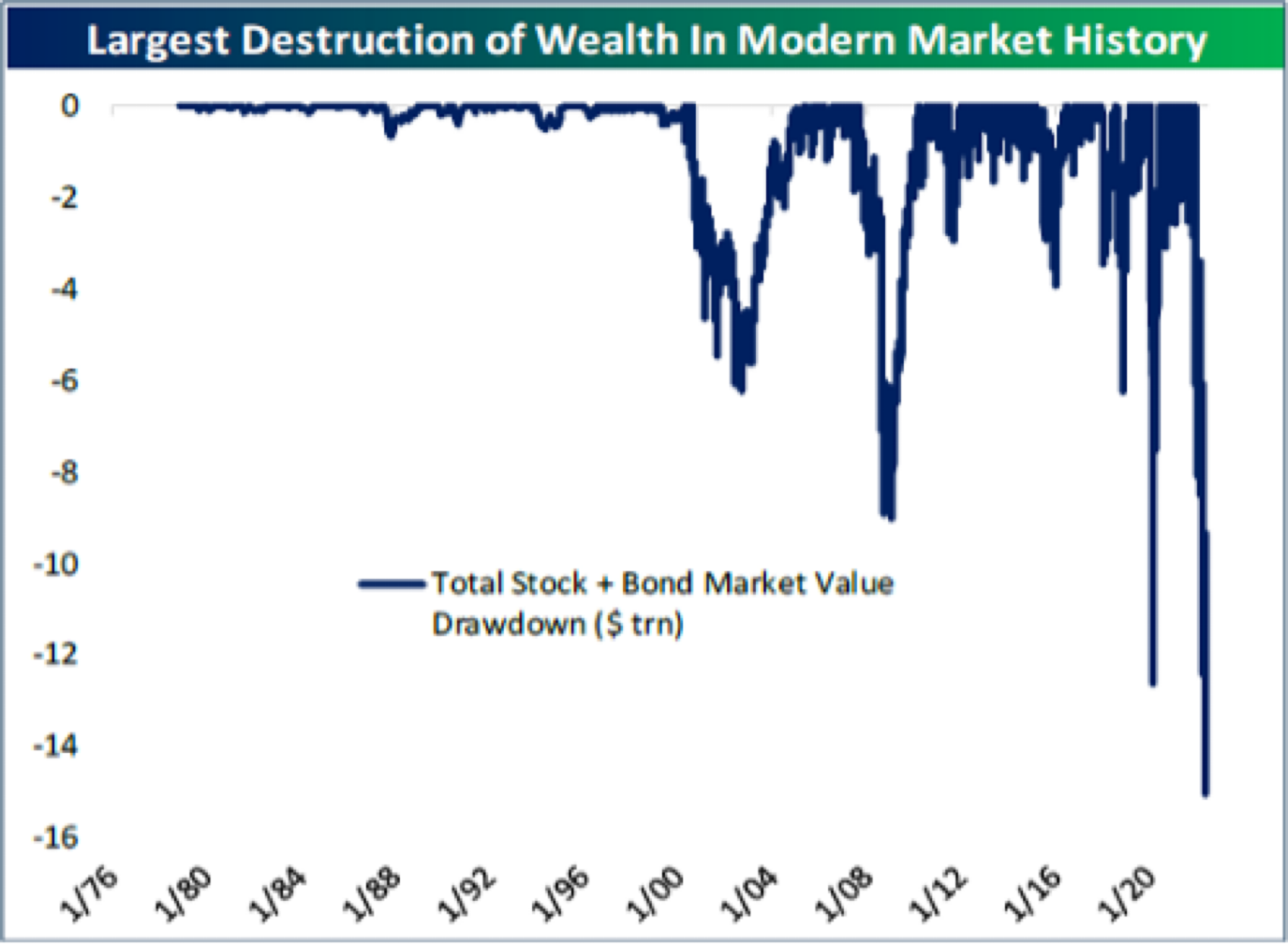
For baby boomers , this could be the worst possible moment (I warned about this). As people age, pensions tend to favor a 60/40-style portfolio strategy. This actually leads to a reduction in pension assets (higher interest rates do not offset it), and also to extreme sentiment. This sentiment can dominate the lows of a generation.
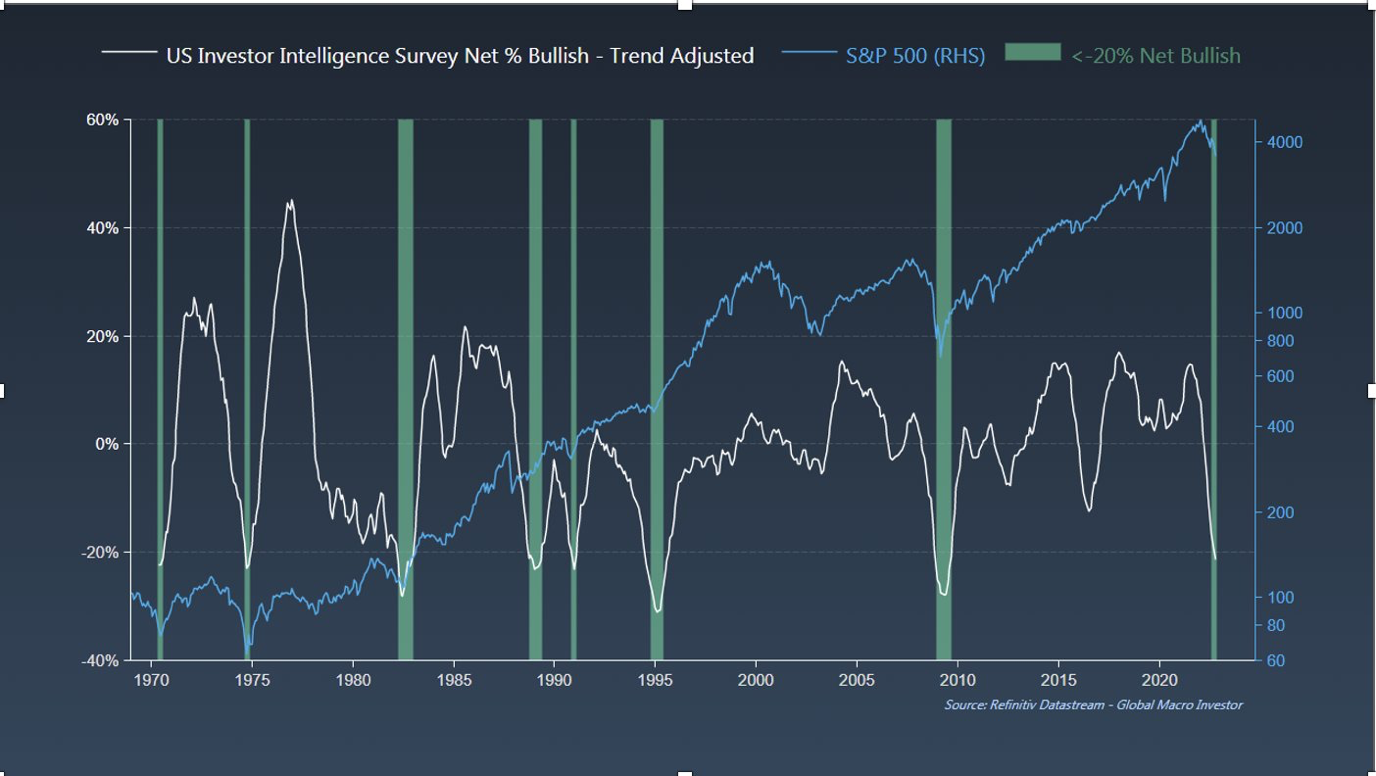
As 76 million baby boomers fall into With a predicament in which most U.S. politicians are also baby boomers, pressure will mount on central banks to prevent that from happening.
They have three options:
- Take the risk Turning to QT (quantitative tightening) and raising interest rates, becoming Arthur Burns instead of their hero Volcker ("Volcker moment" refers to Volcker as FED chairman during the stagflation of the last century in the United States Looking back at the history of the "Volcker moment" is instructive in analyzing the current stagflation-like environment in the U.S., as the Volcker's aggressive tightening was successful in bringing the U.S. out of stagflation during the period.) This was not the case until growth collapsed completely. Too likely (markets are already pricing in a recession).
- Stop QT and rate hikes as soon as possible and turn to data dependence. This is the easiest option this year, and the most likely path, with growth still triggering an economic implosion as the damage has been done.
-Austerity continues, which will force politicians to Fiscal stimulus if negative (see UK/Europe for details).
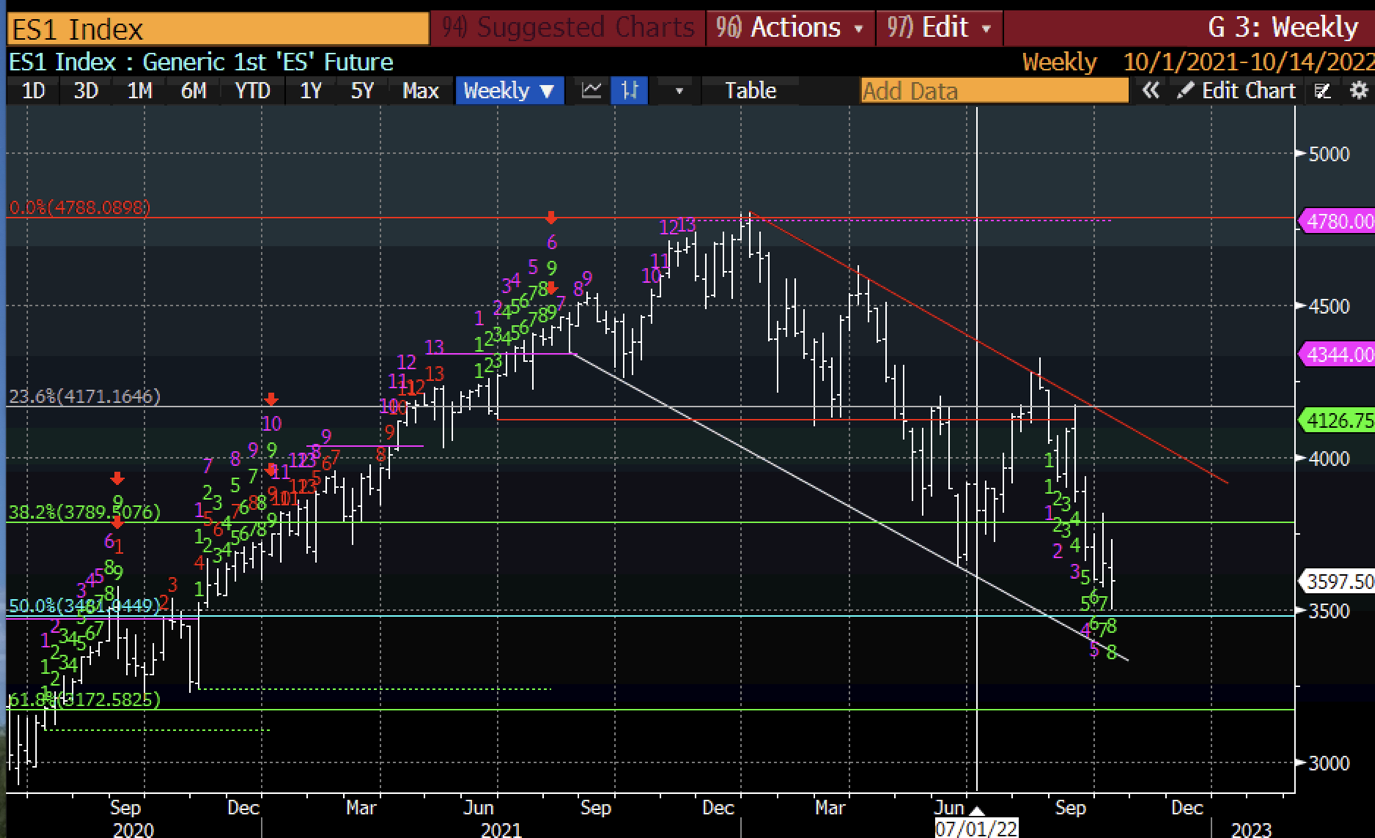
In my view, there is a fair chance of a low in the next week or two High. The S&P 500 bottomed next week and near the 50% retracement point, with record bearishness in the market.
Existing sales data and comparison Compared with the trend of the blockbeats, it has exceeded 2 times the standard deviation...

< /p>
It's back to lows relative to the benchmark of the Fed's balance sheet (or liquidity).
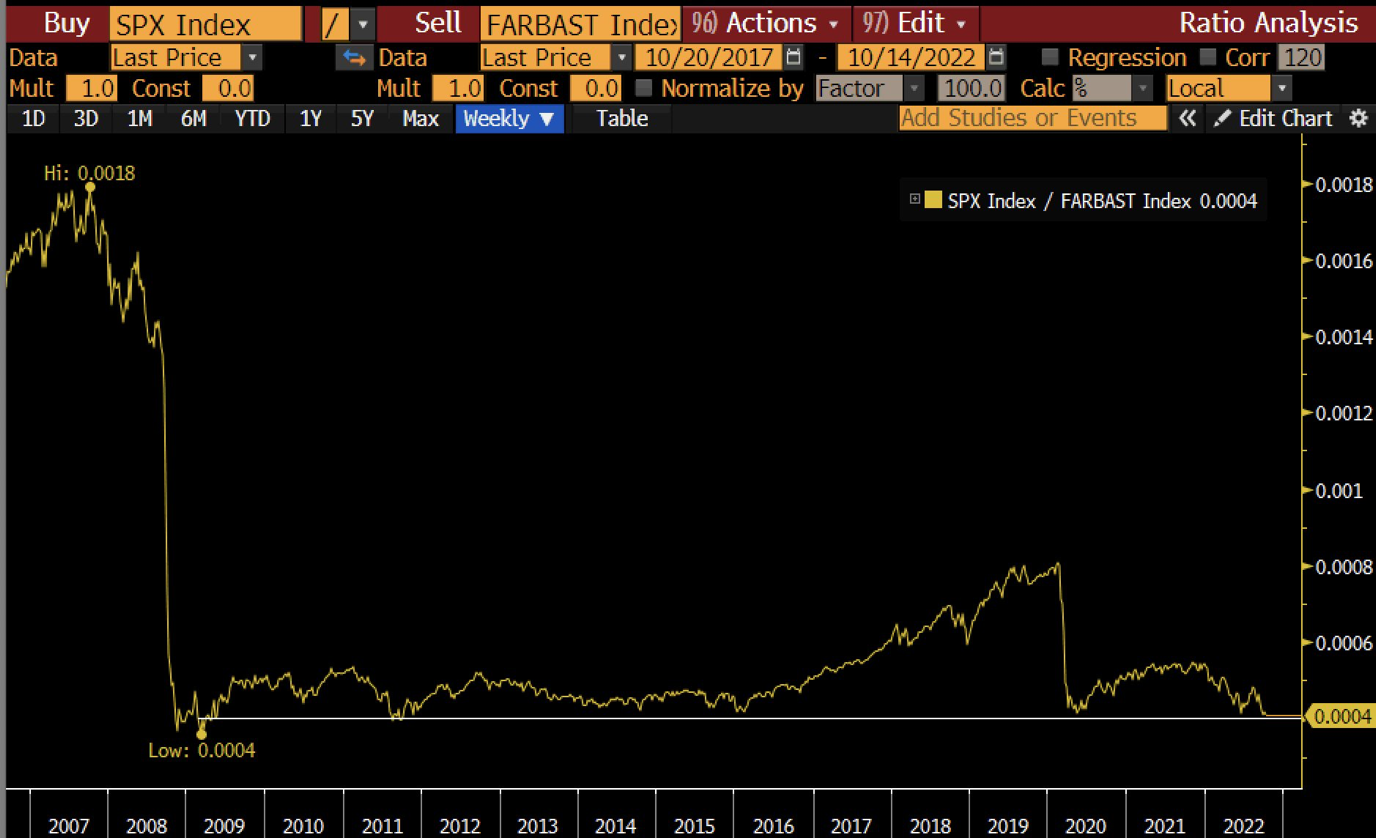
No one knows what the future holds, But barring a severe economic downturn in early 2023, it's hard to see that changing without a bigger financial crisis (which seems unlikely since we have so many ways to stop it). Obviously, things will change...
The market job is to watch the next 6+ months . In 6 months time there will be more liquidity and at the same time everyone already knows the recession and earnings risks and any slight dip in hawkish stance will change sentiment and force people back into the market.
Let's wait and see...
Crash month (also reversal month)! You don't need to fight a possible future recession head-on, but it is necessary to have a plan.
Welcome to join the official BlockBeats community:
Telegram Subscription Group: https://t.me/theblockbeats
Telegram Discussion Group: https://t.me/BlockBeats_App
Official Twitter Account: https://twitter.com/BlockBeatsAsia

 Related Articles