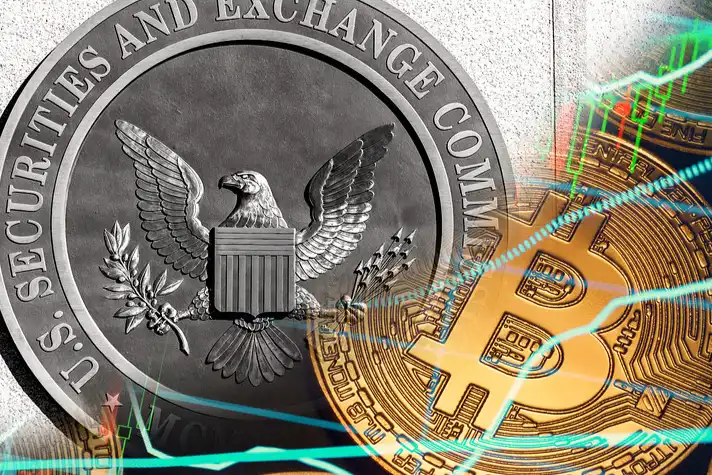
The chairman of the US SEC published an article: Encryption regulation will benefit both investors and the market
Original title: "The SEC Treats Crypto Like the Rest of the Capital Markets"
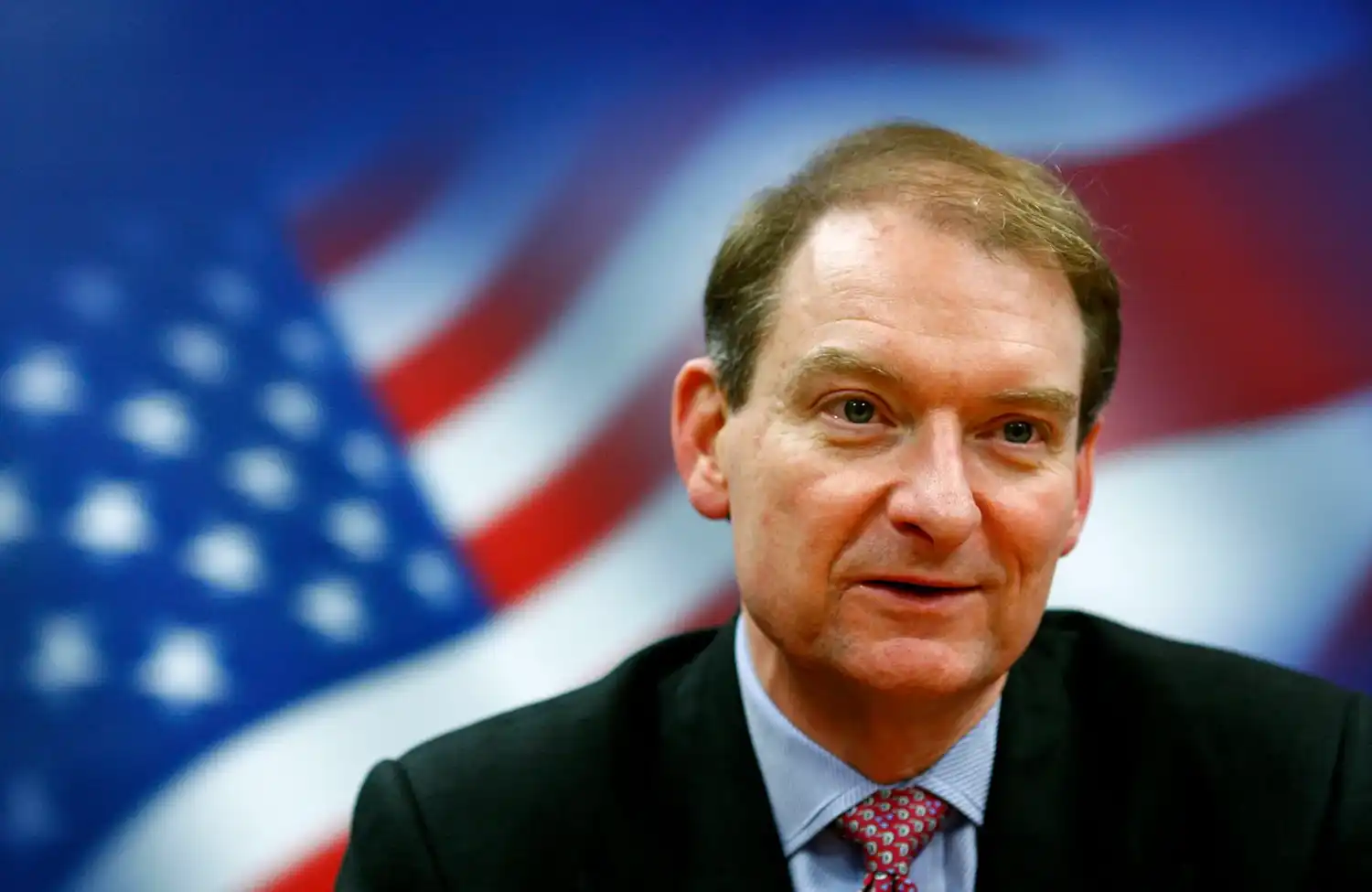
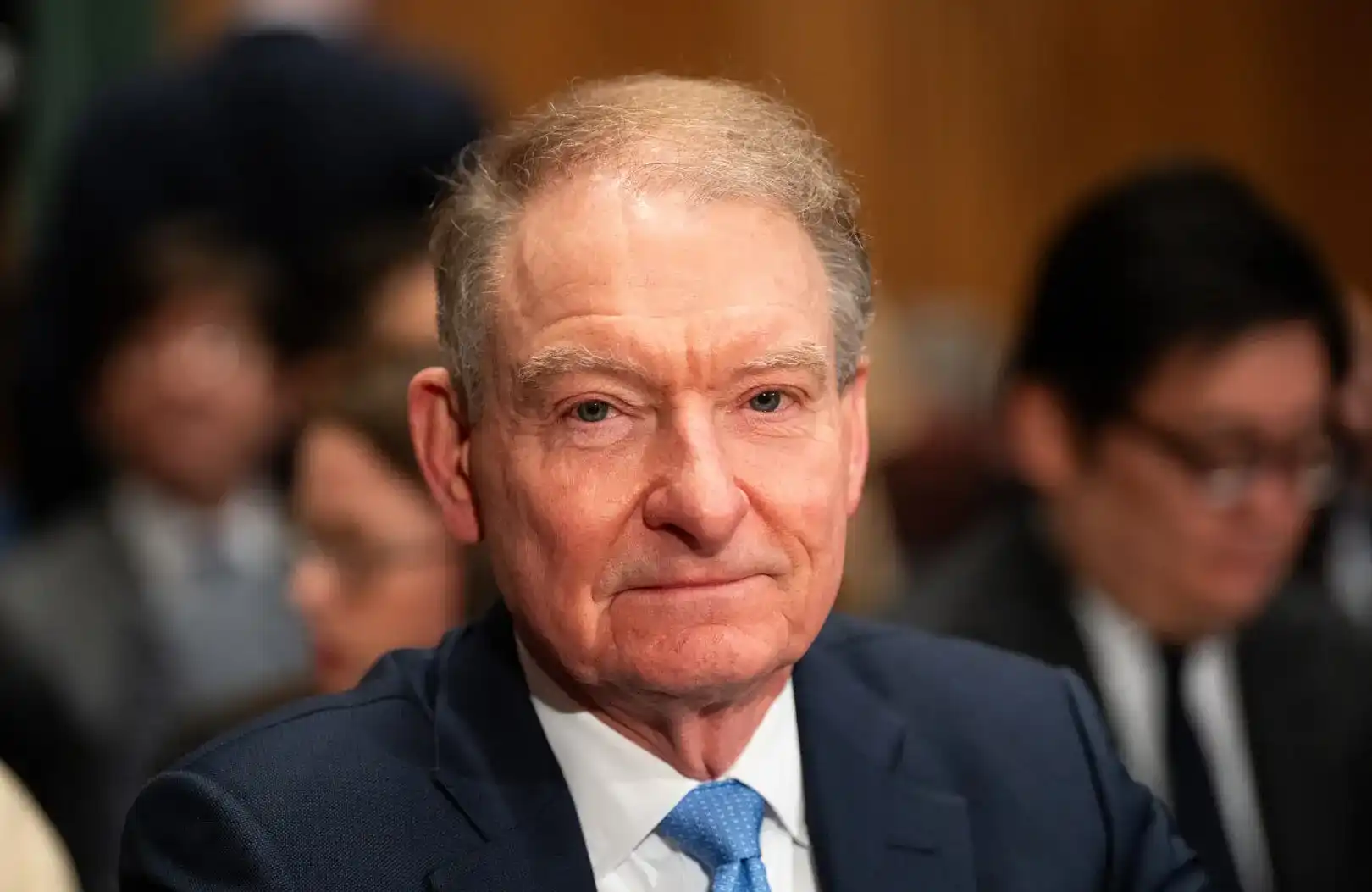
Original author: Gary Gensler, Chairman of the SEC
Original compilation: Wu Shuo Blockchain
Even as new technologies emerge, securities laws that protect investors continue to apply.
What do automakers have to do with crypto lending platforms? Whether it is a car or an investment vehicle, consumers and investors should be protected.
In September 1966, President Lyndon B. Johnson signed the National Traffic and Motor Vehicle Safety Act. Nearly six years later, seat belts and other basic safety features are still standard. This is true despite many innovations in automotive technology. Whether the car runs on gasoline or electricity, the driver and passengers should be protected.
Similarly, the federal securities laws signed by President Franklin D. Roosevelt during the Great Depression were designed to protect investors. There is no reason to treat crypto markets differently from other capital markets just because they apply different technologies.
Recent market events show why it is critical for crypto companies to comply with securities laws. Some crypto lending platforms froze investor accounts or went bankrupt. When the platform goes bankrupt, those investors have to line up in court.
Consider this hypothetical: Bob runs an APP that increases returns by 4%, 7%, or 19%. Alice and millions of everyday investors put their assets in the APP. Investors benefit from knowing why Bob claims he will deliver a certain return. If an investment sounds too good to be true, it probably is. Alice can decide whether to invest based on these disclosures.
These disclosures help her understand what Bob is doing to her property. Is he trading? Does he lend assets to other investors? Is he running a hedge fund? How did he fund the promised returns, and what risks did he take?
It is worth noting what asset Alice has invested in Bob's APP - cash, gold, Bitcoin, Totoro or whatever - -it is not important. What Bob does with these assets determines what protections the law provides.
Also, depending on how Bob uses Alice's assets, he may also run an investment company, such as a mutual fund. In this case, Bob will have to provide additional collateral, which makes it more difficult to defraud investors.
Bob cannot get around these tried and tested investor protections by putting new labels on the product or the promised benefits. He might call it an interest, yield, income, or annualized yield award. He might say his app is a lending platform, a cryptocurrency trading platform, or a decentralized finance platform. In decades of cases, the Supreme Court has made clear that the economic reality of a product -- not the label -- determines whether it is a security under the securities laws.
The SEC confirmed this in its recent agreement with crypto lending platform BlockFi. The firm has borrowed more than $10 billion in crypto assets from 570,000 investors, offering them variable interest rates in return. This makes the lending product it offers to investors, the BlockFi Interest Account, essentially a security. BlockFi pools these assets, packages them for loan to institutional borrowers, and invests them in other securities. This makes BlockFi an investment company.
It is not a problem here that BlockFi has borrowed cryptocurrency. In fact, you can replace "cryptocurrency" with any other asset. The problem is what it does with borrowed assets that it doesn't as a company: provide required disclosures to investors. Compliance with our laws protects the investing public. Unfortunately, some platforms offering crypto loans have not complied.
We reject the idea that crypto lending is unregulated. In fact, these rules have existed for decades. Some crypto platforms are not playing by the rules. Non-compliance is not an inevitable consequence of the encryption business model or the underlying encryption technology. Yet the platforms seem to be saying they have a choice — or, worse, “catch us if you can.”
As I said in my speech last year "Make no mistake: If a lending platform offers securities, it is regulated by the SEC." In many cases, the Commission State and state regulators have addressed how relevant case law applies when it comes to crypto assets and crypto lending.
Just like automakers adding seat belts, compliance with securities laws has a cost. Regardless, platforms offering crypto lending need to comply, not only because it is the law, but because it helps protect investors and increase trust in our marketplace.
Fortunately, there is a way forward. I encourage platforms offering crypto lending to come in and talk to the SEC staff. Getting these platforms to comply with securities laws will benefit both investors and the crypto market.
Meanwhile, the SEC will police the crypto market. Like car seat belts, we need to make investor protection the norm in the crypto market.
Welcome to join the official BlockBeats community:
Telegram Subscription Group: https://t.me/theblockbeats
Telegram Discussion Group: https://t.me/BlockBeats_App
Official Twitter Account: https://twitter.com/BlockBeatsAsia

 Related Articles