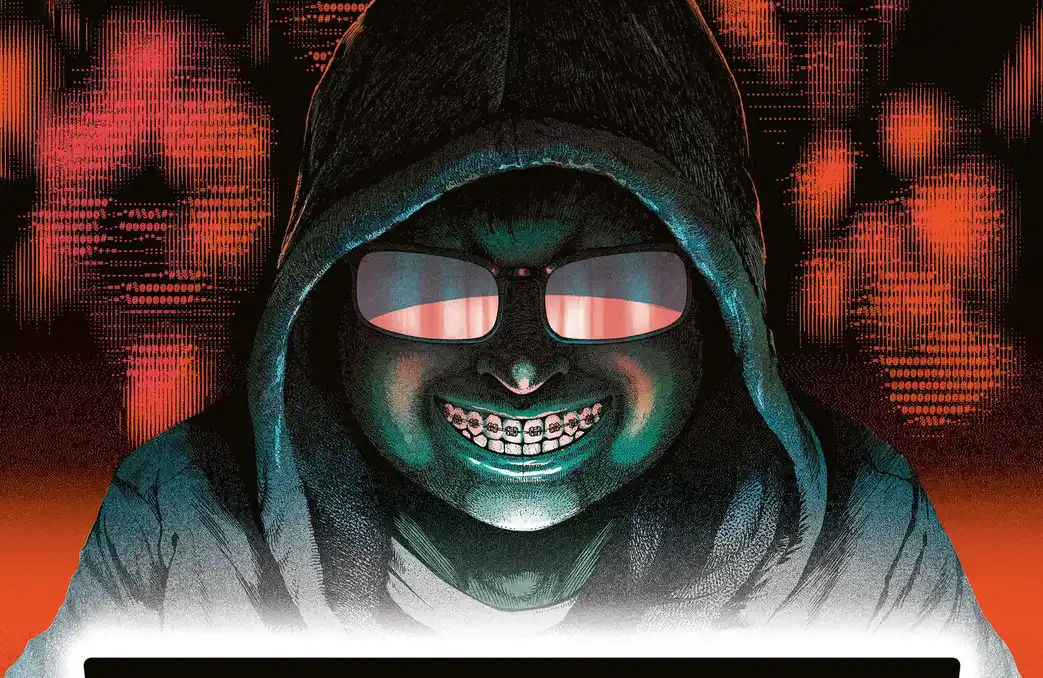
Hacker Summer, taking stock of the top ten Crypto attacks from 2022 to now
Original author: The Crypto Crew manager Sabo
Original compilation: 0x9F, 0x214, BlockBeats
Since 2022, hacker attacks in the encryption industry have occurred frequently. According to a report released by Slowmist, in the first half of 2022 , a total of 187 encryption hacking security incidents, the loss of nearly 2 billion US dollars. Crypto KOL Sabo sorted out the top ten Crypto hacking incidents from 2022 to now on his personal social media platform, and BlockBeats compiled and translated them as follows:
1. Crypto.com ($35m, Jan 17)
A hacker disabled two-factor authentication (2FA) on the crypto trading platform, resulting in the loss of customer funds totaling 4,836 Ethereum and 443 Bitcoin. All affected customers were eventually compensated in full for their losses.
2. Qubit (January 27, $80m)
Hackers stole 206,809 BNB from Qubit’s QBridge protocol through a smart contract vulnerability Ten thousand U.S. dollars. The development team was forced to disband and the protocol changed to be governed by a DAO.

3. Wormhole (Feb. 2, $325 million)
In the Wormhole incident, hackers used the smart contract on the SOL-ETH cross-chain bridge to withdraw cash without depositing any collateral. The lost funds were made up by crypto venture capital Jump Crypto.
4. IRA FT (Feb. 8, $37M)
< p>IRA Financial Trust is a cryptocurrency-focused retirement and pension platform. Hackers somehow got hold of the "master key" to break into the IRA. IRA’s customer accounts are kept by Gemini, and IRA filed a lawsuit against Gemini over the hacking incident, alleging that it was negligent in protecting customers’ assets.
5. Cashio (March 22, $52 million)
Hackers minted Cashio's Stablecoin CASH with "infinite" valueless collateral. CASH suffered severe disanchoring and has not recovered so far.

< /p>
6. Axie Infinity ($625 million, March 28)
The Ronin Bridge hack was the largest ever crypto hack in fiat currency. Hackers control most of the encryption keys. 4/9 validator keys were stolen when an Axie developer clicked on a fake offer PDF file.
7. Beanstalk ($182m, April 17)
Hackers use "flash loans" to take over Stablecoin's governance protocol. Funds are continuously borrowed and repaid in the same transaction. Hackers passed a proposal to donate funds to Ukraine and stole the rest of the collateral.
8. Fei Protocol (April 30, $80 million)
< p>A bug in the lending protocol code allowed hackers to recover the collateral on the loan while the loan was being made. Fei DAO repaid the bad debt for the hacker. Stablecoin FEI maintains a $1 peg.
9. Harmony ($100 million, June 23)
The notorious North Korean hacking group Lazarus holds 2/5 of the security keys and uses them to approve transactions. Assets were stolen from the Horizon Bridge, the cross-chain bridge that allows assets to flow between Harmony and Ethereum and BNB Chain.
10. Nomad (August 1, $190 million)
A Nomad smart contract update makes it easy for users to make fraudulent transactions and withdraw money from the Nomad bridge. White hat hackers have returned $33.3 million worth of funds.
Reflection
Last year, we faced more social engineering attacks. But in 2022, we shifted to more code bugs and flash loans. Instead of relying on large numbers of people being duped, attackers are able to attack DeFi protocols directly.
No single chain can handle all global transaction volume. Thus, it seems inevitable that we are heading towards a multi-chain future, although mass adoption has not yet been reached. This explains the need for cross-chain bridges, and why we need to secure them.
The biggest hack of 2022 comes when attackers discover cross-chain bridges and flash loan protocols loophole. In the future, it will be necessary to conduct smart contract audits on every line of code, including code changes before launch or at any time.
2022 has also been a fruitful year for the North Korean hacking group so far. As Tornado Cash Sanctions Set a Precedent in the Crypto Industry, Where Will Hackers Turn? Who will be the next to bear the wrath of US and global regulators?
Original link
Welcome to join the official BlockBeats community:
Telegram Subscription Group: https://t.me/theblockbeats
Telegram Discussion Group: https://t.me/BlockBeats_App
Official Twitter Account: https://twitter.com/BlockBeatsAsia

 Related Articles