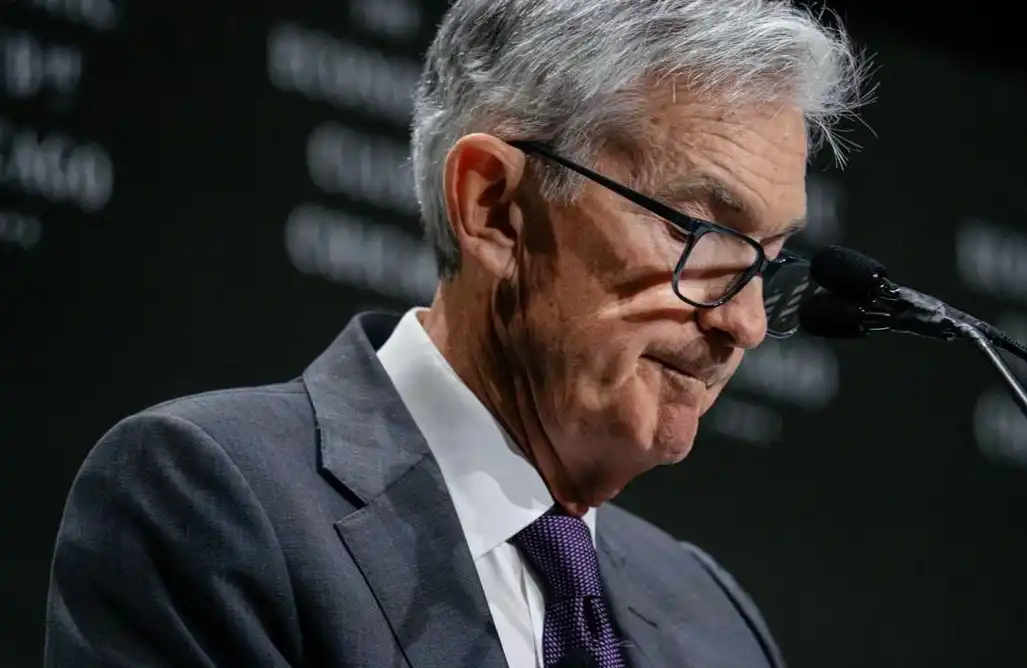
Behind the Fed's 75 basis point rate hike: The macro state of the market
By Kyla Scanlon
Ashley, BlockBeats
Everything is falling apart in the market
More and more things are based on a very fragile balance, one light blow can destroy the whole scale. We often describe the economies of markets as dominoes -- a tightly linked system in which a small economic change triggers other factors and builds up the potential to cause a financial storm.

What the hell happened?
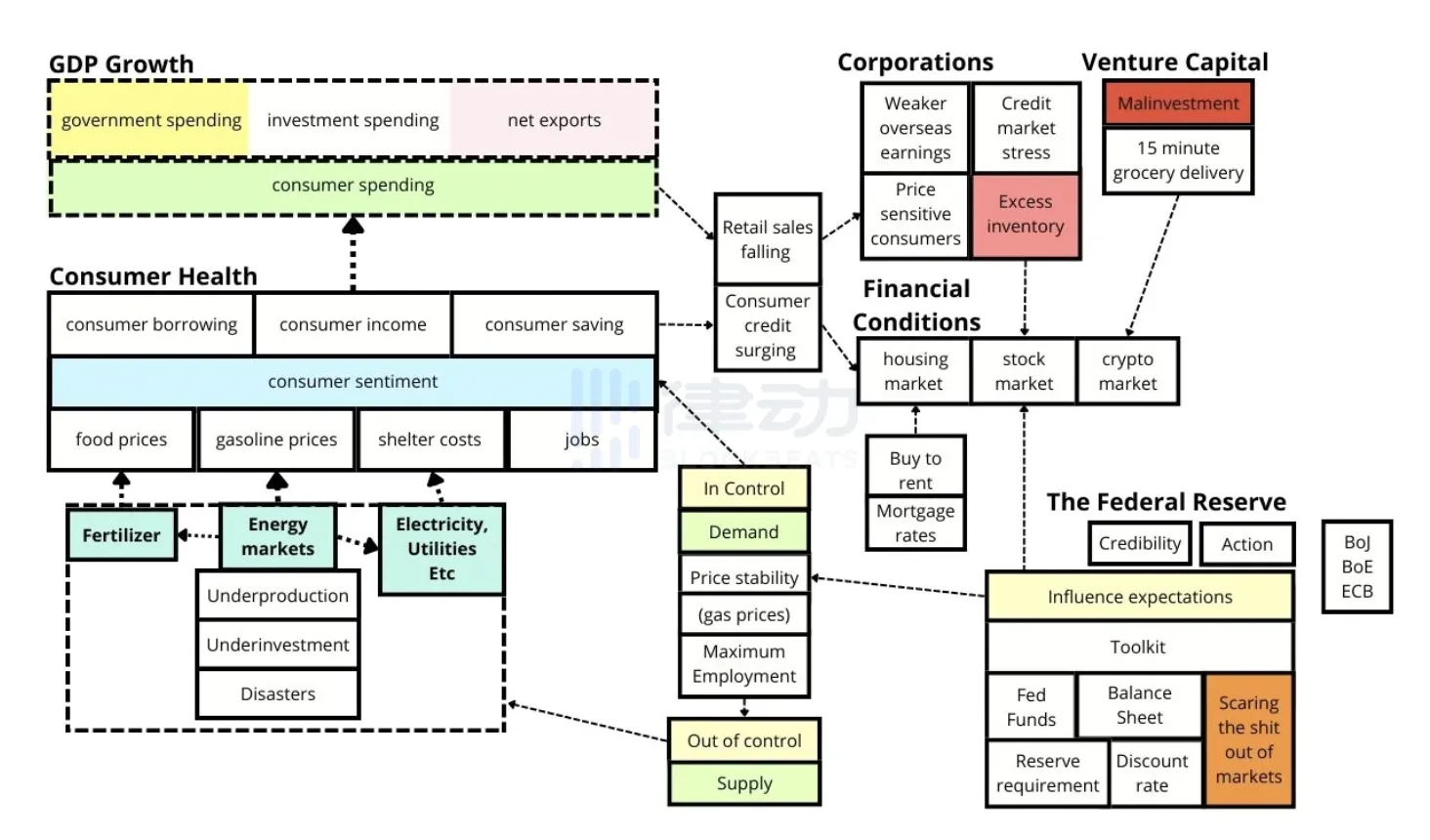
There are many different theoretical frameworks for studying economics, but in this article I want to illustrate my research by looking at the most central driver behind economic decisions: people. People stimulate changes in GDP, consumer health, corporate growth, financial conditions, and Federal Reserve policy.
GDP change & have spent
Now that the economy is not overheating and the market is moving towards the smooth state the Fed wants, it's like the scales, it has two sides. Consumer spending, a big driver of growth, is changing dramatically. GDP contraction: Many people seem to think a recession is imminent, and GDP is now forecast at 0% (which means a technical recession considering our last quarter GDP number was negative). On top of that, consumer confidence is low. The recession was scary, and a lot of people were worried about what would happen to the market next.
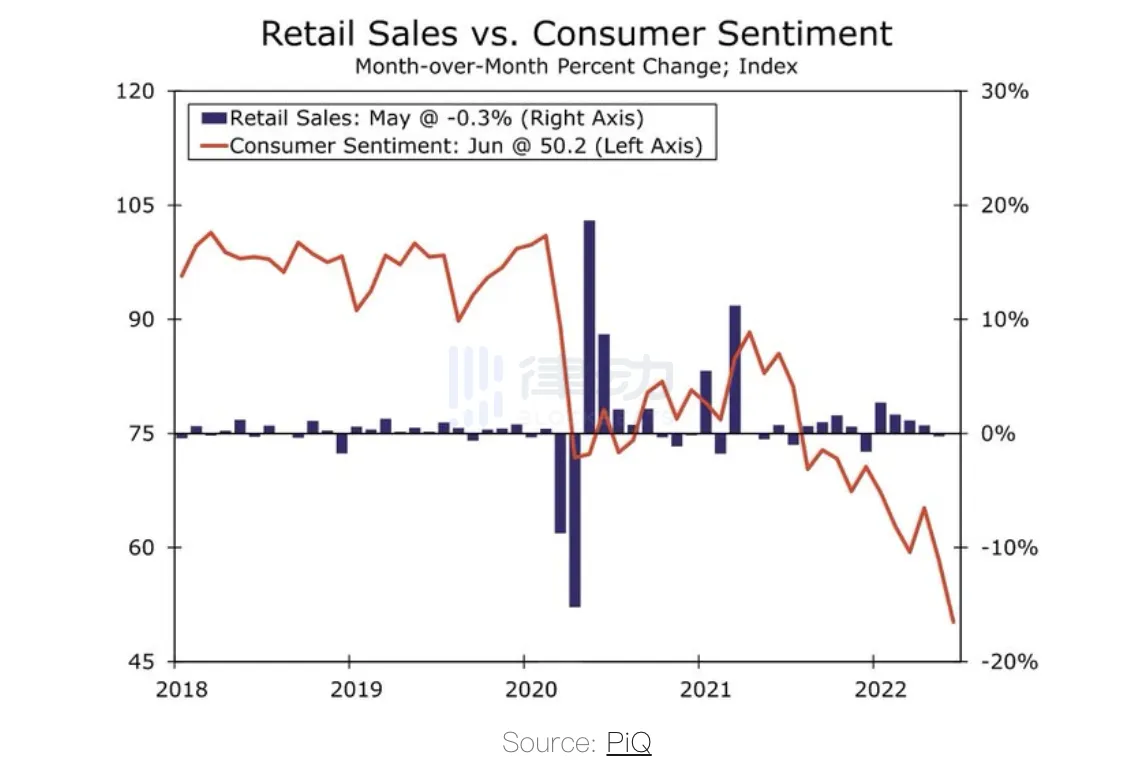
This affects people's spending: consumer sentiment is a central driver of GDP growth. Consumer behavior is shifting more toward low-cost goods such as food and rental services rather than expensive items such as cars. Factors such as consumers' frustration with supply shortages and their reluctance to spend on expensive products can influence these behaviors.
The consumer confidence index is like a flashing red bell telling people how they really feel. Weak consumer sentiment will affect consumer spending, and when the consumer dominoes fall, many things fall with them.
Consumer Health & NBSP;
Consumer spending accounts for about 70% of GDP growth, so policy largely encourages people to keep spending. Consumer sentiment is made up of many different things, but the core components of the current market seem to be: food prices, gas prices, housing costs (house prices, rent, utilities), jobs.
Three of those four factors are now on shaky ground. Food costs are high because of supply-chain problems and fertilizer prices. High crude oil prices, refining capacity is limited by some factors, leading to high gasoline prices; Utilities are high, rents are soaring; People are struggling right now.
The resulting downturn in consumer sentiment has pushed the economy in a negative direction. The only bright spot is the Labour market -- unemployment is low and jobs are being added, but things are starting to change. There have been a series of layoffs in the tech and cryptocurrency sectors, and of course monetary policy will have a bigger impact on this.
The Fed has two levers to change the status quo -- the labor market and financial conditions. Forcing people out of work (as tighter financial conditions do) * would lower inflation. So as the Fed tries to bring down inflation, employment indicators will have some problems -- all four of which cause consumer confidence to falter. When people lose confidence in the economy, that could push us into recession, because expectations of good things are an important part of how the world works.
Company development & NBSP;
Consumers also influence companies in different ways. For example, new cars are now seen as not worth buying, causing car companies to cut back on retail sales, and, as mentioned earlier, consumer credit is soaring. I will list the factors below.
The dollar
The dollar has strengthened because it is a safe haven asset in uncertain times (today), so if a company does business overseas they will be affected by currency conversions - a stronger dollar has a negative impact on exports.
Price sensitivity & NBSP;
Consumers are becoming more sensitive, so companies cannot ignore costs as easily as they hurt profits.
Credit Market & NBSP;
A lot of companies are under pressure in the credit markets -- which means people are saying "maybe they can't pay this debt back", which leads to wider spreads and general fear. Junk bond spreads of more than 500 basis points are a very dangerous thing. Stress on corporate credit could get in the way of the Fed, which would have to step in and fix a bond market collapse.
Deflation;
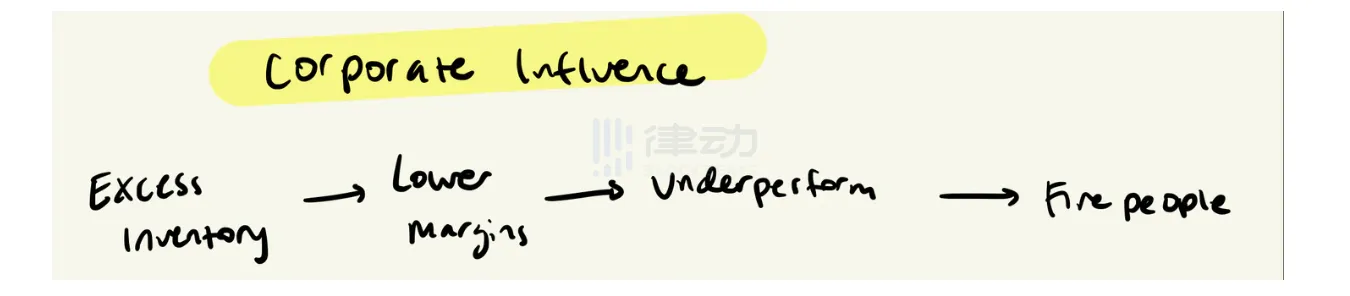
Companies also have excess inventories that are deflationary, but hurt profits. You may say, "Great! I wish all companies would die a slow, burning death," but companies employ people! So if corporate profits suddenly shrink, there will be less work for people. Which brings us back to the consumer sentiment -- jobs. So everything is intertwined, and if one domino falls, the whole industry falls.
Financial conditions & NBSP;
Financial conditions are the core dominoes that ultimately affect the Federal Reserve. The main factors are:
Stock market; People feel they are spending less because they are earning less;
Housing: Higher mortgage rates make buying a home difficult;
Crypto market: As 3AC and Celsius become insolvent, the end of the dominoes will cause a seismic shock.
Real estate market
As I wrote in my article on the recession, many young people think we need to reset the market so they can have a home. Powell says recalibration is necessary! Little has changed in the housing market -- and of course, it all comes down to supply and demand.
Supply and demand relationship & NBSP;
Investors buy lots of real estate rather than live in it, and construction policies in different areas make it difficult to build houses, contributing to the lack of supply; Demand for homes is high: as mortgage rates adjust to affect new home buyers, growing millennials need to own their own homes.
The cost of borrowing
The main lever of change today is mortgage rates - making it much more expensive to own a home. "The monthly payment on a 30-year fixed-rate mortgage is $2,514, up from $1,692 a year ago," Redfern writes.
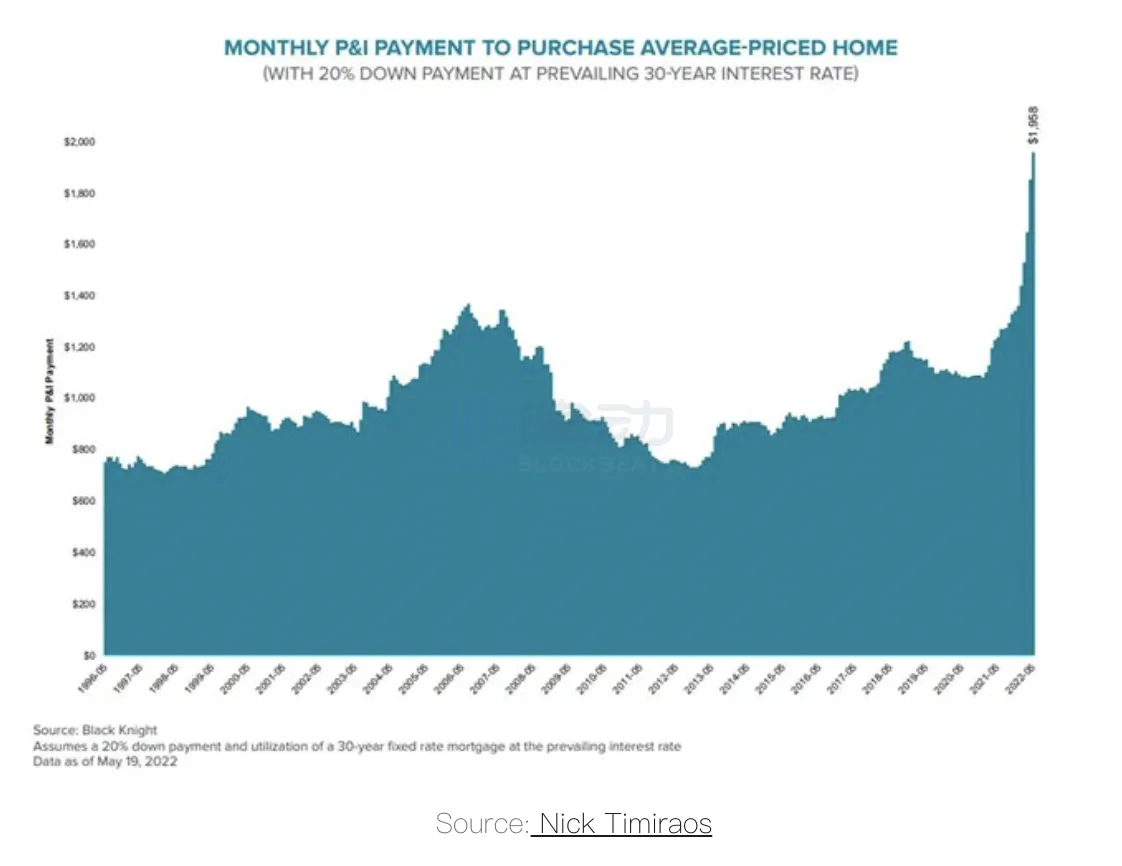
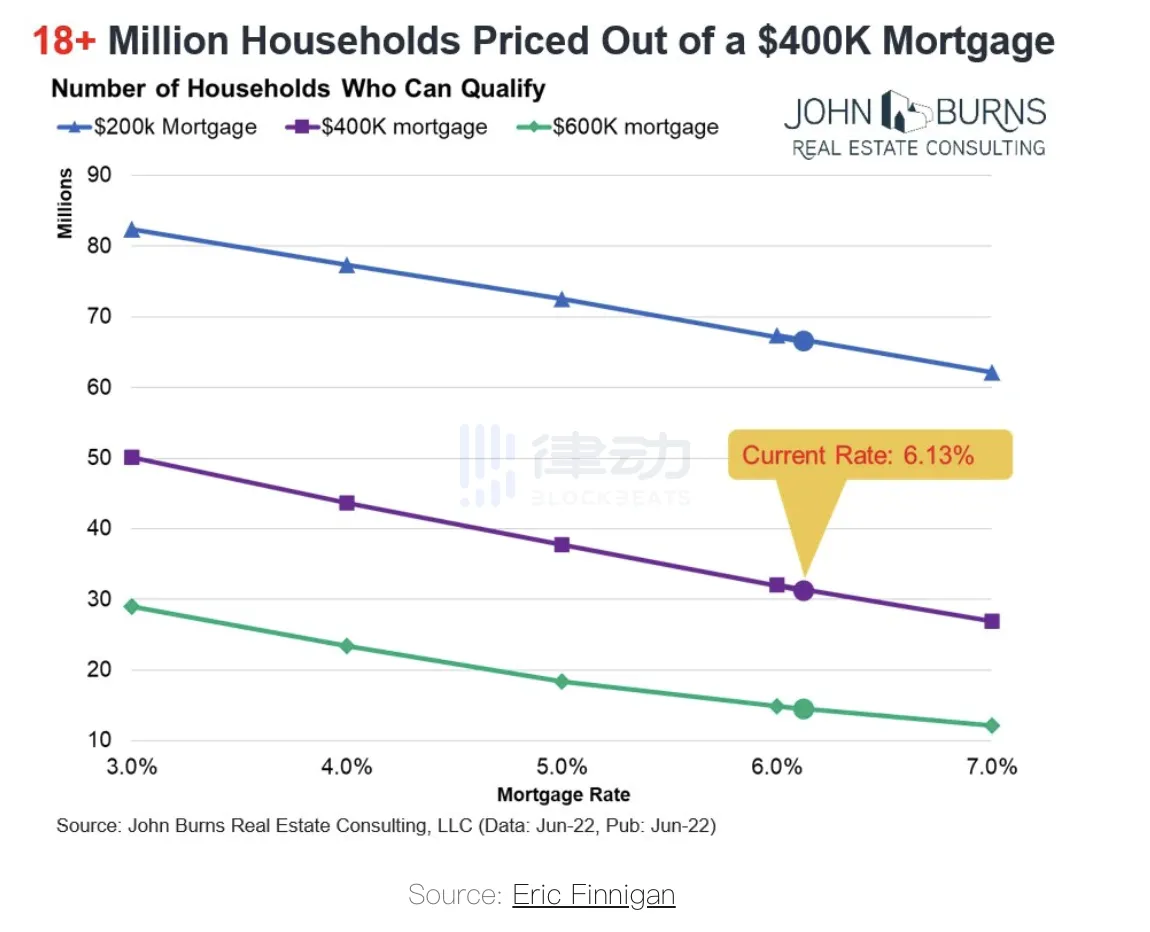
So we're starting to see these supply and demand mechanisms "normalize" the housing market. With interest rates over 6 percent and more than 18 million homes leaving the housing market, this was before the 75 basis point hike. Mortgage rate fluctuations are powerful enough to knock down any market - if you take the time to consider buying, you may not be able to afford it by the time you make your choice!
Pressure in the rental market
Of course, the flip side of 18 million people being unable to own their own homes is that they have to rent, upsetting the size of the rental market and pushing up prices. The shortfall of 18m people also led to a 5 per cent rise in the stock of available housing in a week.
The Fast and Furious Fed;
The situation will get worse because the Fed isn't going to cut interest rates anytime soon, which will push mortgage rates up. This is the "tightening of financial conditions".
There were no bids for mortgage securities
Moreover, the market does not want to touch mortgage securities - it is not attractive to the market, so this would have to push up mortgage rates to attract buyers. The supply and demand issues I mentioned earlier remain. As Conor writes -- "While higher mortgage rates and fewer panic purchases may help reduce imbalances in the short run, they do nothing to address the long-term demand for housing growth." We seem to be doing the same thing all the time, digging ourselves into countless policy muddles. You can see this in energy, housing, etc. - by trying to solve the problem, we are making things worse.
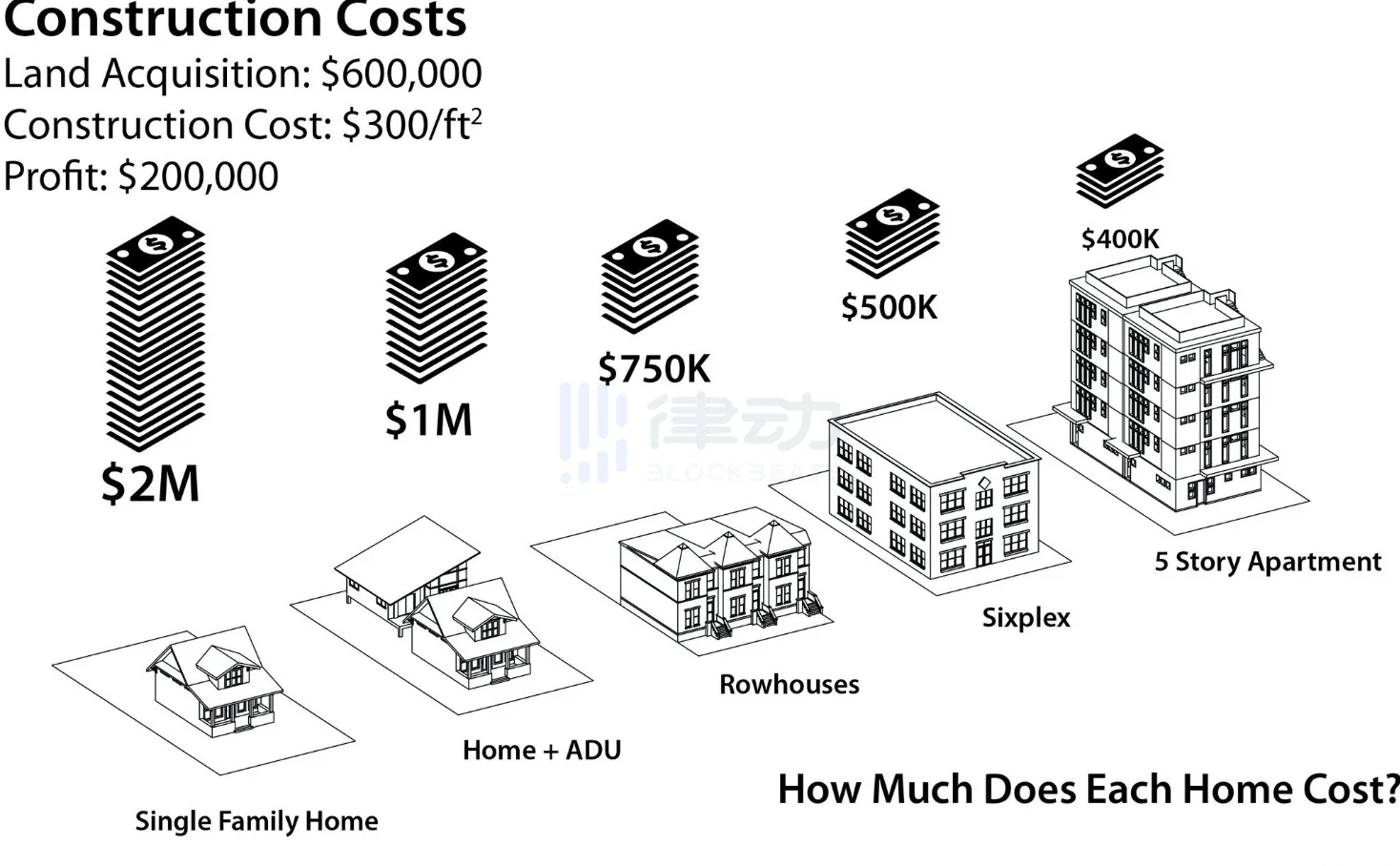
The policy never issued what it was supposed to do, such as whether Blackstone would be eligible to buy a large number of properties and convert them to rental properties. But this is the particular inflation hedge blackstone is implementing.
Energy is the same as housing. We need more and more sustainable development. Suppressing demand in the short term will not solve systemic long-term problems.
1) There is not enough housing.
2) There is not enough energy to produce.
The federal reserve & have spent
The federal government can't do anything about it. Their existence dampened expectations. That's why they're announcing 75 basis points, because they're losing control of the economic narrative.
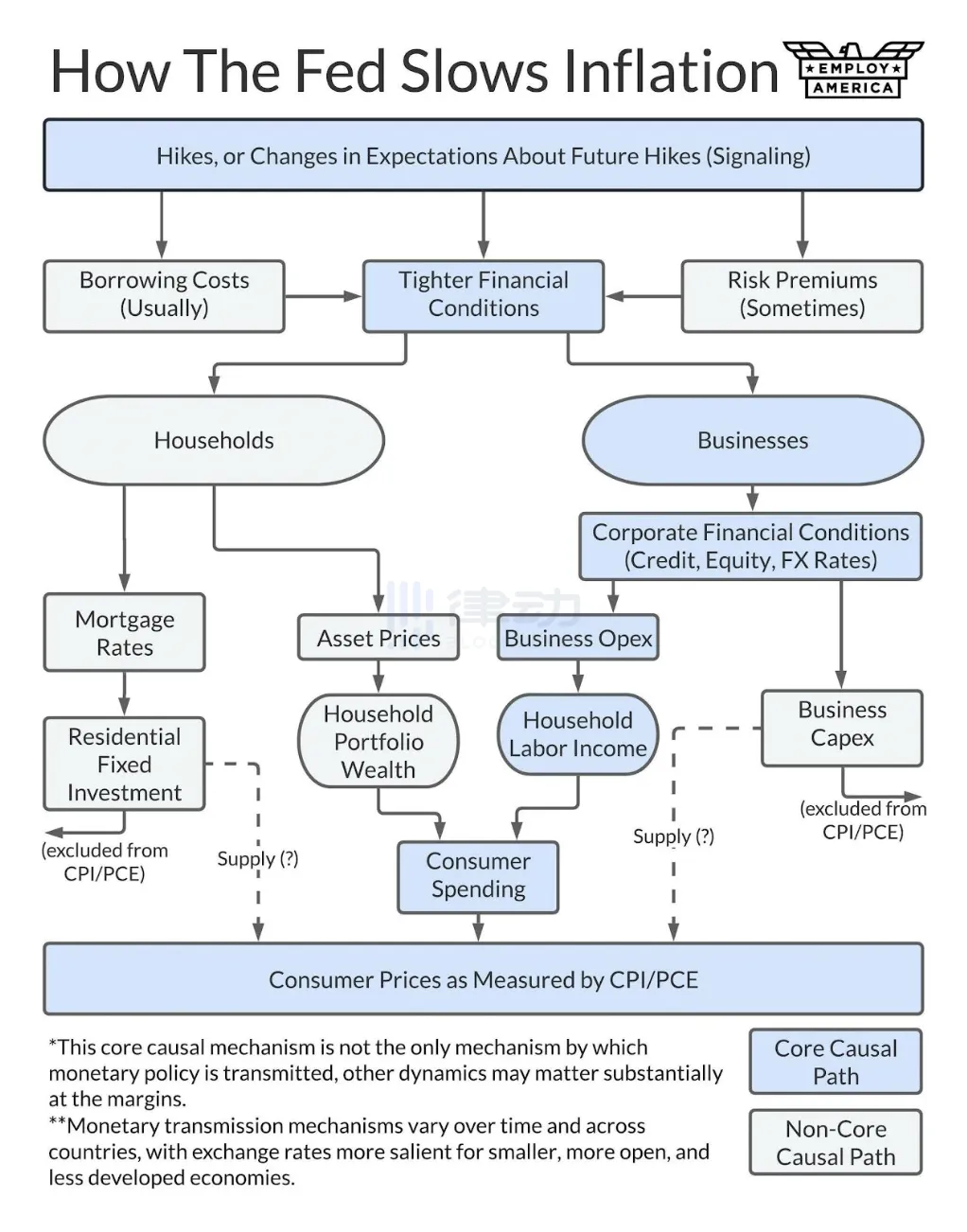
They have the means to help them do this, but their real goal is to scare the crap out of the market. They do it in several ways:
Federal benchmark rate & NBSP;
This is what people call the Fed "raising interest rates" -- the Fed pushes through federal funds that affect all other interest rates in the economy, including mortgages, car loans, etc. When interest rates rise, it means that everyone has to pay more to borrow money, which slows the economy.
Balance sheet & NBSP;
The ongoing quantitative tightening provides less support to the market. The balance sheet is a contest between the Fed's money-printing machine and its pumping machine.
Deposit reserve ratio and discount rate & NBSP;
There are also incentives for banks not to lend, which can also slow the economy because there is less money floating around.
Above all, the Fed must strike a balance between good faith and aggressive action. Now the markets believe them. They've been managing expectations very well and haven't done a lot of actual tightening -- they're just talking. But now, their credibility is threatened because everyone thinks, "Fed, you're a little behind the curve..." This explains why the Fed announced 75 basis points.
But that's how the market works. Everything is connected, everything is one end or another, and acknowledging that there will be polarization in everything seems to be the only thing they have in common.
The effects of a chain reaction.
The Fed manages market economic expectations, but I think expectations will have to shift.
The ORGANISATION for Economic Co-operation and Development published its Economic Outlook for 2022 report, banging on the dustbin lid and saying: "Hello, the world economy may be collapsing."
Their three main arguments are that the war has slowed the economic recovery; Rising inflationary pressures; An existential crisis will create hardship and the risk of famine.
It's all true. Russia's energy market is a mess, refining capacity is scarce, and Europe wants them to switch to green energy right away -- there are a number of factors putting pressure on the Fed to act.
Soft landing of the bubble?
The Fed has some pretty bold expectations about what it can achieve in this tightening cycle. Their forecasts for unemployment and GDP suggest some sort of slowdown, but not a recession. However, it is highly unlikely that this will happen without causing economic hardship. Fed narrative: The Fed can only push things along. They have to politicize part of what they're doing because inflation is really painful. It's not the best option for them. People may no longer believe that the Fed has any authority to influence markets and destroy their credibility and expectations.
Jerome Powell even said at the conference that they don't want people to lose their jobs, but they do. The Federal Reserve Bank of New York forecasts a 10 per cent chance of a soft landing and an 80 per cent chance of a hard landing - painful things will have to happen. Other central banks are getting in on the act.
The Bank of Japan remains on a loose monetary policy path. After years of loose monetary policy, the European Central Bank has hinted at tightening in July. At about the same time, Italian bond prices collapsed (which was bad). Inflation in Europe is quite high, but markets are still demanding more easing, which is a big challenge.
In the end, everyone's view of the economy is just a guess, and that's monetary policy. As Neel Kashkari, president of the Minneapolis Fed, has written: "I know of no theory that tells us how we can tighten long-term interest rates for a limited time in a way that will bring inflation back to target."
Many mistake bull markets for an opportunity to shine -- in fact, as Jim Chanos describes in Odd Lot, they are simply "the credit cycle behind them". Moreover, we are used to good things. Our expectations are high! That's a good thing, but the concept of 15-minute delivery is a luxury. As Sarah O 'Connor has written about unprofitable "on-demand" services, having coke delivered to your door makes people feel rich after a decade of stagnant wage growth. This was previously subsidised by investors. But now that the money is running out to make this happen, it's going to frustrate our desire.
We can act to align our expectations with reality. But we can't do that now, like the US trying to build utopian robot sweeper trains when it doesn't have them. Many of our solutions are simple in nature, but we don't want these simpler frameworks, as Alan Cole has written :
1) Our infrastructure process is riddled with rules and regulations;
2) Action often disappears in the sewers of American bureaucratic government.
I think we often forget that economics is really a group of people getting together to try to make sense of the world. I don't know what's going to happen, and it's frustrating. But it's okay to be upset. That's where the action comes in. Just like the Fed, we have to act to preserve our credibility, and we need to do more on that. The polarization of society suggests that we at least care -- but how can we harness those feelings to create something beneficial for our collective future? It's an eternal question.
Welcome to join the official BlockBeats community:
Telegram Subscription Group: https://t.me/theblockbeats
Telegram Discussion Group: https://t.me/BlockBeats_App
Official Twitter Account: https://twitter.com/BlockBeatsAsia

 Related Articles