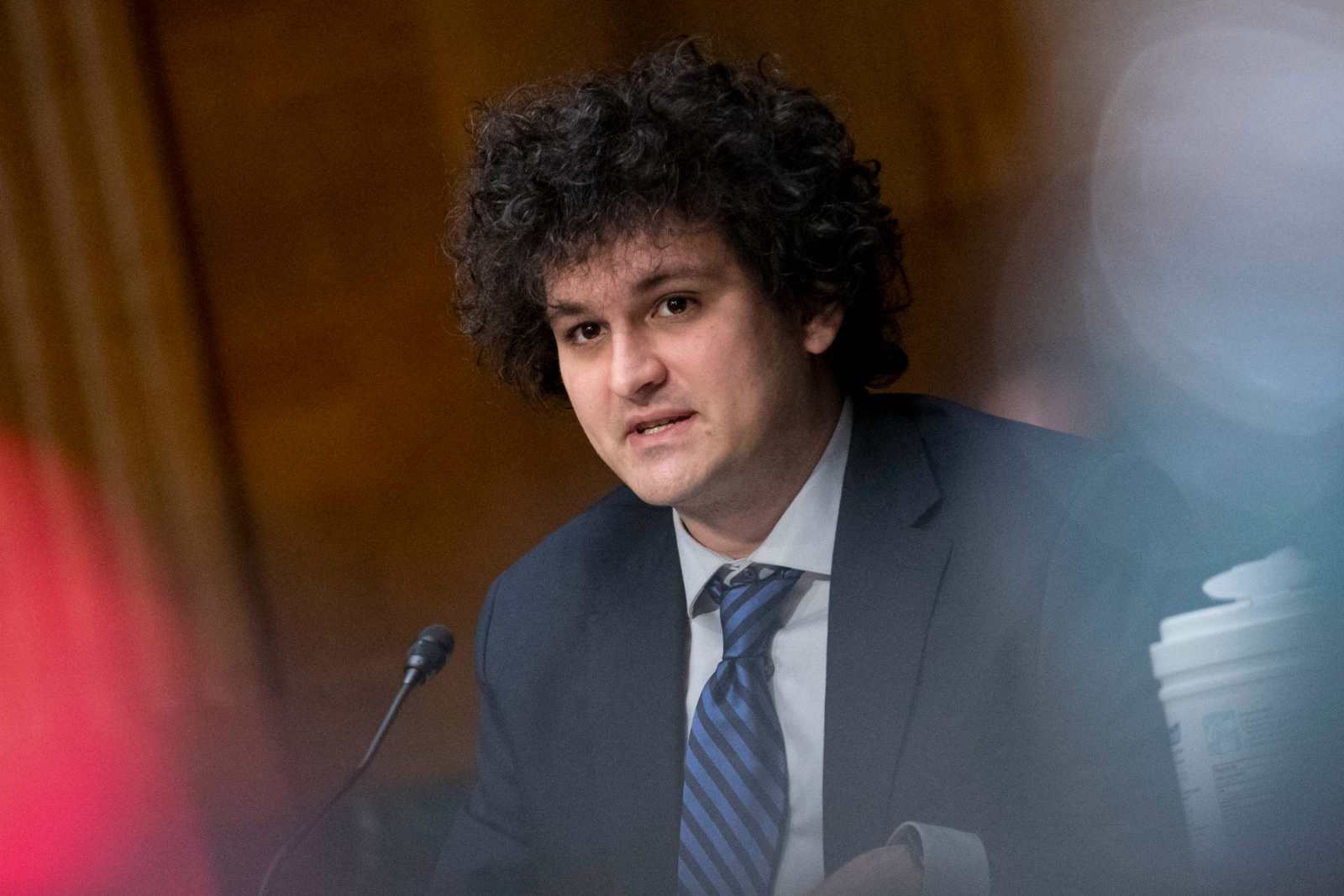
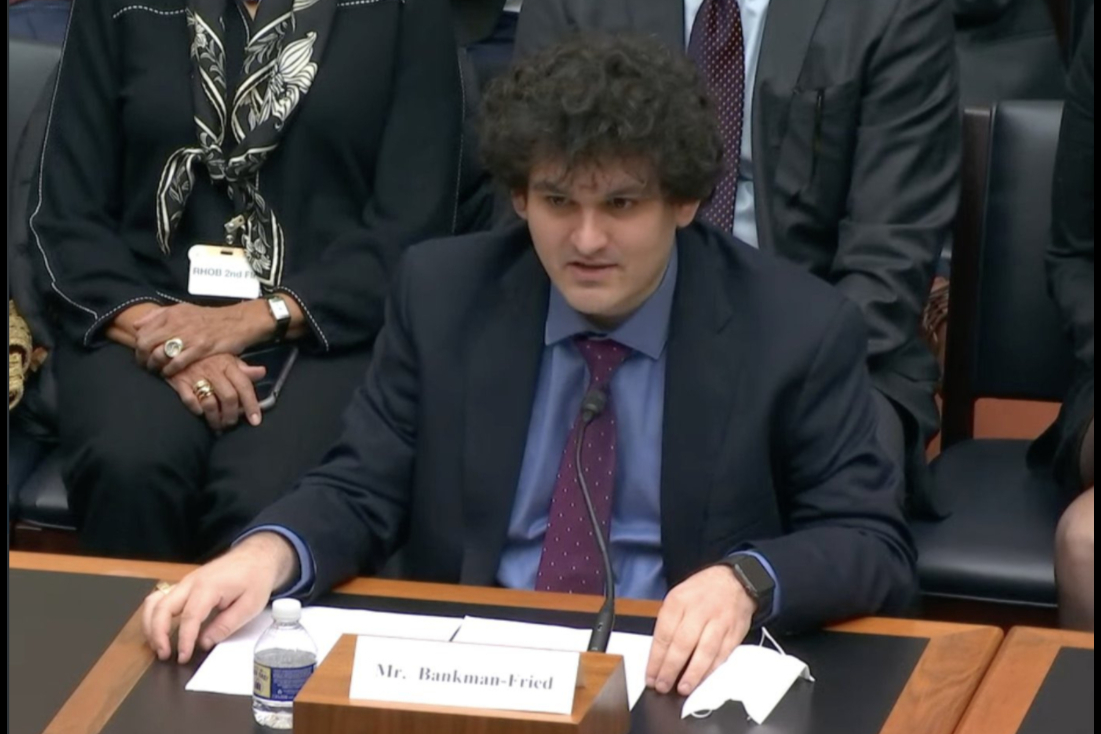
SBF proposes to introduce algorithms to replace traditional futures clearing, arguing fiercely with traditional futures brokers
Original source: FTX
CFTC (U.S. Commodity Futures Trading Commission) held a public roundtable meeting in Washington, DC on May 25, and the derivatives trading industry Representatives of the FTX trading platform gathered to discuss the "no intermediary trading" proposal. Not surprisingly, SBF, the founder of FTX, has been strongly questioned by traditional futures and commission merchants. Where does traditional finance question this proposal? In response to these doubts, SBF has something to say.
FTX proposed to CFTC in March this year, hoping to use algorithms to replace traditional FCMs (Note: Futures Brokerage Intermediary, Futures Commission Merchant, FCM can accept futures trading orders, collect margin from customers, and provide trading and settlement services for other intermediaries). The approach is to require customers to deposit collateral and calculate margin positions on a rolling basis. Once the margin ratio is too low, FTX will start liquidating within seconds.
The pros and cons clashed fiercely at the round table
Those who opposed the proposal, such as CME (CME Group), FIA (Futures Association), etc. believe that algorithms cannot cope with "unexpected situations", and sometimes human regulation is still required. Zhengfang believes that 24-hour real-time liquidation can provide higher risk management and control capabilities.
SBF said that this method will allow customers to deposit collateral/margin with DCO before establishing a position, which is similar to the current DCO responsible for managing clearing members (FCMs), the FCMs are responsible for different margin calls.
“The way I envision is that before opening a position, the customer deposits a margin with the DCO, and this margin is the collateral instead of relying on the credit of FCMs .In this mode, the DCO can efficiently run the risk management model, which means that anyone can trade.”
However, the opposing party obviously disagrees.
CME Executive Director Sean Downey believes that the replacement of human regulation by algorithms is based on many assumptions and relies too much on the margin system, but margin and capital are two different things. Insufficient capital in the system can lead to a cascade of liquidations leading to flash crashes when volatility exceeds the "price range".
Where is the crux?
The current clearing method of traditional futures is to collect and call for margin through FCMs. will not be liquidated.
Although the opponents do not agree with algorithmic liquidation, it is interesting that both sides agree that algorithmic automatic liquidation can be applied to cryptocurrencies. The real controversy is, if the algorithmic automatic liquidation is applied to other commodity liquidation, will it cause market turmoil?
According to the FTX.US policy, if the FTX proposal is approved, the DCO (Derivatives Clearing Organization) under the jurisdiction of the CFTC can provide users with the above-mentioned Serve. In other words, DCO can apply this settlement method to other commodities in the future, which is what the opponents really care about.
In addition to the significant benefits arising from the repeal of FCMs, physically delivered futures are not fully eligible for automatic clearing. As mentioned earlier, once the fluctuation exceeds the price range, liquidation may be triggered, and the commodity price may flash crash or skyrocket.
Nelson Neale of the National Farmers Cooperative Council says that while automatic liquidation is great for cryptocurrencies, it's not good for people who depend on energy or stable food prices s solution.
“With automatic liquidation, (the sharp price fluctuations), of course it is bad for crypto traders (meaning liquidation), but it is not good for American farmers It will be far worse than the crypto market.”
SBF has something to say
Although the roundtable meeting was not short, it was still unable to fully answer the opinions of all parties, so SBF posted a post on Twitter after the end.
In response to the criticism of insufficient capital in the system, SBF countered that FTX has already deposited capital:
"We have capital deposited into the system, we have deposited $250 million in the system recently, so capital is not an issue."
SBF also emphasizes that FTX has a price stabilization mechanism (Price Bands) setting:
“Price bands can prevent flickering Beng. We have a price range setting, I don’t know why some people think we don’t.”
Next, SBF spent a lot of time explaining The difference between FTX algorithm liquidation and traditional model.
SBF stated that this practice of depositing margin first can actually better protect customers and avoid systemic risks. The best example is that FTX has hundreds of billions of assets as collateral (margin).
He also agreed with ICE that the system should allow third parties to provide credit to customers at risk of liquidation.
It's just that SBF emphasizes that the emergency credit of this system uses the assets of a third party, not the funds of other users in the system, and because it is "real-time liquidation" , so there is a certain time limit for margin calls.
“Frankly speaking, when the (traditional model) DCO risk manager is on the phone with a large customer and chooses to trust the customer’s credit and not to call for a margin, he is actually taking other The idea of risking the client's assets is quite scary!"
In addition to the margin, SBF also emphasized again that FTX also has a guarantee fund:
“Again, FTX does not rely on credit, so no additional capital is required to back it up, however we still have initial margin and guarantee funds.
Oddly enough, these Comments seem to forget the obvious fact that our proposal clearly states that we have a guarantee fund in addition to margin.”
SBF Appeal, FTX’s Automatic liquidation mechanisms are not against traditional FCMs.
In fact, he also understands that if "physical delivery" is involved, the automatic liquidation mechanism may not be suitable for every commodity, but it is important The most important thing is to return to the market mechanism and let customers choose the trading platform and clearing mechanism by themselves.
SBF’s long tweet is mainly to clarify doubts, and explain the operation process and motivation behind these mechanisms, but SBF is still sour for some unreasonable comments A few words.
For Sean Downey, executive director of CME, who said that "the traditional clearing mechanism works well, and there is no problem until now", SBF responded with "LOL Nickel", LOL means laughing out loud, and nickel is ironic that the LME stopped trading because of nickel's plunge a while ago.
Also he seems dissatisfied that the pre-self-certification roundtable is necessary.
Self-Certification (Self-Certification) means that if the entity belongs to the DCO supervised by CFTC, before the DCO puts new products on the shelves, it only needs to prove in advance that the new products meet the Written documentation of regulations, and documents requiring prior approval.
Conform to two items, if CFTC does not find violations, then DCO can launch new products after one working day.
In the past, CME launched Bitcoin futures in this way.
SBF quips:
“It’s good to hear that the competitors think that self-certified need a roundtable to fully communicate before, so I guess they would approve of having a roundtable every time they self-certify for a new deal?"
In addition, he also criticized some people who did not fully understand the automatic liquidation mechanism, and began to comment arrogantly:
“They are all talking about price stability Mechanism! Only in this way can users be protected when there are violent fluctuations within a minute.
But some people don’t understand the crypto market better than FTX users. Ironically, today I still have to listen to these people's arrogant comments to protect users."
The two parties have different liquidation logics, and they are still looking for a consensus
Generally speaking, the liquidation directions of the pros and cons are different.
For traditional finance, the volatility of derivatives is "usually" not as high as that of cryptocurrencies, and customers seek capital efficiency, so it is It is hoped that user credit can be reviewed through FCMs. As long as the customer is creditworthy and FCMs can advance the liquidation funds on their behalf, this settlement model will work.
However, in response to the volatility of the encrypted market, the liquidation system designed by FTX requires a mortgage deposit to perform real-time liquidation. The benefit is that without going through a third party, there is no chance of FCMs risking other client funds.
Take operating a hotel as an example, the traditional financial thinking is that the identity of the passenger has been confirmed, and there is also a channel for claiming compensation. Even if the passenger does not have enough money, the hotel can also Earn interest on behalf of expenses.
The idea of SBF is that they are afraid that the guests staying in the room will damage the equipment in the room, so they require the passengers to pay a deposit, and the hotel confirms that the equipment is not damaged when checking out After that, the deposit will be refunded to the passenger.
So SBF believes that it is important to return to the market mechanism and let customers choose the trading platform and clearing mechanism by themselves, but innovation is bound to cause opposition.
As SBF's tweet sums it up, FTX is doing something right.
We could not have gotten here without Zach, Brian, Julie and the whole team working together Far."
Welcome to join the official BlockBeats community:
Telegram Subscription Group: https://t.me/theblockbeats
Telegram Discussion Group: https://t.me/BlockBeats_App
Official Twitter Account: https://twitter.com/BlockBeatsAsia

 Related Articles